Cheaper Than Europe: 5 Magical Winter Destinations in Central and South America
When travelers start planning their winter escapes, many automatically think of the traditional winter destinations in the USA or expensive European getaways. However, there's a treasure trove of magical destinations right in our hemisphere that offer incredible value, stunning landscapes, and unforgettable experiences at a fraction of the European price tag. Central and South America present some of the most compelling winter destinations for travelers seeking warmth, adventure, and cultural richness without breaking the bank.
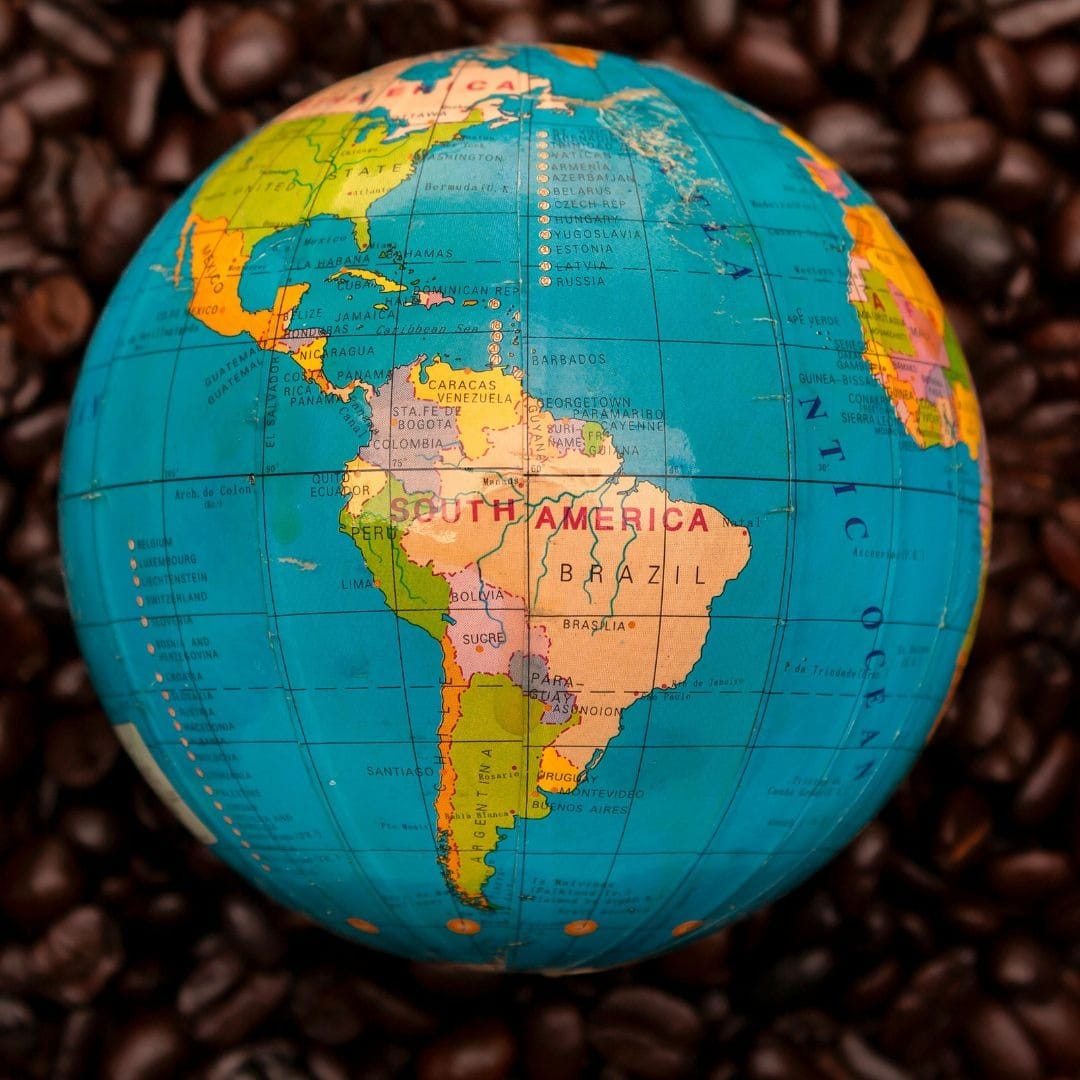
Why Choose Central and South America Over Traditional Winter Destinations USA?
Before diving into our top five destinations, let's address why savvy travelers are increasingly looking south instead of heading to crowded winter destinations, east coast locations or expensive European cities.
Cost Comparison: The Financial Advantage
The average winter trip to Europe can cost anywhere from $3,000 to $5,000 per person for a week-long vacation, including flights, accommodation, meals, and activities. In contrast, a comparable trip to Central or South America typically runs between $1,200 to $2,500, offering savings of up to 50-60%. These savings come from multiple factors:
Lower accommodation costs: Luxury hotels in Central and South America often cost what mid range hotels charge in Europe. A beachfront resort in Costa Rica or a boutique hotel in Colombia can cost $80-150 per night, while similar accommodations in Mediterranean destinations would easily exceed $250-400 nightly.
Affordable dining: Restaurant meals in most Central and South American destinations cost 40-70% less than European equivalents. A gourmet dinner for two with wine in Buenos Aires or Lima might cost $40-60, while a comparable meal in Paris or Rome would easily exceed $120 -150.
Transportation savings: Internal flights, buses, and local transportation are significantly cheaper. A domestic flight in South America typically costs $50-150, compared to $150-300 for similar distances in Europe.
Activity and tour pricing: Adventure activities, guided tours, and entrance fees are generally 30–50% lower than European counterparts—making travel even more affordable when paired with a cost-effective eSIM Europe plan for seamless connectivity.
Does It Snow in Central America? Understanding the Climate
One common question travelers ask is: does it snow in Central America? The short answer is rarely, and only at extremely high elevations. Central America lies in the tropics, and its climate is primarily influenced by latitude and altitude rather than traditional four season patterns.
The region experiences two main seasons: the dry season (winter) from November to April, and the wet season (summer) from May to October. Even in highland areas like Guatemala's mountains or Costa Rica's Cerro de la Muerte, snow is an exceptionally rare occurrence, typically only possible above 10,000 feet during unusual cold snaps.
This tropical climate makes Central and South America perfect winter destinations when you're seeking an escape from snow and cold. While traditional winter destinations in the US embrace the cold and snow, these southern destinations offer consistently warm, pleasant weather during North American winter months.
When to Visit Central America: Timing Your Perfect Trip
When to visit Central America depends largely on your priorities and the specific countries you're targeting, but generally, the best time for most travelers is during the dry season from December through April. This period coincides perfectly with North American winter, making it ideal for escaping cold weather.
Here's a month by month breakdown:
December February: Peak season with the driest weather, warmest temperatures, and most reliable sunshine. Expect higher prices but optimal conditions for beach activities, wildlife viewing, and outdoor adventures.
March April: Still excellent weather with slightly fewer crowds and marginally lower prices. This "shoulder season" offers the sweet spot of good weather and value.
May June: Beginning of the wet season, but often still manageable with afternoon rains and morning sunshine. Significantly lower prices and far fewer tourists.
July August: Mid wet season with more consistent rainfall, though the Caribbean coast of Central America experiences its dry season during these months, making destinations like Belize ideal.
September November: Wettest months with the highest rainfall and hurricane risk on Caribbean coasts. Lowest prices but less reliable weather.
For South American destinations, remember that seasons are reversed south of the equator, so winter months (June August) bring cooler temperatures to southern regions while the north remains tropical year round.

Essential Travel Preparation: Stay Connected with eSIM Technology
Before we explore our five magical destinations, let's address one crucial aspect of modern travel: staying connected. Whether you're navigating unfamiliar streets, making dinner reservations, translating menus, or sharing your adventures in real time, reliable internet connectivity is essential for today's travelers.
Traditional international roaming plans from US carriers can result in shocking bills, sometimes hundreds of dollars for a single week abroad. SIM card swapping at airports often involves language barriers, time consuming processes, and the risk of losing your original SIM card.
This is where eSIM technology revolutionizes international travel. An eSIM (embedded SIM) is a digital SIM card that allows you to activate a cellular plan without needing a physical SIM card. For travelers heading to Central and South America, this technology offers several advantages:
Instant activation: Purchase and activate your plan before departure or immediately upon arrival without visiting a store or dealing with physical cards.
Multiple plans: Maintain your home number while using a local data plan, perfect for receiving important calls or verification codes.
Cost effective: eSIM deals typically offer data packages at 60-80% less than international roaming charges.
Flexibility: Switch between plans or add data as needed without physical SIM changes.
Coverage across countries: Many eSIM offers provide regional plans covering multiple Central and South American countries, perfect for multi destination trips.
For travelers departing from the United States, starting with eSIM USA connectivity ensures you're prepared before even leaving home. Many travelers buy eSIM online USA options specifically designed for international travelers, which seamlessly transition to international networks upon arrival at your destination.
Setting up your eSIM before departure means you'll land with immediate connectivity, no hunting for airport WiFi, no expensive roaming charges, and no missed rideshare pickups because you can't access the app. This peace of mind and convenience is invaluable, especially in unfamiliar destinations.

Destination #1: Costa Rica – The Switzerland of Central America
Costa Rica has earned its reputation as one of the world's most beloved destinations, combining stunning biodiversity, adventure opportunities, beach relaxation, and sustainable tourism practices. Often called the "Switzerland of Central America" for its progressive policies and high quality of life, Costa Rica offers an unparalleled winter escape at approximately 40-50% less than comparable European destinations.
Why Costa Rica Shines in Winter
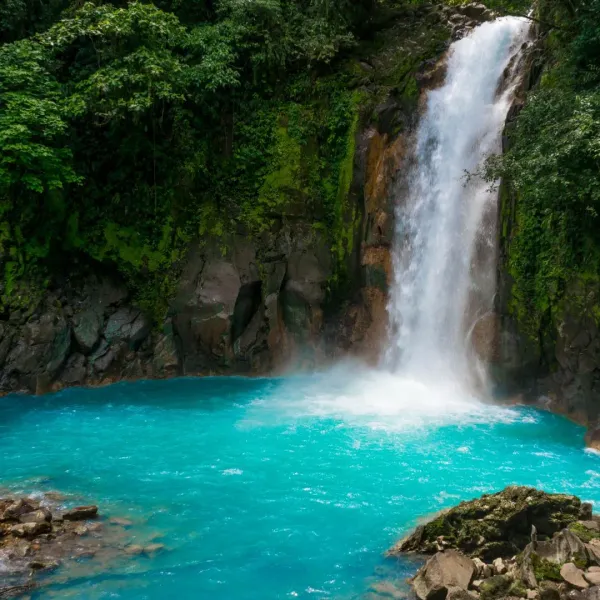
From December through April, Costa Rica experiences its dry season, the absolute perfect time for visiting. The Pacific coast enjoys virtually guaranteed sunshine, while the Caribbean side sees occasional brief showers that keep the rainforests lush without disrupting travel plans. Temperatures hover comfortably between 75-85°F (24-29°C) in most regions, with cooler highland areas offering pleasant respite for those who prefer milder climates.
The country's compact size, roughly the size of West Virginia, makes it incredibly efficient to explore. You can experience cloud forests, active volcanoes, pristine beaches, wildlife rich rainforests, and charming mountain towns all within a single week long vacation without spending excessive time in transit.
Top Experiences in Costa Rica
Arenal Volcano Region: This iconic cone shaped volcano dominates the landscape near La Fortuna. While no longer actively erupting, Arenal remains geothermally active, feeding numerous natural hot springs resorts where you can soak in mineral rich waters surrounded by tropical gardens. The area offers world class adventure activities including zip lining through rainforest canopies, waterfall rappelling, hanging bridge walks, and guided hikes through Arenal Volcano National Park.
Manuel Antonio National Park: This small but spectacular park combines pristine beaches with dense rainforest, creating one of the world's most beautiful natural settings. Visitors regularly spot sloths, monkeys, iguanas, and countless bird species while walking well maintained trails that lead to stunning Pacific viewpoints. The nearby town offers excellent restaurants, boutique hotels, and a laid back beach atmosphere.
Monteverde Cloud Forest: Few places on Earth match Monteverde's ethereal beauty. Walking through these mist shrouded forests feels like entering another world, with moss covered trees, exotic orchids, and unique wildlife including the resplendent quetzal, one of the world's most beautiful birds. The area pioneered ecotourism and offers everything from guided nature walks to suspended bridge systems and thrilling zip line tours.
Guanacaste Beaches: The northwestern Guanacaste province boasts Costa Rica's most developed beach destinations with international resorts, championship golf courses, and perfect surf breaks. Towns like Tamarindo, Playa Flamingo, and Papagayo offer everything from budget friendly hostels to five star luxury resorts, all with consistent sunshine and warm waters.
Tortuguero National Park: Accessible only by boat or plane, this remote Caribbean coast destination offers unparalleled wildlife viewing. The extensive canal systems wind through dense rainforest where caimans, river otters, toucans, and howler monkeys are common sightings. During certain months, sea turtles nest on the beaches, offering once in a lifetime wildlife encounters.
Budget Breakdown for Costa Rica
Accommodation: Budget hostels start at $15-30/night, mid range hotels run $60-120/night, while luxury eco lodges and resorts range from $150-300/night.
Meals: Local sodas (small restaurants) serve filling meals for $5-8. Mid range restaurants charge $12 -20 per entrée, while upscale dining runs $25-40 per person.
Transportation: Public buses are extremely affordable at $2-15 for most routes. Rental cars cost $35-70/day. Internal flights between San José and regional airports run $80-150.
Activities: National park entrances cost $15-20. Guided tours range from $40-100 depending on activity and duration. Zip lining, hot springs, and adventure activities typically cost $50-100.
Internet: A Costa Rica eSIM from MobiMatter will cost you around $1/GB. Check out our eSIM deals for Costa Rica. A 10 GB Costa Rica eSIM is at just $10.99.
Total estimated daily budget: $80-150 per person for mid range comfort, significantly less than $200-350 daily typical for comparable European destinations.
Practical Tips for Costa Rica
Language: Spanish is official, but English is widely spoken in tourist areas. Learning basic Spanish phrases enhances experiences in rural areas.
Safety: Costa Rica is one of Latin America's safest countries with relatively low crime rates. Standard precautions apply: avoid displaying expensive items, use hotel safes, and be aware of surroundings in urban areas.
Currency: The Costa Rican colón is the official currency, but US dollars are widely accepted. ATMs are readily available in all but the most remote areas.
Transportation: Renting a car provides maximum flexibility, though public buses reach most major destinations. 4WD vehicles are recommended for the rainy season or remote areas.
Connectivity: Having reliable internet through an eSIM is particularly valuable in Costa Rica for accessing GPS navigation on rural roads, making accommodation reservations, and booking tours on the fly.
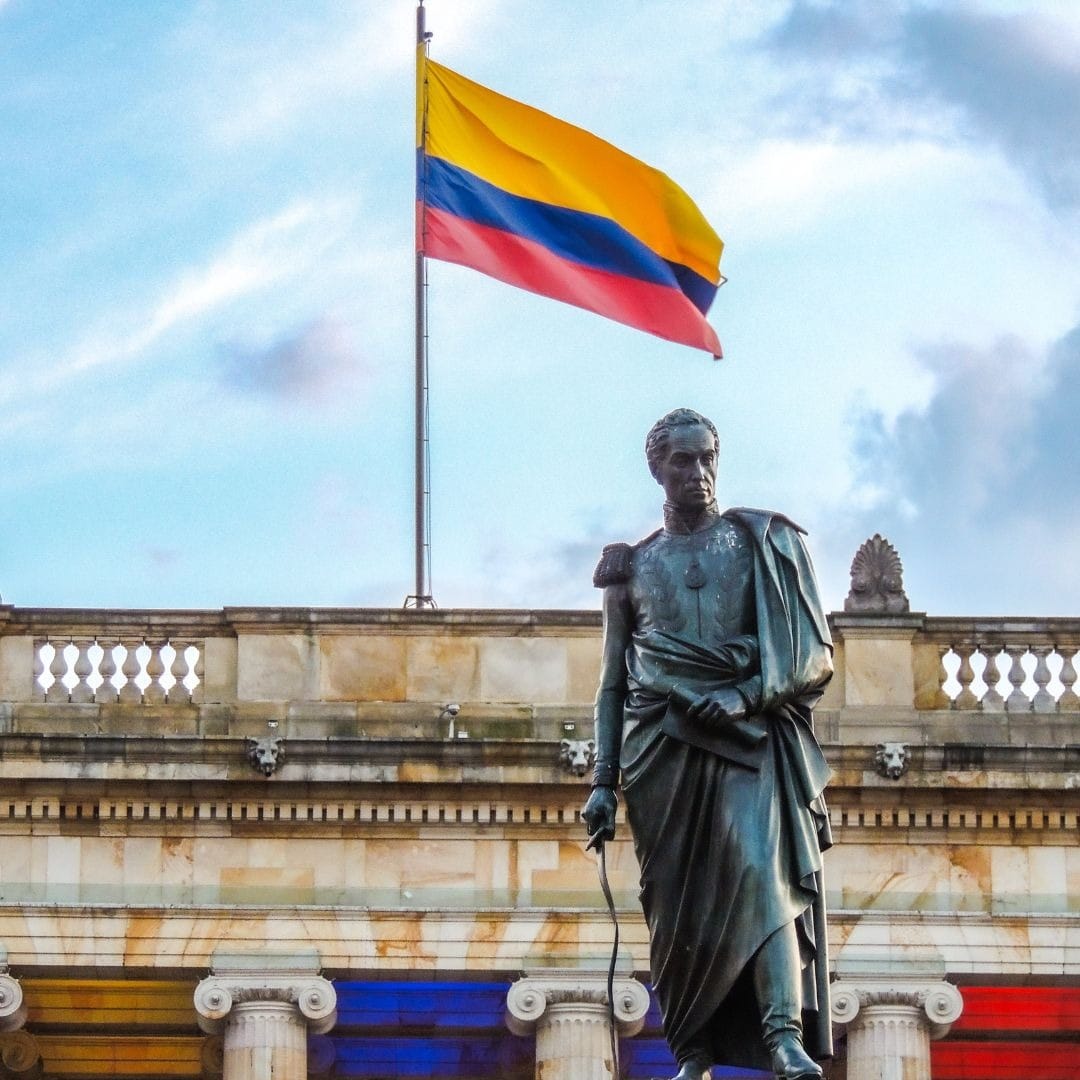
Destination #2: Colombia – South America's Rising Star
Once avoided by tourists due to safety concerns, Colombia has undergone a remarkable transformation over the past two decades, emerging as one of South America's most exciting and affordable destinations. With its diverse geography spanning Caribbean beaches, Andean mountains, Amazon rainforest, and coffee growing regions, Colombia offers incredible variety at prices that make Europe look expensive.
The Colombian Winter Advantage
Colombia's position near the equator means consistent temperatures year round, though regional variations exist based on altitude. The Caribbean coast enjoys hot, sunny weather perfect for beach relaxation, while highland cities like Bogotá and Medellín offer eternal spring like temperatures in the 60s and 70s F. December through March generally sees less rainfall in most regions, making it ideal for travel, though Colombia's climate is remarkably stable throughout the year.
The country's affordability is striking. Colombia operates on Colombian pesos, and favorable exchange rates mean your dollars stretch impressively far. You can enjoy luxury accommodations, fine dining, and premium experiences at prices that would be considered budget level in Europe or even traditional US winter destinations.
Top Experiences in Colombia
Cartagena: This stunning colonial Caribbean port city rivals any European destination for historical charm and romantic atmosphere. The UNESCO World Heritage old town features colorful colonial architecture, cobblestone streets, flower draped balconies, and fortress walls dating to the 16th century. The nearby Rosario Islands offer pristine beaches and crystal clear snorkeling waters, while the city's vibrant nightlife, world class restaurants, and boutique hotels provide modern luxuries within ancient walls.
Medellín: Once infamous, Medellín has reinvented itself as a model of urban innovation and is now one of South America's most livable cities. The "City of Eternal Spring" enjoys perfect weather year round and boasts impressive museums, innovative public transportation, thriving arts scene, and welcoming locals. The surrounding valley offers coffee farm tours, paragliding, hiking, and charming pueblos like Guatapé with its famous painted houses and massive rock outcropping.
Coffee Region (Eje Cafetero): Colombia's coffee growing heartland offers rolling green hills covered in coffee plants, traditional haciendas converted to luxury lodges, and authentic cultural experiences. Towns like Salento provide access to Valle de Cocora, where the world's tallest palm trees create surreal landscapes. Coffee tours range from simple farm visits to comprehensive multi day experiences covering every step from seed to cup.
Bogotá: Colombia's capital combines colonial history in the Candelaria neighborhood with cosmopolitan sophistication, world class museums including the Gold Museum's unparalleled pre Columbian collection, excellent restaurants representing regional Colombian cuisine, and vibrant neighborhoods like Zona Rosa and Chapinero. The cable car to Monserrate offers spectacular city views, while the nearby salt cathedral of Zipaquirá provides a unique underground architectural experience.
Tayrona National Park: This protected coastal area near Santa Marta combines Caribbean beaches with dense jungle, creating stunning natural beauty. Multi day hikes lead to secluded beaches, indigenous communities, and the Lost City, an ancient settlement predating Machu Picchu. The park offers rustic beachfront camping, eco lodges, and easy access to the colonial town of Santa Marta.
Amazon Region: Colombia's southern reaches provide access to the Amazon rainforest through the town of Leticia. River boat excursions, jungle lodges, wildlife viewing, and indigenous community visits offer authentic Amazon experiences at significantly lower costs than accessing the region through Brazil or Peru.
Budget Breakdown for Colombia
Accommodation: Budget hostels run $10-20/night, comfortable mid range hotels cost $35-80/night, while luxury boutique hotels and resorts range from $100-200/night.
Meals: Street food and local restaurants serve meals for $3-6. Mid range restaurants charge $8 15 per entrée, while fine dining rarely exceeds $25-35 per person including drinks.
Transportation: Domestic flights between major cities cost $50-120. Luxury long distance buses are very affordable at $15-40. Taxis and Uber are incredibly cheap; most city rides cost $3-8.
Activities: Museum entrances typically cost $3-10. Day tours and excursions range from $30-80. Multi day experiences like Lost City treks or coffee region tours run $200-500 all inclusive.
Total estimated daily budget: $60-120 per person for excellent mid range experiences, roughly half of what comparable European travel costs.
Practical Tips for Colombia
Safety: While dramatically improved, smart precautions remain important. Avoid displaying wealth, don't walk alone late at night in unfamiliar areas, use registered taxis or Uber, and research neighborhood safety before visiting. Most tourist areas are very safe with visible security presence.
Language: Spanish is essential English proficiency is limited outside major tourist areas. Translation apps or basic Spanish skills significantly enhance experiences.
Currency: Colombian pesos are used everywhere. Credit cards are widely accepted in cities, but cash is necessary for smaller towns and local establishments. ATMs are abundant.
Altitude considerations: Bogotá sits at 8,660 feet and Medellín at 4,900 feet. Some visitors experience mild altitude effects. Take it easy the first day, stay hydrated, and avoid excessive alcohol.
Connectivity: Reliable internet access via Colombia eSIM deals is particularly valuable in Colombia for using transportation apps like Uber, translating Spanish, accessing maps in cities with complex layouts, and making reservations.
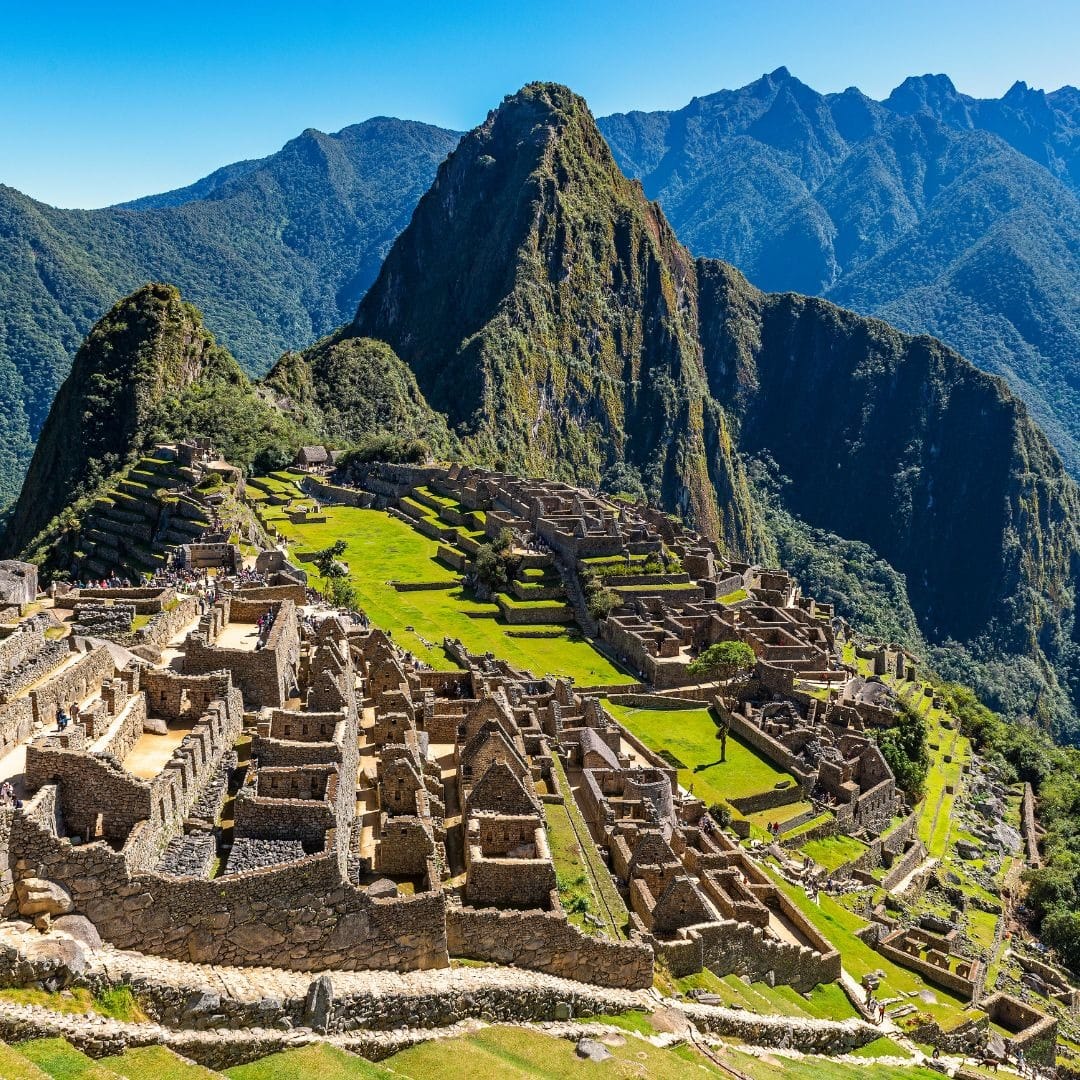
Destination #3: Peru – Ancient Wonders at Modern Prices
Peru offers one of the world's most compelling travel experiences, combining spectacular Incan archaeological sites, diverse landscapes from coastal deserts to Amazonian jungle, rich indigenous culture, and increasingly recognized culinary excellence. Lima has emerged as a gastronomic capital, while destinations like Cusco and Machu Picchu draw travelers seeking both adventure and cultural enrichment.
Winter Timing in Peru
Peru's geography creates distinct climate zones. The coast, including Lima, experiences winter (garúa coastal fog) from May to October, while November through April brings sunny summer weather perfect for beach activities. The Andes and Machu Picchu region see a distinct dry season from May to September, technically Peruvian winter with clear skies ideal for trekking, though nights are cold at altitude. The rainy season from November to March brings afternoon showers and occasional trail closures.
For North American winter travelers (December February), this means visiting during Peru's summer rainy season in the highlands but excellent beach weather on the coast. Many travelers find this perfectly acceptable afternoon rains in Cusco rarely disrupt morning sightseeing, and Machu Picchu remains spectacular even with occasional showers. Plus, fewer tourists and lower prices offset any weather considerations.
Top Experiences in Peru
Machu Picchu and Sacred Valley: The iconic 15th century Incan citadel remains South America's most sought after sight, and deservedly so. The site's dramatic mountain setting and mysterious history create an unforgettable experience. The surrounding Sacred Valley offers numerous other archaeological sites, traditional markets, and indigenous communities. Base yourself in charming Cusco to explore the region, with options ranging from day trips to multi day Inca Trail treks.
Lima's Culinary Scene: Peru's capital has become a global culinary destination, with several restaurants ranked among the world's best. Beyond high end dining, Lima offers incredible street food, fresh ceviche at coastal markets, traditional dishes in local spots, and fusion cuisine blending indigenous, Spanish, Asian, and African influences. The Miraflores and Barranco neighborhoods provide excellent bases with coastal views, nightlife, and cultural attractions.
Lake Titicaca: The world's highest navigable lake straddles the Peru Bolivia border and offers unique cultural experiences. The Uros people live on floating reed islands they construct and maintain, while Taquile Island preserves traditional textile arts and communal living practices. The town of Puno serves as the gateway, with overnight homestays on islands providing authentic cultural immersion.
Nazca Lines: These massive ancient geoglyphs etched into the desert floor remain mysterious and impressive. Small plane flights offer the best views of the enormous figures including the hummingbird, spider, and astronaut designs. The surrounding region offers additional archaeological sites, coastal scenery, and the Huacachina desert oasis.
Amazon Rainforest: Peru provides excellent and affordable access to pristine Amazon rainforest through Puerto Maldonado or Iquitos. Multi day lodge stays include guided jungle walks, river boat excursions, wildlife viewing from canopy towers, and visits to macaw clay licks where hundreds of parrots gather. The biodiversity is staggering, with opportunities to see monkeys, sloths, caimans, pink river dolphins, and countless bird species.
Colca Canyon: This spectacular canyon is nearly twice as deep as the Grand Canyon and provides excellent opportunities for viewing Andean condors soaring on morning thermal currents. The surrounding valley features terraced agricultural landscapes dating to Incan times, traditional villages, and natural hot springs. Multi day treks descend into the canyon for a more adventurous experience.
Arequipa: Known as the "White City" for its striking sillar stone architecture, Arequipa combines colonial charm with dramatic volcano views. The Santa Catalina Monastery complex feels like a colorful city within a city, while the historic center offers excellent restaurants, museums, and a more relaxed pace than Lima or Cusco.
Budget Breakdown for Peru
Accommodation: Hostels cost $12-25/night, mid range hotels run $40-90/night, while boutique and luxury options range from $100-250/night. Sacred Valley lodges can exceed this for premium experiences.
Meals: Local restaurants and street food serve meals for $3-7. Mid range restaurants charge $10-18 per entrée. High end Lima restaurants range from $40-80 for tasting menus that would cost $150-300 in European equivalents.
Transportation: Long distance buses are comfortable and affordable at $15-50 for most routes. Domestic flights between Lima, Cusco, and Arequipa cost $60-150. Local transportation is very cheap.
Activities: Machu Picchu entrance costs $50-70 depending on circuit. The Inca Trail requires advance booking at $600-800 for 4 day guided treks, though alternative treks cost less. Most city tours and site visits range from $20-60.
Total estimated daily budget: $70-140 per person for good mid range experiences, significantly less than European or even many US domestic winter destinations.
Practical Tips for Peru
Altitude: Cusco sits at 11,150 feet, and altitude sickness affects many visitors. Arrive a day or two early, stay hydrated, avoid heavy meals and alcohol initially, and consider coca tea or altitude medication. Some travelers arrive via lower elevation Sacred Valley to acclimatize gradually.
Language: Spanish and Quechua are official languages. English is spoken in major tourist areas but limited elsewhere. Basic Spanish significantly enhances experiences.
Currency: The Peruvian sol is the official currency. US dollars are accepted in tourist areas, though you'll get better rates exchanging to soles. ATMs are widely available in cities.
Safety: Peru is generally safe for tourists following standard precautions. Pickpocketing occurs in crowded areas and tourist sites. Use official taxis, avoid displaying valuables, and be cautious in Lima neighborhoods outside tourist zones.
Booking Machu Picchu: Entrance tickets and Inca Trail permits sell out months in advance during peak season (May September). Book early or visit during shoulder season for more flexibility.
Connectivity: Use eSIMs for Peru that transition to Peruvian networks is invaluable for navigating Cusco's confusing streets, booking last minute tours, communicating with hotels, and accessing maps in remote areas.
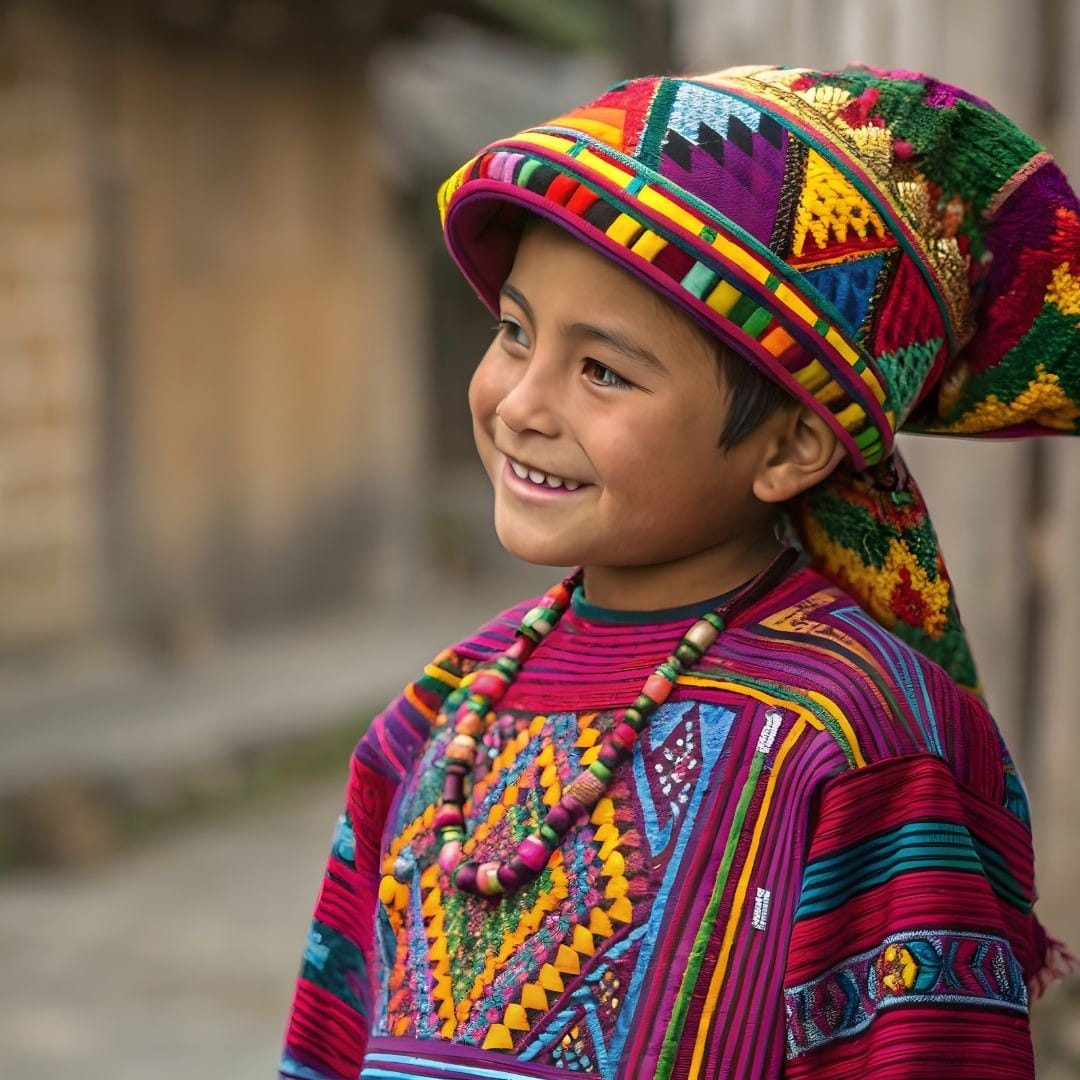
Destination #4: Guatemala – Mayan Heritage and Natural Beauty
Guatemala remains one of Central America's most underrated destinations despite offering stunning highland scenery, pristine lakes, impressive Mayan archaeological sites, vibrant indigenous culture, colonial architecture, and outdoor adventures. Its relative obscurity compared to Costa Rica means fewer crowds and even better value Guatemala consistently ranks as one of the world's most affordable travel destinations.
Guatemala's Winter Appeal
The dry season from November through April provides ideal conditions for exploring Guatemala. Highland areas including Antigua and Lake Atitlán enjoy comfortable temperatures in the 60s 70s F with minimal rainfall and clear skies perfect for volcano hikes and photography. Coastal areas are warmer, while the Petén jungle region stays hot year round but sees less rain during these months.
Guatemala's compact geography means you can experience diverse landscapes, climates, and experiences within relatively short distances. A two week trip easily encompasses colonial cities, volcano climbing, Mayan ruins, highland villages, and Caribbean beaches without excessive travel time.
Top Experiences in Guatemala
Antigua: This beautifully preserved colonial city sits in a valley surrounded by three volcanoes. Colorful architecture, cobblestone streets, baroque churches, bustling markets, and rooftop restaurants create enchanting atmospheres. The city serves as an excellent base for Spanish language schools, volcano hikes including the active Pacaya where you can roast marshmallows on volcanic heat, coffee plantation tours, and day trips to indigenous villages and artisan cooperatives.
Lake Atitlán: Surrounded by volcanoes and dotted with indigenous villages, Lake Atitlán is considered one of the world's most beautiful lakes. Each village has distinct character Panajachel offers tourist services and a lively lakefront, San Pedro attracts backpackers with affordable accommodations and Spanish schools, Santiago preserves traditional Mayan culture, and San Marcos draws yoga enthusiasts and spiritual seekers. Boat transportation connects villages, while hiking trails offer spectacular viewpoints.
Tikal National Park: These massive Mayan ruins emerging from dense jungle rank among Central America's most impressive archaeological sites. The Temple of the Great Jaguar towers above the rainforest canopy, while the complex includes pyramids, palaces, residential areas, and ball courts dating from 400 BC to 900 AD. Sunrise tours allow climbs to temple tops for unforgettable views with howler monkeys providing the soundtrack. The surrounding Petén jungle offers additional smaller ruins and wildlife viewing opportunities.
Chichicastenango Market: This twice weekly indigenous market (Thursday and Sunday) is Central America's largest and most colorful. Vendors sell traditional textiles, handicrafts, pottery, produce, and ceremonial items. The market sprawls through town streets, while the Santo Tomás church steps host Maya ceremonies blending Catholic and indigenous traditions. The sensory overload of colors, sounds, and scents creates unforgettable experiences.
Semuc Champey: This natural limestone bridge creates stunning turquoise pools in the middle of the jungle near Lanquín. The layered pools cascade down the hillside, perfect for swimming and relaxation. The remote location requires effort to reach but rewards visitors with pristine natural beauty. Nearby cave systems offer adventure tours involving candles, swimming, and jumping into underground pools.
Rio Dulce and Caribbean Coast: The river journey from Lake Izabal to the Caribbean town of Livingston passes through jungle lined gorges, hot springs, and the impressive San Felipe fortress. Livingston's Garifuna culture offers a distinct African Caribbean influence with unique music, cuisine, and traditions. Nearby beaches provide relaxation after highland adventures.
Quetzaltenango (Xela): Guatemala's second city offers a more authentic urban experience than touristy Antigua. The surrounding highlands feature hot springs, crater lakes, indigenous villages with weekly markets, volcano hikes, and opportunities for homestays providing cultural immersion. It's an excellent location for extended Spanish language study.
Budget Breakdown for Guatemala
Accommodation: Hostels start at $8-15/night, comfortable mid range hotels cost $30-70/night, while boutique colonial hotels and luxury lodges range from $80-180/night.
Meals: Local comedores serve filling meals for $3-5. Mid range restaurants charge $7-12 per entrée. Upscale dining in Antigua or upscale lake towns costs $15-25 per person.
Transportation: Chicken buses (local buses) are incredibly cheap at $1-5 for most routes, though less comfortable. Tourist shuttle buses between major destinations cost $10-30. Domestic flights to Flores (for Tikal) run $80-150.
Activities: Most archaeological site entrances cost $3-10. Tikal is more expensive at around $20-25. Guided tours range from $20-70. Volcano hikes cost $25-50 including guide and transportation.
Total estimated daily budget: $40-90 per person for comfortable mid range travel, making Guatemala one of the most affordable destinations covered here.
Practical Tips for Guatemala
Safety: Guatemala has higher crime rates than Costa Rica, requiring more vigilance. Stick to tourist areas, avoid displaying valuables, use recommended transportation, don't walk alone at night, and research current conditions. Tourist areas like Antigua, Lake Atitlán towns, and Tikal are generally safe with security presence.
Language: Spanish is essential English is rare outside upscale hotels and tour companies. Many indigenous people speak Mayan languages as their first language. Guatemala is an excellent place for Spanish language immersion with affordable schools.
Currency: The quetzal is the official currency. US dollars are sometimes accepted in tourist areas. ATMs are available in cities but less common in remote villages. Bring cash when visiting rural areas.
Transportation: Chicken buses are an authentic local experience but crowded and slow. Tourist shuttles are more comfortable and direct. For longer distances, flying to Flores saves substantial time.
Altitude: Highland cities like Antigua (5,000 feet) and Quetzaltenango (7,700 feet) are at moderate altitude. Most visitors adjust quickly, but those sensitive to altitude might want to take it easy initially.
Connectivity: Having reliable internet through buying an eSIM for Guatemala before departure and activating it in Guatemala helps with transportation coordination, finding accommodations in small villages, accessing maps in areas with confusing addresses, and translating Spanish.
Destination #5: Ecuador – Compact Diversity and Value
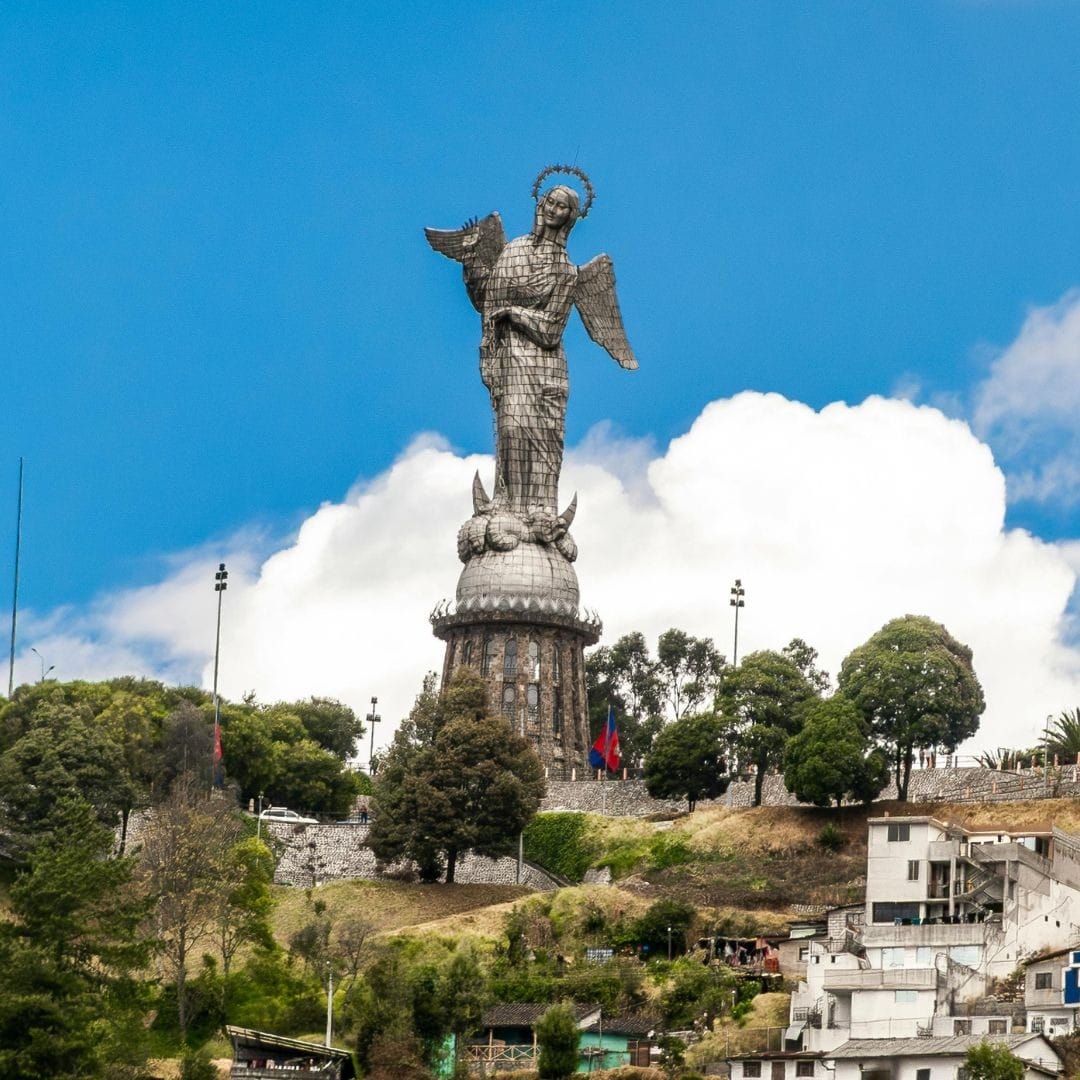
Ecuador offers an incredible diversity of experiences within a compact territory roughly the size of Nevada. This small country encompasses Amazon rainforest, Andean highlands with snow capped volcanoes, Pacific coastal beaches, colonial cities, and the famous Galápagos Islands. Ecuador's official use of the US dollar simplifies transactions for American travelers, while costs remain significantly lower than US domestic or European destinations.
Ecuador's Year Round Appeal
Ecuador's name derives from its position on the equator, meaning relatively consistent weather year round with variations based primarily on altitude and region. The Andes and Quito see a drier season from June to September and a wetter season from October to May, though rain typically falls as brief afternoon showers. The coast experiences its dry season from June to November, while the Amazon stays wet year round with less rain from October to December.
For North American winter travelers (December March), this means Quito and highland areas experience their rainy season but again, this typically manifests as afternoon showers rather than all day rain. Coastal areas enjoy hot, humid weather perfect for beaches. The Amazon is accessible year round, with certain months better for specific wildlife sightings.
Top Experiences in Ecuador
Quito: Ecuador's capital boasts a stunning colonial old town designated as UNESCO's first World Heritage Site. The historic center features ornate churches including the gold laden Compañía de Jesús, picturesque plazas, and the Basilica del Voto Nacional with its unique animal gargoyles. The cable car (Telefério) climbs Pichincha volcano for spectacular city views. The surrounding area offers the Mitad del Mundo monument marking the equator, indigenous markets, and crater lakes.
Galápagos Islands: These famous Pacific islands offer unparalleled wildlife encounters where fearless animals allow close observation. Marine iguanas, giant tortoises, sea lions, blue footed boobies, and countless other species create bucket list experiences. While significantly more expensive than mainland Ecuador, Galápagos cruises and island hopping tours remain 30 50% cheaper than comparable bucket list destinations. Budget options include last minute cruise deals from Puerto Ayora and independent island based exploration.
Cuenca: Ecuador's third largest city combines colonial architecture with a more relaxed pace than Quito. The historic center features the iconic blue domes of the New Cathedral, flower markets, riverside parks, and excellent museums. Cuenca has become popular with foreign retirees due to its perfect climate, affordable cost of living, and high quality of life. Nearby attractions include Cajas National Park with stunning high altitude lakes and the indigenous community of Gualaceo.
Otavalo and Imbabura Region: The Saturday market in Otavalo is one of South America's most famous indigenous markets, though the daily artisan market also offers excellent shopping for textiles, handicrafts, and art. The surrounding region features crater lakes including Cuicocha and San Pablo, the cute lakeside town of Cotacachi known for leather goods, hot springs, and hiking opportunities around Imbabura and Cotacachi volcanoes.
Amazon Rainforest: Ecuador provides excellent and affordable access to pristine Amazon jungle through towns like Tena and Coca. Multi day lodge stays range from budget to luxury, with all inclusive packages covering guided walks, canoe trips, indigenous community visits, wildlife observation, and night excursions. The Ecuadorian Amazon offers similar biodiversity to Peru or Brazil at comparable or lower prices with easier access.
Baños: This adventure sports capital sits in a beautiful valley with waterfalls, hot springs, and cloud forest. Activities include rafting, canyoning, bridge jumping, hiking to waterfalls, zip lining, and the famous "swing at the end of the world." The town has a fun backpacker atmosphere with affordable accommodations and restaurants. Nearby Tungurahua volcano occasionally erupts, adding dramatic scenery.
Pacific Coast: Beach towns like Montañita attract surfers and young travelers with consistent waves and party atmosphere, while quieter destinations like Puerto López offer whale watching (June September), Machalilla National Park with beaches and dry forest, and access to Isla de la Plata the "poor man's Galápagos" with similar wildlife at a fraction of the cost.
Quilotoa Loop: This popular multi day trek or drive circles through highland indigenous villages, culminating at the stunning Quilotoa crater lake with its extraordinary turquoise waters. Villages along the route offer homestays with indigenous families, providing authentic cultural experiences.
Budget Breakdown for Ecuador
Accommodation: Hostels cost $10-20/night, mid range hotels run $35-75/night, while boutique and upscale options range from $90-180/night. Galápagos accommodations are significantly more expensive.
Meals: Local restaurants serve set meals (almuerzos) for $2.50-4. Mid range restaurants charge $8-15 per entrée. Fine dining in Quito or Cuenca costs $20-35 per person. Galápagos food is more expensive.
Transportation: Buses are very affordable at $1-10 for most mainland routes. Quito Cuenca buses cost around $10-15 for the 8 hour journey. Domestic flights run $60-120. Galápagos flights from Quito or Guayaquil cost $250-400 round trip.
Activities: Museum and site entrances typically cost $2-8. Guided tours range from $30-80. Amazon lodge packages run $150-400 for 3-4 days all inclusive. Galápagos tours are significantly more expensive but still cheaper than African safaris or Antarctica.
Total estimated daily budget: $50-100 per person on the mainland for comfortable mid range travel, excluding Galápagos which requires a separate budget of $200-400 daily including tours.
Practical Tips for Ecuador
Currency: Ecuador uses the US dollar, eliminating exchange rate concerns for American travelers. Bring small bills as change can be difficult, especially in rural areas.
Altitude: Quito sits at 9,350 feet one of the world's highest capital cities. Many visitors experience mild altitude effects. Take the first day easy, stay hydrated, and avoid excessive alcohol. Coca tea helps some people adjust.
Language: Spanish is official. English is spoken in upscale tourist establishments and Galápagos but limited elsewhere. Basic Spanish significantly improves experiences, especially in indigenous areas where Spanish may be a second language.
Safety: Ecuador is relatively safe with standard precautions. Quito requires more vigilance than smaller cities, avoid displaying valuables, use official taxis or Uber in Quito, and be aware of surroundings. Tourist areas are generally safe with security presence.
Galápagos Planning: Book Galápagos trips in advance for best selection, though last minute deals exist in Puerto Ayora for spontaneous travelers with flexibility. National park fees ($100) and migration control card ($20) are paid upon arrival.
Connectivity: Get an eSIM for Ecuador to stay connected in the country for coordinating mountain lodge pickups, booking last minute Galápagos deals, navigating Quito's confusing street system, and accessing maps in the Amazon where guides speak limited English.
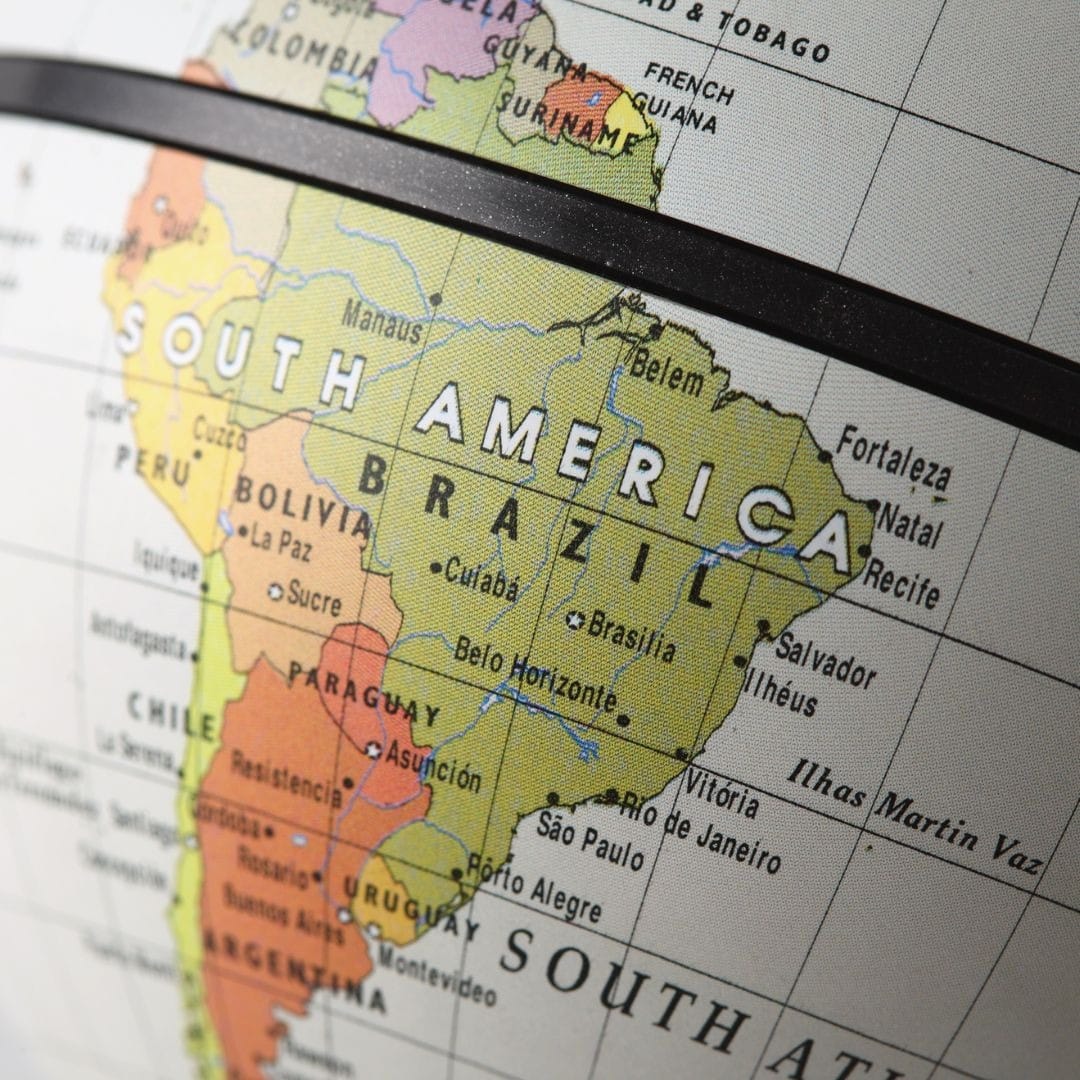
Comparing Central and South America to Traditional Winter Destinations in USA
Many American travelers instinctively book winter destinations east coast locations or popular Western ski resorts when planning winter getaways. While places like Vermont, Aspen, Miami, and Charleston have their appeal, let's compare them directly to Central and South American alternatives:
Cost Comparison
Skiing in Colorado vs. Costa Rican Adventure: A week long ski trip to Vail or Aspen typically costs $2,500-4,000 per person including lift tickets, equipment rentals, lodging, meals, and flights. A comparable adventure focused Costa Rica trip with zip lining, hot springs, volcano hikes, and beach time costs $1,200-2200 per person with better weather and more diverse activities.
Miami Beach vs. Caribbean Colombia: A winter beach vacation in Miami averages $250-400 per night for beachfront hotels, $30-60 per meal at decent restaurants, and $50-100 for activities. Comparable beach experiences in Cartagena or the Colombian Caribbean run $80-150 for luxury boutique hotels, $15-30 for excellent meals, and $30-60 for activities and tours.
Charleston Historic Tour vs. Cusco/Machu Picchu: A weekend in Charleston with historic home tours, fine dining, and carriage rides costs $800-1,200 per person. A week exploring Cusco, Sacred Valley, and Machu Picchu, a UNESCO World Heritage Site costs $1,000-1,800 per person including more dramatic sights and deeper cultural immersion.
Experience Comparison
While winter destinations in the US offer familiarity, no language barriers, and no passport requirements, Central and South American destinations provide:
- Cultural immersion: Authentic indigenous cultures, Spanish colonial history, and unique local traditions
- Climate diversity: Escape cold weather completely or choose mountain coolness versus beach warmth
- Value: 40-60% cost savings on comparable experiences
- Exotic appeal: Unique wildlife, archaeological sites, and landscapes unavailable domestically
- Fewer crowds: Less touristy than overcrowded US winter hotspots
- Adventure variety: Rainforest expeditions, volcano hikes, and wildlife encounters rare in the US
The main advantages of domestic winter destinations USA trips include no passport requirements, no language barriers, shorter flights, familiar infrastructure, and easier logistics, valid considerations for some travelers but less important to those seeking value and adventure.
Practical Planning Guide for Your Central/South American Winter Escape
When to Book
Flights: Book 2-3 months in advance for best prices. Holiday periods (Christmas New Year) and February March require earlier booking. Use flight comparison sites and consider flying midweek for savings.
Accommodations: Popular destinations like Costa Rica's Manuel Antonio, Colombian Cartagena, and Peru's Sacred Valley fill up during North American winter holidays. Book 1-2 months ahead for December February travel, especially for specific properties.
Tours and activities: Machu Picchu entrance tickets and Inca Trail permits must be booked 2-4 months in advance. Other popular tours like Galápagos cruises, multi day Amazon stays, and limited capacity experiences should be reserved ahead, though many day tours can be arranged upon arrival.
Last minute options: Shoulder season travel (April May, November) often allows more spontaneity. Guatemala and Ecuador generally have more availability than Costa Rica and Colombia during peak season.
Essential Documents
Passport: Must be valid for at least 6 months beyond your travel dates. US citizens don't need visas for tourism in most Central and South American countries for stays under 90 days, but confirm current requirements.
Vaccinations: No mandatory vaccines for most countries covered, though yellow fever vaccination is recommended for Amazon regions and may be required for entry to certain areas. Hepatitis A and typhoid are recommended by the CDC. Consult a travel medicine specialist 4-6 weeks before departure.
Travel insurance: Highly recommended to cover medical emergencies, trip cancellations, and lost baggage. Check if your credit card provides coverage. Ensure policy covers adventure activities you plan to do.
Copies: Make digital and physical copies of passports, tickets, insurance documents, and credit cards. Store copies separately from originals.
Packing Essentials
Clothing layers: Even tropical destinations have cool evenings, air conditioned buses, and highland areas. Pack breathable layers for varying temperatures.
Rain gear: Lightweight rain jacket or poncho essential during rainy seasons, useful even in dry season for surprise showers.
Sun protection: Strong equatorial sun requires high SPF sunscreen, hat, and sunglasses. Reef safe sunscreen for beach/water activities.
Comfortable walking shoes: Broken in shoes for cobblestone streets, archaeological sites, and hiking. Sandals for beaches and casual wear.
Insect repellent: Essential for rainforest, coast, and evening outdoor activities. DEET based repellent works best.
Basic first aid: Pain relievers, anti diarrheal medication, bandages, and any prescription medications with extra supply.
Electronics: Universal adapter (most countries use 110V like the US, but outlets vary), portable charger, waterproof phone case for water activities.
Small daypack: For day trips, carrying water, snacks, and essentials while keeping hands free.
Money Matters
Cash vs. cards: Credit cards widely accepted in cities and tourist areas, but cash essential for rural areas, local transportation, markets, and small establishments. Carry a mix of both.
ATM strategy: Withdraw larger amounts less frequently to minimize fees. Notify your bank of travel plans to avoid card blocks. ATMs at banks are generally safer than standalone machines.
Currency exchange: Exchange small amounts at airports for initial transportation, then use ATMs for better rates. Ecuador uses US dollars, no exchange needed.
Payment security: Use credit cards for larger purchases for fraud protection. Avoid displaying large amounts of cash. Split money between multiple locations.
Tipping: Standards vary by country. Research local customs tipping is less expected in many Latin American countries than in the US, though appreciated in tourist areas.
Staying Connected While Traveling
Modern travel requires connectivity for navigation, translation, booking accommodations, staying in touch, and sharing experiences. Unlike traditional methods with expensive roaming or hunting for SIM cards:
eSIM advantages: Buy eSIM online USA before your trip and activate it when you land. No physical SIM cards to swap, no fumbling with tiny trays, no risk of losing your home SIM.
Coverage: Many eSIM deals offer regional Latin American plans covering multiple countries perfect for multi destination trips. Single country plans available for focused travel.
Setup process: Compatible with newer iPhones (XR/XS and later) and many Android phones. Purchase plan online, receive QR code, scan to install eSIM profile, toggle it on when traveling.
Cost savings: Data plans typically cost 70-85% less than international roaming. $20-40 typically covers 5 -10GB for a week plenty for maps, messaging, social media, and reservations.
Dual SIM capability: Maintain your home number for calls/texts while using eSIM for data. Perfect for receiving verification codes or important calls without expensive roaming.
The convenience of landing with immediate connectivity cannot be overstated. No stress hunting for airport WiFi, no expensive taxi negotiations without Uber access, no getting lost without Google Maps. For complete peace of mind, set up your eSIM before departure.
Health and Safety Considerations
Water safety: Drink bottled water in most destinations. Higher end hotels and restaurants typically use purified water for ice and beverages, but when in doubt, stick to sealed bottles.
Food safety: Eat at busy, clean establishments where food turnover is high. Street food can be safe if freshly cooked. Avoid raw vegetables in budget restaurants and peel fruit yourself.
Altitude adjustment: Acclimatize gradually when visiting high altitude destinations. Symptoms include headache, nausea, and shortness of breath. Stay hydrated, avoid alcohol initially, consider medication if severely affected.
Sun exposure: Equatorial sun is intense even on overcast days. Reapply sunscreen regularly, seek shade during peak hours (11am-3pm), and stay hydrated.
Wildlife encounters: Follow guide instructions in rainforests and wildlife areas. Don't touch or feed wild animals. Maintain safe distances and respect local regulations.
Personal security: Use hotel safes for passports and valuables. Avoid displaying expensive electronics, jewelry, or large amounts of cash. Be aware of surroundings, especially in unfamiliar areas or at night. Trust your instincts if something feels unsafe, remove yourself from the situation.
Transportation safety: Use official taxis or rideshare apps. Avoid unmarked cabs. On buses, keep valuables with you rather than in overhead compartments or underneath. Research road safety for specific routes.
Natural hazards: Be aware of local conditions, rip currents at beaches, volcanic activity near active volcanoes, rainy season flooding. Follow local advice and warnings.
Maximizing Your Winter Escape Value
Smart Booking Strategies
Shoulder season savings: Travel in early December or late February early March avoids Christmas/New Year and mid winter peak pricing while maintaining excellent weather in most destinations.
Midweek travel: Flying Tuesday Thursday often costs 20-30% less than weekend travel. The same applies to accommodations in many destinations.
Package deals: Sometimes bundling flights and hotels through booking sites offers savings, though compared to booking separately. Watch for airline sales to Central/South American destinations.
Local accommodations: Booking smaller local hotels and family run guesthouses through local booking sites or direct contact often beats international booking platforms' prices.
Free walking tours: Most major cities offer free walking tours (tip based). Excellent for orientation and learning about destinations before paying for specialized tours.
Extending Your Dollar
Eat like locals: Seek out local lunch spots (sodas in Costa Rica, comedores in Ecuador) serving fixed price meals. Lunch is often the main meal with better value than dinner.
Public transportation: Tourist shuttles are convenient but expensive. Local buses cost a fraction of the price. Worth the minor hassle for significant savings on long routes.
Free activities: Hiking, beaches, markets, parks, and exploring cities are free or low cost. Balance paid tours with free experiences.
Bargaining appropriately: Markets expect negotiation, especially for handicrafts and textiles. Do so respectfully. Don't bargain in restaurants or fixed price shops.
Group tours: Joining group tours rather than private ones significantly reduces costs for expensive activities. Solo travelers can connect with others to share private tour costs.
Cultural Considerations
Learning basics: Learning please, thank you, hello, and numbers in Spanish shows respect and improves interactions dramatically. Translation apps supplement basic language skills.
Respecting local customs: Research cultural norms for each country. Dress modestly when visiting churches or indigenous communities. Ask permission before photographing people.
Understanding pace: Many Latin American cultures operate on more relaxed schedules. What feels like poor service may just be a different cultural pace. Adapt expectations and enjoy slower rhythms.
Supporting local: Choose locally owned restaurants, shops, and tour companies when possible. This supports communities directly and often provides more authentic experiences.
Environmental responsibility: Respect nature, follow Leave No Trace principles, avoid single use plastics where possible, and support eco friendly tour operators.
Frequently Asked Questions (FAQs)
General Travel Questions
Is Central and South America safe for tourists?
Safety varies significantly by country, region, and city. Countries like Costa Rica and Ecuador are generally very safe with standard precautions. Colombia has improved dramatically and tourist areas are safe, though vigilance is required in cities. Guatemala requires more caution with higher crime rates in certain areas.
General safety tips apply: avoid displaying valuables, use official transportation, don't walk alone at night in unfamiliar areas, research specific neighborhood safety, use hotel safes, and stay aware of surroundings. Tourist areas in all countries mentioned have visible security presence and millions of visitors travel safely each year. Trust your instincts and exercise reasonable caution.
Do I need to speak Spanish?
Spanish significantly enhances travel experiences but isn't strictly necessary in major tourist areas where some English is spoken. However, moving beyond tourist zones requires at least basic Spanish. Translation apps help tremendously with menus, directions, and simple conversations.
Consider learning survival Spanish: greetings, numbers, basic questions, and courtesy phrases. Most locals appreciate efforts to speak Spanish even poorly rather than assuming English. Many travelers use trips as opportunities for Spanish immersion through language schools in Guatemala, Costa Rica, or Ecuador.
How do I handle money and currency exchange?
Most countries use their own currencies except Ecuador (US dollars). ATMs provide the best exchange rates and are widely available in cities. Notify your bank before traveling to avoid blocked cards. Withdraw larger amounts less frequently to minimize fees.
Credit cards are accepted in cities and tourist establishments, though cash is necessary for markets, local transportation, and rural areas. Carry a mix of cash and cards. Keep money in multiple locations. Small bills (ones and fives) are essential as large bills are difficult to break in smaller establishments.
What vaccinations do I need?
No mandatory vaccinations for most countries, though yellow fever vaccination is recommended for Amazon rainforest areas and may be required for entry to certain regions. Check current requirements for specific countries.
CDC recommends routine vaccines (MMR, tetanus diphtheria) be up to date plus hepatitis A and typhoid for Central and South America. Malaria prophylaxis may be recommended for some jungle areas. Consult a travel medicine specialist 4-6 weeks before departure for personalized recommendations based on your itinerary.
Can I drink the tap water?
Generally no stick to bottled water in most Central and South American destinations. Higher end hotels and restaurants typically use purified water for ice and beverages. When uncertain, request drinks without ice or choose sealed beverages.
Bring reusable water bottles and purification tablets or portable filters for environmental responsibility and convenience. Some destinations have refill stations with purified water.
How do I get around in these countries?
Transportation options vary by country and budget:
Buses: Extensive networks serve most areas. Comfortable long distance buses connect major cities. Local buses (chicken buses in Guatemala) serve shorter routes cheaply but less comfortably. Tourist shuttles connect popular destinations at moderate cost.
Flights: Domestic flights save time on long distances. Often affordable in South America between major cities. Cost effective for reaching remote areas like Galápagos or Tikal.
Rental cars: Provide maximum flexibility in countries like Costa Rica. Consider 4WD for rural areas. Check insurance requirements carefully. Driving standards vary; some countries have challenging road conditions.
Taxis and rideshare: Uber operates in major cities providing safe, transparent pricing. Official taxi apps available in some countries. Always use registered taxis, especially at night.
Boats: Water transportation necessary in some areas like Guatemalan Lake Atitlán or Ecuadorian Amazon.
Specific Destination Questions
Does it snow in Central America?
Snow is extremely rare in Central America and only occurs at the highest elevations (above 10,000-11,000 feet) during unusual cold weather events. Central America lies entirely in the tropics, experiencing distinct wet and dry seasons rather than four traditional seasons.
Even in highland areas like Guatemala's mountains or Costa Rica's highest peaks, temperatures might drop near freezing at night during cold snaps, but sustained snowfall is virtually nonexistent. The last significant snowfall in Central America occurred in Guatemala in 2016 and was considered a remarkable event.
Travelers seeking winter warmth will find Central America consistently warm to hot, with cooler comfortable temperatures in highland areas but never snow level cold.
When is the best time to visit Central America?
The dry season from December through April is generally ideal for most travelers, offering:
- Minimal rainfall with mostly sunny skies
- Warmer, more consistent temperatures
- Best conditions for beaches, wildlife viewing, and outdoor activities
- Peak season atmosphere with most services fully operational
However, timing depends on priorities:
- Wildlife enthusiasts: Some species are more visible during wet season
- Budget travelers: May November offers significantly lower prices and fewer crowds
- Surfers: Swells vary by coast and season
- Whale watchers: Specific months for humpback whale migrations vary by coast
The shoulder months (November and April May) offer excellent balance of good weather, fewer crowds, and moderate pricing.
How expensive is Machu Picchu?
Machu Picchu entrance costs $50-70 depending on circuit and whether you want additional hikes like Huayna Picchu. Getting there involves:
Budget option: Train from Ollantaytambo to Aguas Calientes ($60-130 round trip depending on train class), overnight in Aguas Calientes ($30-100), bus to ruins ($12 round trip). Total $150-250 per person before entrance fee.
Mid range option: Better train (Vistadome), nicer hotel, guided tour. Total $300-450 per person.
Luxury option: Hiram Bingham luxury train ($400-600 per person), upscale hotel, private guide. Total $700-1,000+.
Inca Trail: Classic 4 day trek costs $600-800 all inclusive with permits, guides, porters, food, and camping equipment.
Alternative treks (Salkantay, Lares) cost less but don't include Machu Picchu entrance. Day trips from Cusco rush the experience better to overnight in Aguas Calientes.
Can I visit multiple countries in one trip?
Absolutely! Central America's compact geography makes multi country trips very feasible. Popular combinations:
Two weeks: Guatemala and Belize, or Costa Rica and Panama Three weeks: Guatemala, Honduras, and Nicaragua, or Ecuador and Colombia One month: Multi country Central America circuit or Ecuador, Peru, and Bolivia
Consider focusing on 2-3 countries maximum to avoid excessive transit time. Overland borders are straightforward in Central America. Flights connect South American cities efficiently.
Is the Galápagos worth the extra cost?
For wildlife enthusiasts and bucket list travelers, yes the Galápagos offers utterly unique experiences unavailable elsewhere. Where else can you swim with penguins on the equator, watch blue footed boobies' mating dances, or walk among completely fearless marine iguanas?
While significantly more expensive than mainland Ecuador, Galápagos cruises and tours remain 30-50% cheaper than African safaris or Antarctica comparable bucket list destinations. Budget options exist through last minute cruise deals and island hopping rather than cruises.
Skip the Galápagos if the budget is extremely tight, wildlife isn't a priority, or time is limited (requires minimum 4-5 days to justify cost and travel time). Otherwise, it's an extraordinary experience.
Do I need altitude medication?
Depends on personal susceptibility and altitude exposure. Cities like Cusco (11,150 feet), Quito (9,350 feet), and La Paz (11,975 feet) cause altitude symptoms in many visitors.
Symptoms include headache, nausea, shortness of breath, and fatigue. Most people adjust within 1 2 days with:
- Gradual acclimatization (arrive to lower elevation first)
- Staying hydrated
- Avoiding alcohol and heavy meals initially
- Light activity the first day
- Coca tea (traditional remedy)
Prescription altitude medication (acetazolamide/Diamox) helps some people and can be obtained from travel medicine doctors. Not everyone needs it, many visitors adjust naturally. Those severely affected should descend to lower elevations.
Can I use my phone?
Yes, with proper setup. International roaming is expensive ($10-15 per day). Better options:
eSIM: Purchase eSIM from MobiMatter before travel for data coverage under $1 per GB. Works in newer smartphones. Maintains home number while using local data.
Local SIM: Buy a physical SIM card upon arrival. Requires unlocked phone. Good option for extended stays.
WiFi only: Free WiFi available in most hotels, restaurants, and cafes. Limits spontaneity but costs nothing.
eSIMs provide the best balance of convenience, cost, and reliability for modern travelers. Set up before departure and activate upon landing.
Budget and Planning Questions
How much should I budget per day?
Daily budgets vary significantly by destination, travel style, and activities:
Budget travelers ($30-50/day):
- Hostels and budget hotels
- Local restaurants and street food
- Public transportation
- Free and low cost activities
- Some paid tours/entrances
Mid range travelers ($80-150/day):
- Comfortable hotels
- Mix of local and tourist restaurants
- Tourist shuttles and some flights
- Multiple paid activities and tours
- Occasional splurges
Luxury travelers ($200-400+/day):
- Boutique hotels and luxury lodges
- Upscale restaurants
- Private transportation and domestic flights
- Premium tours and experiences
- Resort amenities
Guatemala and Ecuador are cheapest, Peru and Colombia moderate, Costa Rica most expensive (but still cheaper than Europe). Galápagos requires a separate budget of $200-400+ daily.
Should I book everything in advance?
Balance advance booking with flexibility:
Book ahead:
- International flights (2-3 months advance)
- Holiday period accommodations (1-2 months advance)
- Popular tours with limited capacity (Machu Picchu, Inca Trail, Galápagos)
- First night's accommodation in arrival city
- eSIM for connectivity upon arrival
Book upon arrival:
- Most day tours and activities
- Transportation between destinations
- Subsequent accommodations (allows flexibility)
- Restaurant reservations (rarely needed)
Advance booking secures better rates and availability during peak season. Booking locally offers spontaneity and sometimes better prices through direct negotiation. Find balance based on travel style and season.
Is trip insurance necessary?
Highly recommended. Comprehensive travel insurance covers:
- Medical emergencies (evacuation can cost $10,000-50,000)
- Trip cancellation/interruption
- Lost/delayed baggage
- Flight delays and missed connections
- Adventure activity coverage
Policies cost $50-200 for a typical one week trip depending on coverage and age. Read fine print for exclusions, especially regarding adventure activities, pre-existing conditions, and coverage limits.
Many credit cards include travel insurance, though coverage is often limited. Review carefully and supplement if necessary. The peace of mind and financial protection justify the cost.
Can I travel solo safely?
Yes, solo travel is very common in Central and South America with appropriate precautions. Tips for solo travelers:
- Join group tours to meet people and share costs
- Stay in social hostels or guesthouses
- Use rideshare apps rather than hailing taxis
- Share itinerary with family/friends
- Trust instincts about people and situations
- Avoid excessive alcohol in unfamiliar settings
- Keep valuables secured
- Research neighborhood safety
- Stay alert, especially at night
Solo travel offers freedom to set your own pace and often leads to more local interactions. Many solo travelers connect with others at hostels for shared experiences and split costs.
Women solo travelers should research specific safety considerations for each destination, though millions travel safely throughout the region annually.
How do I choose between these destinations?
Consider your priorities:
Best for beach lovers: Costa Rica (Pacific coast) and Colombia (Caribbean coast)
Best for history/archaeology buffs: Peru (Machu Picchu, numerous ruins) and Guatemala (Mayan sites)
Best for wildlife: Ecuador (Galápagos), Costa Rica (biodiversity), and Peru (Amazon)
Best for budget travelers: Guatemala and Ecuador offer maximum value
Best for adventure activities: Costa Rica (established adventure tourism) and Ecuador (diverse activities)
Best for foodies: Peru (world renowned cuisine) and Colombia (emerging food scene)
Best for first timers: Costa Rica (easiest logistics, most English) or Colombia (great cities and infrastructure)
Best for cultural immersion: Guatemala (strong indigenous culture) and Peru (living Andean traditions)
Consider also time available, budget, language skills, and tolerance for logistical challenges. Can't decide? Many travelers visit multiple countries in single trips.
Conclusion: Your Perfect Winter Escape Awaits
While traditional winter destinations east coast locations and familiar winter destinations in the US certainly have their appeal, Central and South America offer compelling alternatives combining exceptional value, diverse experiences, rich cultures, and consistently pleasant winter weather.
For 40-60% less than equivalent European trips, travelers can experience:
- World renowned archaeological wonders at Machu Picchu and Tikal
- Unmatched wildlife encounters in Galápagos and Amazon rainforests
- Pristine beaches along Pacific and Caribbean coasts
- Colonial cities rivaling any European destination for charm and history
- Adventure activities from volcano hikes to zip lining and surfing
- Vibrant cultures blending indigenous, Spanish, and African influences
- Culinary scenes gaining international recognition
- Warm hospitality and authentic interactions
The five destinations covered Costa Rica, Colombia, Peru, Guatemala, and Ecuador each offer distinct experiences and value propositions. Whether you prioritize biodiversity, cultural immersion, beach relaxation, culinary excellence, budget considerations, or adventure activities, at least one of these magical destinations fits your ideal winter escape.
Modern travel technology like eSIM connectivity removes traditional barriers of expensive roaming charges and complicated local SIM purchases. Setting up reliable, affordable data coverage before departure means landing with immediate access to navigation, translation, booking apps, and communication making international travel more accessible and stress free than ever.
This winter, consider looking south instead of east or west. Skip the crowds at traditional winter destinations USA locations and expensive European cities. Discover the magic, value, and warmth of Central and South America's incredible destinations. Your adventure awaits, and your budget will thank you.
Ready to start planning your Central or South American winter escape? Don't forget to buy an eSIM online before departure to ensure connectivity from the moment you land. Browse eSIM USA options or eSIMs for a specific destination for competitive rates on data plans that will keep you connected throughout your journey.