Coolcations 2026: Why Scandinavia and Iceland Are the New Summer Sanctuary
By Abhishek Aggarwal (Travel & eSIM writer, MobiMatter)
· 13 min read
Escaping the Heat - The Rise of the Coolcation
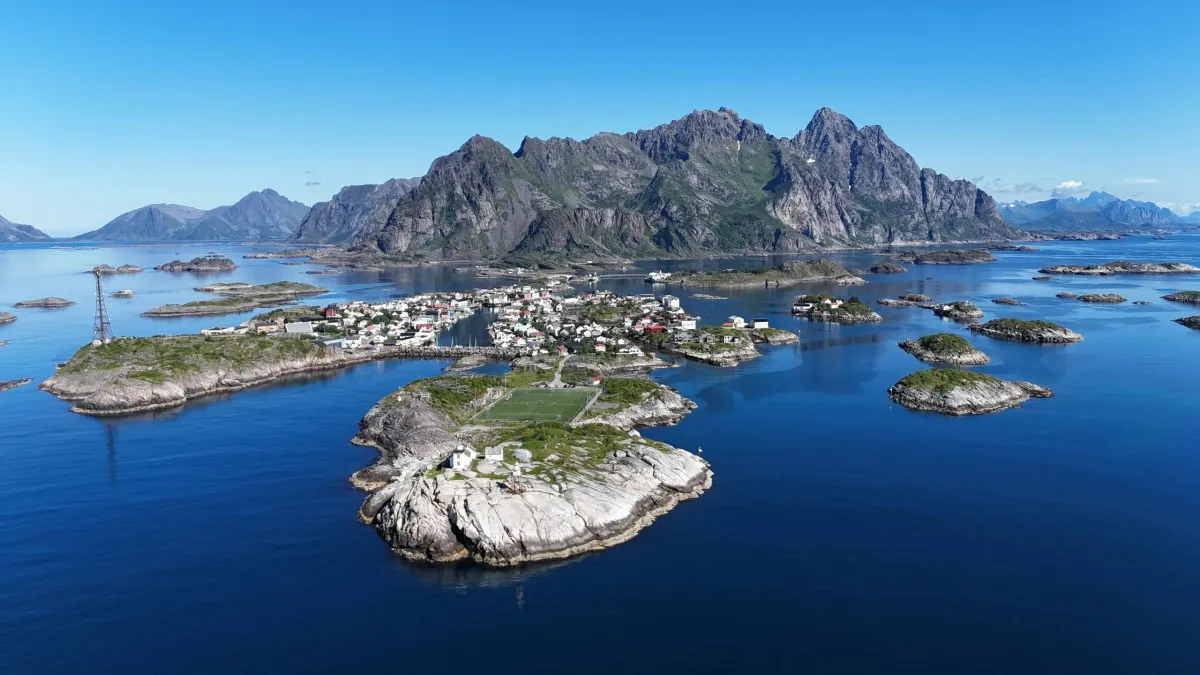
Imagine planning a summer holiday and actively searching for somewhere cooler rather than somewhere sunny. A decade ago, that idea would have seemed eccentric. In 2026, it is the defining travel philosophy of a generation. Welcome to the era of the coolcation - and it is reshaping the entire global tourism industry.
The numbers tell a stark story. Summer 2025 broke heat records across Portugal, Spain, Greece, and southern Italy, with temperatures regularly topping 44°C in peak tourist zones. Coastal towns that once thrived on sun-seekers saw cancellations surge. Meanwhile, booking platforms reported triple-digit growth in searches for Nordic destinations - Norway, Iceland, Finland, Sweden, and Denmark - for June through August 2026.
Key Statistics:
- 312% rise in Nordic summer bookings between 2024 and 2026
- 20°C average summer temperature across Scandinavia
- 44°C recent peak temperatures recorded in southern Europe
Climate scientists and behavioural economists now agree: the coolcation is not a passing fad. It is a structural shift - a rational response to a warming world. The travellers choosing Norway over Naples, Tromso over Thessaloniki, and Reykjavik over Rome are not making a sacrifice. They are discovering something the locals have known forever: that a mild, 20°C summer day beside a glacier-fed fjord is an experience no scorching beach can match.
The shift is visible in the demographics too. It is not only retirees seeking comfort. Families with young children, remote workers on extended trips, and eco-conscious millennials are all turning their compasses northward. The message is clear: the best summer destinations Scandinavia and Iceland offer are no longer a niche choice - they are the mainstream future of warm-weather travel.
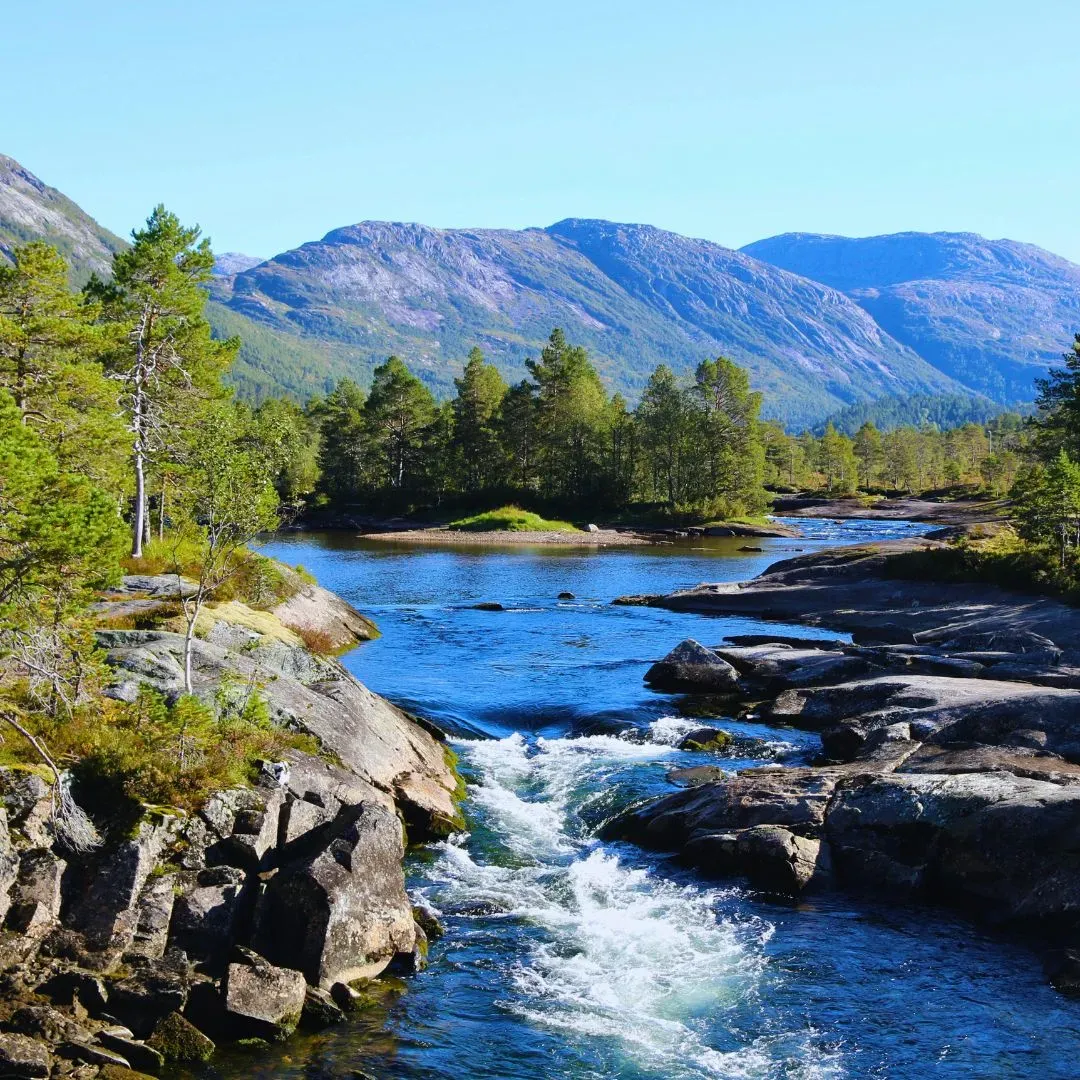
Destinations for the "Hushpitality" Seeker
One of the most fascinating micro-trends emerging from the coolcation wave is what tourism researchers are calling hushpitality - a preference for quiet, contemplative, nature-immersive travel over the performative, crowd-heavy experiences that dominated the Instagram era. Hushpitality is about slowing down, connecting deeply, and allowing the landscape to set the pace. Scandinavia was practically invented for it.
The Four Pillars of the Hushpitality Trend 2026:
- Solitude by design - Choosing lodges, cabins, and farms over hotels, deliberately avoiding crowds and tourist queues.
- Restorative pacing - Itineraries with intentional rest, no must-sees, and unscheduled time in nature.
- Ecological awareness - Choosing destinations and operators that preserve wild landscapes rather than exploit them.
- Digital quiet - Embracing the natural connectivity limitations of remote areas, while still staying reliably connected when genuinely needed.
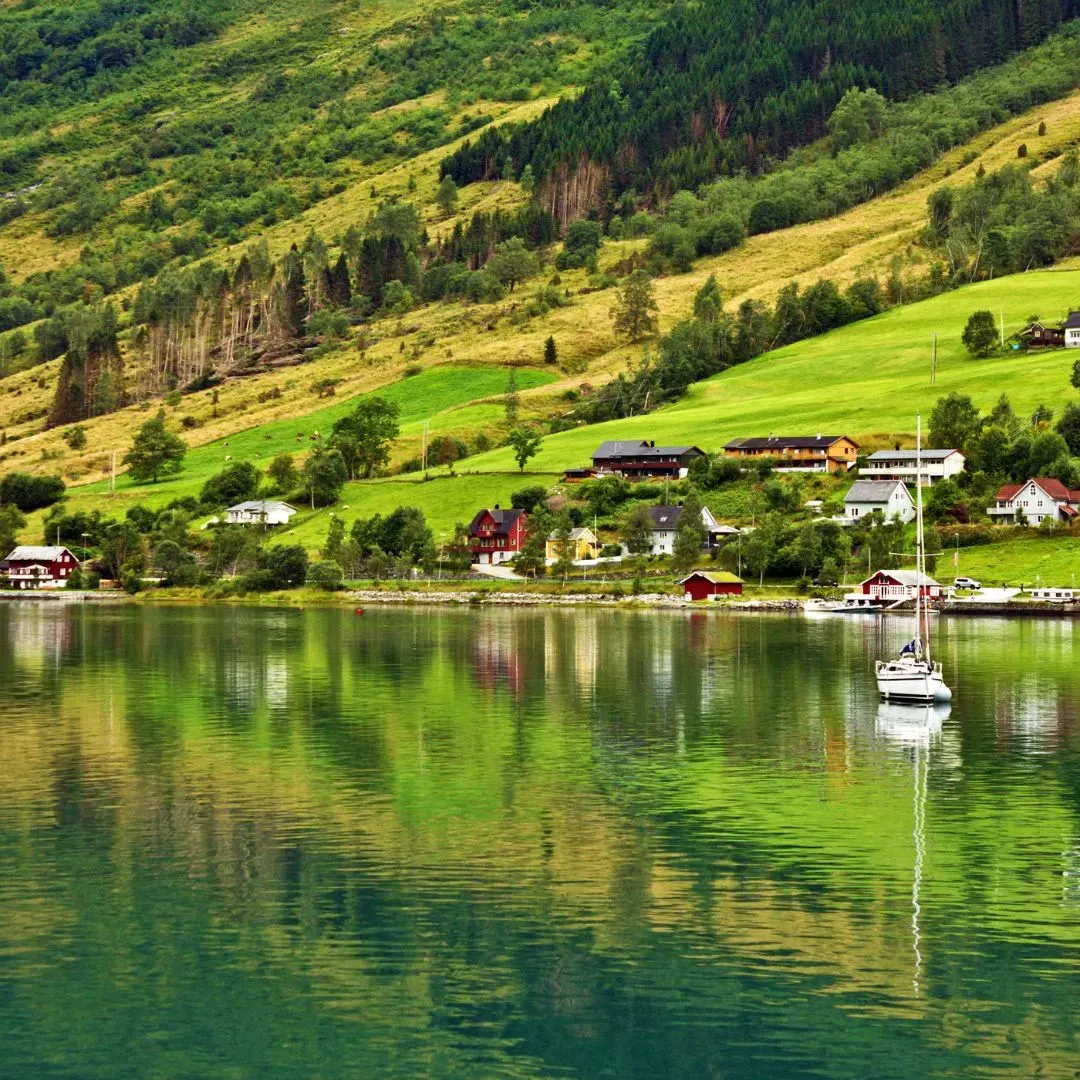
Norway: Fjord Kayaking and the Silence of the Deep
Norway's fjords are a UNESCO-listed wonder for a reason. Carved by glaciers over millions of years, they plunge hundreds of metres below the surface while soaring cliffs rise thousands above. The most transformative way to experience them - not from a cruise ship, not from a car window - is by kayak.
Paddle through the Sognefjord, Norway's longest at 204 kilometres, and you are alone in a cathedral of water and rock. The only sounds are your paddle, the drip of snowmelt, and occasionally, a distant waterfall. This is hushpitality in its purest, most elemental form. The summer water temperature, while bracing, is perfectly manageable, and multi-day kayaking expeditions with overnight camping on small shingle beaches have become one of the most sought-after experiences in coolcations 2026.
Pro tip: Book fjord kayaking through a certified local guide. Self-guided trips are possible but the fjords' weather changes fast - a local navigator is both safer and significantly more insightful about the landscape's history and ecology. Also, get an eSIM for Norway to sort out your internet connection before landing.
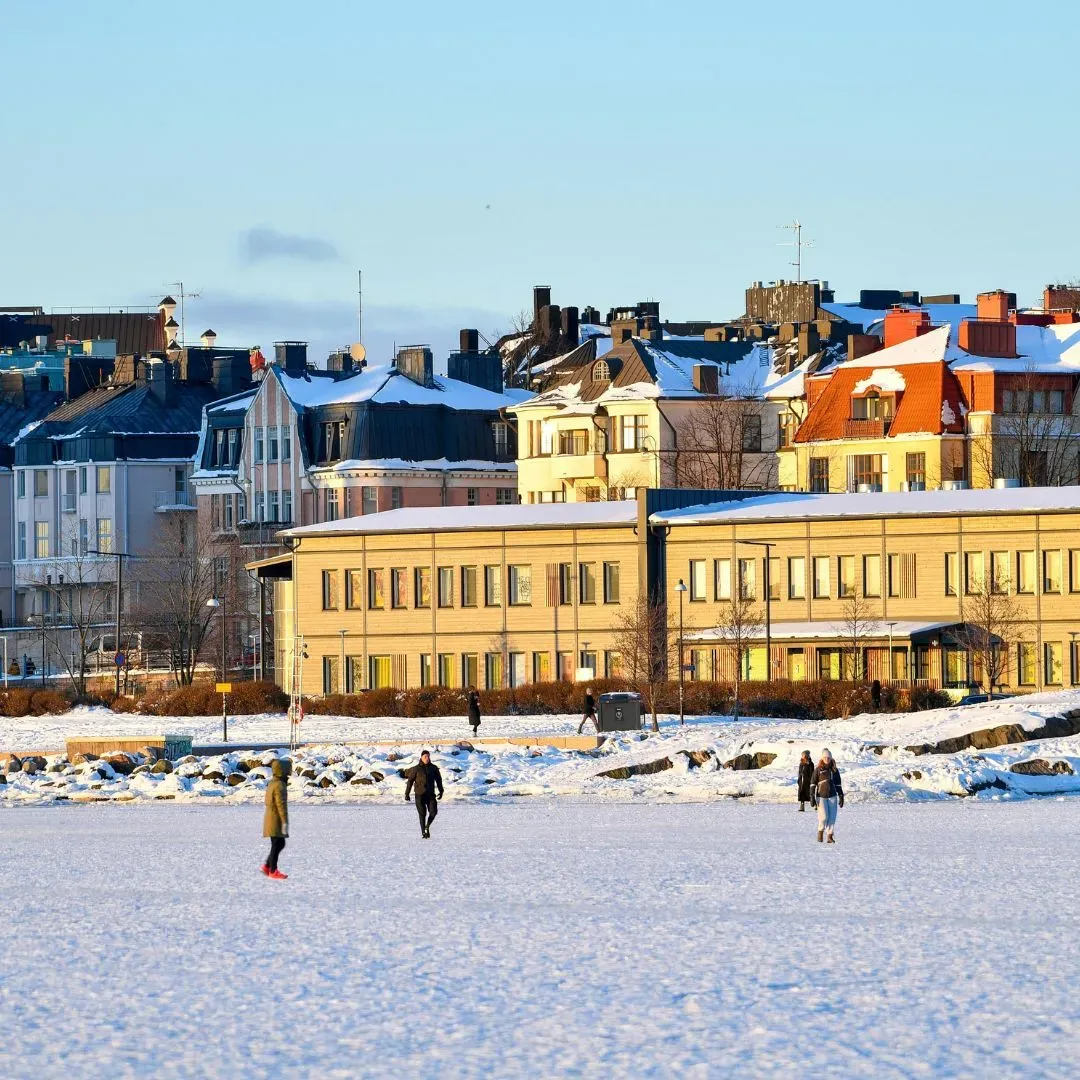
Finland: Sauna Culture and the Ancient Art of Forest Bathing
Finland has 5.5 million people and approximately 3.3 million saunas. That statistic alone tells you something profound about how this culture relates to wellness, community, and nature. For Finnish people, the sauna is not a spa indulgence - it is a social institution, a meditative practice, and a deeply democratic space where hierarchies dissolve in the steam.
Travelling Finland in summer means embracing the sauna-lake-forest trinity: heat in a wood-fired cabin by a lake, plunge into the cool water, lie in a birchwood forest letting the silence settle over you. This is forest bathing - the Japanese concept of shinrin-yoku has a Finnish equivalent called metsanpeitto - and it is increasingly recognised by researchers as one of the most effective methods of stress recovery available to humans. No app required.
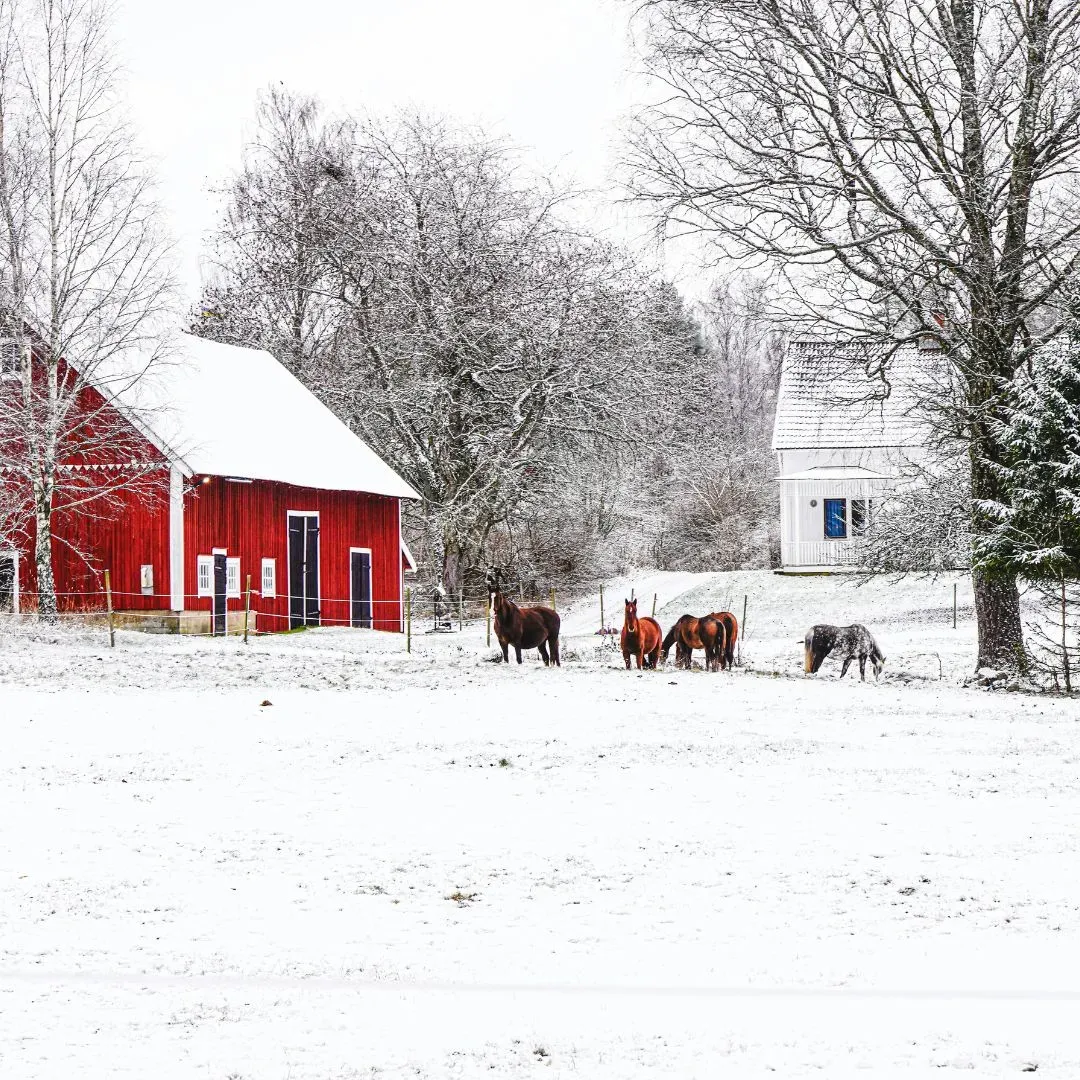
Sweden: Freedom to Roam the Archipelago
Sweden's ancient right of public access - allemansratten - means you can camp, hike, and forage almost anywhere in the country. The archipelago outside Stockholm is a maze of 30,000 islands, most of them barely visited, waiting to be explored by anyone willing to hire a small boat and follow the waterway north. It is the most democratic wilderness in Europe.
Iceland: Where Geology Is Still Alive
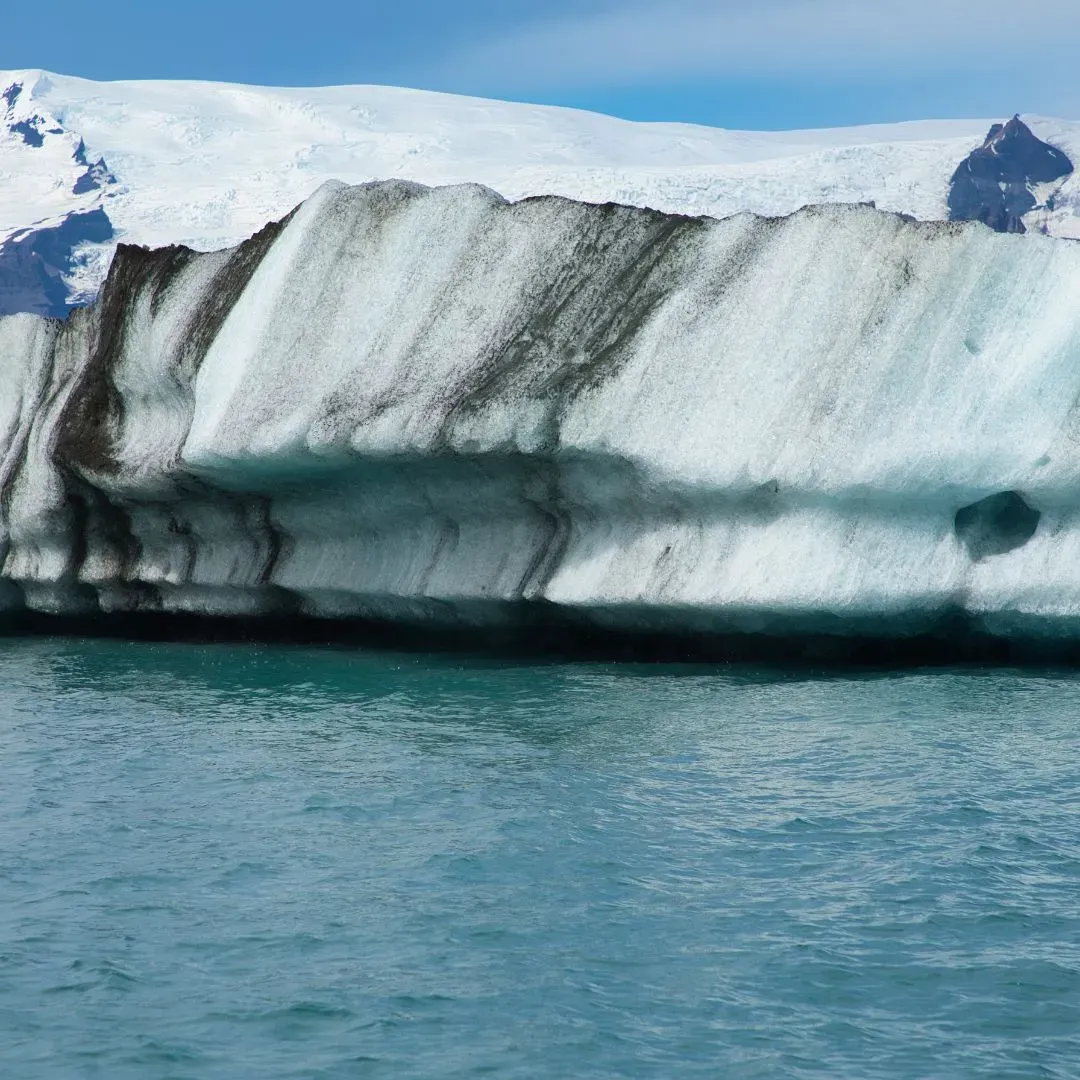
Hot springs, black sand beaches, lava fields, and geysers exist here in impossible abundance. Drive Iceland's Ring Road and you encounter a different landscape every 20 kilometres - a geographical variety that no other country on Earth can match in such a small area.
Iceland's Arctic Nights and the Noctourism Revolution
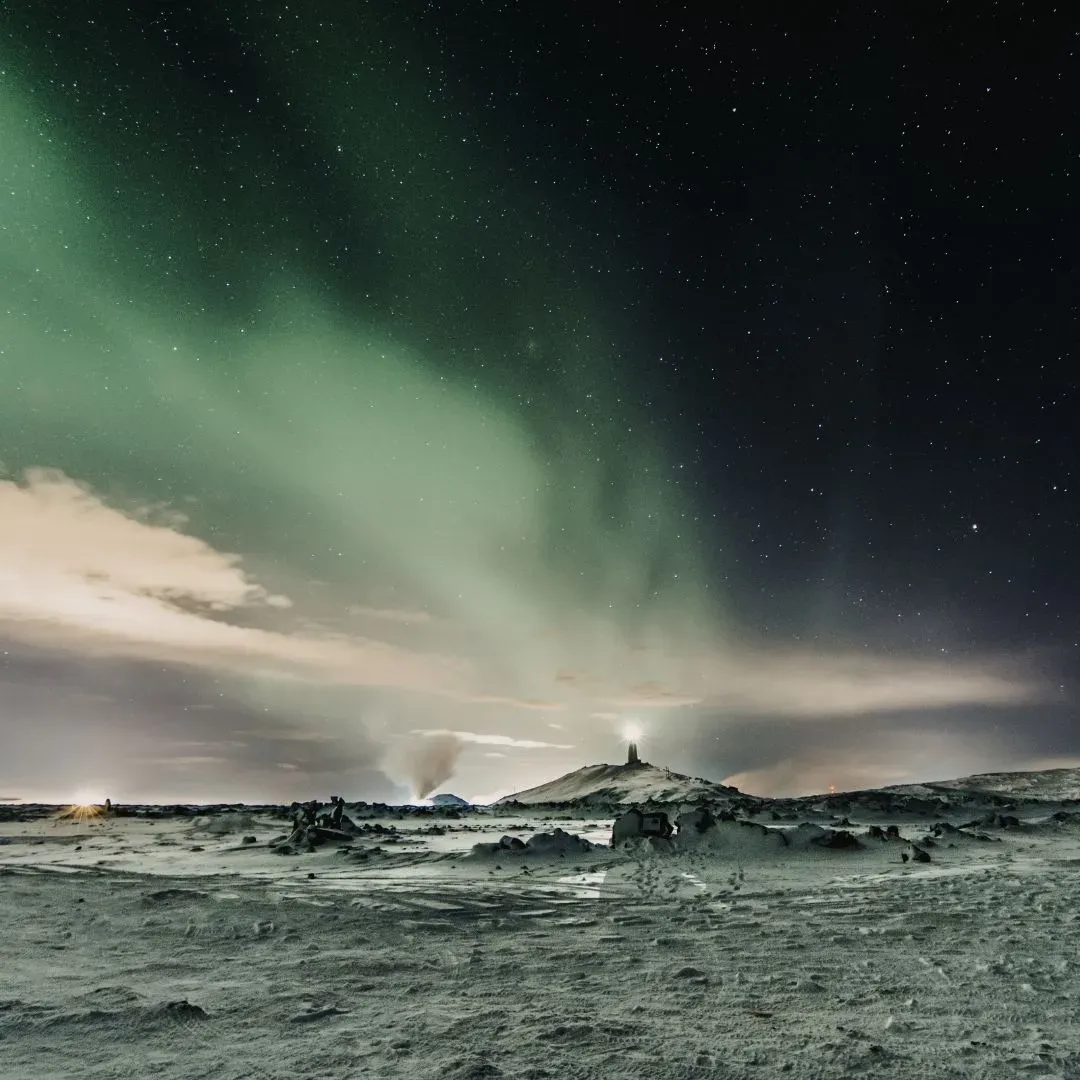
If hushpitality is the philosophy of the coolcation, noctourism is its most dramatic expression - and Iceland is its undisputed global headquarters. Noctourism describes travel experiences specifically designed around darkness, celestial events, and the particular magic of the world after midnight. It is one of 2026's fastest-growing travel categories, and Iceland delivers it in extraordinary abundance.
During summer, Iceland experiences the Midnight Sun - a surreal phenomenon where the sun never fully sets between late May and late July. Stand on a cliff above the Snaefellsnes Peninsula at 1 AM and watch golden light play across glacier-capped volcanoes. It is the kind of moment that rewrites your understanding of what time means.
But it is the shoulder seasons - September through March - where Iceland truly commands the night. The Northern Lights (Aurora Borealis) paint the sky in curtains of green, pink, and violet. There are now dedicated aurora lodges across Iceland's remote interior, built without artificial light pollution and oriented specifically to maximise sky views. Some offer wake-up calls when the lights appear. This is noctourism at its most intentional.
The Iceland road trip remains the ideal format for experiencing all of this. The Ring Road (Route 1), Iceland's 1,332-kilometre highway circling the entire island, connects the key experiences: the Golden Circle's geysers and Thingvellir National Park, the black sand beaches of Vik, the glacier lagoon at Jokulsarlon, and the remote Eastfjords where almost no other tourists venture.
With proper planning and reliable Iceland road trip data connectivity - more on that in the next section - this is an entirely achievable two-week adventure that delivers experiences no Mediterranean resort can begin to approximate.
Connectivity in the Wild - The Modern Traveller's Essential
Here is a paradox at the heart of hushpitality travel: you are seeking genuine disconnection from the noise of modern life, yet you remain a modern person with practical connectivity needs. You may be working remotely from a Norwegian cabin. You need reliable navigation driving Iceland's Route. You want to share that waterfall photograph. You are managing travel insurance, accommodation bookings, and family check-ins.
The solution for the Nordic loop is not buying separate SIM cards in four different countries. That is the old way - queuing at airports, paying extortionate roaming fees, losing small plastic cards in the lining of your jacket. The new way is a travel eSIM, and it has transformed multi-country independent travel.
Why a Europe Regional eSIM is the smart choice for Your Nordic Loop:
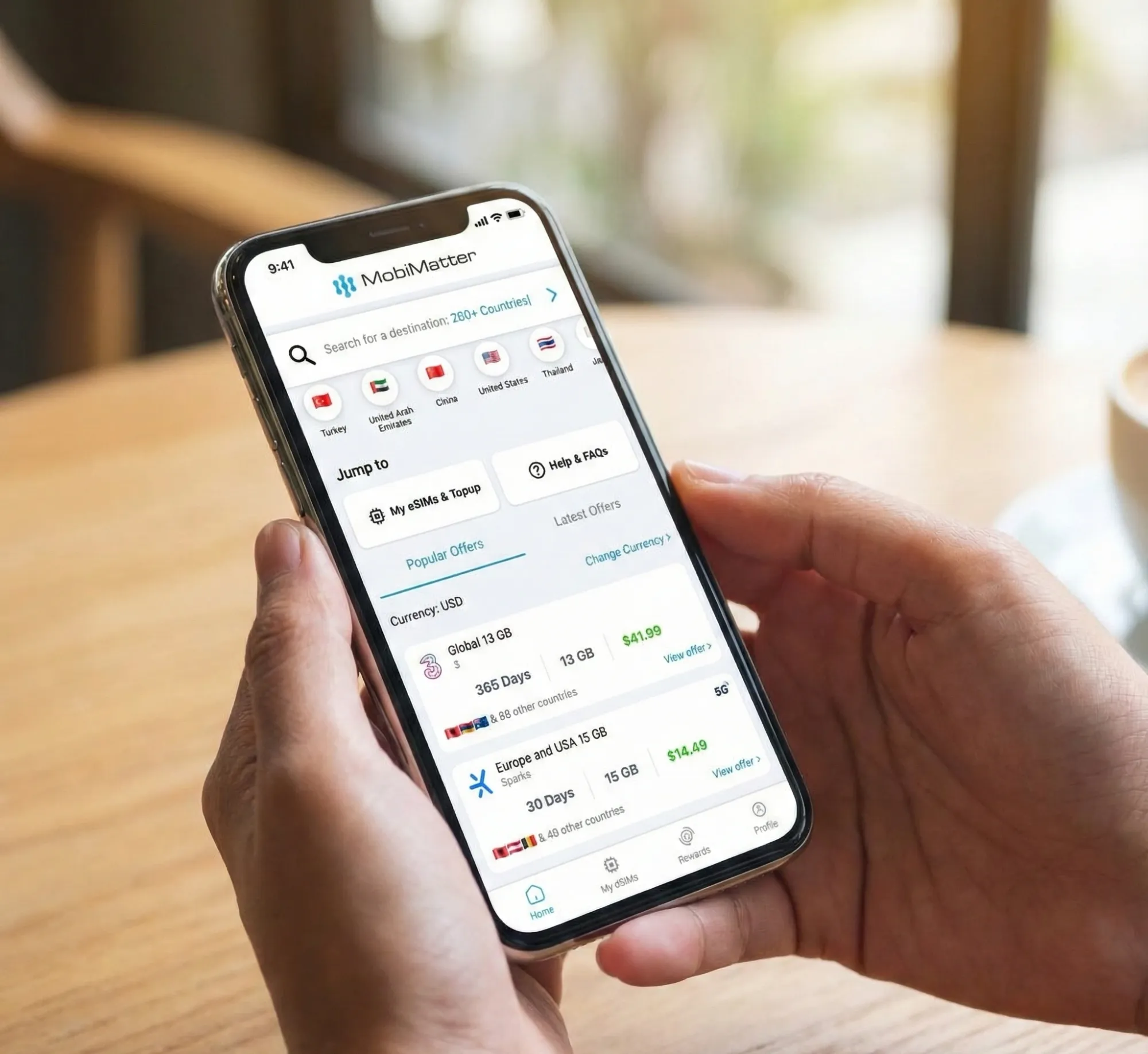
A regional Europe eSIM - a digital SIM card embedded in your phone - gives you seamless data coverage across multiple European countries with no physical card swapping, no roaming surcharges between destinations, and instant activation before you even board your flight. For Norway travel eSIM coverage and Iceland road trip data needs specifically, a Europe Regional eSIM from MobiMatter checks every box.
Key benefits:
- Works across Norway, Iceland, Finland, Sweden, and Denmark with one plan
- Instant digital activation - no SIM card required, no airport queues
- Reliable 4G/5G coverage in cities and along major driving routes
- Flexible data plans to match your trip length and usage needs
- Keep your home number active - eSIM runs alongside your existing SIM
- Essential for offline map downloads and emergency navigation in remote areas
When you are navigating Iceland's F-roads - the gravel highland tracks that open only in summer - offline maps downloaded via your eSIM connection are not a luxury. They are a genuine safety essential. The same applies to Norway's Sognefjellet mountain road and Finland's remote lakeland districts. Finding the best eSIM for your Nordic trip is one of the most practical decisions you will make in your pre-travel planning.
MobiMatter's Europe Regional eSIM plans offer competitive per-gigabyte rates for Nordic coverage, with no throttling on popular streaming and mapping applications. Crucially, they offer round-the-clock customer support - relevant when you are troubleshooting connectivity at 11 PM on a remote Icelandic highland, watching the Midnight Sun and realising your navigation app has gone offline.
Before you travel: Download offline maps for your entire route - Google Maps, Maps.me, or Gaia GPS all work well - while connected to your home Wi-Fi. Your eSIM data will then be reserved for navigation, communication, and the occasional spectacular upload.
The Ultimate 14-Day Nordic Coolcation Loop
For travellers ready to commit fully to the coolcation philosophy, this two-week itinerary covers the finest hushpitality and noctourism experiences across Scandinavia and Iceland. A single Europe Regional eSIM covers you for every destination.
Days 1 to 2 - Reykjavik, Iceland: Arrival and Golden Circle
Acclimatise with Reykjavik's world-class geothermal pools, then join a Golden Circle day-tour: Thingvellir (where tectonic plates meet), Geysir, and Gullfoss waterfall. Experience your first Midnight Sun evening.
Days 3 to 5 - Iceland Ring Road: South Coast to East Fjords
Drive east along Route 1 via Seljalandsfoss waterfall (you can walk behind it), Skogafoss, the black beach at Reynisfjara, and the glacier lagoon at Jokulsarlon. Camp or stay at guesthouses; mobile data from your eSIM keeps navigation reliable throughout.
Days 6 to 7 - Bergen, Norway: Gateway to the Fjords
Fly Bergen from Reykjavik (short hop). Explore Bryggen's UNESCO wharf district, ride the Flobanen funicular, and eat fresh fish at the harbourside market. Bergen is your base for fjord adventures.
Days 8 to 9 - Sognefjord Kayaking, Norway
Two full days on the water - the defining hushpitality experience of the entire trip. Choose a guided multi-day kayak with an overnight camp on a remote beach. Return to Flam village by evening ferry.
Days 10 to 11 - Finnish Lakeland: Sauna and Forest Bathing
Fly Helsinki, then travel to the Saimaa lake district. Check into a lakeside cabin with its own wood-fired sauna. Spend two full days in the forest-lake-sauna rhythm with zero agenda. This is the soul of the coolcation.
Days 12 to 13 - Stockholm Archipelago, Sweden
Take an overnight train to Stockholm, then ferry out to the archipelago's 30,000 islands. Hire a small boat, find an island with no other visitors, and spend an afternoon swimming in cool Baltic water.
Day 14 - Stockholm: Departure
A final morning at the Fotografiska museum or wandering Sodermalm's independent coffee shops. Fly home from Arlanda with a memory card full of extraordinary moments and a body genuinely rested for the first time in years.
Practical Tips for Your 2026 Coolcation
Pack for Layers
Nordic summer averages 15 to 22°C but can drop to 8°C in the evenings, especially near water or at altitude. Merino wool base layers, a waterproof mid-layer, and a packable down jacket cover every scenario.
Go Cashless - Almost Entirely
Scandinavia leads the world in cashless payments. Norway, Sweden, and Denmark are almost entirely card-first. Iceland accepts card payments even at remote petrol stations. Carry a small emergency cash reserve in Euros or local currency.
Set Up Your eSIM Before Departure
Activate your travel eSIM and download offline maps while still at home on Wi-Fi. Test the connection before your first day so you are not troubleshooting connectivity on arrival day.
Prepare Your Sleep for the Midnight Sun
Blackout curtains or a quality sleep mask are essential in Norway and Iceland during June and July. Some travellers find the first few nights disorienting - embracing rather than fighting the light is the fastest adjustment.
Book Accommodation Early - Especially in Iceland
Iceland's tourism capacity is genuinely limited. Accommodation along the Ring Road and in remote areas books out months in advance. Summer 2026 bookings are already running ahead of prior years thanks to the coolcation surge.
Respect the Leave No Trace Culture
Nordic countries have a deep culture of environmental respect. Wild camping is a right in most of Scandinavia, but with responsibility attached. Carry out all waste, stay on marked trails in sensitive ecosystems, and follow fire safety rules absolutely.
Ready to plan your coolcation? Start with the right connectivity. Get your Nordic eSIM at MobiMatter.com - instant activation, seamless coverage across Norway, Iceland, Finland, Sweden, and Denmark.
Frequently Asked Questions
Q: What exactly is a coolcation and why is it trending in 2026?
A coolcation is a deliberate choice to take a summer holiday in a cooler climate destination instead of a traditionally hot one. The trend has accelerated dramatically in 2026 due to record-breaking heat events across southern Europe and the Mediterranean, which have made previously beloved destinations uncomfortable or even dangerous during peak summer. Coolcations 2026 are characterised by destinations with summer averages of 15 to 22°C - primarily Scandinavia, Iceland, Scotland, Canada, and New Zealand - where travellers can enjoy outdoor activities comfortably without heat stress. It is a structural travel shift, not a passing moment.
Q: Which are the best summer destinations in Scandinavia for first-time visitors?
For first-time visitors exploring the best summer destinations Scandinavia has to offer, Norway is typically the most visually dramatic starting point - specifically Bergen as a gateway to the fjords, followed by the Flam and Sognefjord region. Sweden's Stockholm archipelago offers a gentler, island-hopping introduction to Nordic summer. Finland is ideal for travellers specifically seeking the sauna culture and forest bathing experience. All four countries are safe, well-organised, and relatively easy to navigate independently, especially with a reliable Europe eSIM for connectivity throughout.
Q: What is the hushpitality trend and how does it connect to coolcation travel?
The hushpitality trend 2026 describes a growing preference among travellers for quiet, restorative, deeply nature-immersive experiences over crowded, performance-driven tourism. The word merges hushed with hospitality - indicating accommodation and travel experiences specifically designed around solitude, calm, and genuine rest rather than entertainment and stimulation. Coolcation destinations like Scandinavia and Iceland are natural hushpitality environments: vast, sparsely populated, with landscapes that naturally encourage contemplation. The convergence of these two trends - choosing cooler destinations and prioritising quieter experiences - is one of the defining forces reshaping travel in 2026.
Q: What is noctourism and why is Iceland perfect for it?
Noctourism is travel built specifically around nocturnal or darkness-related experiences - Northern Lights chasing, stargazing, Midnight Sun viewing, dark-sky reserves, and celestial event tourism. Iceland is the world's premier noctourism destination for two distinct reasons: during summer (late May to late July), it experiences the Midnight Sun, where the sun barely sets and golden-hour light persists through the night. In autumn and winter (September to March), Iceland's low light pollution and high Aurora Borealis activity make it one of the best places on Earth to witness the Northern Lights. Iceland travel 2026 searches reflect this dual appeal - visitors are choosing Iceland for experiences genuinely unavailable anywhere closer to home.
Q: Do I need a special eSIM for Norway, Iceland, and Scandinavia - or will my home plan work?
Whether your home plan covers Nordic countries varies significantly by carrier and country of origin. Many travellers find that international roaming charges make extended use of their home plan prohibitively expensive, particularly for the data-heavy navigation and mapping needs of a road trip like Iceland's Ring Road. A dedicated travel eSIM - specifically a Europe Regional eSIM from MobiMatter - is typically far more cost-effective and gives you predictable, capped data costs across multiple countries simultaneously. The Norway travel eSIM and Iceland road trip data coverage from regional eSIM plans is specifically designed for the connectivity realities of northern Europe, including coverage along major driving routes. You can browse current plans at MobiMatter.com.
Q: How does a travel eSIM work and is it compatible with my phone?
A travel eSIM is a digital version of the traditional physical SIM card, built into most modern smartphones manufactured after 2018. To use one, you purchase a data plan online, receive a QR code, and scan it with your phone to activate the eSIM - typically in under five minutes. You can then run the eSIM alongside your existing home SIM, keeping your home number active for calls while using the eSIM for data. Compatible devices include the iPhone XS and later, most modern Samsung Galaxy and Google Pixel phones, and many other Android devices. Check your phone's specifications before buying an eSIM.
Q: What is the best time of year to visit Scandinavia and Iceland for a coolcation?
For a classic coolcation experience with long days and mild temperatures, June and July are the peak months in Scandinavia and Iceland. This is when temperatures are at their most comfortable (15 to 22°C), daylight extends to nearly 24 hours at higher latitudes, and outdoor activities are at their most accessible. August offers a slightly quieter version of this, as school holidays begin to ease. For noctourism - specifically Northern Lights viewing in Iceland - aim for September through March, when nights are dark enough. The Norwegian fjords are genuinely beautiful from May through September. Finland's sauna culture is a year-round joy, but the lake-swim-sauna combination is best in July and August.
Q: Is Scandinavia expensive to travel in? How can I manage costs?
Scandinavia - particularly Norway and Iceland - has a well-deserved reputation as an expensive travel region. However, strategic budget management can bring costs under control. Self-catering accommodation (cabins, farm stays, glamping, or wild camping where permitted) cuts accommodation costs significantly compared to hotels. Cooking your own meals from supermarkets is dramatically cheaper than eating out for every meal. Choosing a single Europe Regional eSIM rather than paying roaming charges or buying multiple local SIMs saves money on connectivity. The core experiences - hiking, kayaking, forest bathing, and simply being in the landscape - are largely free. For most travellers, the experience-to-cost ratio of a Nordic coolcation compares favourably with a premium Mediterranean resort holiday once all factors are considered.
- Coolcations 2026
- Blog
- europe
- best summer destinations Scandinavia
- Norway travel eSIM
- Iceland road trip data
About the author
Travel & eSIM writer, MobiMatter
Writes MobiMatter's eSIM and destination guides since 2024, for travellers who want data from the moment they land. Before that, SEO consulting and nearly ten years in analytics at IBM.