The 9-Day Eid Escape: Top Long-Haul Destinations and Multi-City Itineraries for 2026


I. Introduction: The "9-Day Bridge" Strategy
With Eid Al Adha expected to fall around Thursday, May 28, 2026, residents across the UAE, Saudi Arabia, Turkey, and the wider GCC are looking at a full 7 to 9-day window stretching from Saturday, May 23 to Sunday, May 31. By burning just one or two days of annual leave around the weekend bookends, the entire block becomes available for long-haul travel. This is what travel planners are calling the "9-Day Bridge Strategy," and the flight booking data already tells the story: searches for long-haul routes from Dubai, Riyadh, Jeddah, and Istanbul are up sharply compared to previous Eid cycles.
Nine days is not a short trip. It is long enough to do two countries, island-hop across an archipelago, road-trip through mountain passes, or settle into a beach resort and actually decompress. The key is choosing the right destination cluster and building an itinerary that respects travel time without wasting it.
This guide covers the best long-haul destinations for the 2026 Eid Al Adha break, organized by region, with multi-city itinerary outlines, travel tips, connectivity advice, and a full eSIM recommendation table so you stay connected from takeoff to touchdown.
II. Europe: The Grand Tour Revival
European summer bookings from GCC and Turkish airports traditionally spike around Eid, but the 2026 window is drawing particular attention because late May sits perfectly between the shoulder and peak seasons: warm without the August crowds, green without the winter grey. Three destination clusters are dominating outbound booking data this cycle.
Switzerland and France: The Classic Combo
Paris and the Swiss Alps remain the gold standard combination for GCC families, and for good reason. The pairing covers two completely different travel appetites within a single efficient trip.
Paris anchors the cultural and entertainment side. Disneyland Paris is the obvious headline for families traveling with children, but the city itself rewards adults just as generously: the Louvre, the Eiffel Tower, Seine river cruises, and world-class halal dining options that have expanded substantially over the past decade. A three-night Paris base works well for the first half of the trip.
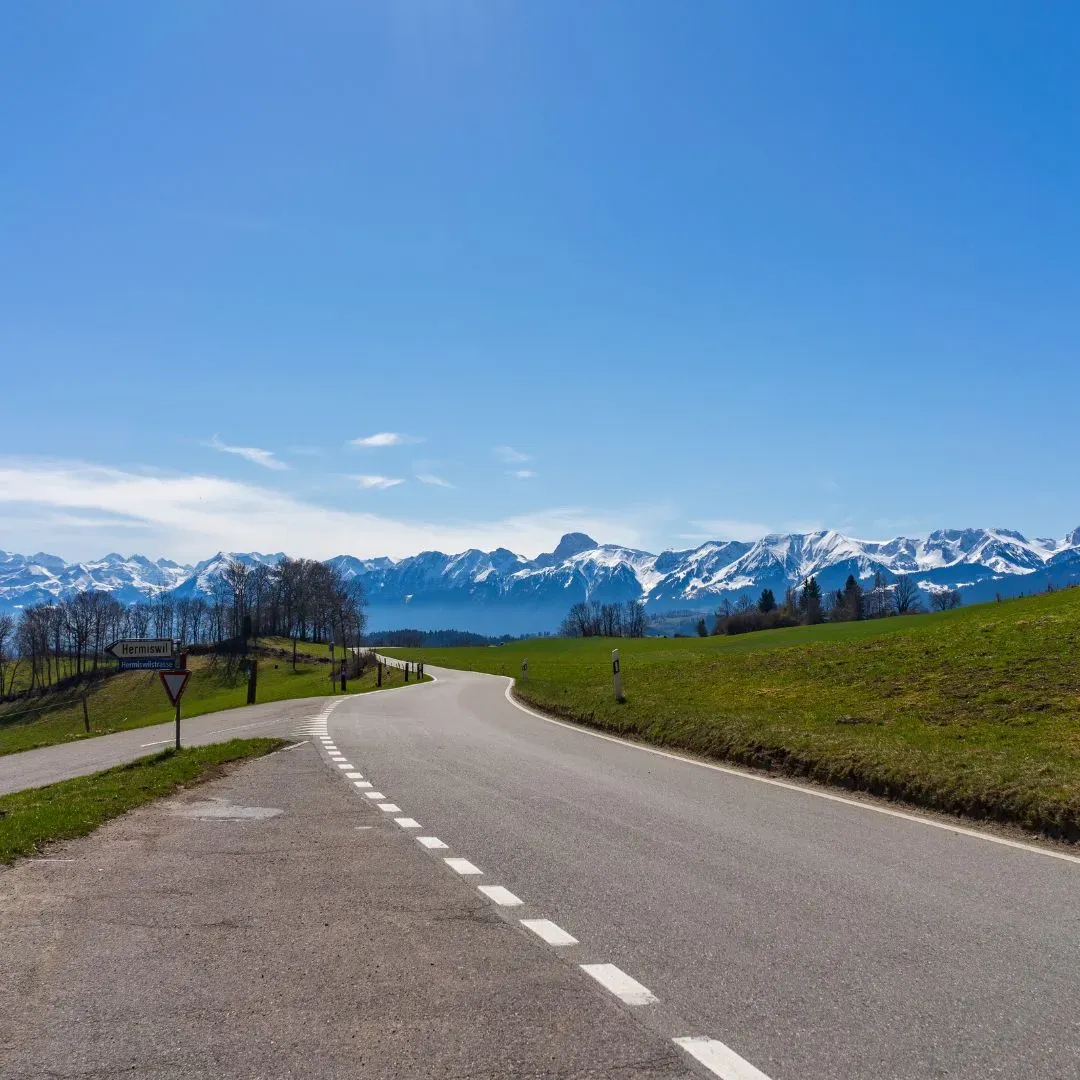
Switzerland takes over for the second act. In late May, the Alps are in transition: ski resorts have closed for the season, but the high passes are reopening and the valley landscapes are at their most vivid. The Jungfrau region and Interlaken offer cable car rides, lake cruises, and the kind of cool, clean air that feels almost medically refreshing for anyone flying in from the Gulf. Zurich or Geneva serve as practical entry and exit points. The Swiss Rail Pass is worth purchasing in advance for seamless travel between cities.
This route is also the foundation for one of the most reliable halal travel circuits in Europe, with well-established restaurants, prayer facilities, and travel agencies that specifically cater to GCC visitors in both Paris and the major Swiss cities.
Suggested flow: Fly into Paris (3 nights), train to Interlaken or Lucerne (3 nights), exit via Zurich or Geneva.
Suggested eSIM Plan: Get our Europe eSIM to avoid the SIM swap and travel to both Switzerland and France without any data worries.

The Greek Odyssey: Athens and the Islands
Search interest for Greece in May 2026 has climbed by approximately 110 percent compared to the same period last year, making it one of the fastest-growing Eid destinations from GCC airports. The timing is ideal: late May sits just before the peak tourist crush of July and August, hotels are at more manageable prices, the Aegean is warm enough to swim, and the light is extraordinary.
The classic structure is a mainland-to-island progression. Athens deserves two nights at minimum: the Acropolis, the ancient Agora, the Monastiraki neighborhood for shopping, and the rooftop restaurant scene in Koukaki for dinner. The city functions as a proper cultural destination, not merely a transit hub.
From Athens, the island chapter opens. Santorini is non-negotiable for first-time visitors: the caldera views, the blue-domed churches of Oia, and the sunset experience justify the reputation entirely. Mykonos adds a different energy, with beach clubs, cosmopolitan dining, and a more social atmosphere. The two-island combination takes roughly four nights. Ferry connections between them are frequent and the journey itself is scenic.
Travelers from Riyadh, Dubai, and Abu Dhabi now have direct or near-direct routing options into Athens, making this one of the most accessible European long-haul options in the 2026 calendar.
Suggested flow: Fly into Athens (2 nights), ferry to Santorini (2 nights), ferry or short flight to Mykonos (2 nights), fly home from Mykonos or return to Athens. And check out our Greece eSIMs to find the best one as per your travel needs.
Central Europe: The Imperial Circuit (Prague, Vienna, Budapest)
The Prague, Vienna, Budapest triangle has become one of the signature routes for Saudi and Turkish travelers seeking a historically rich, visually stunning, and highly walkable European itinerary. The three cities sit close enough together that train travel is practical, and the cultural and architectural depth across the circuit rewards visitors who enjoy history, architecture, music, and food equally.
Prague leads with its fairy-tale old town: Charles Bridge, Prague Castle, the Astronomical Clock, and a labyrinthine medieval street network that rewards aimless walking. Two nights here feel insufficient; three is the comfortable minimum.
Vienna follows as the grand imperial centerpiece. The Hofburg Palace, the Kunsthistorisches Museum, the Belvedere, and Schonbrunn Palace could each individually anchor a full day. The coffeehouse culture and the classical music scene add a layer of refinement that sets Vienna apart from most European capitals. Two nights works but three is better.
Budapest closes the circuit on a spectacular note. The Parliament building lit at night, the thermal baths, the ruin bars of the Jewish Quarter, and the view from Fisherman's Bastion across the Danube make this one of the most photogenic cities in Europe. Two nights is a comfortable minimum here.
The entire circuit is well-served by halal restaurants, and the travel infrastructure between cities, whether by train, bus, or budget flight, is robust and affordable.
Suggested flow: Fly into Prague (2-3 nights), train to Vienna (2 nights), train or bus to Budapest (2 nights), fly home from Budapest.

III. Asia: K-Culture and Tropical Bliss
Asia offers the most diverse range of experiences for the 9-day Eid window, from ultramodern cities running on K-pop energy to ancient waterways threading through limestone karsts to volcanic beaches lined with rice terraces. Three destinations are leading search interest from GCC travelers in 2026.
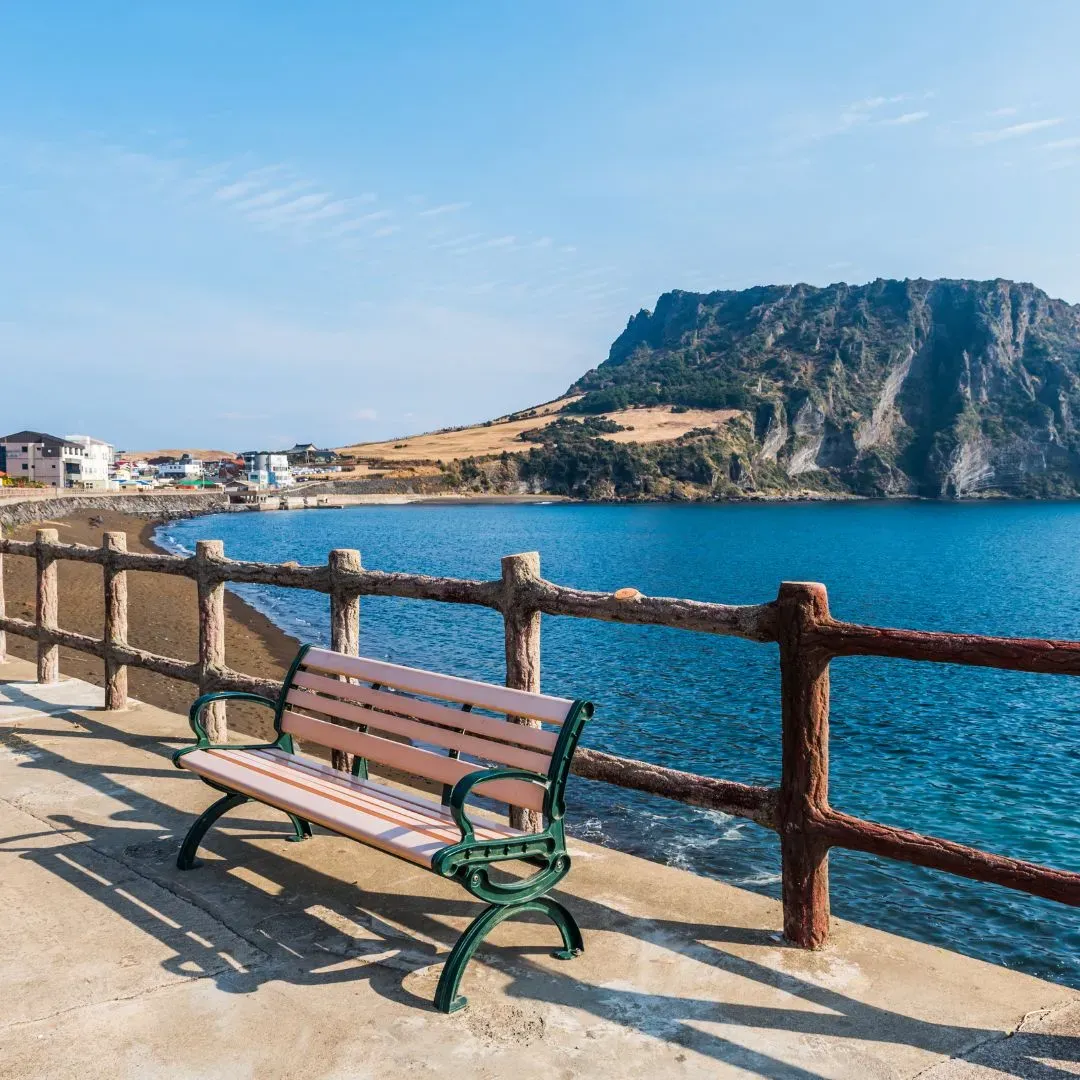
South Korea: Seoul and Jeju
The K-Culture wave has moved well beyond entertainment into travel, and 2026 is arguably its peak expression as a tourism driver. Saudi youth travelers in particular have been identified as a fast-growing segment in Korean inbound tourism data, drawn by K-pop, K-drama filming locations, Korean beauty and fashion, and a food culture that has become genuinely global in its reach.
Seoul is one of the most efficiently navigable major cities on earth. The subway system is intuitive even for first-time visitors, and the concentration of neighborhoods, each with a distinct character, means that a few days here produce a wildly varied experience. Gangnam for luxury and K-beauty shopping, Hongdae for street food and youth culture, Bukchon Hanok Village for traditional architecture, Myeongdong for cosmetics and street snacks, and the Han River parks for evening leisure all exist within a coherent, well-connected city grid.
Jeju Island adds a natural counterpoint to Seoul's urban intensity. Connected by frequent short flights, Jeju offers volcanic landscapes, waterfalls, coastal trails, lava tube caves, and a slower pace that functions as a natural decompression chamber before the flight home. Three nights here rounds out the trip effectively.
Halal dining options in Seoul have expanded significantly, particularly in Itaewon, and a growing number of restaurants across the city now carry halal certification.
Suggested flow: Fly into Seoul (4 nights), short flight to Jeju (2-3 nights), fly home from Jeju or Seoul. And explore our South Korea data plans to stay connected on your trip.

Vietnam: Hanoi and Ha Long Bay
Vietnam has quietly become one of the best-value 7 to 9 day international destinations available from the Gulf, and its combination of dramatic natural landscapes, deep history, excellent street food culture, and genuinely affordable pricing makes it a standout choice for travelers who want substance without overspending.
Hanoi anchors the northern itinerary. The Old Quarter is one of the most atmospheric urban environments in Southeast Asia: narrow streets organized by historic trade, French colonial architecture layered over Vietnamese vernacular buildings, and a food scene centered on pho, bun cha, and banh mi that has been refined over centuries rather than invented for tourists. Two nights here is a practical minimum.
Ha Long Bay is the natural climax of any Vietnam itinerary. The overnight cruise format, typically two days and one night on a traditional junk boat, delivers the full experience: kayaking through limestone karsts, swimming in emerald water, visiting floating fishing villages, and waking up inside one of the most otherworldly landscapes on the planet. This portion of the trip almost requires no effort to be spectacular.
Returning to Hanoi for a final night before departure, or extending south to Hue or Hoi An, are both reasonable options for travelers with energy and appetite for more.
Suggested flow: Fly into Hanoi (2 nights), overnight cruise on Ha Long Bay (2 days, 1 night), return to Hanoi (1 night), optional flight to Hoi An (2 nights), fly home. Get the best Vietnam eSIM plans from just $0.6/GB and enjoy affordable & reliable data. Check below to find yours.

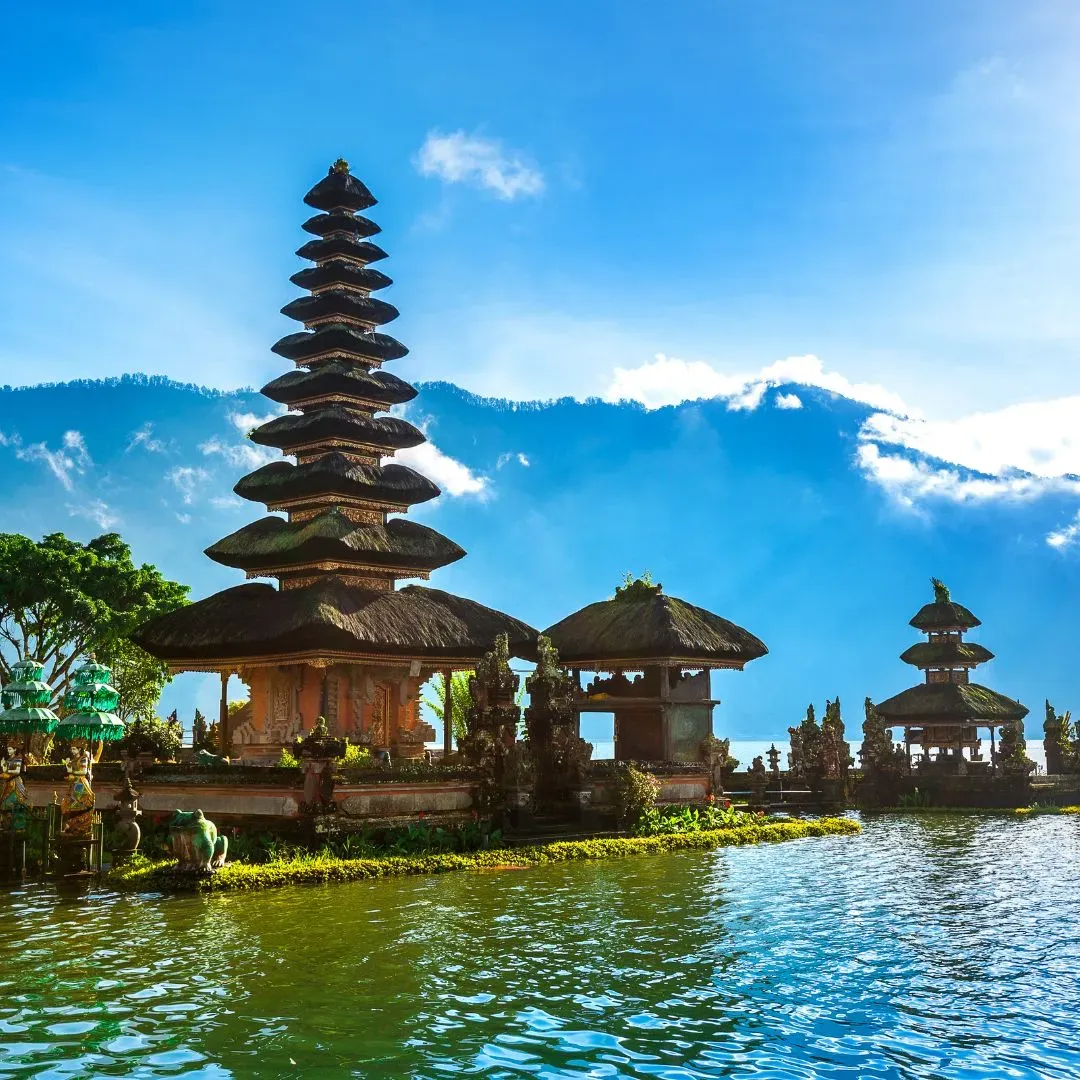
Bali, Indonesia: The Dry Season Opening
Late May marks the beginning of Bali's dry season, and the timing overlaps almost perfectly with the 2026 Eid window. This is when Bali is at its most attractive: lower humidity, lower rainfall, reliably sunny skies, and ocean conditions that are ideal for surfing, snorkeling, and diving along the southern and eastern coastlines.
Bali rewards slower travel more than almost any other destination in this guide. The temptation to race between Seminyak, Ubud, Uluwatu, Canggu, and Nusa Dua is understandable, but the island opens up differently when you commit to two or three areas properly. For a 9-day itinerary, a practical split is three nights in Ubud for the cultural and nature immersion, then four nights in a coastal area for beach, surf, and sunset.
Ubud delivers rice terraces, temple ceremonies, traditional dance performances, morning yoga, and some of the best vegetarian and plant-forward food in Asia. The Tegallalang rice terraces and the Sacred Monkey Forest are perennial highlights. The Tirta Empul holy spring temple provides one of the most memorable cultural experiences available in the region.
Seminyak or Uluwatu on the southern peninsula provide the beach and social experience, with excellent halal dining options that have grown considerably as GCC visitor numbers have increased. Indonesia is a Muslim-majority country, which means halal food is widely available across the island, making Bali a particularly practical choice for observant travelers.
Suggested flow: Fly into Denpasar (Bali), transfer to Ubud (3 nights), transfer to Seminyak or Uluwatu (4 nights), fly home from Denpasar. To stay connected when you land, check out our best eSIMs for Indonesia.
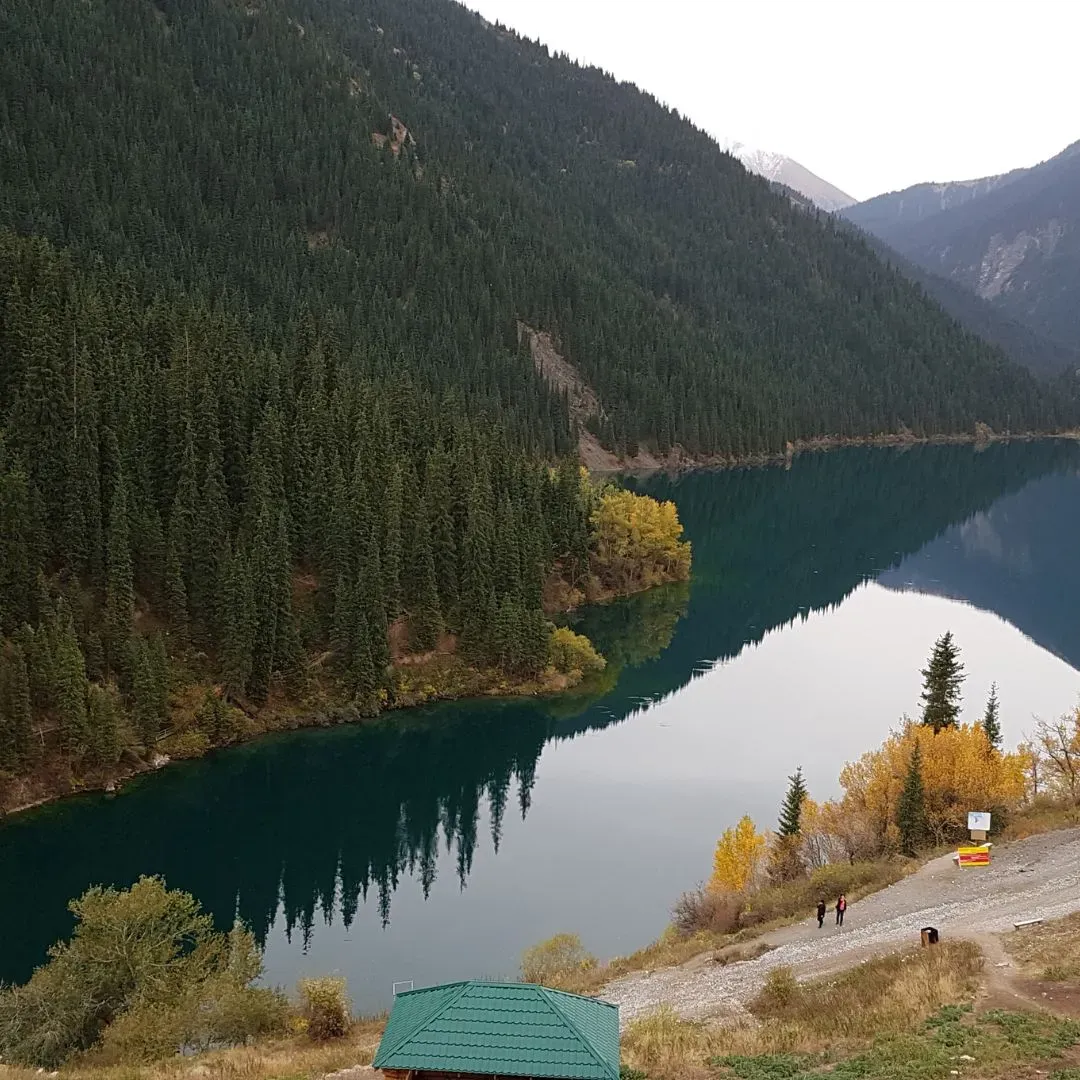
IV. Central Asia: The Budget Coolcation
Central Asia has emerged as one of the most compelling alternatives for GCC and Turkish travelers who want to escape the summer heat without the European price tag. The combination of dramatic mountain landscapes, ancient Silk Road cities, visa-free or visa-on-arrival access for Saudi and UAE passport holders, and genuinely affordable costs makes this region a rising star in the 2026 outbound travel picture.
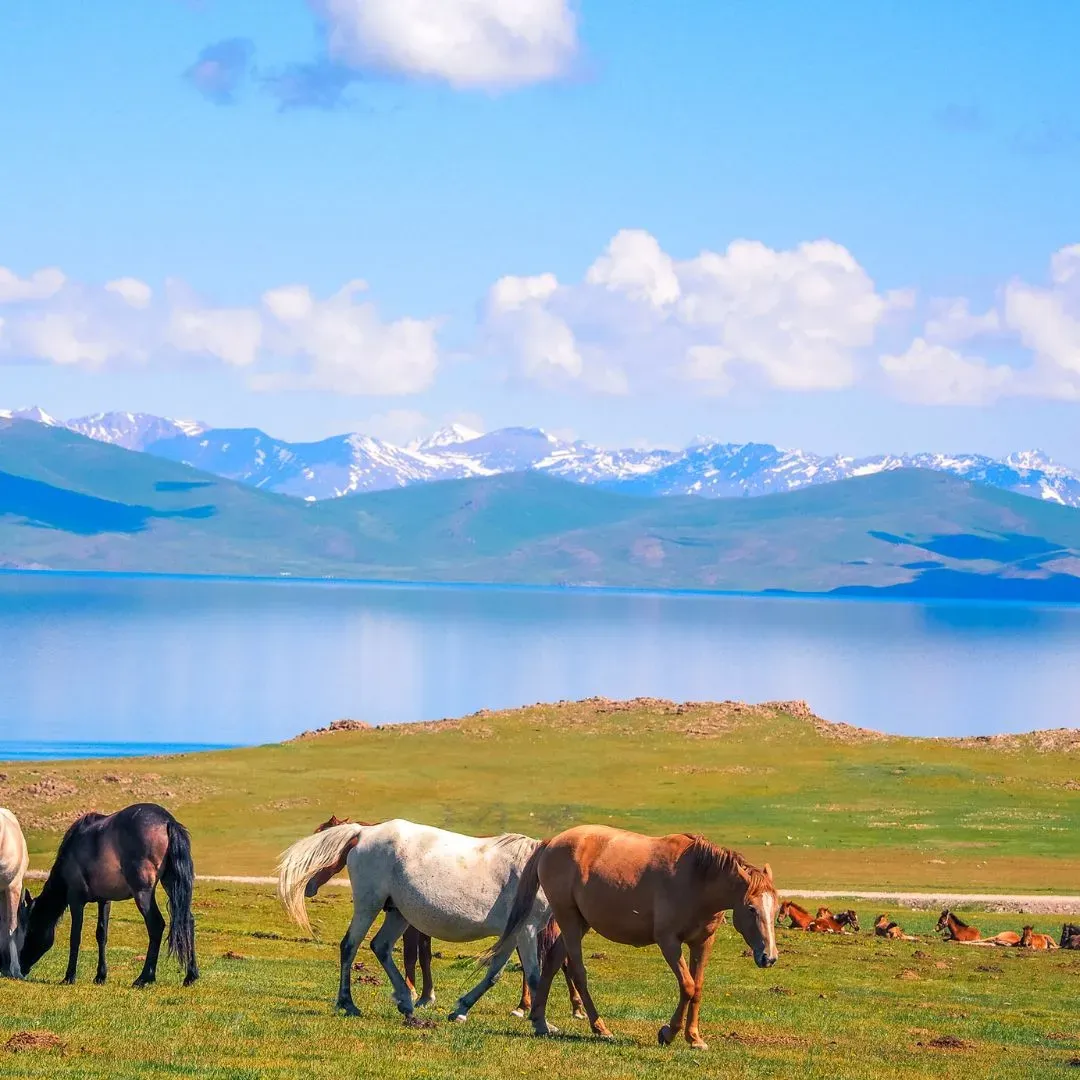
Kazakhstan and Kyrgyzstan: The Mountain Loop
The Almaty to Bishkek route has become the de facto itinerary for adventure-oriented travelers from the Gulf looking for something completely different from the European city break formula. Both cities are accessible and functional, but the real draw is what lies between and around them: the Tian Shan mountain range, one of the great mountain systems of Central Asia.
Almaty is a green, surprisingly sophisticated city backed by snowcapped peaks that are visible from the city center. The Medeu skating rink (now used year-round as a high-altitude sports complex), the Shymbulak ski resort turned summer hiking base, and the weekend markets in Zeleny Bazaar give the city genuine character. Two nights here is a comfortable start.
The drive from Almaty toward Bishkek, whether via the Charyn Canyon detour or through the mountain passes, is where the trip transforms into something genuinely epic. Charyn Canyon is a Central Asian answer to the American Southwest: red rock formations, winding river, and a silence that feels prehistoric. Camping or staying in yurts in the alpine valleys north of Bishkek completes the experience.
Bishkek itself is a relaxed, Soviet-era capital that functions as a base for day trips into the Ala Archa National Park, where trails through spruce forest lead to glacier viewpoints within an hour of the city.
Suggested flow: Fly into Almaty (2 nights), road trip through Charyn Canyon to Bishkek (2 days), Bishkek and Ala Archa (2 nights), fly home from Bishkek. To stay connected without swapping your SIM card, we offer data plans for Central Asia. Our Central Asia eSIMs cover Kazakhstan, Kyrgyzstan, and Uzbekistan so that you can enjoy your trip withput worring about data.
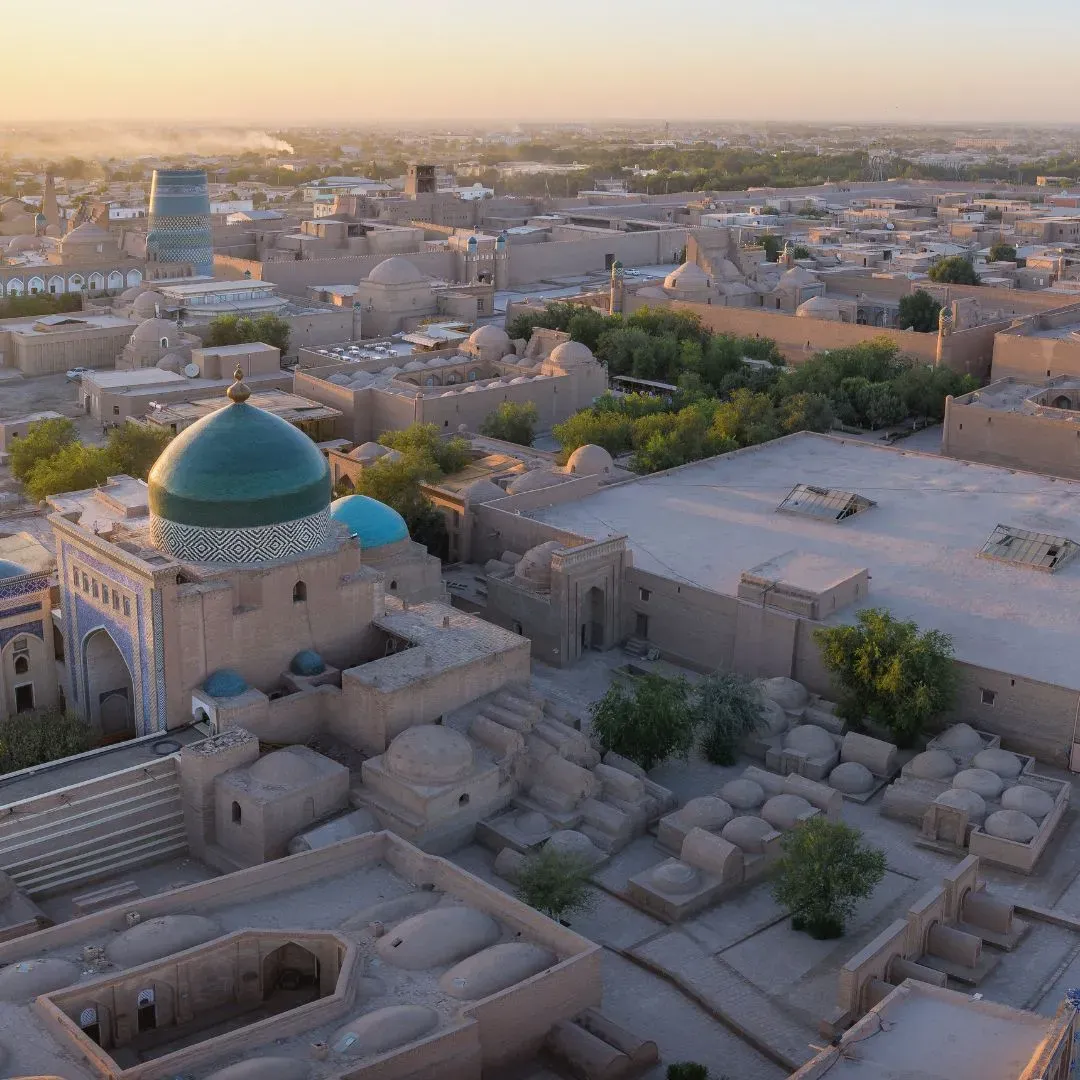
Uzbekistan: The Silk Road
Samarkand and Bukhara represent the most culturally significant stops available on any Central Asian itinerary, and during Eid Al Adha, the religious resonance of visiting these ancient centers of Islamic civilization adds a dimension that few other destinations can match.
Samarkand is anchored by the Registan, arguably the most breathtaking public square in the Islamic world. The three madrasas, covered in intricate tilework in shades of blue that shift from turquoise to cobalt depending on the light, are as visually stunning in person as in every photograph ever taken of them. The Shah-i-Zinda necropolis and the Gur-e-Amir mausoleum of Timur (Tamerlane) add further depth to a city that was once the center of a world empire.
Bukhara operates at a different register: a living, breathing old city rather than a set of monuments, where the historic core remains substantially intact and the pace of life in the evening feels connected to something genuinely ancient. The Kalon Minaret, the Arc Fortress, and the covered bazaar complexes make Bukhara an excellent two-night destination.
Tashkent, the modern capital, works as a practical entry or exit point with direct connections from Dubai, Riyadh, and Istanbul on several carriers.
Suggested flow: Fly into Tashkent (1 night), high-speed train to Samarkand (3 nights), bus or train to Bukhara (2 nights), fly home from Bukhara or return to Tashkent. Explore our Central Asia eSIMs to find the best plan for your Uzbekistan trip.
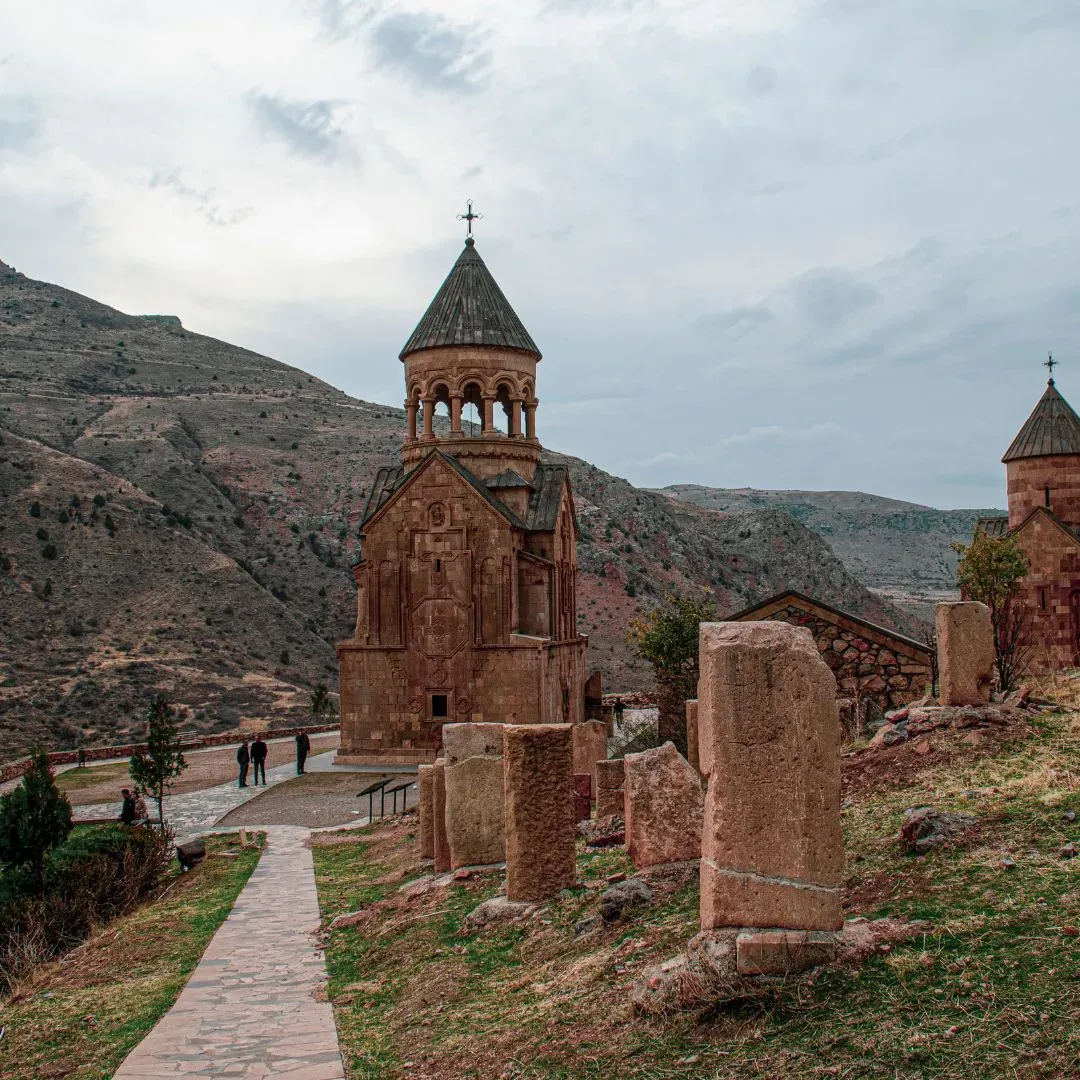
Armenia and Georgia: The Caucasus Circuit
The Caucasus combination of Georgia and Armenia has moved from a niche travel interest to a mainstream GCC destination in the space of three years, driven by direct routes from Dubai and Abu Dhabi, word-of-mouth from travelers discovering the value and beauty of the region, and a visa situation that is highly favorable for most GCC and Turkish passport holders.
Tbilisi is the obvious entry point. The Old City is genuinely beautiful: a jumble of wooden balconied houses, Persian-influenced architecture, Russian Orthodox churches, and Persian baths compressed into a hilly landscape above the Mtkvari River. The wine culture is world-class in a completely unexpected way (Georgia is considered the birthplace of viticulture), and the food scene combines its own rich culinary traditions with a growing international restaurant landscape. Two or three nights here barely scratches the surface.
Kazbegi, a three-hour drive north through spectacular mountain scenery, delivers one of the most photographed landscapes in the Caucasus: the Gergeti Trinity Church perched on a hilltop with the Kazbek glacier peak behind it. A day trip or overnight stay here is essential.
The drive or flight to Yerevan, the Armenian capital, takes the journey into a different cultural register. Yerevan is compact, walkable, and anchored by the remarkable Cascade complex. The day trip to Geghard Monastery and the Temple of Garni, both UNESCO-listed, provides the deepest cultural experience available in Armenia.
Suggested flow: Fly into Tbilisi (3 nights), day trip or overnight to Kazbegi, drive or short flight to Yerevan (2 nights), fly home from Yerevan. Check our our Armenia eSIM and Georgia eSIM plans for your trip.


V. Connectivity: Solving the 9-Day Data Problem
A 9-day multi-country trip is one of the scenarios where mobile data management matters most and is most frequently underestimated. Consider the data demands of a typical day: Google Maps navigation across unfamiliar cities, uploading photos and videos to Instagram or TikTok, WhatsApp calls home, researching restaurants in real time, translating menus and signs, booking last-minute changes to transport or accommodation, and accessing boarding passes from email. None of this is frivolous; all of it requires reliable, affordable data.
The problem is that traditional carrier roaming charges were not designed for multi-country itineraries. A traveler doing the Prague, Vienna, Budapest circuit on standard UAE or Saudi roaming rates could easily spend more on data than on a night's accommodation. The Paris to Switzerland combination crosses two countries and two different carrier networks. The Tbilisi to Yerevan drive is a border crossing that immediately triggers a new roaming tariff.
The solution for 2026 is a regional eSIM plan from MobiMatter, which allows travelers to load a single digital SIM that covers multiple countries under one flat rate, activated directly from a smartphone without visiting a physical store.
MobiMatter offers specific regional plans that map almost perfectly onto the destination clusters in this guide:
The Europe Regional eSIM covers 35 or more countries on a single plan, making it ideal for the Imperial Circuit (Czech Republic, Austria, Hungary) and the Paris-Switzerland combination. One plan, no switching, no surprises at the border crossing.
The Asia-Pacific Regional eSIM covers the key Southeast and East Asian destinations including South Korea, Vietnam, and Indonesia, making it the natural companion for the Seoul, Hanoi, or Bali itineraries.
The Caucasus Regional eSIM covers Georgia, Armenia, and Azerbaijan, solving the connectivity question for the Caucasus Circuit without requiring separate local SIMs in each country.
For Uzbekistan and the Central Asian mountain loop, MobiMatter also offers Central Asia eSIM plans that cover Kazakhstan, Kyrgyzstan, and Uzbekistan.
eSIM activation takes a few minutes, the plans are purchased and managed through an app, and there is no physical card to lose or swap. For any traveler doing a multi-country itinerary over 9 days, it is the single most practical connectivity decision available.
Destination and eSIM Quick Reference Table
| Destination | Suggested Itinerary (Summary) | MobiMatter eSIM Plan | Notes |
|---|---|---|---|
| Paris and Switzerland | Day 1-3: Paris (Disneyland, Eiffel Tower, Louvre). Day 4-7: Swiss Alps (Interlaken, Lucerne, Zurich). Day 8-9: Geneva or Zurich departure. | Europe eSIM plan | Train between cities. Book Swiss Rail Pass in advance. |
| Athens and Greek Islands | Day 1-2: Athens (Acropolis, Monastiraki). Day 3-5: Santorini (caldera, Oia). Day 6-8: Mykonos. Day 9: Fly home. | Europe eSIM plan | Ferry booking essential in advance. Late May is pre-peak pricing. |
| Prague, Vienna, Budapest | Day 1-3: Prague (Charles Bridge, Old Town). Day 4-5: Vienna (Hofburg, Belvedere). Day 6-8: Budapest (Parliament, thermal baths). Day 9: Fly home. | Europe eSIM plan | Trains connect all three cities. Most scenic rail journey in Central Europe. |
| Seoul and Jeju | Day 1-4: Seoul (Gangnam, Hongdae, Bukchon, Myeongdong). Day 5-8: Jeju Island. Day 9: Fly home. | Asia Regional and South Korea 20 GB | Short domestic flights Seoul to Jeju. Halal options strong in Itaewon district. |
| Vietnam: Hanoi and Ha Long Bay | Day 1-2: Hanoi (Old Quarter). Day 3-5: Ha Long Bay overnight cruise. Day 6: Return to Hanoi. Day 7-8: Optional Hoi An extension. Day 9: Fly home. | Asia 12 Countries 20 GB and Vietnam 10 GB | Book cruise in advance. Visa on arrival available for most GCC passports. |
| Bali, Indonesia | Day 1-3: Ubud (rice terraces, temples, Monkey Forest). Day 4-8: Seminyak or Uluwatu (beach, surf, sunset). Day 9: Fly home from Denpasar. | Vietnam Plus 20 GB. Covers 6 Asian countries and Indonesia 10 GB | Dry season begins late May. Halal food widely available. |
| Almaty and Bishkek | Day 1-2: Almaty (Medeu, Shymbulak, Green Bazaar). Day 3-4: Road trip via Charyn Canyon. Day 5-7: Bishkek and Ala Archa hiking. Day 8-9: Fly home from Bishkek. | Central Asia eSIM Plans. Covers Kazakhstan, Kyrgyzstan, Uzbekistan | Visa-free for UAE and Saudi. Yurt stays available in mountain valleys. |
| Uzbekistan Silk Road | Day 1: Tashkent arrival. Day 2-4: Samarkand (Registan, Shah-i-Zinda). Day 5-7: Bukhara (Kalon Minaret, Arc Fortress). Day 8-9: Return to Tashkent and fly home. | Central Asia 20 GB eSIM. Covers Kazakhstan, Kyrgyzstan, Uzbekistan | Direct flights from Dubai and Riyadh. UNESCO World Heritage sites throughout. |
| Georgia and Armenia | Day 1-3: Tbilisi (Old City, Narikala, local cuisine). Day 4: Kazbegi day trip. Day 5-7: Yerevan (Cascade, Republic Square). Day 8: Geghard and Garni. Day 9: Fly home from Yerevan. | Europe Asia and USA 20 GB Regional eSIM or Single Country Plans: Georgia eSIMs, Armenia eSIMs, and Azerbaijan eSIMs. | Visa-free for UAE and Saudi. Outstanding value for money. |
Frequently Asked Questions
When exactly is the Eid Al Adha 2026 holiday? Eid Al Adha is expected to fall around Thursday, May 28, 2026. The official date may vary by one day depending on moon sighting declarations in individual countries.
What are the official Eid Al Adha 2026 holiday dates for the public sector in the UAE? The Federal Authority for Government Human Resources (FAHR) officially announced that the public sector holiday will run from Monday, May 25, to Friday, May 29, 2026. With the surrounding weekends, government employees will enjoy a 9-day break, resuming work on Monday, June 1.
How many days off will the UAE private sector get for Eid Al Adha 2026? While the official decree is pending moon-sighting (expected May 17), the private sector typically receives a 4-day break covering Arafat Day and the first three days of Eid. This is expected to be from Tuesday, May 26, to Friday, May 29, 2026.
When is the UAE moon-sighting for Dhu Al Hijjah 2026? Authorities in Dubai have scheduled a public moon-sighting event for the Dhu Al Hijjah crescent on Sunday, May 17, 2026, at Jebel Nazwa. This will finalize the exact start date of Eid.
When is the expected start of Eid Al Adha 2026 in Saudi Arabia? Based on astronomical calculations, Eid Al Adha is expected to begin on Wednesday, May 27, 2026. The Supreme Court will confirm the date following the moon sighting on May 17.
How long is the Eid Al Adha holiday for private companies in Saudi?Private sector employees in KSA usually receive a 4-day paid holiday. It is expected to begin on Arafat Day (Tuesday, May 26) and conclude on Friday, May 29, with most people returning to work on Sunday, May 31.
Will the Hajj season affect travel from Saudi airports during Eid? Yes. Since Hajj 2026 rituals take place between May 25 and May 30, airports in Jeddah and Madinah will be at peak capacity. Travelers are advised to use Riyadh or Dammam airports for international leisure travel to avoid pilgrim traffic.
What are the official Eid Al Adha 2026 (Kurban Bayramı) holiday dates in Turkey? President Erdoğan has officially extended the 2026 holiday to 9 days for the public sector. The break begins on Saturday, May 23, and ends on Sunday, May 31, 2026. This includes the official Eid days (May 27–30) plus administrative leave on Monday, May 25, and Tuesday, May 26
Is the Grand Bazaar closed during Eid Al Adha in Istanbul? Yes, the Grand Bazaar and the Spice Market are traditionally fully closed for all four days of Eid (May 27–30). Most government offices and banks will also be closed during this period.
Are tourist attractions like the Hagia Sophia open during the Eid holidays? Major museums and historic sites like Hagia Sophia, Topkapi Palace, and the Basilica Cistern usually remain open to tourists, though they may open slightly later on the first day of Eid.
Which visa-free destinations are trending for UAE and Saudi residents for Eid 2026? Due to the long 9-day window, The Maldives, Azerbaijan (Baku), Georgia (Tbilisi), and Thailand are the top-searched destinations. For those seeking cooler weather, Kyrgyzstan and Kazakhstan are trending as "Coolcation" alternatives.
How can I avoid high roaming charges during my Eid trip? Many travelers are now switching to travel eSIMs. Since the 2026 holiday falls in late May, you can grab a MobiMatter Europe regional eSIM or Asia regional or single country plans that allows you to move between countries (like a Turkey-Greece-Italy circuit) without swapping SIM cards.
How many days of annual leave do I need to take to get the full 9-day break? For most workers in the UAE, Saudi Arabia, and Turkey, the weekend bookends (Saturday-Sunday on both sides) and the Eid public holidays cover the majority of the 9-day window. Depending on your specific employer's policy and which days fall as official holidays in your country, you may need to take just one to two days of annual leave to complete the bridge. Check with your HR department based on the final confirmed Eid date.
Which destinations have visa-free or visa-on-arrival access for UAE and Saudi passport holders? For UAE passport holders, most European destinations, South Korea, Georgia, Armenia, Kazakhstan, Kyrgyzstan, Uzbekistan, Indonesia (Bali), and Vietnam offer visa-free or visa-on-arrival access. Saudi passport holders have seen significant improvements in visa accessibility in recent years, with similar coverage for many of these destinations. Always verify current visa requirements through official embassy sources before booking, as policies can change.
Is halal food available in these destinations? Halal food availability varies significantly by destination. Bali (Indonesia) and Uzbekistan are Muslim-majority destinations with extremely wide halal food availability. South Korea (particularly Seoul's Itaewon district), Paris, Tbilisi, and the Greek islands have all seen significant growth in halal restaurant options in recent years. For European city break destinations, researching halal restaurants in advance using apps like HalalTrip or Zabihah is recommended. Vietnam and the Caucasus region offer more limited but growing options.
What is the best eSIM option for a multi-country European trip? MobiMatter's Europe Regional eSIM is the most practical option for any itinerary that crosses multiple European borders. It covers 35 or more countries on a single plan, activated digitally before departure. This eliminates the need for separate local SIMs in each country and avoids roaming surcharges entirely. For the Asia-Pacific destinations in this guide, MobiMatter's Asia-Pacific Regional plan provides equivalent coverage across South Korea, Vietnam, and Indonesia.
Is late May a good time to visit Bali in terms of weather? Late May marks the beginning of Bali's dry season, which runs roughly from May through October. This makes it an ideal time to visit: rainfall drops significantly, humidity decreases, and ocean conditions are at their best for swimming, surfing, and diving. Temperatures remain warm throughout, typically in the high 20s Celsius. The shoulder timing of late May also means slightly lower prices and smaller crowds compared to the July and August peak.
Can I do two countries in 9 days without it feeling rushed? Yes, and the itineraries in this guide are specifically designed for the 9-day window with realistic pacing. The key is choosing destination pairs that are geographically connected by efficient transport: Paris and Switzerland by train, Prague and Vienna by train, Seoul and Jeju by short flight, Tbilisi and Yerevan by road or flight. Avoid itineraries that require long-haul flights between legs, and build in at least one rest day in each location rather than treating every day as a full sightseeing day.
When should I book for the Eid Al Adha 2026 break? As soon as possible. Eid holiday bookings from GCC airports typically spike three to five months before the holiday, and popular routes, particularly to Greece, Switzerland, and South Korea, tend to sell out at competitive prices well in advance. If you are reading this in late 2025 or early 2026, booking flights and accommodation now will secure significantly better pricing than waiting until April or May.
Which destination is best for families with young children? The Paris and Switzerland combination is consistently the top-rated family option among GCC travelers: Disneyland Paris for young children, Swiss mountain cable cars and train journeys that captivate all ages, and a well-developed infrastructure of family-friendly hotels and restaurants. Bali is a strong second choice, particularly for families who prioritize a beach and pool-centered holiday with cultural day trips. Both destinations have excellent halal food options and are well set up for travelers with children.
What is an eSIM and how does it work? An eSIM (embedded SIM) is a digital SIM card built into modern smartphones that allows you to add a mobile data plan without inserting a physical card. You purchase the plan online (through providers like MobiMatter), download it to your phone via a QR code or app, and activate it when you land. It does not replace your existing SIM; you can keep your home number active while using the eSIM data plan for internet access. Most smartphones released after 2020 support eSIM functionality.