Grand Prix Hopping: The Ultimate Travel Guide to the Late-Summer F1 Races
By Abhishek Aggarwal (Travel & eSIM writer, MobiMatter)
· 12 min read
Introduction
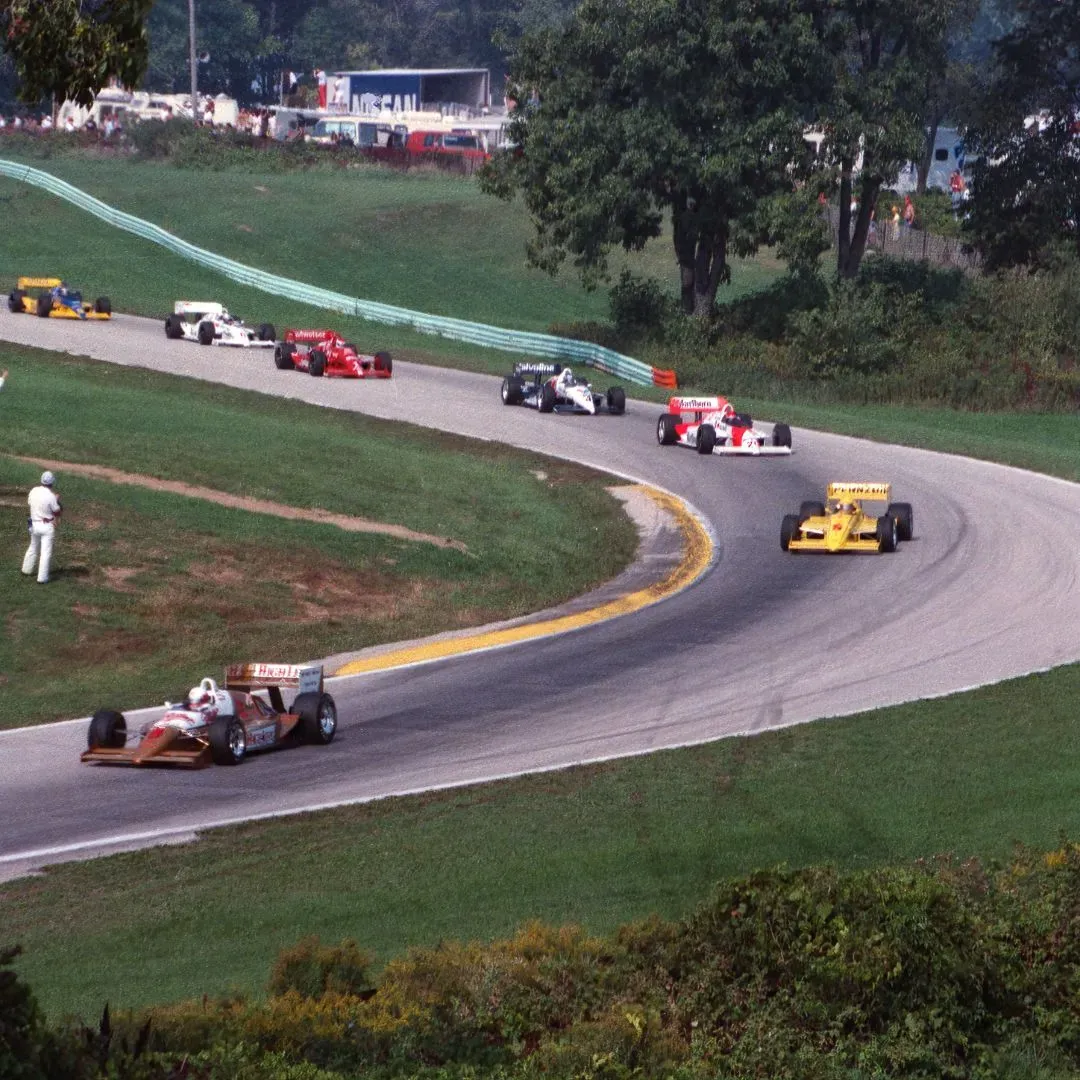
Four Grand Prix weekends, three countries, one continent-spanning stretch of racing: late summer 2026 turns into a genuine circuit-hopping season for F1 fans. Zandvoort's farewell edition alone sold out its entire 105,000-capacity grandstands, and Monza's 2025 race pulled a record 369,041 fans across the weekend, according to official race data. Add Madrid's brand-new MADRING circuit debuting in front of a planned 110,000 people per day and Baku's street circuit closing out the run, and this is arguably the densest month of fan travel on the entire F1 calendar.
From August 21 to September 26, 2026, the championship moves through the Dutch dunes, the Italian "Temple of Speed," a purpose-built street circuit inside Madrid, and the Caspian shoreline of Baku. Each stop has its own transit quirks, ticketing rules, and connectivity challenges: Zandvoort bans cars entirely and funnels everyone through one train line, Monza rewards fans who base themselves in Milan rather than the smaller circuit town, Madrid is an entirely new venue with no prior race-weekend data to plan around, and Baku is a street circuit woven through a Caspian capital that rewards a few extra sightseeing days. This guide breaks down all four races weekend by weekend, then covers the one problem every attendee runs into regardless of circuit: getting a usable data connection in a crowd of six figures.
Circuit-by-Circuit Guide
Dutch GP (August 21–23): Transit from Amsterdam to Zandvoort
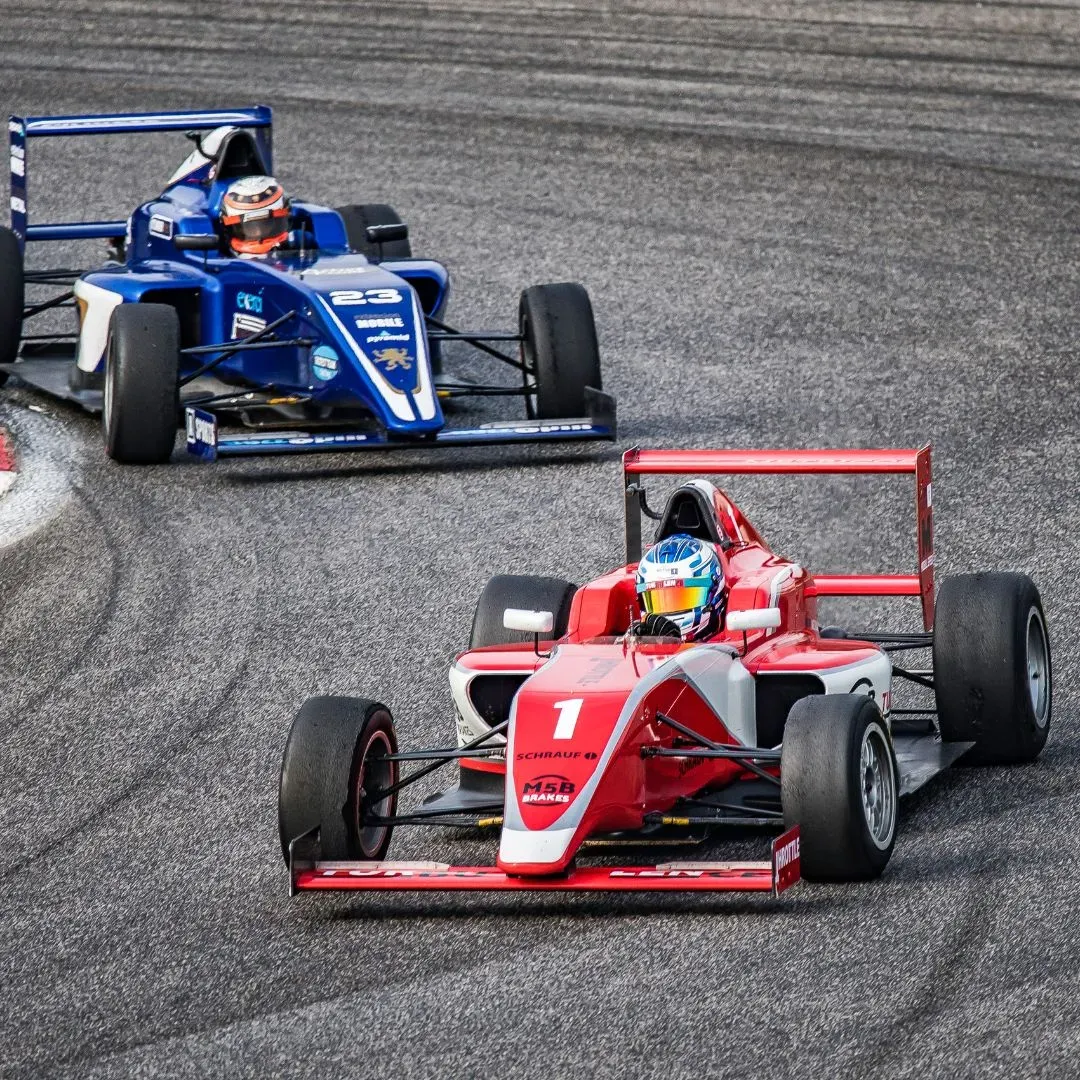
Book your train ticket before you book anything else. Zandvoort bans cars and motorcycles from the town during race weekend, so the Dutch Railways (NS) train from Amsterdam Centraal is effectively the only practical route in, running every five minutes at peak times and taking about 30 minutes. NS has confirmed extended timetables and over 300 extra staff per day to manage an expected 50,000 passengers daily for this farewell edition, the last Dutch GP scheduled at the circuit.
Key details for this race weekend:
- Dates: Friday August 21 to Sunday August 23, 2026 (Sprint weekend, Round 12)
- Transit: Train only from Amsterdam Centraal or Haarlem; no car access to Zandvoort
- Journey time: About 30 minutes from Amsterdam, 10 minutes from Haarlem, plus a 15 to 20 minute walk from the station to the gates
- Status: Sold out; this is the final scheduled Dutch Grand Prix at Zandvoort before the venue exits the 2027 calendar
- Ticket type: Multi-day passes tied to specific gates and grandstands, no re-entry outside the official campsite
Because the whole weekend funnels through one train line and two stations, expect waiting times at Zandvoort station to stretch up to two hours after the chequered flag. Build slack into any onward travel plans for Monday morning.
Weather along the North Sea coast in late August is genuinely unpredictable, so pack for both sun and light rain rather than betting on either. Because this edition carries farewell significance as the final scheduled race at the circuit, expect a heavier atmosphere than a typical Zandvoort weekend, including extended fan zone programming and a larger-than-usual "Super Friday" turnout, when the circuit historically draws a bigger crowd than its Saturday and Sunday sessions.
Italian GP (September 4–6): Staying in Milan vs. Monza
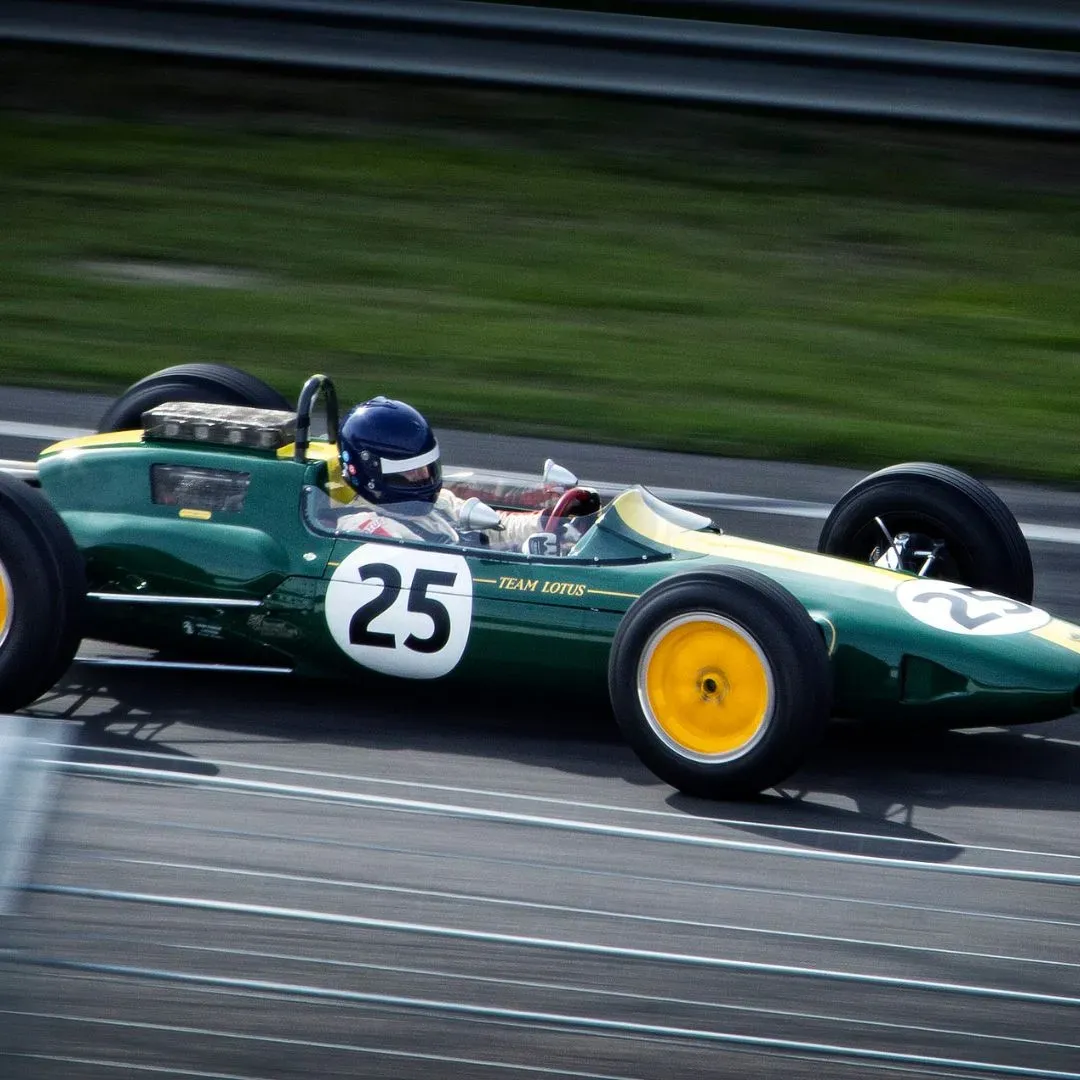
Autodromo Nazionale Monza sits inside the Royal Park of Monza, about 30 kilometers north of central Milan, and almost every visiting fan chooses to base themselves in Milan rather than in Monza town itself. Most international flights land at Milan Malpensa or Linate, and Milan simply has more hotel inventory, better restaurants, and easier onward transit than the smaller town beside the circuit.
Choosing where to stay:
| Factor | Staying in Milan | Staying in Monza town |
|---|---|---|
| Hotel availability | High, but books up fast pre-race | Limited, sells out earliest |
| Distance to circuit | ~30 km, 45–60 min by train or transfer | 10–15 min walk or shuttle |
| Nightlife and dining | Extensive | Minimal, race-weekend pop-ups only |
| Airport access | Direct from Malpensa/Linate | Requires a transfer through Milan |
Driving is discouraged. Local roads around the circuit close to non-residents during the race weekend, and parking near Monza is notoriously scarce, so the practical route is training or shuttling in from Milan each day rather than trying to self-drive to the paddock.
The 2026 Italian Grand Prix runs Friday September 4 through Sunday September 6, with practice on Friday, qualifying Saturday, and the race on Sunday afternoon. The 2025 edition drew a record 369,041 attendees, so book Milan accommodation as early as possible; premium hotel inventory moves fast in the weeks before race week.
Monza is the fastest circuit on the calendar, with cars at full throttle for roughly 80 percent of each lap and top speeds exceeding 350 km/h down the main straight, so even a general admission spot near Curva Grande or the Parabolica delivers a genuinely different viewing experience from a slower street circuit like Baku or Madrid. Most fans arriving from outside Italy fly into Malpensa, then either train or shuttle into central Milan before making the daily trip out to the circuit for each session.
Spanish GP (September 10–13): Navigating the MADRING Circuit in Madrid
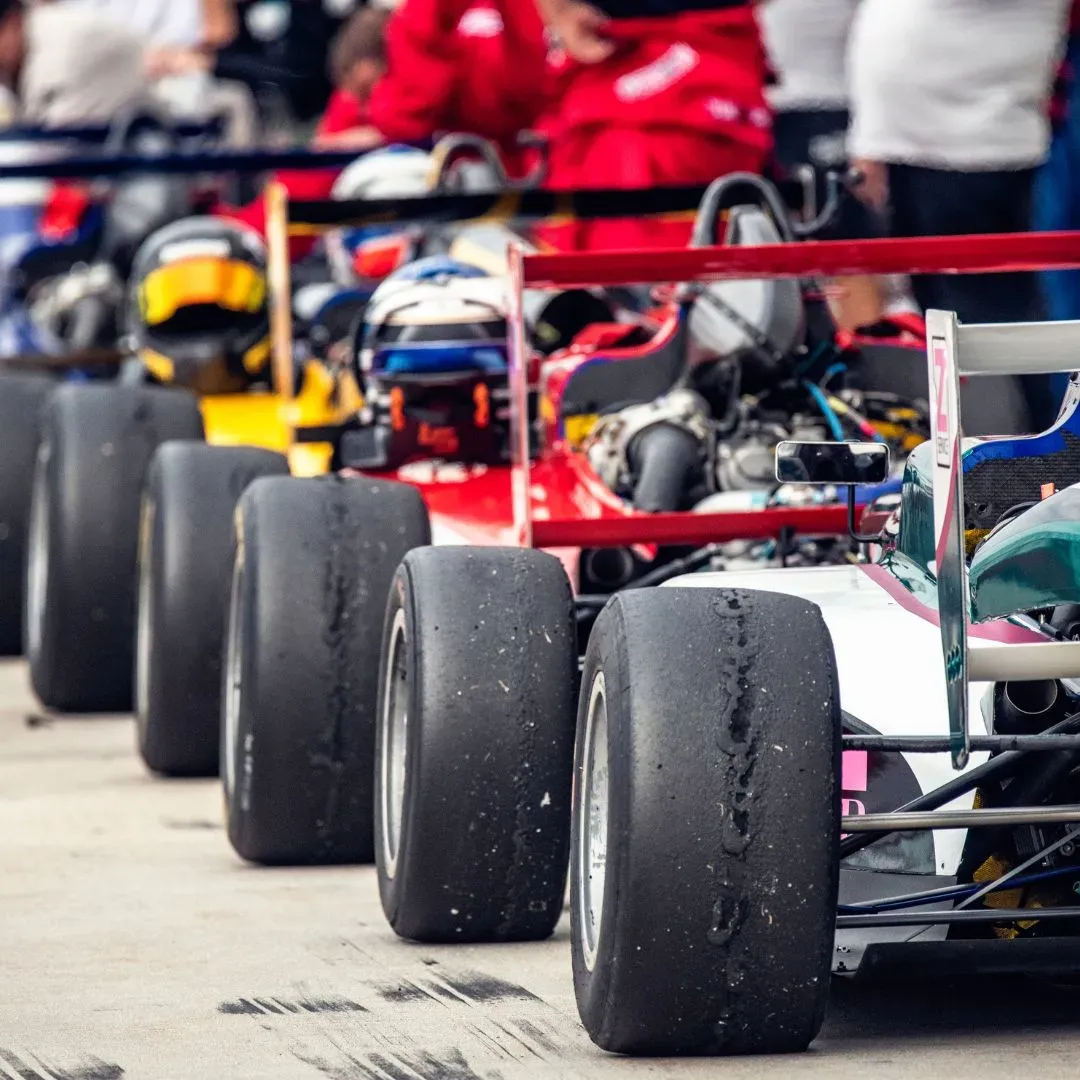
Madrid's Formula 1 debut is the standout story of this four-race stretch. The new Circuito de MADRING is a 5.4 km, 22-corner hybrid layout built around the IFEMA Madrid exhibition center in the Valdebebas district, mixing temporary street sections with a purpose-built permanent stretch, including the banked signature corner known as La Monumental. It marks F1's return to the Spanish capital for the first time since the 1981 Spanish Grand Prix at Jarama, and Madrid's inaugural race weekend runs September 11 to 13, 2026.
What makes MADRING different from a typical circuit:
- Location: About five minutes from Adolfo Suárez Madrid–Barajas Airport, one of Europe's best-connected hubs
- Access: Metro Line 8 stops directly at Feria de Madrid beside IFEMA, plus rail links already used for the venue's regular trade fairs
- Tickets: Sold only as three-day passes, never single-day, with no re-entry once inside
- Track novelty: No historical F1 reference laps exist for this circuit, so even the teams are learning it in real time, which typically extends practice sessions and fan interest through Friday
Because this is an inaugural event with no prior race-weekend data, expect first-year growing pains around signage and crowd flow. Confirm exactly which gate matches your ticket before you leave your hotel; at 5.4 km, walking around to the wrong entrance of MADRING can cost you a meaningful chunk of your afternoon. Central Madrid neighbourhoods offer the city's usual mix of metro access, tapas bars, and short taxi rides to the circuit.
Azerbaijan GP (September 23–26): Combining Baku City Tours with Race Weekend
Baku closes out this four-race run with a street circuit weekend that runs Wednesday September 23 through Saturday September 26, 2026. For the first time in the event's history, race day falls on a Saturday rather than Sunday, shifted to avoid clashing with an Azerbaijan National Day of Mourning.
Planning your Baku trip:
- Entry requirements: Most passport holders, including UK, US, Australian, and EU citizens, can apply for a simple e-Visa online for around $20 plus a small processing fee, typically processed within three working days for stays up to 30 days
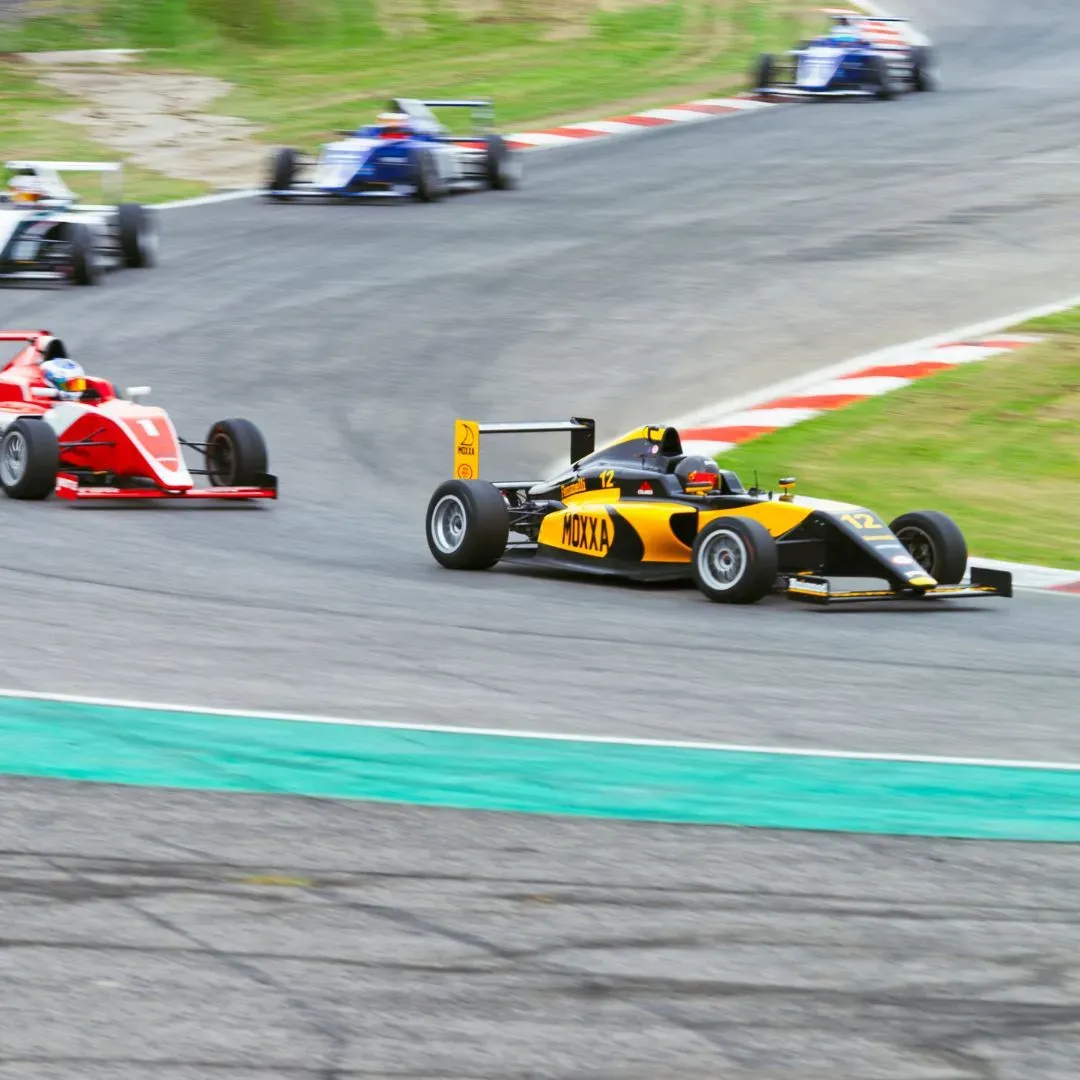
- Circuit: Baku City Circuit is a 6.003 km street track along the Caspian shoreline, the fourth-longest circuit on the calendar
- Getting around: Heydar Aliyev International Airport serves as the main hub; the circuit and old town are both walkable from central Baku hotels
- Beyond the race: The UNESCO-listed Old City, the Flame Towers, and the Heydar Aliyev Center (designed by Zaha Hadid) are all realistic half-day additions around race sessions
Baku rewards fans who build in city time rather than just circuit time. Unlike Zandvoort or Monza, where the race is really the whole trip, Baku's street circuit sits inside a compact, walkable city that's worth two or three extra days on either side of the race.
The Stadium Data Bottleneck
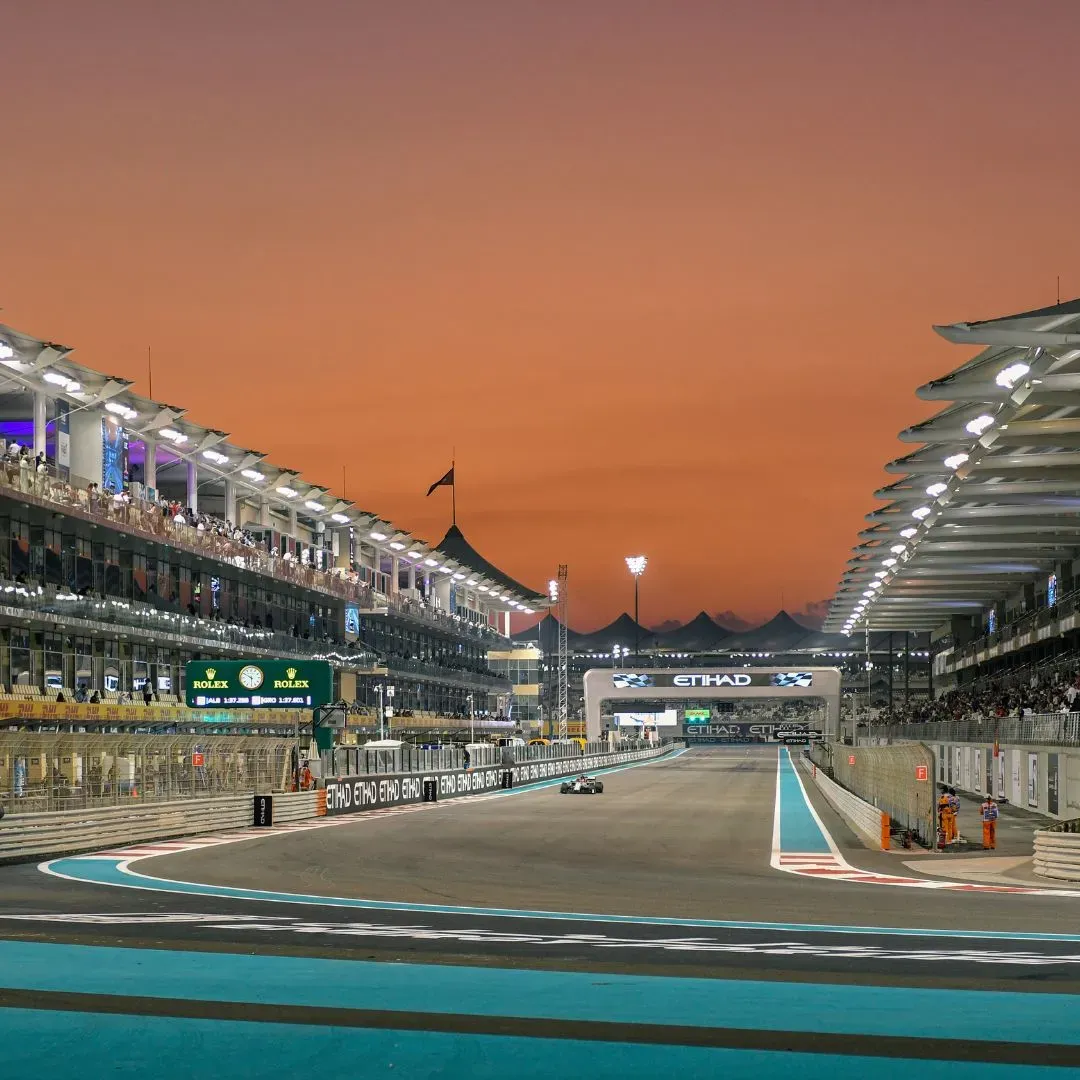
Here is the part almost every F1 traveler underestimates: getting a signal at the circuit itself. Independent measurement studies of dense stadium crowds show user densities exceeding 50,000 active devices per square kilometer during major events, a level of concentration that overwhelms even well-provisioned macro cellular towers. A 2026 stadium-network study recorded cellular session failure rates as high as 25 to 36 percent across major US carriers during a single dense event, with web page load times stretching past six seconds at the 90th percentile when networks anchor onto congested capacity.
Why this matters for race weekend specifically:
- Everyone is online at once. A crowd the size of Zandvoort's 105,000-seat farewell weekend, Monza's record 369,041 attendees, or Madrid's planned 110,000-per-day capacity means tens of thousands of phones competing for the same local cell towers simultaneously.
- You need data for practical things, not just social media. Booking a rideshare out of Zandvoort, checking live timing during a session, confirming your gate at MADRING, or finding your Baku hotel after the chequered flag all depend on a working data connection, not just posting a photo.
- The problem compounds across a multi-race trip. A traveler doing all four races is entering four different national networks in five weeks, each with its own roaming agreement, coverage quirks, and congestion pattern.
None of this is unique to motorsport. Broader research on sports-venue connectivity has found mobile data consumption at major stadiums climbing sharply year over year as fans increasingly rely on their phones for tickets, payments, and live content, not just messaging. Reports on NFL stadium usage recorded a 37 percent jump in average mobile consumption during the 2024 season alone, reaching nearly 960 terabytes across the league. F1's four-race late-summer stretch simply compresses that same kind of demand into one condensed travel window, at four different circuits, in four different countries, with the added complication of international roaming layered on top of local congestion.
Why a pre-activated local data profile performs better under this kind of load:
- Local network partnerships route around congestion better than roaming. A profile connected directly to a local carrier's network typically gets prioritized ahead of a roaming guest account during a capacity crunch.
- You are online before the crowd surge, not scrambling during it. Installing your eSIM the night before means you are not trying to download a QR code over a saturated stadium Wi-Fi network at the gates.
- Text-based apps still work when video and photo uploads fail. Even during the worst congestion windows recorded in stadium studies, simple messaging and live-timing apps that transmit small amounts of data tend to keep functioning longer than video-heavy apps.

The MobiMatter Solution
Pre-activated eSIM data solves the two real problems above: getting online before the crowd surge starts, and not depending on your home carrier's roaming agreement to do it. Because a travel eSIM installs before you fly and activates on arrival, you can have MobiMatter's eSIM Europe regional plan running and ready before you even reach Zandvoort's ticket gates, well ahead of the mid-morning crowd crush that overwhelms local towers.
For this specific four-race stretch:
- Zandvoort, Monza, and Madrid are all covered under MobiMatter's Europe eSIM plans, which span the Netherlands, Italy, and Spain on a single regional profile, so you install once and stay connected across all three legs without buying a new local plan at each stop. For Madrid specifically, MobiMatter also offers a dedicated Spain eSIM if you'd rather run a country-specific plan for that leg alone.
- Baku sits outside MobiMatter's Europe regional coverage, so pair the Europe plan with a separate Azerbaijan eSIM for the final race of the stretch. It installs the same way, by QR code, and keeps your data ready before you land at Heydar Aliyev International Airport. MobiMatter also offers Global plans which covers all these destinations on one eSIM. Check out our Half Global 30 GB Yearly plan.
- Local network routing matters more at a packed circuit than in an ordinary city trip, since a plan routed through a well-provisioned local partner network handles a stadium-level surge better than a distant international roaming hop. Check the network and routing details on each plan page before you buy.
- Keep your home number active for calls and OTPs. Because a travel eSIM runs data-only in most cases, your existing SIM stays active for calls, texts, and one-time codes in a dual-SIM setup, while the eSIM carries the data load.
Browse the full list of country and regional options on the MobiMatter destinations page before you fly, and check the MobiMatter FAQs for a full walkthrough of the buying and installation process if this is your first time using a travel eSIM.
For the official session times, ticketing changes, and any late schedule updates across all four rounds, the Formula 1 official race calendar is the authoritative source to check before you travel.
Sample Five-Week Itinerary
Fans doing all four races back to back are effectively running a five-week European and Caucasus circuit. Here is roughly how the stretch lays out:
| Leg | Dates | Base city | Circuit type | Recommended eSIM |
|---|---|---|---|---|
| Dutch GP | Aug 21–23 | Amsterdam | Permanent, dune-lined | Europe regional |
| Italian GP | Sep 4–6 | Milan | Permanent, parkland | Europe regional |
| Spanish GP | Sep 11–13 | Madrid | Hybrid street/permanent | Europe regional or Spain-specific |
| Azerbaijan GP | Sep 23–26 | Baku | Street circuit | Azerbaijan-specific |
There are gaps of roughly 12 days between Zandvoort and Monza, about a week between Monza and Madrid, and around ten days between Madrid and Baku. That spacing gives most travelers enough runway to fly home, work a stretch, or add a side trip between legs, rather than living out of a suitcase for five straight weeks. If you are keeping the eSIM installed across the whole run, check your plan's data allowance and validity window against that gap, since some regional plans are priced by a fixed number of days rather than a full five-week span.
FAQs
Do I need a different eSIM for each of the four races?
Not for three of them. Zandvoort, Monza, and Madrid all fall under a single Europe regional eSIM plan, so one profile covers the Netherlands, Italy, and Spain legs of the trip. Baku needs a separate Azerbaijan eSIM since it sits outside the Europe regional plan's coverage area.
Why does my phone lose signal at the circuit even when it shows full bars?
Full bars mean your phone has a strong connection to the tower, not that the tower has spare capacity. In a stadium-density crowd, the tower itself becomes the bottleneck, not your phone's signal strength, which is why calls and data can fail even when reception looks fine.
Is it worth buying data in advance, or can I just wait and buy at the airport?
Buying in advance is strongly recommended for this specific trip. A travel eSIM installs before departure and activates on arrival, so you land with a working connection instead of hunting for Wi-Fi or a SIM counter during the first hours of a crowded race weekend.
Do I need a visa for all four countries?
The Netherlands, Italy, and Spain are Schengen countries, so most Western passport holders travel visa-free for short stays. Azerbaijan requires a separate e-Visa for most nationalities, typically around $20 plus a processing fee, applied for online in advance.
Can I drive between any of these circuits instead of flying?
Zandvoort, Monza, and Madrid are all within reasonable flight range of each other inside Europe, but the driving distances are long enough that flying is the practical choice for most fans doing the full four-race run, especially given the tight turnaround between race weekends.
What is the biggest transit mistake fans make on this route?
Underestimating queue and transfer times immediately after the race. Zandvoort's train station can see waits of up to two hours after the chequered flag, and Madrid's brand-new circuit has no track record for post-race crowd flow, so build in slack rather than booking a tight onward flight or train.
Does keeping my home SIM active cost extra during this trip?
Not if you use a dual-SIM setup with a data-only travel eSIM. Your home SIM stays active for calls, texts, and verification codes at no roaming cost as long as you keep data roaming turned off on that line, while the travel eSIM carries the data traffic.
Is Baku safe and easy for a first-time visitor combining the race with sightseeing?
Baku is generally straightforward for first-time visitors, with the Old City, Flame Towers, and Heydar Aliyev Center all realistically reachable on foot or by short taxi from central hotels. The main planning step is sorting the e-Visa in advance rather than trying to arrange it on arrival.
How much data do I actually need for a single race weekend?
Light use, covering maps, messaging, and checking live timing, typically fits inside 3 to 5 GB for a three-day weekend. If you plan to livestream, video call, or upload a lot of photos and video from the circuit, budget closer to 8 to 10 GB to stay comfortable through a full Friday-to-Sunday weekend.
What should I pack specifically for the connectivity side of this trip?
Bring a portable charger, since checking maps and live timing all weekend drains a phone battery quickly, and confirm your eSIM is installed and toggled to the correct data line before you leave your hotel each morning rather than trying to troubleshoot settings once you are inside a packed circuit.
Should I install my eSIM once before the whole trip, or reinstall it at each race?
If you are running the single Europe regional plan across Zandvoort, Monza, and Madrid, install it once before you leave home and simply keep it active as your default data line for all three legs, topping up data if you run low partway through. Baku needs its own separate installation on the Azerbaijan-specific plan, since it sits outside the Europe regional coverage area, so plan for a second QR code and a second install step ahead of that final leg.
- Grand Prix FI Races
- Blog
- europe
About the author
Travel & eSIM writer, MobiMatter
Writes MobiMatter's eSIM and destination guides since 2024, for travellers who want data from the moment they land. Before that, SEO consulting and nearly ten years in analytics at IBM.