Top 20 European Shoulder-Season Destinations for September 2026

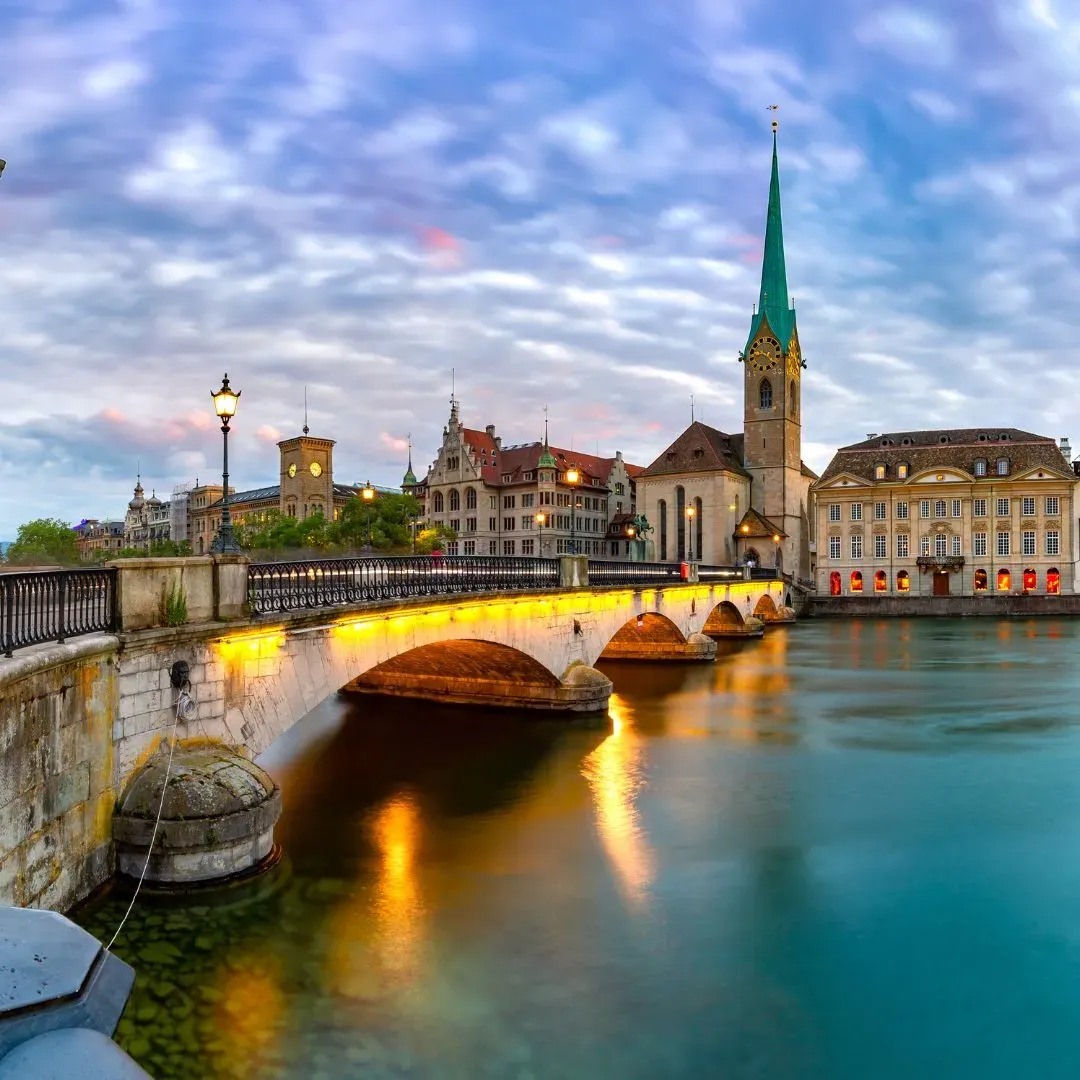
September is Europe's shoulder-season sweet spot, with temperatures easing off summer highs, hotel and flight prices dropping by roughly 30%, and beaches, museums, and old towns losing the peak-July crush of tourists. This guide breaks down 20 destinations across Mediterranean coastlines, cultural capitals, and cool-weather escapes, plus what local roaming actually costs versus a regional eSIM under $1/GB, so you can plan a multi-country trip without a surprise roaming bill waiting at the border.
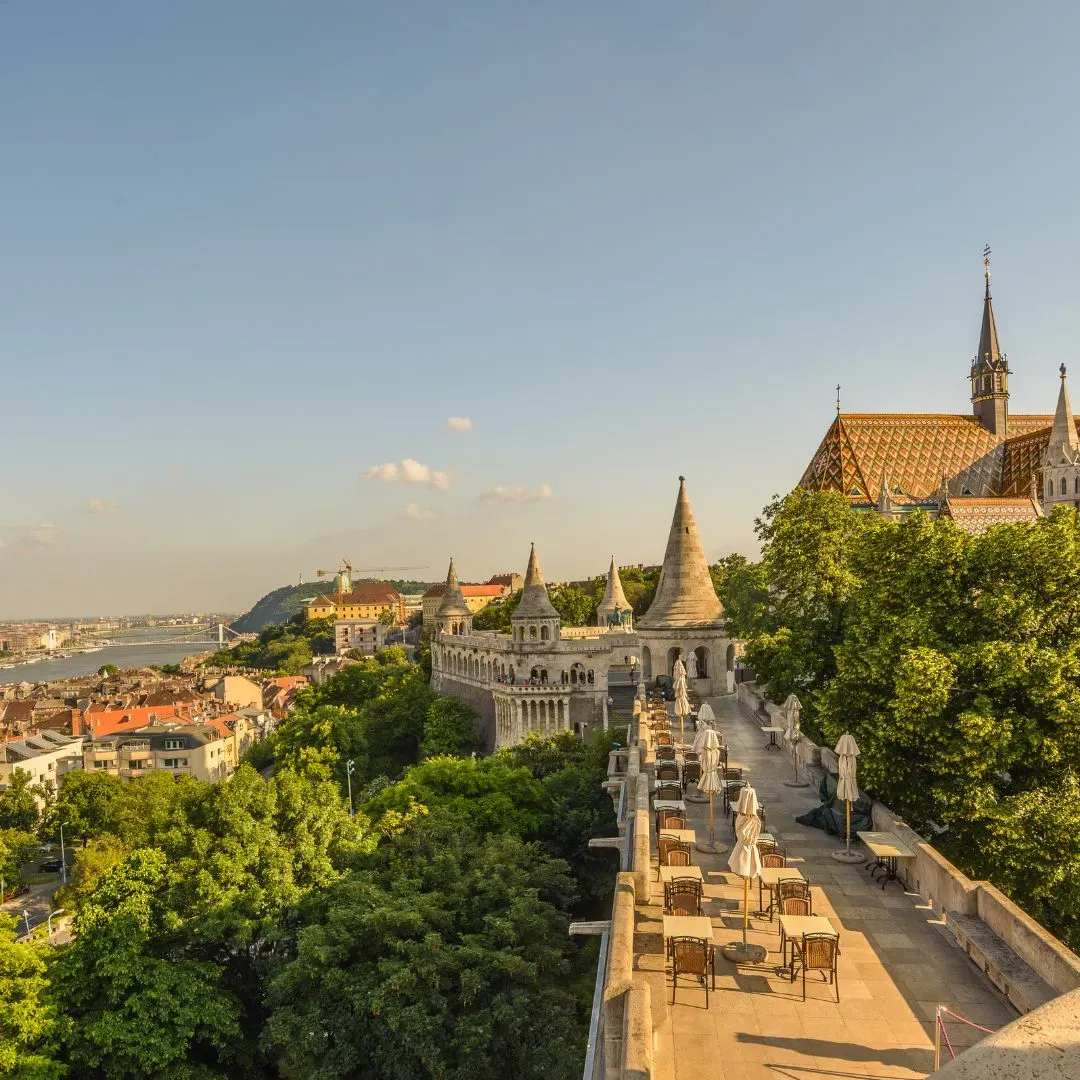
Why September is the Smartest Month to Travel to Europe
Late summer crowds thin out fast once European schools reopen in early September, leaving beaches, piazzas, and viewpoints noticeably quieter than the same spots in July or August. Sea temperatures along the Mediterranean stay warm enough for swimming well into the month, while daytime highs settle into the low-to-mid 20s Celsius across most of the continent, a far more comfortable range for walking tours and hiking than the summer peak.
Airlines and hotels typically cut rates once the school-holiday rush ends, and industry pricing trackers have repeatedly shown September fares and accommodation running around 25 to 30 percent below August levels on popular Southern European routes. The European Travel Commission's latest data confirms the shift is structural rather than a one-off, with autumn arrivals and spending both outpacing summer growth as more travellers deliberately time trips around the shoulder months. That gap widens further for travellers who mix a few destinations into one trip rather than booking a single city break, since rail and regional flight prices also soften outside peak weeks. For a deeper look at stretching a single connectivity plan across an entire itinerary, MobiMatter's Europe eSIM guide breaks down coverage by country before you even land.
The other September advantage is logistical rather than financial. Museums that require timed-entry tickets in summer often open up same-day slots, restaurant reservations get easier, and popular hiking trails or coastal paths lose the bottleneck crowds. That combination- lower prices, better weather, and thinner crowds- is why September has become the month serious European travellers build their calendars around. A recent shoulder-season survey found roughly a third of travellers now deliberately plan visits to popular destinations outside peak months specifically to avoid overtourism, which lines up with why the destinations below are grouped by vibe rather than country, so you can mix and match a route that fits your trip.
Mediterranean Sun: Warm Coastlines Without the July Crowds
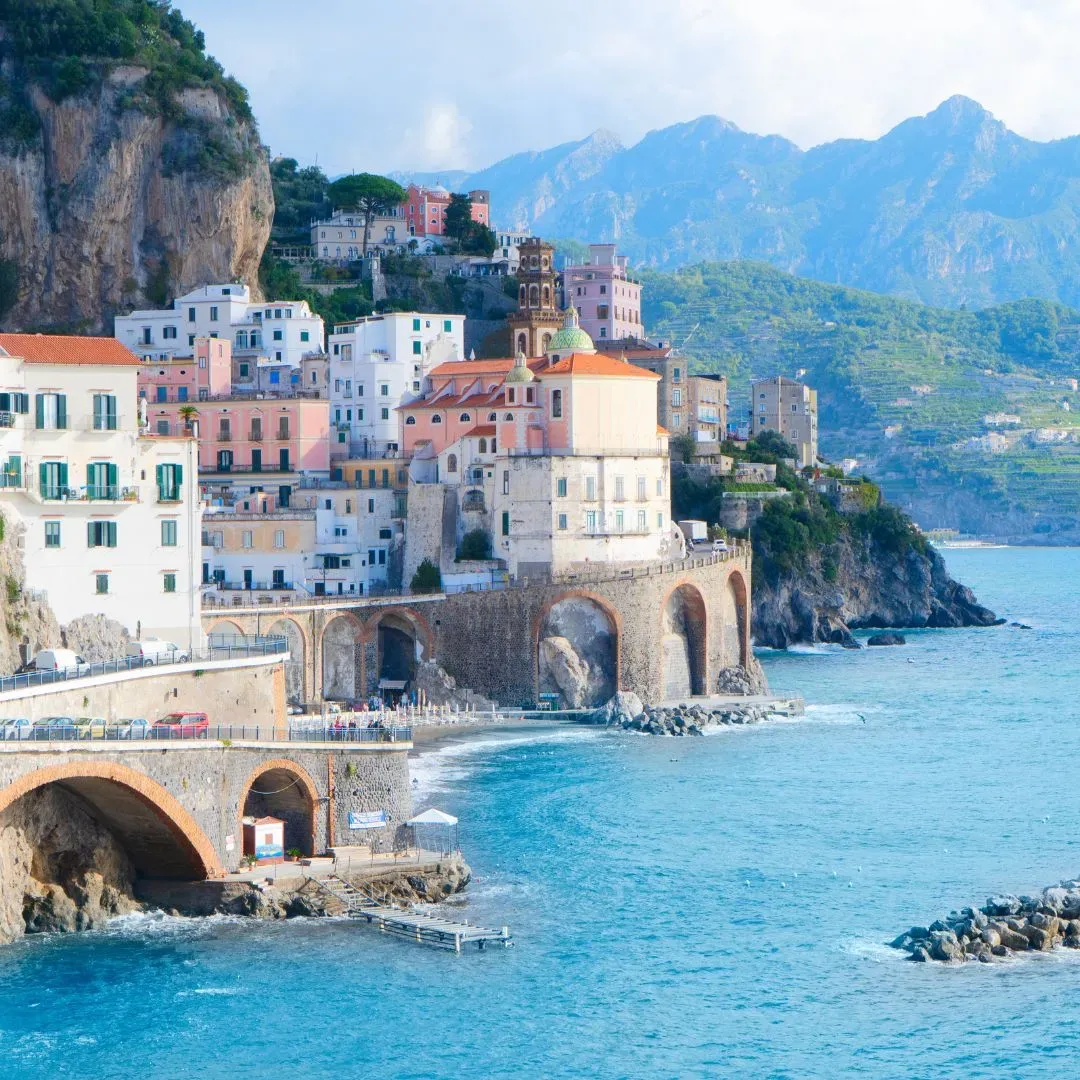
1. Amalfi Coast, Italy
The coastal road between Sorrento and Salerno stops being a bumper-to-bumper crawl once September arrives, and the switchback drive past Positano's stacked pastel houses finally feels like the scenic route it was meant to be. Water temperatures hold in the low 20s Celsius through most of the month, so the swimming platforms below Ravello and the beach clubs at Praiano stay fully in play. Restaurant terraces that required a week's notice in August start taking same-day reservations, and the ferry between Amalfi and Capri runs with noticeably more elbow room. Early autumn light also does the coastline favors, casting a warmer glow over the lemon groves that cling to the cliffs above the water.
Data Cost: Standard EU roaming for non-EU visitors on Italian networks commonly runs $8 to $12 per day or steep per-MB rates outside a plan. A MobiMatter Italy or Europe Regional eSIM prices data under $1/GB, so a week of maps, photos, and video calls costs a fraction of a single day of pay-as-you-go roaming.
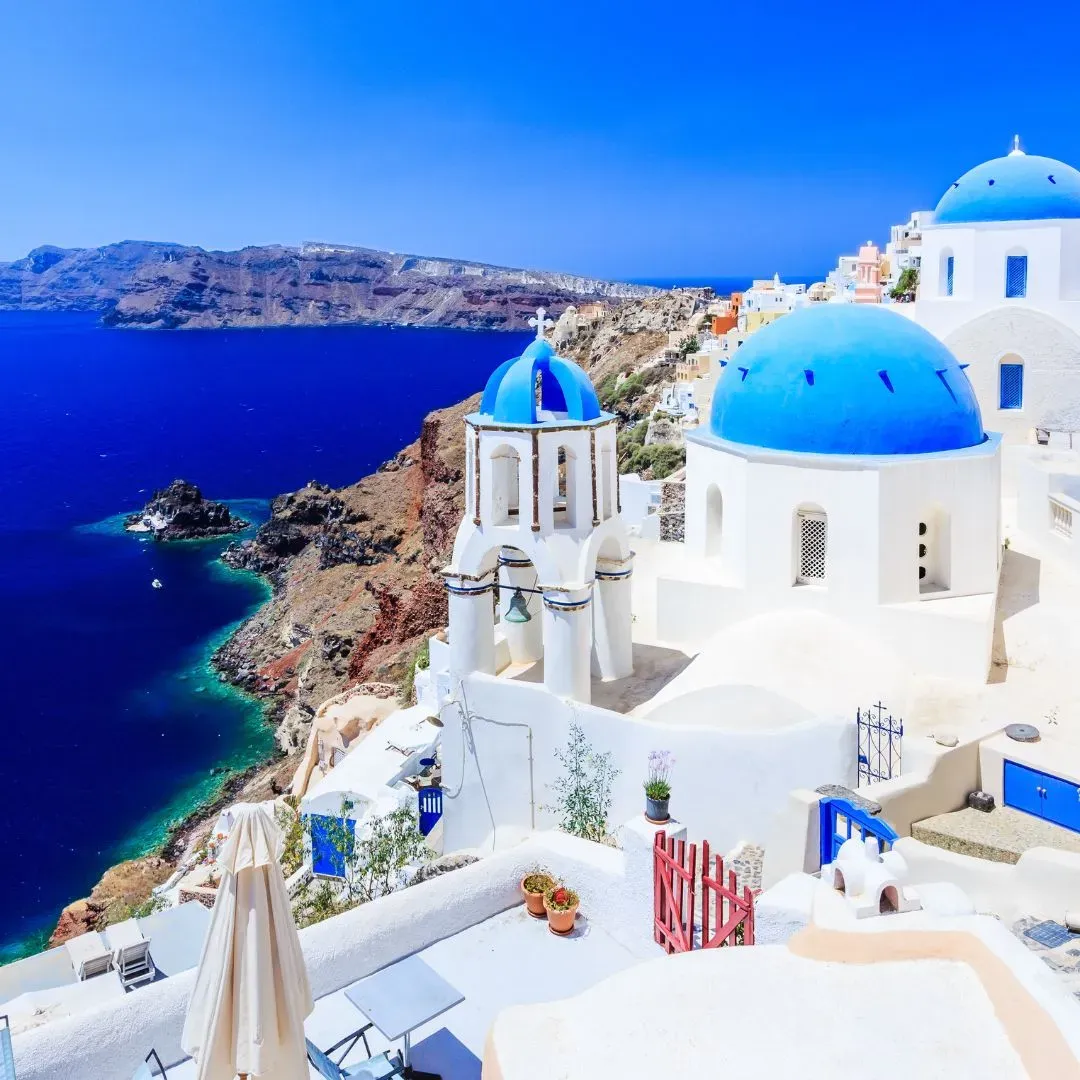
2. Santorini, Greece
Oia's blue-domed churches and cliffside walkways are the most photographed stretch of the Cyclades for a reason, and September lets visitors actually enjoy that view without shuffling through a wall of selfie sticks at sunset. Hotel rates on the island typically soften once the August surge passes, opening up caldera-view rooms that were sold out months earlier at double the price. The volcanic black-sand beaches at Perissa and Kamari stay warm enough to swim through the month, and wine tours around Pyrgos run with smaller groups and more one-on-one time with the vintners. Ferry connections to Naxos and Milos also thin out, making island-hopping far less of a logistical scramble.
Data Cost: Greek carrier roaming for visitors outside an EU plan can hit $10+/day. A regional eSIM at under $1/GB covers ferry-schedule checks and photo uploads for the whole island stay for less than one restaurant tip. You can check out our Greece eSIM plans such as our Greece 15 GB plan will cost $13.49 for 30 days.
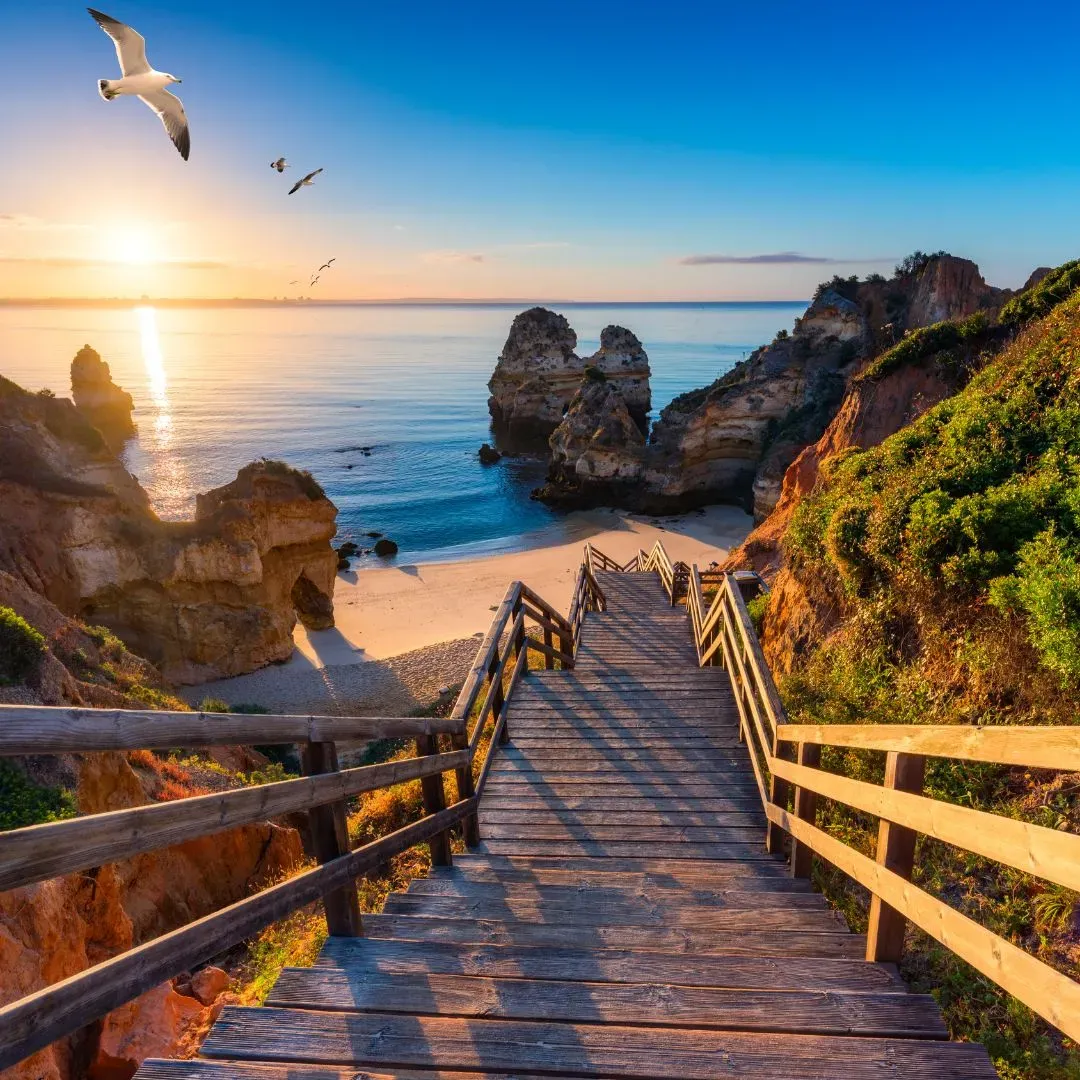
3. Algarve, Portugal
Portugal's southern coast holds onto beach weather well into October, and September strips out the peak-August tourist density around Lagos and Albufeira while keeping every cliffside beach town fully open for business. The sea caves and golden cliffs at Ponta da Piedade are easier to explore by kayak without a flotilla of tour boats crowding the entrances, and the golf courses that dominate the region's inland hills see shorter tee-time waits. Seafood restaurants along the Praia da Marinha stretch lower their prices slightly as the season winds down, and the water stays warm enough for swimming through most of the month.
Data Cost: Portuguese carrier day-passes for tourists often land near $6 to $9/day. A dedicated Portugal eSIM at under $1/GB makes it cheaper to stay connected for the full trip than for a single day of local roaming.
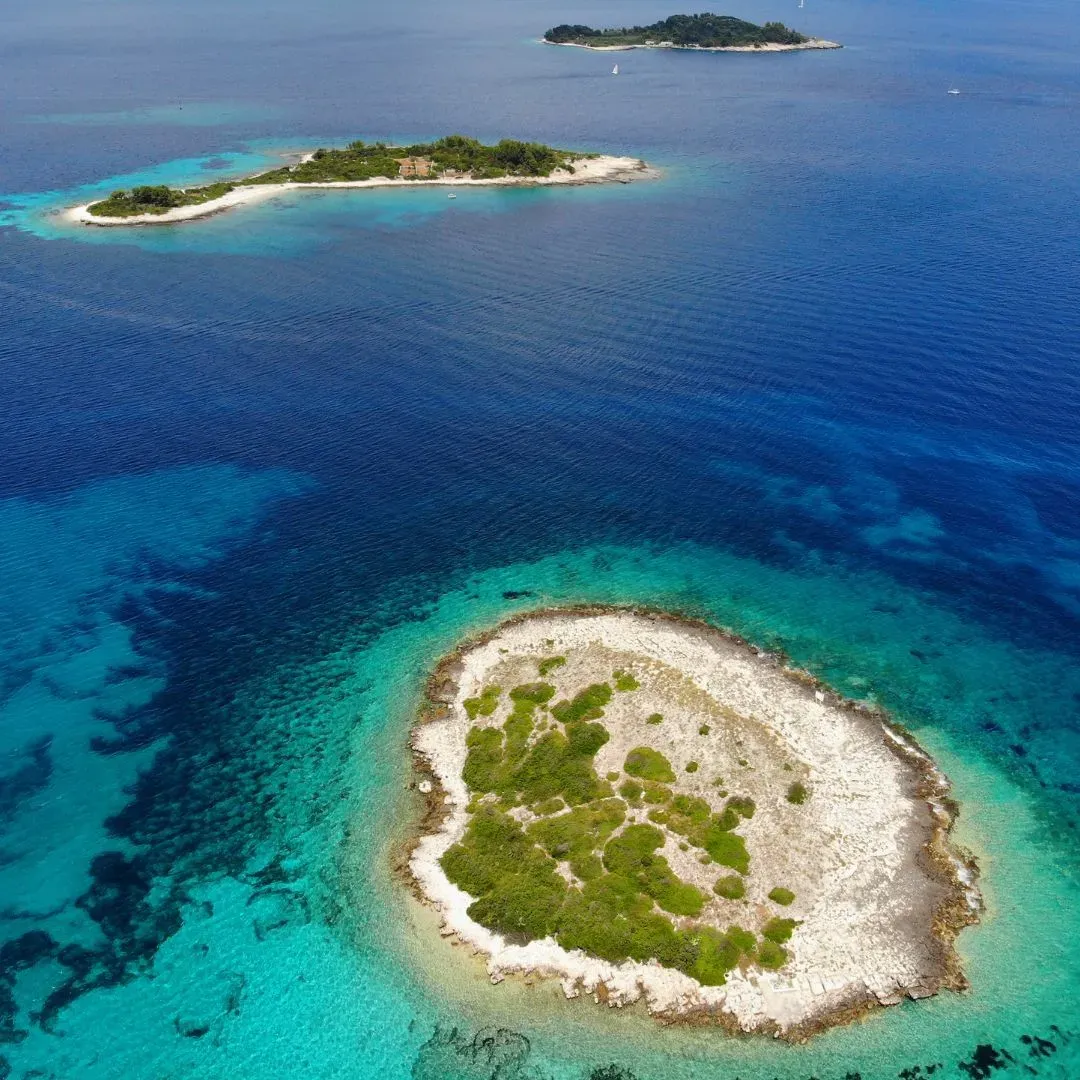
4. Croatian Islands (Hvar, Korčula, Brač)
The Adriatic keeps its striking turquoise clarity through September, and the ferry schedules linking Hvar, Korčula, and Brač run with far more breathing room once the peak-season backlog clears. Hvar Town's harbor, usually packed with yacht traffic in July, empties out enough to actually enjoy a sunset drink at one of the waterfront bars without waiting for a table. Zlatni Rat, Brač's famous shifting sandbar beach, keeps its warm water and dramatically thins its crowds, and Korčula's stone old town, said to be Marco Polo's birthplace, becomes far more walkable without the cruise-ship day-trippers who dominate midsummer.
Data Cost: Roaming across Croatia's island network can be inconsistent and pricey for visitors without a local SIM. A single European eSIM avoids swapping e SIM cards Europe island to island and keeps per-GB costs under $1. Get our Europe Speical 20 GB data plan for just $18.49.
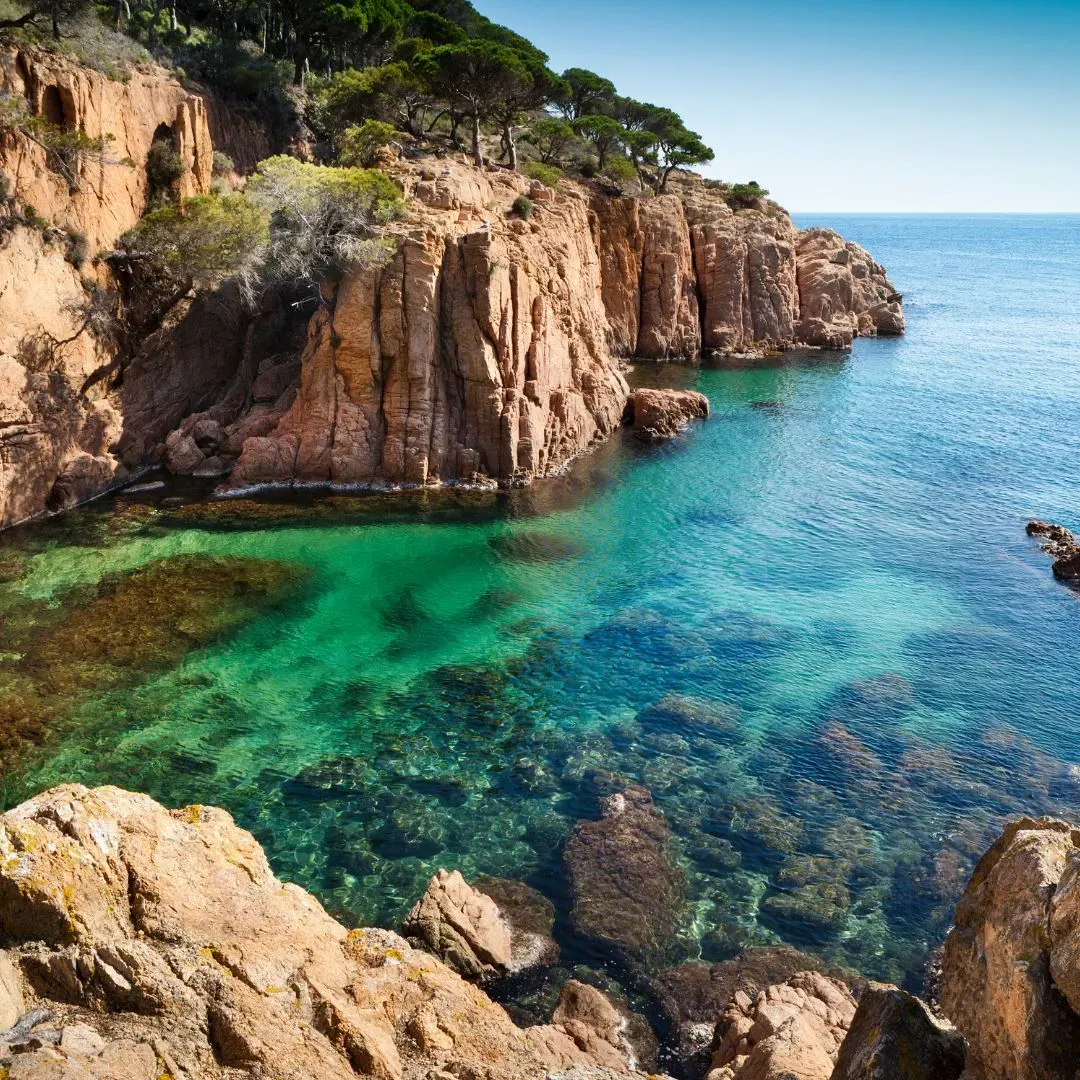
5. Costa Brava, Spain
North of Barcelona, this rugged stretch of coastline trades the capital's crowds for quiet coves and medieval fishing villages that barely register on most first-time itineraries. September keeps water temperatures comfortable for swimming while thinning out the beach towns of Tossa de Mar and Cadaqués, the latter famous for its Dalí connections and whitewashed streets. Hiking the Camí de Ronda coastal path between coves is far more pleasant once the summer heat breaks, and the region's Michelin-dense restaurant scene around Roses and Girona becomes easier to book on short notice.
Data Cost: Spanish carrier roaming plans for short-term visitors typically start around $7 to $10/day. A regional eSIM cuts that to under $1/GB, useful for GPS-heavy coastal road trips.
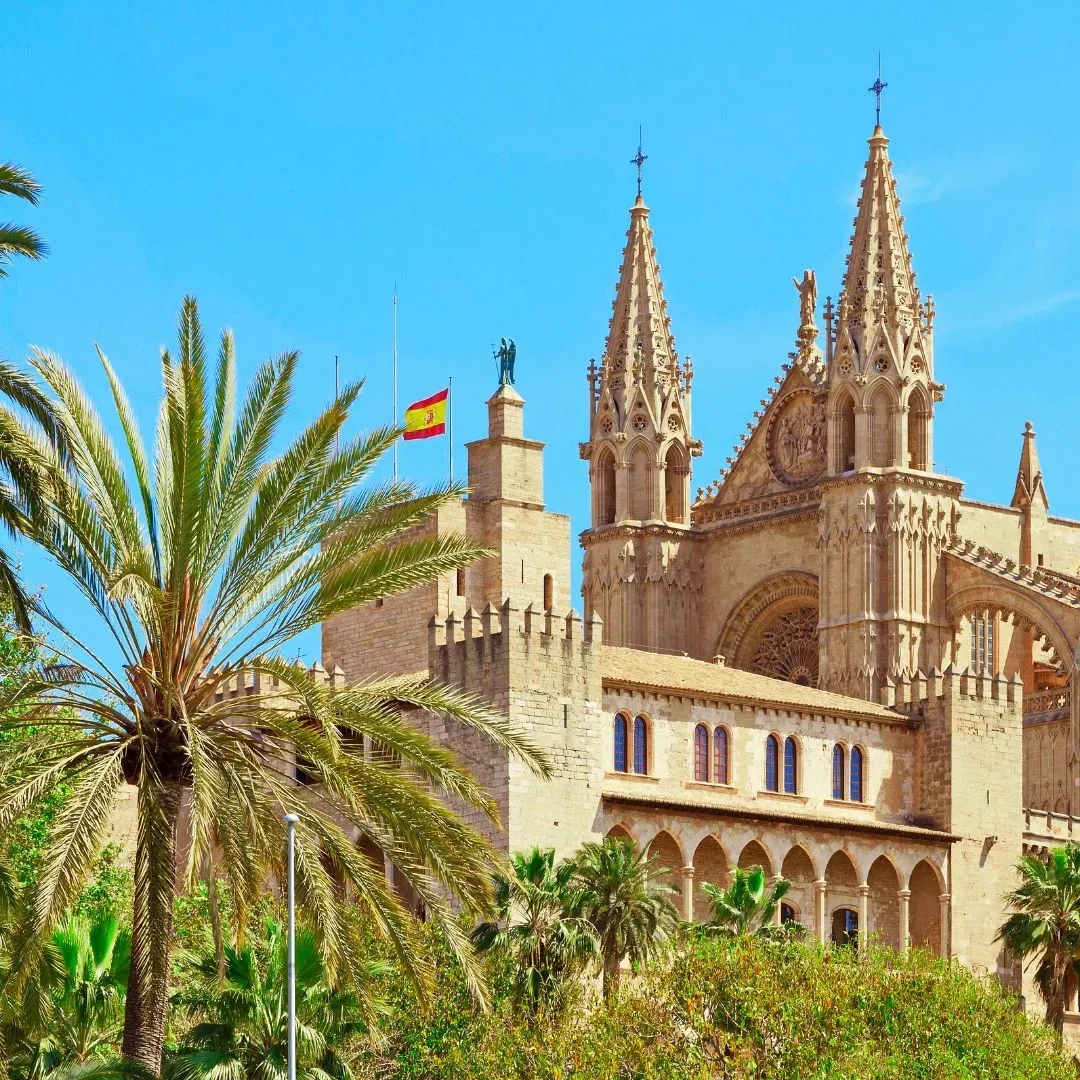
6. Mallorca, Spain
September clears out the peak-season party crowds from the island's west coast while leaving the Serra de Tramuntana mountain range and Palma's Gothic old town fully accessible and noticeably quieter. Cyclists who avoid the island's famous training roads in midsummer heat find September's cooler mornings ideal for the climb up Sa Calobra, and the calas along the northeast coast keep their clear water without the anchored charter boats that crowd them in August. Palma Cathedral's interior, lit dramatically by its rose window, is easier to appreciate without a shoulder-to-shoulder tour queue.
Data Cost: Balearic roaming rates mirror mainland Spain's higher tourist tariffs. An eSIM under $1/GB is the more predictable option for a week of trail-mapping and photo backups.
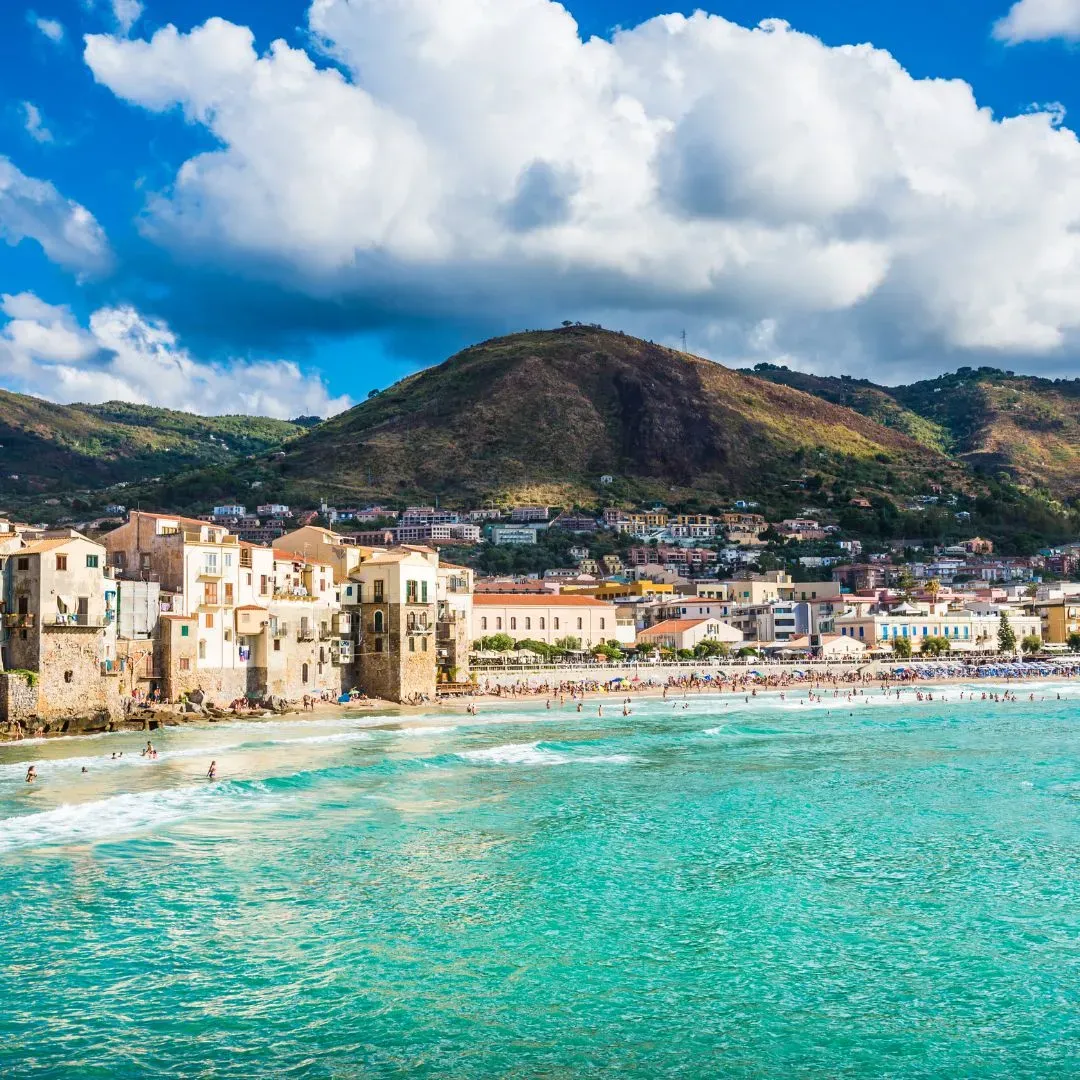
7. Sicily, Italy
Sicily's ancient ruins, volcanic coastline, and famously rich food scene all run comfortably through late September, with warm afternoons and far shorter lines at sites like the Valley of the Temples in Agrigento. Mount Etna's lower hiking trails become genuinely enjoyable once the summer heat eases, and Palermo's street food markets, the Ballarò and Vucciria, stay lively without the peak-season crush that makes them harder to navigate in July. Taormina's cliffside amphitheater, framed by views of Etna and the sea, is one of the island's most requested photo spots and one of its most crowded in summer, a problem September mostly solves.
Data Cost: Southern Italy's tourist roaming rates track the national average, often $8+/day without a plan. A regional eSIM keeps the whole island loop under $1/GB.
Cultural Cities: Cooler Days, Fuller Itineraries
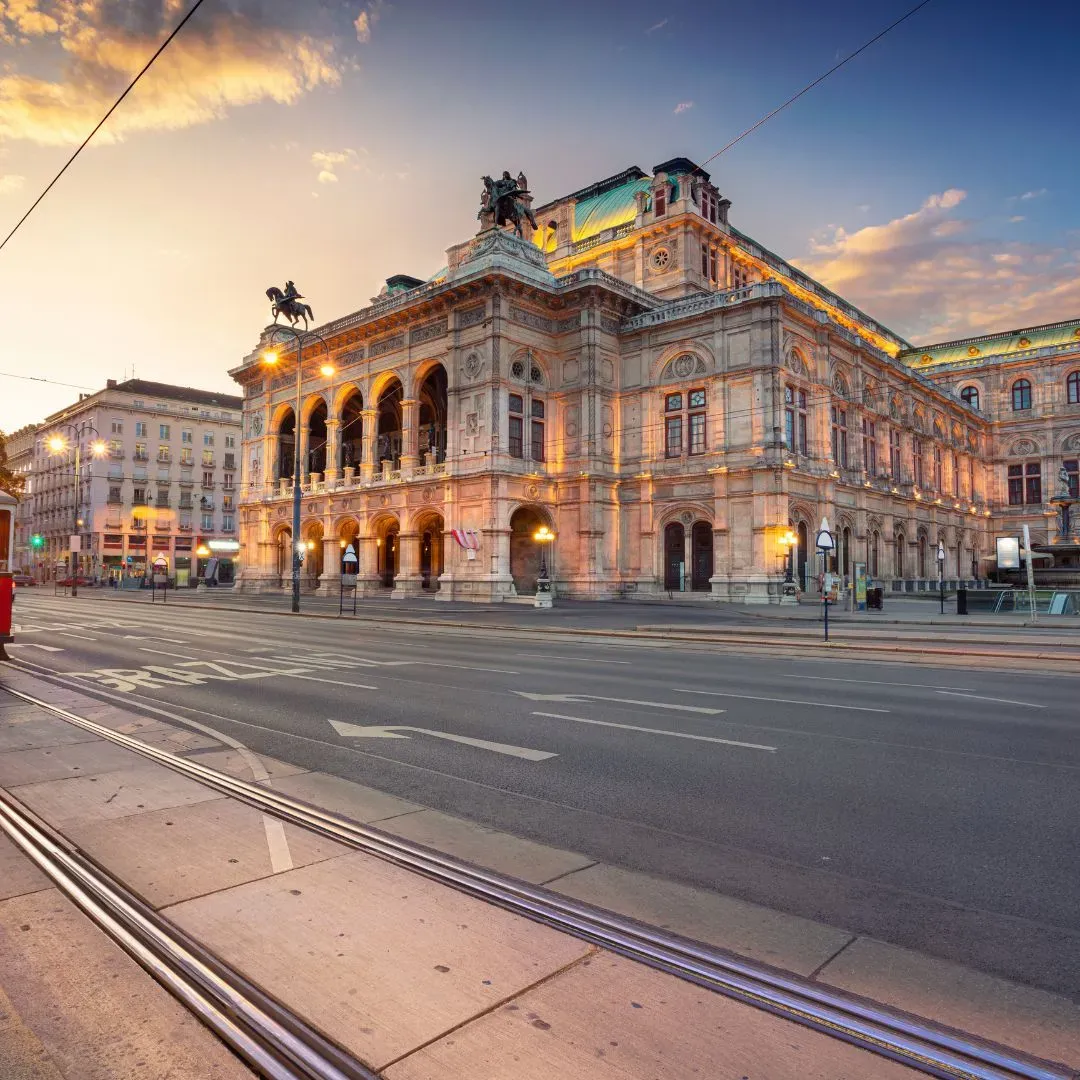
8. Vienna, Austria
September brings crisp mornings that suit long walking days through the Innere Stadt, and the city's museum and concert season ramps back up with new exhibitions and performances once the summer lull ends. Schönbrunn Palace's gardens are easier to wander without the tour-bus bottleneck that clogs the main courtyard in July, and the Naschmarkt's food stalls fill up with autumn produce and shorter queues at the same time. Coffeehouse culture, Vienna's signature slow-travel experience, is far more enjoyable when a table at Café Central doesn't require a 30-minute wait.
Data Cost: Austrian roaming for visitors without an EU-wide plan often runs $7 to $10/day. An eSIM under $1/GB covers a week of transit apps and concert-ticket QR codes for less than one day of local roaming, and MobiMatter's step-by-step installation guide has it active before you land.
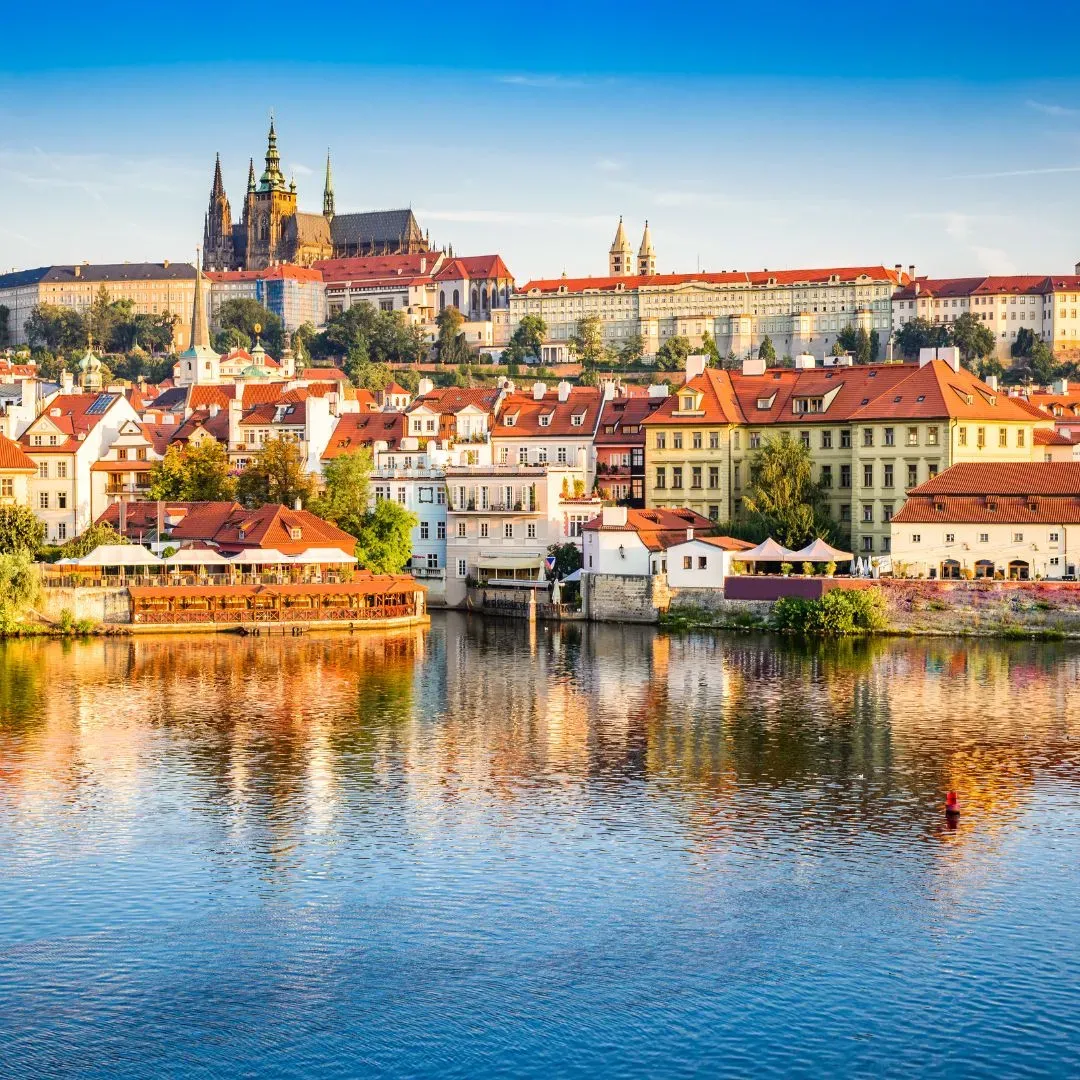
9. Prague, Czech Republic
The Old Town Square loses its peak-summer density in September, and the cooler evenings make the walk up to Prague Castle far more comfortable than tackling the same hill in a July heatwave. The Charles Bridge, jammed with vendors and photographers at midday in summer, is genuinely walkable at dawn or dusk during the shoulder season, and beer garden season along the Vltava riverbank stretches into the month with fewer tourists competing for outdoor seating. Prague's astronomical clock crowd also thins considerably, making the hourly show worth actually stopping for.
Data Cost: Czech carrier day-rates for tourists typically land near $6 to $9/day. A regional eSIM keeps connectivity under $1/GB across a multi-day city stay.
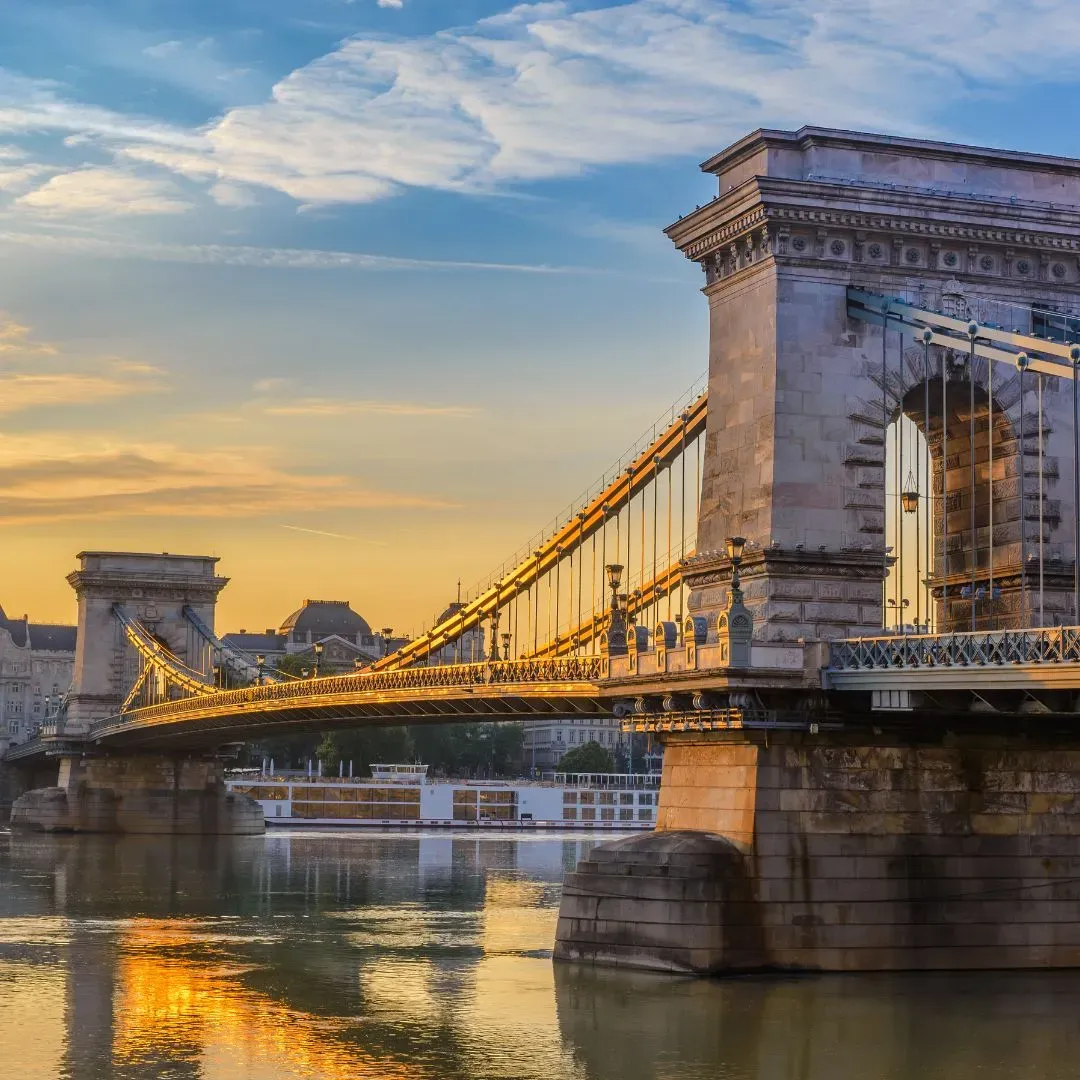
10. Budapest, Hungary
Thermal bath season stays open year-round, but September's mild temperatures make the outdoor pools at Széchenyi genuinely comfortable rather than uncomfortably crowded, as they often are in peak summer heat. The Danube's evening river cruises past the illuminated Parliament building run with more available departures once the July and August tour groups clear out, and Buda Castle's hilltop views are far easier to enjoy without a packed funicular line. Ruin bar season in the Jewish Quarter also picks up as locals return from summer holidays, giving the city's nightlife scene a more authentic, less tourist-heavy feel.
Data Cost: Hungarian roaming rates for short-term visitors often exceed $8/day. An eSIM under $1/GB is the cheaper way to navigate the city's sprawling public transit network.

11. Seville, Spain
September finally breaks Seville's brutal summer heat, dropping daytime highs into a range that makes exploring the Alcázar's Moorish courtyards and the Plaza de España's tiled alcoves genuinely enjoyable on foot rather than an endurance test. Flamenco venues in the Triana and Santa Cruz neighborhoods pick back up as the city's cultural calendar restarts after the summer slowdown, and rooftop bars with cathedral views become far more pleasant once the evening air actually cools down. Tapas crawls through the narrow streets near the cathedral also get easier, since restaurant terraces stop overflowing onto the sidewalks the way they do in peak summer.
Data Cost: Andalusian roaming rates mirror the rest of Spain's tourist pricing, often $7 to $10/day. A regional eSIM plan drops that to under $1/GB for the full stay.
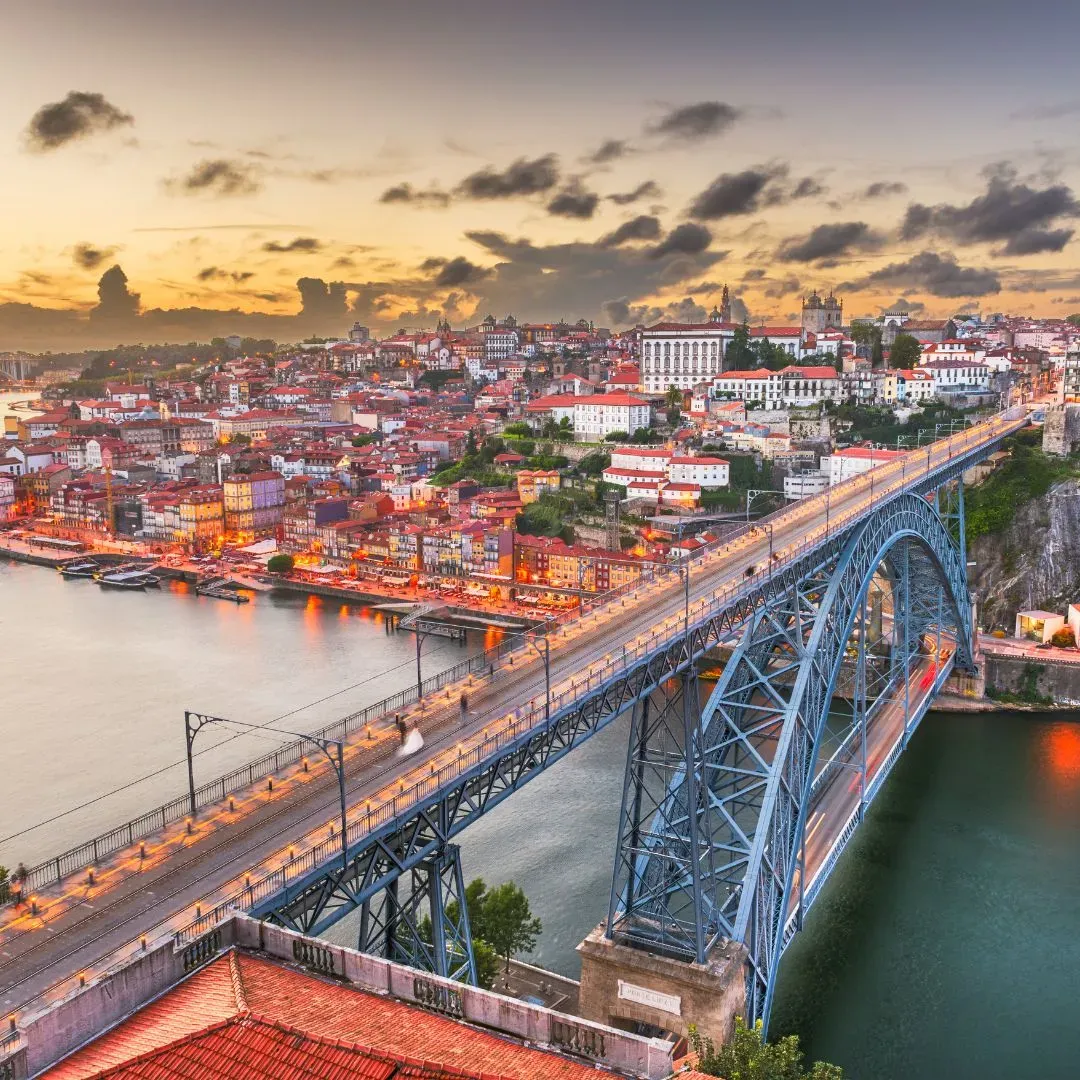
12. Porto, Portugal
Port wine cellar tours across the river in Vila Nova de Gaia and river cruises along the Douro both run with far shorter queues in September, and the city's steep, tile-covered streets are easier to navigate without the peak-season foot traffic that clogs the Ribeira waterfront. A day trip into the Douro Valley's terraced vineyards is one of the region's highlights, and September's harvest season adds an extra layer of activity to what's normally a scenic drive. Livraria Lello, the ornate bookstore often credited as a Harry Potter inspiration, also becomes easier to actually browse rather than shuffle through.
Data Cost: Portuguese roaming rates for tourists average $6 to $9/day. An eSIM under $1/GB covers a multi-day Douro Valley extension without needing a second SIM.
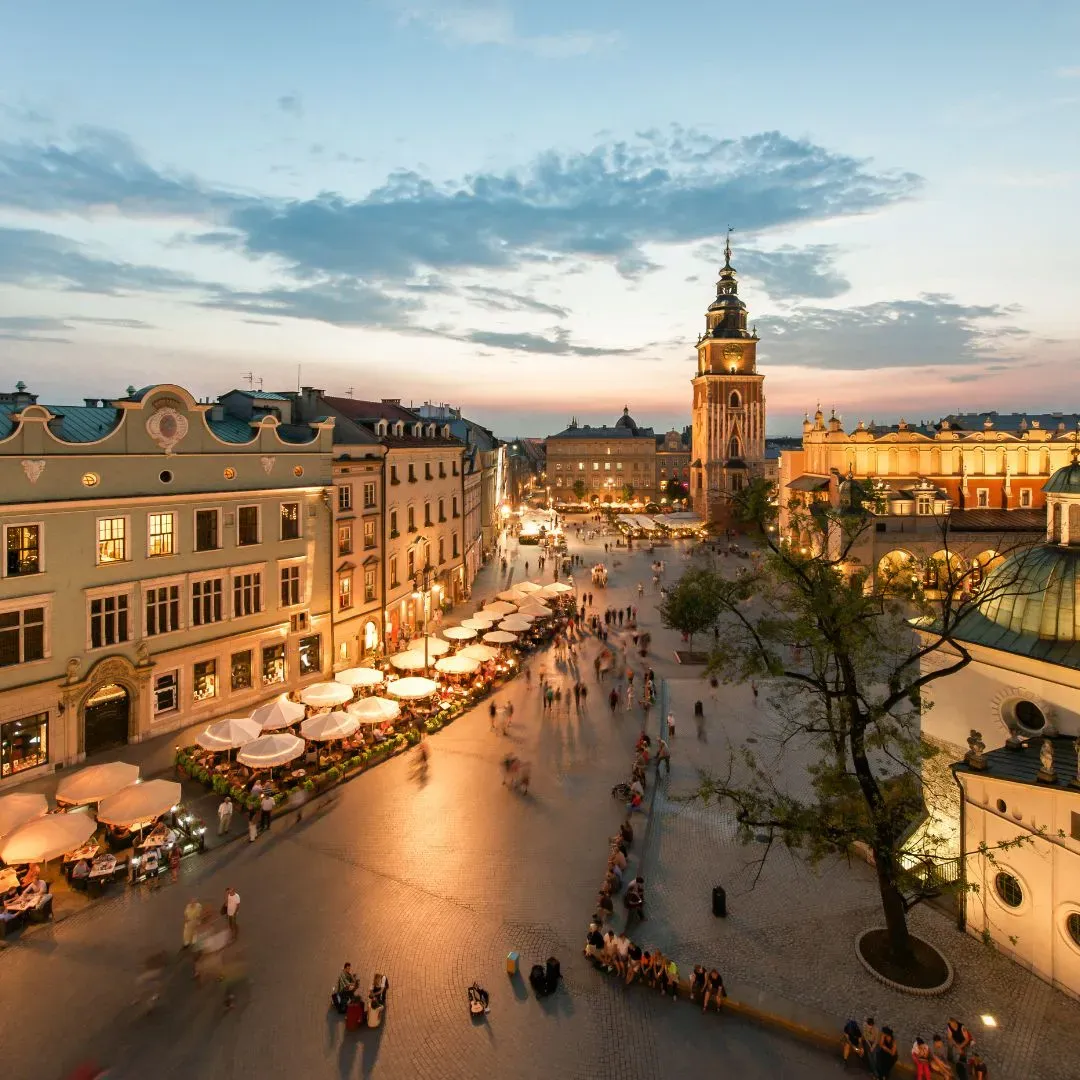
13. Krakow, Poland
Krakow's medieval Old Town and the Wieliczka Salt Mine's underground chapels become noticeably easier to book in September, with cooler weather suited to the walking-heavy itinerary most visitors follow between Wawel Castle and the Jewish Quarter of Kazimierz. The Main Market Square's bugle call, sounded hourly from St. Mary's Basilica tower, is easier to catch without a wall of tourists blocking the sightline, and pierogi houses across Kazimierz see shorter waits as the peak season winds down. A day trip to Auschwitz-Birkenau also becomes easier to schedule, since summer's fully booked timed slots open back up.
Data Cost: Polish roaming rates for non-EU visitors can run $8+/day without a bundled plan. A regional eSIM keeps costs under $1/GB for the whole visit.
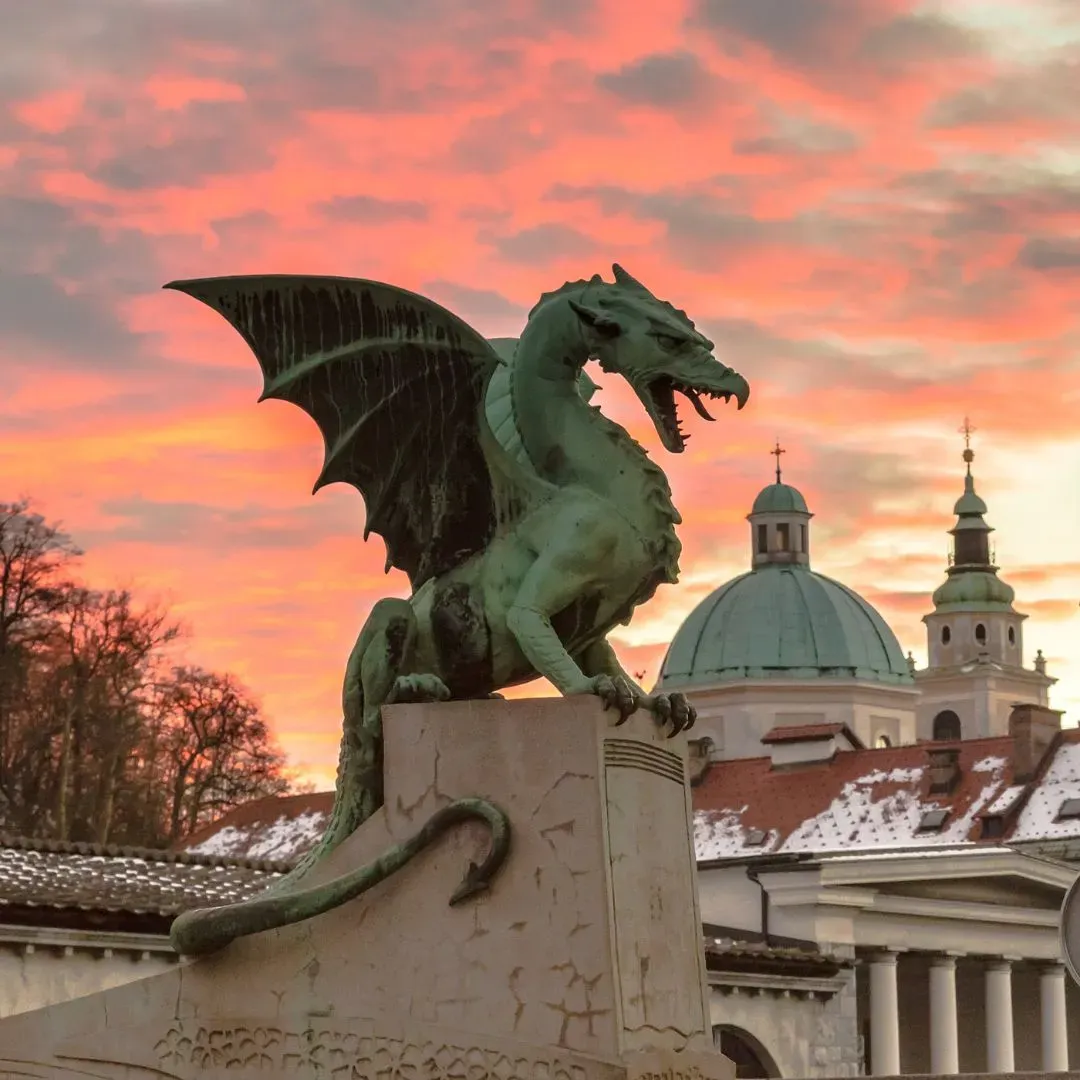
14. Ljubljana, Slovenia
Slovenia's compact, walkable capital pairs naturally with a Lake Bled day trip, and September's mild weather makes both the riverside cafes along the Ljubljanica and the surrounding hills comfortable for full-day exploring. Ljubljana Castle's hilltop views over the city's terracotta rooftops are easier to enjoy without a packed funicular queue, and the open-air market along the river, one of the city's best food stops, thins out considerably once the summer visitor peak passes. The city's compact size also means most of it is walkable in a single well-paced day, leaving extra time for the lake-district excursions nearby.
Data Cost: Slovenian roaming rates for tourists commonly land near $7/day. An eSIM under $1/GB covers the capital and nearby lake-district day trips together.
Nature and Coolcations: Where September Weather Peaks
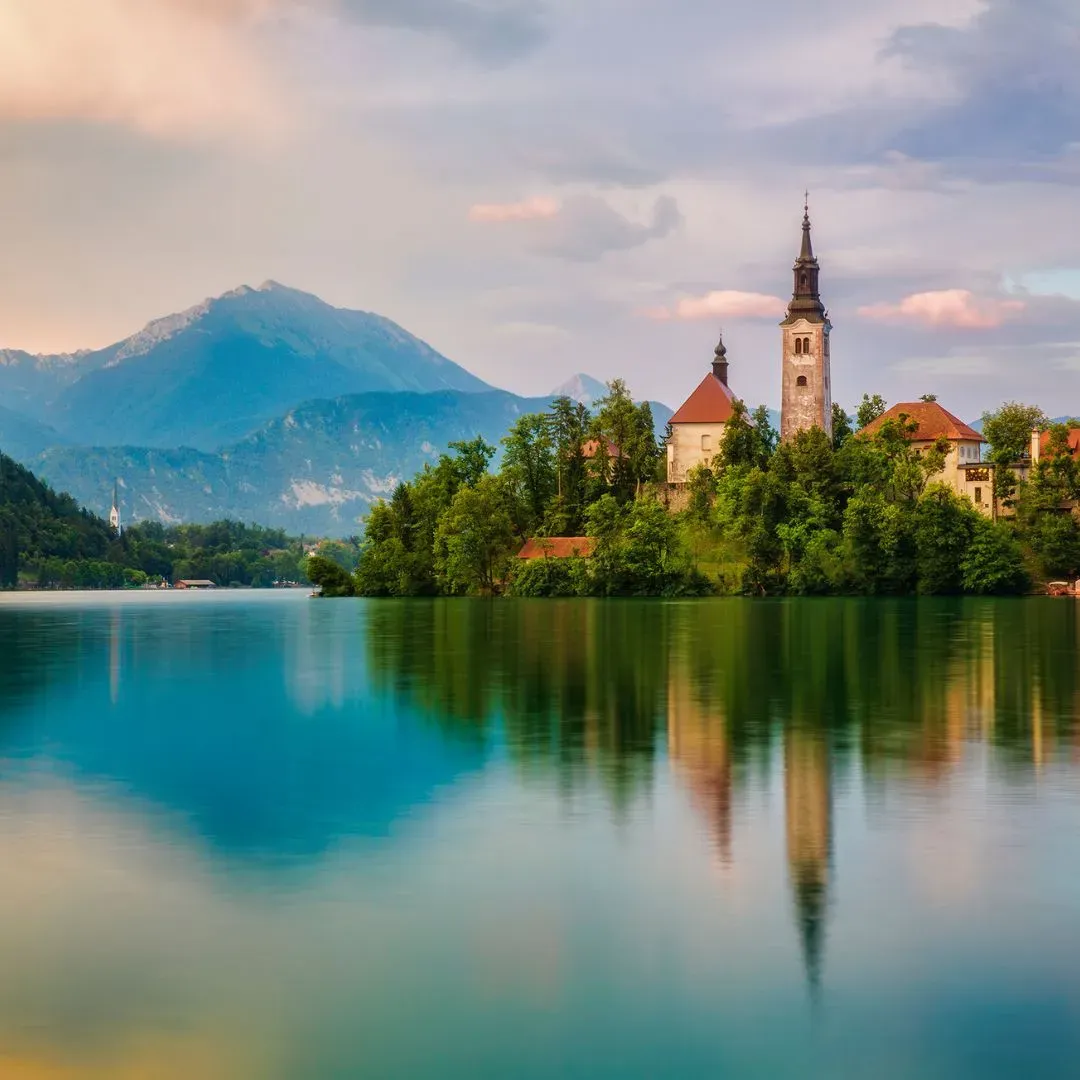
15. Lake Bled, Slovenia
The famous lake view, framed by a cliffside castle on one side and the tiny island church on the other, stays calm and clear through September, and the traditional pletna boat rides out to Bled Island run with far shorter waits once the August visitor peak passes. The walking path around the lake's perimeter, roughly six kilometers, is comfortable in September's cooler air, and the swimming platforms near the boat launch stay usable through most of the month for anyone willing to brave slightly cooler water. Bled cream cake, the region's signature dessert, is also easier to enjoy at a lakeside cafe table rather than standing in a takeaway line.
Data Cost: Rural Slovenian coverage can carry higher per-MB roaming costs outside major cities. A regional eSIM under $1/GB avoids that markup entirely.
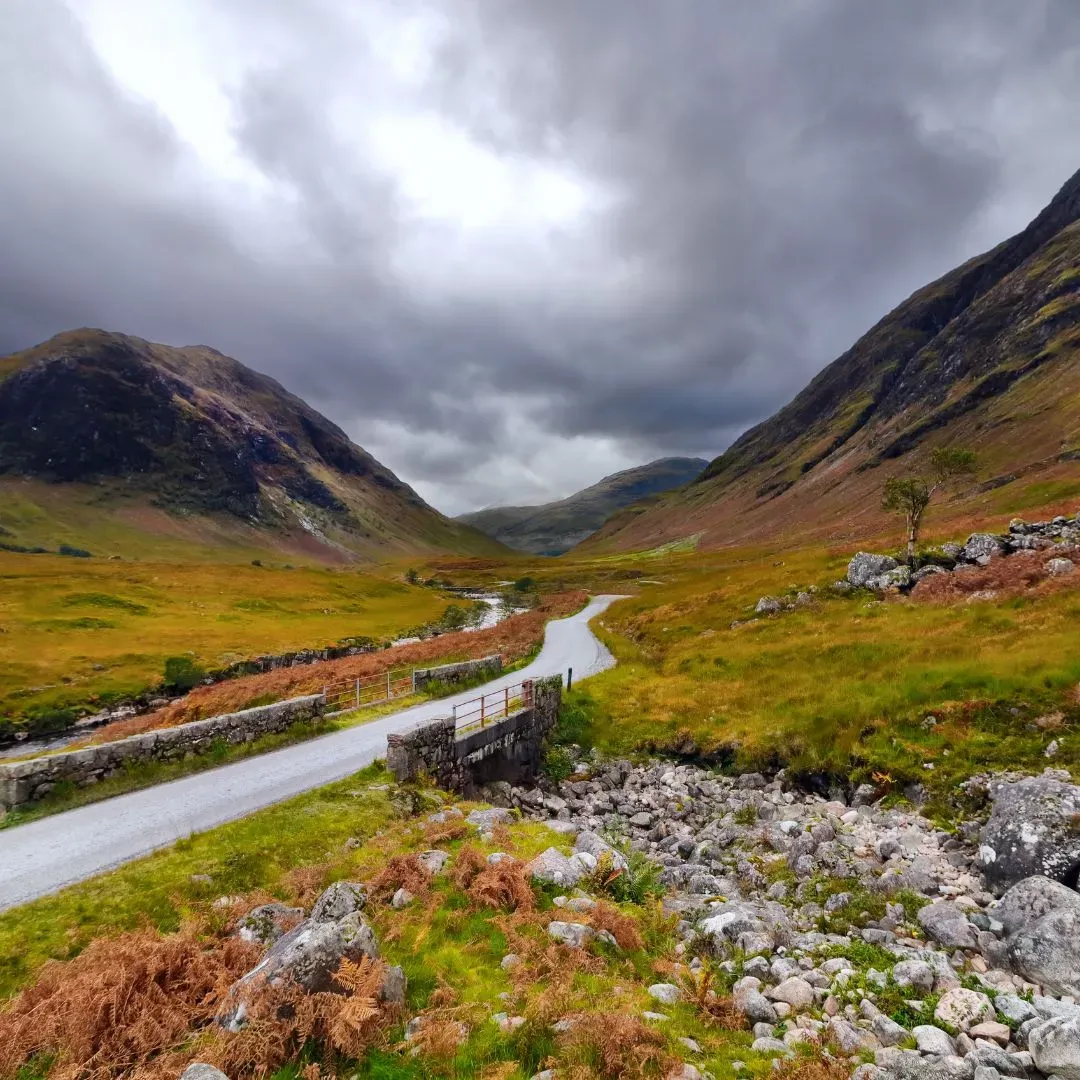
16. Scottish Highlands, UK
September brings the first hints of autumn color to the Highlands, with the heather-covered hillsides around Glencoe shifting toward purple and gold well before the region's official leaf-viewing season peaks in October. The single-track roads winding toward the Isle of Skye see noticeably less traffic than they do in the July and August rental-car rush, making it far easier to actually pull over at the scenic viewpoints instead of hunting for parking. Loch Ness, Eilean Donan Castle, and the Cuillin ridge's dramatic silhouette all photograph better under September's softer, lower-angle light, and whisky distillery tours across Speyside get easier to book on short notice.
Data Cost: UK roaming for international visitors outside a bundled plan can run $10+/day, especially in remote Highland areas with limited carrier competition. An eSIM under $1/GB is a meaningful saving on a multi-day road trip.
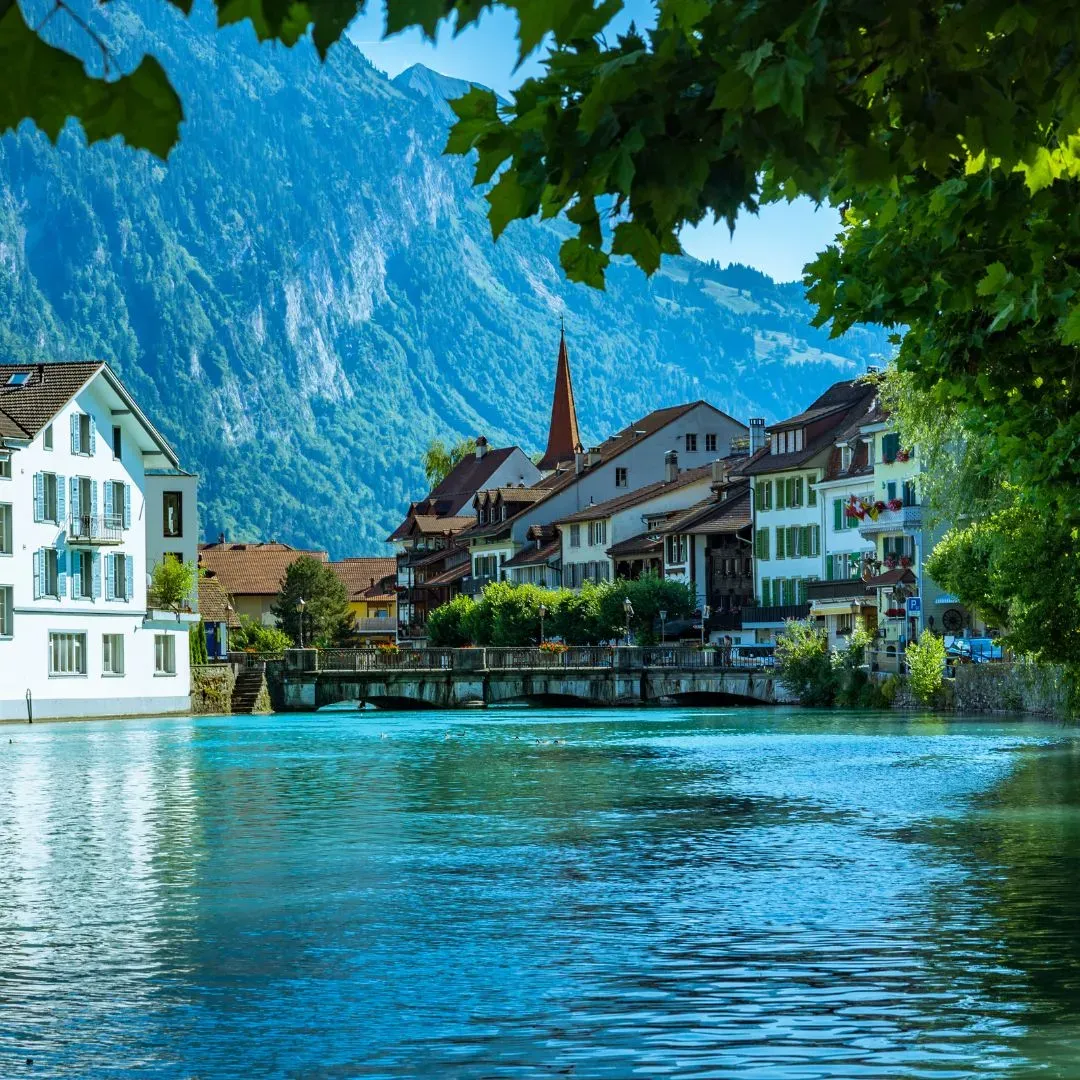
17. Interlaken, Switzerland
Switzerland's shoulder season keeps the Jungfrau region's cable cars and hiking trails open with far shorter lines, and September's stable weather window is widely considered one of the best all year for alpine visibility, with clear skies revealing the Eiger, Mönch, and Jungfrau peaks in full. The gorge walk through Trümmelbach Falls and the paragliding launches above Lake Thun both run at full capacity without the crowd bottlenecks of peak summer, and mountain-hut reservations for multi-day hikes become far easier to secure. Cooler September air also makes the steeper trail sections, like the climb toward Schynige Platte, considerably more manageable than a midsummer ascent.
Data Cost: Swiss roaming rates rank among Europe's highest, often $10 to $15/day for tourists without a local plan. A regional eSIM under $1/GB is one of the largest savings on this entire list, and hikers uploading a lot of trail footage may prefer a higher-capacity option like the 25GB Europe eSIM to avoid running low mid-trek.
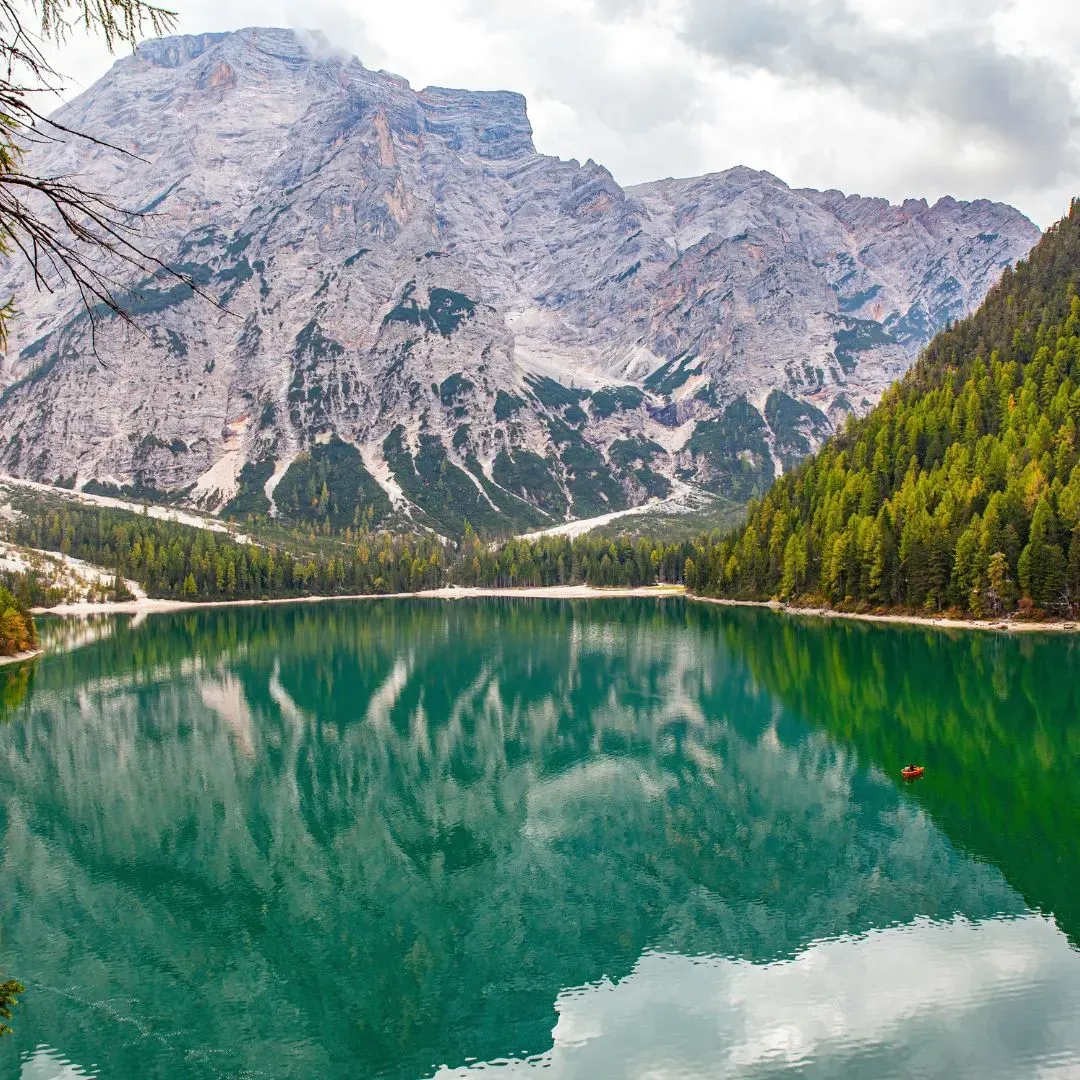
18. Dolomites, Italy
September's cooler alpine air and thinning summer crowds make this one of the best windows all year for hiking the Tre Cime di Lavaredo loop and the Alta Via trails without the peak-July trail congestion that turns popular routes into single-file lines. Rifugio huts along the higher routes start serving smaller, quieter dinner crowds, and the larch forests across the region begin their early turn toward gold by late September, adding a seasonal payoff most summer hikers miss entirely. Cortina d'Ampezzo's town center also empties out considerably once the August rush ends, making it a far more relaxed base for day hikes into the surrounding peaks.
Data Cost: Mountain-region roaming in Italy can be spotty and expensive outside major cities. An eSIM under $1/GB keeps offline-map downloads and trail-tracking apps affordable throughout a multi-day hiking trip.
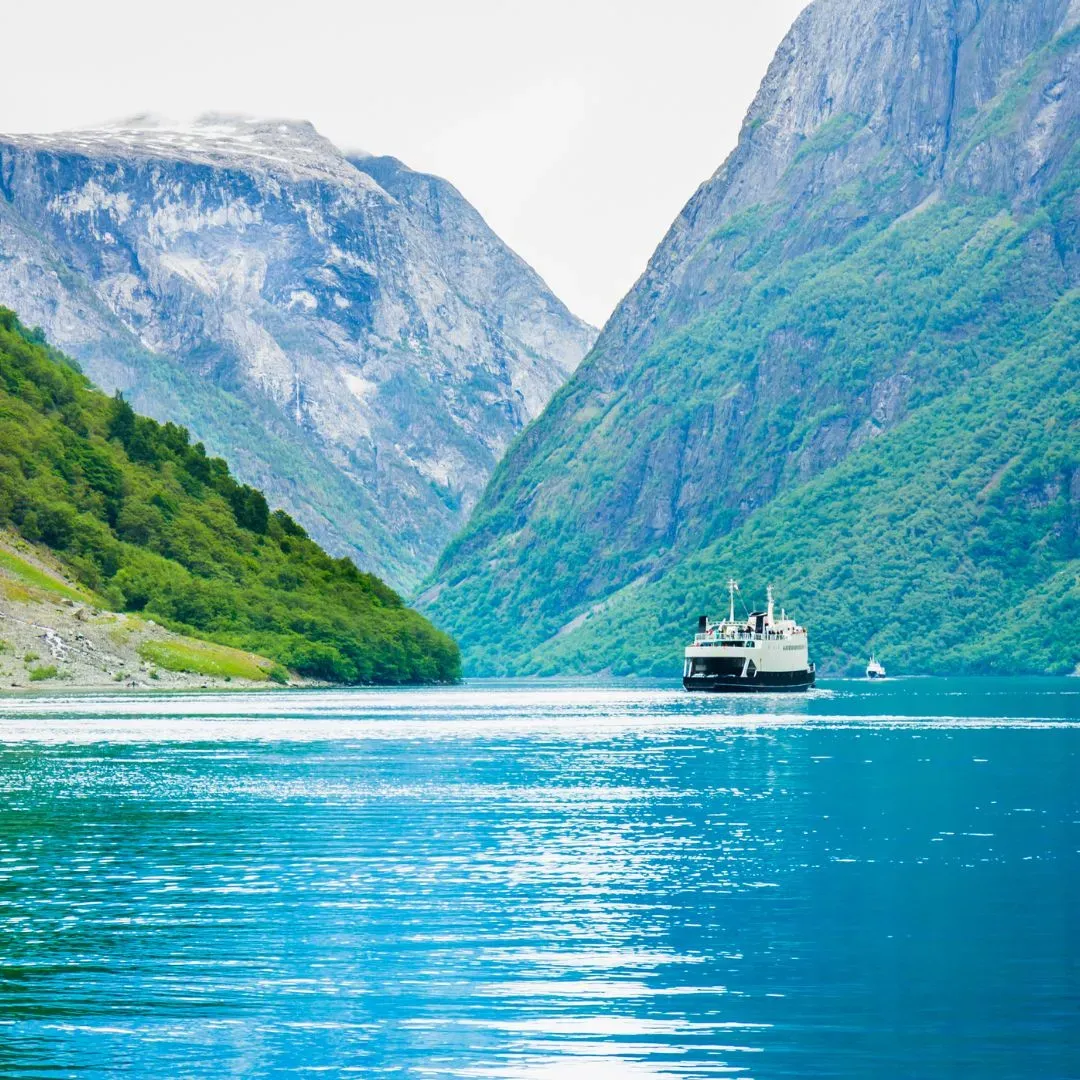
19. Norwegian Fjords
September's shorter days bring the first realistic chance at aurora sightings in northern Norway, a window that simply doesn't exist during the near-endless daylight of the Nordic summer, alongside dramatically quieter fjord cruises compared to the packed summer cruise season. The Geirangerfjord and Nærøyfjord both keep their dramatic waterfalls running strong from late-summer snowmelt, and hiking trails to viewpoints like Trolltunga and Preikestolen see far less foot traffic once the peak hiking season winds down. Coastal fishing villages along the route also start feeling more lived-in and less staged for tourists once the cruise-ship crowds thin out.
Data Cost: Nordic roaming rates for tourists are among Europe's steepest, frequently $10+/day. A regional eSIM under $1/GB is especially valuable given the remote, low-competition coverage areas along the fjords.
20. Black Forest, Germany
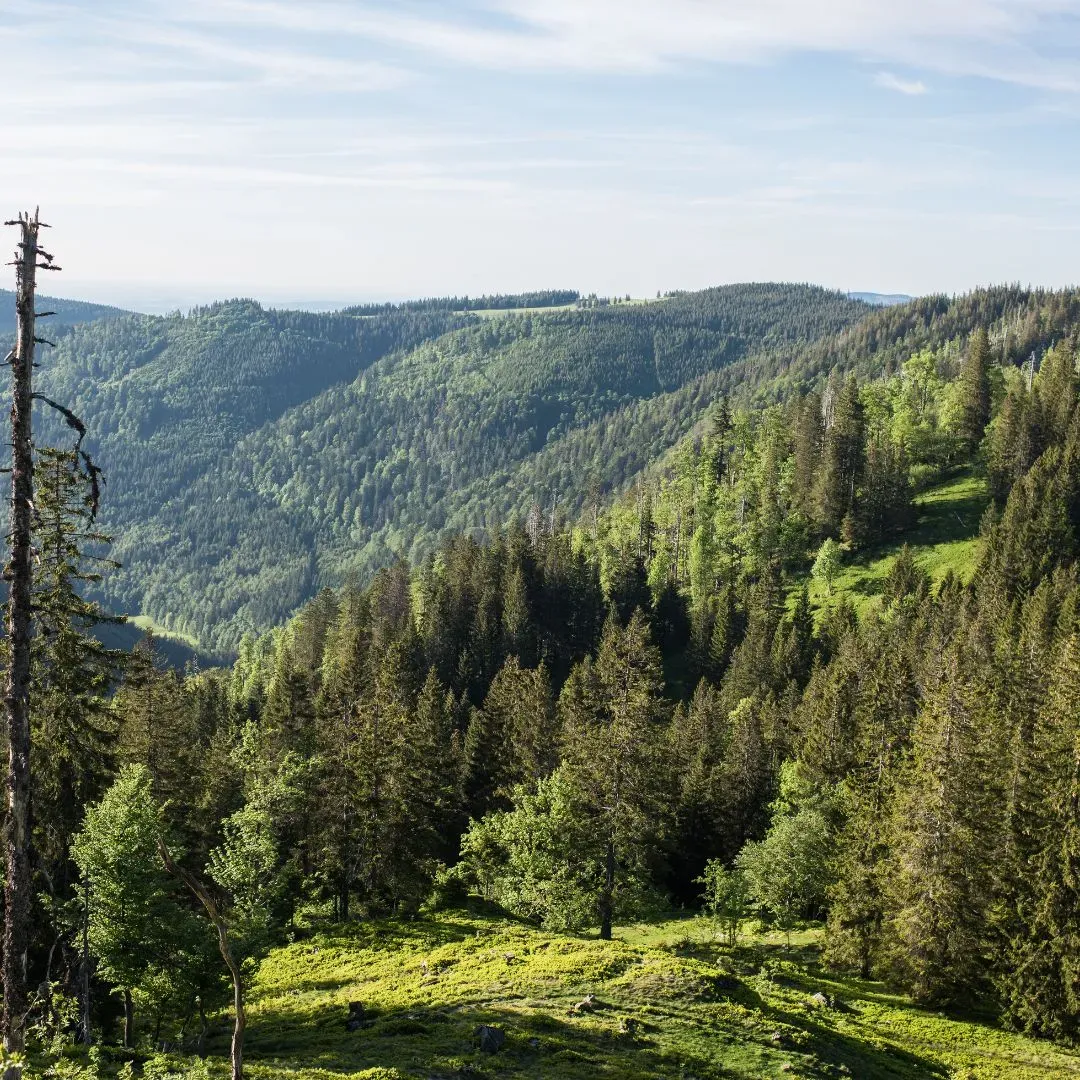
Germany's Black Forest region enters its early-autumn window in September, with comfortable hiking temperatures and thinning crowds around the cuckoo-clock village of Triberg and the postcard-perfect shoreline of Lake Titisee. The region's dense pine forests and rolling valleys are at their most photogenic just before the full autumn color change, and half-timbered towns like Gengenbach and Schiltach become far easier to wander without a coach-tour crowd filling the market squares. Wine harvest season also gets underway along the Baden wine route on the forest's western edge, adding tastings and vineyard tours to what's otherwise a hiking-focused itinerary.
Data Cost: German roaming rates for short-term visitors typically run $6 to $9/day. The best eSIM for Germany can provide affordable eSIM data Plan Europe for a full road-trip itinerary through the region, with plans available for less than a single day of local roaming.
Conclusion: Booking the Route and Staying Connected Across 30+ Borders
A September itinerary that spans Mediterranean coastlines, cultural capitals, and alpine escapes works best booked as a connected route rather than a string of separate city breaks. Pan-European rail passes and multi-city flight bundles both tend to price out cheaper than one-off point-to-point bookings, and building the route around 2 to 3 hub cities with day-trip radiuses, rather than a new hotel every single night, cuts both cost and travel fatigue significantly.
The connectivity side of a multi-country September trip is where most travellers overpay without realizing it. Swapping a physical SIM card at every border, or worse, relying on default carrier roaming, adds up fast across a route that might cross Italy, Slovenia, Austria, and Switzerland in a single two-week loop. A single Europe eSIM activates in minutes, works across 30+ European countries on one plan, and keeps per-GB pricing under $1 regardless of how many borders the trip crosses, which is the difference between one predictable data bill and a dozen small roaming charges that never quite add up the same way twice. Travellers still weighing providers can run through MobiMatter's full Europe eSIM buying guide before checkout to match data allowance to trip length.
Pre-Departure Checklist:
- Book flights and hotels 6 to 8 weeks out to catch the steepest shoulder-season discounts
- Compare a multi-city rail pass against individual point-to-point tickets before booking either
- Install a regional eSIM before departure so data is active the moment the plane lands
- Download offline maps for rural stretches like the Dolomites, Highlands, and Norwegian fjords where signal can be patchy
- Pack layers, since September mornings run cooler than the daytime highs suggest across most of these destinations
Frequently Asked Questions
Is September a good time to visit Europe? September ranks among Europe's best travel months, with lower prices, smaller crowds, and comfortable temperatures across both Mediterranean and Northern European destinations.
How much cheaper is September travel compared to August? Flight and hotel pricing on popular Southern European routes commonly runs around 25 to 30 percent lower in September than at the August peak.
What is the cheapest way to get mobile data across multiple European countries? A regional eSIM covering 30+ European countries on a single plan avoids the cost and hassle of swapping physical SIM cards at every border, with per-GB pricing typically under $1.
Which European destinations are warmest in September? The Amalfi Coast, Santorini, the Algarve, Sicily, and the Croatian islands all keep swimmable water temperatures and warm daytime highs well into the month.
Where can I see early autumn color in Europe in September? The Scottish Highlands, the Black Forest, and higher-altitude parts of the Dolomites begin showing early autumn color by mid-to-late September.