The Ultimate 14-Day Japan and South Korea Itinerary for 2026
By Abhishek Aggarwal (Travel & eSIM writer, MobiMatter)
· 9 min read
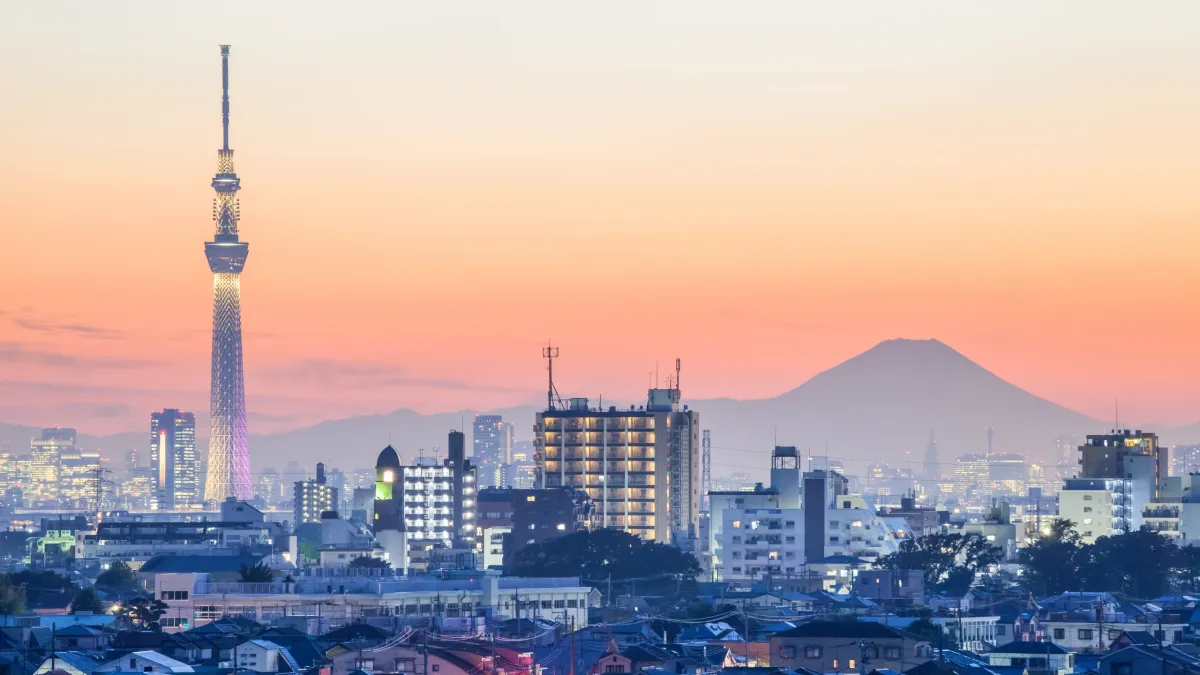
Tokyo, Kyoto, Seoul, and Jeju Island form 2026's most searched Asia travel corridor, and this 14-day route covers all four without wasted travel days. It pairs a realistic day-by-day plan with the connectivity side most guides skip, including how to stay online during the Japan to South Korea ferry or flight switch using a regional eSIM instead of juggling two separate SIM cards.
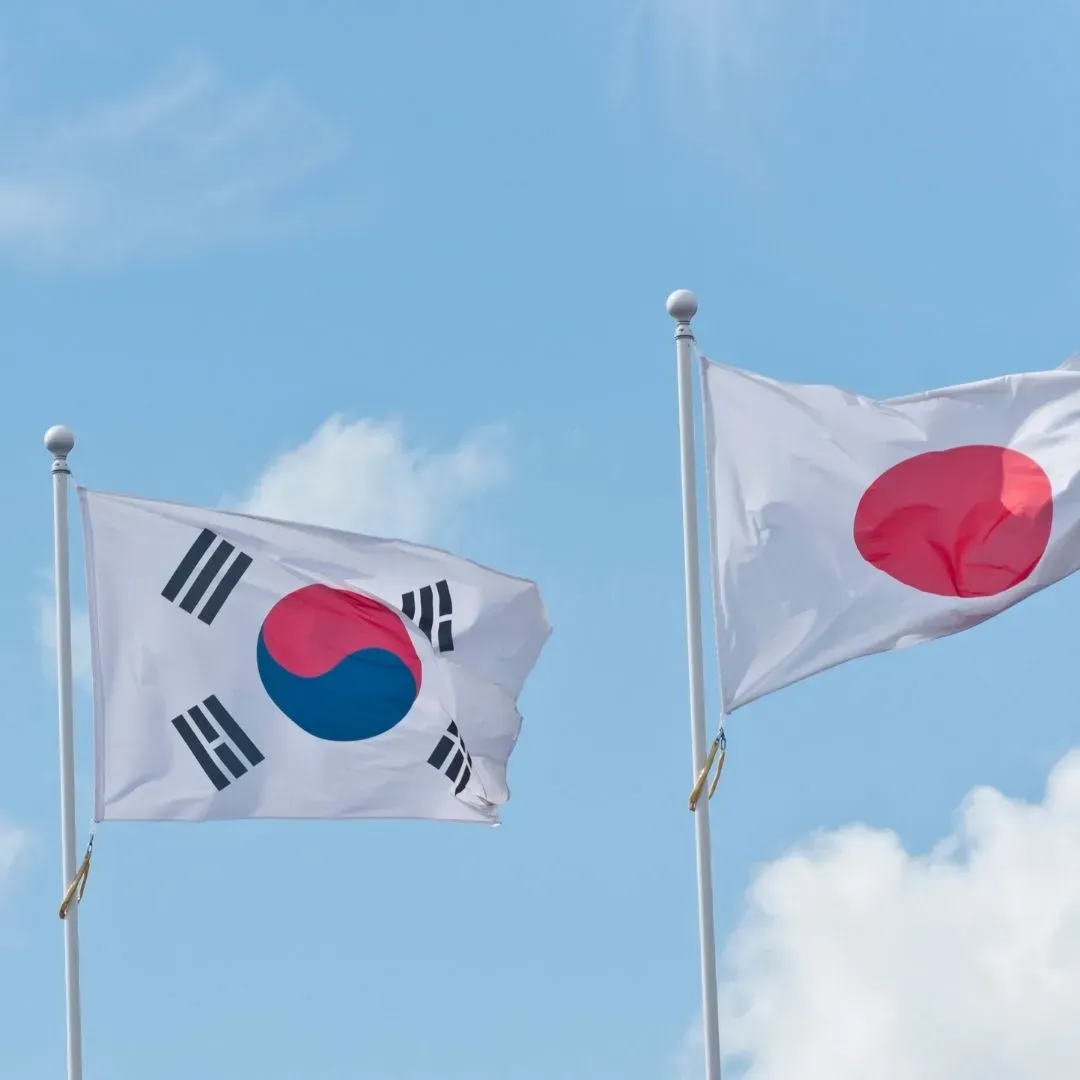
Why This Japan Korea Route is Trending for Summer 2026
Search interest in combined Japan and Korea trips has overtaken single country searches for Q3 2026, driven by shorter flight connections, a weaker yen and won against major currencies, and travelers wanting two cultures in one trip. Tokyo and Seoul now sit under 2.5 hours apart by air, and ferry operators have added summer capacity between Fukuoka and Busan, making a split itinerary genuinely practical rather than just an idea travel bloggers pitch.
The 14-Day Route at a Glance
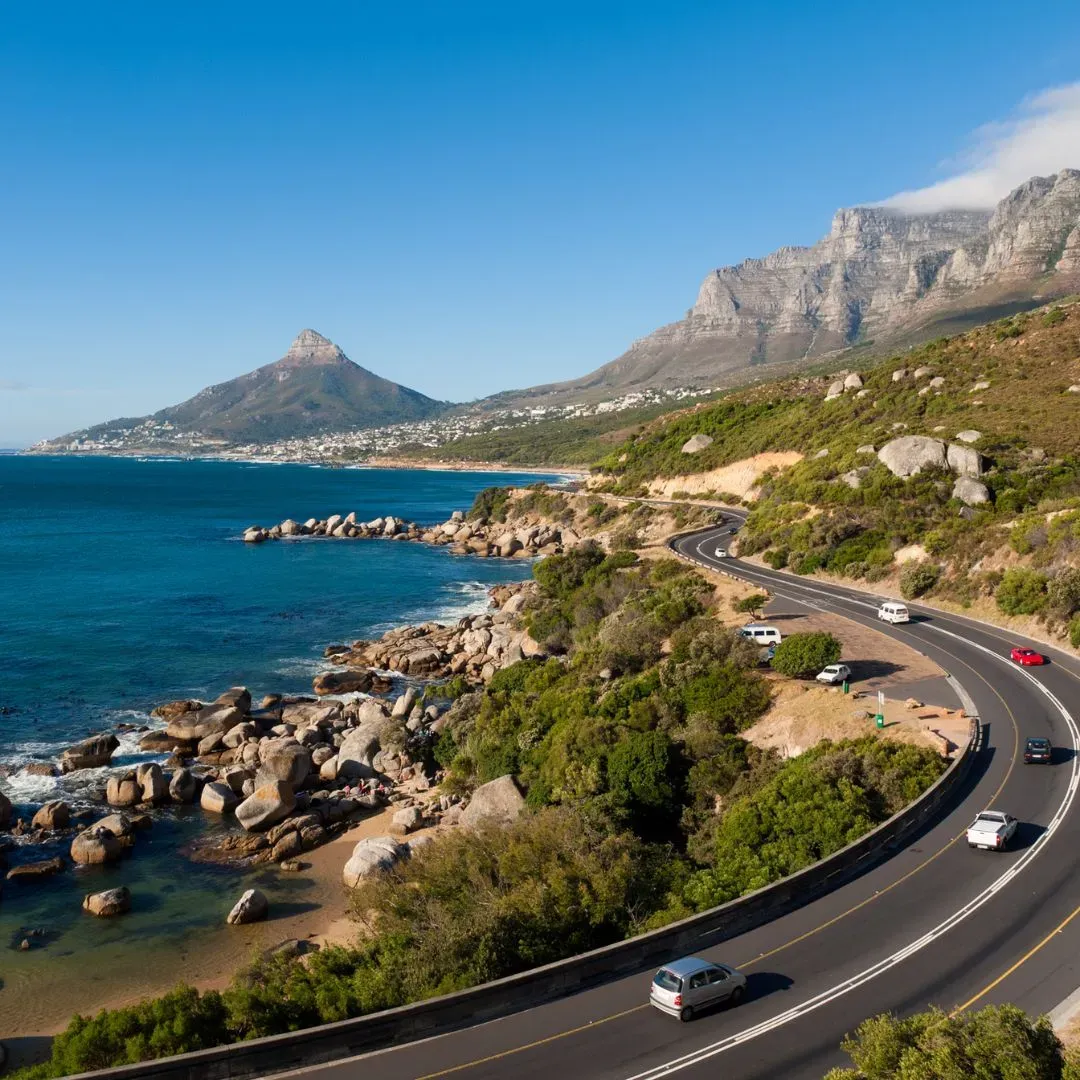
This itinerary splits evenly across two countries so you are never rushing through a city in a single afternoon. It front-loads Japan, uses the Fukuoka-Busan corridor as the crossing point, then closes with Seoul and Jeju Island for beaches and volcanic landscapes.
| Days | City | Focus |
|---|---|---|
| 1-4 | Tokyo, Japan | Arrival, city districts, day trip to Nikko or Kamakura |
| 5-7 | Kyoto, Japan | Temples, Arashiyama, Nara day trip |
| 7-8 | Fukuoka, Japan to Busan, South Korea | Ferry or flight crossing |
| 8-11 | Seoul, South Korea | Palaces, markets, DMZ tour, K-culture districts |
| 12-14 | Jeju Island, South Korea | Beaches, volcanic hikes, flight home |
Days 1 to 4: Tokyo, Japan
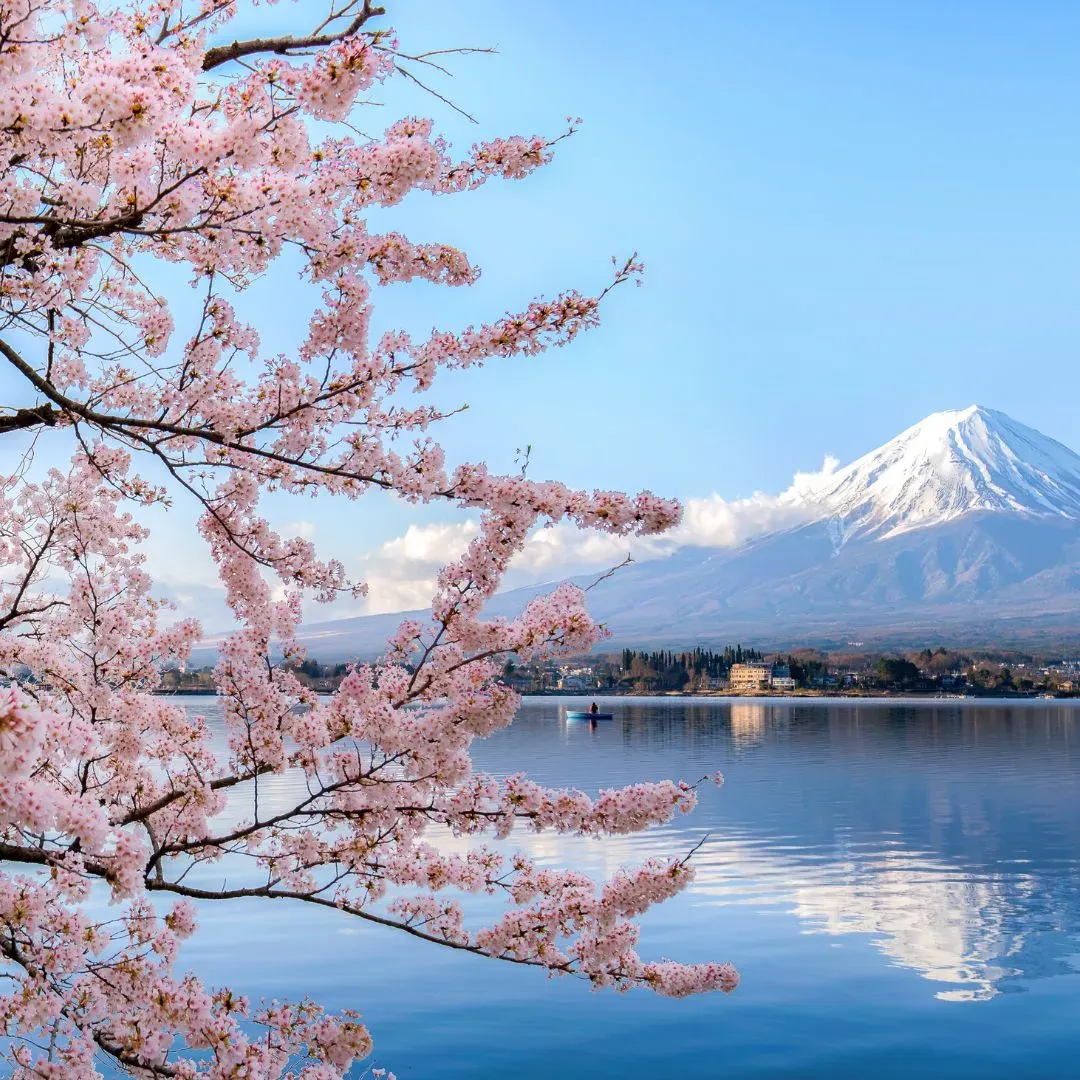
Tokyo works best as a four day base since the city rewards slow exploration over checklist sightseeing. Split your time between the modern districts (Shibuya, Shinjuku) and the older neighborhoods (Asakusa, Yanaka) so the contrast actually lands instead of blurring together.
What to Prioritize in Tokyo
- Senso-ji Temple in Asakusa early morning, before tour groups arrive
- Shibuya Crossing and Harajuku for street culture and shopping
- A day trip to Nikko for shrines and mountain scenery, or Kamakura for the Great Buddha and coastal views
- teamLab Planets or Borderless for a digital art detour
- Tsukiji Outer Market for breakfast, not the inner wholesale market which relocated to Toyosu
Getting Around Tokyo
Tokyo's transit card (Suica or Pasmo) works across trains, buses, and most convenience store payments, and you can now load both onto a phone wallet before landing, which saves the arrival-day queue at Narita or Haneda.
Before you land, sort your connectivity for the whole Japan leg, since Narita and Haneda kiosk lines can eat an hour of your first day. An eSIM Japan plan activates before you land and gives you working maps and translation apps from the airport onward, which matters more on day one than any single attraction on this list.
Days 5 to 7: Kyoto, Japan
Kyoto is a three day city if you want temples without burnout. The Shinkansen from Tokyo takes just over two hours, and buying tickets through the Smart EX app in advance avoids the ticket counter line on travel day.
Kyoto Priorities
- Fushimi Inari Shrine at sunrise, before the torii gate paths fill with visitors
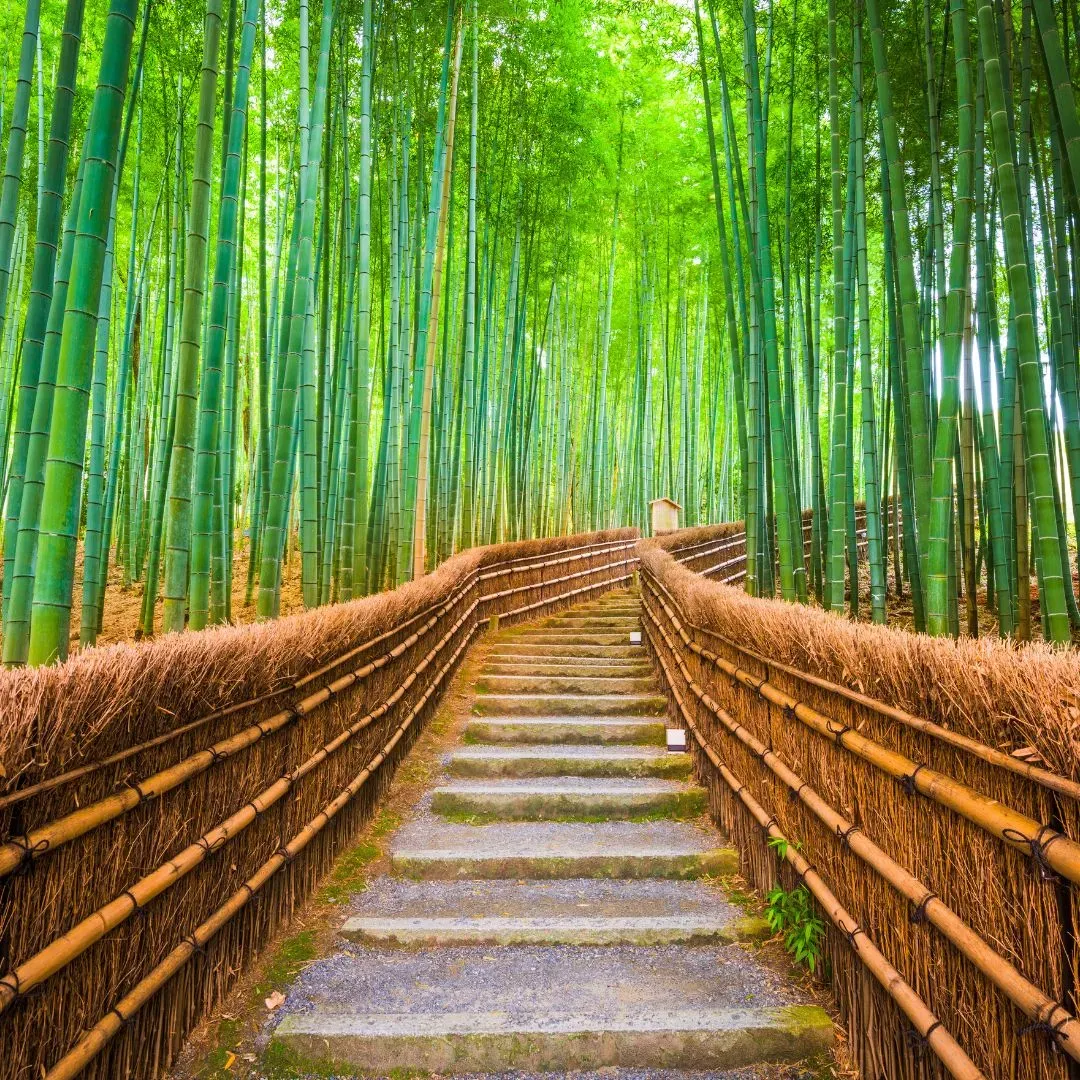
- Arashiyama Bamboo Grove combined with Tenryu-ji Temple
- Gion district in the early evening for a chance to spot geiko or maiko
- A half day trip to Nara for the deer park and Todai-ji Temple
Timing Around Temple Hours
Kyoto's temples close earlier than most travelers expect, often by 4:30 or 5:00 PM, so build your day around morning and early afternoon visits rather than saving the big sites for late in the day.
The Japan to South Korea Crossing: Ferry or Flight
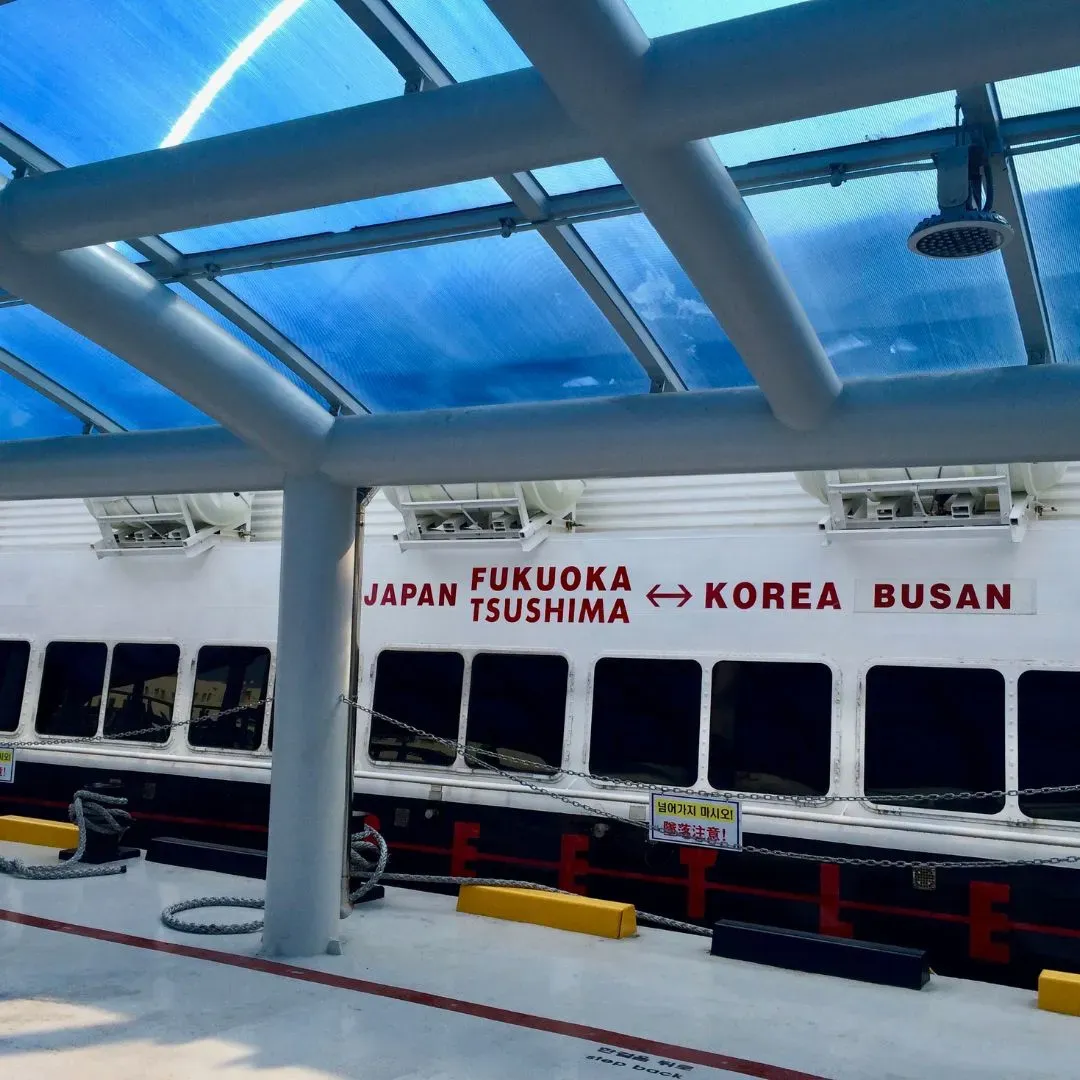
The crossing between Japan and South Korea is where most joint itineraries fall apart, since travelers either overpay for a rushed flight connection or underestimate how long the ferry option takes. The Fukuoka to Busan route is the fastest sea crossing, running under three hours on the high speed hydrofoil, while flights from Tokyo or Osaka to Seoul run closer to two hours gate to gate.
Comparing Your Crossing Options
| Option | Travel Time | Best For | Notes |
|---|---|---|---|
| Fukuoka to Busan ferry | 2h 55m - 3h 15m | Travelers already in Kyushu | Runs multiple times daily in summer |
| Tokyo/Osaka to Seoul flight | 2h to 2h 30m | Travelers based in Tokyo or Kyoto | More frequent schedules, budget carriers available |
| Osaka to Busan ferry | Overnight (about 18h) | Travelers who want a scenic overnight option | Less common, book early for summer |
Why the Crossing Needs its Own Connectivity Plan
Whichever route you pick, this is the exact moment a single country eSIM becomes a problem. Switching from a Japan-only plan to a Korea-only plan mid-journey usually means a dead zone right when you need working navigation and translation apps most, at a ferry terminal or an unfamiliar airport. This is where MobiMatter's regional data plan for Japan & South Korea earns its place in the itinerary. It covers both Japan and South Korea on a single eSIM profile, so your connection carries over the moment you land or dock, with zero downtime between the two networks. You install it once before the trip and never think about it again at the border.
Days 8 to 11: Seoul, South Korea
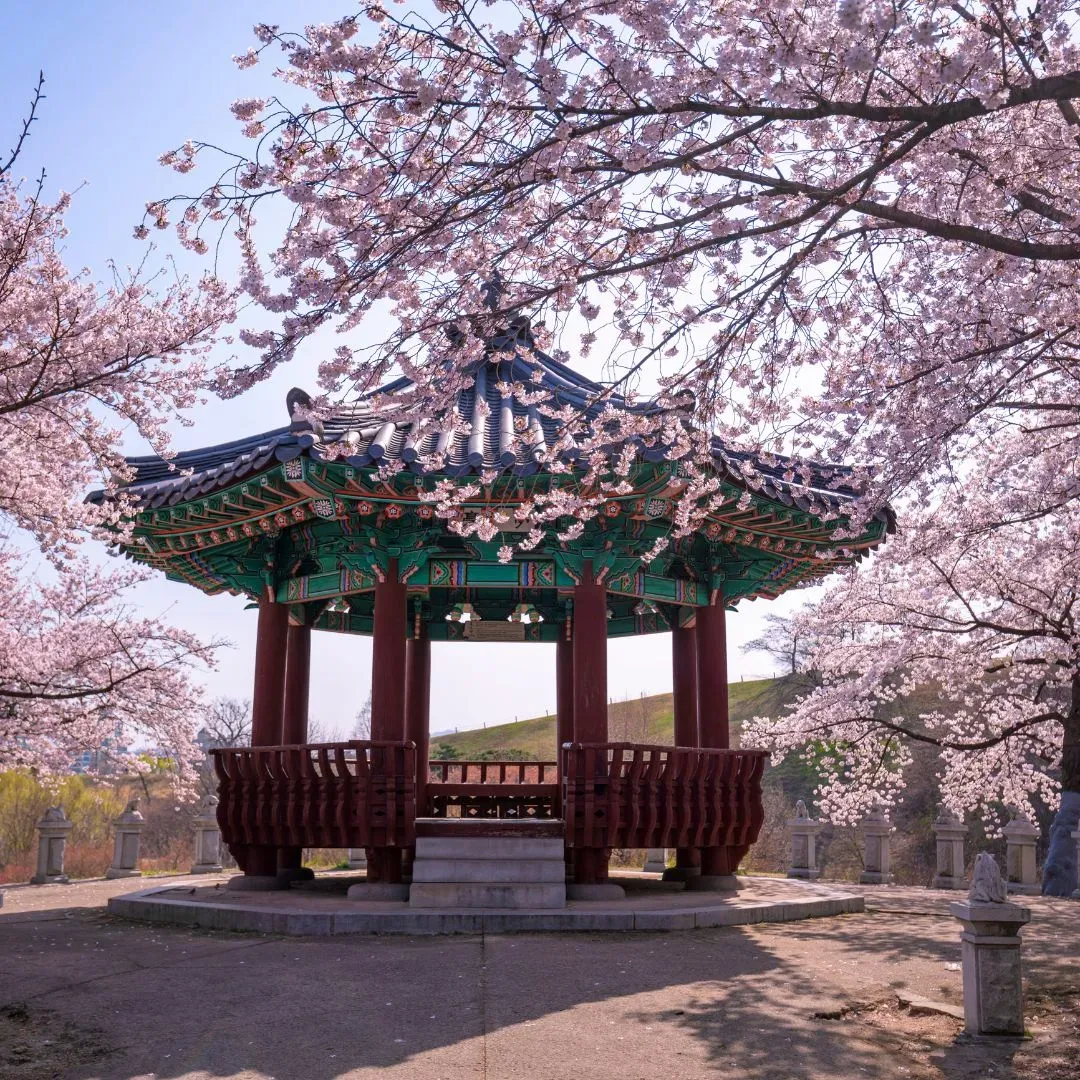
Seoul rewards four full days, split between the historic palace district and the newer neighborhoods that show up in nearly every travel search for the city.
Seoul Highlights
- Gyeongbokgung Palace and the changing of the guard ceremony
- Bukchon Hanok Village, best visited in the morning for fewer crowds
- Myeongdong and Hongdae for shopping, street food, and nightlife
- A DMZ day tour, which needs to be booked at least a few days ahead
- Dongdaemun Design Plaza in the evening for architecture and night markets
Getting Around Seoul
Seoul's subway system is one of the most efficient in the world, and a T-money card covers subway, bus, and most convenience store purchases the same way Suica works in Tokyo.

Days 12 to 14: Jeju Island, South Korea
Jeju closes the trip with something neither Tokyo nor Seoul can offer: volcanic landscapes, beaches, and a noticeably slower pace. It is a 60 to 70 minute domestic flight from Seoul, and flights run frequently enough that same-day booking is rarely a problem outside peak weekends.
Jeju Priorities
- Seongsan Ilchulbong (Sunrise Peak) for a short but rewarding hike
- Hallasan National Park for longer hikers, South Korea's tallest peak
- Manjanggul Cave, one of the longest lava tube systems open to the public
- Jeju's black sand and white sand beaches, both worth comparing on the same trip
Getting Around Jeju
Rent a car if your license qualifies for an international permit, since Jeju's public bus network covers the main towns but not the scenic coastal routes efficiently.
Staying Connected Across Both Countries: eSIM Options Worth Comparing
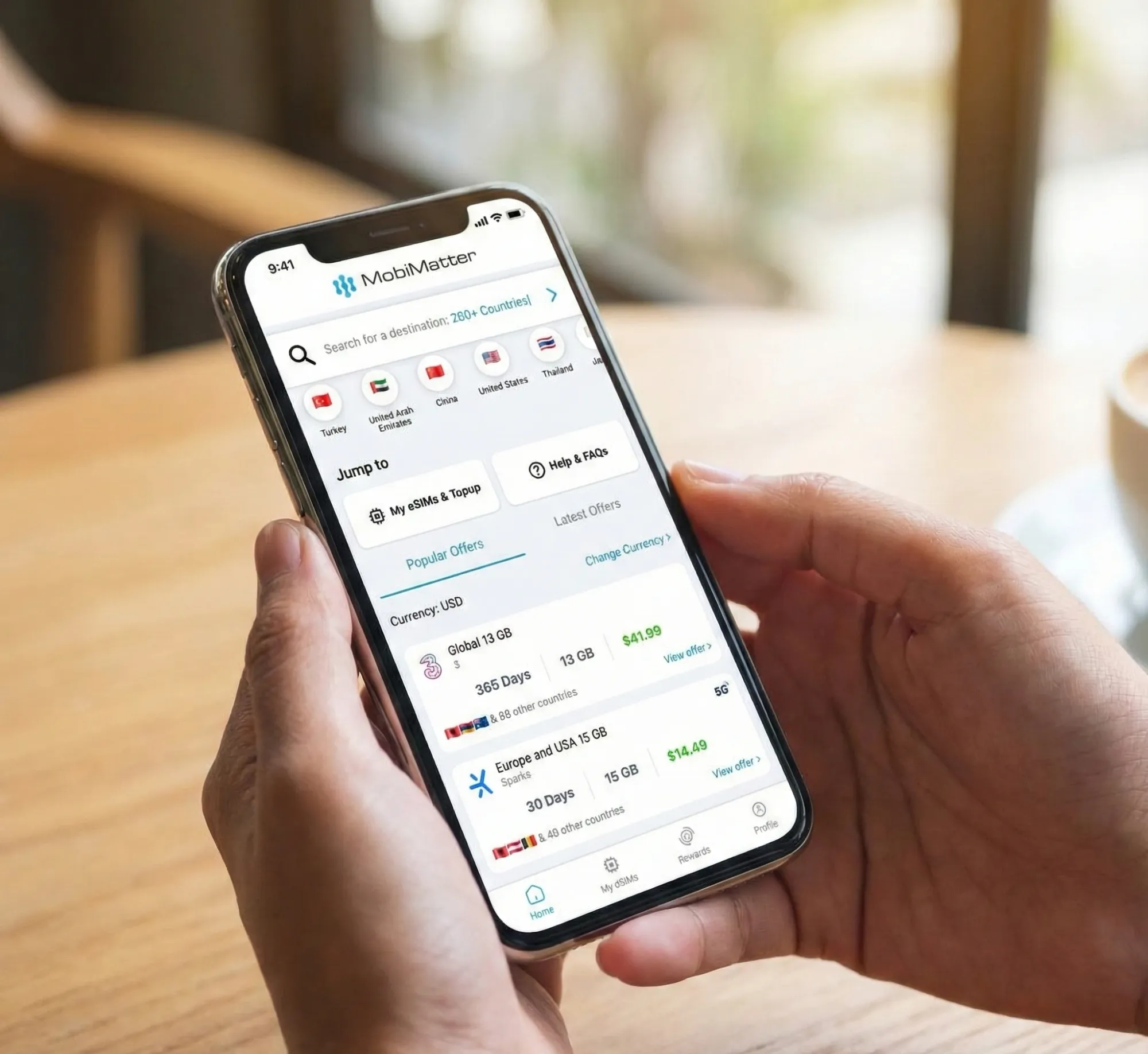
Connectivity planning matters more on a two country trip than a single destination trip, since the wrong setup means either overpaying for two separate plans or losing signal at the exact moment you cross the border. MobiMatter offers three practical paths depending on how your trip is structured.
Comparing MobiMatter's Japan and South Korea eSIM Plans
| Plan Type | Best For | Coverage |
|---|---|---|
| eSIM Japan | Trips staying only in Japan, or the Tokyo-Kyoto leg on its own | Japan nationwide, major carrier networks |
| eSIM South Korea | Trips staying only in South Korea, or a Seoul-Jeju only itinerary | South Korea nationwide, major carrier networks |
| China Korea Japan or Asia Regional Plans | Combined Japan and South Korea trips like this one | Both countries on one profile, no manual switch needed |
If you are only doing half this itinerary, say a Tokyo and Kyoto trip without the Korea leg, a dedicated eSIM Japan plan is the cheaper and simpler choice. The same logic applies in reverse for a Seoul and Jeju only trip with an eSIM South Korea plan. But for the full 14-day route in this guide, the regional plan removes the one real friction point in an otherwise smooth itinerary.
Setting Up Your eSIM Before You Fly
Setting up any of these takes about five minutes: install the eSIM profile through MobiMatter before you leave home, and it activates automatically when you land, without touching a physical SIM tray or hunting for an airport kiosk.

Budget Breakdown for the Full 14 Days
Costs vary by season and travel style, but this range reflects a mid-range traveler booking accommodation 2 to 3 months ahead of a summer trip.
| Category | Japan Leg (7 days) | Korea Leg (7 days) |
|---|---|---|
| Accommodation | $80-150/night mid-range | $60-120/night mid-range |
| Local transport | $10-15/day with rail pass or IC card | $8-12/day with T-money card |
| Food | $30-50/day | $25-45/day |
| Attractions | $15-30/day | $10-25/day |
| Connectivity | 12 GB for $11.99 - covers both Korea and Japan | China Korea Japan 12 GB at $11.99 |
The Shinkansen leg and the Jeju domestic flight are the two biggest variable costs, so book both early if your dates are fixed, since summer 2026 pricing on both routes is already trending higher than the same period last year.

Packing and Practical Notes for Digital Nomads and Frequent Travelers
Travelers working remotely during this trip should treat connectivity as infrastructure, not an afterthought. A few things worth building into the plan:
- Confirm your accommodation has reliable in-room WiFi in Kyoto specifically, since older ryokan-style properties sometimes only offer lobby WiFi
- Keep your eSIM active as a backup even in hotels with WiFi, since video calls are the first thing to suffer on shared hotel networks
- Both Japan and South Korea run on 100V/220V respectively, so a universal adapter is worth packing rather than assuming compatibility
- Summer humidity in both countries is high through July and August, so pack layers you can shed rather than heavy layers you cannot
This itinerary is built from the kind of route planning that comes up constantly in travel and eSIM forums this year, where the Japan-Korea combination has become the default two-country trip for travelers who used to do Japan alone. The logistics below reflect real crossing times and current 2026 flight and ferry schedules rather than a generic template.
Frequently Asked Questions
Is 14 days enough for both Japan and South Korea?
Yes, 14 days covers Tokyo, Kyoto, Seoul, and Jeju Island comfortably without daily rushing. Travelers wanting a deeper Japan focus can extend the Kyoto leg by a day or two and shorten Jeju to two days instead of three.
What is the fastest way to cross from Japan to South Korea?
The Fukuoka to Busan ferry takes under three hours and is the fastest sea option, while a direct flight from Tokyo or Osaka to Seoul takes roughly two to two and a half hours gate to gate.
Do I need a separate eSIM for each country?
No. MobiMatter's Asia Regional Plan covers both Japan and South Korea on one eSIM profile, so you avoid the dead zone that happens when switching between two single country plans mid-trip.
Is Jeju Island worth adding if I am short on time?
Jeju adds a different kind of scenery, volcanic hikes and beaches, that neither Tokyo nor Seoul offers, and the domestic flight from Seoul is short enough that even a two day add-on is worthwhile.
Which is cheaper for summer 2026, Japan or South Korea?
South Korea generally runs slightly cheaper for accommodation and food, though Japan's exchange rate has kept costs more competitive than in past years, so the total gap between the two countries is smaller than it was pre-2024.
Do I need to book the DMZ tour and Shinkansen tickets in advance?
Yes for both. DMZ tours in Seoul fill up during summer and typically need booking several days ahead, while Shinkansen tickets between Tokyo and Kyoto are best reserved through the Smart EX app once your dates are fixed.
Planning a joint Japan and Korea trip means treating the border crossing as part of the itinerary, not an afterthought squeezed between two city guides. Get the route, the timing, and the connectivity sorted before you leave, and the switch between countries becomes one of the smoother parts of the trip instead of the one thing that goes wrong. Whichever combination of destinations you land on, an eSIM set up before departure through MobiMatter is the one piece of prep that pays off from the moment you land.
- Blog
- Japan Korea joint itinerary 2026
- Seoul to Tokyo summer travel
- best travel eSIM Japan South Korea
About the author
Travel & eSIM writer, MobiMatter
Writes MobiMatter's eSIM and destination guides since 2024, for travellers who want data from the moment they land. Before that, SEO consulting and nearly ten years in analytics at IBM.