Things to Do in Cannes: The Ultimate Travel Guide to the French Riviera's Glamour Capital
By Abhishek Aggarwal (Travel & eSIM writer, MobiMatter)
· 23 min read

Cannes is one of those rare cities that manages to be simultaneously iconic and genuinely surprising. Most people arrive expecting little more than a backdrop for celebrity selfies and red-carpet fantasies, and while that side of Cannes is absolutely real, it barely scratches the surface of what this spectacular French Riviera city has to offer. From the medieval hilltop quarter of Le Suquet to the serene monastery islands floating just offshore, from the bustle of morning markets to some of the finest dining on the Cote d'Azur, Cannes rewards the curious traveller in ways that go far beyond its famous film festival.
Nestled in the far southeast of France between the sparkling Mediterranean and the dramatic peaks of the Alps, Cannes sits about 30 kilometres southwest of Nice and roughly 900 kilometres south of Paris. It is a city of approximately 75,000 residents that swells dramatically during its many festivals and events throughout the year. The Boulevard de la Croisette, the city's sweeping seafront promenade, is perhaps the most famous stretch of tarmac on the entire Riviera, flanked by palatial hotels, designer boutiques, and golden sandy beaches that put many of its pebbly Riviera neighbours firmly in the shade.
But what makes Cannes genuinely special is its layers. Peel back the film festival glamour and you find a city with genuine history, outstanding food culture, extraordinary island escapes, vibrant nightlife, and enough day trip opportunities to keep even the most restless traveller occupied for weeks. Whether you are planning a long weekend or an extended stay on the Cote d'Azur, this guide covers everything you need to know about the best things to do in Cannes.
And before you arrive, one practical tip: travelling to France with a reliable data connection makes a huge difference when navigating, booking restaurants, and finding hidden gems. Consider picking up a France eSIM before you fly so you are connected from the moment you land at Nice Airport.
1. Stroll Along the Boulevard de la Croisette
No visit to Cannes is complete without walking the full length of the Boulevard de la Croisette, the city's legendary seafront promenade. Stretching roughly two kilometres along the Bay of Cannes, La Croisette is lined on one side with some of the most opulent hotels and designer boutiques you will find anywhere in Europe, including names like Chanel, Dior, Louis Vuitton, and Gucci. On the other side, beyond rows of swaying palm trees, lies a string of golden sandy beaches with some of the clearest blue water on the Mediterranean coast.
The boulevard has a dual personality that makes it endlessly interesting. On the landward side, La Croisette oozes extravagant wealth. Gleaming sports cars cruise slowly past, elegantly dressed guests drift in and out of grand hotel lobbies, and window shopping here feels like flipping through a luxury fashion magazine. On the beach side, the atmosphere is altogether more relaxed. Free public beach sections sit alongside private beach clubs, there are carousels and food stands for families, and the simple pleasure of watching the Mediterranean shimmer in the afternoon sun is available to everyone at no cost whatsoever.
Walking La Croisette from end to end takes around 30 to 40 minutes at a leisurely pace, though most visitors end up taking considerably longer given the frequent temptation to stop, sit, and simply absorb the scene. The promenade is at its most atmospheric in the early morning, when the light is soft, the crowds are thin, and the sea has a mirror-like quality, and again in the evening, when it becomes a procession of the well-dressed heading out for dinner.

2. Pose on the Famous Red Carpet at the Palais des Festivals
The Palais des Festivals et des Congres is the beating heart of Cannes' global reputation. This large modernist building at the western end of La Croisette is where the Cannes Film Festival unfolds each May, where the world's most celebrated filmmakers and actors climb those famous steps under a blaze of flashbulbs. The building's architecture is admittedly functional rather than beautiful, but what it represents more than compensates for any aesthetic shortcomings.
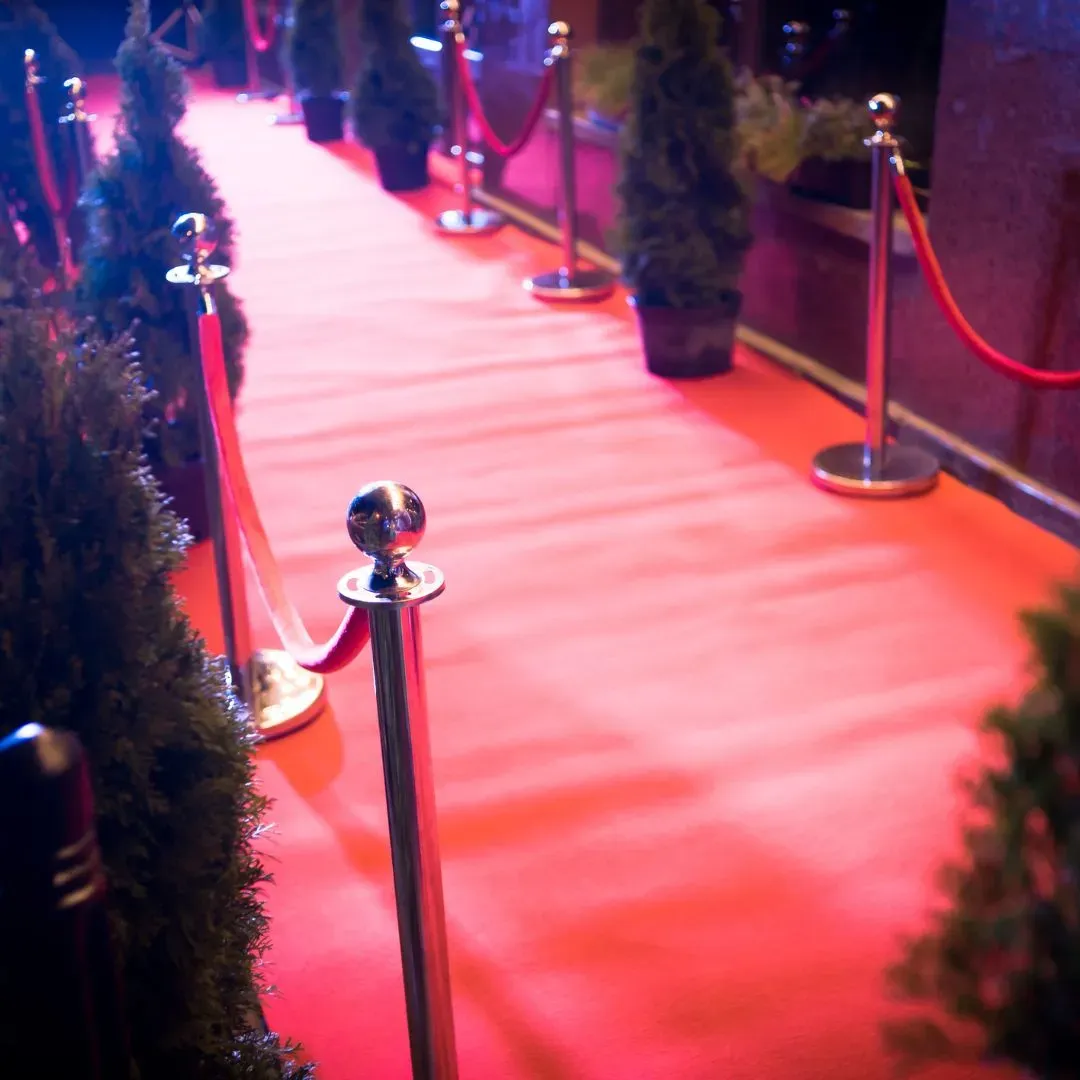
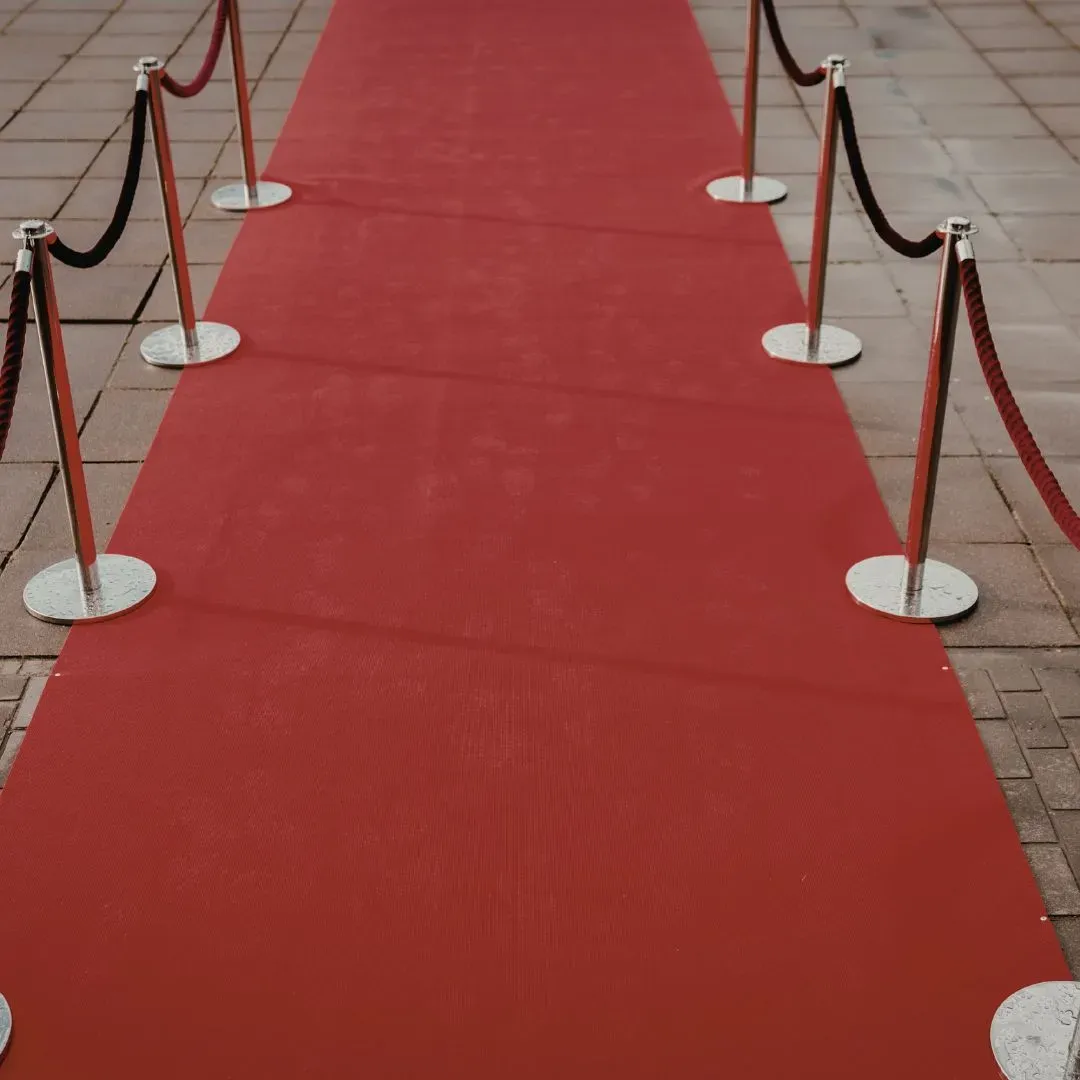
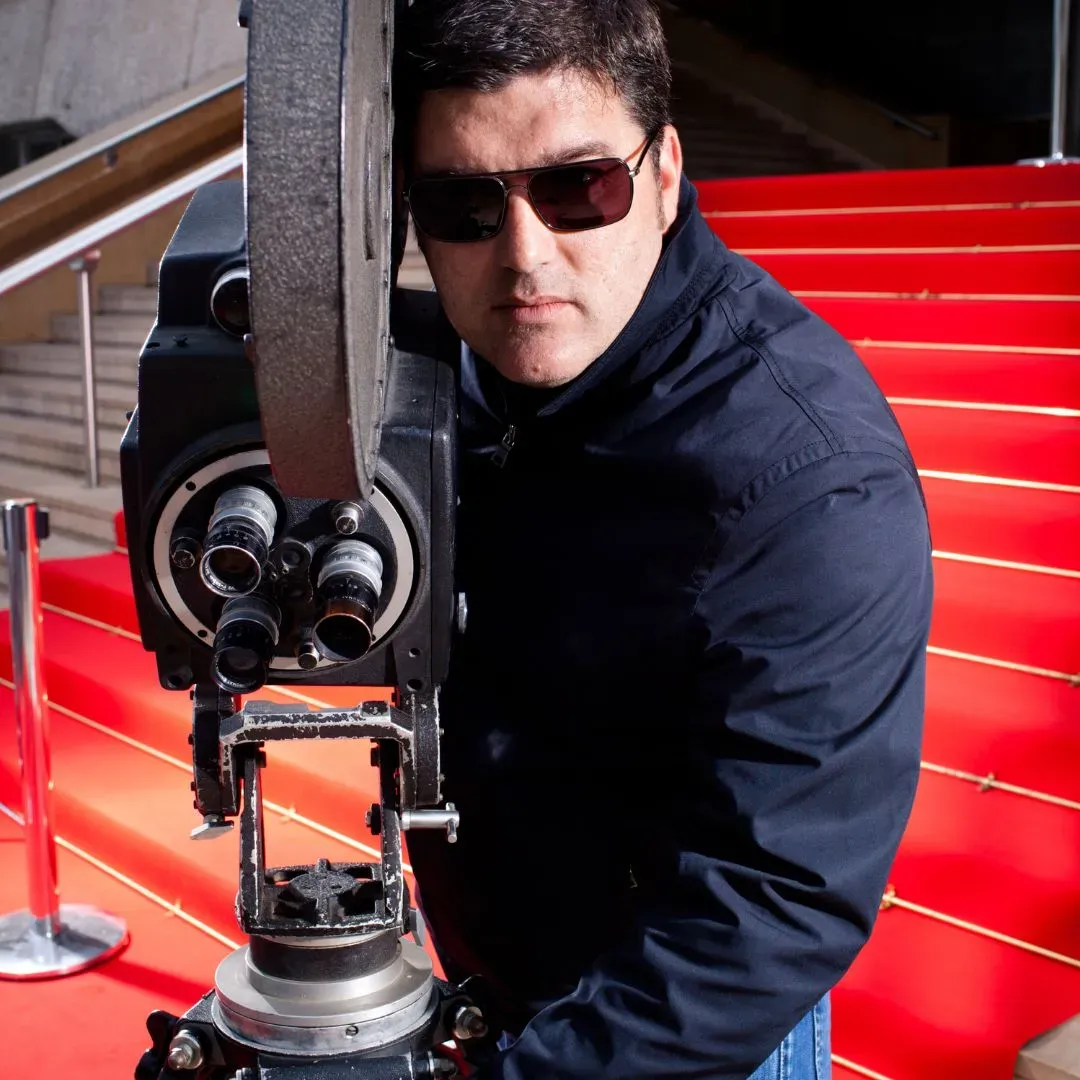
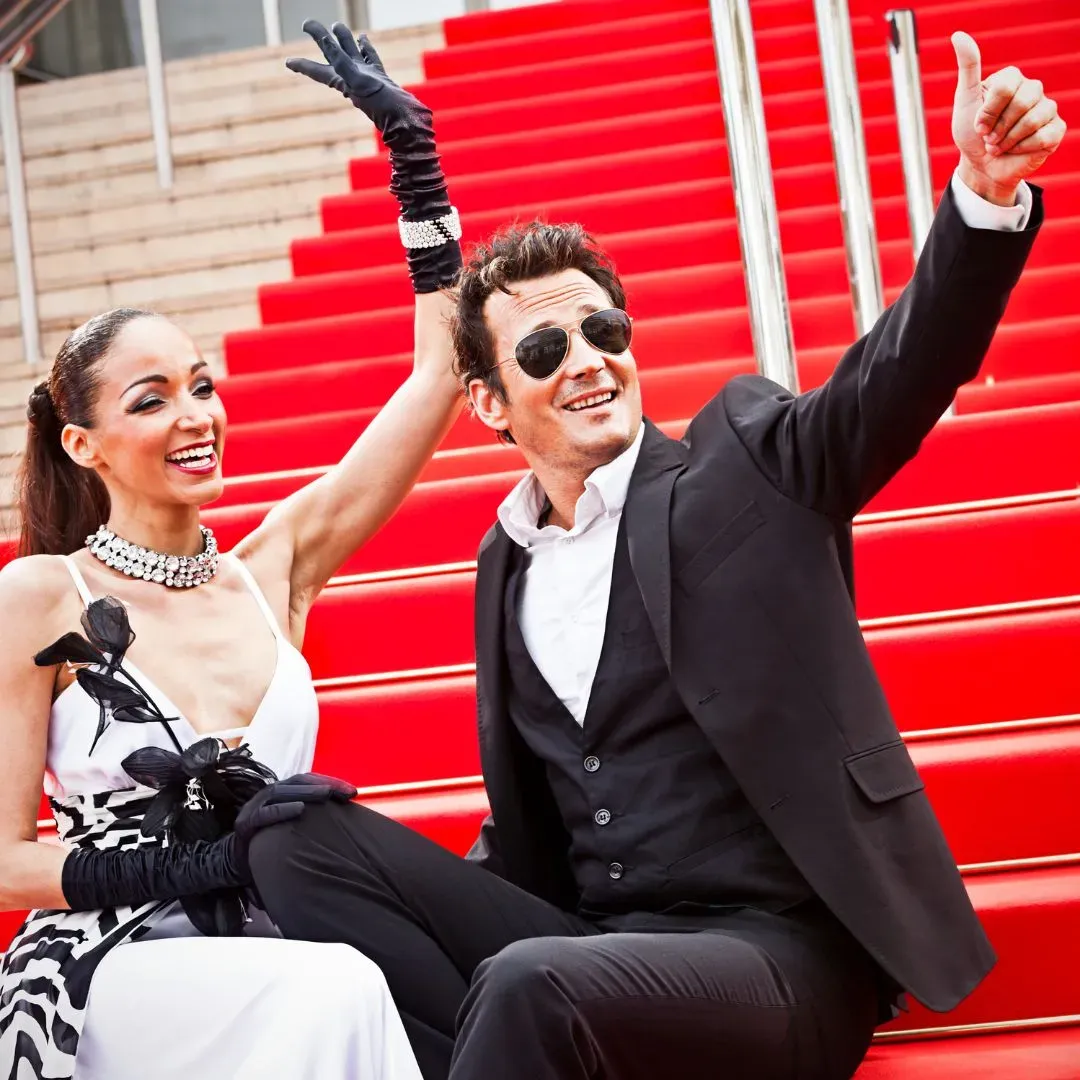
For visitors outside of festival season, the Palais is still very much worth a stop. The red carpet on the main steps is accessible year-round, and having your own red carpet moment is one of those slightly silly but genuinely enjoyable things to do in Cannes that almost no visitor can resist. Outside the building, look down at the pavement for the Chemin des Etoiles, the Path of Stars, where over 450 celebrity handprints are set in bronze alongside the names of film legends who have attended the festival over the decades. It is the Cannes equivalent of Hollywood's Walk of Fame, and spotting names you recognise makes for a surprisingly entertaining twenty minutes.
The Cannes Tourism Office is conveniently located at the base of the Palais, making it a practical first stop for maps, event listings, and local advice. Guided tours of the building itself are available at certain times of year and offer a rare look inside the auditoriums and spaces where cinematic history is regularly made.

3. Explore Le Suquet, the Enchanting Old Town
If La Croisette is the glamorous face that Cannes presents to the world, then Le Suquet is its soul. This ancient hilltop quarter rises steeply above the Old Port at the western edge of the city and represents a Cannes that existed long before the film festival, before the grand hotels, and before the designer boutiques. The Romans occupied this hill for five centuries, and the Ligurians were here before that. In the 12th century, Cistercian monks built a castle fortress at its summit, and the neighbourhood that grew up around it has retained much of its medieval character to this day.
The narrow, winding streets of Le Suquet are a genuine pleasure to explore on foot. Stone stairways connect different levels of the quarter, cats doze on sun-warmed doorsteps, and the sound of the city below fades into a pleasant background hum. Rue Saint-Antoine, once the domain of local fishermen, is now a pedestrianised street lined with bistros, restaurants, and small shops selling Provencal produce and souvenirs. The quality of the restaurants here is notably higher than in many other tourist areas of Cannes, with several excellent options for traditional Provencal cuisine alongside some genuinely creative modern French cooking.
At the very top of Le Suquet sits the Musee de la Castre, housed within the ancient castle fortress. The museum's collection ranges from 19th century landscape paintings to Tibetan ceremonial objects, Egyptian antiquities, and pre-Columbian artefacts, a pleasantly eclectic mix that reflects Cannes' long history as a meeting point for travellers from across the world. But the real reason to climb the 109 steps to the top is the view. From the castle terrace, the panorama over the Bay of Cannes, the Lerins Islands, and the red-roofed city below is simply breathtaking, and on clear days the mountains of the Esterel massif are visible to the west. Adjacent to the castle, the Gothic church of Notre-Dame d'Esperance, which took over a century to complete, is well worth a visit for its beautifully simple interior.
4. Visit the Vieux Port and Watch the Yachts
Just below Le Suquet and immediately west of the Palais des Festivals, the Vieux Port, or Old Port, is one of the most visually spectacular corners of Cannes. The marina is home to an extraordinary collection of watercraft, from modest sailing boats and working fishing vessels to the kind of superyachts that make real estate in Monaco look affordable. The contrast between the colourful fishing boats bobbing at one end and the gleaming hundred-metre motor yachts moored alongside them says a great deal about the range of life that coexists in this city.
Wandering along the quays is entirely free and thoroughly enjoyable. The atmosphere around the port is noticeably more relaxed than the Croisette, with locals mixing with tourists at the waterfront cafes and restaurants that line the edge of the harbour. The fishing boats still go out early each morning and return with the day's catch, which often ends up on the menus of the restaurants in Le Suquet by lunchtime. During the film festival, the Vieux Port becomes even more extraordinary as private superyachts multiply and the harbour takes on the atmosphere of a floating five-star village. But even outside festival season, it is one of the most atmospheric spots in the city and a favourite for photographers at golden hour.

5. Discover the Lerins Islands
If you need a complete escape from the pace and energy of Cannes, the Lerins Islands offer one of the most remarkable half-day excursions anywhere on the French Riviera. Lying just fifteen minutes by ferry from the Vieux Port, these two small islands are a world away from the city that shimmers on the mainland horizon.
Sainte-Marguerite is the larger of the two and is covered in fragrant pine and eucalyptus forests that are perfect for walking and picnicking. The island is also home to the Fort Royal, a 17th century fortress that contains one of the most intriguing stories in French history. It was here that the mysterious prisoner known as the Man in the Iron Mask was held, a figure whose true identity has fascinated historians for centuries and inspired Alexandre Dumas in his famous novel. The fort's museum covers both the island's military history and the legend of this enigmatic prisoner. The surrounding waters are crystal clear and exceptionally clean, making the beaches of Sainte-Marguerite among the finest swimming spots on the Riviera.
Saint-Honorat is the smaller island and arguably the more extraordinary of the two. It has been home to a Cistercian monastery since the 5th century, making it one of the oldest monastic sites in France. The monks of Saint-Honorat continue to live and work here today, cultivating vines and producing wine and liqueur that can be purchased from the monastery shop. The peaceful atmosphere of the island is genuinely moving, with the sound of waves, birdsong, and the occasional bell from the monastery chapel creating a sense of profound calm. Regular ferry services run to both islands from the Vieux Port throughout the day, making a combined visit to both straightforward.
6. Browse the Marche Forville
The Marche Forville is Cannes at its most authentically French. Located at the foot of Le Suquet, this covered market has been at the heart of the city's food culture for generations and remains one of the best morning markets on the entire Riviera. Open from around 7:30 in the morning until 1:30 in the afternoon, the market is at its most vibrant in the early hours when local producers arrive with the freshest seasonal produce.
The stalls overflow with everything that makes Provencal cuisine so celebrated: ripe tomatoes and courgettes still warm from the field, fat olives marinated in a dozen different ways, great wheels of local cheese, freshly cured charcuterie, aromatic herbs tied in bundles, and in season, the extraordinary melons from Cavaillon that seem to concentrate the flavour of a whole Provence summer into a single fruit. The fish section reflects the morning's catch from local boats, with glistening sea bass, dorade, rouget, and shellfish laid out on beds of crushed ice.
Even if you are not planning a picnic, a morning visit to the Forville market is one of the most genuinely pleasurable things to do in Cannes. The colours, aromas, and sociable atmosphere give a vivid sense of how locals actually live in this city, away from the international glamour of the Croisette. On Mondays, the market transforms into a flea market and antique fair, which is equally worth a browse for vintage finds and curiosities. Bring cash, arrive early, and plan to linger.
7. Shop on Rue d'Antibes
While La Croisette gets all the attention, serious shoppers in Cannes know that Rue d'Antibes is where the real action happens. Running roughly parallel to the Croisette a block or two inland, Rue d'Antibes is the city's main shopping street and one of the busiest retail thoroughfares on the Riviera. The range of shops here is considerably more democratic than on La Croisette, covering everything from international high-street brands such as Zara, Mango, and H&M to French fashion chains, independent boutiques, perfumeries, shoe shops, and homeware stores.
The street is pedestrianised for much of its length, making it a pleasant place to browse at a relaxed pace. There are numerous cafes and terraces tucked between the shop fronts where you can rest, people-watch, and refuel with a coffee and a pastry before continuing your retail exploration. The eastern end of Rue d'Antibes connects with the area around the train station, while the western end approaches the neighbourhood around Le Suquet and Forville market, making it easy to combine shopping with visits to other parts of the city. For gifts and souvenirs, there are also numerous shops selling Provencal goods including lavender products, local honey, olive oil, and traditional tablecloths in the bright printed fabrics so characteristic of the south of France.
8. Experience the Cannes Film Festival Atmosphere
The Festival de Cannes takes place each May and is without question one of the most spectacular cultural events in the world. The twelve-day festival attracts filmmakers, actors, producers, journalists, and film lovers from across the globe, and even if you are not an accredited member of the industry with access to screenings, being in Cannes during the festival is an extraordinary experience.
The energy of the city during festival fortnight is unlike anything it achieves at any other time of year. La Croisette becomes a catwalk, the harbour fills with additional superyachts, outdoor screenings take place on the beach, and the atmosphere of creative excitement and genuine cinephile passion is genuinely infectious. The Marche du Film, which runs alongside the festival itself, is the largest film industry marketplace in the world and draws tens of thousands of professionals. For non-industry visitors, watching the celebrity arrivals on the red carpet steps from behind the barriers is a genuine spectacle, and the city's restaurants, bars, and cafes take on a festive energy that extends well beyond the official events.
Outside festival season, the influence of cinema on Cannes' character remains pervasive. There are year-round film screenings at venues across the city, and the legacy of the festival is visible in the bronze handprints outside the Palais, the film-related artworks scattered around the city, and the general sense that this is a place where culture and creativity are taken seriously alongside the glamour.
9. Relax on the Beaches of Cannes
One of Cannes' genuine advantages over many of its French Riviera neighbours is its beaches. While Nice and many other Riviera towns are fronted by uncomfortable pebble beaches, Cannes has genuine sandy beaches that make swimming, sunbathing, and simply sitting by the sea a much more straightforward pleasure.
The beaches along La Croisette are divided between private beach clubs and free public sections. The private clubs, operated by the grand hotels and independent operators, offer sunbeds, parasols, changing facilities, beach bars, and restaurant service for a daily fee that can range from modest to quite considerable depending on the establishment. The atmosphere at the private clubs varies from the serenely exclusive to the lively and sociable. The free public sections between the private clubs are accessible to everyone and offer the same beautiful water and Mediterranean sunshine at no cost at all, though you will need to bring your own towel and supplies.
Beyond La Croisette, the Plages du Midi and Plages de la Bocca stretch west of the city centre and tend to be considerably quieter and more locally used than the celebrity-adjacent sands of the Croisette. These beaches are popular with Cannes families and regular visitors who prefer a more relaxed atmosphere. The water along all of Cannes' beaches is generally very clean, and the views across the bay to the Lerins Islands add an extra dimension of beauty to any beach day.
10. Experience Cannes Nightlife
When the sun goes down over the Bay of Cannes, the city shifts into a different gear entirely. Cannes has a nightlife scene that is among the most varied and vibrant on the Riviera, catering to everyone from those who prefer a quiet drink at a harbour-side terrace to those seeking the most exclusive nightclubs in southern France.
The area around Rue Hoche, a pleasant pedestrianised street near Rue d'Antibes, is one of the best spots for the traditional French custom of the apero, the pre-dinner drink accompanied by small plates that serves as a social anchor for evenings in France. The cafes and wine bars here fill up with locals and visitors alike from around six in the evening, creating a convivial atmosphere that captures the easy sociability of Provencal life at its best.
For those seeking something more energetic, Cannes has several legendary nightclubs including Gotha Club and 7 Casino Barriere, both of which have hosted some of the most spectacular parties on the Riviera during and outside festival season. The Casino Barriere Croisette occupies a prime position on La Croisette and offers both gaming and entertainment in an atmosphere of restrained luxury. During the film festival, the entire city's nightlife shifts up several notches, with private parties on superyachts, invitation-only events at the grand hotels, and a general sense that anything might happen at any moment.
11. Visit the Musee de la Castre
For those interested in art, history, and culture beyond the world of cinema, the Musee de la Castre in the old castle at the top of Le Suquet offers a genuinely rewarding visit. The museum's permanent collection covers an impressively wide range of cultures and periods, from ancient Egyptian artefacts to Himalayan ceremonial objects, Pacific Island carvings, pre-Columbian Mexican pieces, and a strong collection of 19th century landscape paintings depicting the landscapes and people of the Mediterranean and Near East.
The museum building itself, the medieval Tour du Suquet and the adjacent chapel of Sainte-Anne, is as much of an attraction as the collection it houses. The tower offers excellent views over Cannes and the bay, and the chapel provides a beautifully intimate space for displaying some of the museum's most delicate pieces. Entry to the Musee de la Castre is very reasonably priced, and the combination of an interesting collection, beautiful architecture, and superb views makes it one of the most rewarding cultural stops in the city. The museum is typically closed on Mondays.
12. Take a Day Trip to the Surrounding Region
Cannes' position on the French Riviera makes it an excellent base for exploring one of the most varied and beautiful regions in Europe. The excellent rail connections and reasonable driving distances mean that several outstanding destinations are easily accessible on day trips.
Nice, about 30 kilometres to the east, is reachable by train in around 30 minutes and offers its own outstanding old town, world-class museums including the Matisse Museum and the Chagall Museum, and the famous Promenade des Anglais. Monaco, another 20 kilometres beyond Nice, is reachable in under an hour and rewards a day's exploration with its extraordinary casino, the Oceanographic Museum, the Prince's Palace, and the sheer spectacle of one of the world's most concentrated expressions of wealth in a tiny space.
Antibes, just ten minutes east of Cannes by train, has one of the best-preserved medieval old towns on the Riviera and the outstanding Picasso Museum, housed in the castle where the artist worked during the summer of 1946. Inland, the fragrant hill villages of Grasse, Mougins, and Valbonne offer a very different perspective on Provencal life, with Grasse being the world capital of perfume production and home to several fascinating museum-perfumeries where you can learn about and even create your own fragrance. The dramatic red rock formations of the Esterel massif, stretching west of Cannes along the coast, offer outstanding hiking, coastal walks, and some of the most photographed scenery on the entire Mediterranean.
If you are travelling across multiple European countries, a Europe eSIM ensures you stay connected whether you are in Cannes, Monaco, or crossing the border into Italy without changing SIM cards or incurring roaming fees.
13. Discover the Art and Culture Scene
Beyond the film festival and the Musee de la Castre, Cannes has a year-round cultural life that is often overlooked by visitors focused on its more celebrated attractions. The city hosts the MIDEM music industry conference, the Canneseries international television drama festival, the Festival des Pyrotechniques summer fireworks competition, and numerous art exhibitions, concerts, and theatrical performances throughout the year.
The Villa Domergue, a stunning Art Deco mansion set in a garden overlooking the city, was the home and studio of the painter Jean-Gabriel Domergue, who was deeply connected to the Cannes festival scene of the mid-20th century. The villa opens to the public during the summer months and offers a fascinating glimpse into the artistic life of the Riviera during its golden age. The Espace Miramar is a cinema and cultural centre that hosts film screenings, exhibitions, and events throughout the year, maintaining Cannes' connection to moving image culture between the big festival dates.
14. Eat and Drink Your Way Through Cannes
The food scene in Cannes is outstanding and covers an exceptionally wide range of styles and budgets. At the top end, several restaurants in and around the city hold Michelin recognition and serve cuisine that showcases the extraordinary produce of Provence and the Mediterranean alongside creative French culinary traditions. The area around Le Suquet has a particularly strong concentration of good restaurants, from simple Provencal bistros serving daube, socca, and pissaladiere to more ambitious establishments pushing the boundaries of what is possible with the region's exceptional ingredients.
For something more casual and deeply local, the Forville market area and the streets around Rue Hoche offer excellent options for a relaxed lunch or early dinner. Fresh seafood is naturally a highlight along the entire coast, and in Cannes you will find it prepared in every style from simply grilled with lemon and olive oil to elaborate bouillabaisse and refined seafood tasting menus. The Italian influence is also noticeable throughout Cannes' food culture, given the proximity to the border, and excellent pizza and pasta are available throughout the city alongside traditional French options.
Cannes is also excellent territory for wine, with the vineyards of Provence producing some of the world's most sought-after rose wines just a short distance inland. A glass of local Cotes de Provence rose, served well chilled at a terrace overlooking the sea, is one of the defining pleasures of a visit to the French Riviera and should not be missed.

15. Walk the Allees de la Liberte
Just inland from the Vieux Port, the Allees de la Liberte is a wide, tree-shaded boulevard that serves as one of Cannes' main public gathering spaces. On weekend mornings, a popular flower market takes over the square, filling the air with the fragrance of fresh blooms and giving the area a wonderfully Mediterranean atmosphere. The allees also hosts occasional book markets, craft fairs, and local events throughout the year, and the shaded benches and fountain make it a pleasant spot to rest during a day of sightseeing.
The area around the Allees de la Liberte connects naturally to the Vieux Port on one side and the old town on the other, making it a useful landmark for orienting yourself within the city. The Tourist Office of Cannes is a short walk away, and the area has a good selection of cafes and brasseries at which to stop for a coffee, a croque-monsieur, or a glass of something cold.

Practical Travel Tips for Cannes
Getting to Cannes: The nearest major airport is Nice Cote d'Azur Airport, approximately 30 kilometres east of Cannes. Frequent trains connect Nice Airport to Cannes in around 30 to 40 minutes. Direct TGV high-speed trains also run to Cannes from Paris, Lyon, and Marseille.
Getting around: Central Cannes is compact and very walkable. The main attractions along La Croisette, around Le Suquet, and at the Vieux Port are all within comfortable walking distance of each other. Local buses serve the wider city and surrounding communes, and taxis and ride-sharing apps are readily available.
Best time to visit: Cannes is a genuine year-round destination. May brings the extraordinary atmosphere of the film festival, July and August are peak summer season with the best beach weather, and the shoulder months of April, June, September, and October offer warm temperatures, thinner crowds, and generally better value. Even winter in Cannes is considerably milder than most of northern Europe, and the city maintains a pleasant cultural calendar throughout the cooler months.
Staying connected: France has excellent mobile coverage, including 4G and 5G across Cannes and the surrounding Riviera. Rather than paying expensive international roaming fees, picking up a France eSIM before your trip is the simplest and most cost-effective way to ensure you have reliable data access throughout your stay, whether you are navigating to the Lerins Islands ferry, booking a restaurant table in Le Suquet, or sharing your red carpet moment with the world.
Language: French is the language of Cannes, and even a few words of French will be warmly appreciated by locals. English is reasonably widely spoken in tourist-facing businesses along La Croisette and around the main attractions, though less so in local neighbourhood restaurants and shops.
Currency: France uses the euro. Credit and debit cards are accepted almost everywhere in Cannes, though some market stalls and smaller local businesses prefer cash.
FAQs
What is Cannes best known for?
Cannes is best known globally for the Festival de Cannes, the prestigious international film festival held every May that attracts some of the biggest names in world cinema. However, the city is equally celebrated for its glamorous Boulevard de la Croisette, luxury hotels, designer boutiques, and beautiful sandy beaches along the French Riviera. Beyond the film festival, Cannes is a vibrant year-round destination with a rich history, outstanding food scene, and remarkable natural surroundings including the Lerins Islands just offshore.
Is Cannes worth visiting outside of the film festival?
Absolutely. Cannes is a genuinely rewarding destination throughout the entire year. Outside of festival season, the city is noticeably calmer and often better value, while retaining all of its natural beauty, cultural attractions, and excellent restaurants. The beaches are at their best from June through September, the Lerins Islands are peaceful and accessible year-round, the old town of Le Suquet is always worth exploring, and the Forville market continues its daily rhythm regardless of the season. Many regular visitors actually prefer Cannes outside of festival season precisely because the city can be enjoyed at a more relaxed pace.
How many days do you need in Cannes?
Two to three days is generally enough to see the main highlights of Cannes comfortably, including La Croisette, Le Suquet, the Vieux Port, the Palais des Festivals, the Forville market, and at least one of the Lerins Islands. If you want to explore the surrounding region with day trips to Nice, Monaco, Antibes, or the Provence countryside, then four to five days gives you a much more comprehensive experience of the area without feeling rushed at any point.
What are the must-see attractions in Cannes?
The must-see attractions in Cannes include the Boulevard de la Croisette for its unmatched combination of glamour, shopping, and beachfront beauty; Le Suquet old town for its medieval history and panoramic views; the Palais des Festivals and its red carpet for the iconic film festival experience; the Vieux Port for its extraordinary collection of yachts and fishing boats; the Lerins Islands for their natural beauty and historical interest; and the Forville market for an authentic taste of local Provencal life. The Musee de la Castre at the top of Le Suquet is also highly recommended for its eclectic collection and outstanding views.
Are the beaches in Cannes free?
Yes, there are free public beaches in Cannes, including sections along La Croisette interspersed between the private beach clubs. The Plages du Midi and Plages de la Bocca stretching west of the city centre are largely free public beaches that are popular with locals and offer a more relaxed, less touristy atmosphere than the Croisette. The private beach clubs charge for sunbed and parasol rental, and the fees vary considerably between the more exclusive establishments and the more modest ones. The quality of the water and Mediterranean sunshine is identical regardless of whether you use a private or public section of beach.
How do I get to the Lerins Islands from Cannes?
Ferries to the Lerins Islands depart regularly from the Vieux Port, or Old Port, in Cannes throughout the day. The crossing to Sainte-Marguerite takes approximately fifteen minutes, and to Saint-Honorat around twenty minutes. Several ferry companies operate the route, and tickets can be purchased at the quayside or in advance online. It is generally recommended to arrive at the ferry dock a little early during the summer months when demand is highest. Both islands can be visited on the same day, and a combined visit to both makes for a wonderfully varied and rewarding day trip from the mainland.
What is there to do in Cannes for free?
There is a surprising amount to do in Cannes without spending anything. Walking the full length of La Croisette is free, as is posing on the red carpet at the Palais des Festivals and searching for celebrity handprints on the Chemin des Etoiles outside. Exploring the narrow streets of Le Suquet costs nothing, and the views from the top of the quarter are available to all. The free public beaches along the Croisette and further west at Midi and Bocca are accessible without charge. Browsing the Forville market, strolling through the Allees de la Liberte, and watching the yachts from the quays of the Vieux Port are all completely free pleasures that capture much of what makes Cannes so special.
What is Le Suquet in Cannes?
Le Suquet is the historic old quarter of Cannes, rising steeply above the Vieux Port on a hill at the western edge of the city. It is the oldest part of Cannes and has a history stretching back to Roman times and beyond. The quarter is characterised by narrow medieval streets, stone stairways, and traditional architecture that provides a marked contrast to the modern glamour of La Croisette below. At the top of Le Suquet sits the ancient castle that now houses the Musee de la Castre, and the adjacent church of Notre-Dame d'Esperance. The neighbourhood is also home to some of the best restaurants in Cannes, and the Forville market occupies the area at its base.
When is the Cannes Film Festival?
The Cannes Film Festival, officially known as the Festival de Cannes, takes place annually in May over approximately twelve days. The exact dates vary slightly from year to year but generally fall in the second and third weeks of May. The festival was founded in 1946 and has grown into the most prestigious film festival in the world, with the Palme d'Or awarded to the best feature film selected by an international jury. While much of the festival is restricted to accredited industry professionals, the general public can enjoy the extraordinary atmosphere of the city during this period and watch celebrity arrivals on the red carpet from designated public viewing areas.
Is Cannes expensive to visit?
Cannes has a reputation as one of the more expensive destinations on the French Riviera, and while this is partly justified, particularly when it comes to the grand hotels on La Croisette and the private beach clubs, the city is by no means exclusively a destination for the wealthy. There are free beaches, affordable cafes and brasseries away from the Croisette, excellent value dining in Le Suquet, and a wide range of accommodation options to suit different budgets. Shopping on Rue d'Antibes is considerably more accessible than on La Croisette. Day trips to Nice and Antibes by train are also very affordable. With a little planning, Cannes can be enjoyed thoroughly without spending an extravagant amount.
What is the best area to stay in Cannes?
The best area to stay in Cannes depends on your priorities and budget. For the full glamour experience and the most convenient access to La Croisette and the beach clubs, staying along or close to the Croisette itself puts you at the centre of everything, though at considerably higher cost. For a more authentic and characterful experience, staying in or around Le Suquet gives you immediate access to the best restaurants and the old town atmosphere. The area around Rue d'Antibes and the train station offers a good compromise between convenience, value, and access to the city's main attractions without the premium of a beachfront location.
Can you do a day trip to Cannes from Nice?
Yes, Cannes makes an excellent day trip from Nice. The train journey between the two cities takes approximately 30 to 40 minutes, and trains run frequently throughout the day in both directions. This makes it very easy to spend a full day in Cannes, visiting La Croisette, Le Suquet, the Vieux Port, and perhaps the Forville market, before returning to Nice in the early evening. Equally, Cannes makes a good base from which to take a day trip to Nice, as the journey time and frequency of service are identical regardless of which direction you travel.
What should I eat in Cannes?
Cannes and the surrounding Provence region offer some of the most distinctive and delicious food in France. Socca, a thin chickpea flour pancake cooked in a wood-fired oven, is a classic Riviera street food that you can find at the Forville market and at several traditional restaurants in Le Suquet. Pissaladiere, a Provencal flatbread topped with caramelised onions, olives, and anchovies, is another regional speciality worth seeking out. Fresh seafood is outstanding throughout the city, and bouillabaisse, the traditional Provencal fish stew, is a must for serious food lovers. The melons, tomatoes, and stone fruits from the Provence countryside that appear in the Forville market during summer are in a class of their own, and the local rose wines from the Cotes de Provence vineyards are the perfect accompaniment to any meal eaten in the sunshine.
Final Thoughts
Cannes is a city that rewards visitors who take the time to look beyond its most famous postcard. Yes, the Croisette is as glamorous as advertised. Yes, standing on the red carpet steps of the Palais des Festivals gives you a genuine thrill. But the city's real magic lies in the quieter discoveries: a perfect rose wine on a Le Suquet terrace as the sun sets over the bay, the silence of a pine forest on Sainte-Marguerite island, the extraordinary produce piled high at the Forville market on a Tuesday morning, the sound of the monastery bell drifting across the water from Saint-Honorat.
Cannes is a city that has been delighting travellers for well over a century, and it shows no signs of losing its ability to surprise and enchant. Pack your lightest clothes, make sure your phone is connected with a reliable France eSIM before you depart, and go and discover it for yourself.
- Blog
- things to do in Cannes
- Cannes Film Festival 2026 dates
- French Riviera travel May
- Cannes red carpet tips
About the author
Travel & eSIM writer, MobiMatter
Writes MobiMatter's eSIM and destination guides since 2024, for travellers who want data from the moment they land. Before that, SEO consulting and nearly ten years in analytics at IBM.