Top 10 Things Every Traveler Must Know Before Visiting Puebla In 2026
By Abhishek Aggarwal (Travel & eSIM writer, MobiMatter)
· · 12 min read
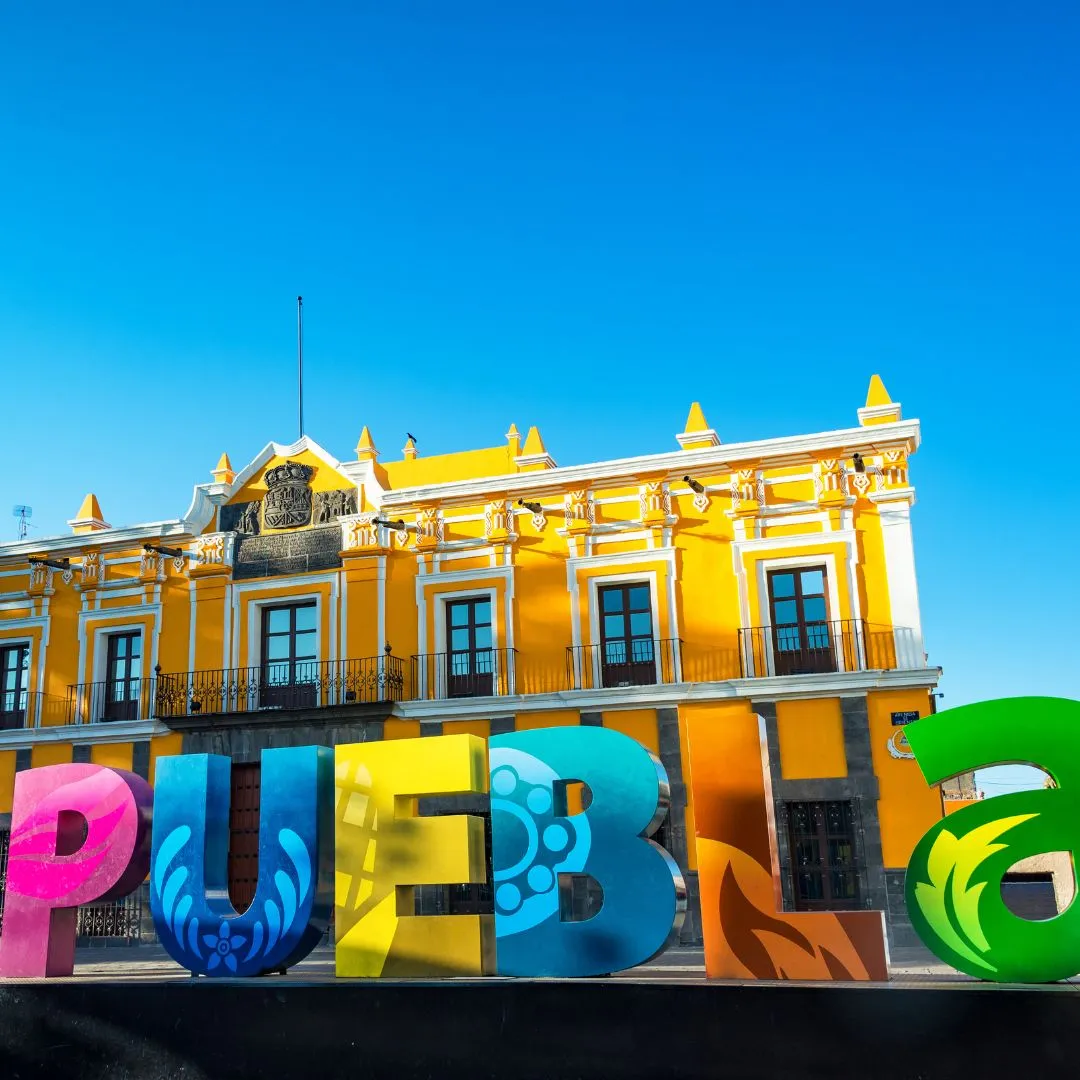
Puebla is one of Mexico's most rewarding cities for travelers who take the time to understand it before arriving. From the world-famous Cinco de Mayo celebrations rooted in this city's own history to the complex layered food culture that gave the world mole and chile en nogada, Puebla rewards preparation. This Puebla 2026 travel guide covers the ten most important things to know before your visit so you spend your time experiencing the city rather than figuring it out on arrival.
There is a specific kind of traveler who discovers Puebla and immediately starts planning a return trip before the first visit is even finished. It happens regularly, and it is not hard to understand why. Puebla sits about two hours southeast of Mexico City by road and exists in a kind of parallel universe where colonial architecture covers almost every surface, the food scene is genuinely among the best in the entire country, and the local pride in both history and culture is palpable from the moment you step into the historic center. It is a UNESCO World Heritage city with over 2,600 historic buildings in its center alone, a student population that keeps the energy young and creative, and a calendar of cultural events that peaks in spectacular fashion every May with the anniversary celebrations of the Battle of Puebla. Whether you are coming for the history, the food, the festivals, or simply because you have heard enough people rave about it that curiosity finally won, here are the ten things that will make your visit significantly better.
1. Puebla is Not a Day Trip and Should not be Treated Like One
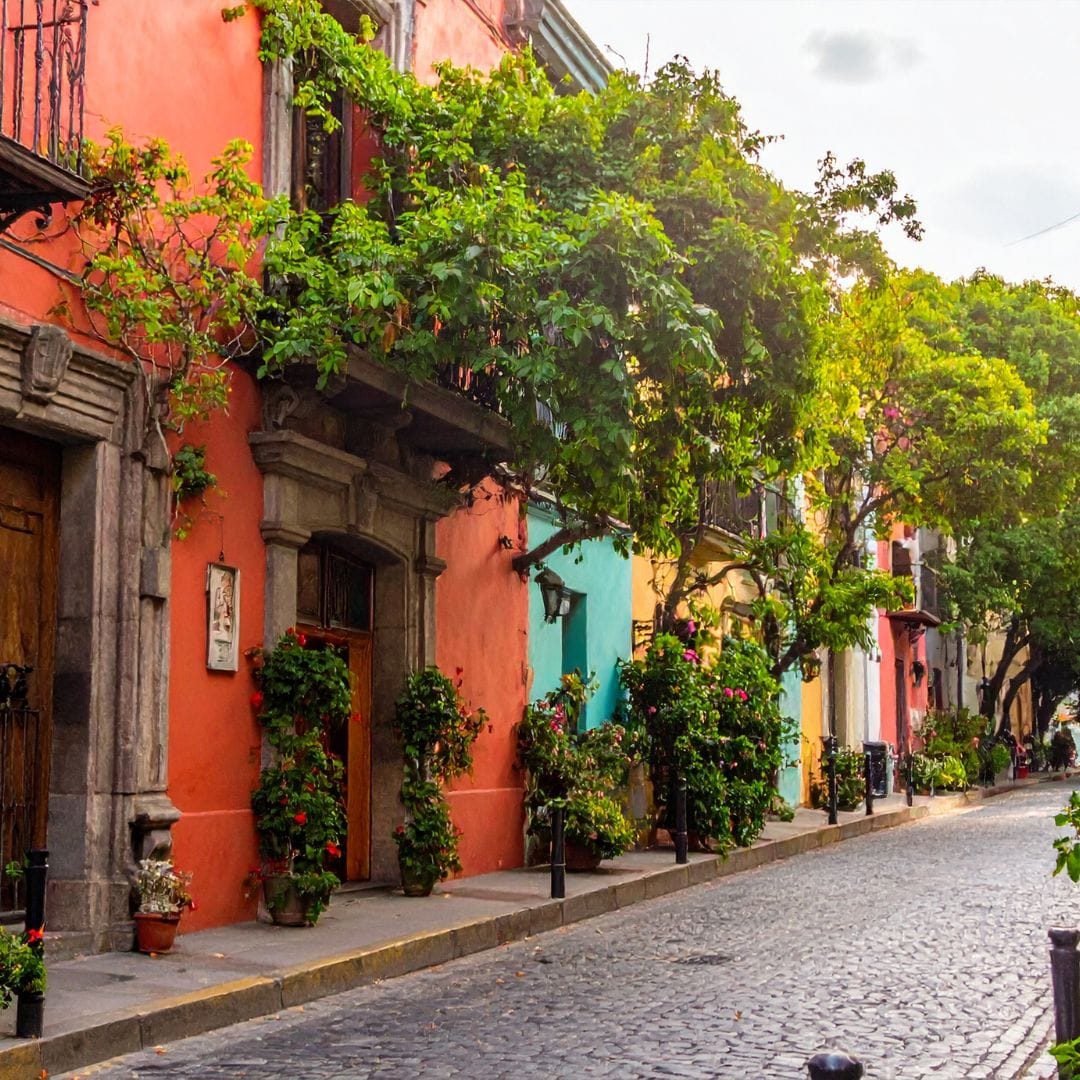
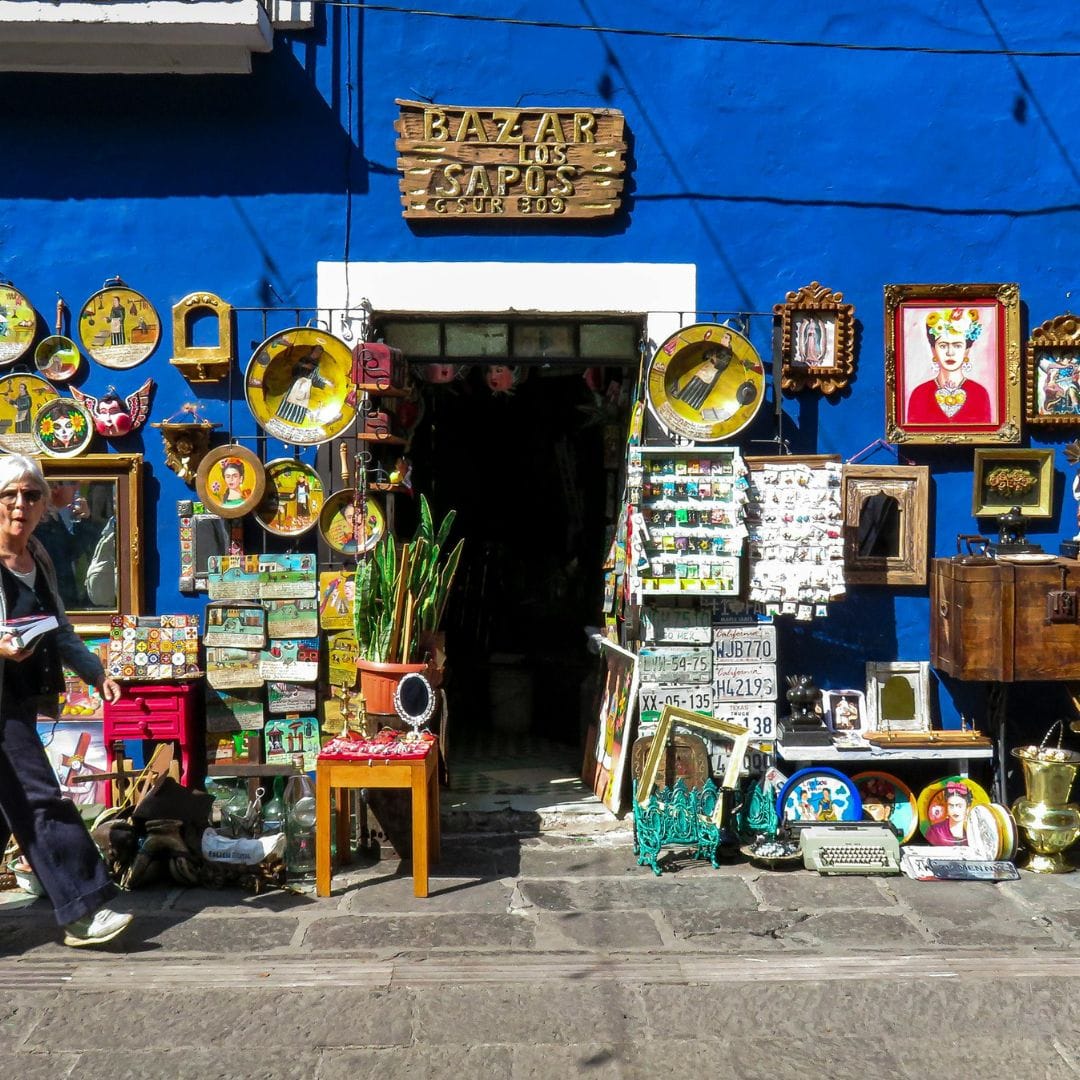
The single most common mistake travelers make with Puebla 2026 is treating it as a day trip from Mexico City. Yes, the journey takes roughly two hours by direct bus from TAPO terminal, and yes, many tourists do exactly this. What they miss by doing so is considerable. The historic center is dense with detail that rewards slow walking. The food culture is layered enough that a single meal barely scratches the surface. The neighborhoods surrounding the center including Barrio del Artista, Analco, and the trendy streets around Plazuela de los Sapos each have their own character that only reveals itself with time.
Plan a minimum of three nights in Puebla 2026. Four to five nights is better if your itinerary allows it. The city has a strong boutique hotel scene concentrated in beautifully restored colonial buildings in and around the historic center, and accommodation is generally more affordable than Mexico City equivalents at similar quality levels. Give the city the time it deserves and it will give you back an experience that a day trip visitor never gets access to.
2. The Food Scene is the Real Reason Many Travelers Come Back
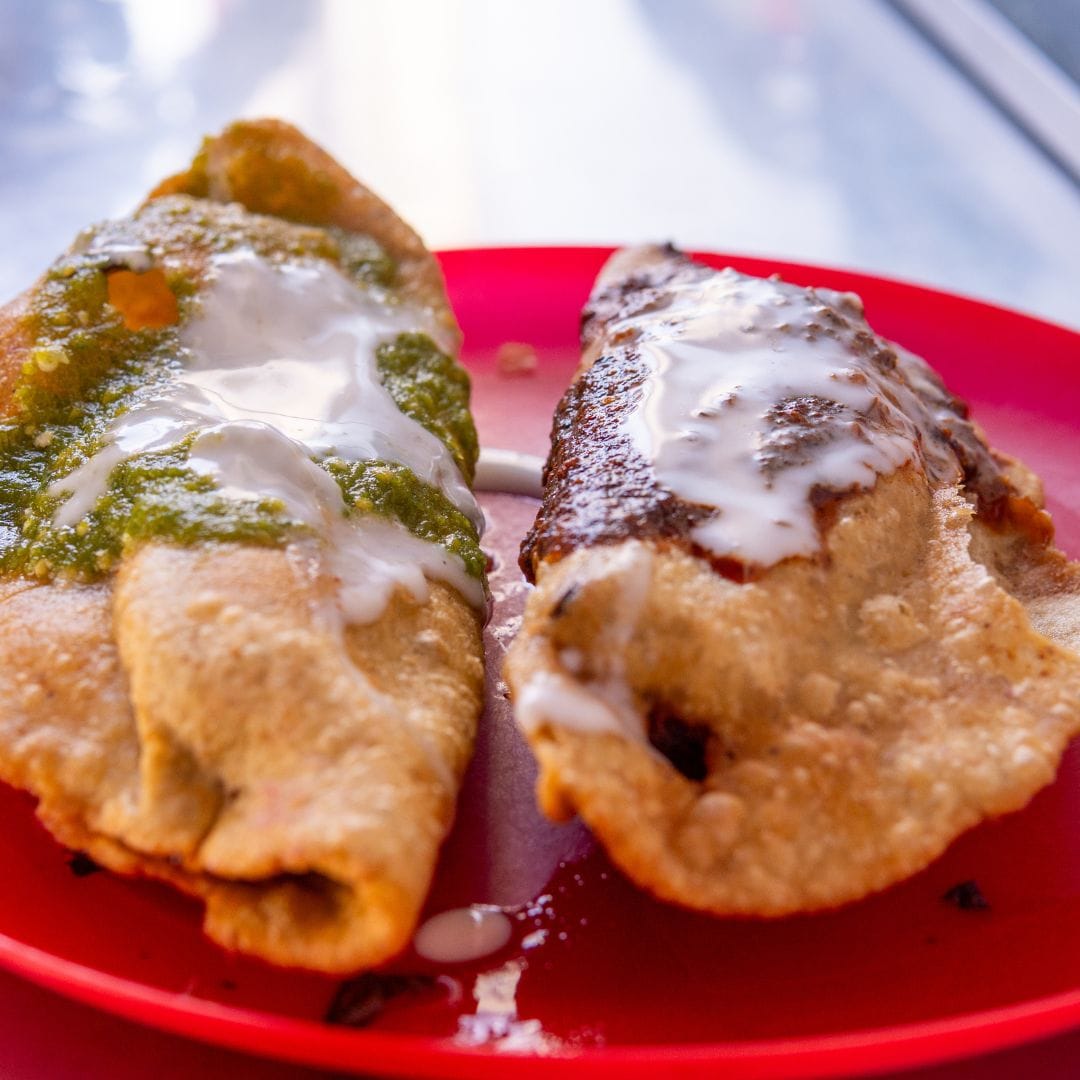
Puebla is arguably the most important city in Mexico when it comes to food history. Mole poblano, one of the most complex sauces in world cooking, was born here. So was chile en nogada, the iconic seasonal dish of poblano peppers filled with picadillo and covered in walnut cream sauce and pomegranate seeds that appears on menus across Mexico every August and September in tribute to its Poblano origins. Cemitas, chalupas, and tinga all have deep roots in this city's culinary tradition.
What makes the Puebla food scene particularly special in 2026 is the coexistence of deeply traditional market cooking and a genuinely creative modern restaurant scene that uses local ingredients in contemporary ways. The Mercado El Alto and Mercado de Sabores Poblanos are essential visits for anyone who wants to eat the way locals actually eat. The streets around the historic center and the emerging restaurant cluster in Barrio de Analco offer more refined dining experiences that are earning international recognition without abandoning the regional identity that makes Puebla cooking distinctive in the first place.
Eat widely, eat often, and do not make the mistake of filling up on something familiar because the queue at a local cemita stand looked intimidating. The queue is the endorsement.
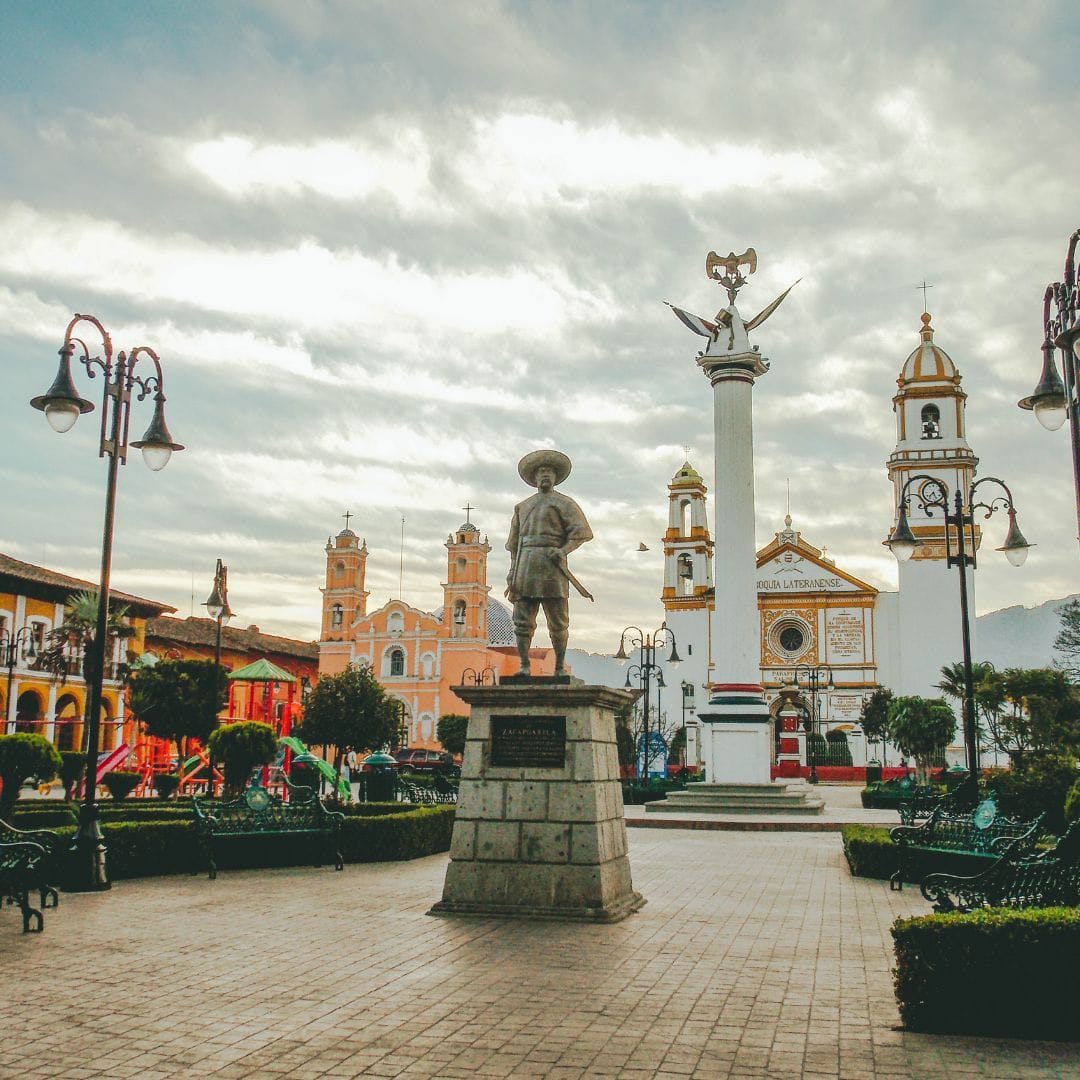
3. Cinco De Mayo 2026 in Puebla is Nothing Like What You See Abroad
This is perhaps the most important cultural clarification in any Puebla travel guide. Outside of Mexico, Cinco de Mayo has evolved into a broadly celebrated occasion that is more associated with margaritas and general festivity than with any specific historical event. In Puebla, it means something completely different and considerably more profound.
The fifth of May commemorates the Battle of Puebla in 1862, when a Mexican army significantly outnumbered by French Imperial forces achieved a victory against the odds that has become a symbol of national resistance and determination. The celebration in Puebla is the most authentic and most significant in the entire country because this is where the battle was fought. Cinco de Mayo 2026 Puebla will see the city transform into a genuinely extraordinary spectacle of military parades, traditional music and dance, street performances, and community gatherings that draw visitors from across Mexico and internationally. If your Mexico travel May itinerary can be arranged to include Puebla in the first week of May, this is an experience that sits in an entirely different category from any festival tourism you may have done elsewhere.
Book accommodation three to four months in advance for early May visits. The city fills up significantly and the best options in the historic center disappear quickly once the event calendar is confirmed.
4. The Battle of Puebla Reenactment is the Centerpiece of the Celebrations
The Battle of Puebla reenactment held at Fuertes de Loreto y Guadalupe is the event that anchors the entire Cinco de Mayo celebration and it is spectacular in a way that is difficult to fully communicate in writing. The forts where the original battle was fought sit on a hill north of the historic center and provide both the setting and the symbolism for a reenactment that involves hundreds of participants in period-accurate military costumes, theatrical cannon fire, cavalry movements, and dramatic staging that brings one of Mexico's most celebrated military moments back to life in front of tens of thousands of spectators.
The Battle of Puebla reenactment in 2026 is expected to be particularly well attended given the growing international awareness of the event's authentic significance compared to the diluted versions celebrated in other countries. Arriving early is essential. The hillside fills quickly, sightlines from later positions are compromised, and the atmosphere in the crowd in the hour before the reenactment begins is itself worth experiencing. Bring water, wear sunblock, and dress in layers because the morning starts cool at altitude and heats up considerably by midday.
5. The Historic Center Requires Comfortable Shoes and Several Days
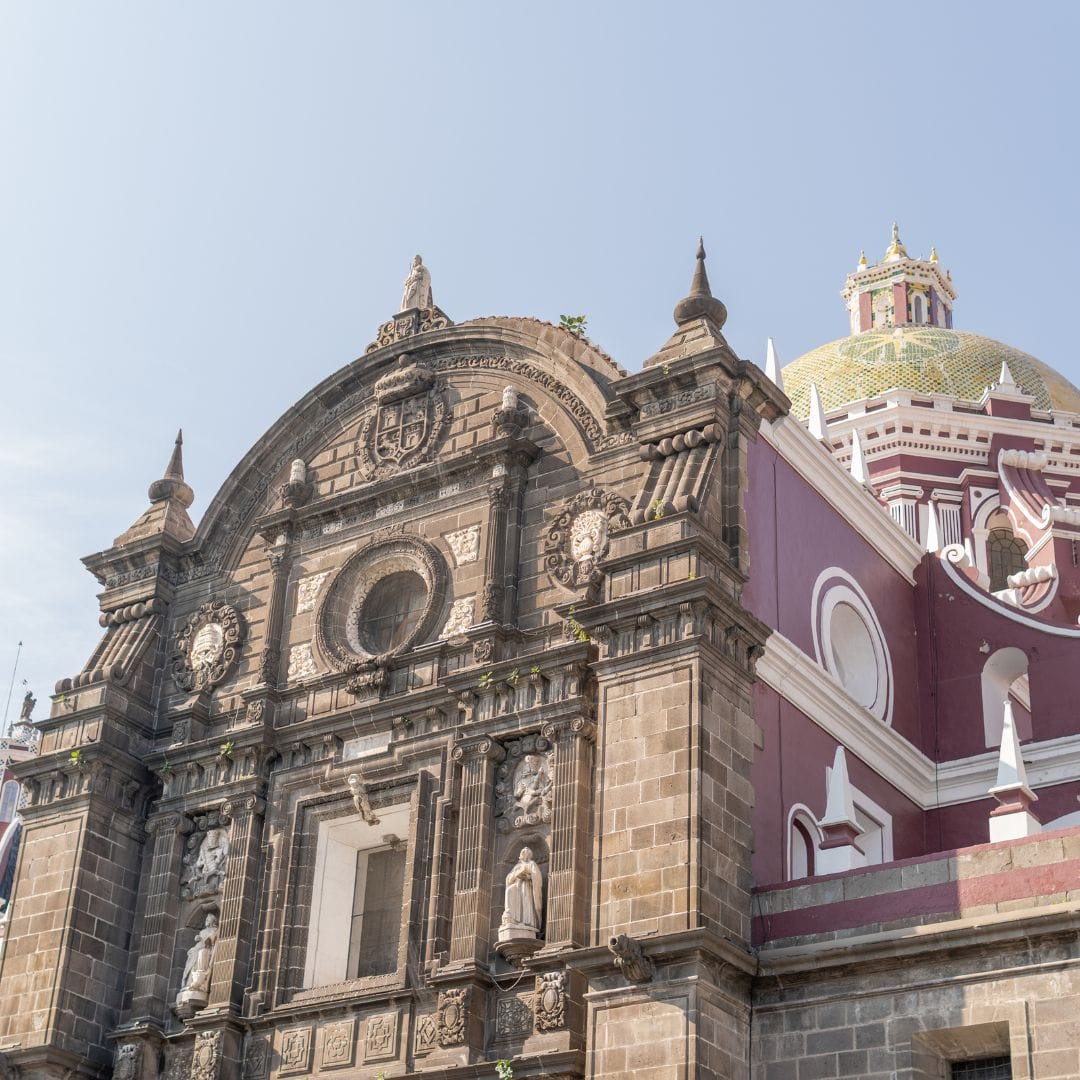
Puebla's historic center is officially designated as a UNESCO World Heritage Site and the density of significant architecture within it is genuinely remarkable. The Catedral de Puebla dominates the main Zocalo and is among the most impressive colonial cathedrals in all of Mexico. The Biblioteca Palafoxiana inside the Casa de Cultura is one of the oldest libraries in the Americas and houses thousands of volumes in a room that looks like it was designed by someone who understood exactly how beautiful a room full of old books could be.
The Capilla del Rosario inside the Templo de Santo Domingo is widely considered one of the greatest examples of Mexican Baroque decoration in existence, with every surface of the interior covered in gold leaf, carved stone, and painted tile in a display of artistic ambition that takes most visitors genuinely by surprise the first time they walk inside. Beyond the major landmarks, the streets themselves reward unhurried walking. The talavera tile facades, the carved stone doorways, the painted courtyard walls visible through open gates as you pass by on foot, all of these details accumulate into a richly textured experience that no amount of reading about them quite prepares you for.
6. Cholula is Twenty Minutes Away and Absolutely Worth Including
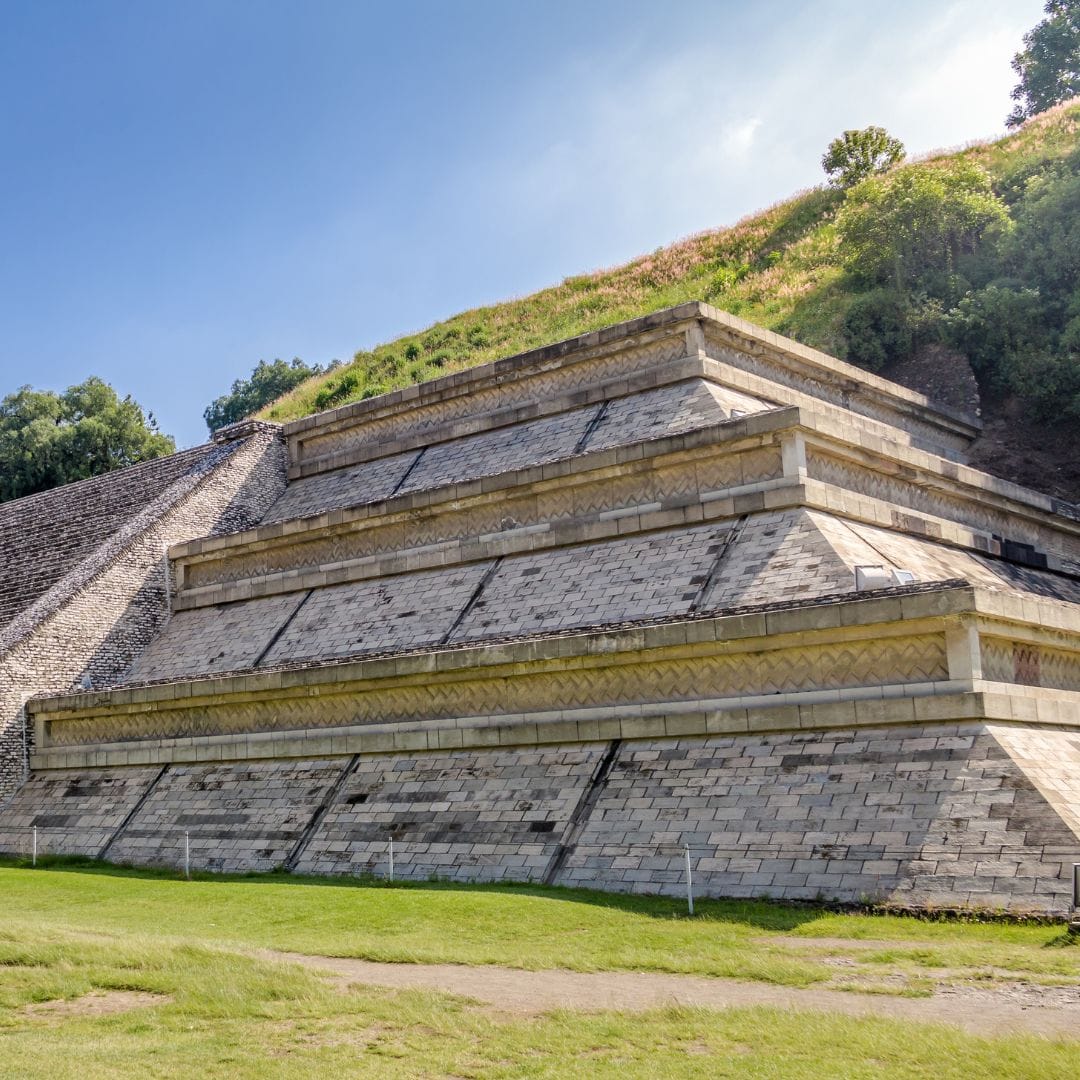
Any Puebla travel guide that does not mention Cholula is missing a significant piece of the picture. The small city of Cholula sits directly west of Puebla and is home to the Great Pyramid of Cholula, which holds the distinction of being the largest pyramid by volume in the world, a fact that surprises most visitors who see it from a distance and think they are looking at a natural hill. The Spanish colonial church of Nuestra Senora de los Remedios sits directly on top of the pyramid's summit, creating one of the most visually striking and historically layered images in all of Mexico.
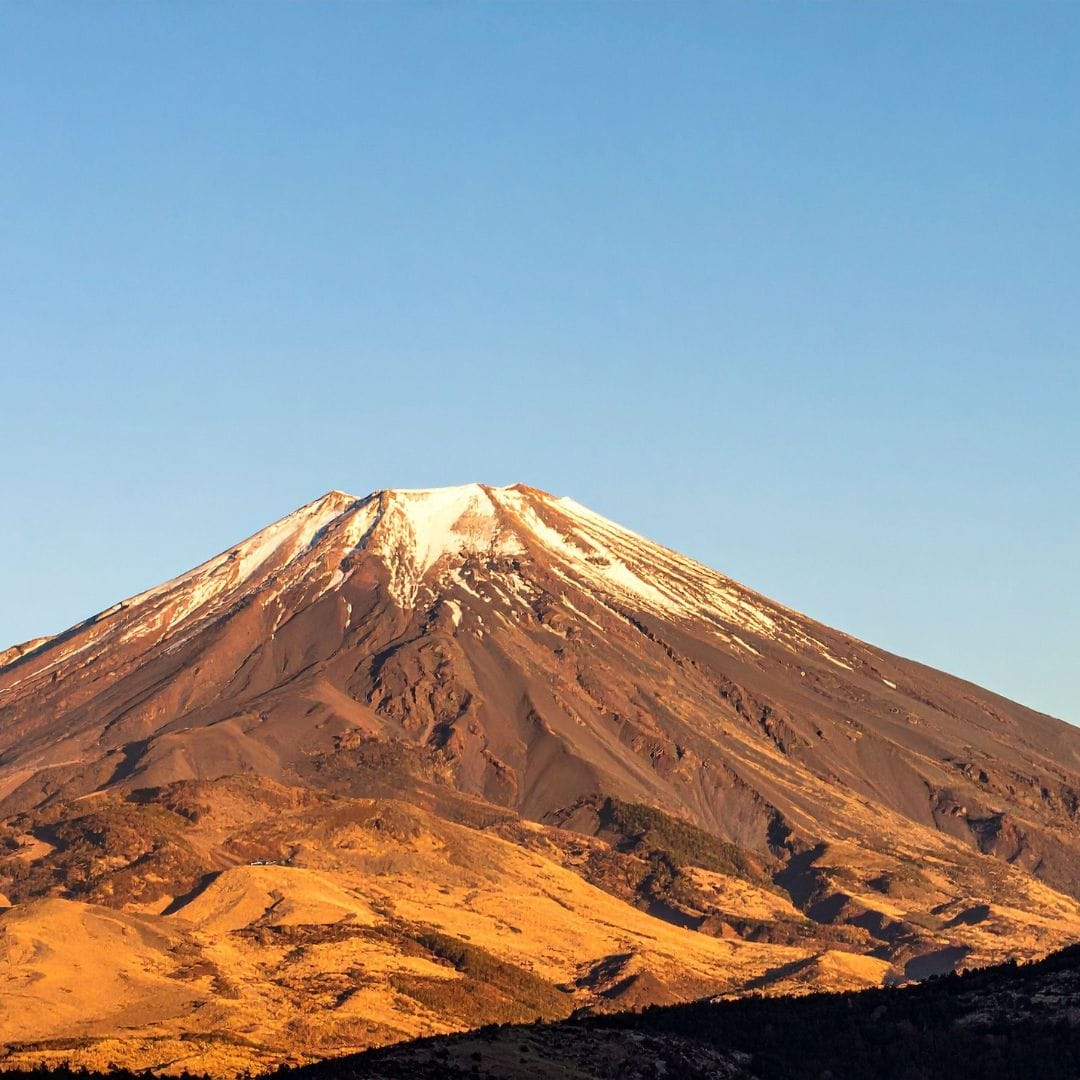
The base of the pyramid and the excavated tunnel system running through it can be explored on foot, and the view from the summit church across to Popocatepetl volcano on clear days is one of the defining images of central Mexico. Beyond the pyramid, Cholula's main square and the surrounding streets have developed a lively bar and restaurant scene that is popular with the large student population from the nearby University of the Americas. Spending a night in Cholula before or after days in Puebla itself makes the combination considerably richer than either destination visited alone.
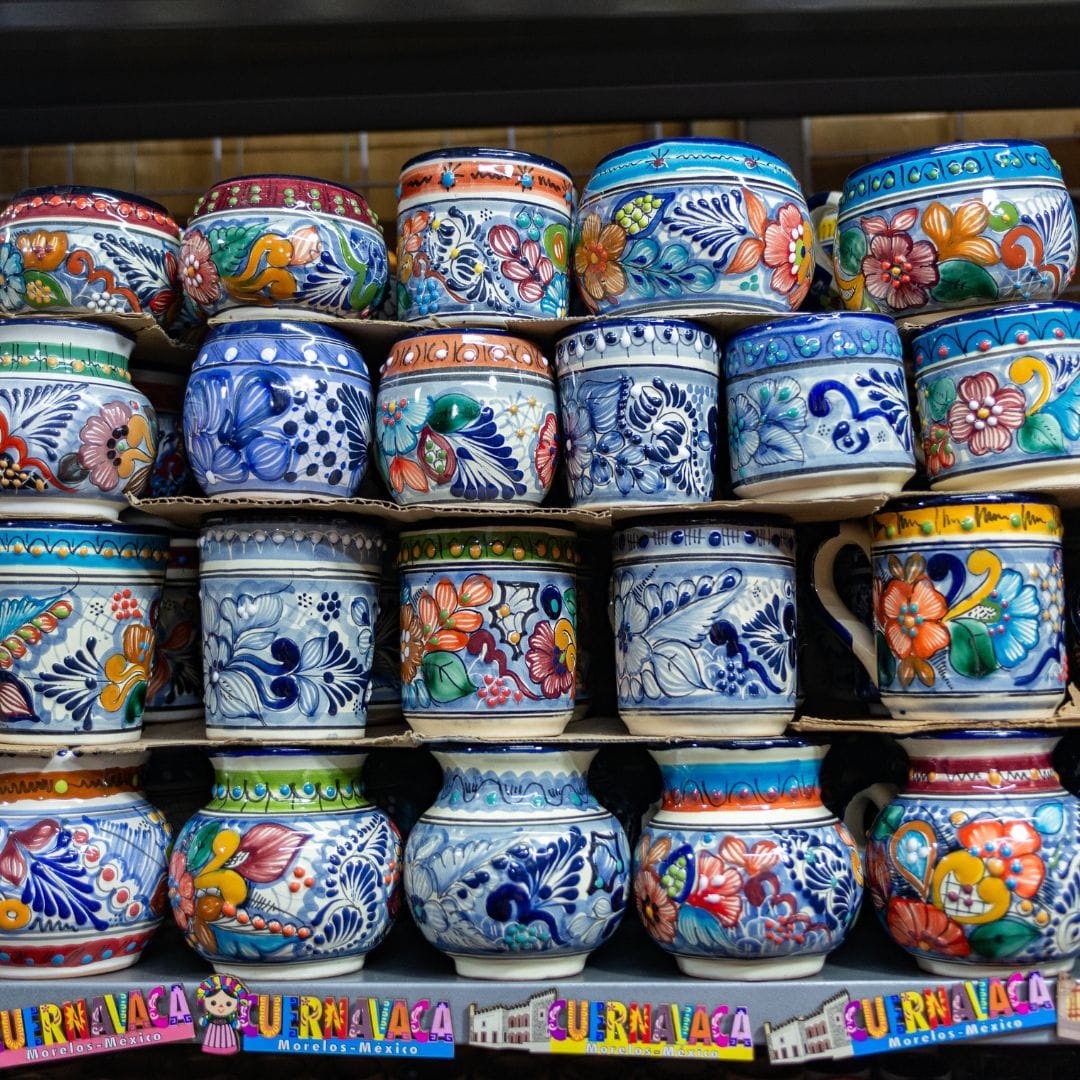
7. Talavera Pottery is the Authentic Puebla Souvenir Worth Buying
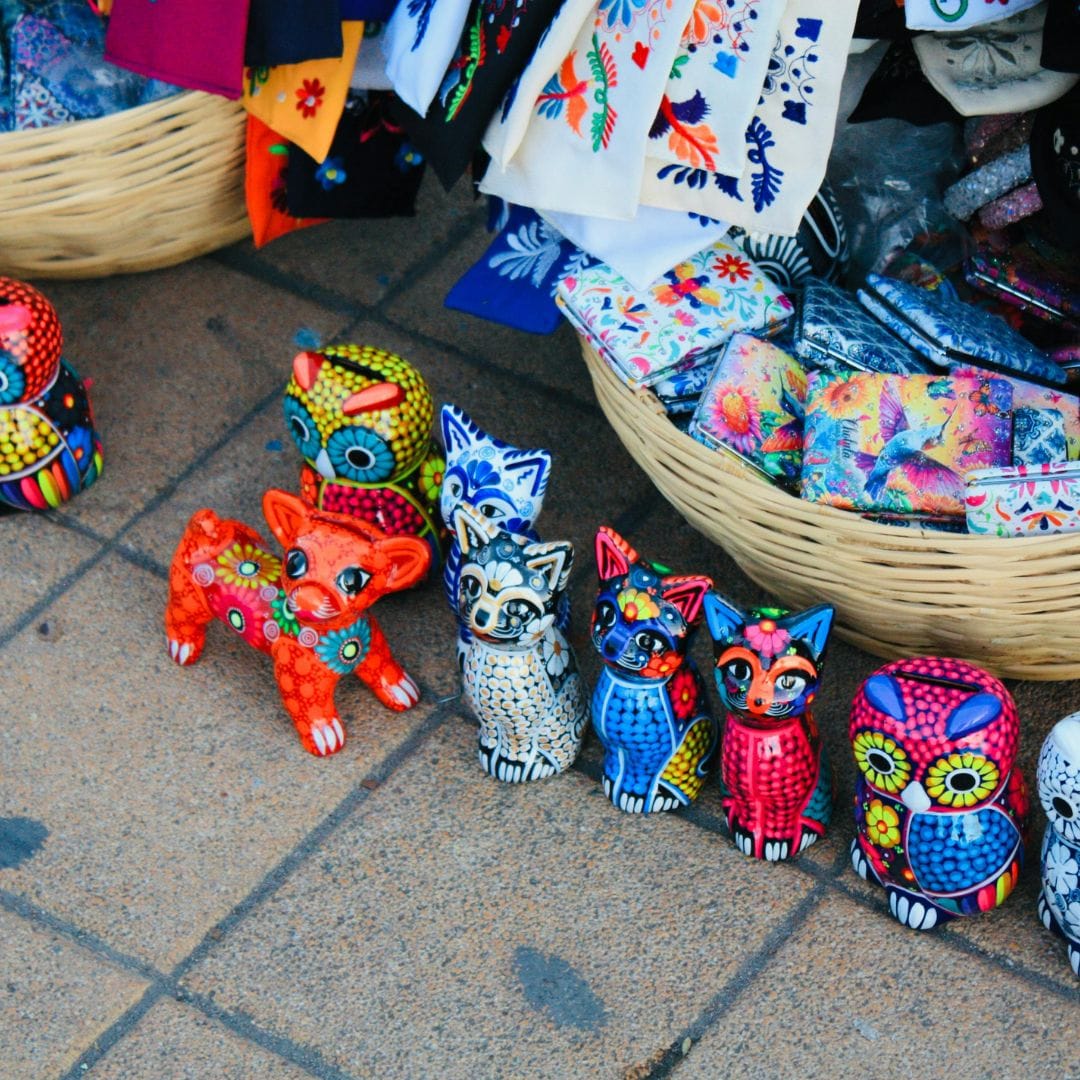
Puebla has been producing talavera pottery for over four centuries and the tradition is protected by a denomination of origin that restricts authentic talavera production to specific workshops in Puebla and one neighboring municipality. The distinctive blue and white designs, and the more elaborate multicolored patterns on higher-end pieces, are produced using clay and mineral pigments in a process that involves multiple kiln firings and significant hand painting time.
Authentic talavera is not cheap because it is not supposed to be. A certificate of authenticity accompanies genuine pieces from certified workshops. The workshop visits themselves are often as interesting as the finished products, watching the hand application of designs and the painting of individual tiles by artisans who have been working in the tradition for decades. Urepan, Talavera de la Reyna, and several other certified workshops in Puebla offer tours and retail purchasing on site. If the price on a piece of talavera seems surprisingly low, it is almost certainly not authentic. The real thing is worth the investment.
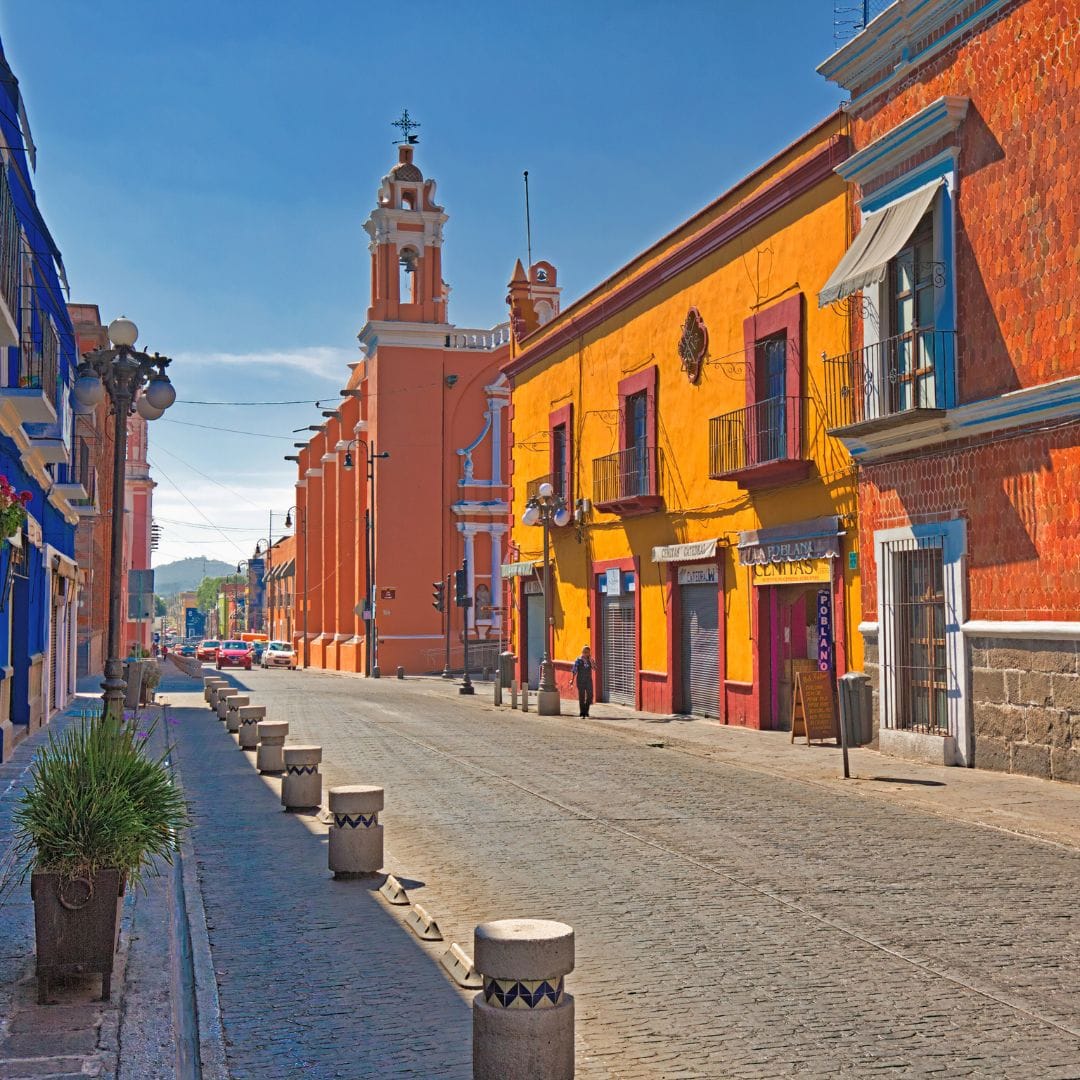
8. Getting Around Puebla is Easy but Staying Connected Makes it Effortless
The historic center of Puebla is genuinely walkable and the city's main attractions are concentrated enough that a visitor based in the center can reach most of them on foot. Uber operates reliably for trips to Cholula or the forts at Cerro de Guadalupe. The city's public transport network covers most areas but requires local knowledge to navigate efficiently without a data connection.
Staying connected in Mexico throughout your Puebla visit changes the quality of every day in small but consistent ways. Real-time navigation through unfamiliar streets, instant translation of menus and signage in Spanish, access to restaurant reviews before committing to a two-hour lunch, messaging your accommodation host about late arrivals, uploading photographs from the summit of the Cholula pyramid while the view is in front of you rather than waiting to find Wi-Fi back at the hotel. All of these moments depend on a reliable data connection. Relying on accommodation Wi-Fi or hunting for cafe connections is a 2019 approach. In 2026, Mobimatter's Mexico eSIM plans give travelers instant-activation data coverage across Mexico's major cities and regions, installed directly to your device before you leave home and active from the moment your flight lands at Mexico City or Hermanos Serdan airports. No SIM card vendor, no airport queue, no communication gaps on arrival day.
9. The Weather in May is Nearly Perfect for Outdoor Exploration
Puebla sits at an elevation of approximately 2,135 meters above sea level, which moderates the temperature significantly compared to coastal Mexico. In May, daily temperatures in Puebla typically range from around 15 degrees Celsius in the early morning to the high 20s by midafternoon. Rain is possible in late May as the rainy season begins to establish itself, but the first half of the month in particular offers some of the most consistently pleasant weather of the year.
For travelers planning Mexico travel May itineraries, Puebla in early to mid May combines the best of the weather calendar with the peak of the cultural calendar. The Cinco de Mayo celebrations fill the streets with energy and color during a period when temperatures are warm enough to enjoy outdoor events comfortably but not yet at the humid heat peak that affects lower-altitude Mexican cities in the same period. Pack layers for mornings and evenings, a light rain jacket for afternoon showers from mid-May onward, and sunscreen for the high-altitude UV exposure that catches many visitors off guard even on relatively overcast days.
10. Plan Your Trip Around the Full Week Of Celebrations, Not Just May Fifth
The commemorations surrounding the Battle of Puebla anniversary do not begin and end on a single day. The full celebration in Puebla spans several days before and after the fifth of May with a rolling program of cultural events that makes arriving a few days early and leaving a few days late significantly more rewarding than trying to compress the experience into a single calendar date.
In the days leading up to May fifth, the city hosts military band performances, traditional dance showcases, historical exhibitions, street art installations, and a growing program of food events that celebrate the culinary heritage of the region alongside the historical commemoration. The atmosphere builds progressively through the week and the fifth itself arrives with an energy that has been accumulating for days. Travelers who build their itinerary around the full week rather than a single date leave Puebla with a far deeper understanding of what the celebration actually means to the people who live here, which is a completely different and considerably more moving experience than simply witnessing a parade on one specific morning.
Activating a Mobimatter Mexico eSIM before your trip means you are sharing that experience in real time, uploading content from the crowd at the reenactment, navigating between celebration venues without paper maps, and staying connected with the people back home who want to see what Mexico travel May actually looks like when you are living it in the city where it all began.
Frequently Asked Questions
How far is Puebla from Mexico City and what is the best way to travel between them?
Puebla is approximately 130 kilometers southeast of Mexico City and the journey takes between 90 minutes and two and a half hours depending on the route and traffic. Direct luxury bus services from TAPO and the Terminal Oriente in Mexico City run frequently throughout the day and offer a comfortable, affordable, and reliable connection. Driving is an option but traffic leaving Mexico City on a Friday afternoon or returning on a Sunday evening can extend journey times considerably.
Is Puebla safe for international tourists in 2026?
The historic center of Puebla and the main tourist areas are considered safe for visitors who take standard travel precautions. The city has a strong tourist infrastructure, well-lit pedestrian areas in the center, and an established culture of international visitor hospitality. As with any urban destination in Mexico, remaining aware of your surroundings in unfamiliar neighborhoods after dark and keeping valuables secure in crowded areas is sensible standard practice.
What is the difference between authentic talavera pottery and the imitations sold at markets?
Authentic talavera from Puebla is produced using specific local clays and mineral-based pigments following a protected process that involves hand decoration and multiple kiln firings. Certified pieces come with documentation and are sold primarily through certified workshops in Puebla. Market imitations are often produced using molds and industrial glazes and do not carry certification. The price difference is significant and reflects the genuine labor and craft involved in authentic production.
Does the MobiMatter Mexico eSIM work throughout Mexico or only in major cities?
Mobimatter's Mexico eSIM plans provide coverage across Mexico's major cities including Puebla, Mexico City, Guadalajara, Oaxaca, and the main tourist regions. Coverage in very remote rural areas may be reduced, but for travel across the country's main destinations and tourist routes, connectivity is reliable and consistent. Plans are purchased and installed before departure and activate automatically on arrival in Mexico.
What language do people speak in Puebla and how much English is spoken in tourist areas?
Spanish is the primary language throughout Puebla. In the historic center, major hotels, and tourist-facing restaurants, a reasonable level of English is commonly spoken. Away from the main tourist areas, Spanish is essential for comfortable interaction. Basic Spanish phrases for ordering food, asking for directions, and negotiating prices are genuinely appreciated by locals and improve the travel experience considerably.
When does chile en nogada season run and can you eat it in Puebla during a May visit?
Chile en nogada is a seasonal dish tied to the harvest of the specific ingredients required for its preparation. The traditional season runs from August through September, coinciding with the availability of fresh walnuts and pomegranate. Some Puebla restaurants serve a version of the dish earlier in the year using preserved or sourced ingredients, but the authentic seasonal preparation is a late summer experience. A May visit is the right time for mole in all its variations, cemitas, chalupas, and the full range of Puebla's year-round culinary offerings.
- Blog
- Puebla travel guide
About the author
Travel & eSIM writer, MobiMatter
Writes MobiMatter's eSIM and destination guides since 2024, for travellers who want data from the moment they land. Before that, SEO consulting and nearly ten years in analytics at IBM.