Best Places to Travel in March 2026: Top Destinations + eSIM Tips for Seamless Connectivity
March is one of the best months to travel. The crowds are thinner, prices are lower than peak season, and the weather in dozens of destinations is near-perfect. Whether you're chasing sunshine in Southeast Asia, spring blooms in Japan, or warm beaches in the Caribbean, the best places to visit in March span every budget and travel style. And with a travel eSIM, you can land anywhere and be connected instantly no SIM card hunting required.
Why March is a Hidden Travel Gem
Let's be real: most people sleep on March travel. Spring break hasn't fully hit yet, summer hasn't been planned, and the post-holiday slump makes people slow to book. That's your advantage.
March sits in that magical sweet spot; it's the shoulder season for a huge chunk of the globe. Accommodation prices are softer, popular attractions aren't elbow-to-elbow crowded, and flights are often significantly cheaper than the months that flank it. If you've been waiting for the right time to finally take that trip, this is it.
But here's the thing: knowing when to travel is only half the battle. You also need to know where and in 2026, connectivity has become just as important as picking the right hotel. That's why we're pairing every destination in this guide with eSIM tips, so you can stay connected from the moment you land. Let's get into it.
The Best Places to Travel in March 2026
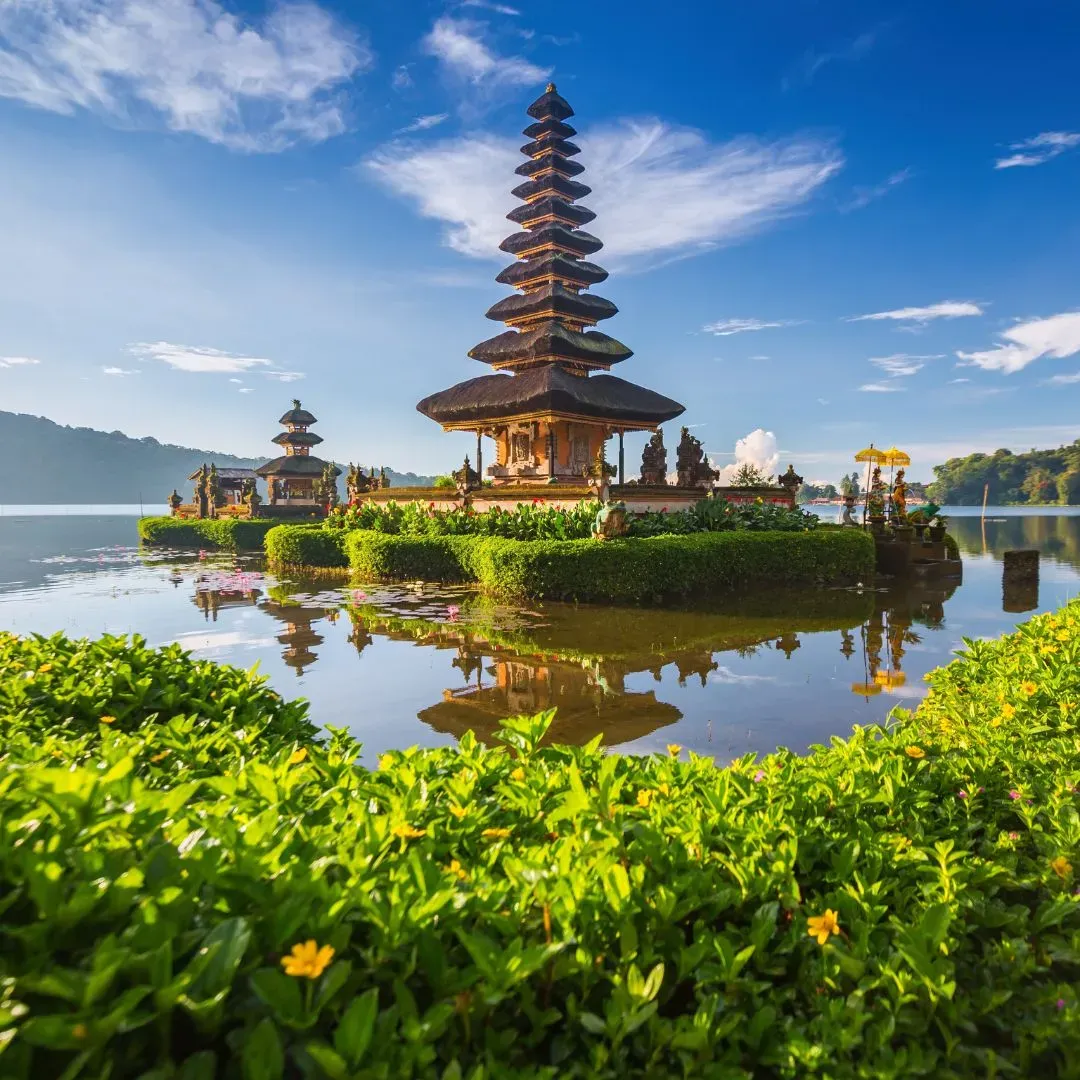
1. Bali, Indonesia — The Perennial Favorite (For Good Reason)
If you're looking for the best places to vacation in March, Bali almost always tops the list and 2026 is no different. March falls at the tail end of Bali's rainy season, but "rainy" is relative here. You'll get dramatic afternoon showers that cool things down and clear out by evening, leaving you with lush, vivid green landscapes that the dry season simply can't match.
Ubud's rice terraces look almost unreal in March. Seminyak's beach clubs are buzzing but not yet crushed by the peak-season masses. Temple ceremonies happen year-round, but the quieter crowds mean you can actually experience them rather than fight through tour groups.
Average March temperatures hover around 28–30°C (82–86°F). For connectivity, Indonesia's local SIMs can be fussy to activate for foreigners. An eSIM for Indonesia is worth every penny. Activate it before you board your flight and you'll have data from the moment you land at Ngurah Rai International.
Best for: Couples, solo travelers, digital nomads, yoga retreat seekers.

2. Japan — Cherry Blossoms Begin Their Magic
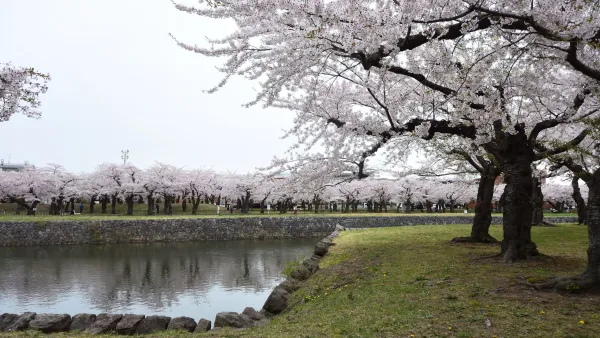
Here's an insider truth: most people assume cherry blossom season is April. But depending on the year and the region, late March sees the first blooms appear in southern Japan, particularly in Kyushu and along the Seto Inland Sea. In 2026, climate patterns suggest an early bloom season which means March travelers could catch sakura at their peak without the absolute madness of the April crowds.
Tokyo in late March is stunning. Osaka Castle Park, Maruyama Park in Kyoto, Shinjuku Gyoen, these places transform into something otherworldly as the pink and white blossoms open. The light in March is soft and golden. The air still has a crispness to it. It's arguably the most photogenic the country gets all year.
Japan also remains one of the easiest countries to explore independently. Bullet trains are punctual to the second, convenience stores are better than most restaurants in other countries, and the cultural depth is inexhaustible. For eSIM users, Japan eSIMs are widely available and offer fast LTE connectivity across virtually the entire country. Given that Japan still has limited acceptance of foreign credit cards in some areas, having reliable connectivity for maps and payment apps is essential. Check out the best eSIM deals for Japan on our app.
Best for: Culture enthusiasts, photographers, couples, first-time Asia travelers.
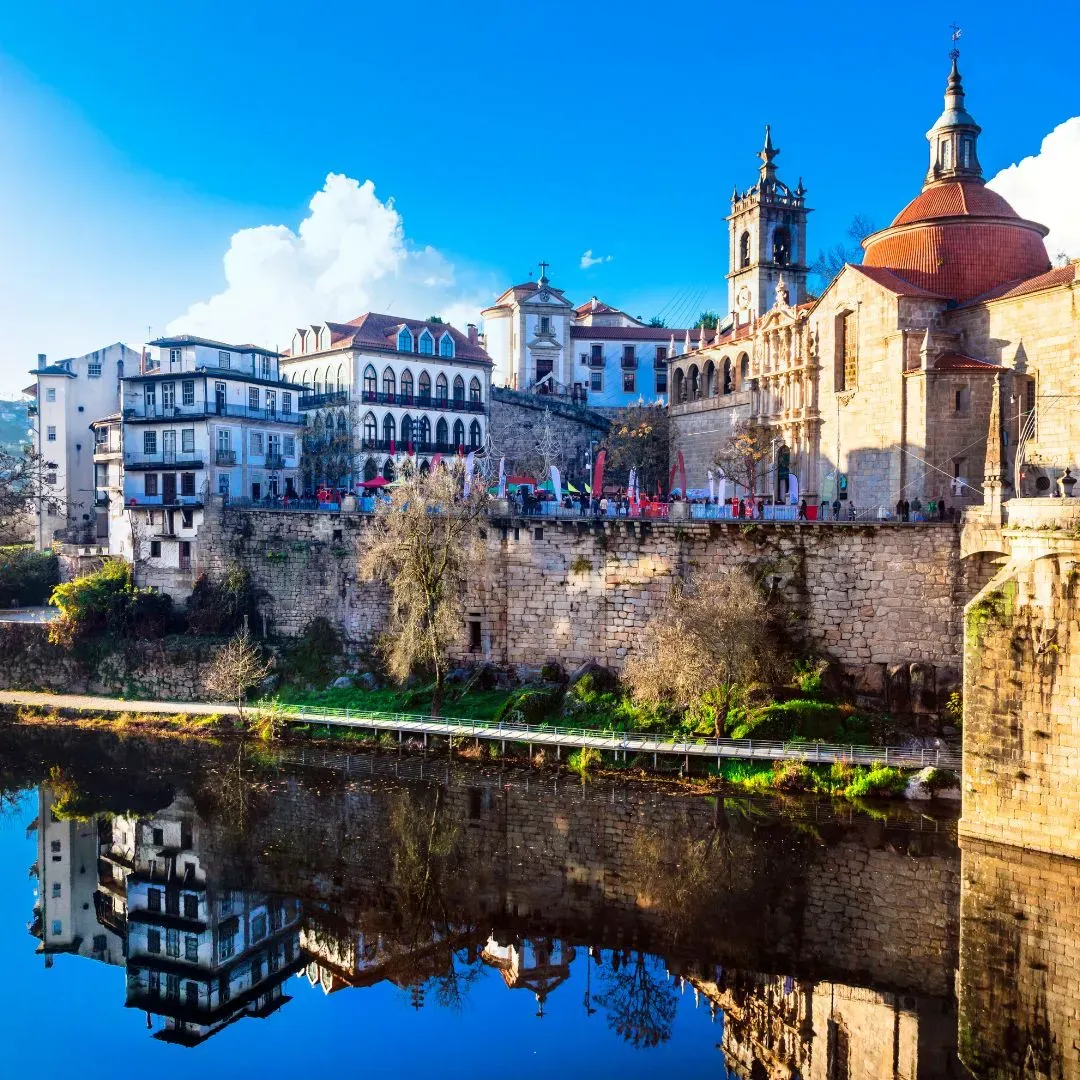
3. Portugal — Europe at its Most Livable
Among the best places to visit in March in the world, Portugal punches well above its weight. While the rest of northern Europe is still shivering, Lisbon and the Algarve coast are warming up beautifully. March temperatures in Lisbon average around 15–18°C (59–64°F) — perfect for walking, café-hopping, and exploring without the oppressive summer heat that drives temperatures above 35°C.
The Algarve's dramatic cliffs and golden beaches look spectacular in March light. The famous Ponta da Piedade rock formations near Lagos are infinitely more enjoyable when you're not sharing them with half of Europe. Porto's wine caves along the Douro Valley open early in the season, and you can often arrange private tastings that simply aren't possible in July.
Lisbon's Alfama district, its castle, the trams winding through impossibly steep streets. March is when you can actually feel the city rather than just survive it. Food costs remain reasonable, accommodation is softer than summer pricing, and the people are genuinely warm and unhurried.
For eSIM connectivity across Portugal and broader Europe, a single Europe eSIM covers you seamlessly whether you're in Lisbon, Porto, or crossing the border into Spain for a day trip.
Best for: Food lovers, wine enthusiasts, history buffs, budget-conscious travelers, digital nomads.

4. Costa Rica — Wildlife Season at Its Peak
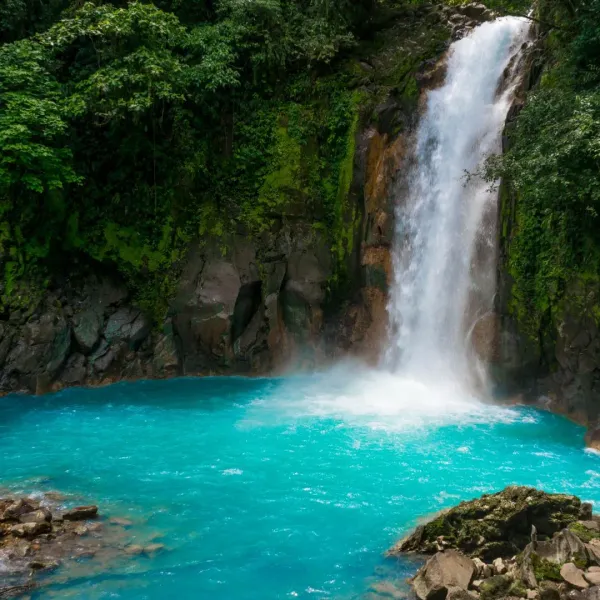
For those seeking the best warm places to visit in March, Costa Rica delivers something most beach destinations can't: beaches AND biodiversity. March is firmly dry season in Costa Rica, meaning clear skies, lower humidity, and prime conditions for wildlife spotting.
Sea turtles nest on the Caribbean coast. Scarlet macaws are nesting in the Osa Peninsula. Humpback whales pass through the Pacific waters. Monkeys, sloths, toucans, and poison dart frogs are best spotted in the dry season when trails are passable and animals are more visible near water sources.
Arenal Volcano is more likely to be cloud-free in March, meaning you might actually see the volcano rather than just know it's there somewhere behind the mist. La Fortuna's hot springs are magical at night under clear skies. Monteverde Cloud Forest is accessible and mystical.
Connectivity in Costa Rica has improved dramatically, but rural areas around national parks can be spotty. Having a local Costa Rica eSIM ensures you can use offline maps and navigation without worrying about losing signal when you're deep in the jungle.
Best for: Eco-travelers, adventure seekers, families, wildlife photography enthusiasts.

5. The Maldives — Peak Season at a Slightly Lower Price
The Maldives run an interesting seasonal calendar. Peak season (December–February) is when prices are absolutely astronomical. By March, the weather is still exceptionally warm, clear, perfect visibility for snorkeling and diving but the influx of peak-season travelers has begun to thin out. This creates a brief window where you get near-peak conditions at slightly less eye-watering prices.
March water temperatures hover around 28–29°C (82–84°F). Visibility can reach 30+ meters. Whale shark sightings around South Ari Atoll are common. Manta rays frequent numerous cleaning stations. For underwater photography or simply floating in water so clear it looks like CGI, March in the Maldives is hard to beat.
Budget note: "budget Maldives" remains an oxymoron for overwater bungalows, but guesthouses on local islands like Maafushi or Dhigurah offer a genuinely affordable alternative with access to the same spectacular reefs. eSIM connectivity is essential here — local SIM availability varies significantly depending on which island or resort you're at.
Best for: Honeymooners, divers, snorkelers, luxury travelers, anniversary trips.
6. Best Places to Visit in March in the USA
Not everyone wants to cross an ocean, and March in the USA offers some exceptional domestic options.

Sedona, Arizona
is arguably the best domestic destination in March. Red rock canyon country under brilliant blue skies and mild 18–22°C (65–72°F) temperatures makes for incredible hiking. The crowds of winter snowbirds have thinned, and summer hasn't arrived yet. Vortex sites, Jeep tours, and world-class spa resorts make Sedona versatile for different travel styles.
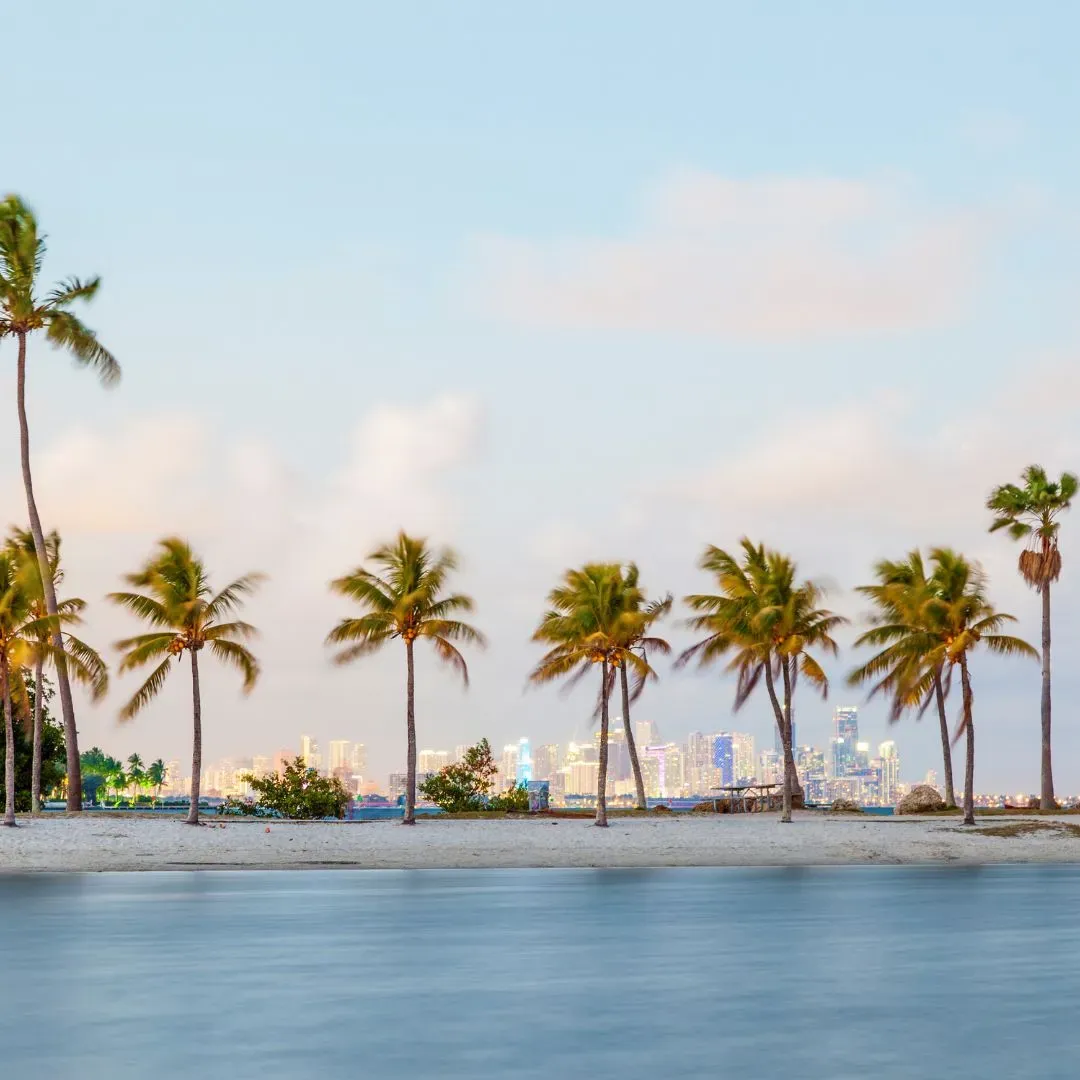
Florida Keys offer warm, sunny weather in March before the summer heat and humidity set in. Key West's eccentric, laid-back vibe is at its best in the shoulder season. Snorkeling at John Pennekamp Coral Reef State Park, fishing charters, and the sunset celebration at Mallory Square are highlights.

Savannah, Georgia is genuinely underrated for March travel. The city's Spanish moss-draped squares, antebellum architecture, and incredible food scene make it one of the most atmospheric destinations in the American South. March weather is mild and comfortable, and the city's St. Patrick's Day celebrations are legendary.

New Orleans, Louisiana — if Mardi Gras falls in late February, March in NOLA is actually ideal: the energy of the season lingers, festivals continue, the weather is warm and pleasant, and prices drop back to reasonable levels. The food alone justifies the trip.

Great Smoky Mountains, Tennessee/North Carolina — wildflowers begin blooming in March, creating colorful forest floors under still-bare trees. The park is less crowded than summer, wildlife is active, and morning fog over the mountains is hauntingly beautiful.
7. Best Places to Visit in March in the USA for Families
Families need more specific considerations: kid-friendly activities, safety, ease of travel, and ideally warm enough weather that everyone stays in a good mood.
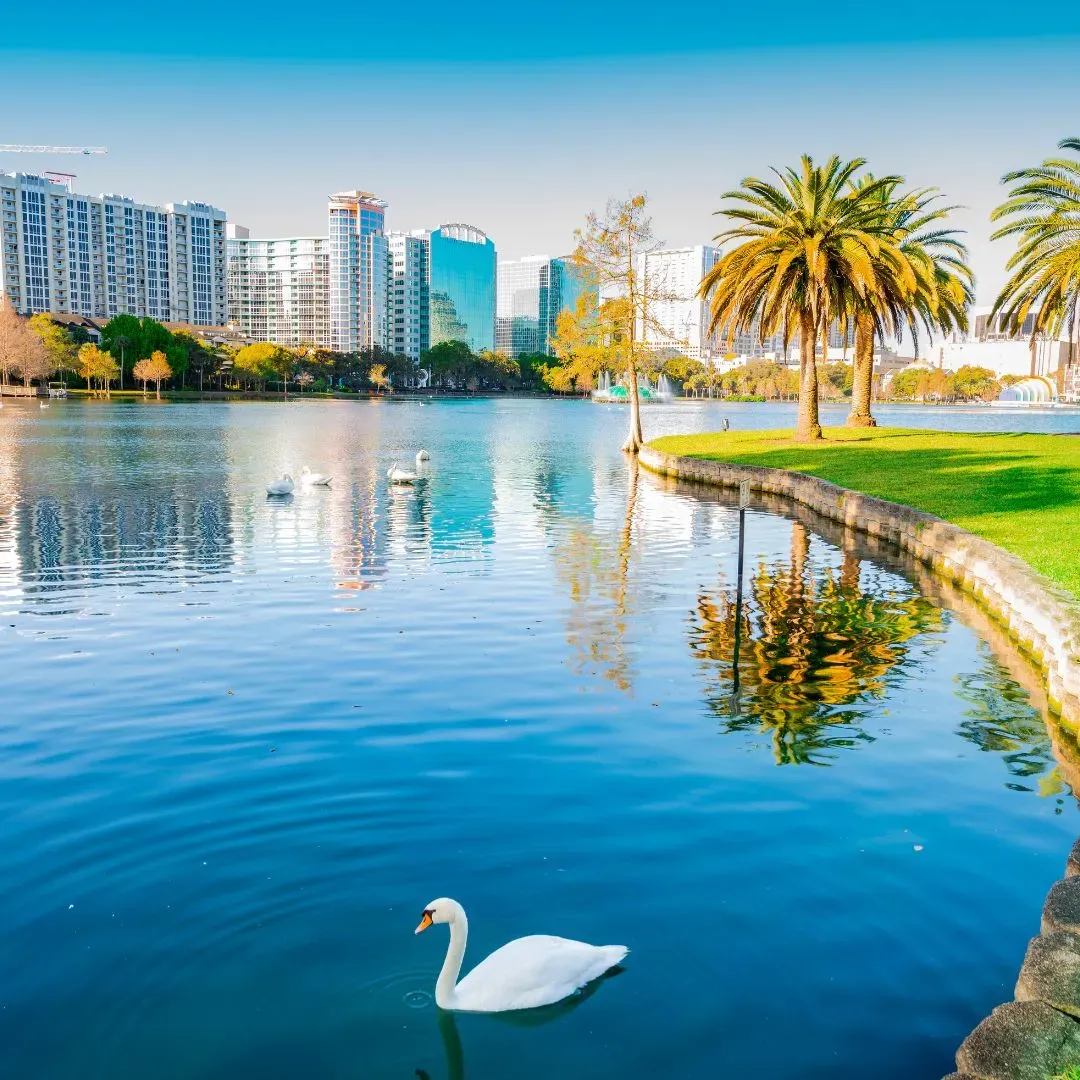
Orlando, Florida is the obvious choice — Disney World and Universal Studios are less crowded in early-to-mid March before spring break fully kicks in. The weather is warm and pleasant without summer's brutal humidity.

San Antonio, Texas offers the River Walk, the Alamo, natural history museums, and SeaWorld, all in comfortable March weather. It's significantly more affordable than many coastal destinations and offers genuine cultural depth that most theme park cities lack.

Outer Banks, North Carolina — the beaches are quiet in March, rental prices are a fraction of summer rates, and the wild horse herds on the northern beaches are magical for kids. Water may still be cool for swimming, but beach walks, kite flying, and lighthouse climbing are fantastic.

San Diego, California averages 18–20°C (64–68°F) in March, warm enough to enjoy the beach, not so hot that it's uncomfortable. Balboa Park, the San Diego Zoo, LEGOLAND, and the USS Midway Museum make it one of the most activity-rich family destinations in the country.

8. Best Places to Travel in March on a Budget
Traveling cheaply in March is easier than you might think, because many of the genuinely best destinations are also some of the most affordable.
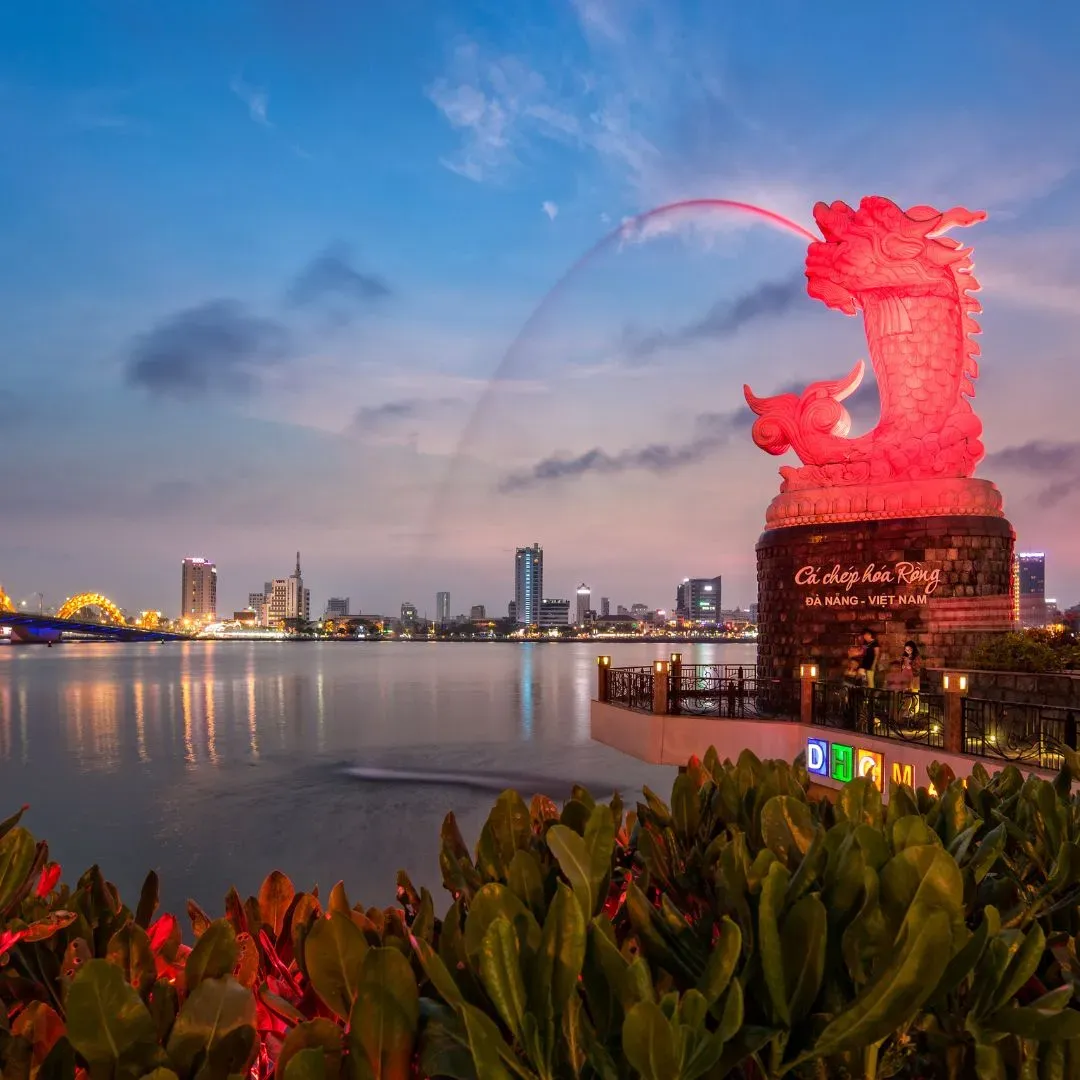
Vietnam remains one of the world's great value destinations. March is a good time to visit the central and northern regions — Hanoi, Hoi An, and Da Nang enjoy relatively dry, mild weather while the south is transitioning between seasons. Street food, accommodation, and transportation are extraordinarily affordable. A full, incredible day of eating in Hanoi can cost under $10. And for affordable internet, check out our Vietnam eSIM plans.

Albania has emerged as Europe's most exciting budget destination. The Albanian Riviera's turquoise Ionian waters, the UNESCO-listed old city of Gjirokastër, the buzzing capital Tirana — all at prices that feel like a decade ago. March is quiet season, meaning even lower prices and genuinely empty beaches for a few weeks before the summer wave arrives.

Colombia (particularly Medellín and Cartagena) offers remarkable value for money alongside genuinely world-class experiences. Medellín's eternal spring climate (average 22°C/72°F year-round) means March is just another beautiful month. Street art, coffee culture, and one of Latin America's best food scenes make it compelling. Cartagena's colonial walled city is spectacular, and beach resorts on Isla Barú are affordable by Caribbean standards.
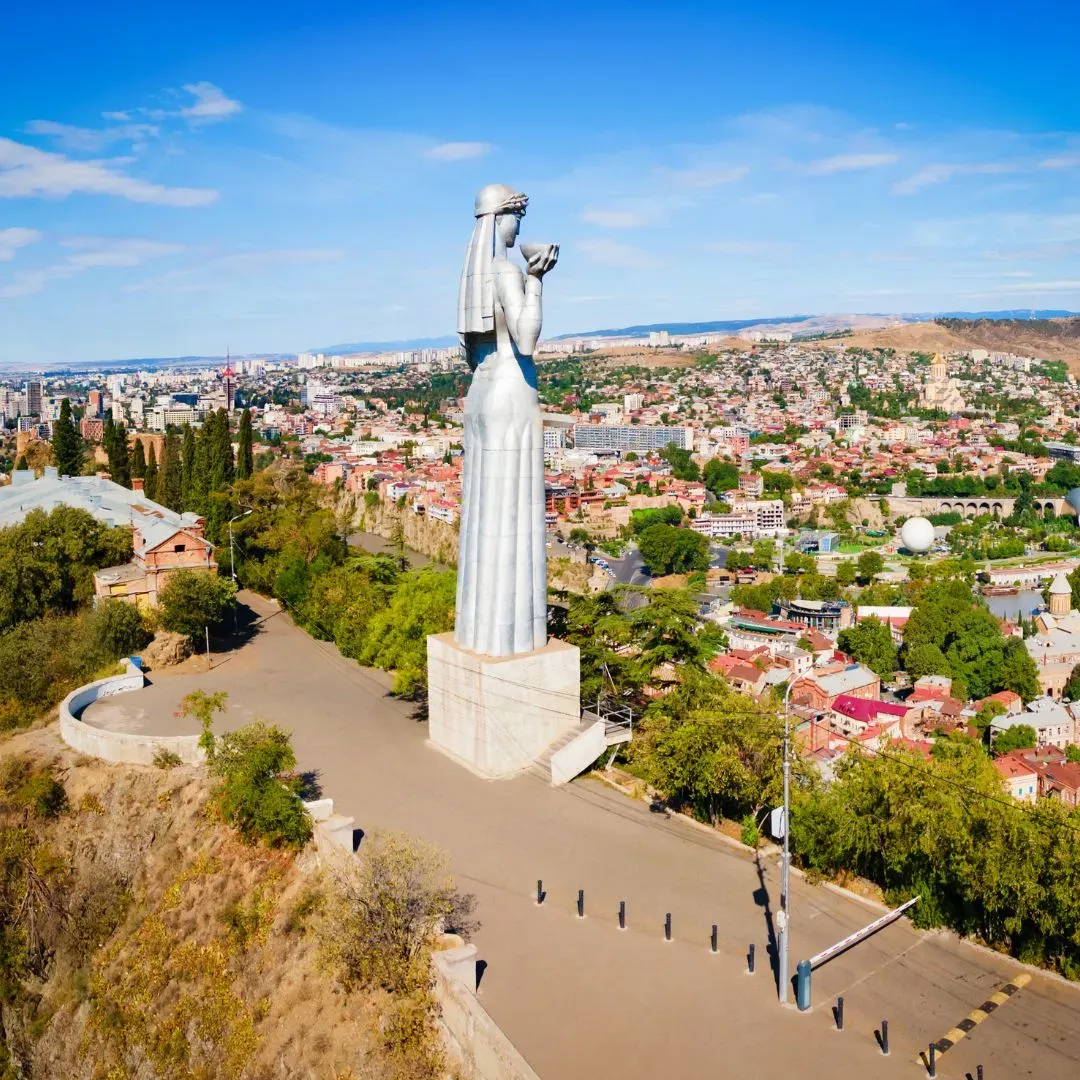
Georgia (the country, not the state) is criminally undervisited. March sees the Caucasus landscape awakening from winter, wine tasting in Kakheti, cave cities at Vardzia, and the stunning medieval churches of Mtskheta — all at prices that will make you feel slightly guilty. A regional eSIM covering the Caucasus region is your best bet for connectivity here.
eSIM Tips for Seamless Connectivity in March 2026
Every destination above benefits enormously from a travel eSIM — and in 2026, this technology has become the undisputed best option for international travelers. Here's what you need to know:
What is an eSIM? An eSIM (embedded SIM) is a digital SIM card built into your phone. Instead of buying a physical SIM at the airport (often overpriced and stressful to activate), you download a data plan digitally before you travel. You can do this from home, on the plane, or the moment you land — and your phone is online within minutes.
Why it beats buying a local SIM: No hunting for a phone shop. No language barrier trying to activate a SIM. No risk of losing a tiny plastic card. Your original number still works for calls and texts. Many eSIMs cover entire regions (all of Europe, all of Southeast Asia, etc.), meaning one plan covers multiple countries on a multi-destination trip.
Check compatibility first. Most iPhones from iPhone XS onward support eSIM. Samsung Galaxy S20 and later models generally support eSIM. Check your specific phone model before booking.
Regional vs. country-specific eSIMs. For a single-country trip (Japan, Bali, Portugal), a country-specific eSIM often offers better value. For multi-country trips (Southeast Asia, Europe road trip, Latin America), a regional eSIM saves money and eliminates plan-switching between borders.
Data needs for a typical traveler. For maps, messaging, social media, and occasional streaming, 5–10GB per week is generally sufficient for most travelers. If you're a digital nomad working remotely, budget for 20–30GB minimum or look for unlimited plans.
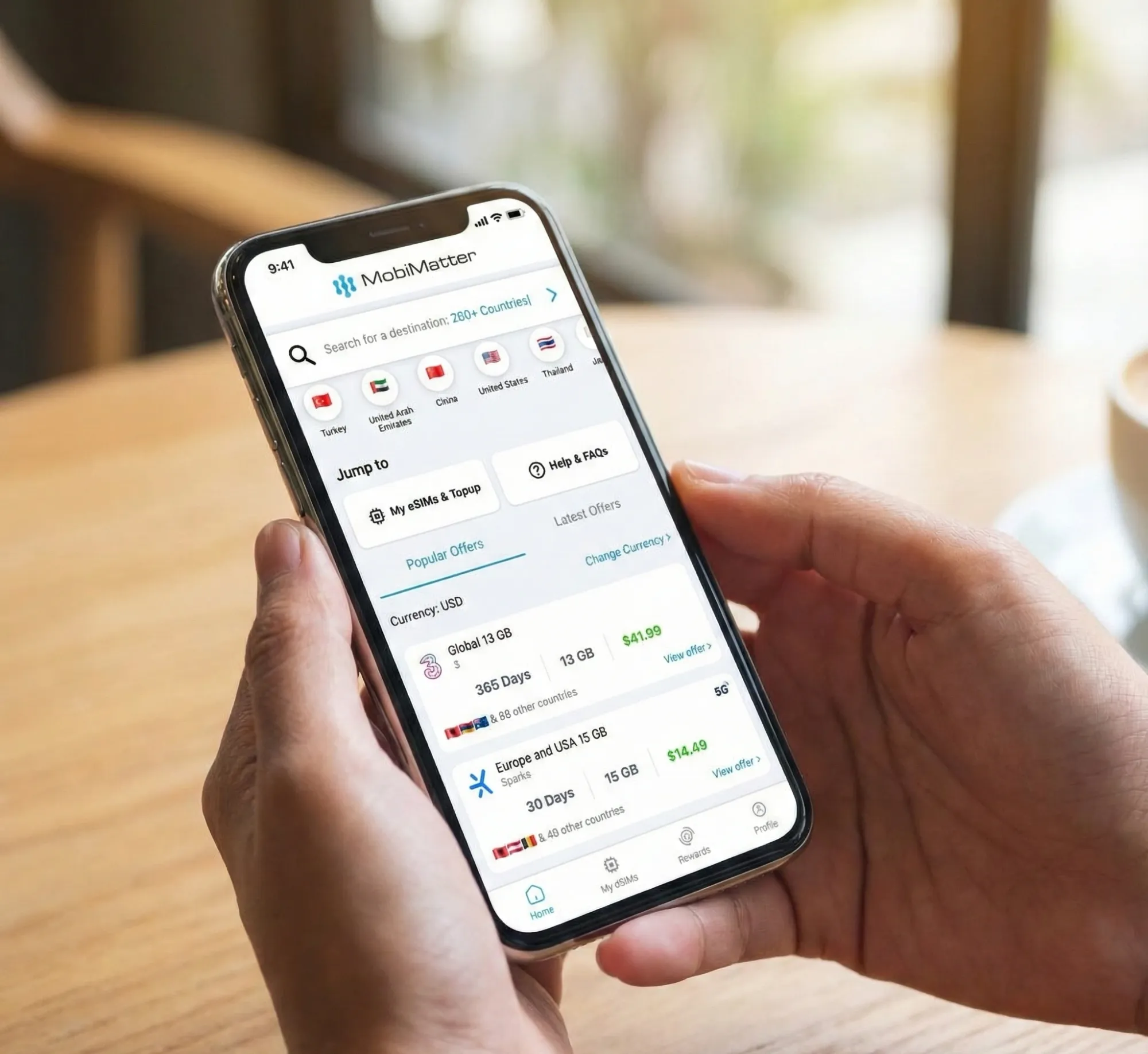
Pro tip: Check out MobiMatter's eSIM plans to find the best roaming data for your trip. Compare plans from different providers and choose what fits your data needs.

How to Choose Where to Go in March: A Quick Decision Guide
Still unsure? Here's a fast filter:
If you want warm beaches → Maldives, Bali, Costa Rica, Florida Keys, or Caribbean.
If you want culture and history without crowds → Japan (early cherry blossoms), Portugal, Savannah, New Orleans.
If you're traveling with family → Orlando, San Diego, Outer Banks, San Antonio.
If budget is the priority → Vietnam, Albania, Colombia, Georgia (country), Portugal.
If you want adventure and nature → Costa Rica, Sedona, Great Smoky Mountains, New Zealand's South Island (early autumn there).
If you want Europe in good weather → Portugal, southern Spain (Andalusia), Malta, Cyprus.
Final Thoughts
March 2026 is genuinely one of the best windows to travel that the calendar offers. The combination of shoulder-season pricing, ideal weather in dozens of destinations, and thinner crowds than peak months makes it a traveler's sweet spot. Whether you're after the best places to vacation in March domestically in the USA or chasing adventure on another continent, the options in this guide cover every style, budget, and travel personality.
The one thing every traveler on this list has in common? They all need connectivity. An eSIM removes one of the most stressful parts of international travel which is getting online when you land and it turns it into something seamless and instant. In 2026, there's no good reason to stand in an airport phone shop when you can activate a plan before you even board.
Book the trip. Download the eSIM. And go make March 2026 a month worth remembering.
Frequently Asked Questions (FAQs)
Q1: What are the best places to travel in March for warm weather?
If warmth is your top priority, you have excellent options across multiple continents. Bali, Indonesia is reliably warm at 28–30°C (82–86°F) and lush from the tail end of its rainy season. The Maldives offers perfect blue-sky days and crystal-clear warm water at around 29°C. Costa Rica's Pacific coast is in full dry season, sunny, breezy, and warm. In the USA, Florida (Miami, Key West, Orlando) and Arizona (Sedona, Scottsdale) are go-to warm destinations in March. For the Caribbean, destinations like Aruba, St. Lucia, and Barbados all sit in the 27–29°C range with low humidity and minimal rain.
Q2: Where are the best places to visit in March in the USA for families?
Orlando, Florida is the top pick. Disney World and Universal are noticeably less crowded in early-to-mid March before spring break fully ramps up, and the weather is warm without summer's humidity. San Diego, California is a close second: the zoo, LEGOLAND, Balboa Park, and comfortable 18–20°C weather make it nearly ideal. San Antonio, Texas offers River Walk, SeaWorld, and rich history at very affordable prices. For something more outdoorsy, the Outer Banks of North Carolina and Great Smoky Mountains are beautiful in March and far cheaper than peak season.
Q3: Is March a good time to visit Japan for cherry blossoms?
Yes, potentially the best time, depending on the year. Cherry blossom blooming in Japan typically begins in late March in the southern and central regions (Tokyo, Osaka, Hiroshima) and progresses northward through April. In warmer years like 2026 is projected to be, peak bloom in Tokyo can happen in the final week of March. This means late-March travelers can catch full bloom with significantly fewer crowds than the April rush. Check the Japan Meteorological Corporation's annual cherry blossom forecast closer to your travel date for precise timing.
Q4: What are the best places to travel in March on a budget?
Vietnam tops the budget list by a wide margin: incredible food, stunning scenery (Ha Long Bay, Hoi An, Hue), and daily expenses that are a fraction of most destinations. Albania offers Europe's most dramatic coastline and medieval towns at prices that feel impossible. Colombia, particularly Medellín, gives you world-class coffee, culture, and cuisine for very little money. Georgia (the Caucasus country) is Europe-adjacent but priced like Southeast Asia. For domestic USA budget travel, the Smoky Mountains, Savannah, and New Orleans in March all offer outsized experiences at reasonable costs.
Q5: Where should I go in March if I want to avoid crowds?
March is shoulder season for most of the world, which inherently means thinner crowds than summer or holiday periods. The sweet spots for genuinely crowd-free experiences are: Portugal's Algarve coast (stunning but quiet before Easter), Albania (still largely undiscovered by mass tourism), Sedona in early March before spring break hits, the Maldives guesthouses on local islands (as opposed to resort atolls), and Japan's secondary cities like Hiroshima, Kanazawa, or Nikko rather than Tokyo and Kyoto.
Q6: Do I need a visa to visit the most popular March destinations?
It depends on your passport and destination. Citizens of most Western countries (USA, UK, EU, Australia, Canada) can visit Bali visa-free for up to 30 days (extendable). Japan offers 90-day visa-free entry for most Western passports. Portugal/EU destinations are visa-free for US and UK citizens for up to 90 days. Costa Rica allows most Western passport holders 90 days visa-free. Always verify current visa requirements through your country's official government travel site or the destination country's embassy, as policies can change.
Q7: What is an eSIM and do I really need one for international travel?
An eSIM is a digital SIM card built into your smartphone that lets you activate a mobile data plan without needing a physical SIM card. For international travel, it's become the most convenient connectivity option available. Instead of hunting for a local SIM shop when you land (often in a foreign language, with unfamiliar activation steps), you download a data plan before you leave home and you're online the moment your plane lands. In 2026, most flagship smartphones from Apple, Samsung, and Google support eSIM. It's not strictly required, but once you use it, you won't go back to fumbling with plastic SIM cards.
Q8: How much data do I need on a travel eSIM for a two-week trip?
For casual travelers using maps, messaging apps (WhatsApp, iMessage), social media, and occasional web browsing, 10–15GB covers a two-week trip comfortably. If you're uploading photos and videos regularly to Instagram or YouTube, budget 20GB. Digital nomads working remotely with video calls should look at 30GB+ plans or unlimited data options.
Q9: Is March too hot to visit Southeast Asia?
It depends on the specific destination. Bali in March is warm (28–30°C) but manageable, with afternoon showers that cool things down. Thailand's islands (Koh Samui, Koh Tao) are warm but not oppressively so. Vietnam's north (Hanoi, Ha Long Bay) is mild and pleasant in March at around 20–22°C, actually ideal. The real heat in Southeast Asia typically peaks in April and May before the monsoon arrives, so March is still within the comfortable range for most of the region. Cambodia and Myanmar are warmer in March (30–35°C), but mornings and evenings are pleasant.
Q10: What are the best European destinations to visit in March?
Portugal is the clear leader, Lisbon and the Algarve offer mild temperatures (15–18°C), lower prices than peak season, and genuinely excellent food and culture. Spain's Andalusia (Seville, Granada, Córdoba) is beautiful in March, with the famous Semana Santa (Easter Holy Week) bringing incredible processions if it falls in March that year. Malta enjoys warm Mediterranean sunshine and is small enough to explore completely in a long weekend. Cyprus is sunny and warm at 18–20°C, one of the warmest European destinations in March. Greece's major islands are starting to open up, though Athens on the mainland is a better March bet than the islands, which are still transitioning out of low season.
Q11: Should I book flights and hotels early for March travel?
For popular destinations, yes especially if you're targeting specific events (cherry blossoms in Japan, Mardi Gras in New Orleans, St. Patrick's Day in Savannah). For Japan in late March specifically, accommodation is booked months in advance. Generally speaking, booking 2–3 months ahead gives you the best balance of availability and pricing for most March destinations. Budget airlines often release their best fares 6–8 weeks before departure, so for pure flight deals, mid-January for March travel is a sweet spot. Flexibility on travel dates by even 2–3 days can save significant money.
Q12: What should I pack for March travel?
Packing for March depends heavily on your destination, but a few items are universally useful. Light layers are essential. March weather can be unpredictable even in warm destinations (cool mornings, warm afternoons). A compact waterproof jacket takes minimal bag space and saves you in a sudden shower. Comfortable walking shoes matter more than most travelers admit you'll log significant steps regardless of destination. Sunscreen is crucial for tropical and beach destinations where the March UV index is already high. And of course, a phone with eSIM capability means one less adapter, cable, or loose SIM card to worry about.