Spring in Morocco: Beyond the Souks and Into the Rose Valley in 2026
By Abhishek Aggarwal (Travel & eSIM writer, MobiMatter)
· · 12 min read
April and May 2026 represent the absolute best window to visit Morocco. The Festival of Roses blooms in the Dades Valley, post-Eid crowds have settled across Marrakech and Fes, and the Sahara Desert is perfectly warm without the punishing summer heat. This guide covers how to experience Morocco's most spectacular spring season, navigate its legendary medinas with confidence, and stay connected throughout every stop using Mobimatter's eSIM coverage across the country.
There is a version of Morocco that most travelers see. The Instagram version. The terracotta rooftops of Marrakech at sunset, the blue streets of Chefchaouen, the camel silhouettes against a Saharan sky. It is all real and all genuinely beautiful. But the Morocco that exists in late April and early May, when rose petals carpet the roads of the Dades Valley, when the air in the Atlas Mountains carries the scent of blooming flowers down into the valleys below, and when the post-Eid calm settles over the medinas like a deep exhale, is a different country entirely. It is Morocco at its most generous, offering its finest weather, its most spectacular natural spectacle, and its most accessible travel conditions in the same narrow window of weeks.
For travelers who have been planning a Moroccan trip and wondering when to go, 2026 gives a particularly compelling answer. The spring travel window this year falls in an especially favorable position relative to the Islamic calendar, making late April through mid-May a genuinely exceptional time to move through the country. Having reliable eSIM coverage through Mobimatter sorted before departure means your GPS, translation apps, and communication tools are all working from the moment you land in Casablanca or Marrakech, which matters more in Morocco's medina cities than almost anywhere else on earth.
April-May in Morocco: Why This Month Hits Differently
April is arguably the finest single month in the Moroccan travel calendar. Temperatures across the country sit in a range that makes walking genuinely pleasurable rather than something to be endured. Marrakech averages around 24 degrees Celsius in April, warm enough for light clothing during the day but comfortable enough for long afternoon walks through the medina without the heat exhaustion that July and August produce. The Atlas Mountains still carry snow on their highest peaks while the valleys below are green and flower-filled. The Sahara is warm but not yet brutal, making desert camps and sunrise camel treks the kind of experience you actually enjoy rather than survive.
The light in April Morocco is extraordinary for photography. The low-angle spring sun hits the ochre walls of Marrakech's medina in a way that summer's harsh overhead light never achieves. Photographers who have visited Morocco across multiple seasons consistently cite April as the month when the country looks most like itself, rich, warm, and layered with the kind of depth that flat midday light erases.
Rainfall is possible in April, particularly in the north around Fes and Chefchaouen, but it typically comes in short showers rather than sustained rain, and it keeps the landscapes green in ways that the dry summer months cannot. Pack a light layer and embrace the occasional shower as part of what makes April Morocco look the way it does.
The Festival of Roses: Morocco's Most Beautiful Annual Event
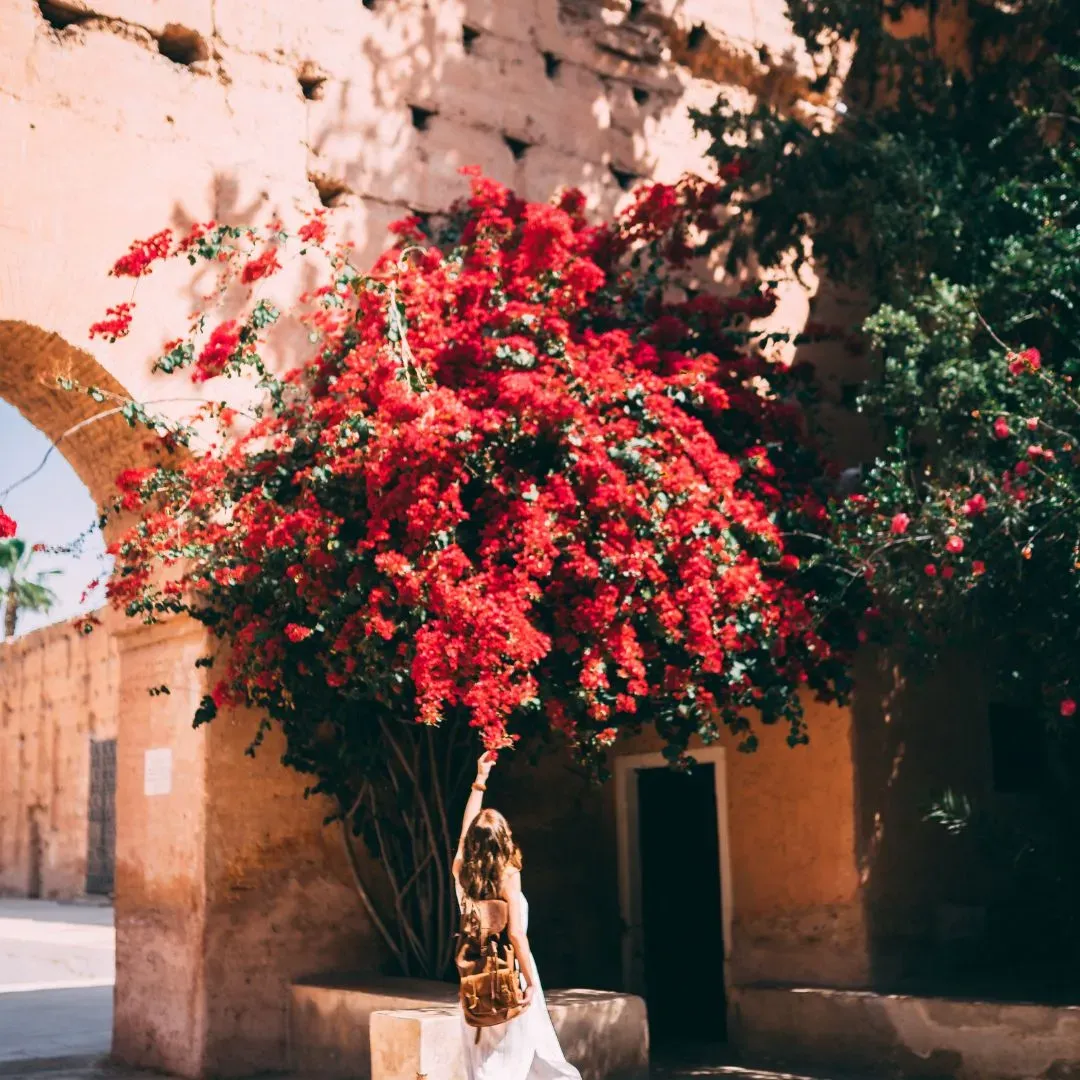
The Festival of Roses in the Dades Valley takes place in late April and early May each year, with the exact dates shifting slightly based on the rose harvest. In 2026, the festival is expected to run across the first week of May, making a trip that begins in late April and extends into early May perfectly timed to catch both the pre-festival valley landscape and the festival itself.
The Dades Valley, located in the foothills of the High Atlas Mountains about three hours east of Marrakech near the town of Kelaat M'Gouna, is one of the primary growing regions for the Damask rose, Rosa damascena, the variety used to produce Morocco's internationally famous rose water and rose oil. The valley produces a significant proportion of the world's rose water supply, and at harvest time in late April, the scale of the blooming is genuinely overwhelming.
What the Festival of Roses actually involves:
- Rose harvest celebrations across the valley towns, with local families bringing harvested blooms to communal collection points in scenes that feel completely unperformed and authentic
- A crowning ceremony for the Rose Queen, a tradition that has been running for decades and reflects genuine local pride rather than tourism theater
- Berber music and dance performances in the town squares of Kelaat M'Gouna and surrounding villages
- Market stalls selling rose products including rose water, rose oil, rose-infused cosmetics, and dried petals at prices significantly lower than anywhere you will find them in Marrakech's tourist-facing souks
- Processions through streets decorated with rose petals and local flowers that fill the town with color and fragrance simultaneously
Getting to the Dades Valley from Marrakech involves either a rented car through the Tizi n'Tichka pass and across the Draa Valley, a route that is spectacular and entirely worth the drive time, or a shared grand taxi from Ouarzazate for travelers without their own transport. The drive itself through the pre-Saharan landscape, past kasbahs and palm oases and the photogenic Ait Benhaddou UNESCO site, is as compelling as the destination.
Post-Eid Morocco: Why the Timing Works Perfectly in 2026
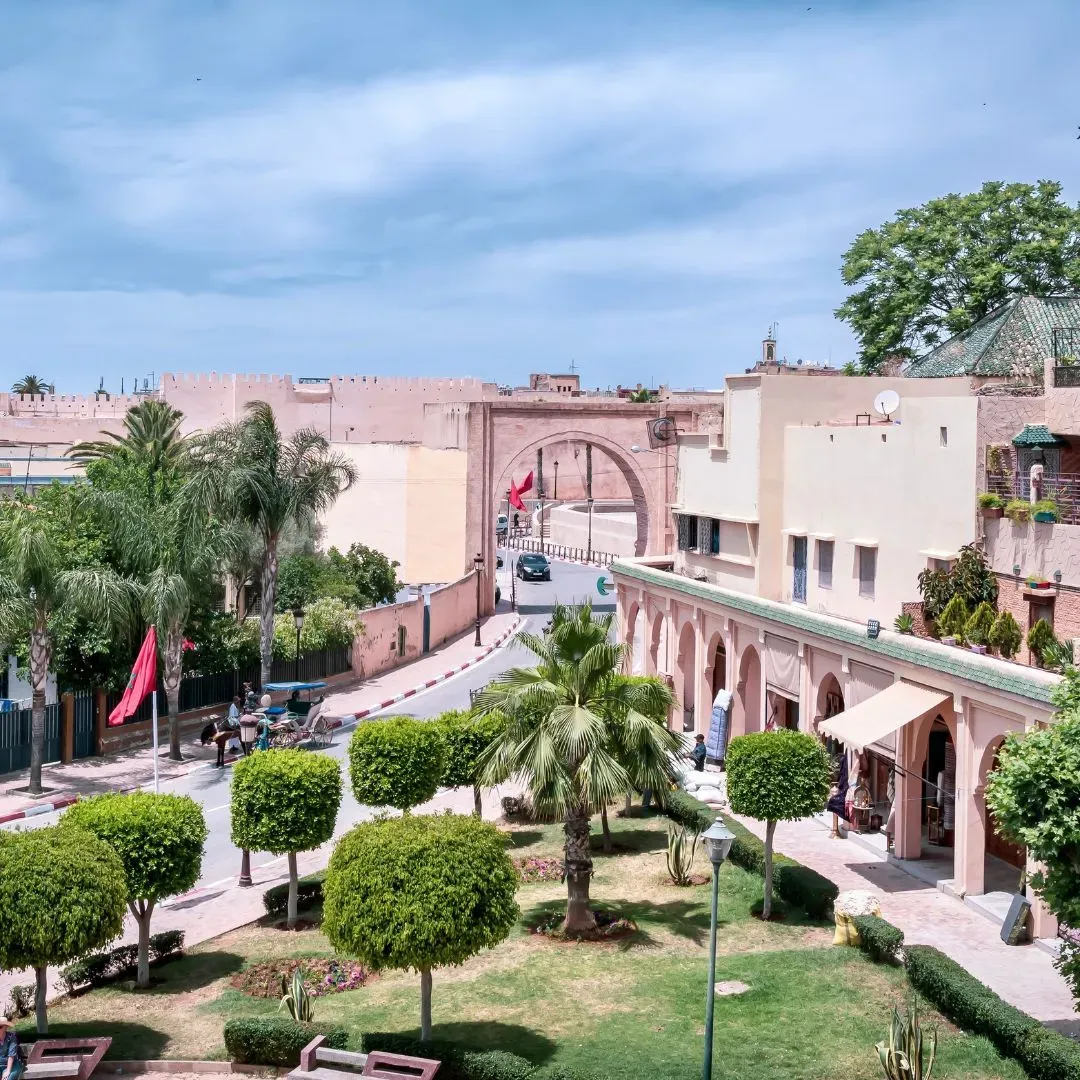
Eid al-Fitr in 2026 falls around March 30 and 31, marking the end of Ramadan with several days of celebration across Morocco. During and immediately after Eid, domestic travel within Morocco peaks significantly, with Moroccan families visiting relatives, popular destinations experiencing heavy local visitor traffic, and accommodation in tourist centers like Marrakech and Fes booking out well in advance.
By mid-April, this post-Eid peak has fully settled. The country returns to its own rhythm. Restaurants that were operating around religious observance schedules through Ramadan are back to normal service. Shops and souks that kept irregular hours during the fasting period are running full business days. The medinas of Fes and Marrakech, while never truly quiet, are operating at a pace that feels sustainable rather than overwhelming for a visitor trying to actually absorb what they are seeing.
This post-Eid window combined with the pre-summer timing creates a travel environment where you are dealing with neither the domestic peak that follows Eid nor the European summer tourist peak that begins in June. April and early May sit in a genuinely sweet spot that experienced Morocco travelers have known about for years and that the broader tourist market has not fully discovered.
Digital Survival in the Medina: Why Data Is Not Optional in Morocco
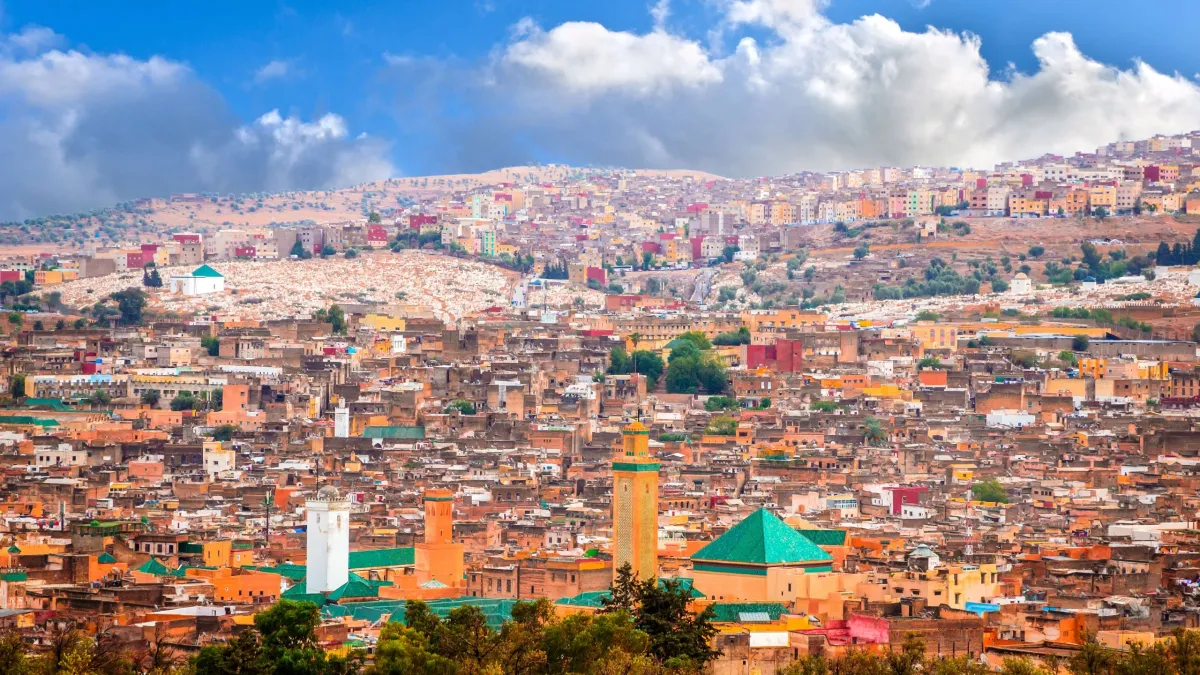
The medinas of Marrakech and Fes are among the most spatially complex urban environments that travelers encounter anywhere in the world. Fes el-Bali, the old walled city of Fes, contains over nine thousand streets and alleyways in an area of roughly three square kilometers. The streets are narrow enough in places that two laden donkeys cannot pass each other, and the routing logic follows patterns established over a thousand years of organic urban growth rather than any grid system a Western city might recognize.
Getting lost in the Fes medina is essentially inevitable on a first visit, and honestly on a second and third visit too. The question is not whether you will get lost but whether you will have the tools to get un-lost when it matters. For a traveler who is simply exploring with no particular destination in mind, getting lost in the Fes medina is one of the finest experiences available in any city on earth. For a traveler trying to reach a riad for check-in, meet a guide at a specific location, or find a restaurant for a time-sensitive reservation, getting lost without reliable data can turn a charming quirk into a genuinely stressful situation.
Here is what reliable mobile data does for a medina visitor in practice:
- Real-time GPS navigation through Google Maps or Maps.me, both of which have offline map capability for Morocco that you should download before entering the medina
- Google Translate's camera function, which reads Arabic script in real-time through your phone camera and is invaluable for reading street signs, menu items, and market price boards
- WhatsApp communication with your riad, accommodation, or local guide, which is how most Moroccan hospitality businesses communicate with guests
- Currency conversion apps for souk bargaining that give you an instant reference for whether a quoted price is in a reasonable range
- Photography research for the specific architectural details and viewpoints you want to find, which in a city as visually complex as Fes requires real-time research rather than pre-downloaded itineraries
eSIM Morocco plans through Mobimatter connect to Morocco's leading mobile networks with solid coverage across Marrakech, Fes, Casablanca, Rabat, and the major tourist corridors. Having this activated before your flight means you step off the plane at Mohammed V International in Casablanca or Menara Airport in Marrakech with full GPS and data access from the first minute.
Marrakech: The Gateway City That Rewards Slower Exploration
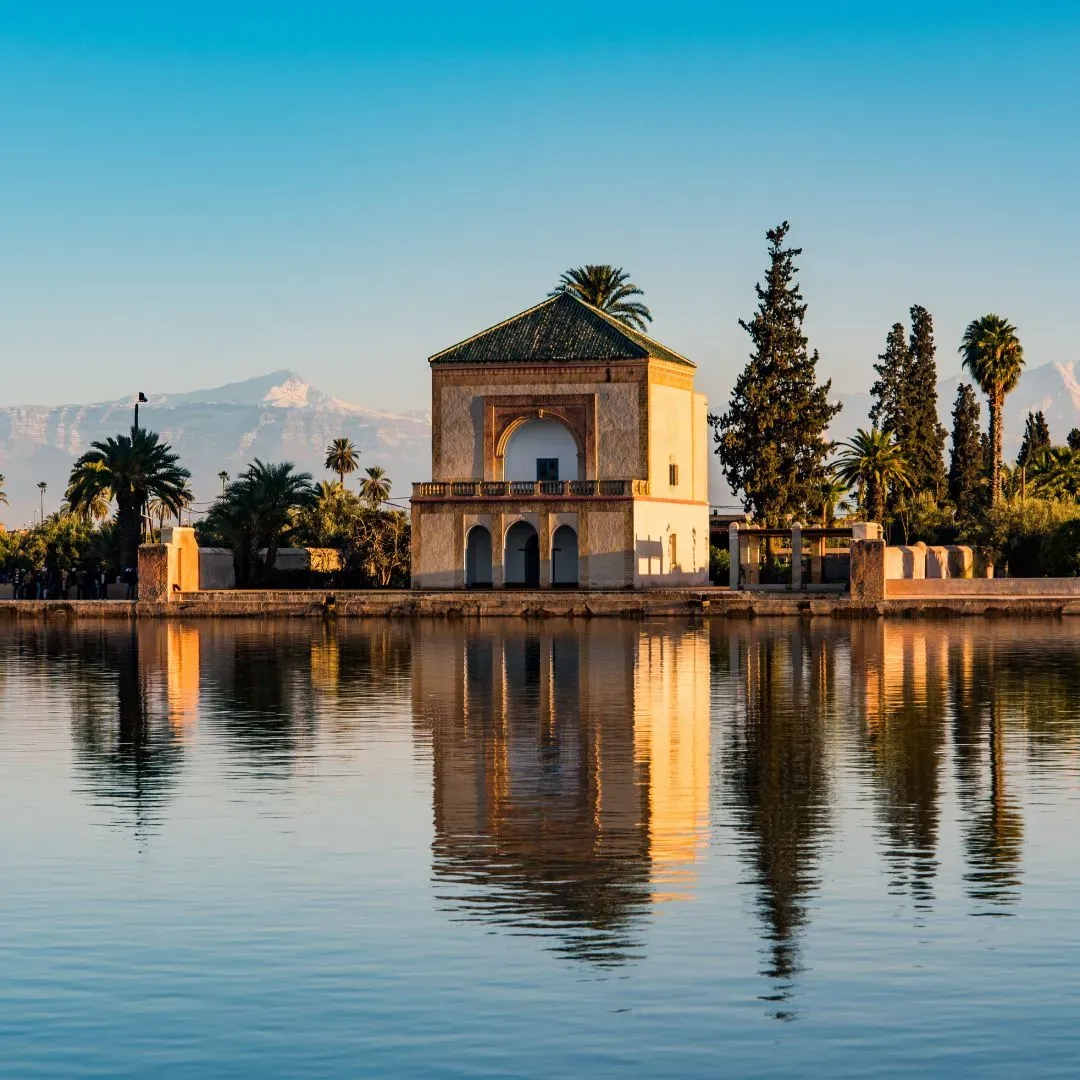
Most travelers treat Marrakech as a two or three-day stop. The Djemaa el-Fna square, the Saadian Tombs, the Majorelle Garden, the souk circuit, maybe a hammam, and then on to the next destination. This is entirely valid and produces a genuinely good travel experience. But Marrakech in spring rewards the traveler who stays five or six days with access to layers that the two-day version cannot reach.
The Mellah, Marrakech's historic Jewish quarter adjacent to the medina, contains architecture and history that most visitors walk past without recognizing. The fondouks, the historic merchant caravanserais where traders once stored goods and rested animals on their way through the city, are scattered through the medina and several have been beautifully restored. The Cyber Park between the medina and Gueliz, Marrakech's French-built new town, is a public garden that fills with local families in the evenings and provides one of the most authentic people-watching environments in the city.
Gueliz itself, the modern neighborhood west of the medina, has developed a genuinely excellent restaurant and cafe scene that serves a different purpose from the tourist-facing medina options. Eating in Gueliz puts you alongside Marrakchis rather than fellow tourists, and the food quality is consistently very good.
For travelers basing themselves in Marrakech and planning day trips to the Dades Valley for the Rose Festival Morocco 2026, eSIM Marrakesh plans from MobiMatter provide reliable data for navigation on the scenic drive through the Atlas Mountains and pre-Saharan landscapes. Pair it with offline maps for areas with variable signal.
The Sahara Window: May Before the Heat Arrives
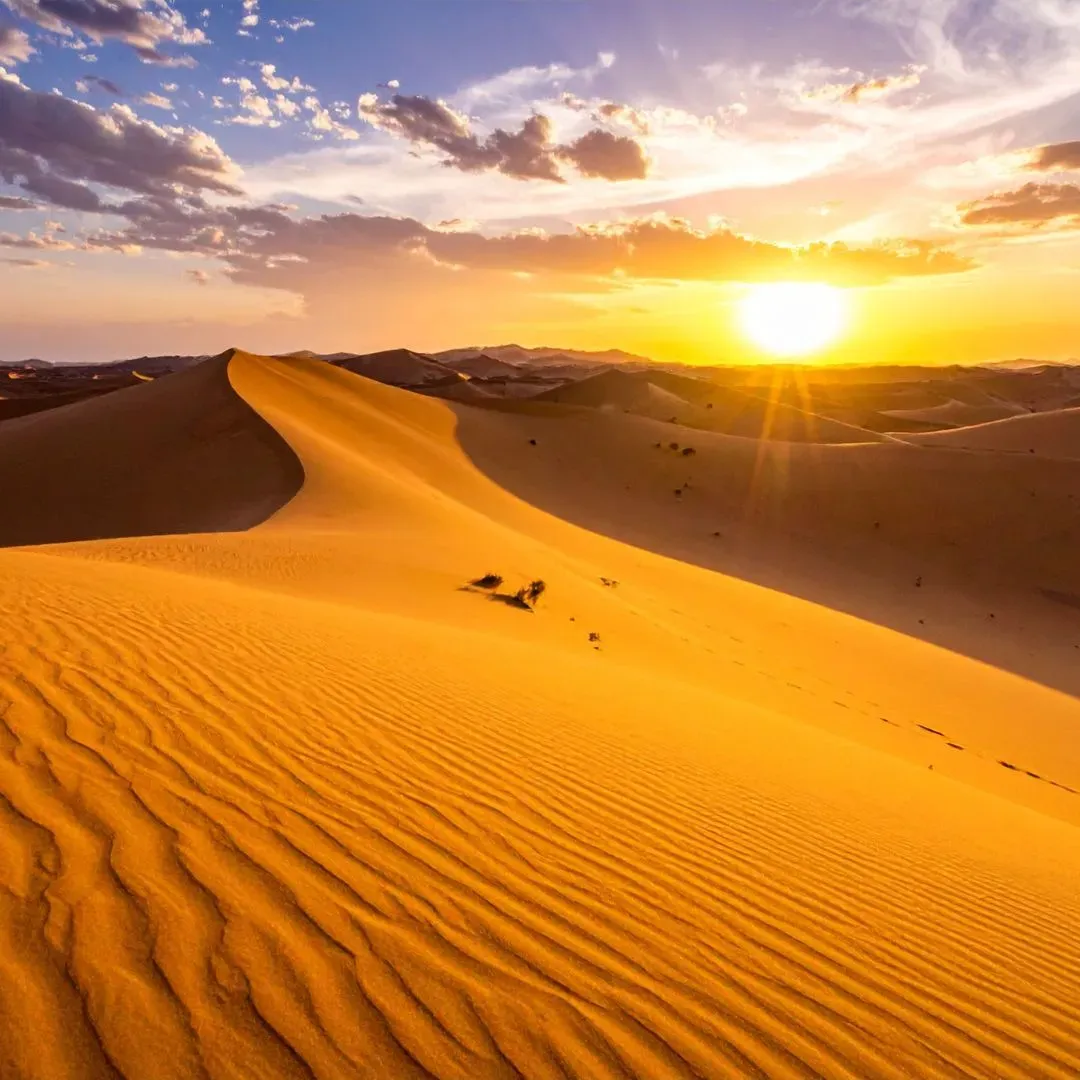
The window for a comfortable Sahara Desert experience at Erg Chebbi near Merzouga or Erg Chigaga near M'hamid closes progressively through June, July, and August as temperatures climb toward the genuinely dangerous range. May sits at the outer edge of the comfortable window, with daytime temperatures in the low to mid thirties Celsius and nights that are warm enough to sleep under the stars without discomfort.
A Sahara camp in early May produces the full desert experience, the extraordinary silence, the star visibility that urban dwellers forget is possible, the pre-dawn cold that makes a hot mint tea feel like a specific kind of luxury, without the heat management challenges that summer camping requires. The light at sunrise and sunset over the dunes in May carries a quality that photographs poorly and registers deeply in person.
Getting to Erg Chebbi from Marrakech typically involves either a two-day drive through the south, stopping at Ait Benhaddou and the Dades Valley en route, or a flight to Errachidia and a ground transfer. The overland route is significantly more rewarding and is entirely manageable with reliable navigation data throughout.
Casablanca: The Modern Entry Point Most Travelers Rush Through
Almost everyone flies into Casablanca and almost everyone takes the next available train or taxi to Marrakech or Fes without spending meaningful time in Morocco's largest city. This is understandable and also a missed opportunity.
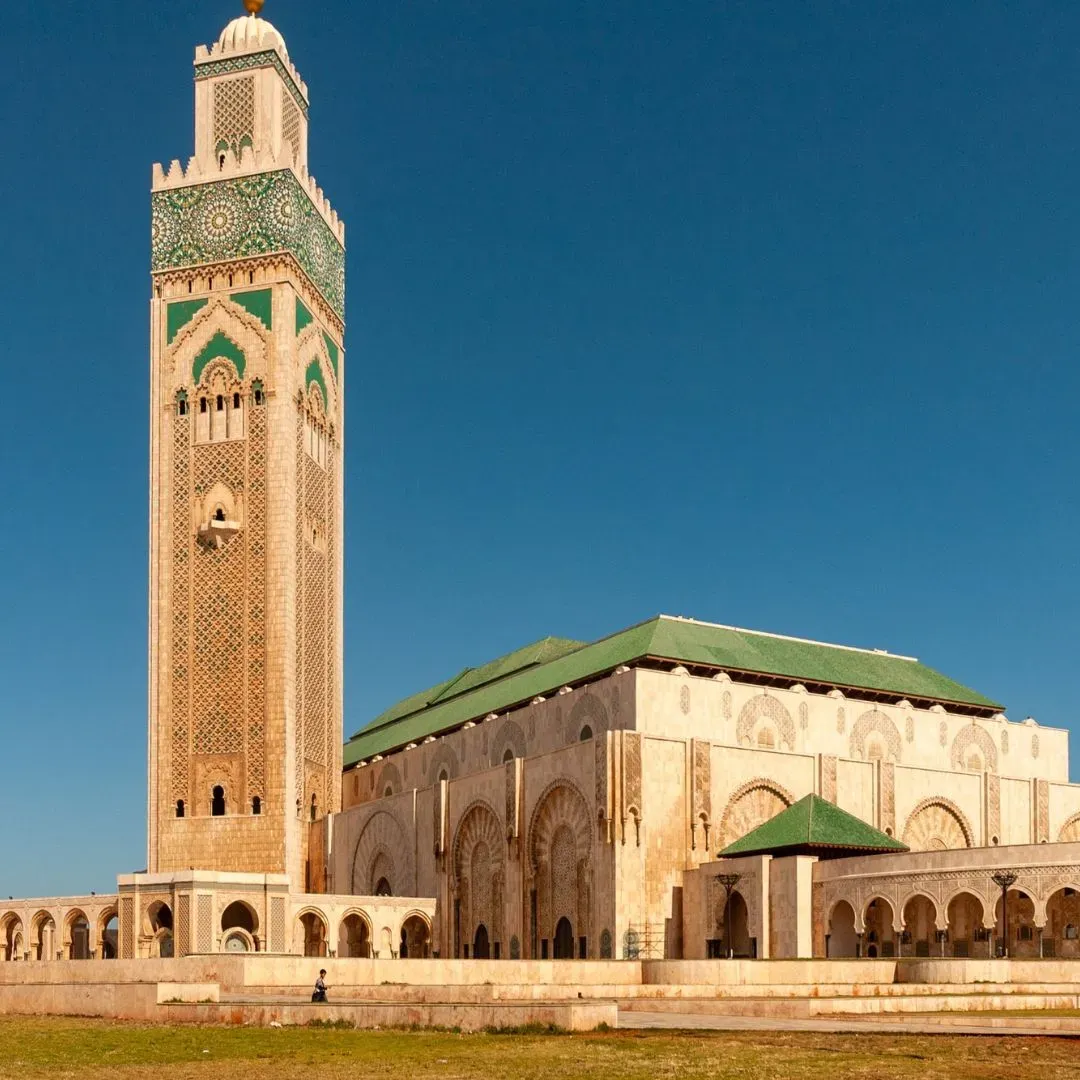
Casablanca in April is a functioning modern Moroccan city with a European Art Deco architectural heritage that is unlike anything in the medina cities, a seafront corniche with excellent seafood restaurants, and the Hassan II Mosque, one of the largest mosques in the world, whose minaret is visible across the entire city and whose architecture, built on a platform over the Atlantic Ocean, is genuinely extraordinary.
For travelers who arrive on an afternoon flight, spending one night in Casablanca before continuing south or east the following morning adds context that makes the rest of the trip richer. The city shows you a Morocco that exists alongside but separately from the tourist circuit, a country of three-piece suits and business meetings and modern shopping malls coexisting with medina markets and traditional crafts in a combination that the smaller cities do not show you in the same way.
eSIM Casablanca plans through Mobimatter ensure that your first hours in Morocco, landing at Mohammed V International and navigating into the city, are supported by reliable data connectivity that makes the initial orientation significantly smoother than arriving without it.
Practical Morocco Spring Travel Comparison
| Region | April Highlight | May Highlight | Travel Difficulty | Data Need |
|---|---|---|---|---|
| Marrakech | Spring light, comfortable temps | Pre-summer crowds | Medium | High, medina navigation |
| Fes Medina | Cool mornings, green surroundings | Festival atmosphere | High | Very High, complex routing |
| Dades Valley | Rose pre-bloom landscape | Festival of Roses peak | Low to Medium | Medium |
| Sahara Desert | Comfortable nights | Last good camping window | Medium | Medium, offline maps key |
| Chefchaouen | Flowers, cooler temperatures | Quieter after Eid peak | Low | Low to Medium |
| Casablanca | Art Deco exploration | Full business rhythm | Low | Medium |
How to Plan Your Morocco Spring Connectivity
Step one is confirming your device supports eSIM before departure. Most flagship smartphones from 2022 onward are compatible.
Step two is purchasing your Mobimatter Morocco plan before your flight departs. QR code delivery is instant by email, meaning you can purchase the day before travel and have everything ready.
Step three is downloading offline maps for Morocco through Google Maps or Maps.me while still on home wifi. These work alongside live GPS to provide navigation even in areas with weaker signal.
Step four is saving the WhatsApp contacts of your riads, guides, and drivers before arrival. Moroccan hospitality businesses use WhatsApp almost universally for guest communication and having these contacts ready removes a friction point from check-in and coordination.
Step five is activating your eSIM on landing and confirming data roaming is enabled in your device settings before you need it.
FAQs
When exactly is the Festival of Roses in Morocco in 2026?
The Festival of Roses in the Dades Valley near Kelaat M'Gouna typically takes place in the first week of May, with the exact dates depending on the rose harvest timing that year. In 2026, the festival is expected to fall around May 1 to 4. Arriving in the Dades Valley a few days before the festival allows you to see the valley at peak bloom even before the formal celebrations begin.
Is Morocco safe for solo travelers visiting in April and May 2026? Morocco is generally safe for solo travelers, including solo female travelers, in all of the main tourist destinations. The medinas of Marrakech and Fes require standard urban awareness, particularly around persistent touts in high-traffic tourist areas. Traveling with reliable mobile data and a downloaded offline map significantly reduces the vulnerability that comes from visibly consulting a paper map while lost in an unfamiliar medina.
Does Mobimatter's eSIM work across rural Morocco including the Dades Valley and Sahara region?
Mobimatter's Morocco data plans connect to the country's leading networks with solid coverage across major cities and tourist corridors. Coverage in rural areas including the Dades Valley road and the approaches to Erg Chebbi is generally adequate for navigation and communication. In the most remote Saharan areas, coverage may be reduced, which is why downloading offline maps before entering remote regions is strongly recommended as a supplement to live data.
How hot is the Sahara Desert in May specifically?
Daytime temperatures at Erg Chebbi in May typically reach the low to mid thirties Celsius, which is warm but manageable with appropriate clothing and sun protection. Nights in May drop to the high teens or low twenties, making outdoor sleeping under the stars comfortable. This compares favorably to June temperatures which push into the high thirties and July and August which can exceed forty-five degrees Celsius in the desert.
What is the best way to get from Marrakech to the Dades Valley for the Rose Festival in Morocco?
Renting a car gives the most flexibility and allows stops at Ait Benhaddou, Ouarzazate, and the Draa Valley en route. The drive takes approximately four to five hours with stops. Shared grand taxis from Ouarzazate serve the valley for travelers without a car. Organized day trips from Marrakech to the Rose Festival Morocco are available through tour operators but involve very long driving days and limited time in the valley itself.
Is Google Maps reliable for navigating the Fes medina?
Google Maps has improved significantly for Fes medina navigation and is accurate for most streets and landmarks. However, the medina's narrow lanes and frequent dead ends mean that GPS occasionally struggles with precise positioning in the most dense sections. Downloading the Maps.me offline map for Fes as a backup alongside Google Maps gives you two navigation layers to cross-reference, which significantly improves reliability in the most complex sections of the medina.
What language is most useful for a traveler in Morocco beyond French and Arabic?
Darija, Moroccan Arabic, is the daily spoken language, but French is widely understood and spoken in tourist areas, hotels, restaurants, and by most people who interact with visitors professionally. Spanish is useful in the northern cities near the Spanish coast including Tangier and Tetouan. English is increasingly understood in Marrakech and the main tourist centers, particularly among younger Moroccans in the hospitality industry. Google Translate's camera function covering Arabic script is genuinely useful for reading menus and market price boards throughout the country.
- Blog
- Morocco Travel
- Morocco travel April 2026
- Rose Festival Morocco 2026
- 2025 Festivals
- Marrakech Medina navigation
About the author
Travel & eSIM writer, MobiMatter
Writes MobiMatter's eSIM and destination guides since 2024, for travellers who want data from the moment they land. Before that, SEO consulting and nearly ten years in analytics at IBM.