The 2026 FIFA World Cup Fan Playbook: Seamless Data in USA, Canada, and Mexico
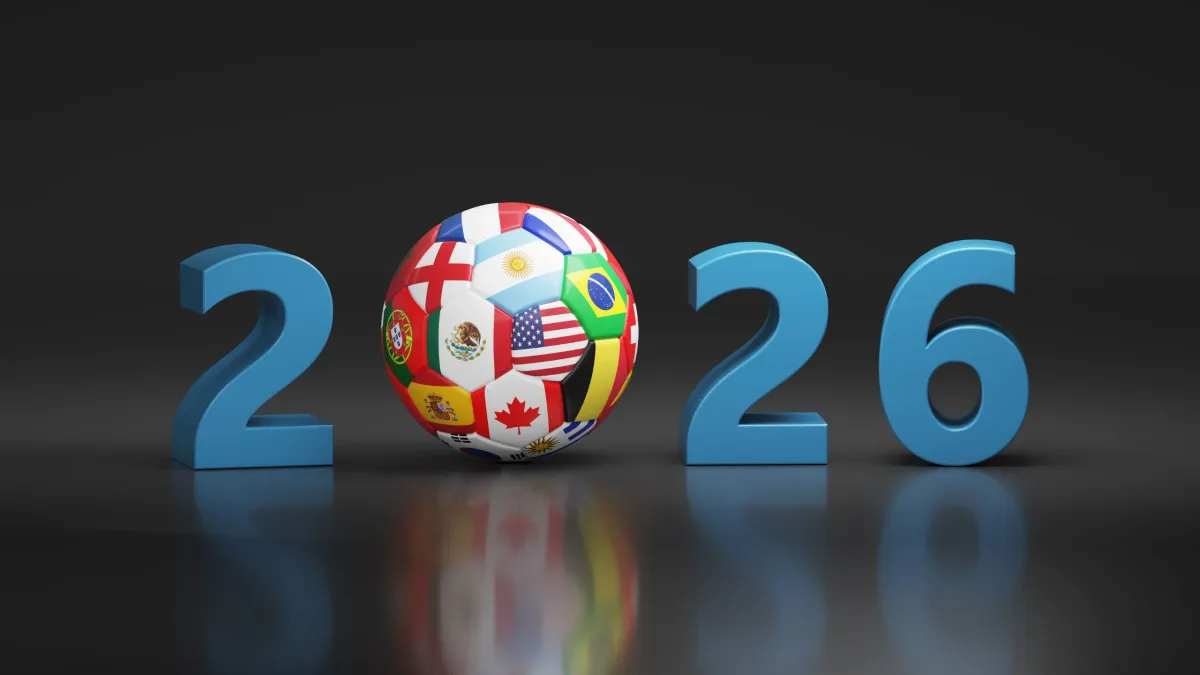
Your complete logistics guide to staying connected across all three host nations from Mexico City to Toronto and everywhere in between.
I. A Three-Nation Tournament: The Logistics Challenge No One Is Talking About
The 2026 FIFA World Cup is unlike any tournament that has come before it. For the first time in the history of the world's most-watched sporting event, the tournament will be co-hosted across three sovereign nations the United States, Canada, and Mexico spanning a geographic footprint so vast it makes every previous World Cup look like a local street fair by comparison.
Sixteen host cities. Three countries. One tournament. And for the millions of football fans planning to follow their national teams across group stages, knockout rounds, and the nail-biting quarter and semi-finals, that setup creates a logistical puzzle that no amount of match-day enthusiasm fully prepares you for.
Think about what following a team through the group stage actually looks like in 2026. Your nation's first match might be in Guadalajara, Mexico. The second could be in Dallas, Texas. The third might be in Vancouver, Canada. Three matches. Three cities. Three countries. Three different mobile networks and if you're relying on your home SIM card or swapping local SIM cards at each border crossing, three separate headaches involving roaming charges, activation queues, language barriers, and the very real possibility of losing connectivity at exactly the moment you need it most: standing outside a packed stadium trying to find your seat, navigate public transport, or call your travel companion who wandered off to find a cerveza.
The border-crossing pain is real, and it's something the World Cup's tournament organizers, host city tourism boards, and travel booking platforms have all been conspicuously quiet about. Airlines are selling inter-city flights. Hotels are pricing their rooms at four to five times normal rates. But almost nobody is talking about the single most important practical tool for a multi-nation football road trip: your mobile data connection.
This guide fixes that. Consider it your Fan Playbook for the 2026 FIFA World Cup covering the host cities, the travel trends, the inter-nation logistics, and the one connectivity solution that makes the whole three-country adventure feel effortless.
The Host Cities: All 16, Across Three Nations
Before we get into logistics, let's map the playing field.
United States (11 cities): New York/New Jersey, Los Angeles, Dallas, San Francisco Bay Area, Miami, Seattle, Boston, Atlanta, Kansas City, Philadelphia, and Houston.
Mexico (3 cities): Mexico City, Guadalajara, and Monterrey.
Canada (2 cities): Toronto and Vancouver.
The Final will be held at MetLife Stadium in East Rutherford, New Jersey on July 19, 2026. The semi-finals will take place in Dallas and Atlanta. For fans planning to follow the tournament through to its climax, the itinerary could easily stretch from an opening match in Mexico City to a semi-final in Dallas to a Final in New Jersey three countries, three cities, and hundreds of hours of travel in between.

The Border-Crossing Data Problem
Here is the scenario that plays out for unprepared fans, and it is worth spelling out in full because it is far more common and far more disruptive than people anticipate.
You land in Mexico City for your team's opening group match. You pick up a local Telcel SIM at the airport. It works fine. You watch the match, explore the city, eat tacos at midnight. Three days later, you board a flight to Dallas for match two. Your Mexican SIM either stops working entirely or switches to expensive international roaming the moment you land at Dallas Fort Worth Airport. You queue at a phone carrier kiosk for 40 minutes, buy an AT&T prepaid SIM, pay more than you expected, wait for it to activate, and finally get back online just in time to miss the shuttle from the airport to your hotel because you couldn't pull up the booking confirmation.
Two weeks later, you fly from Dallas to Toronto for a knockout match. The American SIM doesn't work in Canada. You repeat the entire process at Pearson Airport with a Canadian carrier.
Three SIM cards. Three activation processes. Three sets of phone numbers that your travel group has to keep track of. Three separate data balances to monitor. And at least one moment during the whole experience where you are standing in an unfamiliar city with a dead phone and a growing sense that this was poorly planned.
The solution which we'll cover in full in Section III is a single eSIM that covers all three countries on one plan, with zero roaming penalties when crossing between them. But first, let's look at who's actually travelling to this tournament and how they're approaching it.
II. Fan Travel Trends: The Rise of the Gateway Trip
The 2026 FIFA World Cup is not just the biggest sporting event of the decade. It is shaping up to be one of the most significant travel events in modern history, and the booking patterns emerging from fan communities, travel platforms, and airline reservation data tell a fascinating story about how a new generation of football supporters is approaching the tournament.
Gone are the days when World Cup travel meant flying in the day before your team's match and flying out the morning after. The 2026 tournament with its three-nation footprint, its 16 host cities spread across some of North America's most vibrant metropolitan areas, and its compressed schedule of 104 matches over 39 days is inspiring a completely different style of fan travel.
The 10-Plus Day Gateway Trip
Industry data and fan booking surveys suggest that approximately 15% of Gen Z football fans those born between 1997 and 2012, now aged between 14 and 29 are planning World Cup trips of 10 days or longer. Rather than attending a single match and returning home, this cohort is treating the tournament as a travel framework: a reason and a structure for a much broader North American adventure.
A typical Gen Z gateway trip might look like this: fly into Mexico City five days before your team's first match, spend three days exploring Teotihuacan, Xochimilco, and the street food scene of Roma Norte, watch the match at Estadio Azteca, then fly to Los Angeles for the second group match and use the four days in between to drive the Pacific Coast Highway, visit Joshua Tree National Park, and eat your way through East LA's taco scene. Follow that with a flight to Vancouver for a knockout round match, and spend three days exploring Whistler and the Sea-to-Sky corridor before heading back.
This is not a sports trip with some sightseeing tacked on. It is a full travel experience for which the World Cup matches serve as anchor points the things that determine the rough geography of the journey, while the cities and landscapes in between fill out the actual experience.
For these travellers and for older fans with similar extended itineraries multi-country connectivity is not a bonus feature. It is a basic requirement.
The Inter-City Flight Surge
Airline booking data from major carriers shows a significant surge in short-haul inter-city routes between the six host nations' gateway airports. Routes like Mexico City to Dallas, Los Angeles to Vancouver, Toronto to New York, and Dallas to Miami are seeing booking volumes many times above their normal baseline for June and July 2026.
Many of these bookings are one-way tickets purchased as part of a multi-city itinerary fans flying into one host city, attending a match, and then moving on to the next destination rather than returning to their home country. This pattern of movement creates exactly the cross-border connectivity challenge described above, multiplied across millions of individual travellers.
The Group Travel Dynamic
World Cup fan travel is overwhelmingly social. The vast majority of international fans attending the tournament are travelling in groups of two to six people family groups, friend groups, supporters' club delegations, and corporate hospitality parties. Group travel amplifies every logistical problem: when one person loses connectivity at a border crossing, the entire group is disrupted. When navigating an unfamiliar transit system in a foreign city, every member of the group needs reliable access to maps, booking confirmations, translation tools, and communication apps simultaneously.
A single eSIM plan that works seamlessly across all three countries isn't just convenient for individual travellers it's a group travel necessity.
III. The MobiMatter Solution: One Plan, Three Countries
Let's talk about the actual solution: MobiMatter's North America Regional eSIM, which covers the United States, Canada, and Mexico on a single plan with zero roaming penalties when you cross between the three countries.
This is the connectivity tool the 2026 FIFA World Cup demands. Here's why, and here's exactly how it works.
What Is an eSIM?
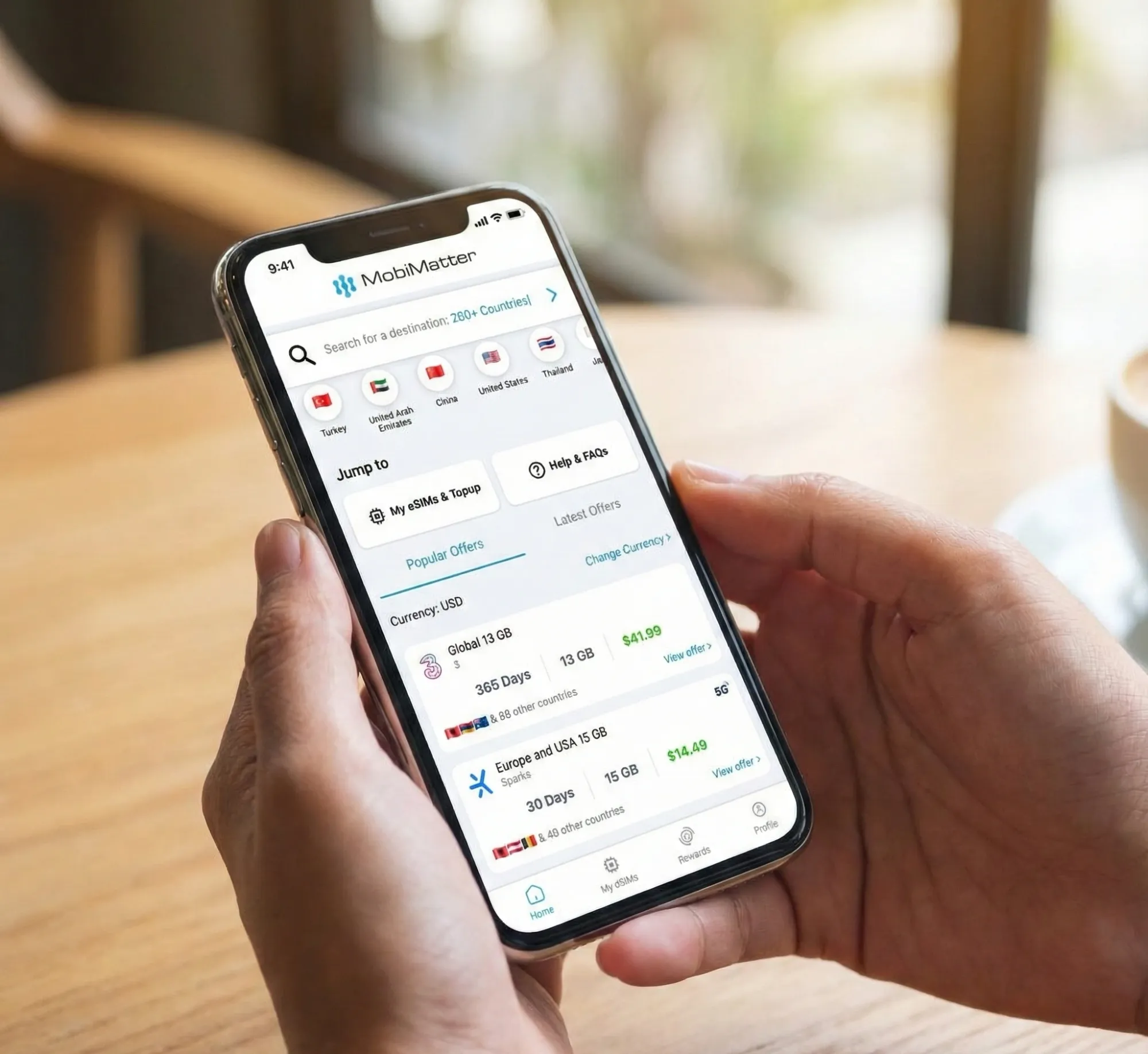
An eSIM is a digital SIM card built directly into your smartphone. Unlike a physical SIM card that you purchase at an airport, insert into your phone, and then discard or swap when you cross a border, an eSIM is installed digitally you purchase a plan online, scan a QR code or install it through an app, and it activates automatically when you arrive in the coverage region.
There is nothing to pick up at a counter. There is no queue. There is no activation waiting period. There is no foreign phone number to memorize and share with your travel group. You install your eSIM before you leave home, and it works the moment your plane lands in any of the three host nations.

The North America Regional eSIM: One Plan for All Three Nations
MobiMatter's North America Regional eSIM covers the United States, Canada, and Mexico as a unified coverage zone. When you cross from Mexico into the United States whether by air, land, or sea your data connection continues without interruption and without any roaming surcharges. When you cross from the United States into Canada, same story. One plan. One data balance. One price. No surprises.
For a fan following their team from Guadalajara to Dallas to Toronto or for a Gen Z traveller building a 12-day gateway trip across all three nations this means the question "do I have data right now?" has exactly one answer: yes.
Individual country plans are also available for fans who are staying within a single host nation:
eSIM USA - Covering all 11 US host cities including New York, Los Angeles, Dallas, Miami, and Seattle.
eSIM Canada - Covering Toronto and Vancouver, both host cities, plus all major Canadian cities and travel corridors.
eSIM Mexico - Covering Mexico City, Guadalajara, and Monterrey, all three Mexican host cities, plus nationwide coverage.
Why eSIM is Non-Negotiable for World Cup Travel
Consider everything you will use your phone for during a multi-week World Cup trip across North America:
Match tickets are digital, stored in apps that require a data connection for verification at stadium gates. Losing connectivity in the queue outside a packed stadium is not a minor inconvenience it could mean missing the match entirely.
Navigation across three countries involves constantly switching between city transit apps, ride-hailing platforms, and Google Maps. All require live data. None work reliably on cached offline maps when you're trying to figure out which exit of a Mexican metro station puts you closest to the stadium.
Group coordination across a multi-person travel party happens entirely on messaging and calling apps WhatsApp, iMessage, Telegram. If one person in your group loses connectivity at a border crossing, your entire coordination system breaks down at the moment you most need it: in an unfamiliar city, during a match day when every platform and transit service is at maximum capacity.
Accommodation bookings, airline check-ins, boarding passes, hotel confirmations, and car rental vouchers are all stored in apps or email accounts that need a live data connection to access reliably.
Currency conversion, translation apps for Spanish and French signage, local emergency numbers, and weather forecasts for outdoor fan zones all data-dependent, all potentially critical.
An eSIM USA covers you across eleven American host cities. An eSIM Canada covers you in Toronto and Vancouver. An eSIM Mexico covers you in all three Mexican host venues. And the North America Regional plan from MobiMatter covers all three simultaneously install once, travel everywhere.
Zero Roaming Fees: What That Actually Means
The phrase "zero roaming fees" gets used loosely in the travel tech space, so it's worth being precise about what it means with a MobiMatter North America Regional eSIM.
When you travel between the United States, Canada, and Mexico on a regional plan, your data usage is counted from a single shared pool. There is no roaming rate applied when you cross a border. There is no "international data add-on" you need to purchase. There is no moment where your carrier sends you a text message warning that you are now being charged at a per-megabyte rate that will make your eyes water.
You use your data. It comes from your balance. The price per gigabyte is the same whether you're streaming match highlights in a Dallas sports bar, navigating the Toronto subway, or searching for the best birria tacos near Estadio Akron in Guadalajara.
For a three-nation World Cup trip where you might cross international borders four or five times over the course of two to three weeks, the savings compared to standard roaming charges from a home carrier can be very substantial.
IV. City-by-City Fan Guide: Connectivity and What to Know
Here's a practical breakdown of the key host cities across all three nations what to expect on the ground, and how your MobiMatter eSIM keeps you moving.

United States Host Cities
New York / New Jersey MetLife Stadium (Final venue)
MetLife Stadium in East Rutherford, New Jersey hosts the World Cup Final on July 19, 2026 making the New York metro area the most high-traffic destination of the entire tournament. Expect match day crowds across Manhattan, Brooklyn, and the broader metro area on a scale that will challenge even New York's famously robust infrastructure.
Your eSIM USA gives you full LTE and 5G coverage across the tri-state area. For getting to MetLife Stadium, the NJ Transit train from Penn Station is the most reliable match-day option have your ticket on your phone and your map loaded before you leave Manhattan, as mobile network congestion around the stadium on Final day will be historic.

Los Angeles SoFi Stadium
Los Angeles is one of the largest footballing cities in North America, with a Mexican-American community that will make the atmosphere around any Mexico national team match at SoFi Stadium feel like a home game south of the border. The city's sprawling geography makes data-dependent navigation essential LA has no walkable city centre, and getting between Hollywood, Santa Monica, Inglewood (where SoFi is located), and East LA requires either a ride-hailing app or a precise understanding of the Metro system. Both need data.
Dallas AT&T Stadium
Dallas hosts a semi-final, making it one of the highest-profile American venues outside the Final. AT&T Stadium in Arlington is one of the largest stadiums in the world and a genuinely spectacular venue. The Dallas–Fort Worth metro area is vast and car-dependent have your navigation apps running and your ride-hailing accounts pre-loaded before you leave your accommodation on match day.

Miami Hard Rock Stadium
Miami's multicultural energy will make it one of the most atmospheric host cities in the tournament. The city's Latin American community, combined with international fans from South America and Europe, will create a match-day atmosphere unlike anywhere else in the US. Navigate the city confidently with a live eSIM USA connection Miami traffic on match days will be severe, and real-time navigation is non-negotiable.
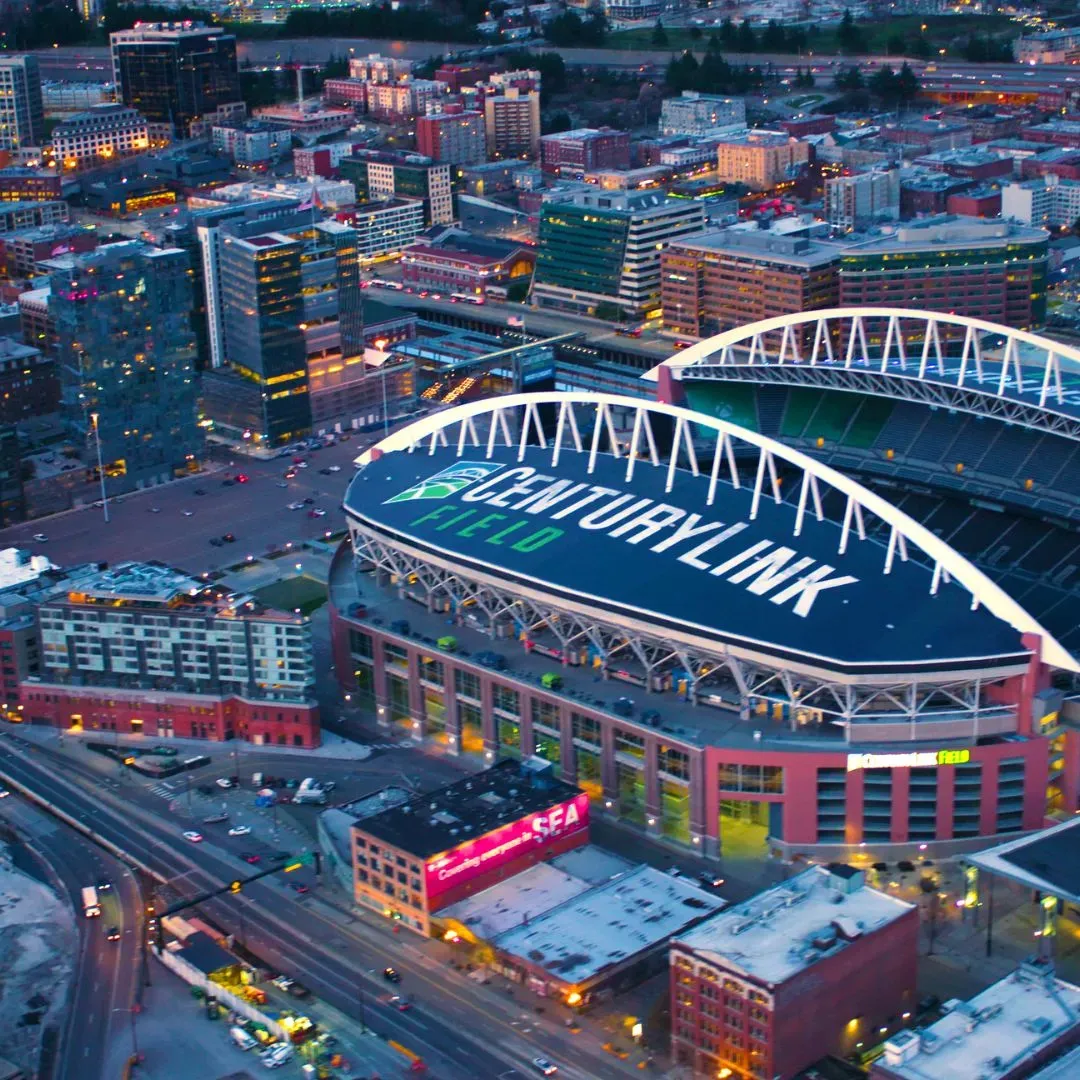
Seattle Lumen Field
Seattle is one of North America's most outdoorsy and architecturally interesting host cities, and a natural gateway for fans combining their World Cup trip with a visit to the Pacific Northwest. Use your MobiMatter eSIM to navigate the city's waterfront, ferry connections, and the trip up to Mount Rainier between matches.
Canada Host Cities
Toronto BMO Field
Toronto is Canada's largest city and one of the most culturally diverse urban centres on the planet a genuinely electrifying place to watch football. BMO Field sits on the waterfront near Exhibition Place, accessible by streetcar from downtown. Toronto's transit system (the TTC) is reliable and data-friendly, with apps that provide real-time arrival information you'll actually need on a crowded match day.
Your eSIM Canada provides full coverage across the Greater Toronto Area. If you're flying in from a US host city, note that Canada's border crossing even at the airport involves a customs process. Have your accommodation confirmation and onward travel details accessible offline as a backup.
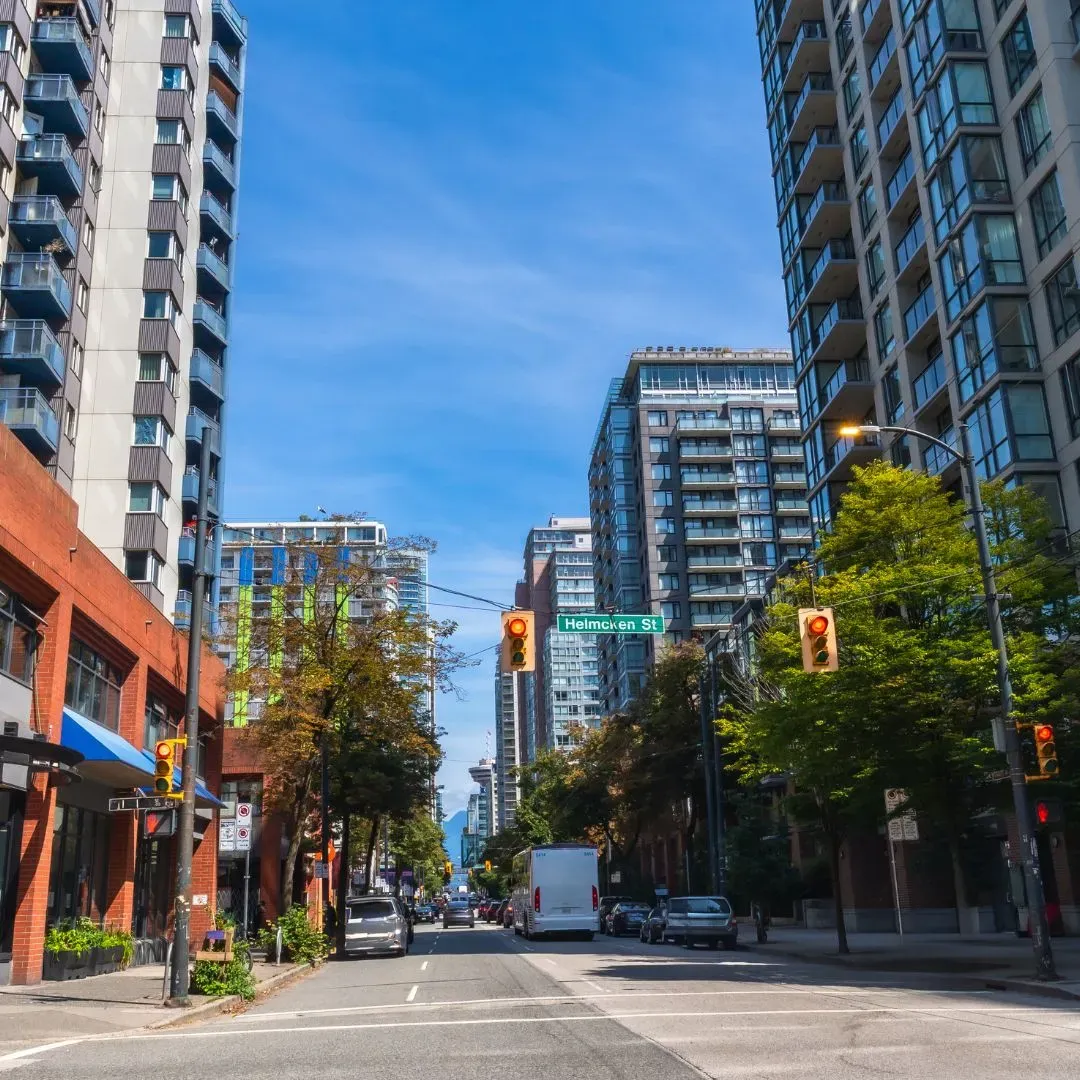
Vancouver BC Place
Vancouver is arguably the most scenically beautiful host city of the entire 2026 tournament a compact, walkable city surrounded by mountains, ocean, and temperate rainforest. BC Place is located right in the city centre, within walking distance of most downtown accommodation. The city's SkyTrain rapid transit network connects the airport to downtown in 26 minutes and runs frequently on match days.
Use your eSIM Canada to explore beyond the city Whistler, the Sea-to-Sky Highway, the North Shore mountains, and the Gulf Islands are all within reach for fans building extended stays around their match schedule.
Mexico Host Cities
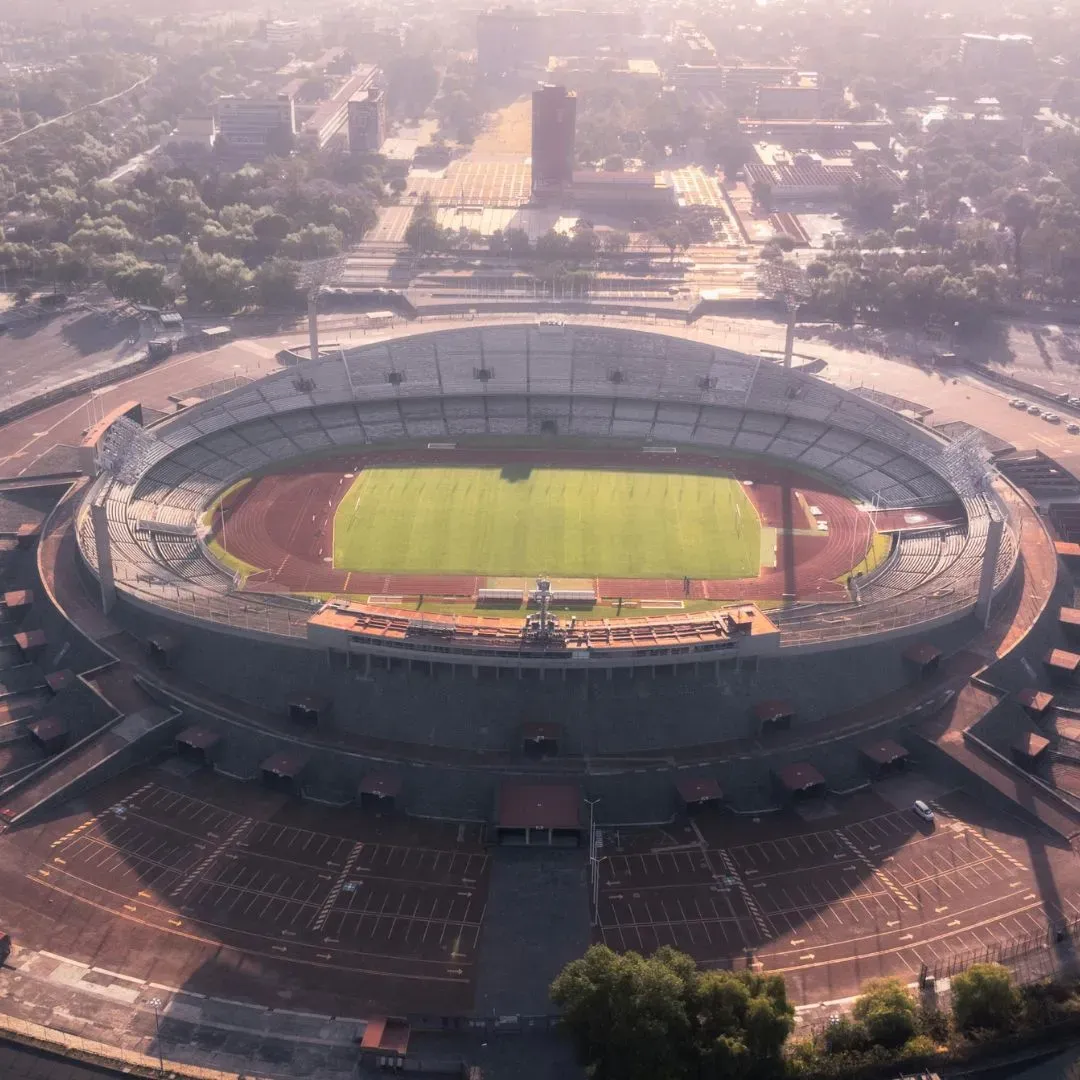
Mexico City Estadio Azteca
Estadio Azteca is one of the most iconic stadiums in world football history the venue where Diego Maradona scored both the Hand of God and the Goal of the Century in 1986, and where it all began for the World Cup back in 1970. Watching a match here, regardless of who is playing, is a bucket-list football experience.
Mexico City is vast, complex, and extraordinarily rewarding. Its metro system is one of the busiest in the world and an essential tool for match-day navigation. Its food scene from market tacos to the tasting menus of Polanco is among the best on earth. Navigate all of it confidently with a live eSIM Mexico connection.
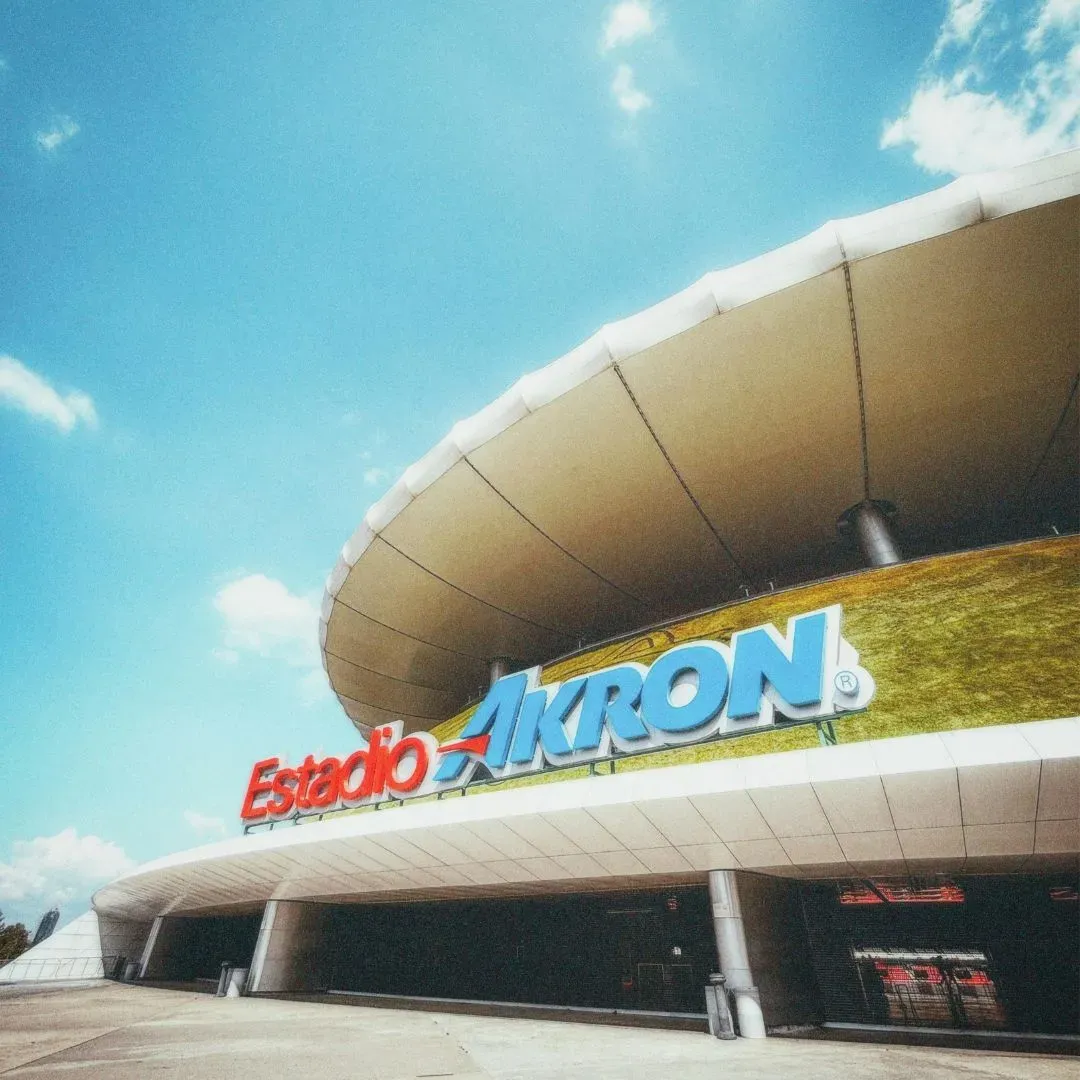
Guadalajara Estadio Akron
Guadalajara is Mexico's second city and one of its most culturally vibrant the birthplace of tequila, mariachi music, and a deeply passionate football culture centred on Club Deportivo Guadalajara (Chivas). The city is more manageable in scale than Mexico City and deeply rewarding to explore. Estadio Akron is located in the suburban district of Zapopan, reachable by a combination of metro and light rail from the city centre.
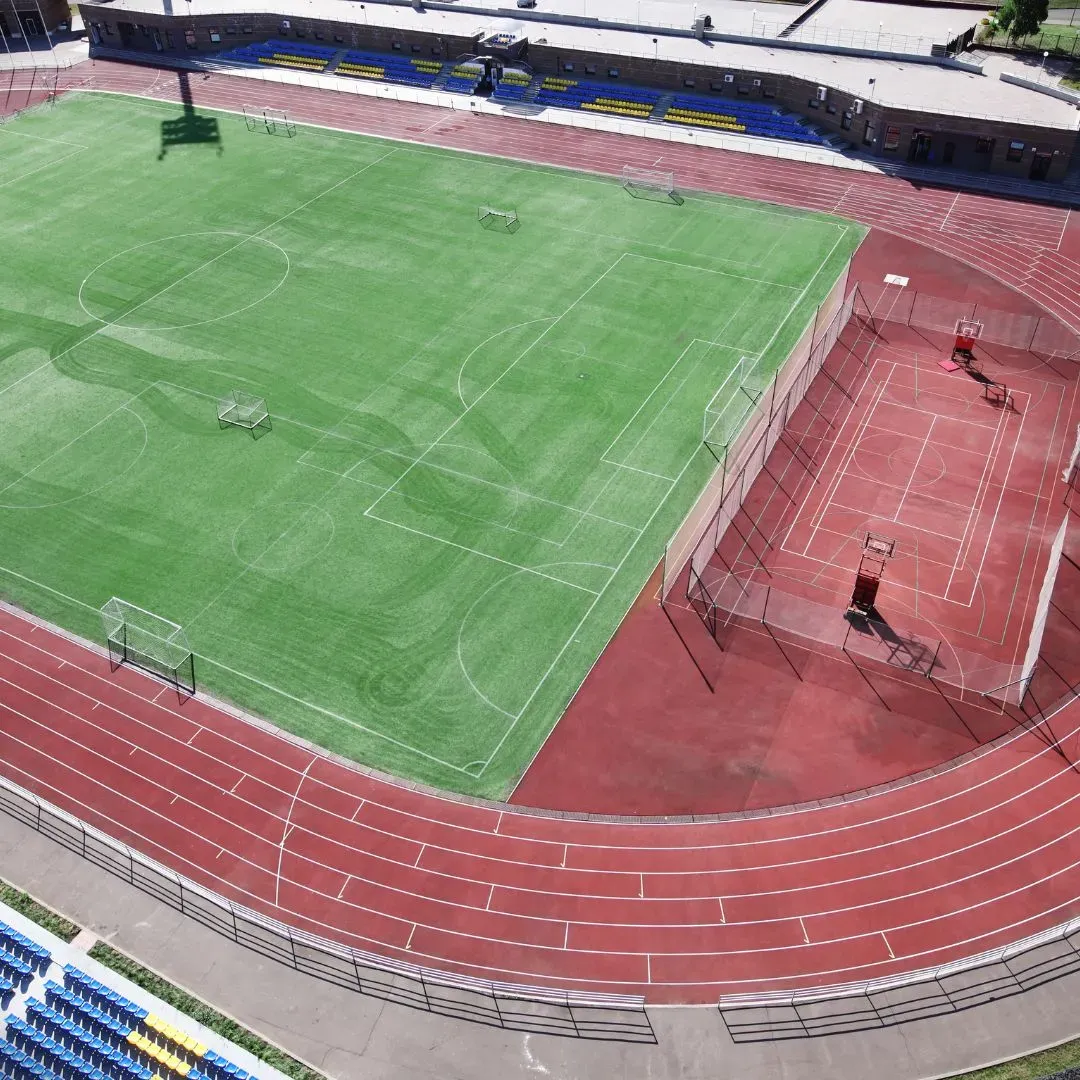
Monterrey Estadio BBVA
Estadio BBVA is widely considered one of the most architecturally stunning football stadiums in Latin America a dramatic modernist structure set against the backdrop of the Sierra Madre mountains. Monterrey is Mexico's industrial and financial powerhouse, a city of steel and mountains with a food culture (cabrito, machaca, pan de semita) that is entirely its own. Use your eSIM Mexico to navigate the city, translate menus, and find your way to the stadium across this sprawling northern metropolis.
V. Practical Match-Day Connectivity Tips for World Cup Fans
Download Everything Before Match Day
On the morning of any match, download your tickets, boarding passes, hotel confirmations, and navigation maps while you're on hotel Wi-Fi. Your MobiMatter eSIM provides reliable data throughout all host cities, but mobile networks around major stadiums on match days can experience congestion during the 60 to 90 minutes before kickoff when 60,000 to 90,000 fans are simultaneously trying to load their tickets, message their friends, and call their Ubers.
Use WhatsApp for Group Coordination
WhatsApp is the global standard for international group travel communication and works seamlessly across all three host nations with your MobiMatter eSIM USA, eSIM Canada, or eSIM Mexico. Set up a dedicated group chat for your travel party before departure and use it for everything location sharing, meeting points, restaurant recommendations, and emergency coordination.
Keep a Power Bank Charged at All Times
A full day of match-day travel navigation, ticket verification, photography, messaging, and live score checking for other matches will drain a modern smartphone battery completely before the final whistle. A 20,000mAh power bank keeps you charged through a full match day and beyond. Combined with your MobiMatter eSIM, it is the single most important piece of hardware you can carry.
Learn Basic Transit Apps Before You Arrive
For US cities: Google Maps, Uber, and Lyft cover all host cities comprehensively. For Toronto: Transit app plus TTC official app for real-time streetcar and subway tracking. For Vancouver: TransLink app for SkyTrain and bus schedules. For Mexico City: moovit app for metro navigation, plus inDrive or Uber for ride-hailing. For Guadalajara and Monterrey: Uber is widely available and reliable. Download the app and add a payment method before you arrive.
All of these apps require a live data connection. All are covered by your MobiMatter eSIM.
Set Up Google Translate for Offline Spanish and French
While your MobiMatter eSIM keeps you connected across all three nations, it's worth downloading Spanish and French language packs in Google Translate for offline use as a backup. Spanish is essential across all three Mexican host cities and in Miami, Los Angeles, and Dallas. French is useful in Montreal (not a host city but a likely transit point for some fans) and in parts of Toronto.
VI. The Complete Fan Packing List: Connectivity Edition
Before you leave for the tournament, run through this checklist:
MobiMatter North America Regional eSIM purchased, installed, and confirmed active on your device. If you're staying in one country only, purchase the relevant single-country plan: eSIM USA, eSIM Canada, or eSIM Mexico.
All match tickets downloaded to your phone and to your Apple Wallet or Google Wallet for offline access.
Accommodation confirmations saved as PDFs on your device, not just in email.
Offline maps downloaded in Google Maps for each host city on your itinerary.
Power bank fully charged and packed in your carry-on, not checked luggage.
WhatsApp group established with your full travel party before departure.
Transit apps downloaded for each host city you'll visit.
Google Translate Spanish and French packs downloaded for offline use.
Travel insurance documentation saved offline.
Emergency contact numbers for each country: US (911), Canada (911), Mexico (911 in most areas, 066 in some regions).
FAQs: The 2026 FIFA World Cup Fan Playbook
Q1. When does the 2026 FIFA World Cup start and where is it being held?
The 2026 FIFA World Cup kicks off on June 11, 2026, and runs through July 19, 2026, when the Final takes place at MetLife Stadium in East Rutherford, New Jersey. The tournament is co-hosted across three nations: the United States (11 host cities), Mexico (3 host cities), and Canada (2 host cities), for a total of 16 host cities across the North American continent. It is the first World Cup in history to be hosted across three countries simultaneously, and with 104 matches scheduled across 39 days, it is also the largest World Cup in history by both match count and participating nations (48 teams, up from 32).
Q2. Do I need a separate SIM card for each country I visit during the World Cup?
Not if you use the right eSIM plan. Traditional physical SIM cards are country-specific a Mexican SIM card won't work in the United States, and an American prepaid SIM won't cover you in Canada without expensive roaming charges. MobiMatter's North America Regional eSIM covers all three host nations on a single plan with no roaming penalties when crossing between them. Fans planning to attend matches in more than one country should purchase the regional plan before departure to avoid the hassle of swapping SIM cards at every border crossing.
Q3. What is an eSIM and how do I set it up for World Cup travel?
An eSIM is a digital SIM card built into your smartphone that is activated remotely, without inserting a physical card. To set up your MobiMatter eSIM for World Cup travel, purchase your chosen plan on the MobiMatter website, receive a QR code by email, scan the QR code in your phone's Settings under Mobile Data or Cellular, and assign the eSIM to your data line. The plan activates automatically when your phone connects to a network in the coverage region. The entire setup process takes less than five minutes and can be completed at home before you travel. On arrival in your first host city, your data connection is live and ready with no queues, no activation counters, and no waiting.
Q4. Which MobiMatter eSIM plan should I buy for the World Cup?
It depends on your itinerary. If you are attending matches in only one country, purchase the single-country plan for that nation: eSIM USA for any of the 11 American host cities, eSIM Canada for Toronto or Vancouver, or eSIM Mexico for Mexico City, Guadalajara, or Monterrey. If your itinerary crosses two or all three nations which is common for fans following a team through the group stage and into the knockout rounds the North America Regional eSIM from MobiMatter is the right choice, covering all three countries on one unified plan with no roaming fees.
Q5. Will my eSIM work inside the stadiums during matches?
Yes. MobiMatter's eSIM plans use major carrier networks in each country networks that provide coverage inside and around all 16 World Cup host stadiums. That said, mobile network congestion inside and immediately outside major stadiums during matches can slow data speeds for all users simultaneously, regardless of carrier or plan. This is a normal consequence of 60,000 to 90,000 people attempting to use mobile data in a concentrated area at the same time. The practical solution is to download your match tickets, load your navigation route to the stadium, and confirm your post-match transport plan while you are still at your hotel or in a less congested area before heading to the venue.
Q6. How much data will I use on a typical World Cup match day?
A typical match-day data usage for an active smartphone user navigation to and from the stadium, messaging on WhatsApp, checking live scores for other matches, social media posting, and general browsing runs between 500MB and 1.5GB. If you are streaming video (match highlights, pre-match coverage, or video calls with friends back home), add an additional 1 to 2GB per hour of streaming. For a two to three week World Cup trip covering multiple host cities, a plan of 15 to 20GB is a comfortable allowance for most users. MobiMatter offers a range of plan sizes to match your specific itinerary length and usage habits.
Q7. Is mobile data reliable in the Mexican host cities?
Yes. Mexico City, Guadalajara, and Monterrey are all major metropolitan areas with well-developed 4G LTE and expanding 5G networks. MobiMatter's eSIM Mexico connects through major Mexican carriers providing strong coverage across all three host cities, their stadium zones, and the main tourist and transit corridors. Rural Mexico and some smaller towns outside the host cities may have more limited coverage, but for fans staying within the urban footprints of the three host cities, data reliability is comparable to what you'd experience in any major American or Canadian city.
Q8. Can I use my MobiMatter eSIM for calls and texts as well as data?
MobiMatter's travel eSIM plans are data-only plans they provide mobile data but do not include a local phone number for voice calls or SMS text messages. For communication during your World Cup trip, use data-based messaging and calling apps: WhatsApp, FaceTime Audio, Google Meet, Telegram, or Signal all work excellently over the mobile data provided by your eSIM plan and are the standard communication tools used by international travellers worldwide. If you need to make local phone calls to hotels, taxis, or local services WhatsApp calls to local numbers work reliably across all three host nations.
Q9. What phones are compatible with MobiMatter eSIM plans?
Most modern flagship smartphones from 2018 onwards support eSIM technology. Apple devices compatible with eSIM include the iPhone XS and all subsequent models through the current iPhone 16 lineup. Samsung Galaxy eSIM compatibility begins with the Galaxy S20 series. Google Pixel compatibility begins with the Pixel 3a. Most flagship devices from Huawei, Sony, Motorola, and other major Android manufacturers released from 2020 onwards also support eSIM. To confirm compatibility for your specific device model before purchasing, check the compatibility section on the MobiMatter website. Note that some smartphones sold in certain markets are locked to a single carrier's eSIM if you purchased your phone through a carrier contract rather than unlocked, verify eSIM compatibility with your carrier before purchasing a travel plan.
Q10. How far in advance should I buy my MobiMatter eSIM for the World Cup?
You can purchase and install your MobiMatter eSIM at any point before your travel date. The plan activates when you activate your eSIM, not when you install it, so buying early doesn't waste any of your data allowance. That said, purchasing at least one week before your departure date is recommended to give yourself time to install the eSIM, verify it's set up correctly on your device, and contact MobiMatter support if you encounter any issues. Avoid leaving it until you're at the airport eSIM installation is quick, but troubleshooting is easier from the comfort of your home than from a departure lounge.
Q11. Will the eSIM work if I travel to other North American cities beyond the host cities?
Yes. MobiMatter's eSIM USA, eSIM Canada, and eSIM Mexico plans provide nationwide coverage in their respective countries not just in the World Cup host cities. If your extended gateway trip takes you from Los Angeles to Las Vegas, from Toronto to Niagara Falls, from Mexico City to Oaxaca, or from Vancouver to the Canadian Rockies, your MobiMatter eSIM travels with you and provides coverage throughout. The North America Regional plan covers the full territory of all three nations on a single data balance.
Q12. What should I do if I lose connectivity during the tournament?
First, check that your eSIM is still set as the active data line in your phone's Settings under Mobile Data or Cellular occasionally, a phone software update or restart can reset the default data line to your home SIM. Second, toggle airplane mode on for 30 seconds and then off again to force your phone to reconnect to the local network. Third, check your data balance on the MobiMatter app or website to confirm your plan hasn't been exhausted. If the issue persists, MobiMatter's customer support team is available to assist. As a practical backup, download Google Maps offline maps for each host city before your trip so you always have basic navigation available even without a live data connection.
Q13. Are there any restrictions on using eSIM at international border crossings?
No. An eSIM is a software feature of your smartphone and is completely invisible to border security processes. Crossing from Mexico into the United States, from the United States into Canada, or in any other direction between the three host nations with an eSIM on your phone is exactly the same process as crossing without one. Your data plan transitions seamlessly between countries without any action required on your part. You do not need to declare your eSIM at customs, you do not need to deactivate it at the border, and there are no restrictions on using data-based communication apps across any of the three host nations.
Q14. Can multiple people in a travel group share one MobiMatter eSIM plan?
An eSIM plan is installed on and used by a single device it cannot be directly shared across multiple phones simultaneously. For a travel group of two or more people, each person should purchase their own MobiMatter plan for their own device. Given that plans start at very accessible price points and that the alternative roaming charges across three countries can cost many multiples more, equipping every member of your travel party with their own eSIM USA, eSIM Canada, or eSIM Mexico plan (or the regional plan for multi-country trips) is the smartest and most cost-effective approach to group travel connectivity during the tournament. You can use hotspot and share the data if you have a high data plan.
The 2026 FIFA World Cup is a once-in-a-generation sporting event across three extraordinary nations. Don't let a preventable connectivity problem be the thing you remember most about it. Get your MobiMatter eSIM before you fly and focus on the football.