The Ultimate 2026 Seoul Spring Festival Guide: How to Navigate Like a Local (and Avoid Roaming Fees)
The Magic of April 2026 in Seoul
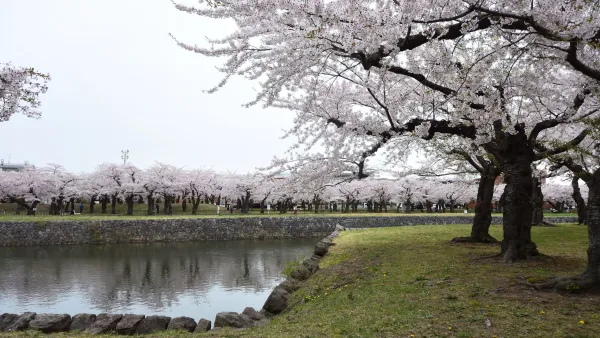
There is something almost indescribable about Seoul in spring. The cherry blossoms explode in soft pink clouds over Yeouido Hangang Park, the streets hum with K-pop energy, and the entire city seems to exhale after a long winter. In April 2026, that energy is dialled up to an entirely new frequency because Seoul is not just blooming, it is performing.
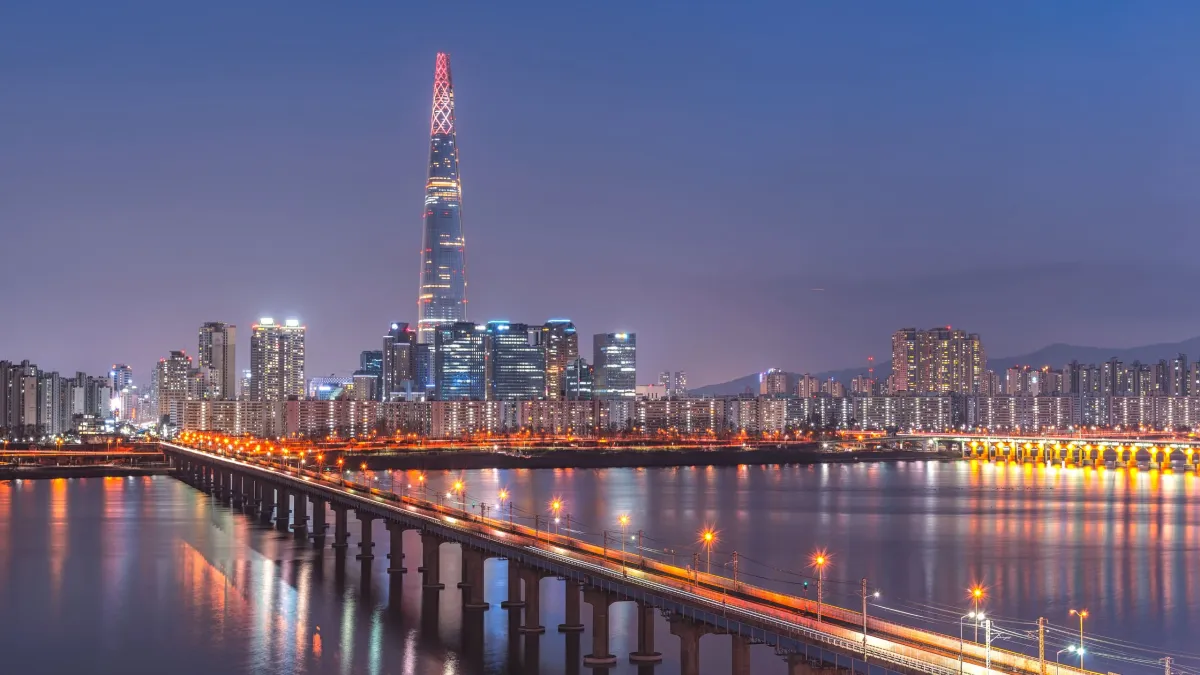
BTS's "Arirang" revival vibes are rippling through every neighbourhood. Seoul Festa 2026 is pulling in hundreds of thousands of visitors from across Asia, the US, Europe, and South Africa. Pop-up markets are overtaking Seongsu-dong. Drone light shows are painting the Han River sky. And somewhere in the middle of all this beautiful chaos, your phone is going to buzz with a Google Maps notification and then promptly fail to load because your international roaming connection cannot keep up.
Here is the uncomfortable truth that most Seoul travel guides do not tell you: Seoul is the world's most connected city, running on blazing 5G infrastructure that makes most Western networks look like dial-up. And yet, if you are travelling from the US or other countries and relying on your carrier's international roaming plan, you will experience Seoul at a frustratingly throttled speed and will end up paying $10 or more per day for a connection that lags, drops, and ruins the experience of navigating one of the most app-dependent cities on Earth.
This guide exists to fix that. We are going to walk you through every major event of the 2026 Seoul Spring Festival season, show you why local apps are non-negotiable, and explain exactly how a travel eSIM turns a stressful trip into a seamless local experience.
The "Super Week" Lineup: May 1–5, 2026
If you are planning your Seoul trip and have any flexibility at all, align your itinerary around what locals are already calling "Super Week." From May 1 to May 5, Seoul concentrates an almost unreasonable amount of events into five days.
The Wonder Show — May 3 at Yeouido Hangang Park
The centrepiece of Seoul Festa 2026 is The Wonder Show, the main opening ceremony held at Yeouido Hangang Park on May 3rd. This is not a small, ticketed concert, it is a city-wide celebration that transforms the entire Hangang riverside into a stage. Expect K-pop performances, cultural showcases, light installations, and a crowd energy that is genuinely unlike anything you will experience elsewhere.
Yeouido Hangang Park is also one of the most iconic cherry blossom destinations in Korea, so if the blooms are still lingering (which early forecasts suggest they may be in 2026), the combination of festival lights and falling petals creates a scene straight out of a drama.
Pro tip: Arrive at least two hours early. The park fills up fast, and the surrounding subway stations (Yeouinaru on Line 5, or Yeouido on Line 9) get crowded quickly. Have your T-Money card ready to tap and go.
Seoul Drone Light Shows — April 10, 25, and May 5
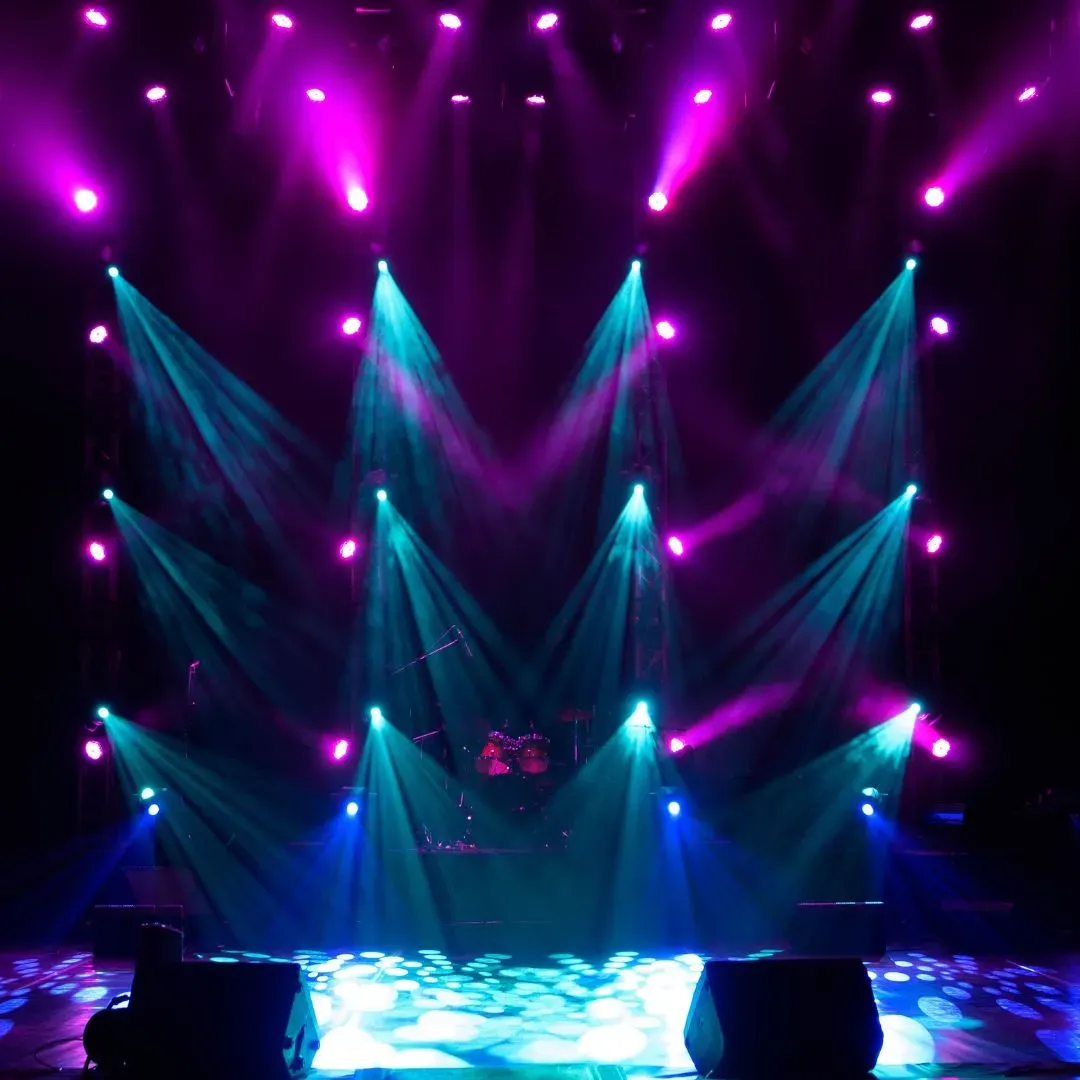
One of the most visually spectacular additions to the 2026 Seoul Spring Festival lineup is the drone light show series taking place at various Hangang parks. Mark these dates in your calendar: April 10, April 25, and May 5.
Hundreds of synchronised drones create moving formations — traditional Korean motifs, BTS logos, and animated sequences over the Han River after dark. These shows are free to watch from the riverside parks, but viewing spots fill up fast. Having a reliable mobile connection matters here because you will need Naver Maps to find the optimal viewing area and real-time crowd density updates.
Seongsu-dong: Seoul's "New Myeongdong" for Pop-Up Culture
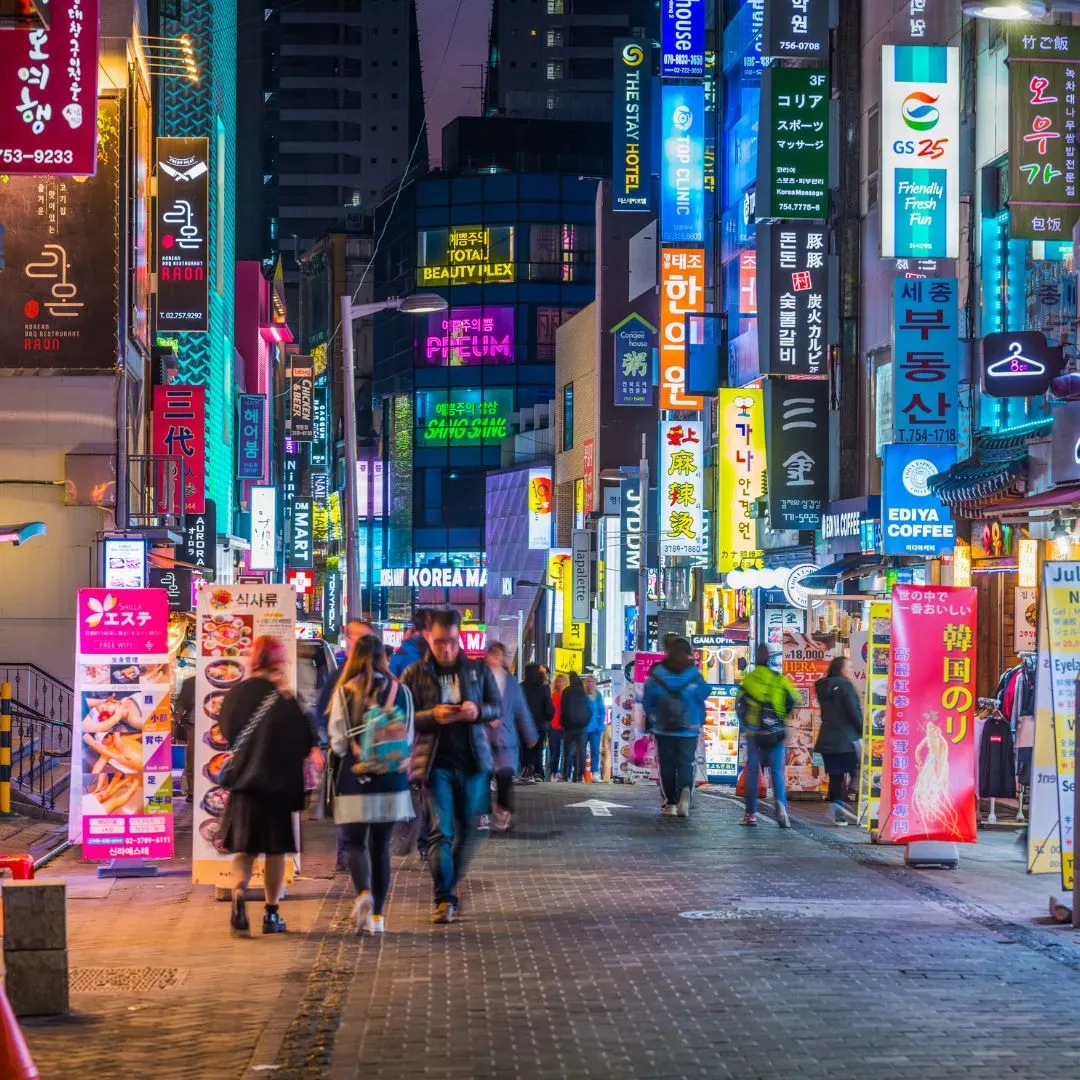
If Myeongdong is Seoul's tourist shopping district, Seongsu-dong is where Seoul actually shops in 2026. This former industrial neighbourhood on the east bank of the Han River has become the undisputed capital of Korean pop-up culture and during Seoul Festa 2026, it is going into full overdrive.
Luxury brands, indie Korean designers, K-beauty labs, and food concept stores are all descending on Seongsu-dong's converted factory spaces and café-lined streets. Many of these pop-ups are announced just 24–48 hours in advance via Instagram and Naver, which means discovery is entirely dependent on having a fast, reliable local data connection.
This is where roaming plans fall apart completely. Streaming Instagram reels and loading Naver event pages on a throttled roaming connection is an exercise in frustration. A South Korea eSIM with local 5G access changes everything.
Essential Apps You Cannot Use Without a Local Connection
Let's be direct: Seoul in 2026 is not a city you navigate with Google Maps and hope for the best. Korean apps dominate everyday life here, and they require consistent, high-speed data to function properly. Here is what you need to have on your phone before you land.
Naver Maps & KakaoTaxi
Naver Maps is the lifeblood of navigating Seoul. Unlike Google Maps, which has limited real-time Korean transit data, Naver Maps knows every bus route, subway connection, walking shortcut, and traffic jam in the city. It integrates seamlessly with Seoul Festa 2026 event venues and gives you crowd density information for parks and stations.
KakaoTaxi is how you get a cab in Seoul. Regular taxis are plentiful, but KakaoTaxi lets you book in advance, track your driver, and pay cashlessly; essential when you are navigating unfamiliar streets at midnight after a concert.
Here is what most travel blogs skip: both of these apps lag noticeably on international roaming. The map tiles fail to load, the real-time transit updates freeze, and KakaoTaxi driver tracking stutters. On a local 5G Korea eSIM, both apps perform exactly as they do for Koreans instantly.
CatchTable
CatchTable is the 2026 way to book Seoul's trendiest restaurants. Korea's dining scene has become so globally popular (thanks in part to Netflix shows and the Korean Wave) that restaurants in Seongsu-dong, Itaewon, and Hongdae are booked out days or weeks in advance. CatchTable is the local reservation platform that manages these bookings, and it requires a data-connected phone to function.
T-Money Go & The Climate Card
The T-Money Go app manages your transit card digitally, and in 2026, it is the gateway to what Seoul is rolling out as the "Climate Card", an unlimited transit pass that covers subways and buses for a flat monthly fee. For festival visitors staying a week or more, this represents extraordinary value. Load it up, tap your phone, and forget about buying individual tickets.
Why eSIM is the Non-Negotiable Travel Hack for Seoul 2026
Let us talk about connectivity in plain terms.
The Problem With Roaming
International roaming from US carriers typically costs $10 per day for a capped, often throttled data allowance. On a 10-day Seoul trip, that is $100 and you will still encounter moments where your connection fails precisely when you need it most: navigating to a pop-up in Seongsu-dong, booking a restaurant on CatchTable, or pulling up your e-ticket at a concert gate.
The eSIM Solution
A travel eSIM for Korea plugs you directly into Korea's local 5G network, the same network Koreans use every day. There is no roaming middleman, no throttling, and no per-day fee panic.
Here is the actual comparison for a 10-day Seoul trip:
| Option | Cost | Connection Quality |
|---|---|---|
| Your home country Carrier Roaming | ~$100-$200 | Throttled, inconsistent, high latency |
| Airport SIM Card (Physical) | $30–$50 | Decent, but requires queuing and physical swap |
| Pocket WiFi Rental | $45–$70 | Good for groups, but bulky and requires charging |
| Public Festival WiFi | Free | Unreliable; high risk of failure in crowds |
| MobiMatter Korea eSIM (30GB) | $14.99 for 30 days | Instant activation, best price, connects to local 5G/4G network |
| MobiMatter 50 GB for South Korea | $23.99 for 30 days | Instant activation, best price, connects to local 5G/4G network |
| MobiMatter South Korea eSIM Plans | As low as $0.5/GB | Instant activation, best price, connects to local 5G/4G network |
A 30GB Korea eSIM at $14.99 from Mobimatter is not just cheaper; it is a fundamentally better experience. You install it before you leave home, activate it as soon as you land (no airport queues, no language barriers), and the moment your plane lands at Incheon, your phone connects seamlessly to Korean 5G.
eSIM for iPhone and Samsung
Both iPhone (XS and later) and modern Samsung Galaxy devices are fully eSIM compatible. The setup takes about five minutes. You scan a QR code, follow a brief setup process, and your travel profile is ready. You keep your home SIM active for calls while the eSIM handles all your Korean data.
The best eSIM for Korea in 2026 should offer true 5G access, a data allowance of at least 20GB (50GB is ideal for a 10-day trip with heavy app use), and a straightforward activation process. Mobimatter's Korea plans tick all three boxes.
Budget Hack: A Real Cost Comparison for Travellers
Let us make this tangible with a real 10-day trip breakdown.
Roaming Route:
- Carrier daily pass: $10 × 10 days = $100
- Connection still throttles after daily cap
- Miss two pop-up events in Seongsu-dong because maps fail to load: priceless (in the bad way)
eSIM Route:
- 50GB Korea eSIM: $23.99
- Connects to local 5G/4G network. Data for 30 days
- Naver Maps, KakaoTaxi, CatchTable, Instagram - all instant
- Money saved: $76+ (which buys you a very good Korean BBQ dinner)
Planning Your Seoul Spring Festival 2026 Itinerary
Here is a suggested framework for first-time Seoul Festa visitors:
Before You Fly
- Apply for your K-ETA (Korean Electronic Travel Authorisation). Do this at least 72 hours before departure, but 48 hours is the absolute minimum
- Install your Korea eSIM and ensure it is set up correctly on your device
- Download Naver Maps, KakaoTaxi, CatchTable, and T-Money Go. Sign in and configure before you land
Days 1–2: Arrive and Orient
- Land at Incheon, activate your eSIM and get online instantly. Skip the airport SIM card queue.
- Take the AREX Express to Seoul Station, tap your T-Money card
- Check into accommodation, explore your neighbourhood
Days 3–5: Festival Core
- Attend The Wonder Show at Yeouido Hangang Park (May 3)
- Explore Seongsu-dong pop-ups. Follow Naver and Instagram for daily announcements
- Book a trending restaurant via CatchTable for dinner
Days 6–8: Culture and Day Trips
- Gyeongbokgung Palace in traditional hanbok
- Day trip to Nami Island or Suwon Hwaseong Fortress
- Evening drone light show at Hangang (check dates)
Days 9–10: Last Bites and Shopping
- Hongdae for street performance culture
- Final Seongsu-dong walk, Korean skincare haul
- Airport: arrive 3 hours early for international departures
Conclusion & Pro-Tip
Seoul in spring 2026 is one of the most compelling travel experiences on the planet. The combination of cherry blossoms, BTS cultural energy, Seoul Festa's Wonder Show, Seongsu-dong's pop-up renaissance, and the drone light shows over the Han River creates a trip that genuinely earns every superlative thrown at it.
But Seoul rewards the prepared traveller. The city runs on apps, and those apps run on fast local data. International roaming is the single most common complaint among first-time Seoul visitors and it is entirely avoidable.
Get your K-ETA sorted and your eSIM activated at least 48 hours before you fly. Do not leave this until the airport. The K-ETA can take time to process, and your travel eSIM should be configured and tested before you board.
👉 Buy Your Korea eSIM Now at Mobimatter
Frequently Asked Questions
Q: Do I need a visa to visit South Korea from the US? US citizens currently enjoy visa-free entry to South Korea for stays up to 90 days, but a K-ETA (Electronic Travel Authorisation) is required. Other citizens need to check current visa requirements, as these can change. Always verify with the Korean embassy closest to you before booking.
Q: Is Google Maps reliable in Seoul? Google Maps works in Seoul but has significant limitations compared to Naver Maps, particularly for public transit directions, bus routes, and real-time traffic. For navigating Seoul Festa 2026 venues and Seongsu-dong pop-ups, Naver Maps is strongly recommended.
Q: What is the best eSIM for Korea in 2026? The best eSIM for South Korea should offer a reliable connectivity, at least 20GB of data for a week-long trip (50GB for 10+ days), easy setup and instant activation. Mobimatter's Korea eSIM plans are competitively priced and connect directly to Korea's local 5G network.
Q: Can I use my eSIM on both iPhone and Samsung? Yes. eSIM is supported on iPhone XS and all later models, as well as most modern Samsung Galaxy devices (S20 series and newer). Always double-check your specific model's eSIM compatibility before purchasing.
Q: How much data do I actually need for a 10-day Seoul trip? For heavy app usage, Naver Maps navigation, KakaoTaxi, CatchTable, Instagram, video streaming, budget approximately 3–5GB per day. A 50GB plan gives you comfortable headroom without rationing.
Q: Are the Seoul Festa 2026 drone shows free? Yes, the Hangang drone light shows are free public events. However, premium viewing positions and ticketed grandstand areas may exist for certain dates. Check the official Seoul Festa website and Naver for the most current updates closer to the event dates.
Q: What is the Climate Card and is it worth it for tourists? The Climate Card is Seoul's unlimited transit pass for subways and buses. For visitors staying 7 days or more and planning to use public transit heavily (which you should, Seoul's transit is excellent), it offers significant savings over paying per journey. Manage it via the T-Money Go app.
Q: What if I arrive without an eSIM? Can I buy one at Incheon Airport? Yes, physical SIM cards are available at Incheon Airport from multiple providers. However, the queues during peak festival periods can be long, prices are higher than pre-purchased eSIM plans, and you lose that immediate connectivity the moment you land. Pre-installing an eSIM before departure is always the smarter move.