7 Reasons Why Japan is the #1 Trending Travel Destination for the 2026 Holiday Season
Planning your next vacation? If you’re wondering why travel to Japan should top your bucket list this holiday season, you’re not alone. Japan travel destinations have surged in popularity, making the Land of the Rising Sun one of the hottest spots for travelers in 2026. From ancient temples and peaceful shrines to neon-lit cities, world-class cuisine, and breathtaking natural wonders, Japan delivers an unforgettable blend of tradition and cutting-edge modernity. As you explore it all, an eSIM Japan ensures seamless connectivity for navigation, translations, bookings, and sharing experiences so you can travel smarter and stay connected throughout your journey.
The archipelago nation has captured the imagination of travelers worldwide, and the numbers speak for themselves. Tourism boards across the country report record breaking interest from international visitors, with bookings for 2026 already surpassing previous years. Social media platforms are flooded with stunning images of cherry blossoms, futuristic cities, and serene temples, creating a viral effect that has positioned Japan as the must visit destination of the year.
Let's explore the seven compelling reasons why Japanese tourist destinations are capturing hearts worldwide and why your 2026 holiday should start with a flight to Tokyo, Osaka, or Kyoto. Whether you're a first time visitor or a seasoned Japan enthusiast, this comprehensive guide will show you exactly why millions of travelers are choosing Japan holiday destinations for their next adventure.
1. Unbeatable Japan Vacation Deals Make Travel More Affordable Than Ever
One of the biggest surprises for travelers researching Japan travel destinations is discovering how affordable it has become. The current exchange rates have made Japan more budget friendly than ever before, with Japan vacation deals offering incredible value for money that simply wasn't available a few years ago.
The Japanese yen has become more favorable for international travelers, meaning your dollar, euro, or pound stretches further than in previous years. This currency advantage applies to everything from accommodation and dining to shopping and entertainment. What was once considered an expensive destination has transformed into one offering exceptional value without compromising on quality or experience.
Budget airlines have expanded their routes significantly, connecting major cities worldwide to multiple airports across Japan. Carriers like AirAsia, Peach Aviation, and Jetstar Japan offer competitive fares that make flying to Japan surprisingly affordable. Traditional carriers have also responded with promotional fares and special packages designed to attract international visitors. The increased competition among airlines has driven prices down while maintaining service quality.
Hotels, ryokans (traditional Japanese inns), and vacation rentals are competitively priced, especially when booked in advance. The accommodation scene in Japan has diversified tremendously, catering to every budget level. You can find clean, comfortable business hotels for as little as $50 per night in major cities, while mid range hotels offering excellent facilities typically range from $80 to $150 per night. For those seeking luxury, five star hotels provide world class service at prices often lower than comparable properties in New York, London, or Paris.
The rise of vacation rental platforms has also opened up unique accommodation options. You can stay in traditional machiya townhouses in Kyoto, modern apartments in Tokyo's trendy neighborhoods, or countryside homes that offer authentic rural experiences. These rentals often provide better value for families or groups traveling together, with full kitchens allowing you to save on meals while experiencing local supermarkets and cooking ingredients.
Food costs remain surprisingly reasonable across all price points. You can enjoy a delicious bowl of authentic ramen for just $7 to $10, and even high end sushi experiences are more accessible compared to similar dining in Western countries. Conveyor belt sushi restaurants offer fresh, quality sushi for just a few dollars per plate. Standing noodle bars provide quick, tasty meals for under $5. Even Michelin starred restaurants in Tokyo and Kyoto charge significantly less than their European or American counterparts, making fine dining surprisingly accessible.
Convenience stores like 7 Eleven, Family Mart, and Lawson offer freshly prepared meals, sandwiches, and snacks at incredibly low prices without sacrificing quality. These stores are cultural institutions in Japan, providing everything from onigiri (rice balls) and bento boxes to fresh coffee and desserts. Many travelers are amazed to discover that convenience store food in Japan rivals restaurant quality in other countries.
The combination of affordable flights, accommodation, and dining makes Japan one of the best value Japan tourist destinations for 2026. Transportation costs, while initially seeming high, actually provide excellent value when you consider the speed, comfort, and reliability of Japanese trains and buses. The Japan Rail Pass, available exclusively to tourists, offers unlimited travel on most JR trains including the famous Shinkansen bullet trains. A seven day pass costs approximately $280, which pays for itself after just two or three long distance trips.
Free attractions abound throughout the country. Many temples and shrines charge no entrance fee, public parks provide beautiful spaces for relaxation and people watching, and walking through neighborhoods like Tokyo's Yanaka or Kyoto's Gion costs nothing but offers priceless cultural insights. The Japanese custom of providing public spaces for enjoyment means you can have rich experiences without constant spending.
Shopping deals are another major draw. Electronics, cosmetics, and fashion items often cost less than in other countries, especially when you take advantage of tax free shopping available to tourists. Many stores offer additional discounts for foreign visitors, and seasonal sales provide opportunities for exceptional bargains. The famous 100 yen shops like Daiso offer quality household goods and souvenirs at prices that seem almost impossible.
2. Perfect Timing with the Japan Holiday Calendar Creates Ideal Travel Windows
Understanding the Japanese holiday calendar is crucial for planning the perfect trip. The 2026 holiday season aligns beautifully with some of Japan's most spectacular seasonal experiences. Whether you're visiting during winter illuminations, spring cherry blossoms, or autumn foliage, timing your trip with Japan's seasons enhances your experience dramatically while avoiding the pitfalls of poorly timed visits.
Japan observes numerous national holidays throughout the year, and understanding these patterns helps you avoid crowds while maximizing your experience. The country celebrates several consecutive holidays during specific periods, creating what locals call "holiday weeks" when domestic tourism peaks and prices rise. Knowing when these occur allows you to plan strategically.
The Japan holiday period, known as Golden Week, is traditionally the busiest time for domestic travelers. This week long celebration runs from late April through early May and includes multiple national holidays: Showa Day (April 29), Constitution Memorial Day (May 3), Greenery Day (May 4), and Children's Day (May 5). While this creates a festive atmosphere with special events and decorations, it also means crowded attractions and higher prices. However, visiting just before or after this period allows you to experience pleasant weather with fewer crowds and better deals.
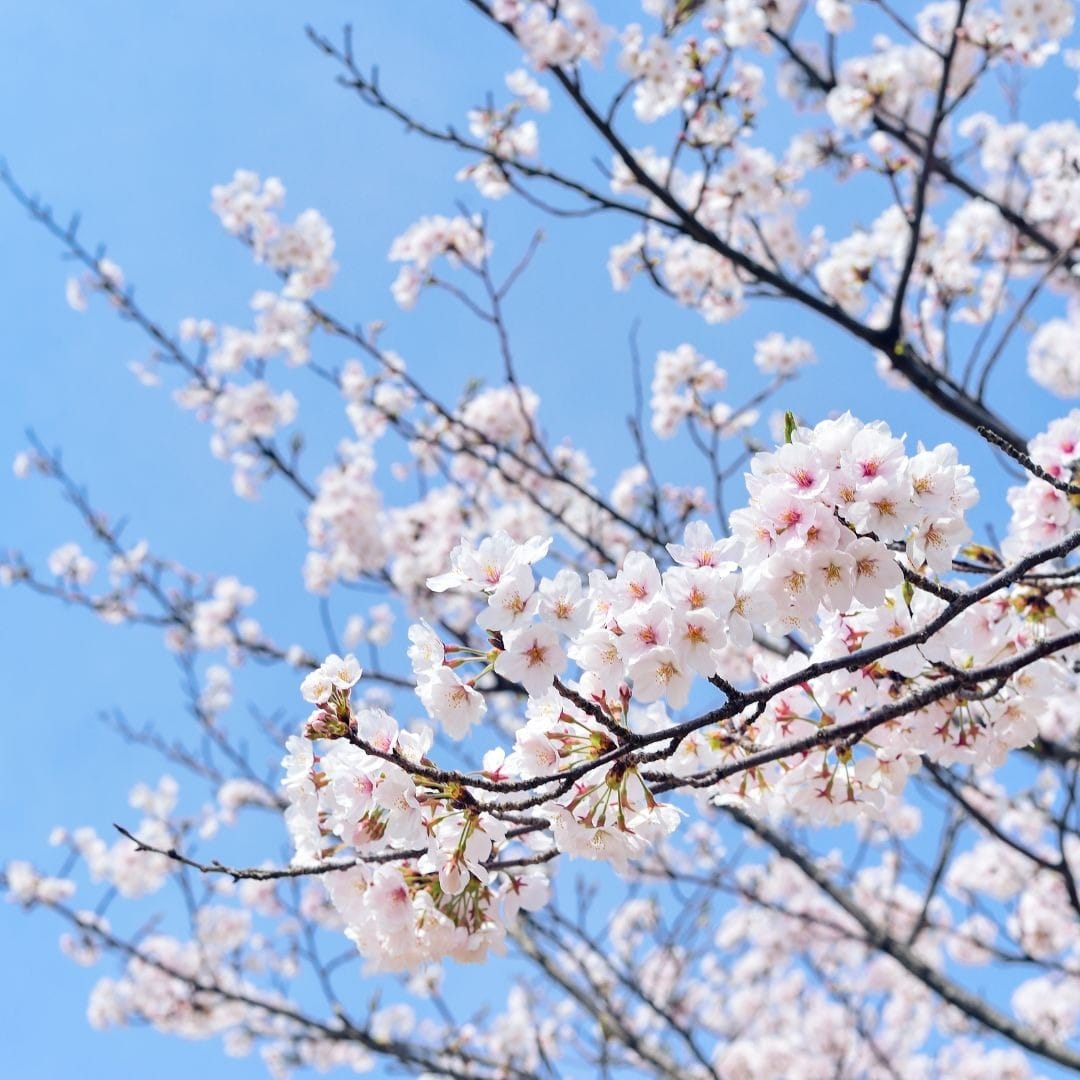
The spring season leading up to Golden Week offers ideal conditions for travel. March and early April bring the famous cherry blossom season, with sakura blooming times varying by region. Southern areas like Kyushu and Okinawa see blossoms in late March, while Tokyo and Kyoto bloom in early April, and northern regions like Hokkaido don't bloom until May. This staggered blooming means you can actually chase the sakura front across the country if you plan an extended trip.
Understanding Japan vacation days helps you plan around peak local travel times and discover windows of opportunity. Most Japanese workers take their main vacations during three periods: New Year (late December through early January), Golden Week (late April through early May), and Obon (mid August). Outside these periods, tourist sites are notably less crowded, hotels offer better rates, and you'll have a more relaxed experience.
For those considering August Japan holiday trips, summer brings its own unique appeal despite the heat and humidity. Summer festivals called matsuri create vibrant cultural experiences you won't find at other times of year. The Obon festival in mid August honors deceased ancestors and features spectacular bon odori dances in communities throughout Japan. Lantern ceremonies along rivers create magical evening atmospheres, particularly in Kyoto where the Gozan no Okuribi fires light up mountainsides.
August also brings huge fireworks festivals called hanabi taikai. Cities compete to present the most spectacular displays, with some shows featuring over 20,000 fireworks. The Sumida River Fireworks in Tokyo attracts nearly a million spectators, while smaller regional festivals offer more intimate experiences. Beach destinations in Okinawa and coastal areas provide relief from summer heat, and the Japan Alps offer cool mountain retreats with hiking trails and alpine flowers.
The summer heat, while intense in cities, actually makes this an excellent time to experience Japan's beach culture and water activities. Okinawa becomes a tropical paradise with crystal clear waters perfect for snorkeling and diving. The northern island of Hokkaido enjoys comfortable summer temperatures, making it ideal for outdoor activities without the humidity that blankets southern regions.
Winter travelers can experience magical holiday illuminations throughout December and early January. The contrast between traditional New Year celebrations and modern holiday displays makes December a particularly enchanting time among Japan holiday destinations. Major cities transform into wonderlands of lights, with Tokyo's Midtown and Roppongi Hills creating stunning displays that rival anything in Europe or America.
The Christmas season in Japan presents a fascinating cultural phenomenon. While not a traditional holiday, Christmas has been adopted as a romantic occasion and celebration of winter festivities. Elaborate light displays, Christmas markets, and seasonal foods like Christmas cake create a unique Japanese interpretation of Western holiday traditions. The blend of Shinto and Buddhist traditions with Western Christmas aesthetics creates an atmosphere found nowhere else in the world.
New Year, or Oshogatsu, is Japan's most important holiday period. The first three days of January see most businesses closed as families gather for traditional celebrations. Temples and shrines overflow with visitors making their first prayers of the year, a tradition called hatsumode. If you're in Japan during this time, you'll witness authentic cultural traditions that date back centuries. Special New Year's foods called osechi ryori are prepared and shared, featuring symbolic dishes meant to bring good fortune.
The winter season also brings world class skiing and snowboarding. Hokkaido's Niseko and Furano receive legendary powder snow that attracts winter sports enthusiasts from around the globe. The Japanese Alps offer numerous ski resorts within easy reach of Tokyo and Osaka, many featuring natural hot springs where you can soak after a day on the slopes. The 1998 Winter Olympics site in Nagano maintains excellent facilities and combines winter sports with cultural attractions like the famous snow monkeys bathing in hot springs.
Understanding seasonal weather patterns helps you pack appropriately and set realistic expectations. Spring and autumn offer the most comfortable temperatures, typically ranging from 50°F to 70°F (10°C to 20°C). Summer brings heat and humidity with temperatures often exceeding 90°F (32°C) and high humidity that can feel oppressive. Winter temperatures vary dramatically by region, from mild in southern areas to heavy snow in the north.
The rainy season, called tsuyu, typically runs from early June through mid July in most of Japan (though Hokkaido largely avoids it). While this means more frequent rain, it's rarely all day downpours. Brief afternoon showers are common, and the season brings lush greenery and hydrangea flowers that create beautiful scenes at temples and gardens. Smart travelers bring a compact umbrella and waterproof shoes but don't let the rain deter them from visiting during this less crowded period.
Typhoon season runs from August through October, with September being the peak month. While typhoons can disrupt travel plans, they're often predicted days in advance, and Japan's infrastructure handles them remarkably well. Most typhoons affect the southern islands more than mainland areas, and they typically pass within 24 to 48 hours. The dramatic post typhoon weather often brings crystal clear skies and stunning photography conditions.
3. Osaka Holiday Experiences Rival Traditional Favorites and Offer Authentic Japan
While Tokyo often steals the spotlight in travel guides and social media feeds, Osaka has emerged as a must visit destination that rivals the capital in excitement and authenticity. An osaka holiday offers a more relaxed, food focused experience that showcases Japan's friendlier, more approachable side. The city has shed its image as merely a business hub or stopover point and established itself as a premier destination worthy of several days of exploration.
Osaka represents Japan's merchant culture and working class roots in ways that glitzier Tokyo sometimes obscures. The Kansai region, of which Osaka is the heart, has its own dialect, customs, and attitudes that differ noticeably from Tokyo's more formal atmosphere. Osakans are known for their humor, directness, and love of good food and entertainment. This regional personality makes the city feel more approachable and authentic, especially for travelers who might feel intimidated by Japan's reputation for strict etiquette.
Osaka is known as "Japan's kitchen," and for good reason. The street food scene in Dotonbori is legendary and should be experienced by every visitor. Takoyaki, octopus balls that are crispy outside and creamy inside, originated in Osaka and are sold at countless stalls throughout the city. Watching skilled vendors flip and shape these savory treats is entertainment in itself. Okonomiyaki, often called Japanese pizza or pancakes, is another Osaka specialty. These savory cakes contain cabbage, meat or seafood, and various toppings, all grilled on a hot plate. Many restaurants let you cook your own okonomiyaki at your table, creating an interactive dining experience.
Kushikatsu, deep fried skewers of meat, seafood, and vegetables, is another Osaka staple. The Shinsekai neighborhood is famous for kushikatsu restaurants where the golden rule is "no double dipping" in the communal sauce. The variety of ingredients gets impressively creative, from traditional chicken and pork to more adventurous options like lotus root, quail eggs, and even ice cream. The casual, unpretentious atmosphere of these establishments embodies Osaka's food philosophy: delicious, affordable, and fun.
The food culture here is so central to daily life that Osakans often greet each other with "mokemakka?" which roughly translates to "are you making money?" This reflects the city's merchant heritage and practical approach to life. The phrase "kuidaore," meaning "eat until you drop," is practically Osaka's motto. The city takes enormous pride in its culinary traditions and constantly innovates while respecting traditional flavors and techniques.
Osaka's food scene extends far beyond street food. The city boasts numerous Michelin starred restaurants offering everything from traditional kaiseki cuisine to innovative fusion concepts. The Kuromon Ichiba Market, nicknamed "Osaka's Kitchen," offers a feast for the senses with vendors selling fresh seafood, Wagyu beef, exotic fruits, and ready to eat delicacies. Walking through the market with a beer in one hand and freshly grilled scallops in the other exemplifies the Osaka experience.
Beyond food, Osaka serves as an excellent base for exploring the Kansai region. You're just a short train ride from Kyoto's temples, Nara's friendly deer, and the castle town of Himeji. This strategic location means you can stay in Osaka where accommodation tends to be more affordable than Kyoto while easily making day trips to surrounding attractions. The convenience of having a single base reduces the hassle of constantly packing and changing hotels while allowing you to explore multiple cities.
Kyoto is just 30 minutes away by rapid train, making it feasible to explore the ancient capital's temples and gardens in a day trip while returning to Osaka's livelier atmosphere for evenings. Nara, with its UNESCO World Heritage sites and over 1,000 sacred deer roaming freely in the park, is less than an hour away. Kobe, famous for its beef and port city atmosphere, is 30 minutes in the opposite direction. Himeji, home to Japan's most spectacular original castle, is just over an hour by train.
Universal Studios Japan in Osaka offers world class entertainment that appeals to families and theme park enthusiasts. The park features attractions based on popular franchises like Harry Potter, Jurassic Park, and Minions. The incredibly popular Super Nintendo World brings video game worlds to life with interactive attractions and augmented reality experiences. The attention to detail in recreating these fictional worlds rivals anything found at Disney parks, and the unique Japanese touches in food, merchandise, and seasonal events make it distinctly different from Universal Studios locations in other countries.
Osaka Castle, one of Japan's most famous landmarks, dominates the city skyline and provides historical context for understanding the region's importance. The castle's grounds offer beautiful gardens, moats, and stone walls that are particularly stunning during cherry blossom season. The castle museum inside details the fascinating life of Toyotomi Hideyoshi, the daimyo who unified Japan and built the original castle in the 16th century. The contrast between the historical castle and the modern city surrounding it epitomizes Japan's ability to honor its past while embracing the future.
The nightlife in Osaka is energetic and welcoming. The locals are known for being more outgoing than their Tokyo counterparts, making it easier for visitors to experience authentic Japanese hospitality and even practice a few words of Japanese with friendly locals. The Dotonbori and Namba areas come alive at night with neon lights, bustling restaurants, and entertainment options ranging from karaoke bars to comedy clubs. Osaka has a long tradition of comedy and theater, and many venues offer performances that, even without understanding Japanese, convey universal humor through physical comedy and timing.
The bar scene in Osaka ranges from tiny standing bars where salarymen decompress after work to stylish cocktail lounges showcasing Japanese whisky and craft spirits. Many establishments welcome foreigners warmly, with bartenders eager to share their knowledge and recommend drinks. The yakitori bars, serving grilled chicken skewers, provide authentic local experiences where you'll often be the only tourist among regulars who've been visiting the same spot for decades.
Shopping in Osaka offers excellent variety and value. The Shinsaibashi shopping arcade stretches for miles with everything from international brands to local boutiques and quirky specialty shops. Electronics enthusiasts will love Den Den Town, Osaka's equivalent to Tokyo's Akihabara, where you can find the latest gadgets, vintage gaming systems, anime merchandise, and electronic components. The prices are often better than in Tokyo, and the atmosphere is less overwhelming for those new to Japanese pop culture.
Osaka's temples and shrines, while less numerous than Kyoto's, offer their own special charm. Shitenno ji, one of Japan's oldest temples founded in 593, provides peaceful grounds for reflection despite being in the middle of a bustling city. Sumiyoshi Taisha, with its distinctive architectural style predating Chinese Buddhist influences, offers insight into ancient Shinto traditions. These sites are often less crowded than Kyoto's famous temples, allowing for more contemplative experiences.
The city's modern architecture showcases innovative design alongside historical preservation. The Umeda Sky Building features a floating garden observatory with spectacular city views. The Abeno Harukas, Japan's tallest building, offers observation decks and a luxury hotel with panoramic vistas. These modern structures demonstrate Osaka's forward thinking approach to urban development while maintaining human scale and livability at street level.
4. Authentic Cultural Immersion Beyond Tourist Traps Transforms Understanding
What truly sets Japan tourist destination experiences apart is the opportunity for genuine cultural immersion. Japan masterfully preserves its heritage while embracing innovation, creating layers of experiences that reveal themselves the longer you stay. The country offers far more than superficial tourist experiences; it invites deep engagement with traditions, customs, and ways of thinking that differ fundamentally from Western cultures.
Traditional tea ceremonies, called chanoyu or sado, offer profound insights into Japanese aesthetics and philosophy. Participating in a proper tea ceremony isn't just about drinking matcha; it's about understanding the concepts of harmony, respect, purity, and tranquility that inform Japanese culture. The precise movements, careful attention to seasonal details, and focus on creating a perfect moment for guests embody values that permeate Japanese society. Many temples and cultural centers offer tea ceremony experiences for visitors, ranging from brief introductions to multi hour sessions that explore the practice in depth.
Staying in a ryokan with kaiseki dining provides immersion in refined Japanese hospitality and culinary art. Ryokans are traditional inns featuring tatami mat rooms, futon bedding, communal or private hot spring baths, and elaborate multi course dinners. The kaiseki meal itself is a culinary philosophy emphasizing seasonal ingredients, meticulous preparation, and beautiful presentation. Each dish tells a story of the season, region, and chef's creativity. The procession of courses, served in pottery specifically chosen to complement the food, transforms dinner into a meditative experience.
The omotenashi, or wholehearted hospitality, you receive at a quality ryokan exemplifies Japanese service culture. Staff anticipate your needs before you articulate them, rooms are prepared with care for your comfort, and every detail receives attention. This isn't simply professional service; it's a cultural value that guests should be treated with the utmost care and respect. Experiencing this level of hospitality helps visitors understand why service in Japan feels different from other countries.
Participating in a kimono fitting allows you to physically embody a piece of Japanese tradition. Many cities offer kimono rental services where staff help you choose a kimono and obi (sash) in colors and patterns that suit you, then expertly dress you in the complex garments. Walking through historic districts like Kyoto's Higashiyama or Kanazawa's Higashi Chaya in traditional dress creates a powerful connection to the past and makes for stunning photographs. The experience also builds appreciation for the artistry involved in kimono design and the skill required to properly wear these beautiful garments.
Learning calligraphy from a master provides hands-on understanding of Japanese aesthetics and the importance of process over product. Shodo, the way of writing, is meditation as much as art. The brush strokes require focus, proper breathing, and commitment. There's no erasing or correcting; each mark is permanent and reveals the writer's state of mind. Calligraphy classes for visitors teach basic strokes and let you create your own work to take home, but more importantly, they introduce concepts of wabi sabi (finding beauty in imperfection), shibui (subtle elegance), and the Zen influence on Japanese arts.
The respect for craftsmanship is evident everywhere you look in Japan. Whether watching a sushi chef at work, observing a potter in a small Kyoto studio, or visiting sake breweries, you witness dedication to perfection that defines Japanese culture. The concept of shokunin, often translated as "artisan" but meaning much more, represents people who dedicate their lives to mastering a single craft. A sushi chef might train for years just learning to properly cook rice before being allowed to select fish. A ceramicist might spend decades perfecting a single glaze formula.
This attention to detail extends to every aspect of travel, from impeccably clean streets to punctual transportation. Public restrooms in Japan are legendary for their cleanliness and high tech features. Heated toilet seats, bidet functions, and sound masking features are standard in most public facilities. The expectation of cleanliness is a cultural value, with individuals taking responsibility for their environment. You'll rarely see litter, and public spaces are maintained with pride.
When considering why to travel to Japan, many travelers cite the transformative nature of experiencing a culture so fundamentally different yet welcoming. The language barrier, while present, rarely impedes travel thanks to helpful signage, translation technology, and the genuine kindness of locals who appreciate your effort to understand their culture. Learning even basic phrases like "arigatou gozaimasu" (thank you very much) and "sumimasen" (excuse me) opens doors and brings smiles.
Participating in local festivals provides authentic cultural experiences that tours cannot replicate. Matsuri range from huge city events to small neighborhood celebrations, all sharing a sense of community participation and connection to tradition. The portable shrines called mikoshi, carried through streets by enthusiastic participants, embody the community spirit. Traditional music played on taiko drums, flutes, and other instruments creates an atmosphere both ancient and alive.
Visiting onsens (hot springs) introduces you to an important aspect of Japanese leisure culture. The proper onsen experience involves washing thoroughly before entering the communal bath, then soaking in mineral rich waters while contemplating nature or conversing quietly with fellow bathers. The ritual of bathing becomes a form of meditation and social bonding. Many onsen are located in spectacular natural settings, from mountains to coastlines, where you can soak in outdoor baths while snow falls or waves crash nearby.
The department store basement food halls, called depachika, offer fascinating glimpses into Japanese food culture and perfectionism. These underground markets feature hundreds of specialized vendors selling everything from wagashi (traditional sweets) to Western style pastries, prepared dishes, fresh seafood, premium fruits, and imported delicacies. The presentation is immaculate, with each item arranged like jewelry. Watching staff carefully wrap purchases with precision and attention demonstrates the importance of presentation in Japanese culture.
Exploring residential neighborhoods reveals daily life beyond tourist areas. Walking through places like Yanaka in Tokyo or Nishijin in Kyoto, you'll encounter small shops, neighborhood shrines, elderly residents tending gardens, and children playing. These areas show the human scale of Japanese cities and the sense of community that persists despite urbanization. Small restaurants in these neighborhoods, often with no English menus or signs, serve as local gathering places where regulars have their favorite seats and dishes.
Temple and shrine etiquette, once learned, provides deeper appreciation for these sacred spaces. Understanding how to properly purify yourself at the temizuya (water basin), how to pray at Shinto shrines by bowing twice, clapping twice, and bowing once more, and the significance of offerings and omikuji (fortune papers) transforms visits from sightseeing to participation. Many temples offer meditation sessions, sutra copying, or early morning prayers that visitors can join.
The Japanese work ethic and approach to customer service becomes evident in every interaction. Staff in shops and restaurants work with pride and dedication that goes beyond getting a paycheck. The famous bowing elevat operators, train conductors who point and call out safety checks, and convenience store employees who warm your food with care all demonstrate how work is approached as a form of service to others rather than just employment.
Seasonal awareness permeates Japanese culture in ways that feel lost in many Western countries. Menus change to reflect seasonal ingredients, decorations in homes and shops acknowledge the current season, and traditional events mark the changing year. This deep connection to nature's cycles creates a different relationship with time and place, teaching visitors to pay attention to subtle changes and find beauty in each season's unique qualities.
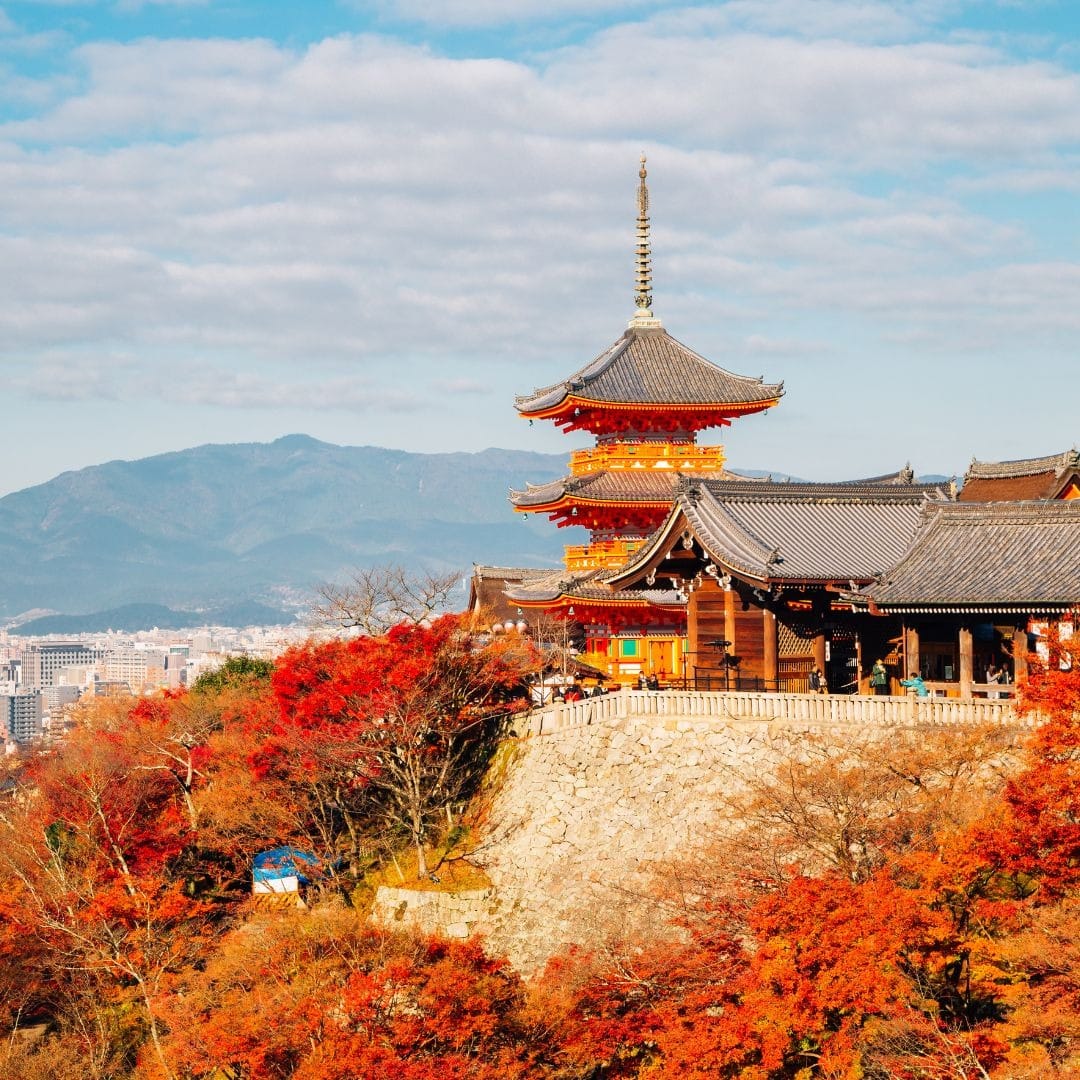
5. Four Season Beauty Creates Year Round Appeal and Endless Reasons to Return
The diversity of Japan holiday destinations across seasons means there's never a bad time to visit. Each season paints the country in different colors and offers unique experiences that keep travelers returning year after year. This seasonal variety is so pronounced that many Japan enthusiasts visit multiple times to experience the country in different seasons, claiming each visit feels like discovering a new country.
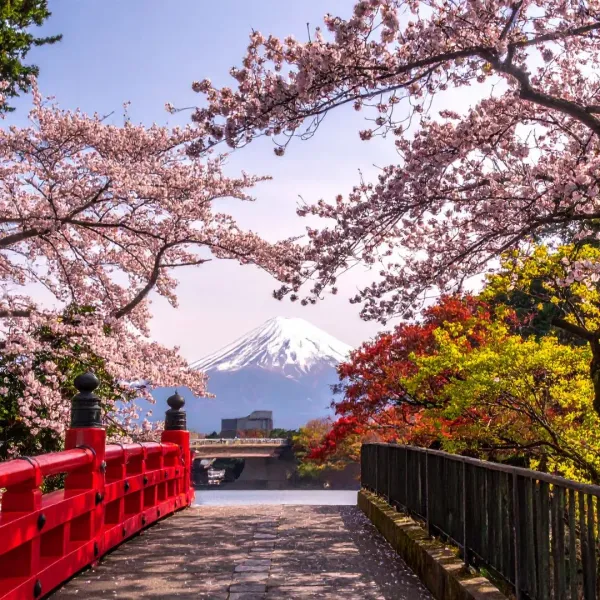
Spring, running from March through May, brings the famous cherry blossom season, when pink sakura flowers transform parks, temples, and streets into dreamlike landscapes. The anticipation of sakura season builds for weeks, with weather forecasters tracking the blooming front as it progresses from south to north. News programs dedicate segments to sakura updates, and companies offer special cherry blossom products from drinks to snacks. This cultural phenomenon demonstrates how deeply nature is woven into Japanese life.
Hanami, the custom of flower viewing parties under blooming trees, is a quintessential Japanese experience that dates back over a thousand years. Groups of friends, families, and colleagues spread tarps under sakura trees in parks and along rivers, sharing food, drinks, and conversation while petals drift through the air. The democratic nature of hanami, where prime spots are claimed by arriving early and everyone from corporate executives to students participates, reveals aspects of Japanese social culture. Nighttime hanami, called yozakura, features illuminated trees that create magical atmospheres in parks throughout the country.
The symbolism of sakura runs deep in Japanese culture. The brief, intense blooming period followed by petals scattering in the wind represents the beauty and transience of life, concepts central to Japanese aesthetics and Buddhist philosophy. Understanding this deeper meaning transforms cherry blossom viewing from a pretty sight into a contemplative experience about impermanence and appreciating fleeting beauty.
Beyond sakura, spring brings other flowers that create stunning displays. Wisteria blooms in late April and early May, with famous viewing spots like Ashikaga Flower Park featuring tunnels of purple blooms. Tulips, roses, and other flowers fill parks and gardens. The moderate temperatures make spring ideal for hiking and outdoor activities, with trails becoming accessible as snow melts in mountainous regions.
Summer, spanning June through August, brings vibrant festivals, fireworks displays, and opportunities to escape the heat in Japan's mountain regions or northern island of Hokkaido. While humidity can be challenging in cities, the energy of summer festivals makes this an exciting time to visit. The season has its own special foods, from chilled noodles to shaved ice desserts called kakigori, and seasonal fashion like yukata (casual summer kimono) creates a different visual landscape.
Summer festivals light up evenings throughout Japan. Tanabata, the star festival in early July, features colorful decorations and wishes written on paper strips. Gion Matsuri in Kyoto, one of Japan's most famous festivals, runs throughout July with its highlight being the massive float procession on July 17th. The floats, some weighing over 10 tons and decorated with valuable tapestries and artwork, are pulled through streets by teams of men in traditional costume. The skill required to navigate these massive structures around corners without wheels becomes apparent as you watch.
Obon festivals in mid August honor ancestors with dances, lantern ceremonies, and family gatherings. The bon odori dances, performed in a circle around a raised platform with live musicians, welcome everyone to participate regardless of skill level. The hypnotic music and repetitive dance movements create a meditative experience while connecting you to centuries of tradition. Some regions celebrate with spectacular lantern ceremonies, releasing thousands of floating lanterns on rivers or into the sky.
Fireworks festivals, or hanabi taikai, are major summer events that communities take seriously. Unlike Western fireworks that primarily shoot upward, Japanese fireworks artisans create intricate designs that bloom in specific patterns and colors. The artistry involved turns fireworks displays into competitive events judged on technical skill and aesthetic beauty. Watching Japanese fireworks while wearing a yukata, sitting on a blanket by a river, and eating festival foods recreates traditions that have existed for centuries.
Beach destinations transform during summer. Okinawa's tropical islands offer world class diving and snorkeling among coral reefs teeming with marine life. The Okinawan culture, distinctly different from mainland Japan due to the islands' history as the independent Ryukyu Kingdom, adds unique cultural elements including different cuisine, traditional music, and subtropical landscapes that feel more Southeast Asian than Japanese.
Mountain retreats in the Japan Alps provide escape from summer heat. Towns like Kamikochi and Hakuba offer hiking trails, clear streams, and alpine scenery with comfortable temperatures. The mountains come alive with wildflowers, and high altitude onsen provide the pleasure of hot spring bathing without summer heat. Mountain huts allow multi day trekking through spectacular landscapes, and even day hikers can access stunning views and pristine nature.
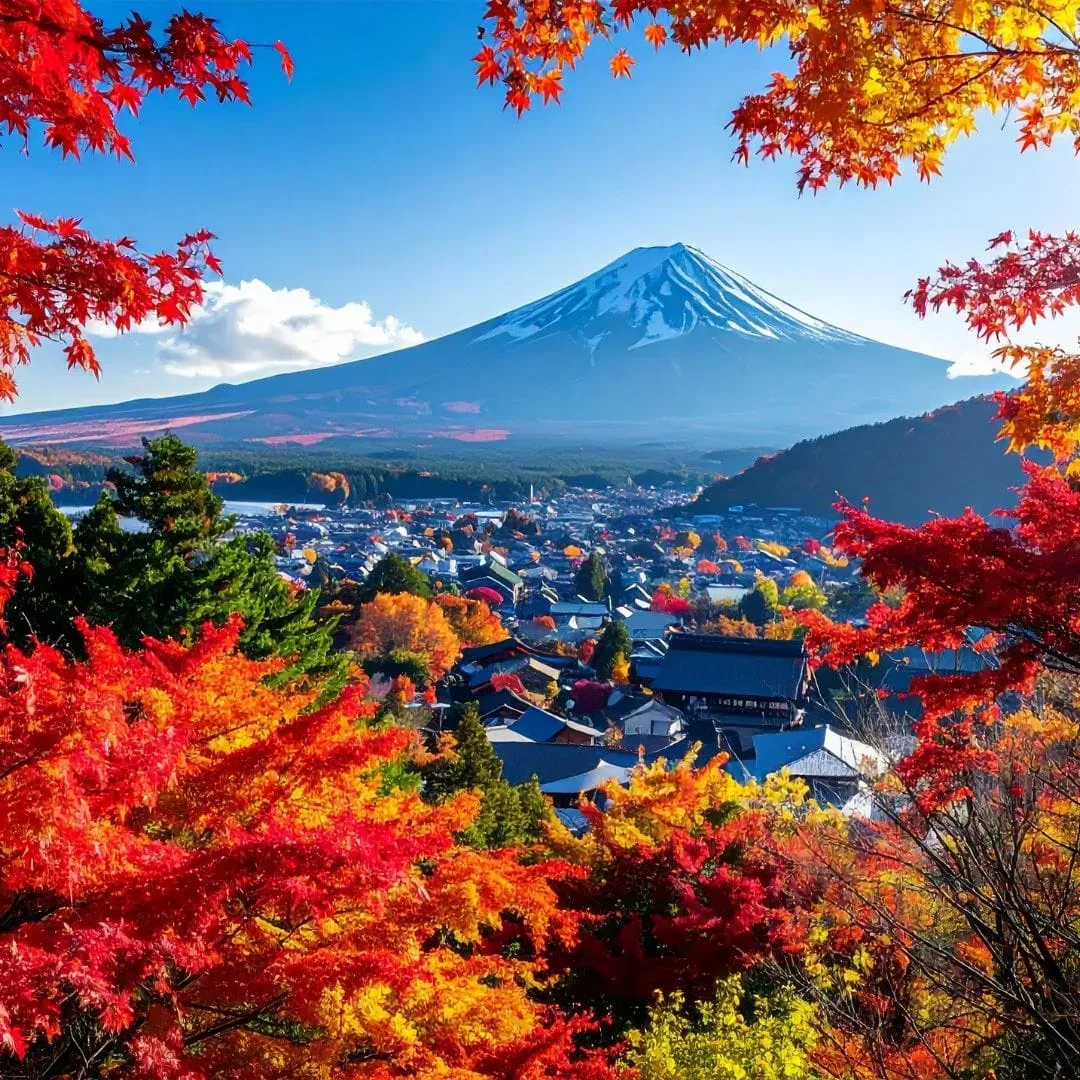
Autumn, spanning September through November, rivals spring in beauty when maple leaves turn brilliant shades of red, orange, and gold. Koyo, the autumn foliage viewing season, creates landscapes so stunning they seem artificially saturated. Temple gardens become living paintings where centuries of careful design reveal their full intention. The Japanese practice of "leaf hunting" or momijigari involves traveling to famous spots and hiking trails to view the changing colors, creating a seasonal tradition as beloved as cherry blossom viewing.
The progression of autumn colors follows a predictable path from north to south and from mountains to lowlands, allowing travelers to chase the changing leaves across regions and elevations. Famous viewing spots include Kyoto's temples where maple trees frame ancient architecture, Nikko's mountain roads lined with colorful trees, and the Northern Alps where entire mountainsides burn with autumn hues.
Autumn weather brings comfortable temperatures ideal for extensive exploration. The crisp air lacks summer's humidity, and the angle of sunlight creates perfect conditions for photography. This combination makes autumn one of the busiest tourist seasons, but the numerous viewing spots throughout the country mean you can find spectacular scenery without overwhelming crowds if you venture beyond the most famous locations.
Harvest season brings special foods and celebrations. Sweet potatoes, chestnuts, persimmons, mushrooms, and new rice appear in markets and on menus. Moon viewing festivals, called tsukimi, celebrate the harvest moon with special foods and gatherings. The autumn festivals, while less numerous than summer's, tend to be more focused on thanksgiving for harvest and preparation for winter.
Winter, running from December through February, transforms Japan travel destinations into winter wonderlands that appeal to both snow sports enthusiasts and those seeking cozy cultural experiences. World class skiing in Hokkaido and Nagano attracts snow sports enthusiasts from around the globe, while hot springs become even more appealing when surrounded by snow and freezing temperatures.
Hokkaido receives some of the world's best powder snow thanks to cold winds from Siberia picking up moisture as they cross the Sea of Japan before dumping it on the island's mountains. Niseko has become internationally famous for its consistent, deep powder and modern facilities that cater to international visitors. However, numerous other ski resorts across Hokkaido and Nagano offer excellent skiing at lower prices with fewer crowds.
The snow monkeys of Nagano, Japanese macaques that bathe in hot springs during winter, have become iconic symbols of Japan's winter season. Watching these wild monkeys soak in steaming water while snow falls around them creates surreal scenes that attract photographers from around the world. The hike to the monkey park through snowy forests adds adventure to the experience.
Winter illuminations throughout Japan create magical holiday atmospheres that transform cities into glowing wonderlands. Major shopping districts compete to create the most spectacular light displays, often synchronized to music and featuring innovative LED technology. These illuminations run from late November through February, with December being the peak season when Christmas themes blend with more general winter celebrations.
Christmas season in Japan presents fascinating cultural adaptations. While not a traditional or national holiday, Christmas has been enthusiastically adopted as a romantic holiday and winter celebration. The tradition of eating KFC on Christmas Eve, the popularity of Christmas cakes (typically white sponge cake with strawberries and cream), and elaborate gift giving have created a uniquely Japanese version of Christmas that mixes commerce, romance, and winter celebration.
New Year, Oshogatsu, remains Japan's most important holiday period. The preparations leading up to New Year include thorough house cleaning, paying debts, and preparing special foods. Temples hold bell ringing ceremonies on New Year's Eve where enormous bells are struck 108 times to purge the 108 earthly desires. The first sunrise of the year, called hatsuhinode, is considered auspicious, and many people wake early to watch it from mountains, beaches, or city viewpoints.
Traditional New Year's foods, called osechi ryori, feature symbolic dishes meant to bring good fortune. Each item has specific meanings, from black soybeans for good health to herring roe for fertility. The elaborate bento boxes containing these foods are works of art, and preparing them involves significant effort and expense. Many families now order prepared osechi from department stores, but the tradition of sharing these special foods remains central to New Year celebrations.
The first shrine visit of the year, hatsumode, brings millions of people to temples and shrines during the first three days of January. Major shrines like Tokyo's Meiji Shrine and Kyoto's Fushimi Inari can attract millions of visitors during this period. The festive atmosphere, with food stalls, fortune telling, and crowds of people in their finest clothes including many wearing kimono, creates energetic scenes despite cold weather.
Winter also brings regional snow festivals, with Sapporo's Snow Festival in February being the most famous. Massive snow and ice sculptures created by teams from around the world transform the city into an outdoor gallery of frozen art. Some sculptures reach several stories high and feature intricate details and lighting effects. The festival attracts millions of visitors and showcases the artistic possibilities of snow and ice.
Hot springs become even more attractive in winter when the contrast between steaming water and cold air creates dramatic effects. Outdoor rotenburo baths allow you to soak while watching snow fall or viewing winter landscapes. The therapeutic minerals in onsen water combined with the circulation boost from alternating hot and cold creates invigorating experiences. Many ryokans and onsen resorts offer winter only experiences like snow viewing from your bath or special winter kaiseki menus.

6. Transportation Excellence Makes Multi City Tours Effortless and Enjoyable
Japan's transportation infrastructure is legendary, and it fundamentally changes how you can experience the country. The efficiency and convenience of traveling between Japan tourist destinations means you can explore multiple regions in a single trip without stress, wasted time, or logistical headaches that plague travel in many countries.
The Shinkansen (bullet train) network connects major cities at speeds up to 200 mph while maintaining perfect safety records and punctuality measured in seconds rather than minutes. In over 60 years of operation, the Shinkansen has never had a fatal accident due to derailment or collision. The average delay is measured in seconds, and when rare delays occur due to natural disasters or mechanical issues, staff offer profuse apologies and detailed explanations. This reliability means you can schedule tight connections and plan detailed itineraries with confidence.
Traveling from Tokyo to Osaka takes just 2.5 hours on the fastest Nozomi trains, covering over 300 miles in comfort with smooth acceleration and deceleration that makes the extreme speed barely noticeable. Osaka to Hiroshima takes under 2 hours, and Tokyo to the northern city of Sendai takes just 90 minutes. These travel times mean you can have breakfast in Tokyo, lunch in Kyoto, and dinner back in Tokyo if you want, though spending time exploring is obviously more rewarding.
The experience of riding the Shinkansen goes beyond mere transportation. The seats are spacious and comfortable, with ample legroom even in standard class. Trains are impeccably clean, with attendants bowing as they enter each car and meticulously cleaning between runs. The smoothness of the ride allows you to work on a laptop, read comfortably, or simply watch the scenery flow past at incredible speeds. Food and beverage carts pass regularly, or you can purchase ekiben (station bento boxes) before boarding, offering regional specialties that make meals part of the travel experience.
The JR Pass, available only to tourists, offers unlimited travel on most trains for periods of 7, 14, or 21 days, making it incredibly economical for multi-destination trips. A seven day pass costs approximately $280, which pays for itself after just one round trip between Tokyo and Kyoto. The convenience of not buying individual tickets, combined with the freedom to take any train without additional cost, encourages spontaneous explorations and day trips that would be prohibitively expensive if purchased separately.
Beyond trains, local transportation in cities is equally impressive. Subway systems are extensive, clean, and run with clockwork precision. Tokyo's subway system, while initially daunting with its multiple operators and dozens of lines, becomes navigable with simple smartphone apps. Trains arrive every few minutes during peak times, and even late at night, service continues past midnight in major cities. The efficiency means you can easily make multiple stops across a city in a single day without wasting hours in transit.
English signage has improved dramatically throughout Japan's transportation networks. Major stations feature clear English signs, and announcements on trains include English translations. Station names are posted in romanized form along with Japanese characters. The universal color coding and numbering systems make navigation intuitive even with the initial complexity of the system. This dedication to ease of movement for all visitors makes Japan an effortless country to navigate, turning the journey itself into a comfortable, relaxing part of your holiday.

7. Unparalleled Safety and Cleanliness Provide a Stress-Free Travel Experience
One of the most comforting and often-cited reasons travelers fall in love with Japan is the country’s world-renowned level of safety and cleanliness. This pervasive sense of order and care fundamentally transforms the travel experience, allowing visitors to relax and focus entirely on cultural immersion and enjoyment, free from the worries common in many other major international destinations.
The crime rate in Japan is exceptionally low. Cities like Tokyo and Osaka are consistently ranked among the safest in the world. This means you can confidently explore late at night, walk through busy train stations, and generally feel secure in any neighborhood. The absence of petty crime like pickpocketing is remarkable, creating an environment where simple trust is the norm. Losing an item is often followed by a pleasant surprise, as dropped wallets and phones are routinely returned by honest citizens and police.
Equally impressive is the standard of cleanliness. Japanese streets, public transportation, and common areas are impeccably maintained. You will rarely see litter, and the public pride in maintaining a clean environment is palpable. Public restrooms are legendary for being spotless and equipped with high-tech facilities, a reflection of the national value placed on detail and respect for public spaces.
This combination of safety and cleanliness offers a unique form of luxury: peace of mind. For families, solo travelers, or first-time visitors, the low stress of navigating a safe and orderly society makes the entire journey easier and more enjoyable. It allows you to focus your energy on experiencing the ancient temples, the vibrant neon cities, the exquisite cuisine, and the kindness of the locals, reinforcing Japan’s status as a premier destination for the 2026 holiday season.
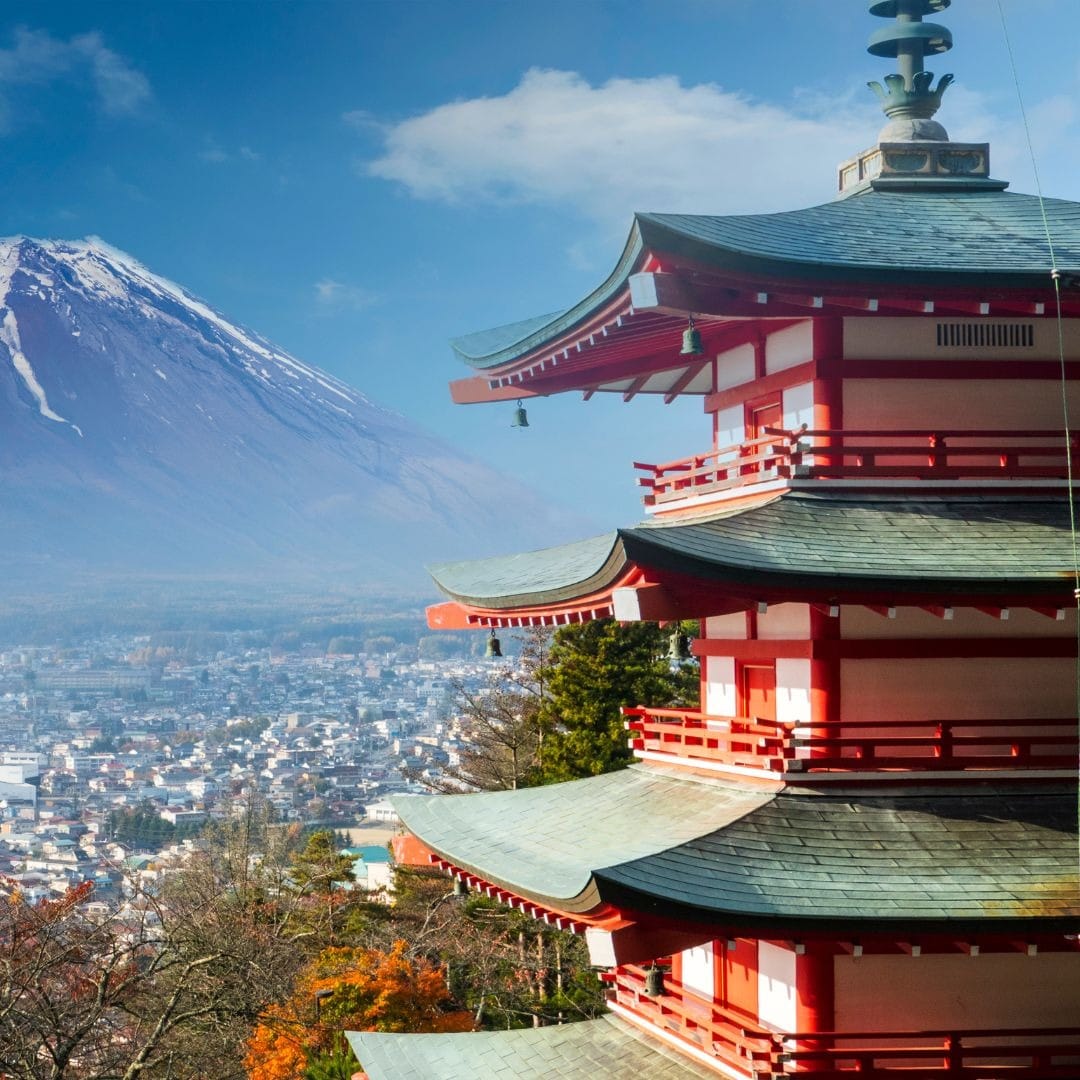
Planning Your Perfect Japan Holiday Experience for Maximum Enjoyment
Now that you understand why Japan travel destinations dominate 2026 travel trends, let's discuss practical planning strategies to maximize your experience while minimizing stress and wasted time. Proper planning transforms good trips into extraordinary ones, ensuring you experience both famous attractions and hidden gems.
Best Time to Book Flights and Accommodation: Japan vacation deals are typically best when booked 3 to 4 months in advance for international flights. This timing balances early booking discounts with having firm travel plans. However, last minute deals do appear, especially for shoulder season travel in January, February, June, and November when tourism is lighter. Monitor flight prices using apps like Hopper or Google Flights that track price trends and alert you to deals. Set price alerts for multiple departure dates to find the best rates.
Accommodation booking timelines vary by type. Hotels can be booked closer to departure, often offering better rates as dates approach if occupancy is low. However, unique properties like popular ryokans, particularly those with private onsen, can be booked months in advance. Capsule hotels and hostels generally have availability even at the last minute. Booking platforms like Booking.com, Japanican, and Rakuten Travel offer different inventories, so checking multiple sites can reveal better options or prices.
Optimal Trip Duration: Plan for at least 10 to 14 days if possible, allowing you to experience multiple regions without feeling rushed or suffering jet lag while running from sight to sight. Two weeks provides time for Tokyo (3 to 4 days), Kyoto (3 to 4 days), Osaka (2 days), Hiroshima (1 to 2 days), plus flexibility for day trips to Nara, Hakone, Takayama, or other destinations. Even a week can cover Tokyo, Kyoto, and Osaka effectively if you're pressed for time, though you'll wish you had longer.
First time visitors often try to pack too much into limited time, resulting in exhaustion and superficial experiences. Better to explore fewer places deeply than rush through many destinations, ticking boxes without actually experiencing anywhere. Build rest days into your itinerary for wandering, unexpected discoveries, or simply recovering from jet lag and travel fatigue. Some of the best travel memories come from unplanned moments when you have time to explore without an agenda.
Regional Balance Strategy: Mix urban energy with cultural heritage and natural beauty for a well rounded experience that showcases Japan's diversity. A balanced itinerary might include Tokyo (3 to 4 days) for modern urban culture, shopping, and food scene; Kyoto (2 to 3 days) for temples, gardens, and traditional culture; Osaka (2 days) for food, nightlife, and serving as a base for Kansai exploration; plus day trips to places like Nara for temples and deer, Hakone for Mount Fuji views and onsen, or Nikko for mountain scenery and shrines.
Consider adding a rural or coastal element. The mountain town of Takayama offers preserved Edo period streets and nearby Shirakawa go's thatched roof farmhouses. The art island of Naoshima combines contemporary art museums with rural island life. Alpine areas like Kamikochi provide hiking and natural beauty. Coastal regions like Izu Peninsula offer hot springs with ocean views. These additions create contrast and prevent temple fatigue or city burnout.
Accommodation Strategy: Mix hotel types for varied experiences that showcase different aspects of Japanese hospitality and culture. Spend a few nights in a traditional ryokan with tatami mats and futon beds, ideally including at least one kaiseki dinner to experience refined Japanese cuisine and omotenashi hospitality. The ryokan experience is essential for understanding Japanese concepts of comfort and service that differ from Western hotels.
Stay in modern hotels in cities for convenience and comfort. Japanese business hotels offer excellent value with compact but efficiently designed rooms, comfortable beds, and locations near train stations. Capsule hotels provide uniquely Japanese experiences where you sleep in pods just large enough for sleeping, with shared facilities. While not for everyone, one night in a capsule hotel creates memorable experiences and costs just $30 to $50.
Consider vacation rentals for longer stays or families. Apartments offer space to spread out, laundry facilities, and kitchens where you can prepare some meals using ingredients from local markets. This provides breaks from restaurant eating and insights into daily Japanese life through neighborhood supermarkets and shops. Temple lodgings called shukubo offer austere but memorable experiences, particularly on Mount Koya where you can participate in morning prayers and enjoy Buddhist vegetarian cuisine.
Cultural Preparation: Learn basic phrases beyond just "arigatou" (thank you). "Ohayou gozaimasu" (good morning), "konnichiwa" (hello/good afternoon), "konbanwa" (good evening), "sumimasen" (excuse me), "onegaishimasu" (please), and "gochisousama deshita" (thank you for the meal) cover most common situations. Numbers are particularly useful for shopping and restaurants. Even fumbling attempts to speak Japanese earn smiles and appreciation from locals who recognize your effort.
Understand dining etiquette beyond chopstick basics. Many restaurants require you to remove shoes and sit on floor cushions. Some places serve food at counters where you interact directly with chefs. Calling loudly for service is normal in casual restaurants, unlike the subtle signal needed in formal establishments. Paying happens at the front counter, not at your table, and tipping is not done and can even cause confusion or offense.
Research customs for temples and shrines so you can participate respectfully rather than just observe. Understanding purification rituals, proper prayer methods, and the significance of different shrine elements like torii gates and shimenawa ropes transforms visits from sightseeing to spiritual and cultural education. Reading about Buddhism and Shinto basics provides context for the religious landscape you'll encounter throughout Japan.
Download essential apps before departure. Google Maps for navigation, Google Translate for reading signs and menus, Hyperdia or Japan Travel by Navitime for train schedules, and Tabelog (Japanese restaurant review site) for finding good local restaurants. Having these apps ready with offline maps downloaded where possible ensures you're never lost or struggling with basic tasks.
Money and Payment: Japan remains largely a cash society despite increasing credit card acceptance. ATMs at 7 Eleven convenience stores and post offices accept international cards reliably, while many bank ATMs don't. Withdraw larger amounts to minimize fees, as transaction charges apply each time. Carry sufficient cash for daily expenses including meals, smaller shops, temples, and transportation outside major cities.
Credit cards work in hotels, department stores, major restaurants, and chain stores, but many smaller establishments only accept cash. The widespread belief that Japan is expensive has kept some budget travelers away, but strategic planning reveals it offers better value than many Western destinations when you know where and how to spend.
Connectivity: Staying connected is essential for navigation, translation, and real-time travel planning. While pocket WiFi rentals and tourist SIM cards are popular options, eSIM Japan has quickly become the most convenient choice for modern travelers. With eSIMs, you can enjoy instant internet access the moment you land; no airport counters, no device rentals, and no physical SIM swaps. Pocket WiFi devices, available at airports for pickup and return, typically cost around $5 to $10 per day and are ideal for travelers connecting multiple devices. However, carrying and charging an extra device can be inconvenient. Tourist SIM cards offer a cheaper alternative for solo travelers but still require physical installation. In contrast, an eSIM for Japan provides high-speed data with simple QR-code activation, making it perfect for tourists, business travelers, and digital nomads. MobiMatter has the best eSIM plans for Japan under $1 per GB with reliable connectivity.
Many hotels and accommodations in Japan offer free WiFi, but quality and speed can vary. Having your own eSIM Japan ensures consistent connectivity, stress-free navigation, seamless translation, and the flexibility to adjust schedules in real time, anytime, anywhere.
Luggage Strategy: Pack light if possible, as you'll likely be moving between cities and navigating train stations with luggage. Takkyubin luggage forwarding services cost about $15 per bag to send luggage between hotels, arriving the next day. This allows you to travel with just a day pack while your main luggage goes directly to your next destination. Coin lockers in major stations provide storage if you have several hours before hotel check in and want to explore without luggage.
Dealing with Jet Lag: The time difference between Japan and Western countries can be severe. Flying east across the Pacific from North America means arriving in the evening or night, making it tempting to sleep immediately. Try to stay awake until at least 9 PM local time to adjust more quickly. Spending time outdoors in natural light helps reset your circadian rhythm. The first day or two will be challenging, so schedule lighter activities and avoid attempting intensive sightseeing while exhausted.
FAQs
Q1. Why is Japan the #1 trending travel destination for 2026?Japan is trending in 2026 due to its unique mix of ancient culture and modern attractions, improved travel infrastructure, seasonal festivals, world-class cuisine, and increased accessibility for international travelers.
Q2. What makes Japan especially popular during the 2026 holiday season?The 2026 holiday season in Japan offers winter illuminations, Christmas markets, New Year traditions, ski resorts, and mild weather in southern regions, making it ideal for diverse travel experiences.
Q3. Is Japan affordable for travelers in 2026?Yes, Japan is considered more affordable in 2026 thanks to competitive flight deals, a wide range of accommodation options, and cost-effective transport passes that help travelers manage expenses.
Q4. Which cities in Japan are most popular with tourists in 2026?Tokyo, Kyoto, Osaka, Sapporo, and Fukuoka are among the most visited cities in 2026, offering cultural landmarks, shopping, food experiences, and seasonal events.
Q5. Is Japan safe for international tourists?Japan consistently ranks as one of the safest countries in the world, with excellent public transport, low crime rates, and traveler-friendly services, making it a top choice for solo and family travelers.
Q6. How can I stay connected in Japan?The best way to stay connected in Japan is by using a Japan travel eSIM. A Japan eSIM gives you instant mobile data on arrival without needing a physical SIM card, pocket Wi-Fi, or airport queues. It works on unlocked, eSIM-compatible phones and is ideal for navigation, messaging, and travel apps across Japan.
Q7. Where can I buy an eSIM for Japan?You can buy a Japan eSIM online before your trip from MobiMatter, a global eSIM marketplace that lets travelers compare multiple Japan eSIM plans from verified providers. MobiMatter offers instant activation, transparent pricing, and reliable local networks. Browse Japan eSIM plans here.
Q8. What are the best eSIMs for Japan?One of the best eSIMs for Japan is the Japan 20 GB eSIM for $13.99 from IIJ, available on MobiMatter. It provides a local Japan IP, excellent coverage, fast speeds, and great value for money. This plan is ideal for tourists who want high-quality data at one of the best prices available. You can check all the available eSIMs for Japan on MobiMatter app or website and compare & buy as per your travel needs.
Q9. What cultural experiences attract travelers to Japan in 2026?Travelers are drawn to Japan’s traditional temples, tea ceremonies, festivals, onsen hot springs, anime and pop culture, and UNESCO World Heritage sites, offering deeply immersive experiences
Q10. Do travelers need a visa to visit Japan in 2026?Visa requirements vary by nationality. Many travelers can enter Japan visa-free for short stays, while others may require a tourist visa. It’s recommended to check official guidelines before planning your trip.
Q11. How is Japan supporting sustainable and responsible tourism in 2026?Japan promotes sustainable tourism through eco-friendly transport, preservation of heritage sites, crowd management strategies, and community-based travel experiences.
Q12. What is the best time to visit Japan in 2026?The best time to visit Japan in 2026 is during spring (March–May) for cherry blossoms and autumn (September–November) for pleasant weather and colorful foliage. Winter is ideal for skiing and festivals, while summer suits travelers interested in cultural events and coastal destinations.
Q13. Can I use my phone normally in Japan with an eSIM?Yes, if your smartphone is unlocked and eSIM-compatible, you can use it normally in Japan with a Japan eSIM. Calls, messaging apps, navigation, ride-hailing, and travel apps work seamlessly without changing your physical SIM.
Q14. Is Japan suitable for first-time international travelers?Absolutely. Japan is one of the most beginner-friendly destinations thanks to its safe environment, clear signage, efficient public transport, helpful locals, and widespread availability of English support in major tourist areas.