Lights over the Harbour: Your Complete Vivid Sydney 2026 Guide
By Abhishek Aggarwal (Travel & eSIM writer, MobiMatter)
· 10 min read
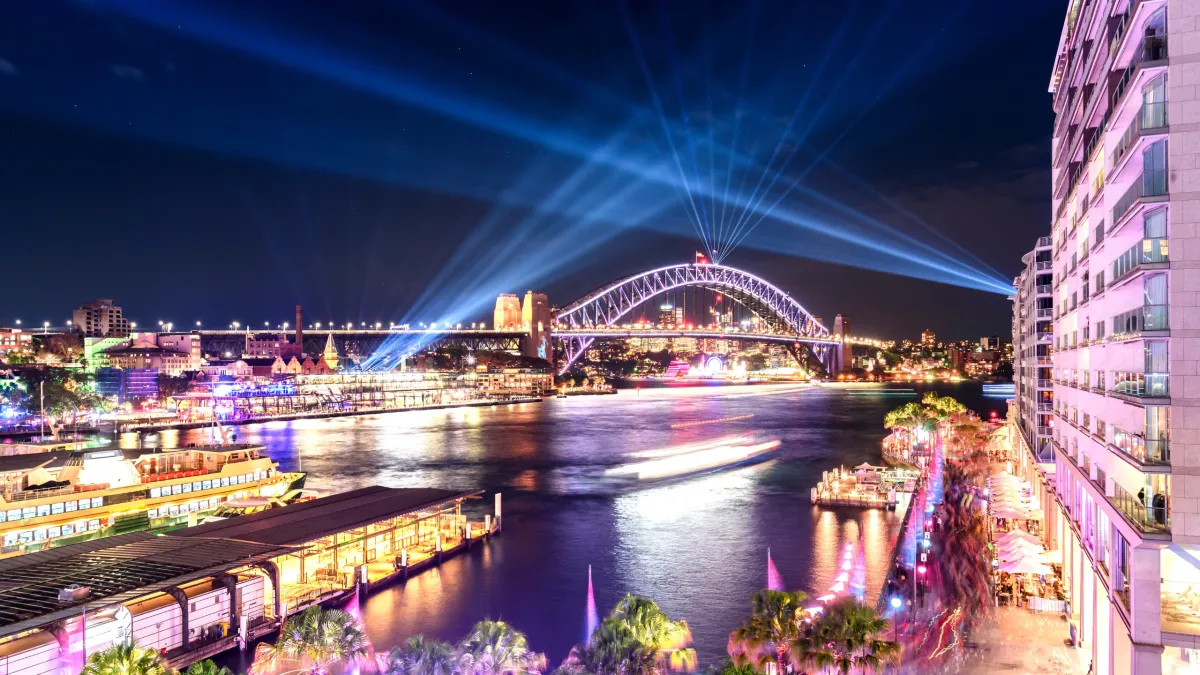
Vivid Sydney 2026 runs 22 May to 13 June across 23 nights. The free 6.5km Light Walk covers 43 installations from Circular Quay to Darling Harbour. Best photography spots are the Opera House foreshore, Cahill Walkway, and Barangaroo waterfront. International travelers need reliable mobile data for remote shutter apps and instant uploads. A MobiMatter Australia eSIM is the most affordable way to stay connected throughout the festival without roaming fees.
Introduction: Australia's Biggest Festival of Light and Technology
Vivid Sydney is the Southern Hemisphere's largest multi-artform festival, and in 2026 it is bigger, bolder, and more ambitious than ever before.
Vivid Sydney 2026 dates are Friday 22 May to Saturday 13 June, spanning 23 nights of light installations, live music, culinary experiences, and ideas talks spread across five waterfront zones. Since launching in 2009, the festival has drawn over 25 million cumulative visitors and generated more than $1.3 billion in visitor expenditure. In 2023 alone, a record 3.48 million people attended.
For travelers planning Australia travel in June, Vivid Sydney is the definitive reason to visit. Sydney's winter nights are mild, the crowds are electric, and the harbour turns into a living canvas after dark every single evening from 6pm to 11pm.
The 2026 program runs across four pillars:
- Vivid Light - The free 6.5km Light Walk with 43 installations
- Vivid Music - Live performances from Kae Tempest, Porter Robinson, Ella Mai, Mogwai, and more
- Vivid Minds - Talks, forums, and immersive experiences with global creative voices including Sean Baker, Chloé Zhao, and Zane Lowe
- Vivid Food - The relocated Vivid Fire Kitchen at Barangaroo Reserve featuring chefs like Yotam Ottolenghi
Over 80% of the entire program is completely free to attend, including 100% of the Light Walk. This makes Vivid Sydney one of the best-value festival experiences anywhere in the world.
New for 2026 under Festival Director Brett Sheehy AO: daytime events are introduced for the first time in the festival's history, and the drone show returns as Star-Bound: Vivid Sydney Drone Show, with 22 shows across 11 nights at Cockle Bay.
The Light Walk: Highlights from the Opera House Projections to Barangaroo
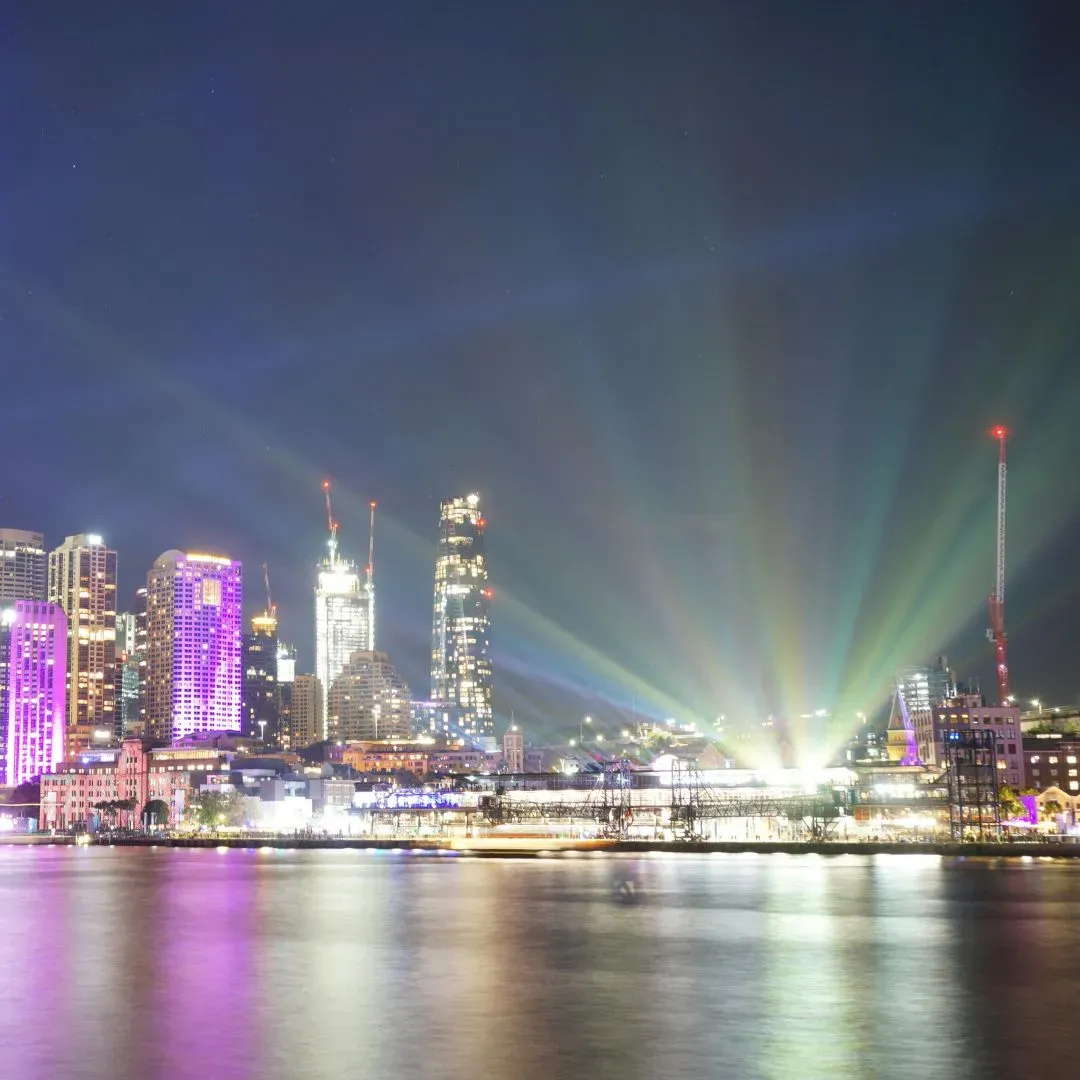
The Vivid Light Walk is the beating heart of the festival. In 2026, it is a continuous, unbroken 6.5-kilometre journey from Circular Quay through The Rocks, Barangaroo, and all the way to Darling Harbour. It is free every night from 6pm, and with 43 installations from local and international artists, it is the single best Sydney light show guide you need.
Here is what to expect, precinct by precinct.
Circular Quay and The Opera House
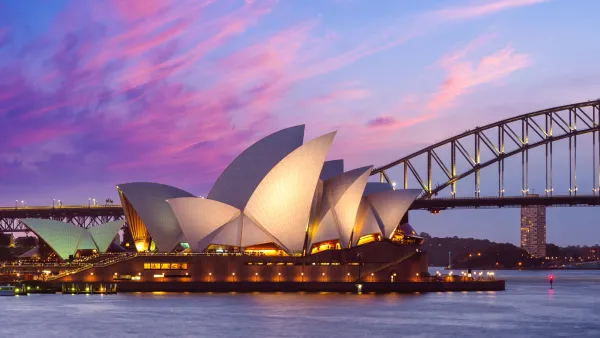
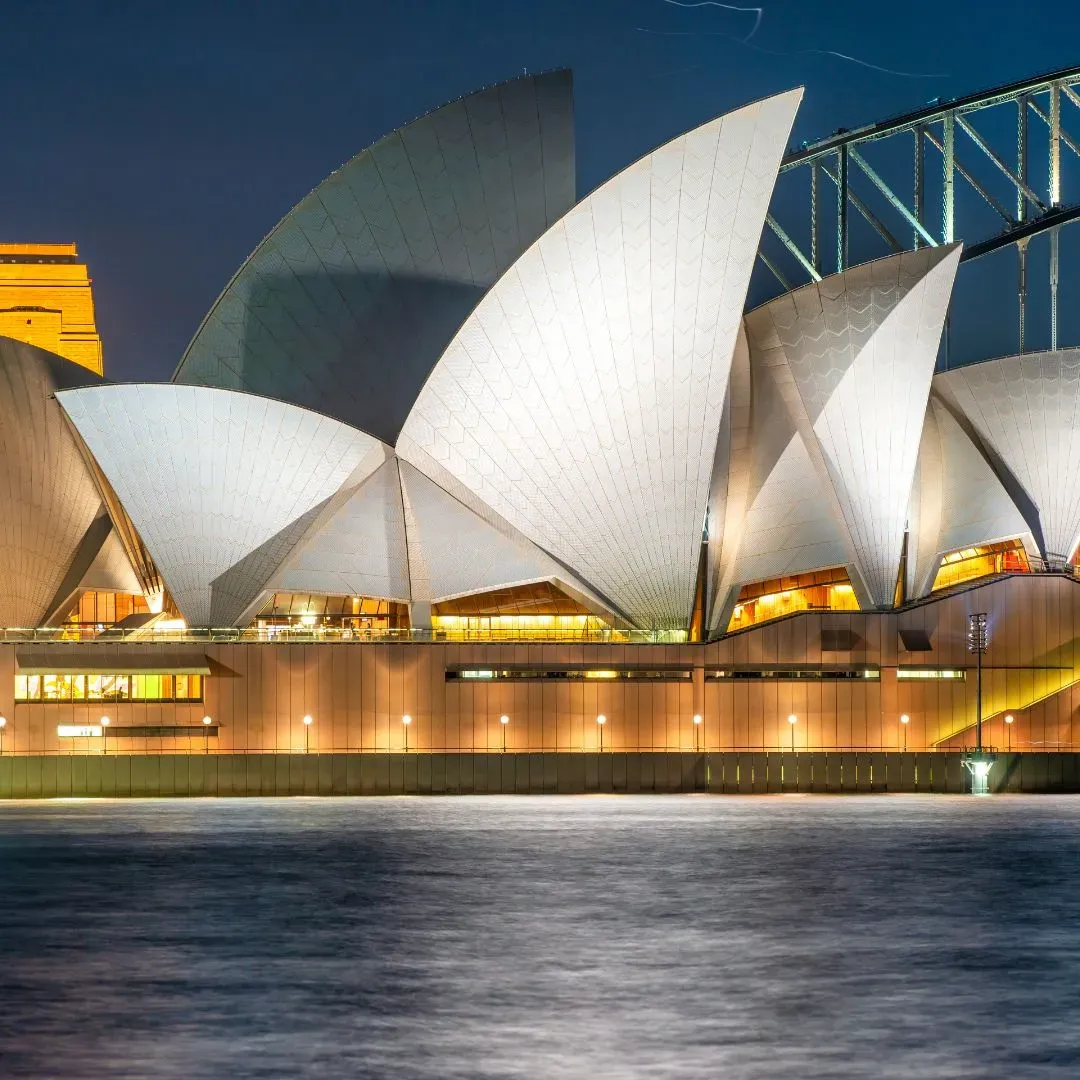
The Sydney Opera House sails are the iconic centrepiece of every Vivid Sydney, and 2026 is no exception. French artist Yann Nguema brings his commission Opera Mundi to the sails, drawing on the elemental forces of sky, land, and sea that inspired architect Jørn Utzon's original design. Scored by Romanian classical-electronic composer Mischa Blanos, this projection runs continuously throughout the festival and changes character as the night deepens.
For photographers, the Opera House foreshore and Cahill Walkway offer elevated angles for dramatic Opera House shots. The Overseas Passenger Terminal across the Quay gives you a direct front-on view of the sails illuminated against the harbour. Arrive before 6pm to secure your position before the crowds fill in.
Other key installations along Circular Quay include Invisible Cities and The Fringe of Infinity, both of which use building facades as projection canvases and shift in appearance as you move past them.
The Rocks
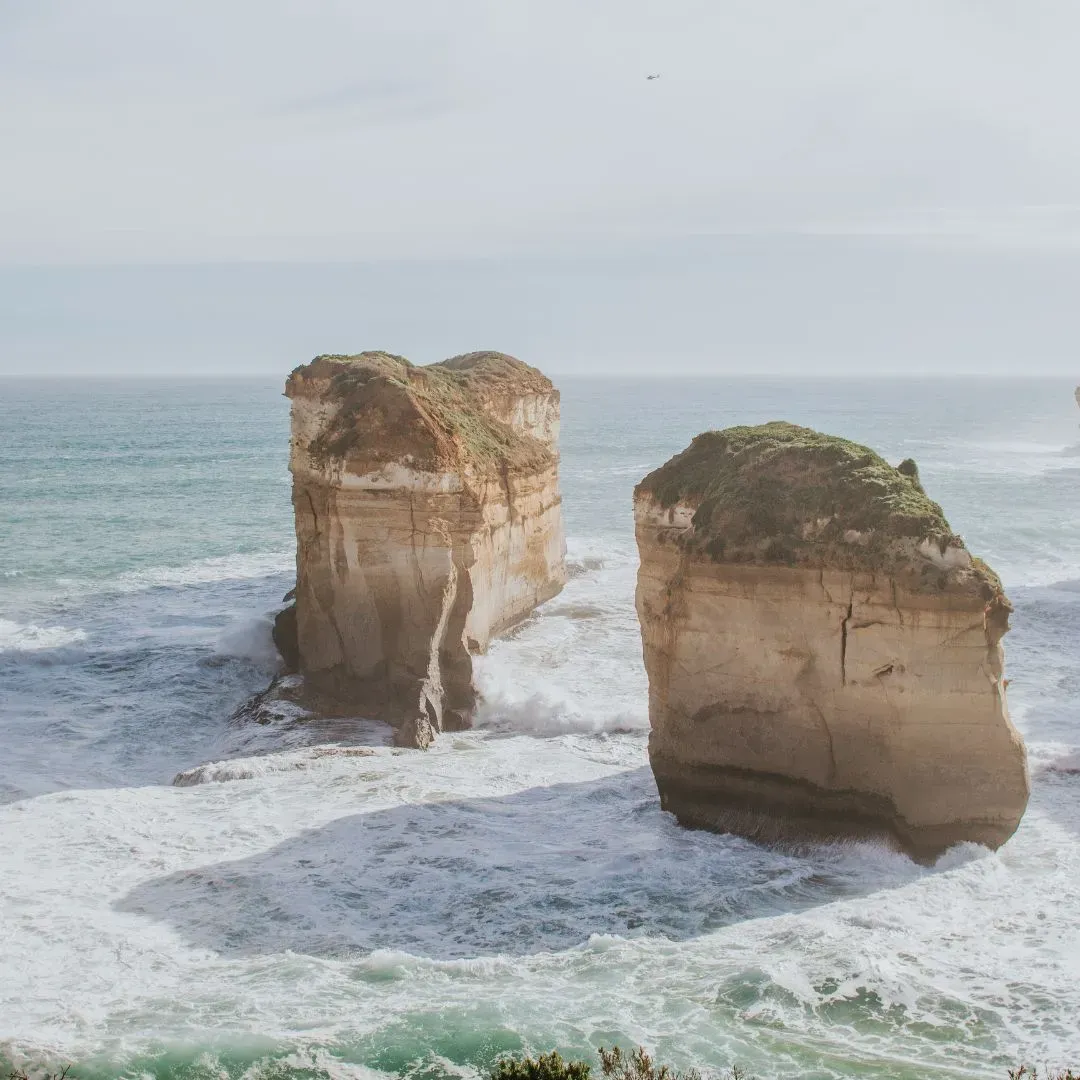
The Rocks is Sydney's oldest neighborhood and one of the most atmospheric sections of the walk after dark. The narrow laneways, sandstone walls, and historic architecture interact with the light installations in ways that feel genuinely theatrical. This is where long-exposure photography rewards patience most richly.
The convict-era tunnels and hidden passages here are worth exploring slowly. The crowds thin out from Circular Quay as you move through, and the spacing between installations gives you room to breathe and compose a shot.
Barangaroo
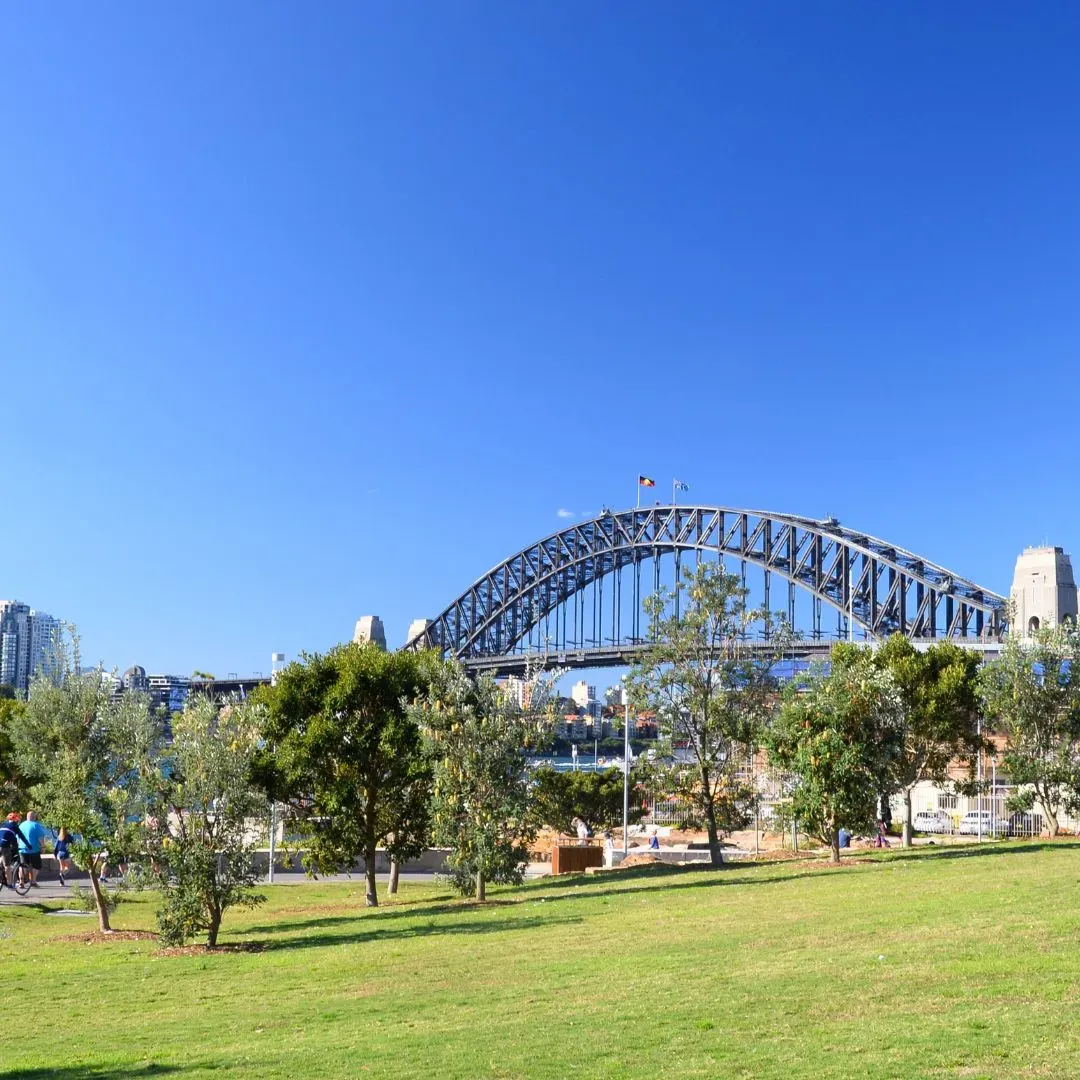
Barangaroo is the festival's most spectacular precinct in 2026, home to two record-breaking installations.
Molecule of Light by British artist Chris Levine stands 23 metres tall, making it the tallest structure ever built for Vivid Sydney. It combines laser beams, geometric light patterns, and a healing-frequency soundscape into something that stops you in your tracks. It sits at Barangaroo Reserve and is visible from the water as well as the walkway.
Obstacle by Melbourne collective Reelize is a 45-metre LED corridor along Wulugul Walk, the longest installation in the festival's history. Visitors walk through it bathed in pulsing color and movement. Both installations are free.
For photographers, the Barangaroo waterfront is ideal on still evenings when the light reflects off the harbour. The water acts as a natural mirror, doubling the visual impact of every installation behind you. Position yourself along the boardwalk facing north for the best reflections, and shoot between 6pm and 7pm while the sky still holds a trace of color.
The Vivid Fire Kitchen has relocated to the Stargazer Lawn at Barangaroo Reserve for 2026, so you can combine the Molecule of Light experience with world-class open-fire cooking by chefs including Yotam Ottolenghi.
Darling Harbour
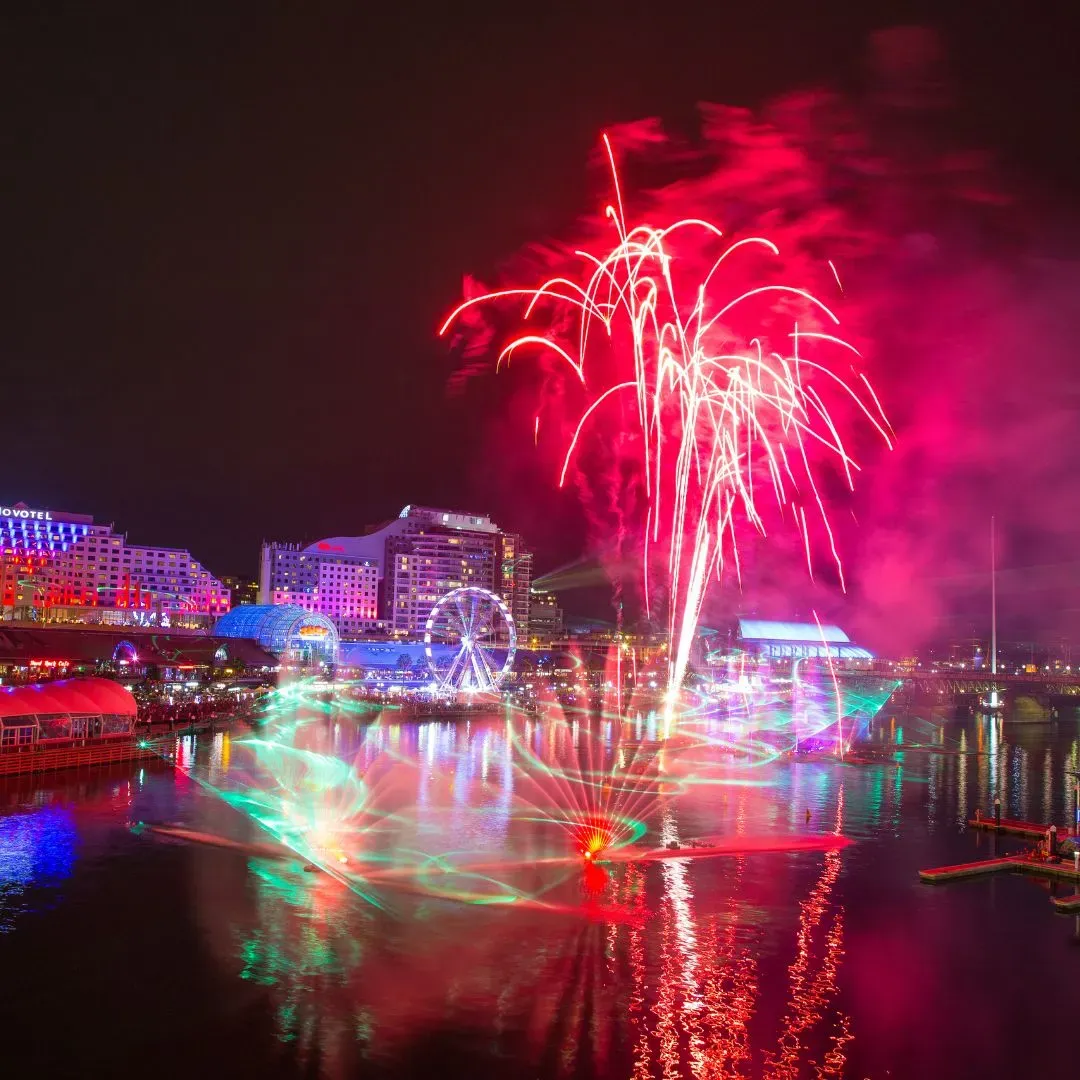
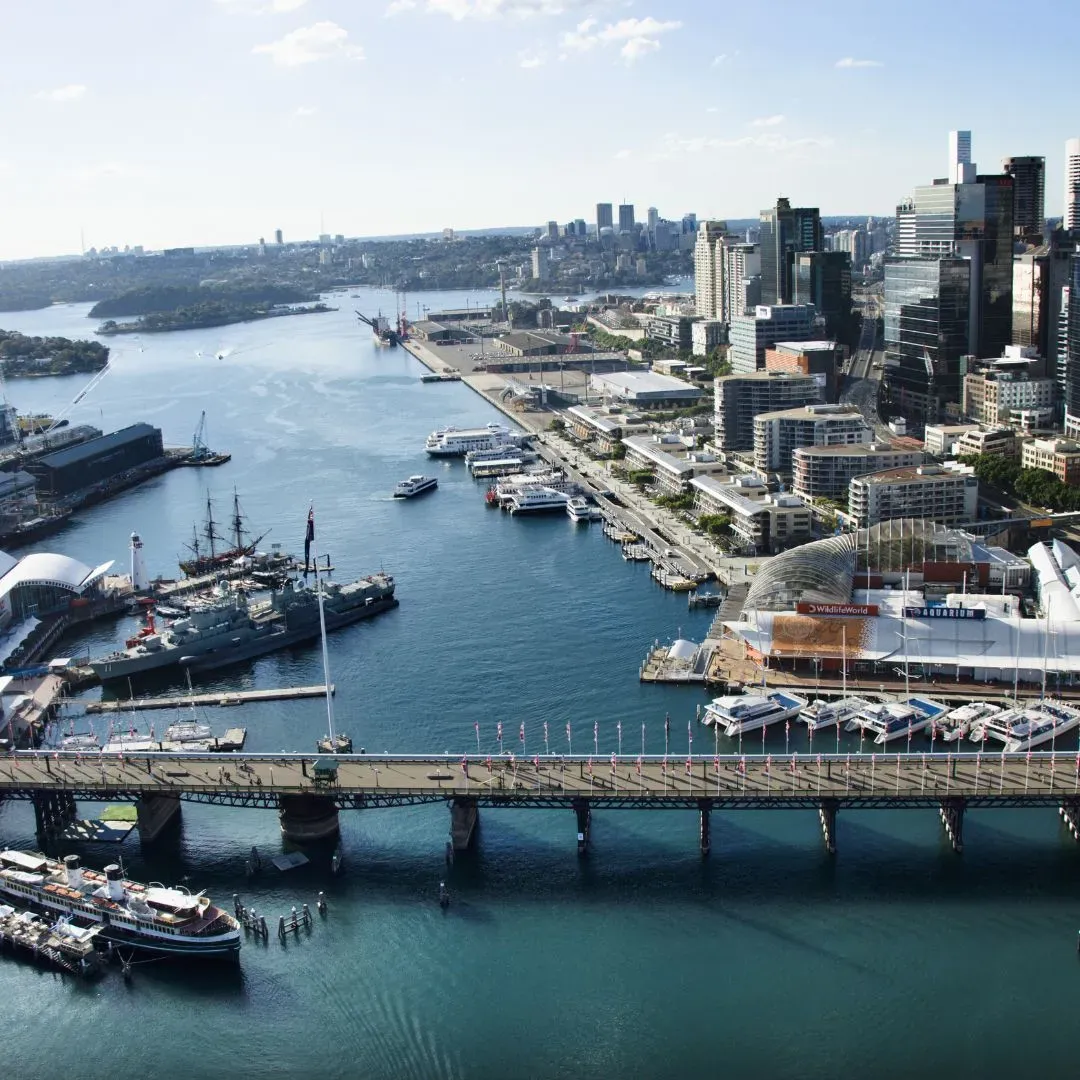
Darling Harbour closes out the Light Walk with drone shows, water projections, and free live music. The Star-Bound drone show runs Sunday through Wednesday with performances at 7:30pm and 9:30pm across 11 nights. Cockle Bay's waterfront backdrop makes this one of the most photographed events of the entire festival.
Laser Lightfall also returns to Cockle Bay with choreographed laser beams sweeping across the sky in a nightly show.
The Goods Line nearby offers excellent long-exposure opportunities as moving light installations create natural light trails along the path. Tumbalong Nights at Darling Harbour delivers free live music every single night of the festival, making this the logical place to end your walk.
Night Photography Needs: Using Remote Shutter Apps and Instant Uploads
Photographing Vivid Sydney well requires preparation. The festival runs entirely after dark, the crowds are dense, and the best shots depend on precise timing. Here is what actually makes a difference.
Essential Night Photography Kit
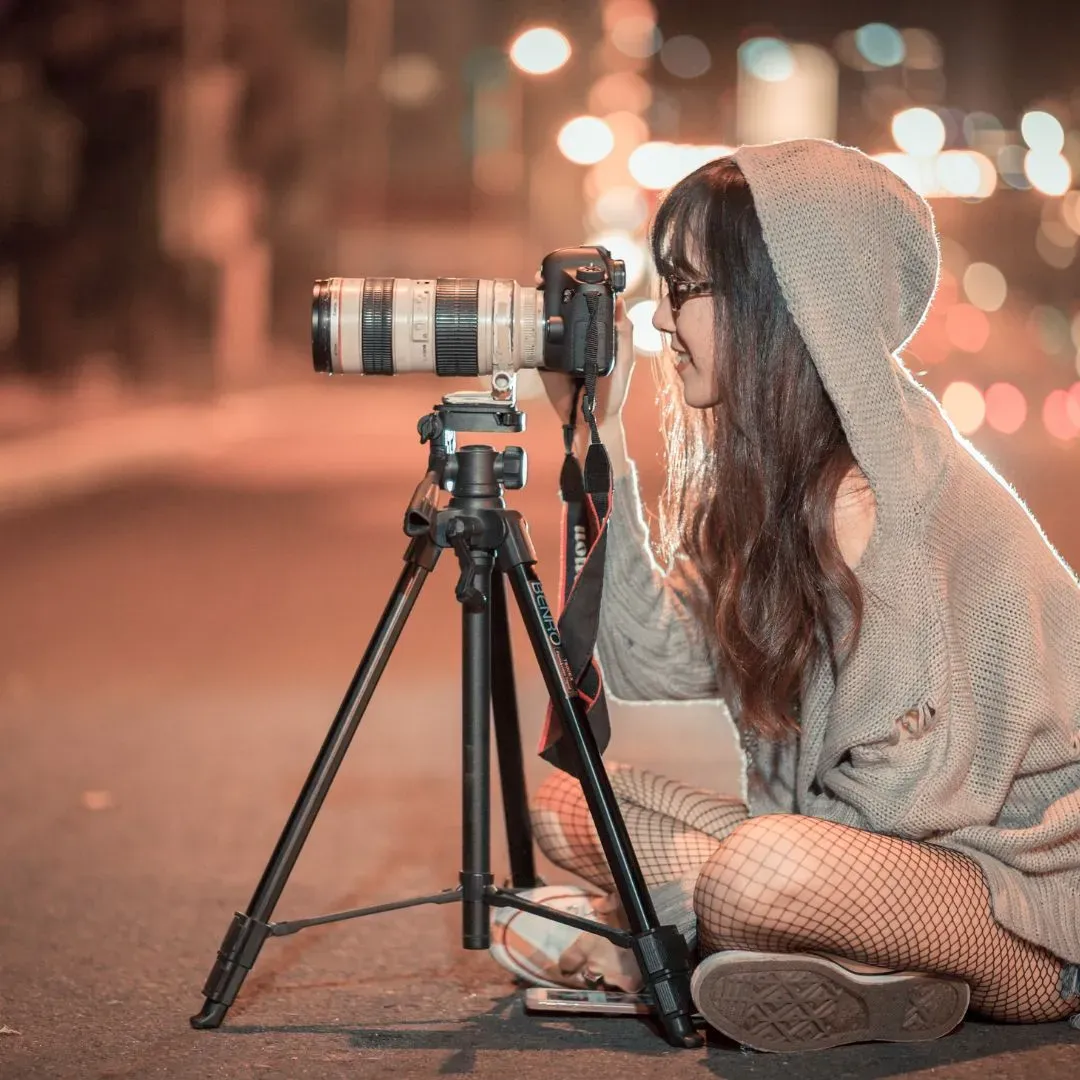
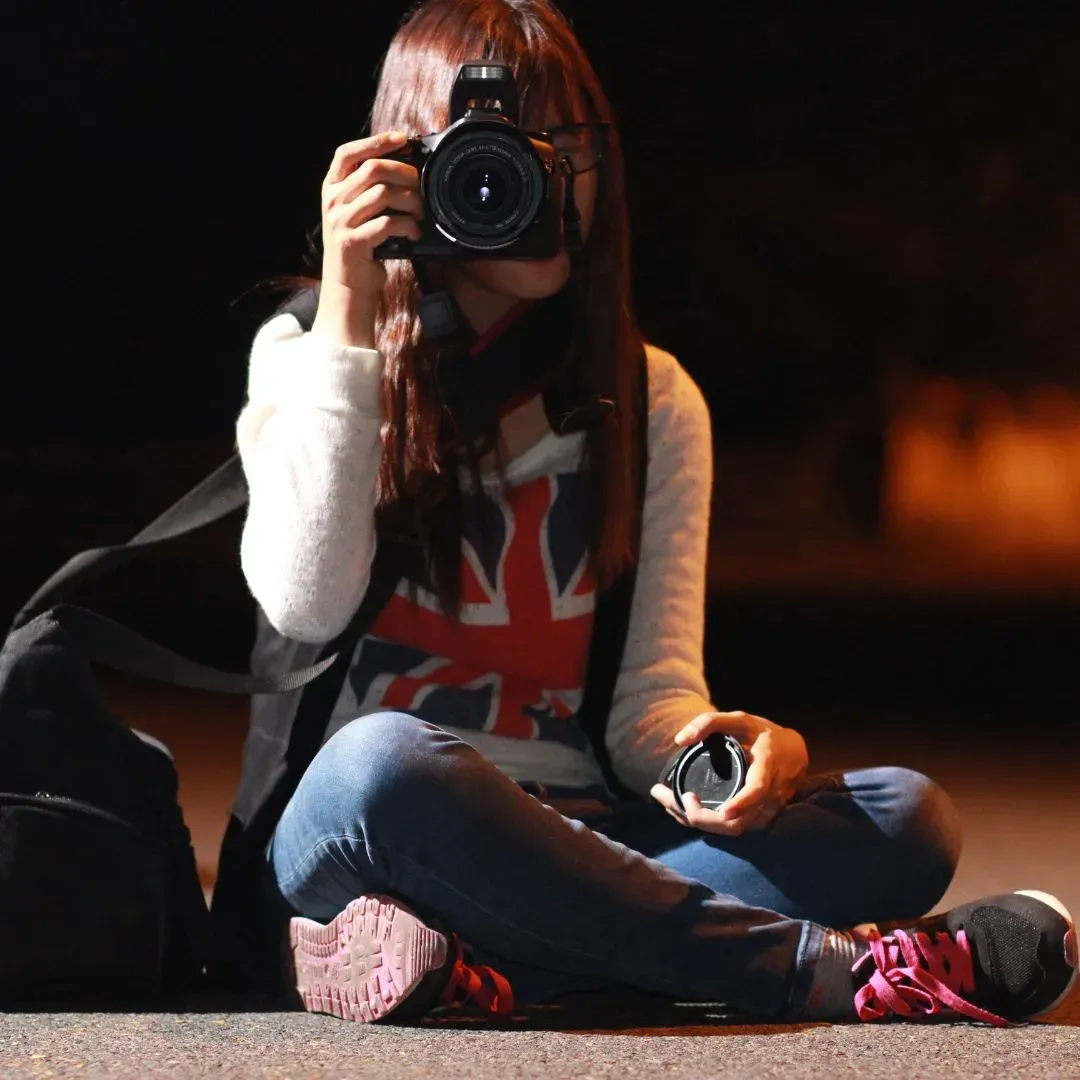
A tripod is non-negotiable. Long exposures between 1 and 30 seconds will capture light trails, laser beams, and the luminous detail in the Opera House projections that the eye sees but a handheld phone cannot record. Keep your ISO as low as possible to reduce digital noise. Shoot in manual mode. Bring a fully charged battery, or two.
For smartphones, a stabilized grip or small mini-tripod adds significant value. Most modern flagship phones now include a Pro or Manual mode that allows manual shutter control.
Remote Shutter Apps
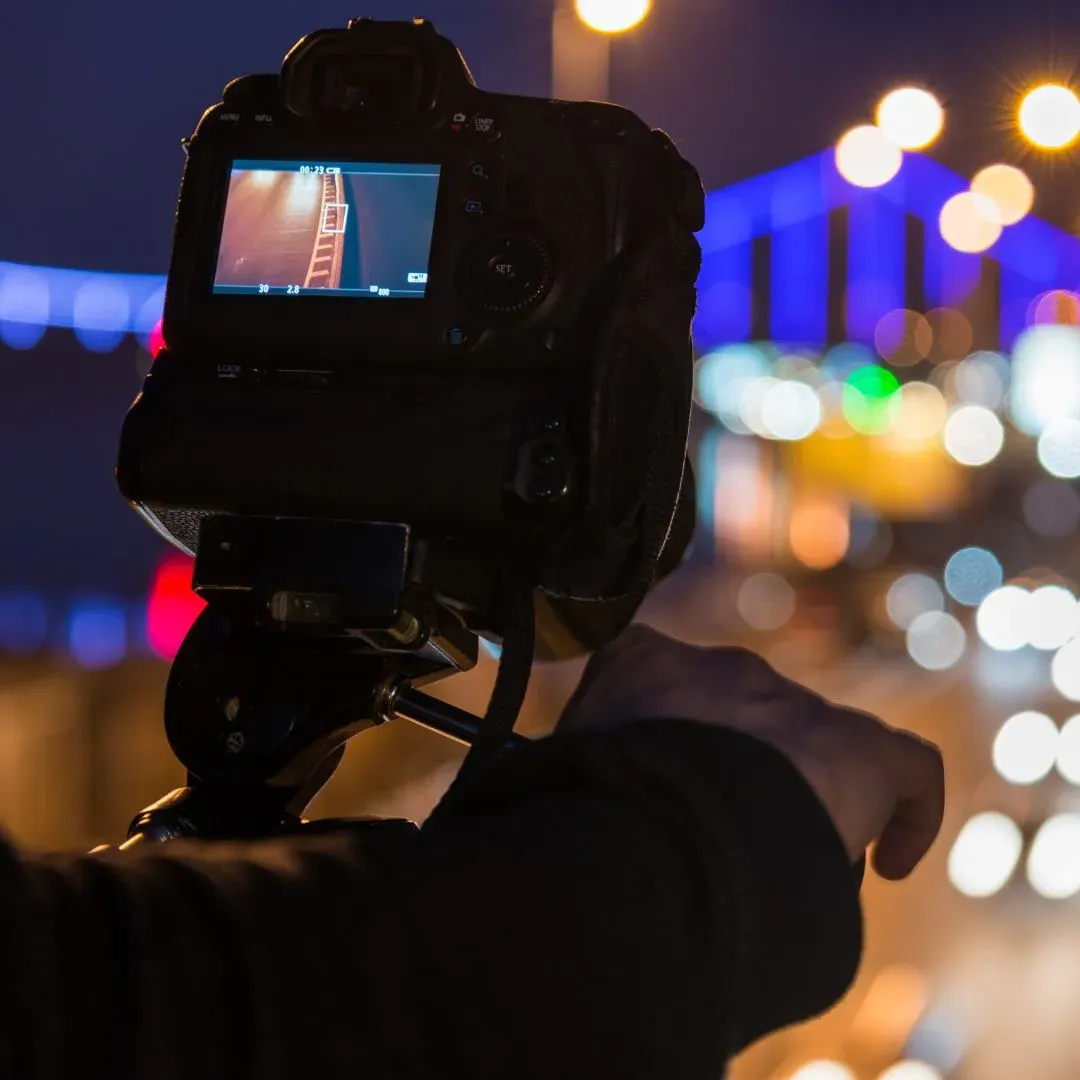
A remote shutter app eliminates camera shake at the moment of exposure, which matters most on shots of 3 seconds or longer. For iOS, the native Camera app supports remote shutter via Apple Watch or Bluetooth remote. For Android, third-party apps like DSLR Controller and Camera Remote allow wireless shutter triggering via Bluetooth or Wi-Fi.
To use these apps reliably in a crowded festival environment, you need a stable local data connection. Bluetooth range is limited in dense crowds, and Wi-Fi connectivity is inconsistent at outdoor festival precincts. A local SIM with 4G or 5G data keeps your phone connected to cloud backup, remote apps, and mapping tools throughout the night.
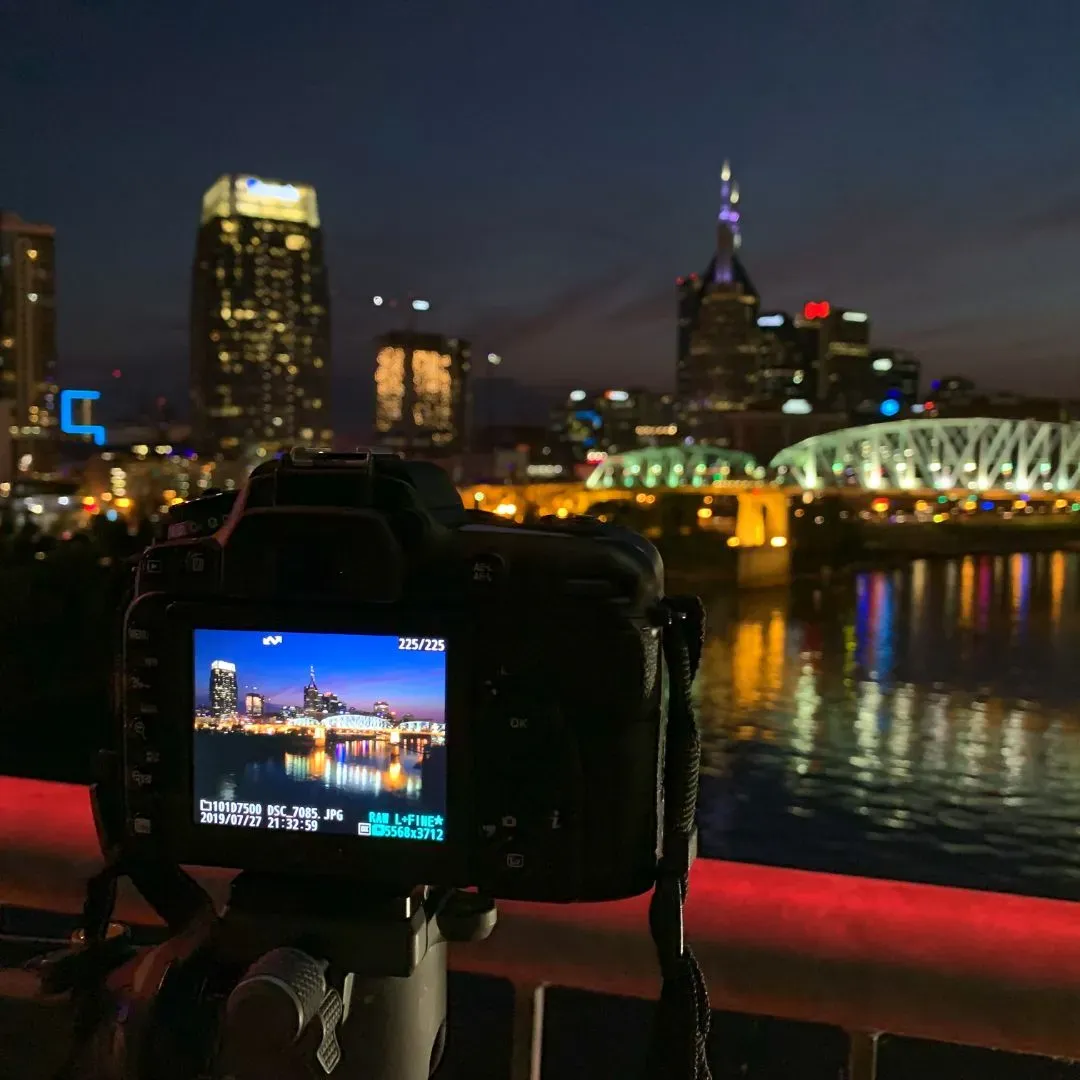
Instant Uploads and Staying Connected
One of the most frustrating experiences for international visitors at Vivid Sydney is running out of local data at the exact moment they need it. Uploading a 40MB RAW file from your camera via your phone's hotspot, backing up to Google Photos or iCloud, checking the Vivid Sydney app for installation locations, and using Google Maps to navigate between precincts all demand reliable, affordable mobile data.
International roaming from major carriers can cost $10 to $20 per day, and data caps are hit quickly when uploading large files on-location. The practical alternative is an Australia eSIM that activates before you land and works across Australia's 4G and 5G networks.
MobiMatter offers prepaid eSIM plans for Australia with competitive rates, flexible data allowances, and instant digital activation. No physical SIM card swap is needed. You scan a QR code, activate your plan, and you are connected from the moment your flight lands in Sydney. Choose as per your trip duration and data usage and enjoy the festival without any data worries. Unlimited data plans for Australia are also available along with the fixed GB plans.
For a festival like Vivid Sydney where photography and instant sharing are central to the experience, having a dedicated local data plan is the single most practical upgrade you can make before you travel.
The MobiMatter eSIM for Australia supports all major Australian networks and works on any unlocked eSIM-compatible device, including iPhone XS and later, Samsung Galaxy S20 and later, and Google Pixel 3 and later.
Best Photography Spots: Quick Reference
Here is a fast reference of the best photography spots at Vivid Sydney 2026:
- Opera House Forecourt - Front-on view of the sails projection, best in the first 20 minutes after lights on
- Cahill Walkway - Elevated angle looking down over the illuminated Opera House and harbour
- Overseas Passenger Terminal, Circular Quay - Wide direct view of the Opera House sails and bridge skyline
- Barangaroo Waterfront - Water reflections of Molecule of Light and the surrounding installations
- The Goods Line, Darling Harbour - Long exposure light trails from moving installations
- Cockle Bay - Drone show and Laser Lightfall against the city skyline backdrop
- Martin Place - Building canyon perspectives with dramatic vertical framing
- Blues Point Reserve, North Sydney - The full harbour panorama from across the water, away from crowds
For the best light, arrive at each location before 6pm. The first 20 minutes after lights switch on offer the most interesting shooting window as the sky transitions from dusk to dark and the installations interact with natural ambient light.
Vivid Sydney 2026 at a Glance
- Dates: 22 May to 13 June 2026
- Times: 6pm to 11pm nightly
- Light Walk: 6.5km, 43 installations, free every night
- Drone Shows: 22 shows across 11 nights, Cockle Bay, 7:30pm and 9:30pm
- Music Highlights: Kae Tempest, Porter Robinson, Ella Mai, Mogwai
- Cost: Over 80% of the program is free, including the entire Light Walk
- New in 2026: Daytime events for the first time, expanded Vivid Minds program
- Stay Connected: MobiMatter Australia eSIM for local data from $5/day
Frequently Asked Questions
When is Vivid Sydney 2026? Vivid Sydney 2026 runs from Friday 22 May to Saturday 13 June 2026. Lights switch on at 6pm each evening and run until 11pm. The festival spans 23 nights total.
Is Vivid Sydney free to attend? Yes, over 80% of the entire program is free, including the complete 6.5km Vivid Light Walk with all 43 installations. Some Vivid Music concerts, Vivid Minds talks, and dining experiences require tickets. The drone show is also free.
What is the best time to visit Vivid Sydney? Weeknights are significantly less crowded than weekends. Arriving before 6pm gives you the best photography positions before the crowds arrive. The first 20 minutes after lights switch on are the most visually dynamic time to shoot.
What are the best photography spots at Vivid Sydney 2026? The Opera House forecourt, Cahill Walkway, Overseas Passenger Terminal, Barangaroo waterfront, and Blues Point Reserve across the harbour are the top locations. For drone show photography, Cockle Bay at Darling Harbour is the best position.
Do I need a tripod for Vivid Sydney photography? Yes, a tripod makes a meaningful difference for night photography at the festival. Long exposures between 1 and 30 seconds capture light trails and projection detail that handheld shooting cannot. A small travel tripod or mini-tripod is sufficient.
What eSIM should I use in Australia for Vivid Sydney? A MobiMatter Australia eSIM is one of the most practical options for international visitors. Plans activate instantly via QR code before you travel, work on all major Australian networks, and are available in flexible durations. Full details and plans are at mobimatter.com.
How do I get to Vivid Sydney Light Walk locations? Train is the fastest option. Circular Quay Station serves the Opera House and start of the walk. Town Hall Station serves Darling Harbour. Ferries from Circular Quay add a harbour perspective. Walking between all precincts takes approximately 90 minutes at a relaxed pace.
What is new at Vivid Sydney 2026? Key additions include daytime events for the first time in the festival's history, the return of the Star-Bound drone show with 22 shows across 11 nights, the tallest installation ever built for the festival (Molecule of Light at 23 metres), the longest installation ever built (Obstacle at 45 metres), and the relocation of Vivid Fire Kitchen to Barangaroo Reserve.
What is the Vivid Light Walk route? The Light Walk runs as a continuous unbroken 6.5km route from Circular Quay through The Rocks, Barangaroo, and Darling Harbour. All 43 installations are free. The walk is mostly flat and accessible. Allow 90 to 120 minutes to complete it without stopping for photography, or a full evening if you plan to shoot each location.
Is Vivid Sydney worth visiting from overseas? Yes. With over 80% of the program free, mild June winter temperatures in Sydney, and one of the most concentrated collections of large-scale light art in the world across a single walkable harbour route, Vivid Sydney 2026 is among the best-value major international festivals. Book accommodation early, as Sydney hotel occupancy in May and June reaches record highs during the festival.
- Blog
- Vivid Sydney 2026 dates
- Sydney light show guide
- Australia travel June
- best photography spots Sydney
- MobiMatter Australia eSIM
- Sydney events 2026
About the author
Travel & eSIM writer, MobiMatter
Writes MobiMatter's eSIM and destination guides since 2024, for travellers who want data from the moment they land. Before that, SEO consulting and nearly ten years in analytics at IBM.