15 Late-Summer Hidden Gems: Best Places to Visit in August 2026
By Abhishek Aggarwal (Travel & eSIM writer, MobiMatter)
· 11 min read
July crowds have thinned but the weather has not, which makes August one of the most overlooked windows on the travel calendar. School holidays are winding down across parts of Europe, flight prices are quietly dropping on routes that were sold out weeks earlier, and the handful of destinations that dominate every "best summer trip" list finally start to empty out. August 2026 is the sweet spot for travelers chasing quiet coastlines, cooler mountain towns, and off-peak pricing, without giving up warm weather or long daylight hours.
This guide covers 15 hidden gem destinations across Europe, the Indian Ocean, Africa, Asia, and North America, with deep dives on four standout picks: the volcanic Azores, lake-country Killarney, shoulder-season Mauritius, and canal-lined Utrecht. Alongside the destination guide, it covers when to book for the best August rates and how to stay connected abroad with an instant eSIM instead of hunting for a local SIM card on arrival in a town that may not have one.

Why August is the Best Month for Hidden Gem Travel in 2026
August sits in a strange sweet spot. The peak July rush has passed, school holidays in parts of Europe are winding down, and airlines quietly drop prices on routes that were sold out a month earlier. Many travelers still associate August with packed beaches, but that is only true of the five or six destinations that dominate every "top summer spot" list.
Everywhere else, August is quieter, cheaper, and just as warm. Coastal towns in Portugal see fewer tour buses once visitors move past the Algarve. Irish lake towns get their last real stretch of dry weather before autumn rain sets in. Island destinations in the Indian Ocean shift into their calmer shoulder season. That gap between "everyone is on vacation" and "peak season is officially over" is exactly where hidden gems live, and it is where this list is built around.
This list leans on destinations that consistently show up in regional tourism board data and traveler forums as underrated relative to their more famous neighbors, rather than places picked for novelty alone. Each entry includes what makes it genuinely quieter in August specifically, not just quiet in general, since some "hidden gems" are only hidden because they are hard to reach or poorly timed for most trips.
Quick Look: 15 Hidden Gems for August 2026
| Destination | Region | Best For | Why It's Quieter in August |
|---|---|---|---|
| Azores, Portugal | Atlantic Europe | Volcanic hikes, hot springs | Mainland Portugal absorbs the crowds |
| Killarney, Ireland | Western Europe | Lakes, national parks | Overshadowed by Dublin and the coast |
| Mauritius | Indian Ocean | Beaches, reef diving | Shoulder season between summer peaks |
| Utrecht, Netherlands | Western Europe | Canals, cycling, cafes | Tourists default to Amsterdam instead |
| Ljubljana, Slovenia | Central Europe | Walkable old town, day trips | Sits in the shadow of Vienna and Venice |
| Faroe Islands | North Atlantic | Dramatic cliffs, hiking | Remote and weather-dependent, so less trafficked |
| Salzkammergut, Austria | Alpine Europe | Lake villages, mountain air | Overlooked in favor of Salzburg proper |
| Gozo, Malta | Mediterranean | Quiet beaches, diving | Visitors stop at Malta's main island |
| Kotor, Montenegro | Adriatic Coast | Fjord views, old town | Cruise crowds cluster elsewhere on the coast |
| Tallinn, Estonia | Baltic Europe | Medieval streets, digital culture | Baltic routes get less airtime than Western Europe |
| Alsace Wine Route, France | Eastern France | Vineyards, half-timbered villages | Paris and the Riviera dominate France searches |
| Ogliastra, Sardinia | Southern Italy | Untouched coastline | Overshadowed by the Amalfi Coast |
| Cape Winelands, South Africa | Southern Africa | Vineyards, mountains | Northern hemisphere summer pulls travelers elsewhere |
| Ohara, Kyoto | Japan | Temples, quiet countryside | Central Kyoto absorbs almost all visitors |
| Cabot Trail, Nova Scotia | Atlantic Canada | Coastal drives, whale watching | Canada's east coast is underrated versus the west |
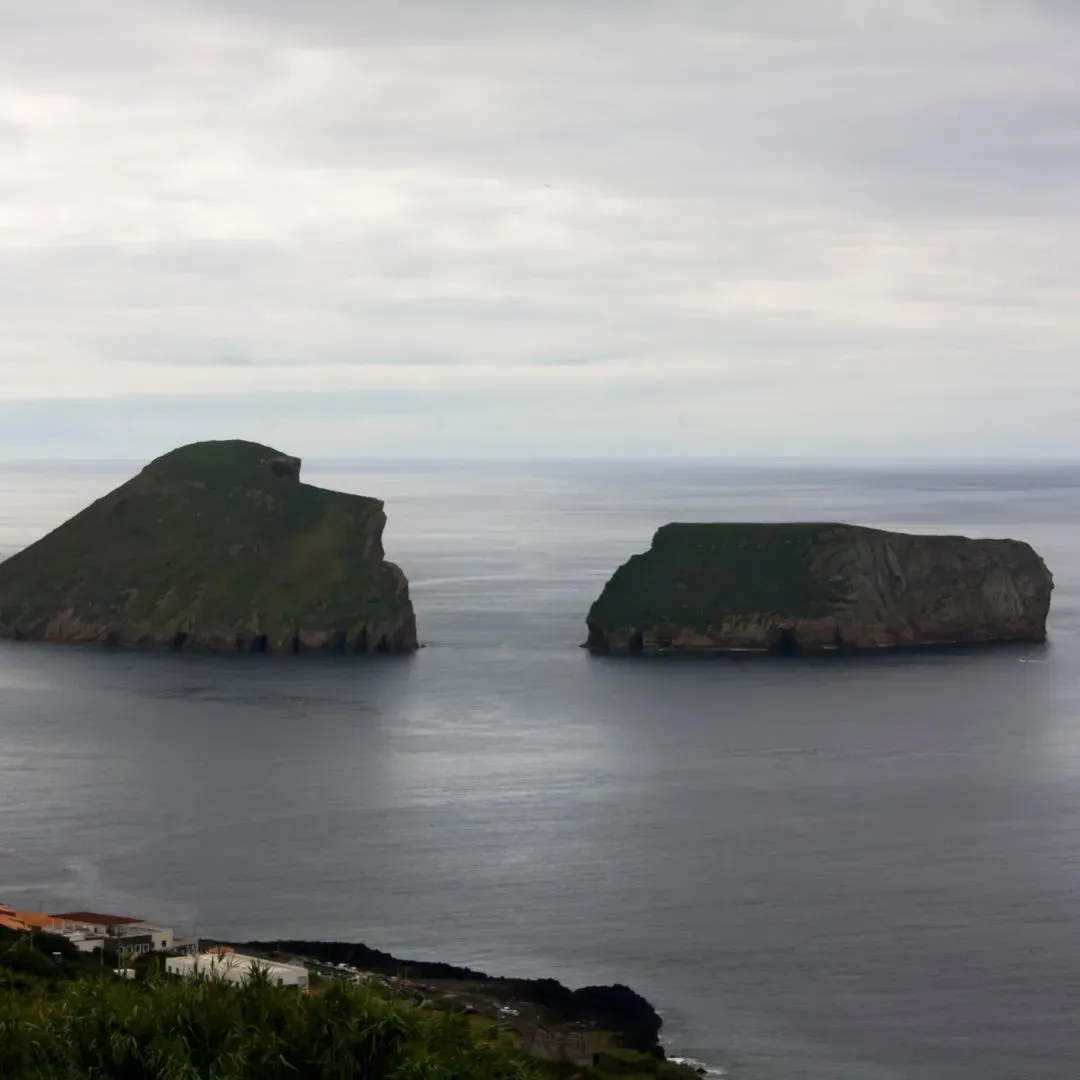
Azores, Portugal: Volcanic Islands Without the Volcano-Sized Crowds
The Azores offer crater lakes, hot spring pools, and whale watching without the tour-bus congestion found on mainland Portugal in August. Most travelers still fly straight to Lisbon or the Algarve, leaving this nine-island archipelago comparatively empty even at peak summer.
São Miguel is the easiest entry point, with direct flights from Lisbon and a handful of European hubs. From there:
- Sete Cidades offers twin crater lakes framed by green hillsides
- Furnas has natural hot springs and volcanic cooking pits used for traditional stew
- Ponta Delgada makes a walkable base with harbor views and easy day trips
- Terceira, a short inter-island flight away, adds bullfighting festivals and a colorful historic center for travelers with an extra two or three days
Weather in August is mild by mainland Portuguese standards, typically in the low-to-mid 20s Celsius, with more cloud cover than the Algarve but far fewer crowds at every viewpoint. Whale watching season also peaks in late summer, with sperm whales and several dolphin species regularly spotted just offshore.
Because the islands sit far into the Atlantic, cell coverage can be patchy for visitors relying on roaming plans built for mainland Europe. Setting up an eSIM for Portugal before departure avoids the scramble to find a local SIM shop in a town with one pharmacy and no phone store. It activates before landing and covers the whole trip, islands included, which matters more here than almost anywhere else on this list.
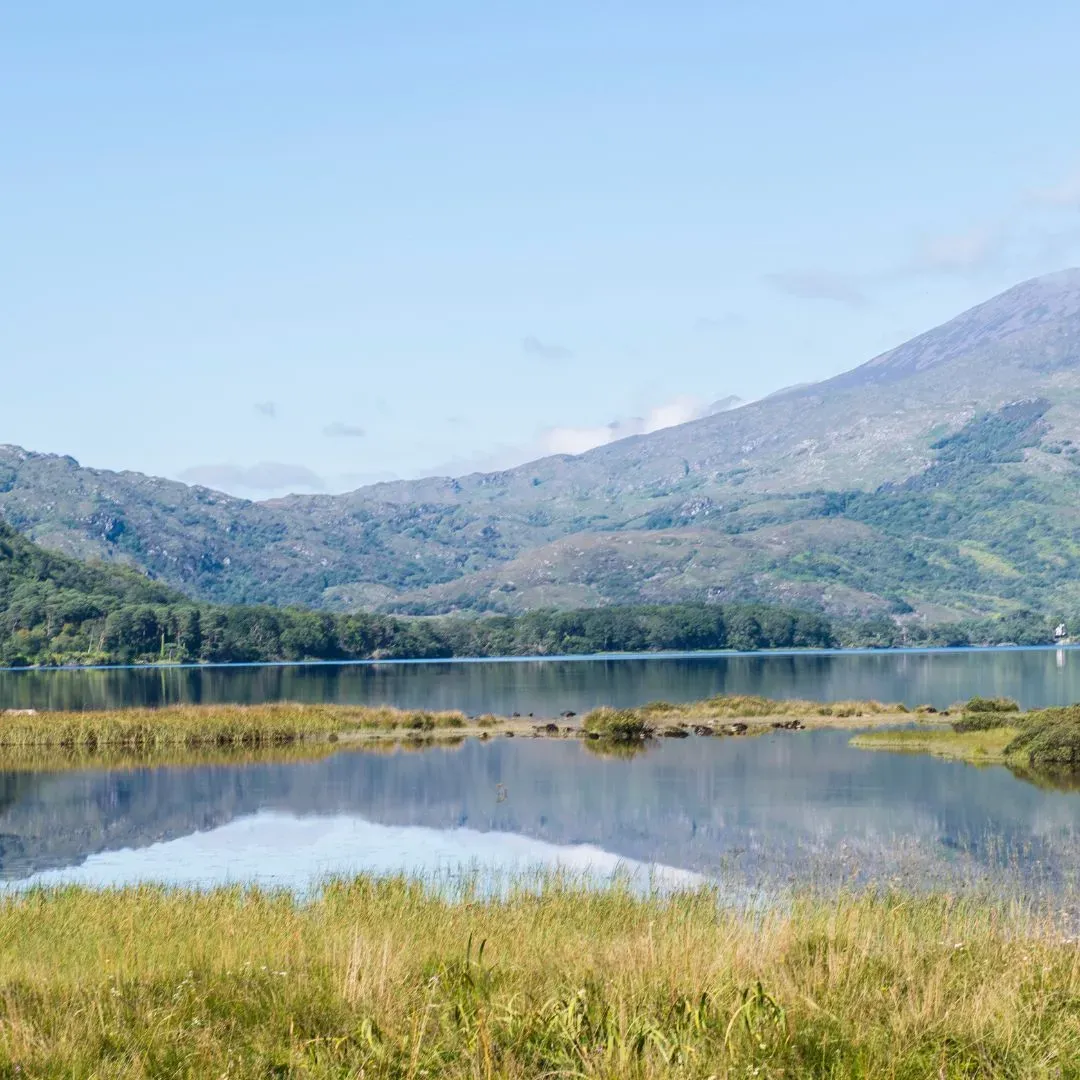
Killarney, Ireland: Lakes and National Parks Before the Autumn Rain
Killarney National Park delivers lakes, mountains, and red deer roaming freely, and August is the last reliable stretch of dry weather before Ireland's autumn rain sets in. Visitors chasing Dublin and the Cliffs of Moher often skip this southwest region entirely, which keeps it noticeably calmer.
A few ways to spend two or three days here:
- Rent a bike for the Gap of Dunloe, a mountain pass best explored slowly
- Take a jaunting car, a traditional horse-drawn cart, through the national park
- Base in Killarney town and day-trip the Ring of Kerry without the tour-bus traffic of peak July
- Visit Muckross House and its walled gardens, usually far less crowded than the park's lake trails
Killarney town itself is compact enough to cover on foot, with traditional pubs offering live music most nights of the week even outside peak tourist months. Booking accommodation directly in town rather than along the Ring of Kerry drive tends to be noticeably cheaper in August than in July.
Ireland's rural coverage can drop out between towns, particularly on the Ring of Kerry's more remote stretches. Travelers connecting an Ireland eSIM ahead of the trip keep maps and translation tools working the whole drive, without needing to track down a SIM card counter at Kerry Airport, which has limited retail options compared to Dublin or Shannon. Also, if you are confused whether Ireland will be covered in a UK eSIM plan or not, check out our detailed guide on confusing eSIM borders.
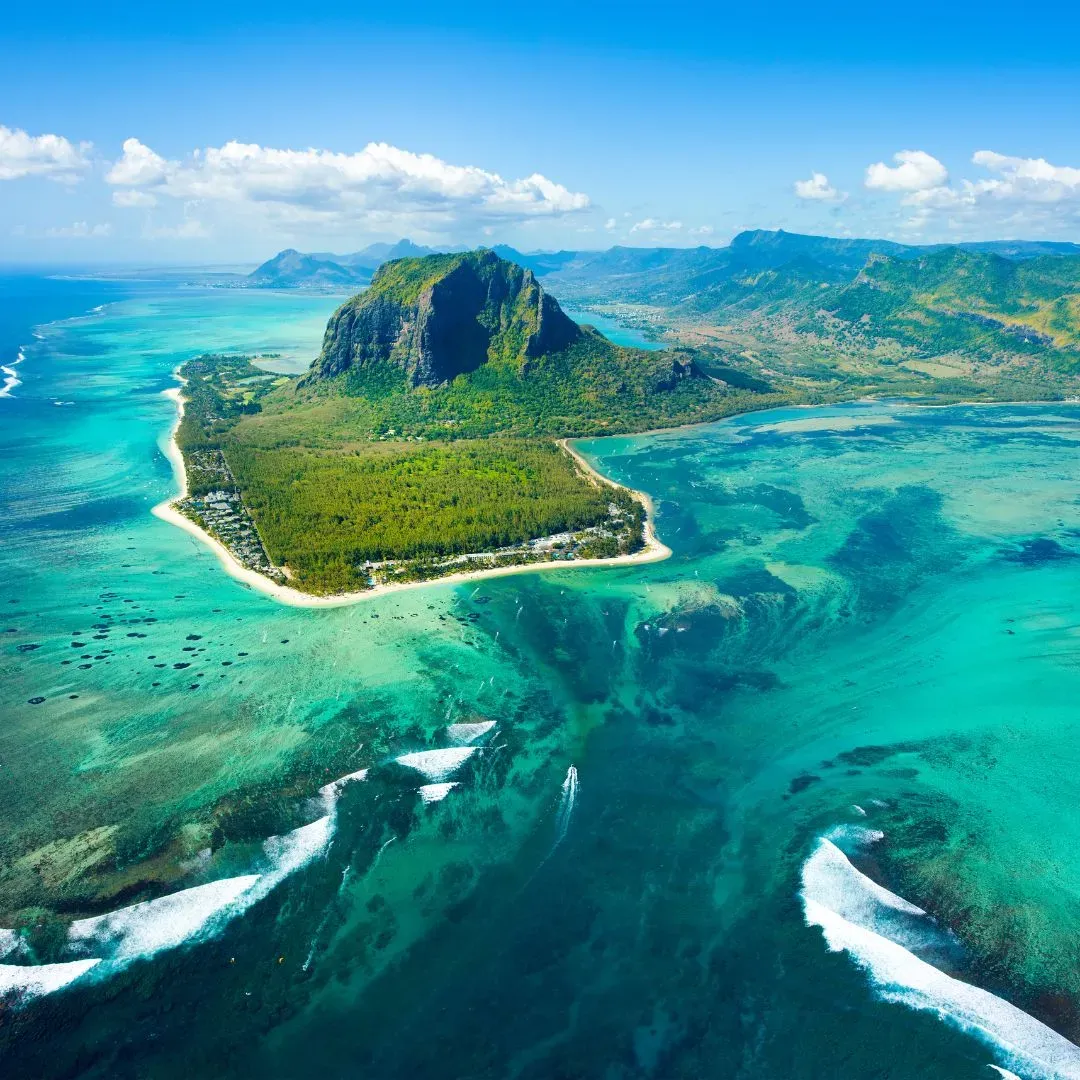
Mauritius: The Indian Ocean's Quiet Shoulder Season
Mauritius shifts into a calmer shoulder season in August, sitting between the Southern Hemisphere winter lull and the December holiday rush, which means lower rates on beachfront stays without sacrificing warm, swimmable water. The island's dry season also means clearer diving visibility around its coral reefs.
Highlights worth building a trip around:
- Le Morne Brabant, a UNESCO-listed peninsula good for hiking and kitesurfing
- Black River Gorges National Park for waterfalls and native bird species
- Grand Baie for a livelier base with restaurants and boat trips to nearby islets
- Chamarel, home to the Seven Colored Earths geological formation and a well-regarded rum distillery
August temperatures hover in the low-to-mid 20s Celsius, cooler than the island's peak summer months, which makes hiking and outdoor exploring more comfortable than a December or January visit. Trade winds also pick up slightly in August, which is good news for windsurfers and kitesurfers but worth checking if a trip centers on calm-water snorkeling.
Mauritius is a smaller market for global roaming providers, which can mean patchy default coverage for visitors who assume their carrier's international plan will work seamlessly. Checking eSIM options before departure is worth it here specifically, since local data plans and airport SIM counters are less standardized than in mainland Europe.
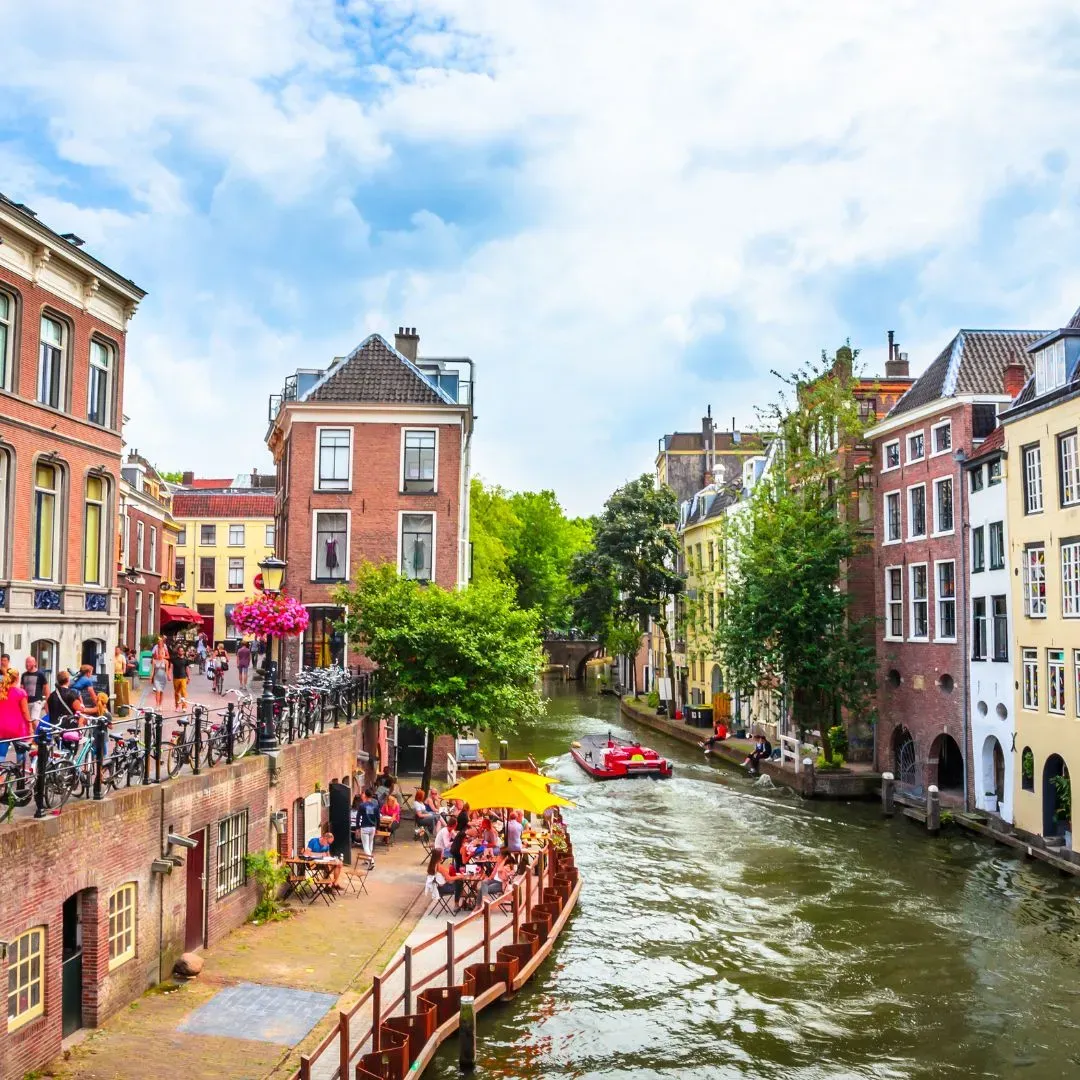
Utrecht, Netherlands: The Canal City That Isn't Amsterdam
Utrecht has the same canal-lined streets and cafe culture that draw millions to Amsterdam, but a fraction of the visitors, since most itineraries default to the capital without checking what's 30 minutes south by train. That gap makes August in Utrecht noticeably more relaxed.
What sets it apart from Amsterdam specifically:
- Wharf-level cafes built directly into the canal walls, unique to Utrecht's layout
- The Dom Tower, the tallest church tower in the Netherlands, with rooftop views
- A flatter, more compact center that's easier to cover entirely on a rental bike
- Day trips to smaller towns like Amersfoort, easily reached by regional train
Utrecht also works well as a base for travelers who want Amsterdam's museums and nightlife without paying Amsterdam's city-center hotel prices, since the direct train connection takes under 30 minutes. August evenings stay light until close to 10 PM, which leaves plenty of time for a canal-side dinner after a full day of sightseeing.
For anyone splitting time between Utrecht and Amsterdam, or continuing on to Belgium and Germany, consistent data coverage across the whole route matters more than it does on a single-city trip, since switching providers at each border adds friction that's easy to avoid with the right setup ahead of time. Check out our regional Europe eSIM plans for cross-border connectivity.
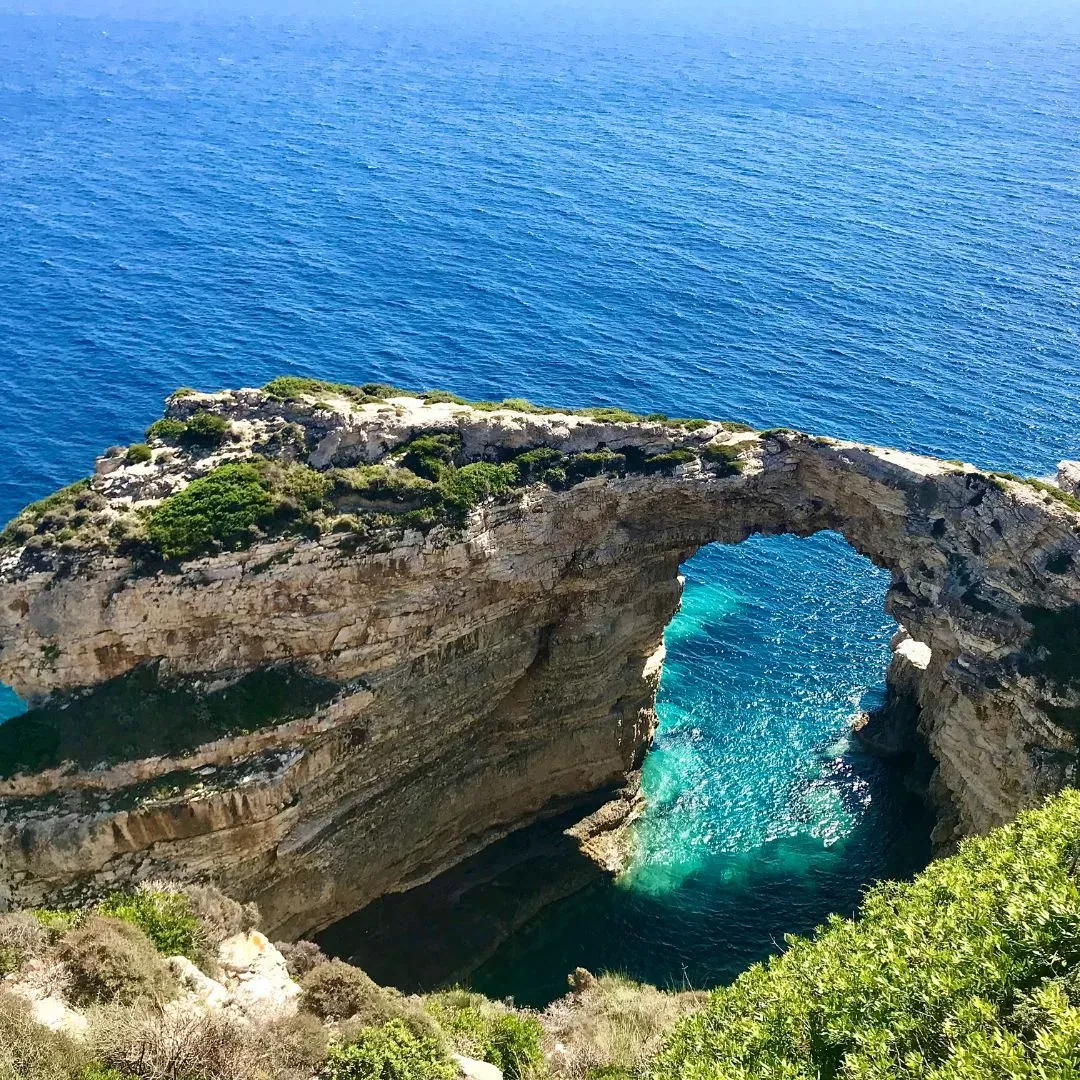
11 More Late-Summer Hidden Gems Worth the Detour
Ljubljana, Slovenia: A pedestrian-friendly old town with a hilltop castle, and a base for day trips to Lake Bled without the lake town's summer crowds. Most visitors treat it as a one-night stopover between Vienna and Venice, which keeps the city itself pleasantly uncrowded.
Faroe Islands: Steep green cliffs, sea stacks, and villages tucked into fjords. Weather shifts fast here, so August's milder conditions matter more than in most destinations on this list, and flights remain limited enough that crowding is rarely an issue.
Salzkammergut, Austria: Lake villages like Hallstatt draw day-trippers from Salzburg, but staying overnight in the region clears out by evening, leaving the lakeside promenades quiet for early morning walks and swims.
Gozo, Malta: Malta's quieter sister island has fewer crowds, calmer beaches, and some of the Mediterranean's clearer dive sites, reachable by a short ferry ride from the main island.
Kotor, Montenegro: A walled old town set against a dramatic fjord-like bay, with cruise ship crowds concentrated at specific arrival windows that are easy to avoid by timing a visit around the ship schedule.
Tallinn, Estonia: A compact, well-preserved medieval old town paired with a modern digital-first culture, popular with remote workers extending a trip beyond the usual long weekend.
Alsace Wine Route, France: Half-timbered villages and vineyard drives through eastern France, overlooked in favor of Paris and the south, with harvest season adding extra activity to the vineyards by late August.
Ogliastra, Sardinia: Sardinia's less-developed eastern coast, with cleaner beaches and far fewer resorts than the island's better-known west side, ideal for travelers wanting Mediterranean water without Amalfi Coast prices.
Cape Winelands, South Africa: Vineyards set against mountain backdrops near Cape Town, in the Southern Hemisphere's cooler, drier season, when tasting rooms are far less booked out than during the local summer.
Ohara, Kyoto: A rural pocket of Kyoto with temples and mountain scenery, a short bus ride from the crowded central districts, and noticeably cooler than downtown Kyoto's summer heat.
Cabot Trail, Nova Scotia: A coastal driving route through Cape Breton with whale watching and hiking, still underrated compared to Canada's west coast, and at its most reliably dry and mild in August.

Staying Connected Across Multiple Countries
Travelers combining several of these destinations in one trip, such as Portugal and the Azores, or the Netherlands and neighboring Belgium, often end up juggling multiple local SIM cards or paying steep roaming fees from their home carrier. A marketplace like MobiMatter solves that by listing verified eSIM providers for essentially every country and region, including smaller or less-traveled destinations that don't always have easy airport SIM access.
Instead of researching a new provider for each stop, travelers can compare coverage and pricing for an entire multi-country route in one place, install the eSIM before departure, and land already connected. That matters more for hidden gem destinations specifically, since these are exactly the places where a physical SIM shop might be a 40-minute drive away rather than a kiosk at arrivals.
For island and rural destinations in particular, such as the Azores, Mauritius, or the Faroe Islands, checking coverage maps before booking a plan is worth the extra few minutes. Not every provider covers every island equally, and a plan built for a country's mainland does not always extend fully to its outer regions.

When to Book for the Best August Rates
Late-summer hidden gems tend to follow a predictable pricing pattern. Flights and accommodation typically hit their lowest point for August roughly four to six weeks out, once airlines see that peak July demand has cleared and start adjusting fares downward. Booking too early, back in the spring, often means paying closer to July peak prices for an August trip.
A few general timing notes worth factoring in:
- Island destinations like the Azores and Mauritius tend to have less price flexibility since flight capacity is more limited
- Continental European destinations like Utrecht and Ljubljana see more last-minute rate drops due to higher flight frequency
- Early August still carries a slight premium over late August in most of these locations, since it overlaps with the tail end of school holidays in several countries
FAQs
Is August a good time to avoid crowds in Europe? Yes, for destinations outside the five or six most searched cities. Regional spots like the Azores, Killarney, and Utrecht see noticeably fewer visitors than their more famous neighbors, even during peak summer months.
Which of these destinations is best for a first-time visitor? Utrecht is the easiest entry point for first-time travelers, with strong transit connections, English widely spoken, and a compact center that doesn't require a car.
Do I need a local SIM card for these destinations? Not necessarily. An eSIM installed before departure covers most of these destinations and avoids relying on finding a physical SIM vendor in smaller towns or islands.
Is Mauritius affordable in August? Rates typically drop compared to the December and local summer peaks, since August falls in the island's shoulder season.
Can one eSIM cover a multi-country August trip? It depends on the plan. Regional eSIMs covering multiple European countries exist, and checking a marketplace that lists country-specific and regional options side by side makes it easier to pick the right one for a multi-stop itinerary.
Are these destinations safe for solo travelers? All 15 destinations on this list are commonly visited by solo travelers, with Utrecht, Ljubljana, and Tallinn in particular known for being walkable and well-lit in the evenings, even outside the main tourist season.
Late summer rewards travelers willing to look one town over from the obvious pick, whether that's Utrecht instead of Amsterdam or the Azores instead of the Algarve. Pair that with a working eSIM set up before departure, checked through options like the best eSIM for Netherlands for a Benelux leg of a trip, and the biggest August travel headaches, crowds and connectivity, are both solved before the plane even lands.
- August Travel
- Blog
- best places to travel in August 2026
- avoiding crowds summer travel
- europe
About the author
Travel & eSIM writer, MobiMatter
Writes MobiMatter's eSIM and destination guides since 2024, for travellers who want data from the moment they land. Before that, SEO consulting and nearly ten years in analytics at IBM.