Rio Carnival 2026: Ultimate Dates, Schedule & What to Expect
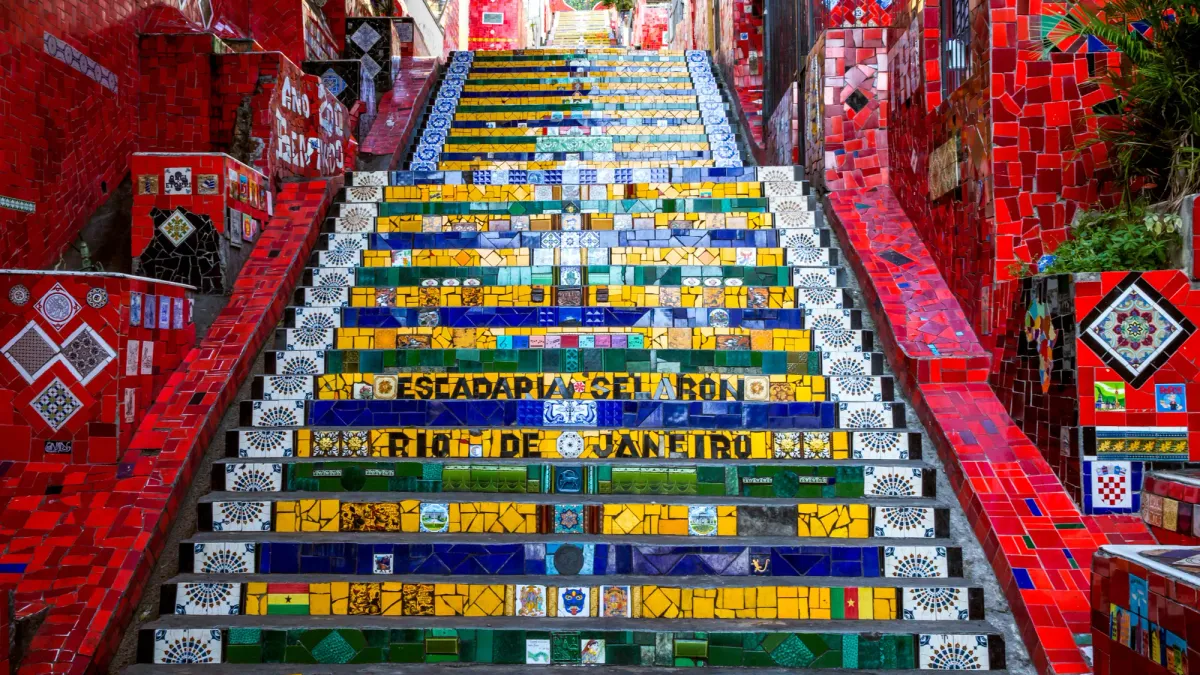
The pulsating rhythms of samba drums, streets flooded with color, and millions of revelers dancing until dawn-welcome to the world's greatest party. If you've ever wondered when is Carnival in Rio, 2026 might just be your year to experience this bucket-list spectacle. Rio Carnival 2026 promises to be more spectacular than ever, and whether you're a first-timer or a seasoned carnival enthusiast, this comprehensive guide will tell you everything you need to know about when, where, and how to experience the magic.
When is the Rio Carnival 2026? Mark Your Calendar
Let's answer the burning question: when is Rio Carnival 2026? The official dates for Rio Carnival 2026 are February 13-17, 2026, with the celebrations climaxing on Fat Tuesday (Mardi Gras), February 17. However, any carnival veteran will tell you that these official dates are just the tip of the iceberg.
When is Carnival in Rio de Janeiro truly begins? The pre-carnival festivities, known as "blocos" (street parties), start as early as mid-January and build momentum through early February. The real question isn't just when is the Rio Carnival officially scheduled, but when should you arrive to catch the full experience?
Here's the definitive timeline:
Pre-Carnival Season: Mid-January to February 12, 2026
- Neighborhood blocos begin their weekend parties
- Rehearsals at samba schools open to the public
- Warm-up parties across the city
Official Carnival: February 13-17, 2026 (Friday to Tuesday)
- Friday: King Momo receives the city keys, official opening
- Saturday-Sunday: Main Sambadrome parades
- Monday: Champions' Parade preparations
- Tuesday: Final street parties before midnight
Post-Carnival: February 18-22, 2026
- Champion samba school parade on Saturday, February 21
- Recovery parties and unofficial celebrations
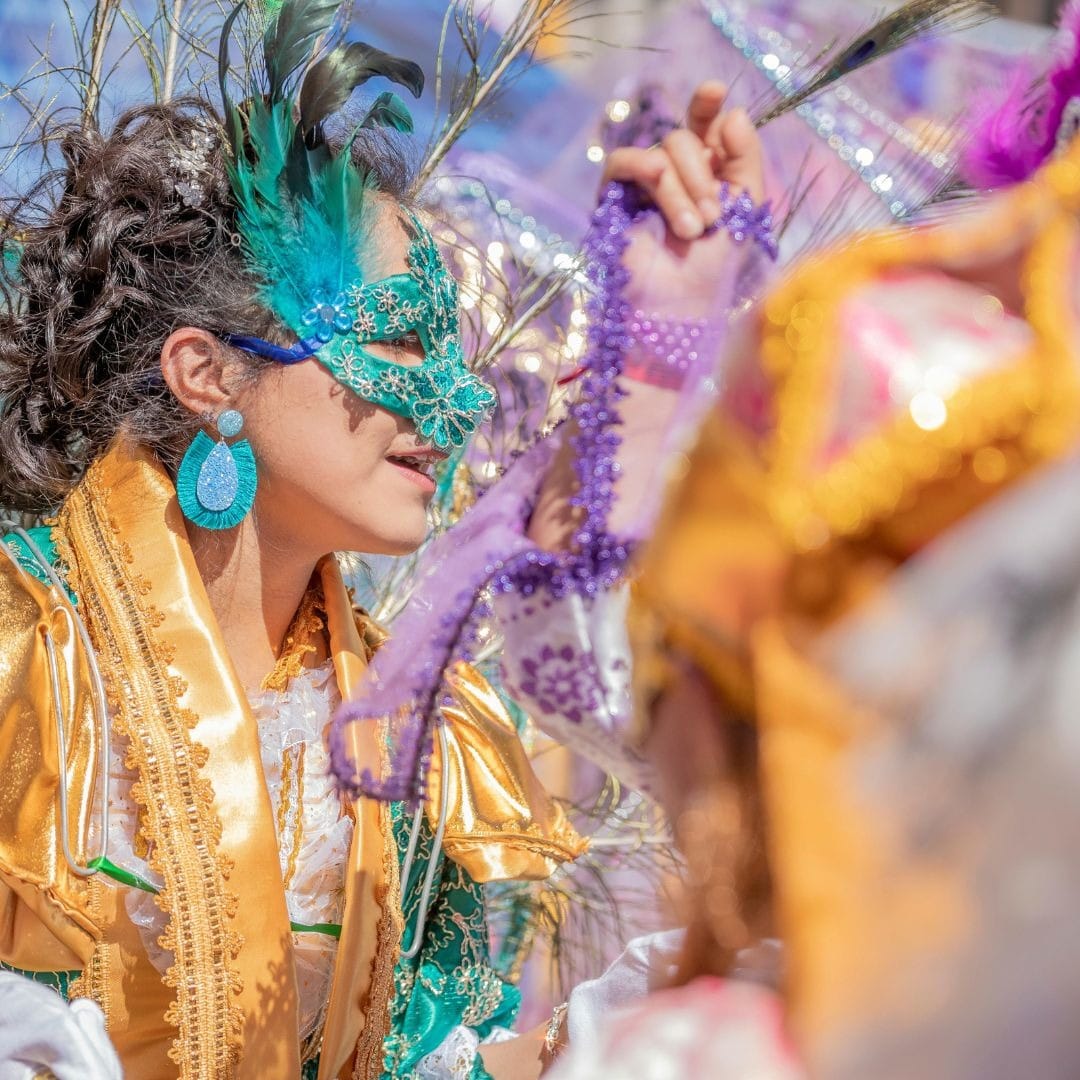
What is the Rio Carnival? Understanding Brazil's Greatest Tradition
Before diving deeper into what Rio Carnival is in Brazil, let's explore the cultural phenomenon that draws over 2 million people to Rio de Janeiro each year.
What is Rio Carnival, exactly? At its core, it's a five-day festival preceding Lent in the Christian calendar, but it has evolved into something far more profound. Rio Carnival is Brazil's soul laid bare-a magnificent collision of African, Portuguese, and Indigenous cultures expressed through music, dance, and unprecedented celebration.
The festival encompasses three main elements:
1. The Sambadrome Parades
The crown jewel of Carnival Rio celebrations occurs at the Sambadrome Marquês de Sapucaí, a purpose-built stadium designed by legendary architect Oscar Niemeyer. Here, elite samba schools-massive organizations representing different neighborhoods-compete with jaw-dropping performances featuring:
- 3,000-5,000 participants per school
- Elaborate costumes costing thousands of dollars
- Massive allegorical floats three stories tall
- 80-minute performances judged on precision, creativity, and passion
2. Street Parties (Blocos)
Over 500 blocos transform Rio into the world's largest open-air party. These free street celebrations range from intimate neighborhood gatherings to massive events attracting hundreds of thousands. Each bloco has its own character-some are LGBTQ+-focused, others celebrate specific music styles, and some are just gloriously chaotic fun.
3. Carnival Balls
For those seeking elegance amid the mayhem, Rio's famous carnival balls offer themed parties in grand venues, from the opulent Magic Ball at Copacabana Palace to underground electronic music raves.

The Complete Rio Carnival 2026 Schedule
Now that you know when Carnival in Rio 2026, let's break down the detailed schedule so you can plan your ultimate carnival experience.
Friday, February 13, 2026: The Opening Ceremony
The carnival officially begins when the mayor hands over the symbolic keys to the city to King Momo, the "king" of carnival, in a ceremony at City Hall. This theatrical event typically occurs around 11 AM and marks the moment when Rio transforms into a city where normal rules no longer apply.
Where to be: Cinelândia Square for the official ceremony, then head to the first major blocos in Centro and Santa Teresa.
Top blocos: Cordão do Bola Preta (expect over 1 million attendees), Simpatia é Quase Amor, and Céu na Terra.
Saturday, February 14, 2026: Sambadrome Begins
This is when the Rio de Janeiro Carnival truly roars to life. The first night of Sambadrome parades features the Access Group schools-those competing to join the elite Special Group next year.
Sambadrome Schedule:
- Gates open: 7 PM
- Parades begin: 9 PM
- Final school finishes: 5-6 AM
Day activities: Beach blocos at Ipanema and Copacabana, neighborhood parties throughout the city.
Pro tip: Saturday also sees some of the biggest street parties. Sargento Pimenta (Beatles covers), Boitatá (tropical sounds), and Orquestra Voadora (brass band) are must-experiences.
Sunday, February 15, 2026: The Main Event - Special Group Night 1
This is the night carnival purists live for. The first six elite samba schools parade, showcasing performances that represent months of preparation and millions of dollars in investment.
Featured Schools: The lineup typically includes legendary schools like Mangueira, Portela, and Salgueiro (exact order released closer to the date).
What to expect:
- Each school presents a themed narrative (enredo) through choreography, costumes, and lyrics
- Floats the size of houses adorned with performers
- Dancers in formations numbering in the hundreds
- Musical sections (baterias) with 300+ percussionists
Daytime: More blocos! Banda de Ipanema, one of the oldest and most beloved, typically parades on Sunday morning.
Monday, February 16, 2026: Special Group Night 2
The remaining six Special Group schools parade, completing the competition. This night often features fan-favorites like Beija-Flor, Vila Isabel, and Mocidade Independente.
The atmosphere: Monday night has a slightly different energy-the competition's conclusion creates extra intensity and emotion. Schools save nothing for later; this is their moment.
Street scene: Monday sees some of the wildest street parties. Monobloco, one of Rio's largest and most famous blocos, typically takes over Centro with hundreds of thousands in attendance.
Tuesday, February 17, 2026: Fat Tuesday - The Grand Finale
Mardi Gras represents the final hurrah before Lent begins at midnight. This is when the Rio Carnival reaches its absolute peak of joyous chaos.
Daytime:
- Bloco da Ferve da Lapa transforms the Arcos da Lapa area
- Beach parties at all major beaches
- Neighborhood celebrations in every district
Evening:
- Final costume balls
- Special concerts and events
- Street parties continuing until the midnight deadline
The tradition: At midnight, the mayor symbolically reclaims the city keys from King Momo, and Ash Wednesday begins. Many revelers head directly to church services, still in costume.
Saturday, February 21, 2026: Champions Parade
Don't leave town too early! The Champions Parade sees the top six scoring schools from the competition perform again, celebrating victory and giving those who missed the first parades a second chance.
Why attend:
- More relaxed atmosphere than competition nights
- Schools perform with championship confidence
- Often easier to get tickets
- A perfect carnival finale for extended stays
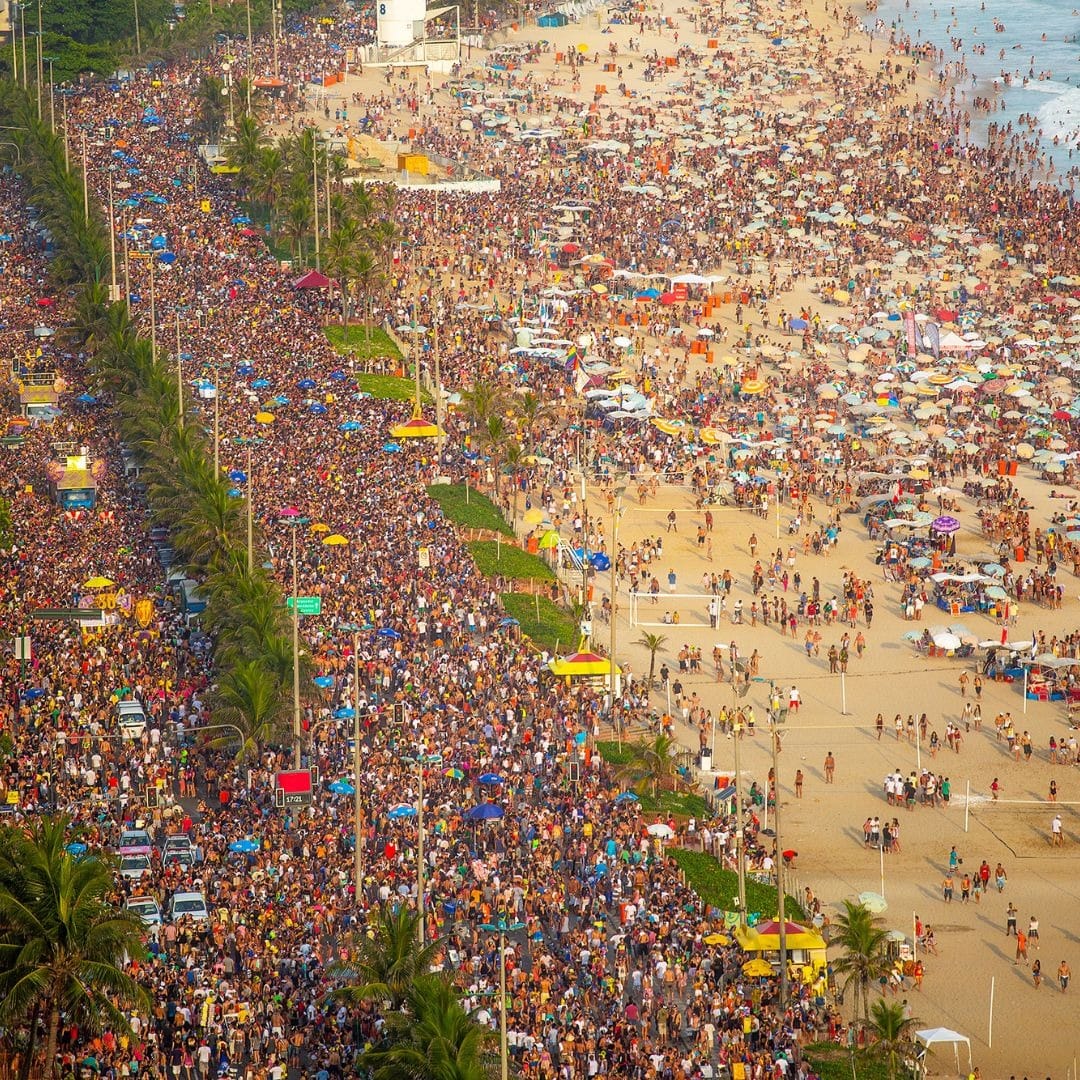
What to Expect: Your Rio Carnival 2026 Survival Guide
Understanding what the Rio Carnival is from afar and experiencing it in person are vastly different. Here's what to genuinely expect:
The Crowds
Rio Carnival attracts over 2 million participants. During peak blocos, you'll be shoulder-to-shoulder with tens of thousands. Pickpocketing is common, so leave valuables at your hotel and bring only cash in a secure pocket.
The Heat
February is peak summer in Rio. Expect temperatures of 85-95°F (29-35°C) with high humidity. You'll sweat through multiple outfits daily. Stay hydrated-dehydration is the #1 party killer.
The Noise
Samba drums, loudspeakers, and millions of people shouting and singing create a constant wall of sound. Bring earplugs for sleeping; your hotel will be surrounded by parties.
The Joy
Despite the chaos, Rio Carnival is remarkably welcoming. Brazilians embrace visitors, boundaries between strangers dissolve, and you'll make friends from every continent. The collective energy is transformative.
The Cost
Carnival has become expensive. Sambadrome tickets range from $50-$500 depending on section and night. Hotels triple their rates. Budget $150-300 daily for a comfortable experience, excluding accommodation.
The Safety
Rio has security concerns, but during carnival, police presence increases significantly. Stick to populated areas, don't flash wealth, use official taxis or Uber, and you'll likely be fine. Millions attend safely every year.
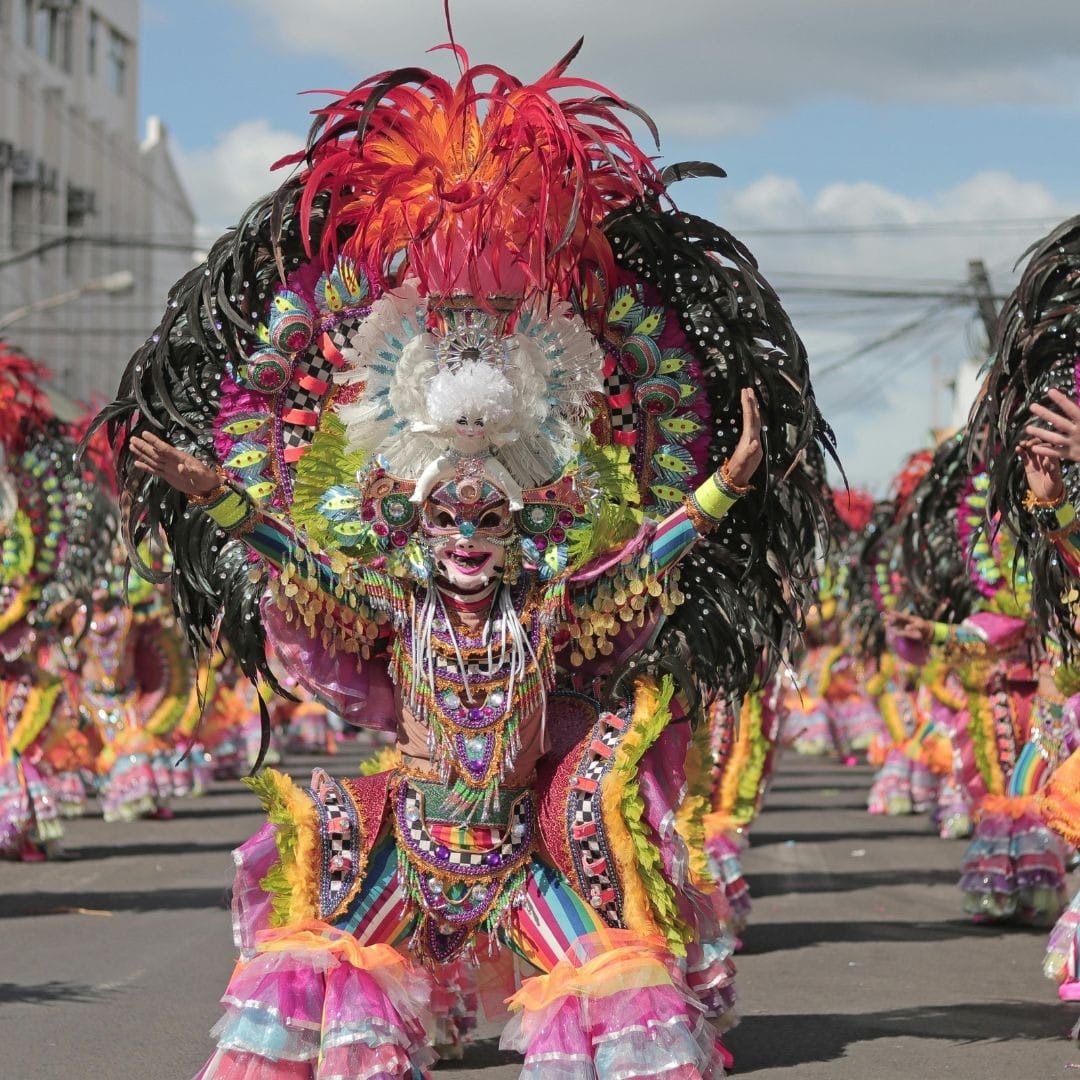
Insider Tips for Rio Carnival 2026
Book Early: Accommodation fills in advance for carnival dates. If you're reading this and haven't booked, do it now.
Choose Your Neighborhood Wisely:
- Ipanema/Leblon: Upscale, safe, near beach blocos, expensive
- Copacabana: Touristy, many hotels, beach parties, moderate safety
- Santa Teresa: Bohemian, charming, great blocos, hilly streets
- Lapa: Party central, sketchy at night, incredible energy
- Barra da Tijuca: Safer, far from action, modern, requires transport
Costume Expectations: Unlike some carnivals, Rio has no mandatory costumes for spectators. That said, blocos often have suggested themes, and participants dress up for fun. At the Sambadrome, wear comfortable clothes and shoes-you'll be sitting/standing for 8+ hours.
Learn Basic Portuguese: "Onde fica..." (Where is...), "Quanto custa?" (How much?), and "Obrigado/a" (Thank you) go a long way. Brazilians appreciate the effort.
Get an eSIM for Connectivity: Stay connected during the Rio Carnival so you can book rides, share your Sambadrome moments in real time, and navigate the bloco street parties without relying on slow public WiFi. The easiest way is to set up a travel eSIM before you land. With a Brazil eSIM, you get instant data as soon as you arrive. Browse our eSIMs for Rio to enjoy fast, reliable mobile data throughout the celebrations.
Follow the Blocos Schedule: Download apps like "Blocos do Rio" to track when and where street parties happen. Some neighborhoods host 10+ blocos daily.
See a Samba School Rehearsal: Most schools hold open rehearsals (ensaios) on weekends leading up to carnival. These offer authentic experiences without tourist crowds, often for free or minimal cost.
Pace Yourself: Carnival is a marathon, not a sprint. Five days of non-stop partying destroys the unprepared. Schedule rest days, eat proper meals, and know your limits.
The Cultural Significance: Why Rio Carnival Matters
What is the Rio Carnival in Brazil beyond the party? It's a powerful statement of identity, resistance, and joy.
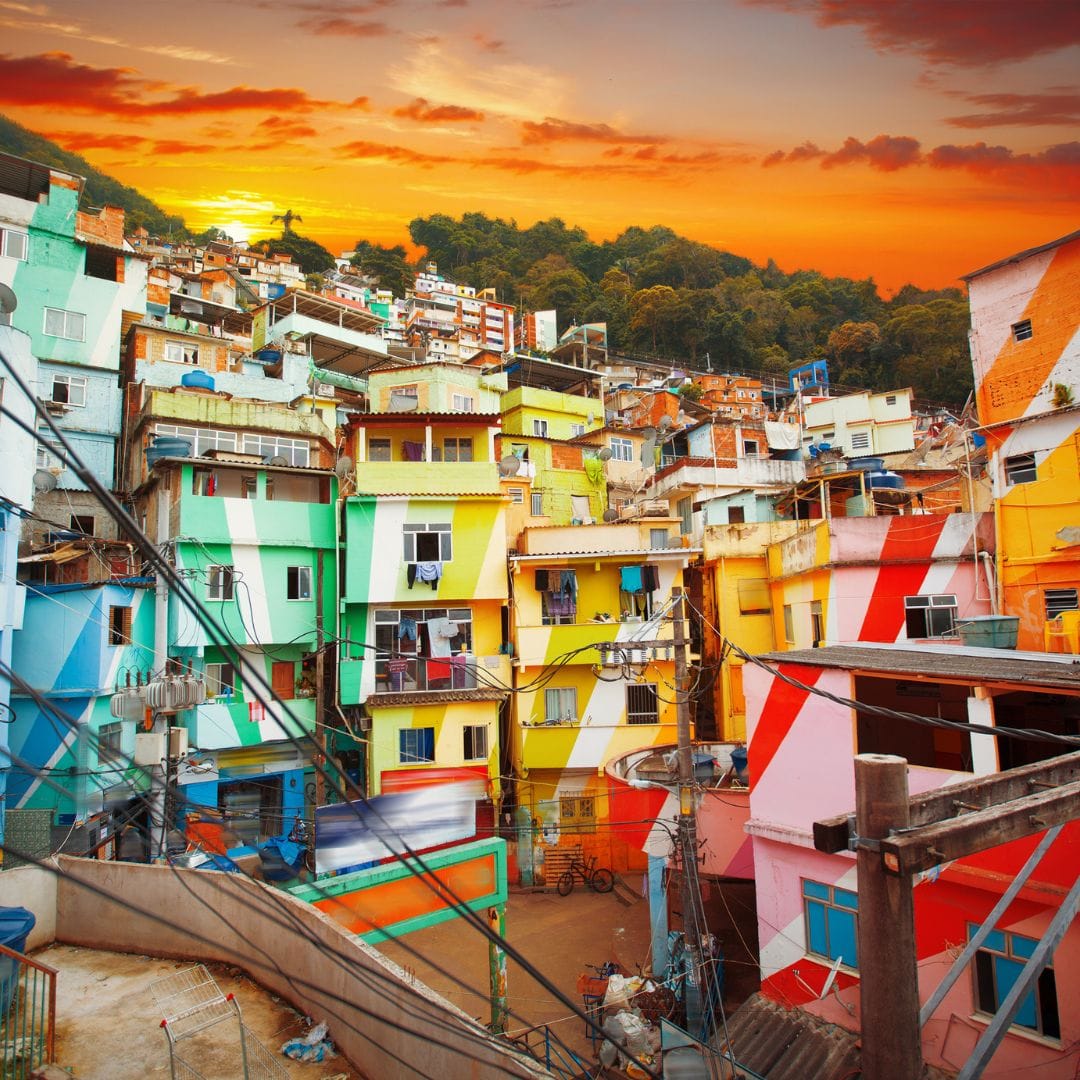
Samba emerged from Afro-Brazilian communities facing oppression and poverty. For decades, samba and carnival were marginalized, even criminalized. Today's carnival represents triumph over that suppression-a celebration where favela communities produce art that rivals the world's greatest spectacles.
Each samba school's parade tells stories-often tackling social issues, honoring Afro-Brazilian heritage, or celebrating Brazilian history overlooked by official narratives. The 2026 themes haven't been announced yet, but recent years have addressed environmental destruction, racial justice, and cultural preservation.
When you attend the Rio Carnival, you're not just partying-you're witnessing living cultural heritage, recognized by UNESCO as part of humanity's intangible cultural treasure.
Beyond the Sambadrome: Alternative Carnival Experiences
Not everyone wants massive crowds and expensive tickets. Carnival in Rio also means:
Rehearsal Parties (Ensaios): Experience samba schools in their own neighborhoods during weekend rehearsals throughout January and February. Mangueira's rehearsals are legendary.
Samba Land (Cidade do Samba): Tour the workshops where carnival floats are built. During carnival season, some schools allow visitors to see construction and try costumes.
Neighborhood Blocos: Skip the mega-blocos and find smaller neighborhood parties. Places like Jardim Botânico, Glória, and Urca host intimate, local celebrations.
Carnival Outside Rio: If Rio overwhelms, cities like Olinda, Salvador, and Recife host incredible carnivals with different styles-Olinda's giant puppets, Salvador's axé music, and Recife's frevo dancing.

Planning Your Rio Carnival 2026 Trip: Final Checklist
Book flights: International flights to Rio increase in price as carnival approaches
Reserve accommodation: Hotels, hostels, and Airbnbs in good neighborhoods sell out
Get Sambadrome tickets: Purchase from official vendors or reputable agencies (avoid street sellers)
Check visa requirements: Many nationalities need Brazilian visas-apply early
Get vaccinations: Yellow fever recommended; check current health requirements
Arrange travel insurance: Cover medical emergencies and trip cancellation
Download essential apps: Google Maps works offline, Uber for transport, blocos tracking apps
Pack smart: Lightweight, moisture-wicking clothes, comfortable walking shoes, sunscreen, reusable water bottle
Prepare physically: Carnival is physically demanding-improve your stamina beforehand
Get an eSIM: Stay connected with a Brazil eSIM so that you get instant data as soon as you arrive and cna have reliable mobile data throughout the celebrations.
Learn about samba schools: Research competing schools' histories to enhance Sambadrome appreciation
The Countdown Begins
When is Carnival in Rio 2026? February 13-17, 2026-and now you know not just the dates, but what they mean. Rio Carnival is more than a party, it's a cultural phenomenon, a historical triumph, and an unforgettable human experience.
As the countdown to Rio Carnival 2026 begins, millions around the world are preparing for those magical five days when Rio de Janeiro transforms into the planet's most joyful city. Whether you'll be in the Sambadrome watching samba schools compete for glory, dancing in the streets with hundreds of thousands at a bloco, or soaking up the carnival energy from a beachside café, you're about to experience something extraordinary.
When is Rio de Janeiro Carnival? It happens once a year, but the memories last forever. Start planning now, embrace the chaos, dance like nobody's watching, and prepare for the adventure of a lifetime.
Viva o Carnaval!
Frequently Asked Questions About Rio Carnival 2026
When is Carnival in Rio 2026?
Rio Carnival 2026 takes place from Friday, February 13 to Tuesday, February 17, 2026. However, pre-carnival blocos (street parties) begin in mid-January, and the Champions Parade occurs on Saturday, February 21, so the extended celebration spans over a month.
When is Rio Carnival 2026 exactly? What are the official dates?
The official dates for Rio Carnival 2026 are February 13-17, 2026, with the main Sambadrome parades happening Saturday, February 14 and Sunday, February 15. The festival culminates on Fat Tuesday (Mardi Gras), February 17, at midnight when Ash Wednesday begins.
When is Carnival in Rio de Janeiro celebrated each year?
Carnival in Rio de Janeiro doesn't have fixed calendar dates-it's celebrated 46 days before Easter Sunday, which changes annually. For 2026, this places carnival in mid-February. The timing always falls between early February and early March, depending on when Easter occurs.
What is the Rio Carnival and why is it celebrated?
Rio Carnival is Brazil's most important cultural celebration, a five-day festival preceding Lent in the Christian calendar. It combines African, Portuguese, and Indigenous traditions into a spectacular display of samba music, elaborate costumes, and street parties. It represents Brazilian identity, cultural resistance, and the triumph of Afro-Brazilian culture over historical oppression.
What is the Rio Carnival in Brazil famous for?
Rio Carnival in Brazil is world-famous for three main elements: the spectacular Sambadrome parades where elite samba schools compete with 3,000+ performers each, over 500 free street parties (blocos) attracting millions, and extravagant costume balls. It's the largest carnival celebration on Earth, drawing over 2 million participants annually.
When is the Rio Carnival Sambadrome parade?
The main Sambadrome parades for Rio Carnival 2026 occur on Saturday, February 14 and Sunday, February 15, starting around 9 PM and continuing until 5-6 AM. The Special Group schools (the elite competition) are split across these two nights, with six schools performing each night. The Champions Parade happens Saturday, February 21.
When is Carnival Rio at its peak?
Carnival Rio reaches peak intensity on Sunday, February 15 and Monday, February 16, 2026. Sunday features the first night of Special Group parades and massive street blocos, while Monday sees the conclusion of the Sambadrome competition and some of the largest street parties like Monobloco.
How long does Rio Carnival last?
Officially, Rio Carnival lasts five days (Friday to Tuesday). However, the complete carnival experience spans 4-6 weeks if you include pre-carnival blocos starting in mid-January and the Champions Parade on February 21. Most visitors attend for 5-10 days to experience both Sambadrome parades and multiple street parties.
When is Rio de Janeiro Carnival 2027?
While we're focused on 2026, Rio de Janeiro Carnival 2027 will take place January 29 - February 2, 2027. Carnival dates shift annually based on Easter's timing, so always check specific years when planning far in advance.
Do I need tickets for Rio Carnival?
It depends on what you want to experience. Street blocos are completely free-no tickets needed. However, Sambadrome parades require tickets, ranging from $50-$500 depending on seating section and which night you attend. Carnival balls also require tickets. You can enjoy an incredible carnival experience on the streets without spending a penny on admission.
Is Rio Carnival safe for tourists?
Rio Carnival sees increased police presence and millions attend safely each year. However, pickpocketing is common in crowds, and general Rio safety precautions apply. Don't flash valuables, use official taxis/Uber, stick to populated areas during blocos, and keep only necessary cash on you. Most tourists have trouble-free experiences by staying aware of surroundings.
What should I wear to the Rio Carnival?
For street blocos: lightweight, moisture-wicking clothes, comfortable walking shoes (you'll walk/dance for hours), and sun protection. Many people wear costumes aligned with bloco themes, but it's not required. For the Sambadrome: comfortable clothes and shoes since you'll sit for 8+ hours. Avoid expensive jewelry or accessories-keep it simple and functional.
Can I participate in the Sambadrome parade?
Yes! Many samba schools sell costumes to tourists, allowing you to parade with them. Packages typically cost $200-$1,000+ and include your costume, rehearsals, and parade participation. Book months in advance through official samba school contacts or reputable agencies. It's an unforgettable experience for those wanting to go beyond spectating.
Where should I stay during the Rio Carnival?
Best neighborhoods for Rio Carnival 2026:
- Ipanema/Leblon: Upscale, safe, near beach blocos (expensive)
- Copacabana: Central, many hotels, easy access (moderate)
- Santa Teresa: Charming, great local blocos (hilly, artistic vibe)
- Botafogo: Good value, local feel, safe (less touristy)
Book 6-12 months in advance as prices triple and availability disappears near carnival dates.
How much does Rio Carnival cost?
Budget $150-300 per day for comfortable travel, excluding accommodation. This includes meals, local transport, some Sambadrome tickets, and carnival balls. Budget travelers can manage $50-80 daily by attending free blocos, eating street food, and skipping premium events. Luxury experiences can easily exceed $500 daily. Accommodation adds $100-500+ per night during carnival.
What's the weather like during Rio Carnival?
February is peak summer in Rio-expect temperatures of 85-95°F (29-35°C) with high humidity. Afternoon rain showers are possible but usually brief. Pack light, breathable clothes, strong sunscreen (SPF 50+), and a reusable water bottle. You'll sweat through multiple outfits daily, so plan accordingly.
Are there family-friendly carnival events?
Yes! Many blocos are family-friendly, particularly daytime neighborhood parties. Beach blocos like Banda de Ipanema welcome families. The Sambadrome also hosts families, though late hours (9 PM-6 AM) challenge young children. Some hotels organize family-specific carnival activities. Just avoid the massive, chaotic blocos and late-night street parties in Lapa.
What's the difference between blocos and the Sambadrome?
Blocos are free street parties happening throughout the city, ranging from small neighborhood gatherings to events with 100,000+ people. They're spontaneous, accessible, and very participatory. The Sambadrome is a formal competition in a stadium where elite samba schools present choreographed 80-minute performances judged professionally. Blocos are casual chaos; the Sambadrome is an organized spectacle. Both are essential carnival experiences.
Can I attend Rio Carnival alone?
Absolutely! Rio Carnival is incredibly solo-traveler friendly. The festival atmosphere makes meeting people easy-you'll make friends from around the world at blocos, hostels, and events. Solo travelers should take extra security precautions, stay in social accommodations (hostels or guesthouses), and consider joining organized carnival tours for Sambadrome visits.
When should I book my Rio Carnival 2026 trip?
Book immediately-seriously. Flights and accommodation for carnival dates sell out 6-12 months in advance, and prices increase closer to the event. If you're planning to attend Rio Carnival 2026, book flights and hotels now (or as soon as possible). Sambadrome tickets can be purchased 2-3 months before, but prime seats sell early too.