The Ultimate Guide to Sapporo Snow Festival 2026: Champagne Powder, Ice Sculptures & Staying Connected
As winter descends upon Japan's northernmost island of Hokkaido, one event stands out as a breathtaking celebration of ice, snow, and artistic mastery. The Sapporo Snow Festival, scheduled for February 5–11, 2026, transforms Japan's fifth-largest city into a winter wonderland that attracts over two million visitors annually. This comprehensive guide will help you navigate everything from the festival's magnificent ice sculptures to the legendary powder skiing nearby, while ensuring you stay seamlessly connected throughout your journey with the right travel connectivity solutions.
What Makes the Sapporo Snow Festival a Global Phenomenon
The Sapporo Snow Festival, or Sapporo Yuki Matsuri in Japanese, has evolved from humble beginnings in 1950 when local high school students built six snow sculptures in Odori Park. Today, it ranks among the world's most spectacular winter festivals, featuring hundreds of intricate ice and snow sculptures that range from modest creations to towering masterpieces reaching up to 15 meters high.
The festival showcases an extraordinary fusion of traditional Japanese culture and contemporary international themes. Visitors can marvel at detailed replicas of famous landmarks, beloved anime characters, historical figures, and abstract artistic expressions, all meticulously carved from Hokkaido's abundant snowfall. The sculptures come alive at night when illuminated by colorful lights, creating an ethereal atmosphere that feels straight out of a fairy tale.
What sets this festival apart is its scale and diversity. Split across three main sites, each location offers a unique experience. The festival has become a canvas for international collaboration, with teams from around the world competing to create the most impressive frozen artworks. This global participation infuses the event with diverse artistic perspectives while maintaining its distinctly Japanese character.
The Three Festival Sites: A Complete Breakdown
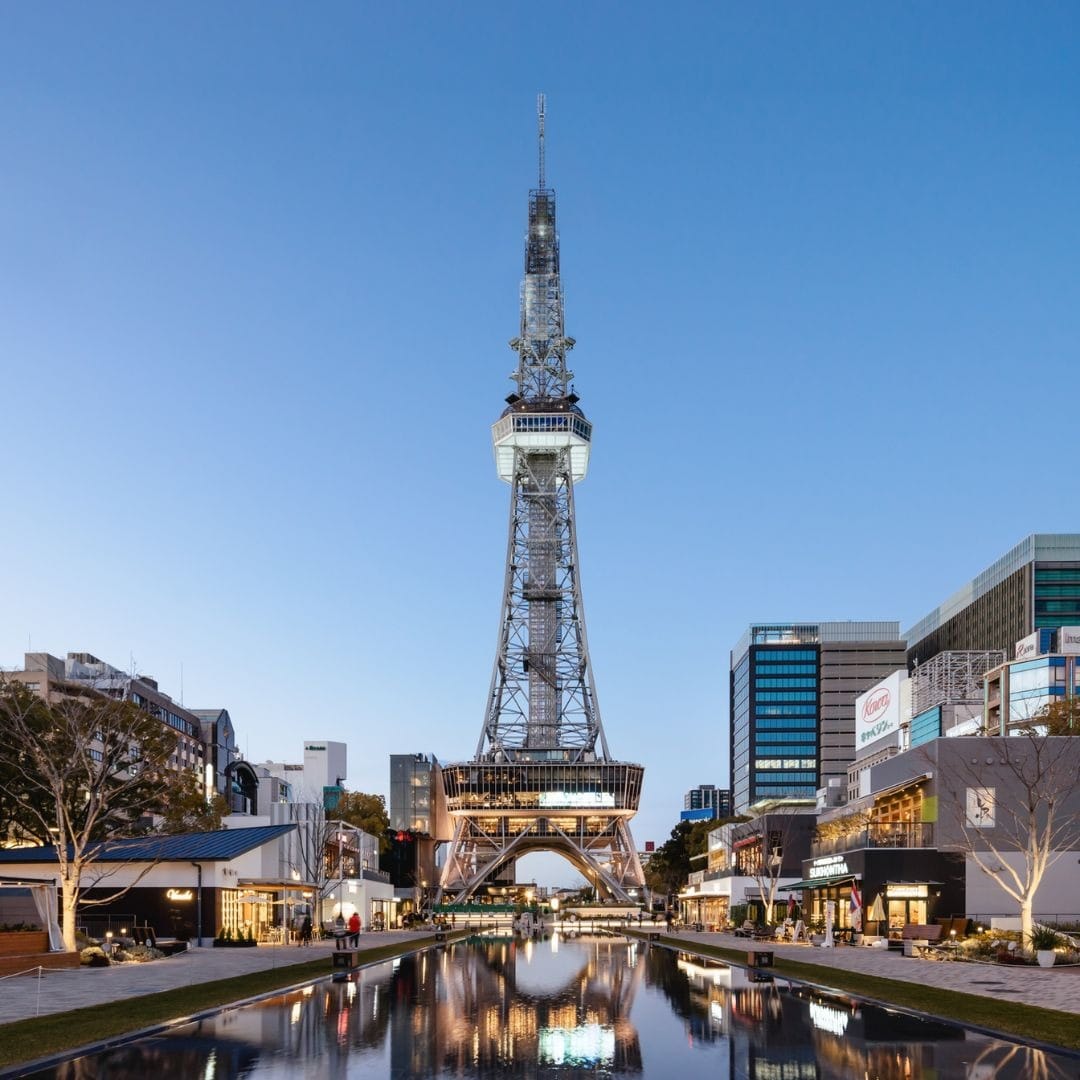
Odori Park Site: The Heart of the Festival
Stretching approximately 1.5 kilometers through central Sapporo, Odori Park serves as the festival's centerpiece. This linear park, which normally provides a green respite in the urban landscape, transforms into a spectacular gallery of massive snow sculptures during February. The Odori site typically features 100 to 150 sculptures, including the festival's most ambitious and photographed creations.
The main sculptures here are architectural marvels that can take weeks to construct, involving hundreds of Self-Defense Force members and volunteers who work tirelessly to bring these frozen dreams to life. Past creations have included full-scale reproductions of Stockholm's City Hall, India's Taj Mahal, and characters from popular culture that stand several stories tall.
Beyond the sculptures, Odori Park hosts various activities including ice slides, snowboarding demonstrations, and food stalls serving Hokkaido's renowned culinary specialties. The park's illumination ceremony, which occurs each evening, is a highlight that shouldn't be missed. As dusk falls and lights activate, the sculptures take on new dimensions, with projections and LED installations creating dynamic displays that shift and evolve throughout the night.
The site is easily accessible via Sapporo's subway system, with multiple stations along the Nanboku, Tozai, and Toho lines providing convenient entry points. Having reliable mobile connectivity through an eSIM for Japan becomes invaluable here, allowing you to access real-time crowd updates, navigation assistance, and instantly share your experiences on social media without searching for Wi-Fi hotspots.
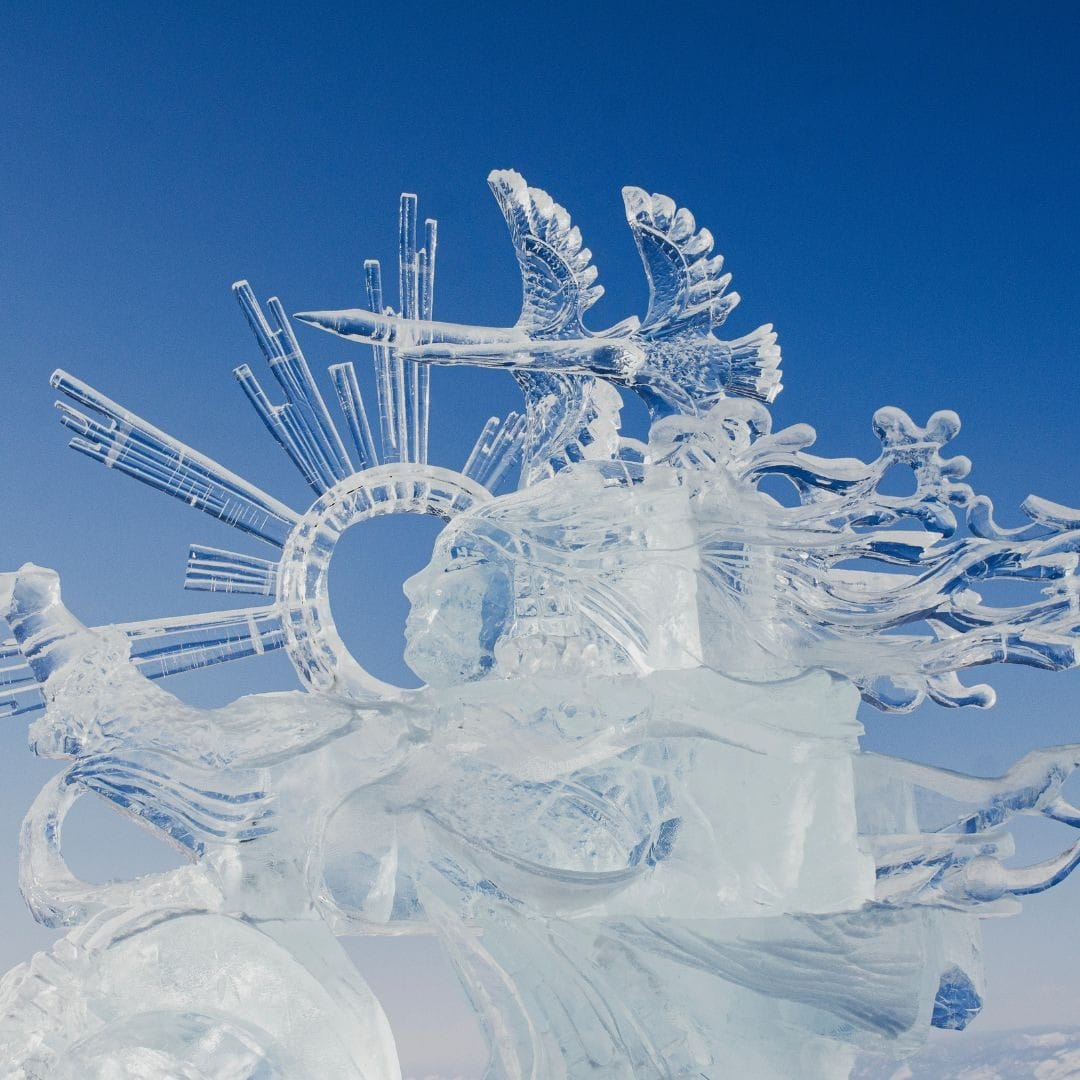
Susukino Site: Ice Sculpture Elegance
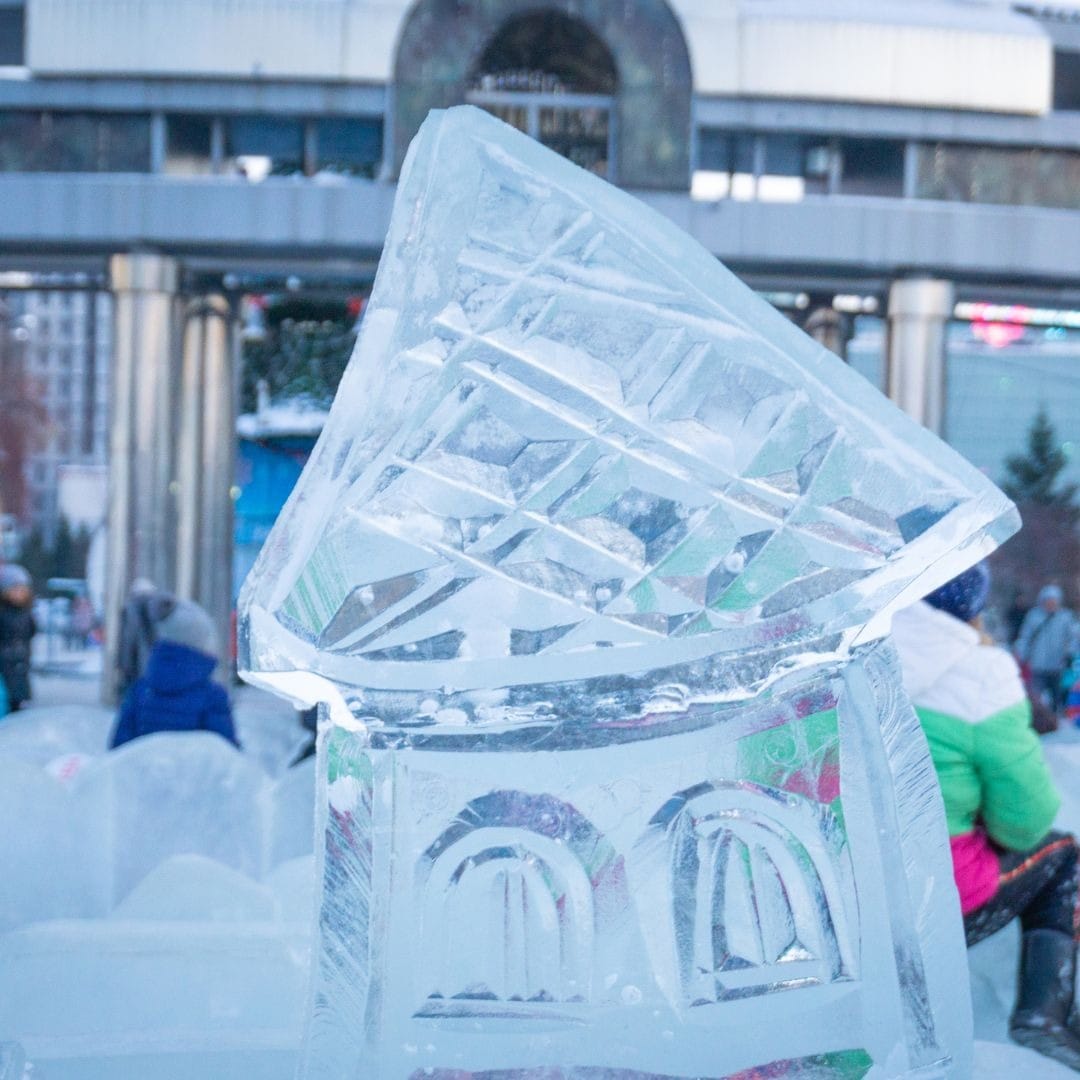
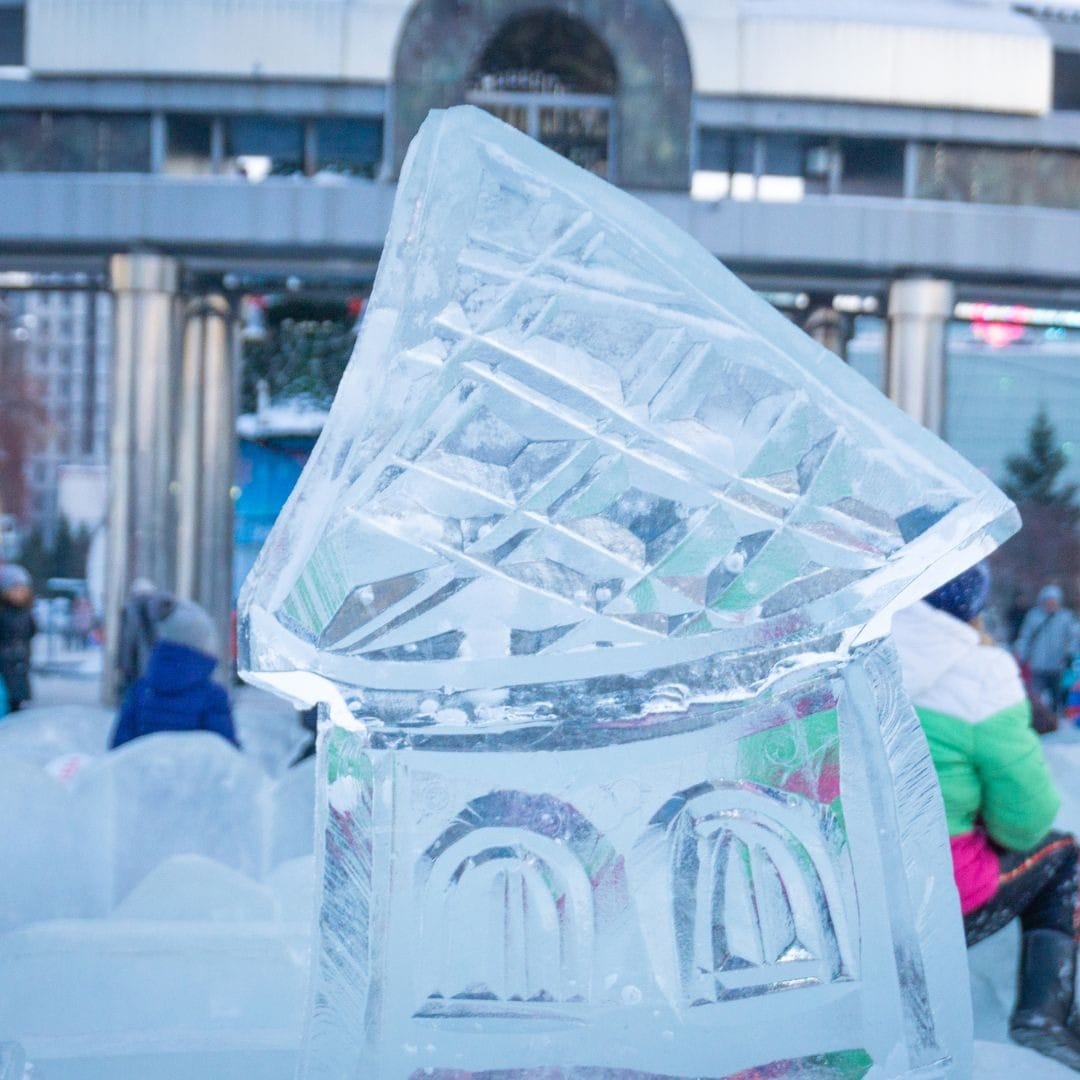
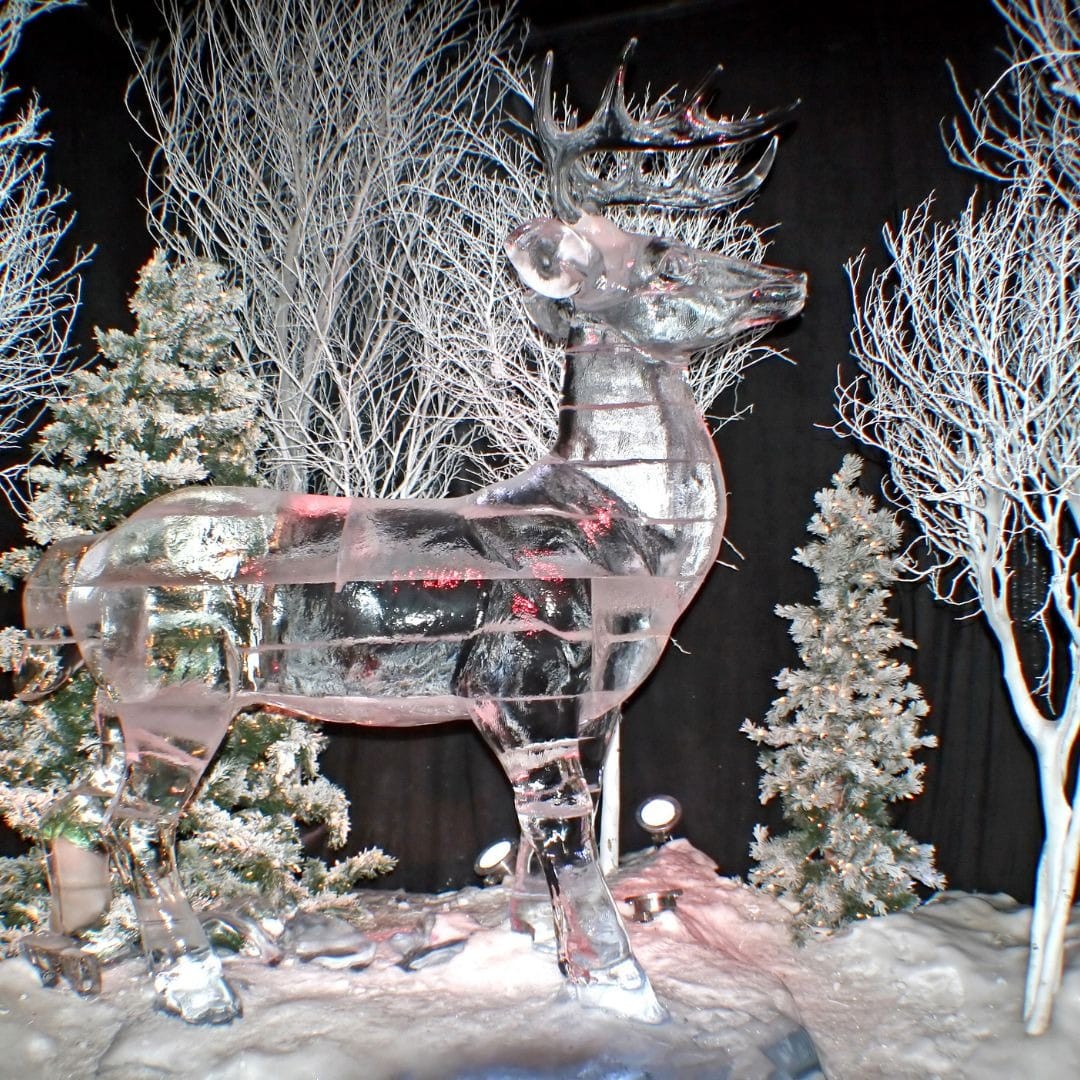
Located in Sapporo's entertainment district, the Susukino site specializes in intricate ice sculptures rather than snow creations. This distinction creates a completely different aesthetic experience. Ice, being transparent and more refined than snow, allows for detailed carving and stunning light interactions that create jewel-like displays.
Approximately 60 ice sculptures line the streets of Susukino, ranging from functional ice bars where visitors can enjoy drinks served in ice glasses, to elaborate frozen sculptures that capture delicate details impossible to achieve in snow. The sculptures here tend to be smaller but more intricate, showcasing technical artistry that highlights ice carving as a precision craft.
The Susukino atmosphere shifts notably after dark when the district's neon lights reflect through the ice sculptures, creating a distinctly urban aesthetic that contrasts beautifully with Odori Park's more classical presentation. The area's numerous restaurants, bars, and entertainment venues make it an ideal evening destination where festival-goers can warm up with Hokkaido's famous ramen or fresh seafood after exploring the frozen galleries.
A special "Ice Sculpture Contest" takes place here, where carving teams compete in time-limited challenges, allowing spectators to watch skilled artisans transform blocks of ice into detailed sculptures within hours. These demonstrations reveal the incredible skill and creativity required for this ephemeral art form.

Tsudome Site: Family-Friendly Winter Playground
The Tsudome Community Dome, located slightly outside central Sapporo, caters primarily to families and those seeking interactive winter experiences rather than passive viewing. This indoor-outdoor venue combines massive snow slides, snow rafting, snowmobile rides for children, and various winter sports activities with indoor spaces offering warm respite, local food vendors, and rest areas.
The outdoor section features some of the festival's largest slides and play areas where visitors can tube down snowy slopes, build their own snow sculptures, or participate in traditional Hokkaido winter games. The indoor dome provides a comfortable environment for warming up, enjoying performances, and sampling regional cuisine without braving the cold.
Tsudome operates during different hours than the other sites, typically opening at 9:00 AM and closing at 5:00 PM, making it an excellent daytime destination, particularly for families traveling with children. Free shuttle buses connect Tsudome to central Sapporo, though having access to ride-sharing apps or public transportation information through your eSIM Japan connection ensures smooth navigation.
Beyond the Festival: Discovering Hokkaido's Winter Paradise
While the Sapporo Snow Festival alone justifies a winter trip to Hokkaido, the region offers extraordinary experiences that can transform a weekend festival visit into an unforgettable winter adventure. Hokkaido's unique geography and climate create conditions that winter sports enthusiasts and nature lovers dream about.
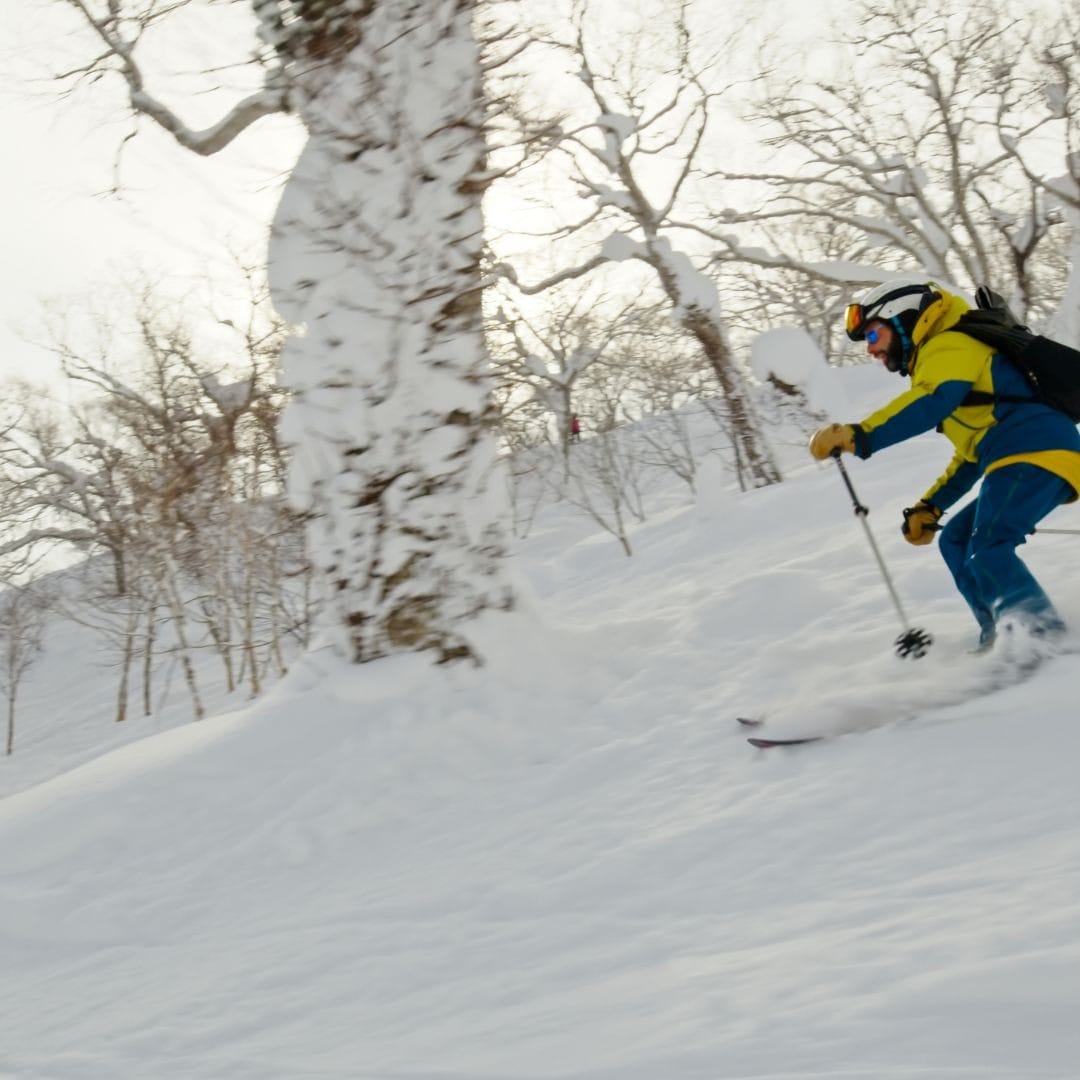
Niseko: Champagne Powder Capital of the World
Approximately two hours from Sapporo, Niseko has achieved legendary status among skiers and snowboarders worldwide. The term "Champagne Powder" refers to the exceptionally light, dry snow that falls abundantly here, creating ideal conditions that many consider the world's best. This meteorological phenomenon results from cold Siberian air masses picking up moisture as they cross the Sea of Japan before depositing it as ultra-dry snow on Niseko's slopes.
Niseko comprises four interconnected resorts—Niseko Hanazono, Grand Hirafu, Niseko Village, and Annupuri—collectively offering over 2,000 acres of skiable terrain. The All Mountain Pass allows access to all four resorts, providing incredible variety from groomed beginner slopes to challenging expert terrain and world-renowned backcountry areas. The region receives an average annual snowfall exceeding 15 meters, ensuring excellent conditions throughout the season.
Beyond the skiing, Niseko offers a surprisingly international atmosphere with English widely spoken in resort areas, excellent dining options ranging from traditional Japanese cuisine to international fare, and accommodation ranging from luxury hotels to budget-friendly hostels. The nearby town provides authentic local experiences including traditional izakayas, local craft beer breweries, and opportunities to interact with Hokkaido's welcoming communities.
Staying connected is crucial in Niseko, whether you're checking avalanche conditions, making dinner reservations, or coordinating with your group on the mountain. An eSIM Tokyo or broader Japan eSIM ensures you maintain connectivity throughout Hokkaido, not just in Sapporo but also in these resort areas where reliable communication can be essential for safety and convenience.
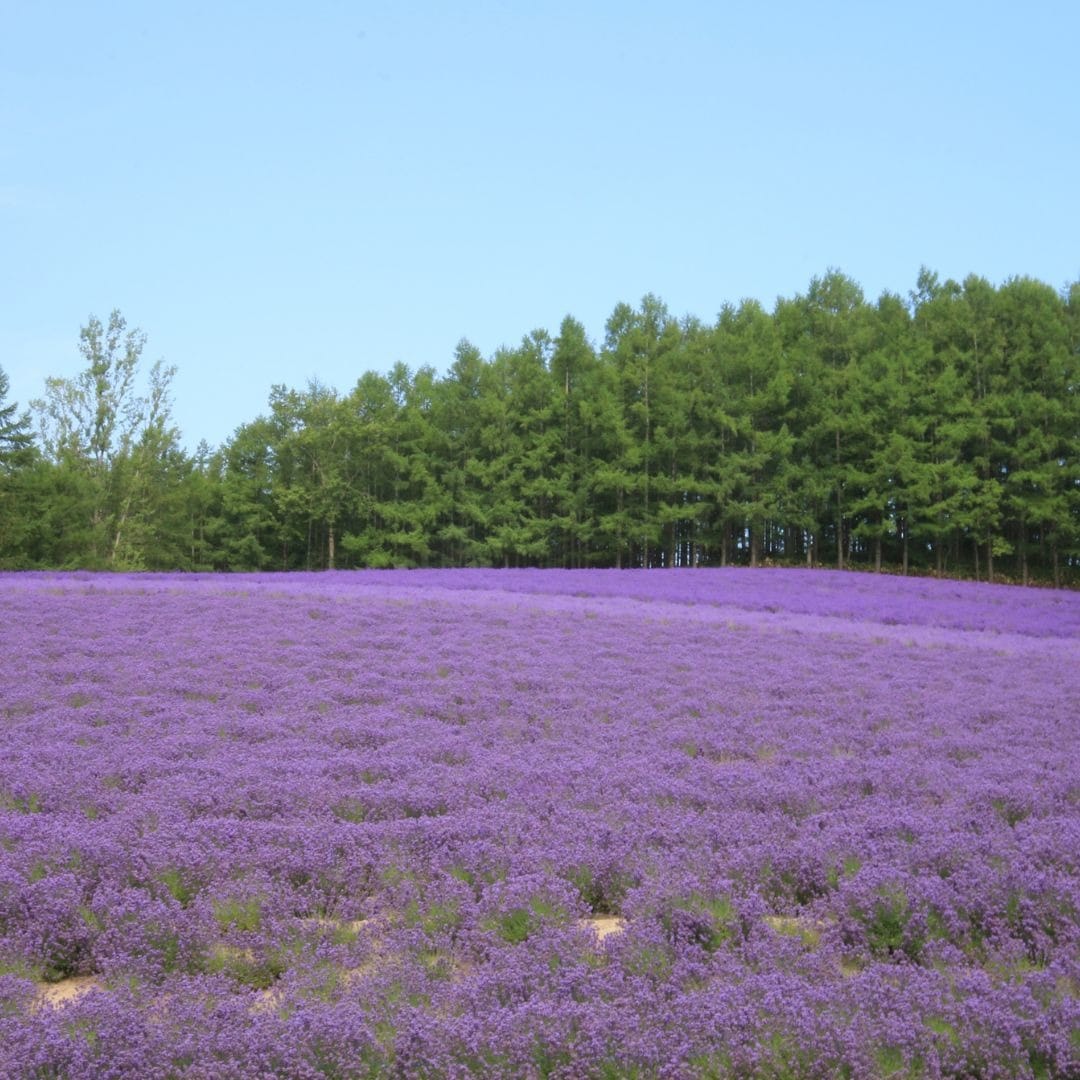
Furano: Scenic Beauty and Diverse Terrain
While Niseko claims fame for powder quality, Furano counters with spectacular scenery and diverse terrain that appeals to intermediate and advanced skiers. Located in central Hokkaido about 90 minutes from Sapporo, Furano offers stunning views of the Tokachi mountain range and benefits from the same weather systems that bless Niseko with extraordinary snowfall.
Furano's ski area features two distinct zones—Furano Zone and Kitanomine Zone—connected by shuttle buses. The resort offers particularly impressive tree skiing, wide-open bowl skiing, and some of Hokkaido's most photogenic mountain vistas. The resort town itself maintains a more traditionally Japanese character compared to Niseko's international atmosphere, providing visitors with authentic cultural experiences.
Winter in Furano also offers unique opportunities beyond skiing. The region is famous for its lavender fields, which, though dormant in winter, create hauntingly beautiful snow-covered landscapes. The nearby Biei area features rolling hills and scattered farmhouses that become ethereal winter scenes, perfect for photography enthusiasts. Ice fishing, snowshoeing, and visiting local cheese and wine producers add diversity to any Furano itinerary.
The Onsen Experience: Ultimate Winter Relaxation
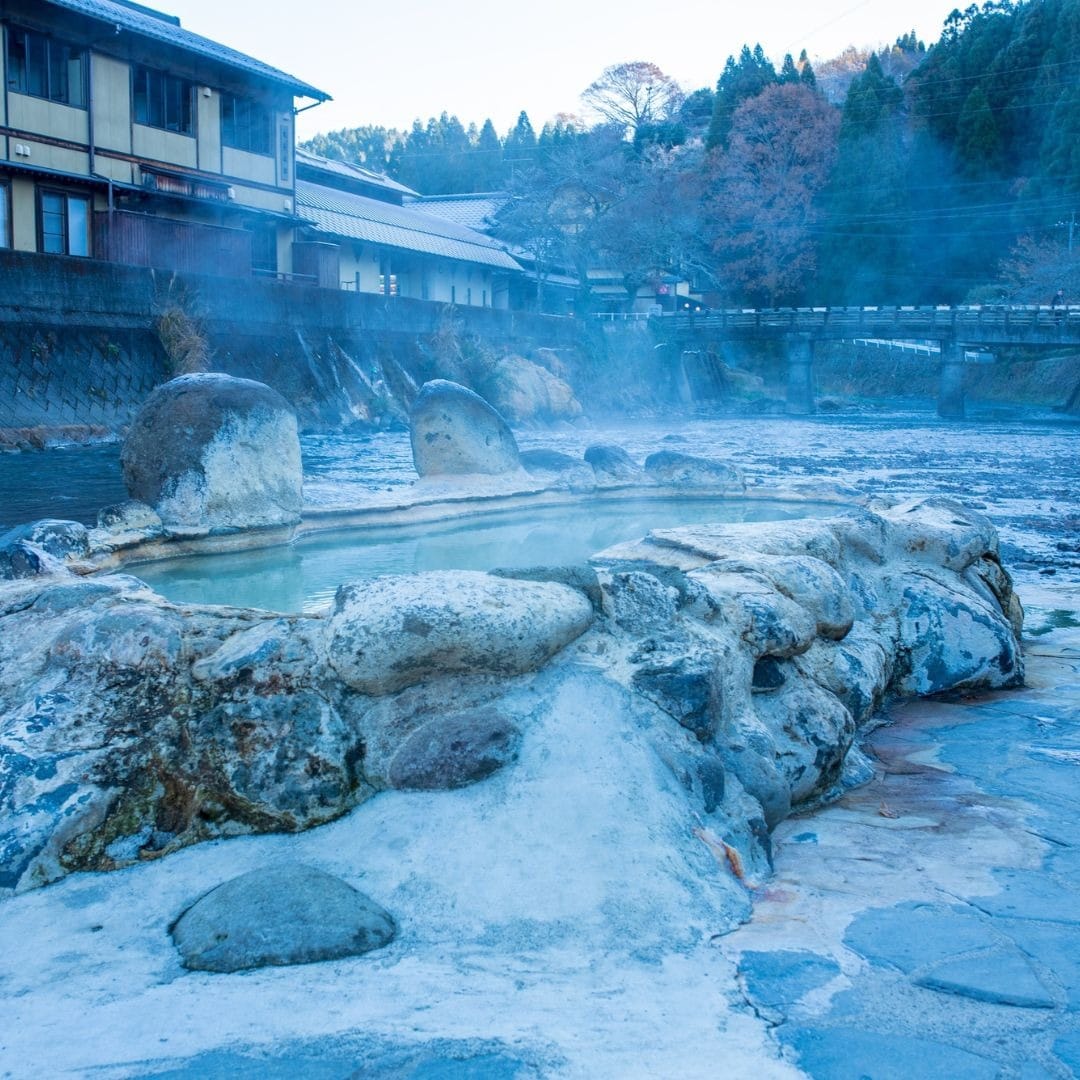
No Hokkaido winter journey is complete without experiencing traditional onsen hot springs. The volcanic activity that shapes Hokkaido's dramatic landscape also creates numerous natural hot springs that have been developed into communal bathing facilities ranging from rustic outdoor pools to elaborate spa complexes.
The contrast between Hokkaido's freezing winter air and the mineral-rich hot water creates a uniquely therapeutic experience. Imagine soaking in a steaming outdoor bath while snowflakes fall around you and mountain views stretch into the distance. This experience, particularly after a day of skiing or festival exploration, provides both physical recovery and spiritual renewal.
Major onsen areas near Sapporo include Jozankei Onsen, just 50 minutes from the city, which features numerous ryokan (traditional inns) where you can enjoy kaiseki dinners and multiple baths. Noboribetsu Onsen, about 90 minutes away, ranks among Japan's most famous hot spring resorts, featuring multiple spring types with different mineral compositions and temperatures. Both Niseko and Furano areas also offer excellent onsen facilities, many directly attached to ski resorts for ultimate convenience.
Understanding onsen etiquette is important: bathing is done nude in gender-separated facilities, thorough washing before entering the communal bath is mandatory, and towels should not touch the water. Most establishments provide clear instructions, but having the ability to quickly look up etiquette guidelines or translate signs through your mobile connection proves helpful for first-time visitors.
Essential Planning: When to Visit and What to Expect
Timing Your Visit for Maximum Experience
The festival's official dates of February 5–11, 2026, represent the peak period when all sites operate fully and the sculptures reach their most refined state. However, the timing of your visit within this week can significantly impact your experience. Weekdays, particularly Tuesday through Thursday, see notably smaller crowds than weekends, allowing for easier photography and more relaxed exploration.
Arriving early in the festival week gives you the advantage of viewing sculptures in pristine condition before foot traffic and weather potentially damage some details. Conversely, visiting later in the week means all sculptures are complete, including those finished by competition teams, and you'll catch any special closing events or performances.
The week before and after the festival also deserves consideration. Many sculptures are already visible during construction, and some visitors find watching the creation process fascinating. The week following the festival sees continued snow and ice activities with dramatically reduced crowds, though the main sculptures begin dismantling shortly after February 11.
Weather Preparation: Dressing for Hokkaido's Winter
Hokkaido's February weather demands serious cold-weather preparation. Average temperatures in Sapporo range from -7°C to -1°C (19°F to 30°F), but can drop significantly lower, especially in the evenings when viewing illuminated sculptures. Wind chill factors make effective layering essential rather than optional.
The fundamental approach involves three layers: a moisture-wicking base layer to keep skin dry, an insulating mid-layer such as fleece or down, and a waterproof, windproof outer shell. For the lower body, thermal underwear beneath waterproof pants provides necessary protection. Accessories become equally crucial—insulated, waterproof gloves or mittens, warm hats covering ears, neck warmers or scarves, and quality winter boots with good traction for icy surfaces.
Hand and toe warmers, available at any convenience store in Japan, provide supplementary warmth during extended outdoor viewing. These inexpensive, disposable heat packs can make the difference between comfortable enjoyment and miserable endurance. Many visitors also discover that wearing ski goggles or quality sunglasses helps when snowfall becomes heavy or when bright sunlight reflects intensely off snow-covered sculptures.
Accommodation Strategy
Sapporo's accommodation fills rapidly for festival week, with bookings often made six months to a year in advance. The city offers options ranging from luxury hotels with English-speaking staff to budget hostels, traditional ryokan, and vacation rental apartments. Location significantly impacts your experience—staying near Odori Park places you at the festival's heart but commands premium prices, while accommodations further from the center offer better value while still providing easy subway access.
Many visitors combine their Sapporo festival visit with ski resort stays in Niseko or Furano, enjoying the best of both experiences. This strategy can also provide better accommodation value, as resort bookings typically offer better rates when avoiding pure weekend stays. The combination of urban festival excitement and mountain resort tranquility creates a well-rounded Hokkaido winter experience.
Booking accommodations with reliable Wi-Fi is helpful, but shouldn't be your sole connectivity strategy. Having your own mobile data through an eSIM for Japan ensures you can navigate, translate, and communicate regardless of your accommodation's internet reliability or your location throughout the day.

Culinary Hokkaido: Winter Flavors to Warm Your Soul
Hokkaido's cuisine ranks among Japan's finest, benefiting from abundant seafood, premium agricultural products, and a climate that produces exceptional dairy. Winter in Hokkaido offers particular culinary highlights that deserve dedicated attention.
Iconic Hokkaido Dishes
Miso ramen reaches its apotheosis in Sapporo, where rich, savory miso-based broth provides the perfect antidote to winter cold. The local style typically includes sweet corn, butter, bean sprouts, and sliced pork, creating a hearty bowl that has inspired ramen shops worldwide. Ramen Yokocho, a narrow alley near Susukino featuring numerous tiny ramen shops, offers the quintessential local experience.
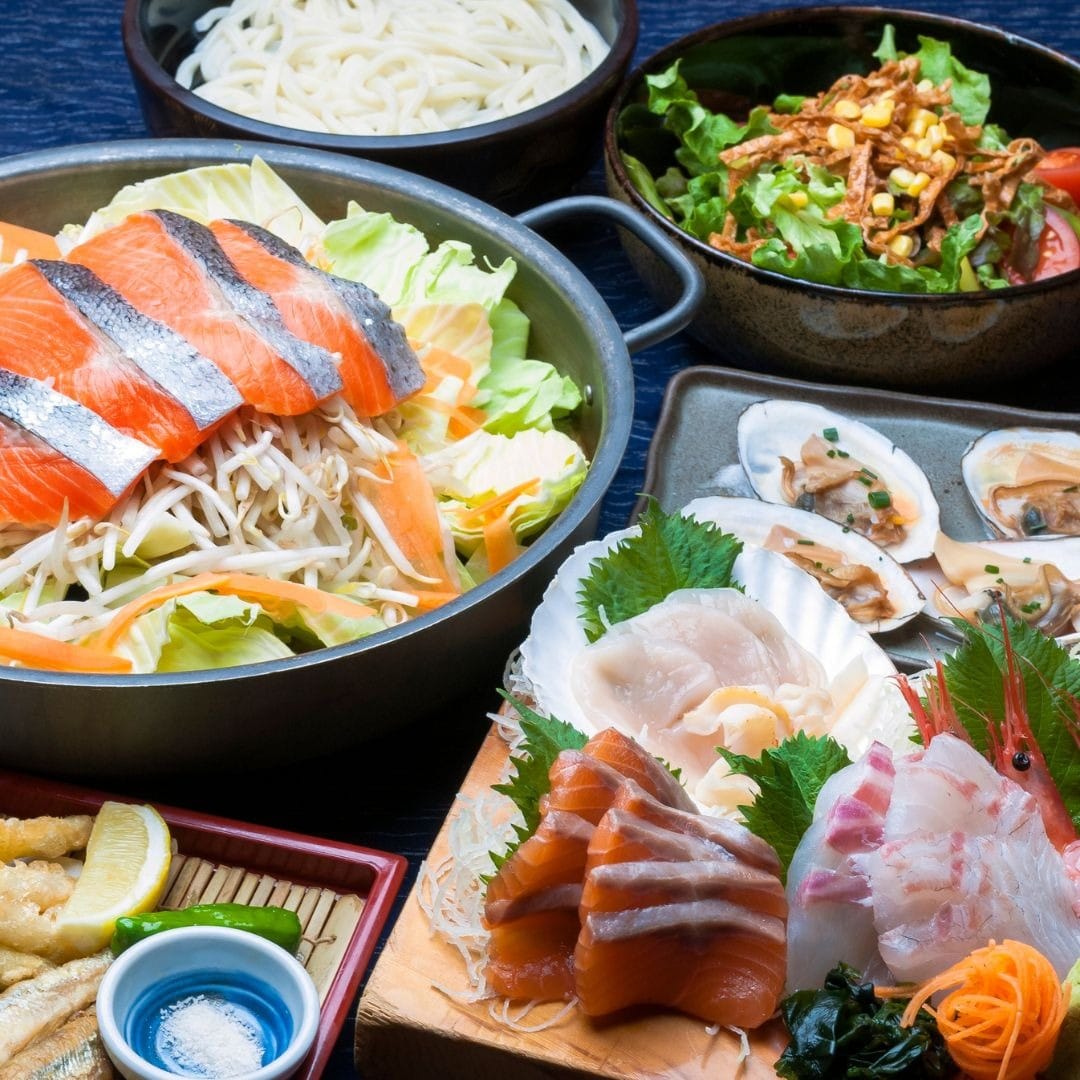
Fresh seafood remains exceptional throughout winter, with local specialties including uni (sea urchin), king crab, salmon roe, and various fish species harvested from Hokkaido's surrounding waters. Kaisendon, rice bowls topped with fresh raw seafood, provide an affordable way to sample this bounty. The morning markets in Sapporo, particularly Nijo Market, offer both prepared seafood dishes and opportunities to watch auctions and market operations.
Soup curry, a Sapporo invention, combines curry spices with broth-based soup rather than thick curry sauce, typically featuring tender chicken or lamb with seasonal vegetables. This lighter alternative to traditional Japanese curry has become a beloved local specialty worth seeking out.
Jingisukan (Genghis Khan), grilled lamb or mutton cooked on distinctive dome-shaped grills alongside vegetables, represents Hokkaido's most distinctive meat dish. The name allegedly derives from the cooking method's resemblance to Mongolian warrior helmets. Numerous Jingisukan restaurants throughout Sapporo serve this regional favorite.
Sweet Discoveries
Hokkaido's dairy industry produces milk, butter, and cream of exceptional quality, forming the foundation for numerous confections and desserts. Shiroi Koibito, delicate butter cookies sandwiching white chocolate, rank among Japan's most popular souvenirs, with the factory offering tours and chocolate-making experiences.
Soft-serve ice cream might seem counterintuitive in winter, but Hokkaido's rich dairy makes it irresistible regardless of season. Many shops and stalls throughout the festival sites serve premium soft-serve in various flavors, from classic milk to local specialties like lavender or melon.

Staying Connected: The Essential Role of eSIM Technology for Travelers
Modern travel in Japan, particularly during events like the Sapporo Snow Festival, demands reliable mobile connectivity. The ability to navigate unfamiliar cities, translate Japanese text in real-time, make reservations, coordinate with travel companions, and share experiences instantly has transformed from luxury to necessity. Traditional solutions like international roaming plans or portable Wi-Fi devices present various limitations that modern eSIM technology elegantly solves.
Understanding eSIM Advantages for Japanese Travel
An eSIM (embedded SIM) represents a digital version of traditional physical SIM cards, allowing you to activate a cellular plan without physically swapping cards. For international travelers, this technology offers transformative benefits. You can purchase and activate your Japan data plan before leaving home, ensuring connectivity the moment you land in Sapporo. No searching for SIM card vendors at airports, no worrying about keeping track of tiny physical cards, and no need to remove your home SIM card.
The best eSIM for Japan provides comprehensive coverage across all major carriers, ensuring reliable service throughout your journey from Sapporo's urban center to remote ski slopes in Niseko. Unlike pocket Wi-Fi devices that require charging, carrying, and returning, your eSIM functions through your existing phone, eliminating extra devices and logistics.
Cost efficiency represents another significant advantage. International roaming charges from your home carrier can accumulate shockingly fast, while dedicated Japan eSIM plans offer predictable pricing with generous or unlimited data allowances. This financial predictability allows you to use your connection freely without anxiety about mounting charges—essential when you're relying on mapping applications, translation tools, and real-time information throughout your trip.
Practical Applications During the Festival
During the Sapporo Snow Festival, mobile connectivity serves countless practical purposes. Real-time navigation becomes crucial when exploring the festival's three separated sites and navigating Sapporo's subway system. Google Maps and similar applications provide detailed public transportation guidance, walking directions, and accurate travel time estimates—but only when you have reliable data access.
Translation applications prove invaluable throughout Japan, where English signage, while present in major tourist areas, remains limited in many restaurants, shops, and local establishments. The ability to instantly translate menus, signs, and even conduct basic conversations through your phone bridges communication gaps that enhance rather than hinder your experience. With your eSIM Japan connection, these tools function anywhere, anytime.
Social media sharing becomes seamless with reliable connectivity. The festival's spectacular ice sculptures and Hokkaido's scenic beauty inspire countless photo opportunities that travelers naturally want to share immediately. Rather than collecting images for later upload, you can post to Instagram, Facebook, or other platforms in real-time, sharing your adventure as it unfolds.
Restaurant reservations, activity bookings, and last-minute plan changes all require communication capabilities that mobile connectivity provides. Many Japanese restaurants, particularly popular establishments, maintain online reservation systems or require phone contact. Having functional mobile service means you can make or modify reservations on the go, respond to confirmation messages, and coordinate with service providers without seeking Wi-Fi hotspots.
Choosing the Right eSIM Plan
Selecting an appropriate eSIM plan involves considering your data usage patterns and trip duration. The festival week typically requires moderate to heavy data usage depending on your phone habits. Frequent navigation, social media posting, video calls home, and streaming content demand generous data allowances, while lighter users focusing primarily on messaging and occasional web browsing can function with smaller plans.
Most travelers find 5-10GB sufficient for a week-long trip with moderate usage, while heavy users or those staying longer might prefer unlimited plans that eliminate data anxiety entirely. Consider plans that include phone numbers if you'll be making local calls, though many modern communication needs function perfectly through data-only plans using messaging apps and VoIP services.
Coverage quality matters significantly, especially if you're venturing beyond Sapporo into ski resort areas or rural Hokkaido. Premium eSIM providers offering access to multiple Japanese carriers ensure better coverage across diverse locations. Reading reviews from travelers who've used services in Hokkaido specifically helps identify providers offering genuinely reliable service rather than theoretical coverage.
Activation simplicity varies between providers. The best services offer straightforward digital activation processes with clear instructions, responsive customer support, and the ability to activate before departure so connectivity begins immediately upon landing. This convenience factor shouldn't be underestimated, particularly for first-time visitors navigating a foreign environment.
eSIM Beyond the Festival: Connectivity for Your Broader Japan Adventure
If your Japan trip extends beyond Sapporo, your eSIM continues providing value throughout the country. Whether you're visiting Tokyo before or after the festival, exploring Kyoto's temples, experiencing Osaka's food scene, or discovering other Japanese destinations, maintaining consistent connectivity across your entire journey eliminates the hassle of purchasing separate services for different regions.
An eSIM Tokyo plan or broader Japan coverage ensures you maintain the same reliable service whether you're navigating Tokyo's complex subway system, finding your way through Kyoto's historic districts, or exploring rural areas. This consistency simplifies travel logistics and ensures you're never disconnected from essential services, information, or your contacts back home.
The convenience becomes particularly apparent when dealing with Japan's transportation systems. The country's famously punctual and extensive rail network serves as the backbone for intercity travel, but navigating it requires access to schedule information, platform details, and route planning tools. Your mobile connection transforms potentially stressful transit situations into manageable experiences where real-time information guides your decisions.
Cultural Considerations and Etiquette Tips
Understanding Japanese cultural norms enhances your festival experience and demonstrates respect for your hosts. Japanese society values harmony, consideration for others, and adherence to social conventions that differ from Western norms.
Queue culture in Japan is remarkably orderly. At popular festival sites, you'll observe neat, organized lines forming naturally as people wait to view sculptures, purchase food, or access facilities. Respecting these queues, even when they're not explicitly marked, shows cultural awareness. Similarly, Japanese crowds tend to be quieter than equivalent gatherings elsewhere. Loud conversations, shouting to companions, or boisterous behavior stands out negatively.
Photography etiquette deserves attention. While photographing sculptures is encouraged and expected, be mindful of including strangers in your shots. Many Japanese people prefer not to appear in others' photographs, and asking permission (or at least being aware of their presence) shows consideration. For professional photography equipment like tripods, particularly in crowded areas, ensure you're not blocking pathways or creating obstacles for other visitors.
Trash disposal in Japan follows specific protocols. Public trash bins are surprisingly scarce, yet Japanese streets remain remarkably clean because people carry their trash until finding appropriate disposal facilities. Festival areas provide designated waste separation stations where you'll sort trash into burnable waste, plastic, cans, and bottles. Respecting this system demonstrates environmental consciousness valued in Japanese culture.
Convenience stores (konbini) serve as cultural institutions in Japan, providing far more than basic necessities. They offer clean restrooms, ATM services, seasonal food items, hot beverages, and countless other products and services. Using konbini effectively, understanding that staff bags purchases carefully, transactions proceed efficiently, and facilities are available for public use and helps you navigate daily logistics smoothly.
Photography Guide: Capturing Festival Memories
The Sapporo Snow Festival presents extraordinary photographic opportunities requiring some planning to maximize results. The combination of massive ice and snow sculptures, dramatic lighting, and winter atmospheric conditions creates unique challenges and possibilities.
Technical Considerations
Cold weather impacts camera batteries significantly, draining power much faster than normal temperatures. Carrying spare batteries kept warm in interior pockets ensures you don't miss shots when your primary battery depletes. Many photographers keep one battery warming against their body while shooting with another, rotating them to maintain charge.
Condensation poses another challenge when moving between cold outdoor areas and warm indoor spaces. Moisture can form on camera lenses and inside camera bodies, potentially causing damage. Using a plastic bag sealed around your camera when transitioning from cold to warm environments allows gradual temperature equalization that prevents condensation.
Evening illumination creates the festival's most dramatic photographic opportunities but demands technical adjustments. Higher ISO settings (1600-3200) allow handheld shooting in low light, though introducing more noise. Alternatively, tripods enable longer exposures with lower ISO for cleaner images, though crowded conditions often make tripod use impractical. Image stabilization, either in-lens or in-camera, provides a middle ground for moderately long handheld exposures.
Compositional Approaches
The festival's scale allows various compositional strategies. Wide-angle lenses capture massive sculptures in their entirety, showing scale and context. Telephoto lenses isolate details, highlighting artistic elements, carving techniques, and intricate sections that might be overlooked in full sculpture views. Varying your focal lengths creates portfolio diversity that better represents the complete festival experience.
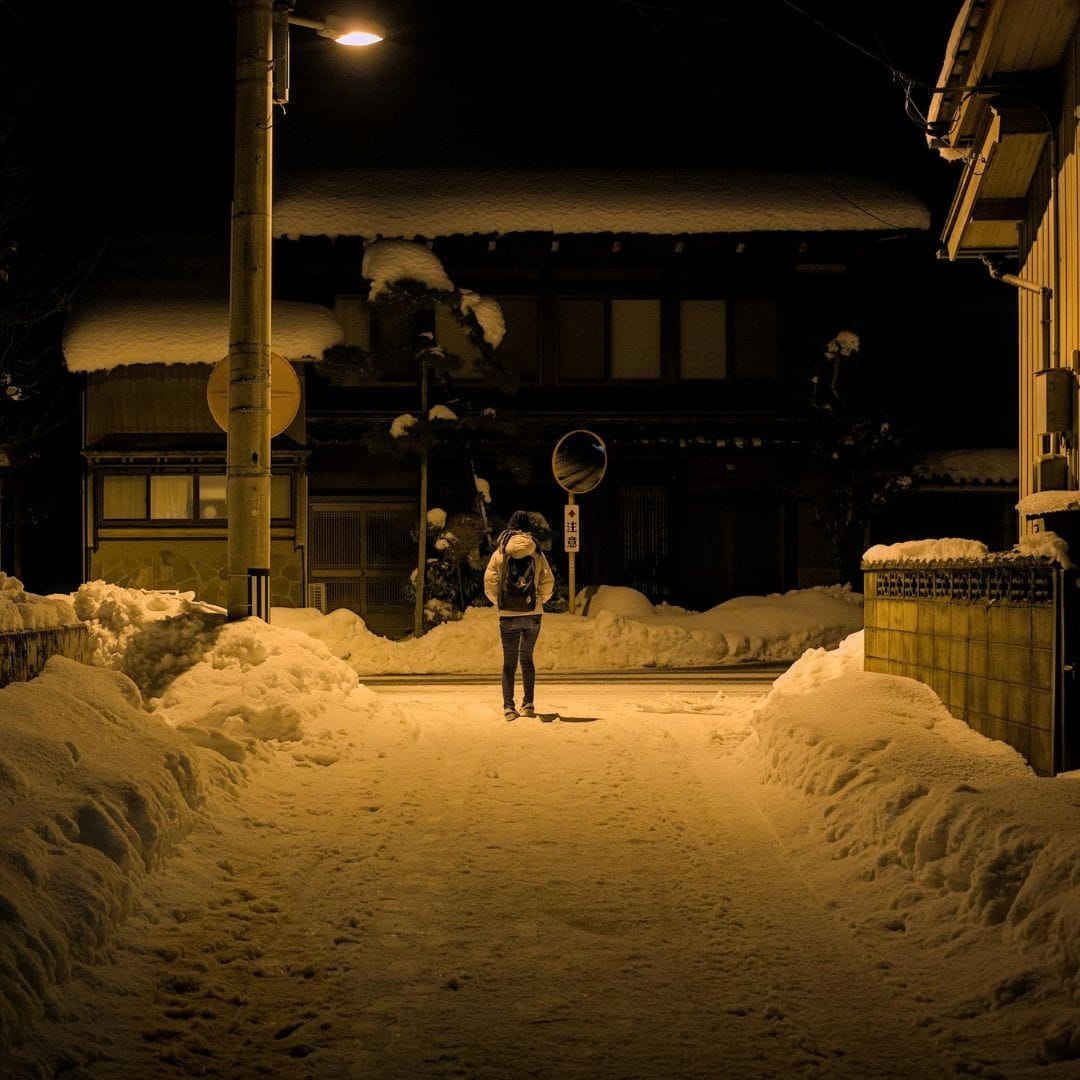
Human elements add scale and interest to festival photography. Including people admiring, photographing, or walking past sculptures provides size reference and emotional connection that pure sculpture shots sometimes lack. Silhouettes against illuminated ice create particularly striking images that emphasize form and light relationships.
The blue hour—the period just after sunset before complete darkness—offers exceptional lighting for festival photography. Natural sky tones complement artificial illumination, creating balanced exposures that capture both sculpture details and atmospheric context. Arriving at shooting locations during this brief window requires planning but rewards photographers with optimal conditions.
Frequently Asked Questions
How crowded does the Sapporo Snow Festival get?
The festival attracts approximately two million visitors over its seven-day run, with weekends experiencing significantly heavier crowds than weekdays. Peak crowding occurs on Saturday and Sunday, particularly in the afternoon and early evening hours. Tuesday through Thursday typically offer the most comfortable viewing conditions with easier photography opportunities and shorter food vendor lines. Despite the crowds, the festival's three extensive sites and long operating hours generally provide adequate space for everyone, though popular sculptures attract dense gatherings, particularly during the illuminated evening hours.
Can I visit all three festival sites in one day?
Yes, visiting all three sites in one day is feasible, though ambitious. Odori Park and Susukino are within walking distance of each other in central Sapporo, while Tsudome requires a shuttle bus or subway journey to the eastern part of the city. A practical approach involves spending morning at Tsudome when it's less crowded and families haven't yet arrived in force, returning to central Sapporo for afternoon exploration of Odori Park, and concluding with evening visits to both Odori and Susukino when illumination creates magical atmospheres. This schedule requires stamina and proper winter clothing but allows comprehensive festival experience in a single day, though spreading your visits across two days provides a more relaxed pace.
What's the best time of day to visit each festival site?
Each site offers distinct advantages at different times. Odori Park rewards both daytime visits when you can appreciate carving details and observe creation processes, and nighttime visits when illumination transforms sculptures into glowing artworks. Susukino's ice sculptures shine most dramatically after dark when surrounding entertainment district lights interact with transparent ice. Tsudome functions best during daytime, particularly mid-morning to early afternoon, when families populate activity areas and the atmosphere is most vibrant. For photography enthusiasts, the blue hour immediately following sunset provides optimal lighting conditions across all sites.
Is the festival family-friendly?
Absolutely. The Sapporo Snow Festival caters extensively to families with children of all ages. Tsudome specifically targets families with its indoor comfort facilities, outdoor play areas, slides, and child-focused activities. Throughout all sites, the festival maintains safe, organized environments with clear pathways, multilingual signage, and readily available facilities. Food vendors offer child-friendly options, and the visual spectacle of massive ice and snow sculptures captivates children as thoroughly as adults. The main consideration involves ensuring children are properly dressed for extended cold exposure and managing their energy levels across potentially long walking distances.
Do I need to speak Japanese to enjoy the festival?
No, Japanese language skills are not necessary for enjoying the festival. Major signs throughout festival sites include English translations, many volunteers speak at least basic English, and the visual nature of ice and snow sculptures transcends language barriers. Smartphone translation apps, functioning through your eSIM for Japan connection, bridge any remaining communication gaps when ordering food, asking questions, or navigating. That said, learning a few basic Japanese phrases like "arigatou gozaimasu" (thank you), "sumimasen" (excuse me), and "eigo ga hanasemasu ka" (do you speak English) demonstrates cultural respect and often elicits warm responses from locals.
What should I do if the weather becomes extreme during the festival?
While February in Hokkaido guarantees cold weather, occasionally conditions become particularly challenging with heavy snowfall, strong winds, or dangerous wind chill. Monitor weather forecasts through your mobile connection and adjust plans accordingly. The festival continues operating in all but the most severe conditions, but your personal comfort matters more than complete festival coverage. Taking breaks to warm up in nearby cafes, restaurants, shopping areas, or hotel lobbies prevents cold-related health issues. Convenience stores throughout Sapporo sell additional warming supplies like heat packs if your original preparations prove insufficient. Remember that experiencing the festival across multiple shorter visits with warming breaks between can be more enjoyable than attempting marathon viewing sessions in uncomfortable conditions.
Can I visit Niseko or Furano on a day trip from Sapporo?
Both resorts are technically accessible as day trips from Sapporo, though the experience quality depends on your priorities. Niseko lies approximately 2-2.5 hours from Sapporo by bus or car, meaning a day trip provides roughly 4-6 hours of skiing time after accounting for travel and equipment rental. Furano sits about 90 minutes away, offering slightly more slope time on a day visit. However, both destinations reward overnight stays that allow you to experience evening onsen, local dining, and full days of skiing without rushed schedules. Many festival visitors allocate 2-3 days for Sapporo and the festival, then transition to 2-3 nights at either Niseko or Furano for a comprehensive Hokkaido winter experience that balances cultural and outdoor adventure elements.
How important is mobile connectivity during my trip?
Mobile connectivity has become essentially crucial for modern travel in Japan, particularly for international visitors navigating unfamiliar environments. Beyond obvious conveniences like map navigation and translation, connectivity enables critical functions including emergency communication, real-time transportation updates, accommodation check-in confirmations, restaurant reservations, and access to your airline's app for flight information. The relatively modest cost of a quality eSIM Japan plan compared to potential complications from being disconnected makes reliable mobile data a worthwhile investment rather than an optional luxury. The peace of mind from knowing you can always access information, communicate with your accommodation, or handle unexpected situations justifies the expense many times over.
Are there accessible options for visitors with mobility limitations?
The Sapporo Snow Festival makes considerable efforts to accommodate visitors with mobility challenges. Odori Park's main walkways are generally wheelchair accessible with relatively flat, cleared pathways, though snow and ice can create challenging conditions. Susukino's ice sculpture displays along streets present more accessibility challenges due to crowds and varying surface conditions. Tsudome offers the most comprehensive accessibility with its indoor facilities, accessible restrooms, and accommodation for mobility devices. That said, winter conditions and festival crowds create inherent challenges for visitors with mobility limitations. Advance research, potentially contacting festival organizers through their official channels, and planning visits during less crowded weekday periods helps maximize accessibility and comfort.
What are the best souvenirs to bring back from Hokkaido?
Hokkaido offers distinctive regional souvenirs reflecting local culture and industries. Shiroi Koibito cookies rank among Japan's most iconic souvenirs, beloved for their delicate butter cookies and quality packaging. Royce chocolate, another Hokkaido specialty, offers unique varieties including nama (fresh) chocolate and chocolate-covered potato chips that demonstrate Japanese innovation in confectionery. Local dairy products including cheese from established producers like Furano Cheese Factory provide gourmet options, though require appropriate transportation considerations. Hokkaido's lavender products, particularly from Furano region, include sachets, oils, and soaps that capture the region's scenic flower fields. Wooden crafts from Ainu artisans provide cultural significance alongside aesthetic beauty. Regional sake and whisky from Hokkaido's distilleries appeal to beverage enthusiasts, with Nikka and other producers creating world-class spirits reflecting local water quality and craftsmanship.
Conclusion: Creating Your Hokkaido Winter Story
The Sapporo Snow Festival 2026 offers far more than just impressive ice sculptures—it provides a gateway into Hokkaido's winter culture, extraordinary natural beauty, and unique Japanese experiences that exist nowhere else. Whether you're drawn primarily by the festival's artistic displays, Niseko's legendary powder skiing, traditional onsen relaxation, or Hokkaido's renowned cuisine, the region delivers experiences that create lasting memories.
Success in navigating this winter adventure requires appropriate preparation: proper cold-weather clothing, advance accommodation bookings, realistic daily schedules that account for travel times and weather conditions, and most importantly, reliable mobile connectivity that keeps you informed, safe, and connected throughout your journey. An eSIM for Japan eliminates connectivity concerns, allowing you to focus entirely on experiencing rather than worrying about logistics.
As you stand before towering snow sculptures illuminated against Hokkaido's winter sky, as you carve through impossibly light powder snow down Niseko's slopes, as you soak in steaming onsen while snowflakes fall around you, you'll understand why this corner of Japan captivates winter travelers from around the world. The Sapporo Snow Festival serves as the centerpiece of a broader Hokkaido winter journey that engages all senses, challenges comfort zones, and rewards adventurous spirits with experiences that defy simple description.
Start planning your February 2026 Hokkaido adventure now, secure your accommodation early, ensure you have proper winter gear, and arrange your mobile connectivity through a MobiMatter eSIM. The frozen artistry of Sapporo awaits, along with powder-filled slopes, warming onsen baths, extraordinary cuisine, and the warm hospitality of Hokkaido's communities eager to share their winter wonderland with visitors from around the world.