Tomorrowland Belgium 2026 Survival Guide: Set Times, DreamVille Hacks & Staying Connected in Boom

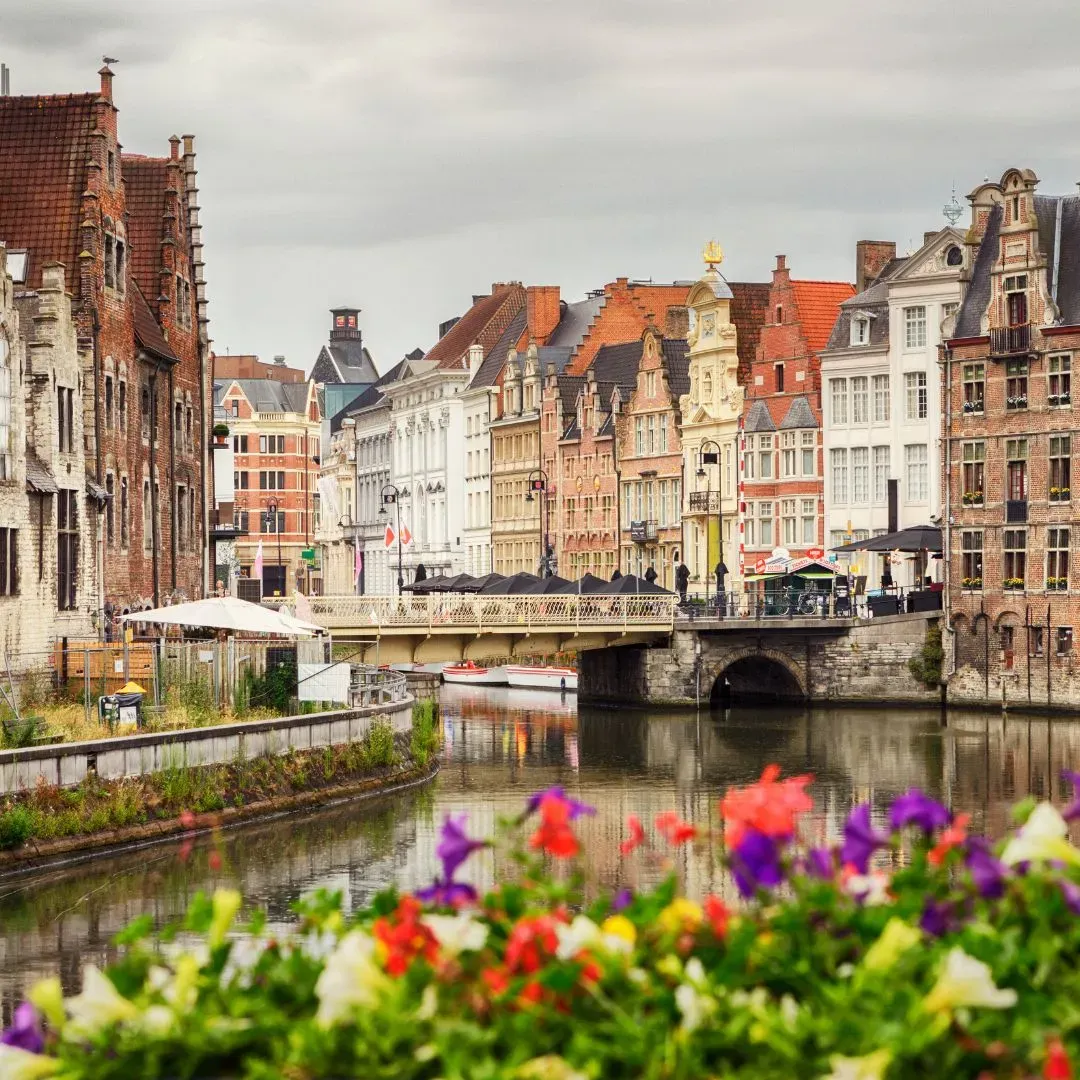
Tomorrowland 2026 Route returns to De Schorre in Boom, Belgium, with the "Consciencia" theme across two weekends. Survival comes down to three things: planning your DreamVille camping tomorrowland setup, knowing how to navigate the grounds when your group splits up, and having reliable mobile data that works before you even land in Belgium. A regional eSIM covering your full Euro-trip route solves the connectivity problem in under two minutes, no airport SIM counters required.
When is Tomorrowland 2026 Route and What is the Consciencia Theme
Tomorrowland Belgium 2026 is officially underway! The legendary festival is running across two consecutive weekends at De Schorre in Boom, Belgium:
Weekend 1: July 17 – 19, 2026
Weekend 2: July 24 – 26, 2026
The 2026 edition centers on "Consciencia," a deeply immersive theme exploring a mysterious dimension where six primal emotions—Wonder, Love, Anger, Joy, Desire, and Sadness, form the foundations of existence. These emotions take shape as six distinct factions, brought to life on the iconic Mainstage with a blend of state-of-the-art stage technology and artistic storytelling.
The official set times and full daily lineups are now completely live. If you are attending or tuning into the official global livestream (broadcasting from the Mainstage and Freedom Stage via the Tomorrowland App, YouTube, or partner platforms like the KuCoin App), you will want to keep the official schedule close at hand. Set times can shift, and trying to navigate the festival's 16+ stages without the interactive app map is a recipe for getting lost.
Tomorrowland Belgium 2026: Fast Facts
Navigating Your Schedule & Connectivity
This year’s historic lineup features more than 500 artists across 16 stages. Highlights include the highly anticipated Tomorrowland mainstage debut of Calvin Harris on Weekend 2, alongside massive closing acts like John Summit, Alesso, and Sara Landry, as well as returning electronic giants like David Guetta, Hardwell, and Armin van Buuren.
While it is great to build a loose plan around the headliners you cannot miss, stay flexible. The best Tomorrowland memories often happen at the smaller, tucked-away stages where you discover artists you’ve never heard of before.
Because the festival is completely sold out, managing your crowd logistics is crucial. For those who booked the premium "Global Journey" travel packages, your flight, hotel, and transit details are already locked in but you will still need a robust data connection to track shuttle times and coordinate with friends. If you arranged your own trip and are staying in nearby cities like Brussels or Antwerp, keeping a steady connection is even more critical for booking late-night trains and navigating the local transit back to your accommodations. So, get an eSIM for Belgium before you land. Install it before your flight and activate it when you land.
What to Expect Inside the Festival Grounds
De Schorre spans a large recreational park that Tomorrowland transforms into a fully built festival city each year, with elaborate stage architecture, art installations, and themed zones woven around the Consciencia narrative. Expect immersive stage designs rather than simple platforms, plus dedicated areas for food, wellness, and quieter downtime between sets.
Sustainability has become a bigger part of the festival's identity in recent years, with reusable cup systems, water refill stations, and waste separation points placed throughout the grounds. Bringing a reusable bottle is not just a packing tip, it directly reduces how often you queue at refill points during peak hours.
Key zones to orient yourself around on arrival:
- Mainstage and Freedom Stage: the two largest stages, drawing the biggest crowds and requiring the most advance planning if you want a close view
- Smaller themed stages: often host lesser-known artists delivering some of the most talked-about sets of the weekend
- Food and market areas: spread across the grounds rather than centralized, so knowing the closest option to your usual stage saves walking time
- Water refill and wellness points: marked on the official festival map and worth locating on day one
Weather and What to Pack Beyond the Campsite
Boom sits in a temperate part of Belgium, and late July weather swings between warm, sunny afternoons and sudden rain showers. Layering is the safest approach, since a single outfit rarely covers a full festival day that starts hot and cools down fast after sunset.
Clothing and gear worth adding to your bag beyond the camping basics:
- A lightweight, packable rain jacket, since Belgian summer weather changes with little warning
- Breathable, quick-dry clothing for daytime heat and crowd density
- A warmer layer for late-night sets, when temperatures drop noticeably after midnight
- Sunscreen and a hat for long afternoon sets under direct sun
- A small dry bag or waterproof phone pouch to protect your device during unexpected rain
Checking a real-time weather forecast in the days leading up to the festival matters more than relying on seasonal averages, and that again depends on having working mobile data the moment you land in Belgium.
How to Get to De Schorre, Boom
Most international visitors fly into Brussels Airport (BRU) or Brussels South Charleroi (CRL), then connect via train or the official Tomorrowland shuttle network to Boom park tomorrowland. The town sits roughly 25 to 30 minutes from central Brussels, and dedicated festival trains run directly to Boom station during event weekends.
Quick route options:
- From Brussels Airport: Train to Brussels Central, then a direct festival train or shuttle bus to Boom
- From Brussels city center: Regional train (roughly 20 to 25 minutes) to Boom station, followed by a short walk or shuttle to De Schorre
- DreamVille shuttle: If you are staying on-site, dedicated buses run between DreamVille and the festival entrance throughout the weekend
Since you will be checking train times, festival maps, and shuttle schedules constantly from the moment you land, having working data from touchdown matters more than most first-timers realize. This is where a lot of travelers get caught out searching for a kiosk at eSIM Belgium coverage instead of sorting it before departure.
DreamVille Camping Essentials for 2026
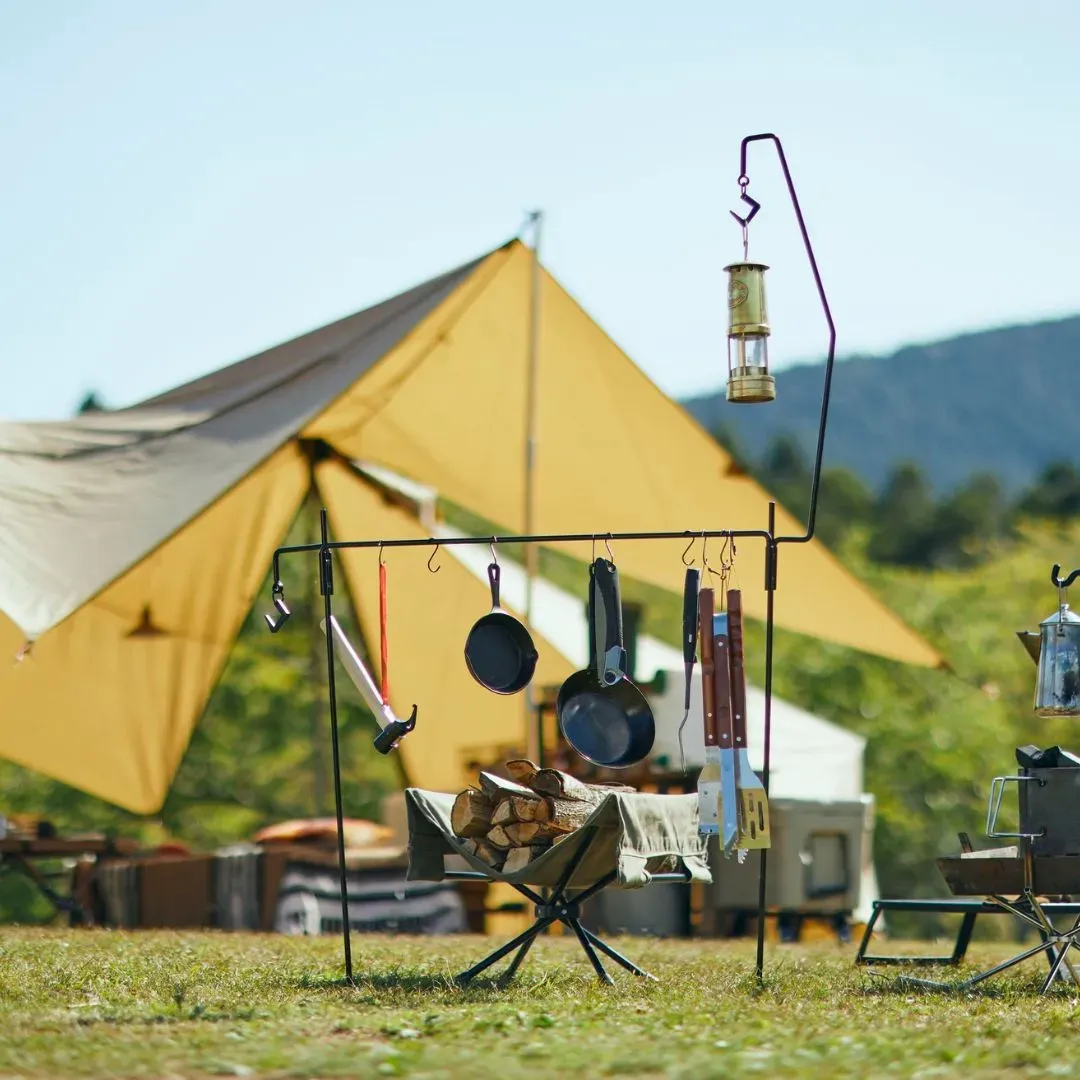
DreamVille is Tomorrowland's official on-site campground, and it functions like a small city for the week. Comfort here depends on preparation, not luck. Pack for long days, unpredictable Belgian weather, and a campsite that will be your home base between sets.
Essential DreamVille checklist:
- Portable power bank (10,000mAh minimum, higher capacity if you are sharing) since outlets are limited and your phone is your map, wallet, and ticket
- A sturdy tent rated for wind and rain, plus a footprint or tarp for ground moisture
- Padlock for lockers if you are renting on-site storage for valuables and passports
- Reusable water bottles and electrolyte tablets, since dehydration hits fast across long festival days
- Earplugs and eye mask for actual sleep between stages and sunrise
- Comfortable, broken-in footwear since you will walk far more than expected across the grounds
- A physical copy of your ID and accommodation confirmation, kept separate from your phone
DreamVille lockers fill up fast and reservations often need to happen online in advance. Book storage and any glamping upgrades as soon as the DreamVille portal opens rather than waiting until arrival week.

The Lost Connection Nightmare: Finding Your Friends at Mainstage
Anyone who has been to Tomorrowland knows the moment. You step away for water, the crowd shifts, and suddenly your friend is somewhere in a sea of 60,000 people near Mainstage or the Freedom Stage. Without working data, this turns a five-minute mixup into an hours-long search across a festival ground the size of several football fields.
De Schorre's dense crowds and open-air layout make visual spotting nearly impossible once the sun sets and the stages light up. WhatsApp location sharing, group chats, and quick voice notes are the only realistic way to regroup, and none of that works without a stable connection.
Practical group-reunion tactics:
- Set a fixed meeting point (a specific flag, food stall, or landmark) before you separate
- Use live location sharing in WhatsApp so your group can track each other in real time
- Agree on a check-in time interval, every two hours, rather than relying on catching each other by chance
- Keep your phone charged above 30 percent at all times using a power bank, since dead phones are the number one reason groups stay lost
None of these tactics matter if your SIM has no signal or you are burning through a tiny data allowance by midday. Reliable connectivity is not a nice-to-have at a festival this size, it is the difference between finding your crew and spending your night searching alone.
The Global Journey Pivot: Why a Single-Country SIM Falls Short
A significant share of Tomorrowland attendees are not flying in and out of Belgium alone. Many book "Global Journey" style routes that combine the festival with stops in Amsterdam, Paris, or Frankfurt, either before or after the event. That means your phone needs to work across borders, not just inside Belgium.
These multi-city routes are common enough that Tomorrowland itself markets travel packages built around them, pairing festival access with pre or post-event stays in nearby European capitals. A typical route might look like three nights in Amsterdam, a train down to Belgium for the festival, then a final stop in Paris before flying home, all within a single ten to twelve day trip.
This is exactly where a single-country Belgian SIM becomes a limitation. The moment you cross into the Netherlands, France, or Germany, that SIM either stops working or hits you with roaming charges that erase any savings from buying it cheap at the airport. Switching physical SIM cards at every border also means losing your Belgian number mid-trip, which breaks any local contacts or check-in details tied to that number for the rest of the journey.
A regional Europe eSIM built for multi-country Europe travel solves this in one tomorrowland setup, before you even board your flight. You activate it once, keep the same number and WhatsApp session active across every stop, and never touch a SIM tray again. For a full breakdown of how regional and multi-country plans stack up against single-country and global options, this best travel eSIM comparison guide walks through the differences in plain terms.
Single-Country SIM vs Regional eSIM for a Multi-Stop Euro-Trip
| Factor | Airport Single-Country SIM | Regional Europe eSIM |
|---|---|---|
| Works across Amsterdam, Paris, Frankfurt, Belgium | No, needs separate SIMs per country | Yes, one plan covers the region |
| Setup time | Queue at airport counter | Under 2 minutes, before departure |
| WhatsApp number continuity | Often disrupted when swapping SIMs | Stays active throughout |
| Typical cost per GB | Higher, inflated airport pricing | Under $1/GB on regional plans |
| Physical SIM tray needed | Yes | No, digital installation only |
| Risk of losing your group mid-festival | Higher, if data runs out or SIM fails | Lower, consistent connection |
Why Skip the Brussels Airport SIM Counter
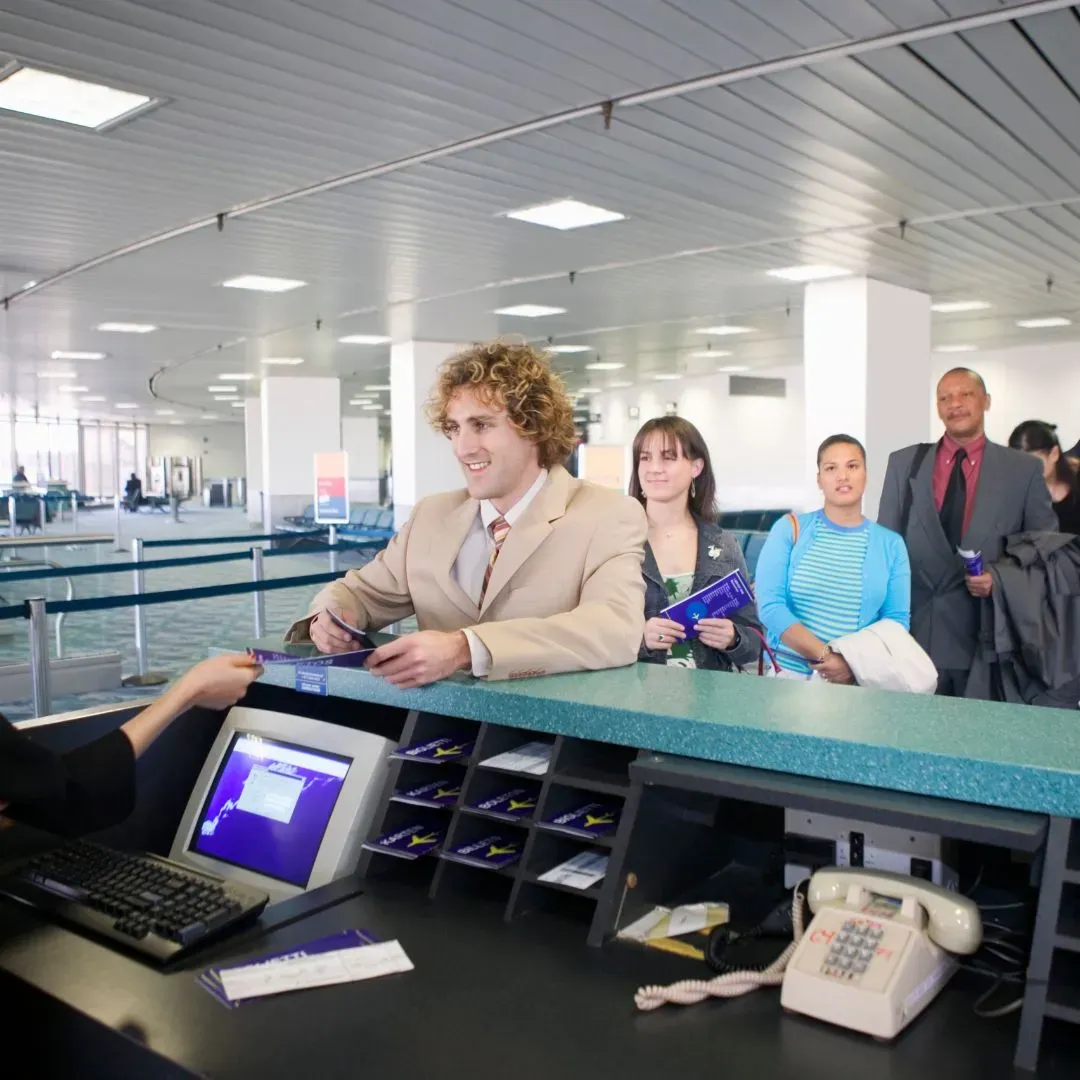
Buying a SIM at Brussels Airport feels convenient in the moment, but it usually means a single-country plan, a queue after a long flight, and a fixed data cap that will not survive four days of location sharing, photo uploads, and streaming set times. It also does nothing for the Amsterdam, Paris, or Frankfurt leg of your trip.
Setting up a travel eSIM before you fly means you land already connected. No counter, no queue, no juggling a physical SIM card while holding a tent bag and a backpack. The Europe Regional plan is built specifically for exactly this kind of multi-city, multi-country festival trip, keeping your data active from your first transit stop through to your last night at De Schorre.
What this looks like in practice for a typical Tomorrowland travel route:
- Land in Amsterdam or Paris, phone is already connected, no airport counter stop needed
- Use the same data plan through your transit days, checking trains, maps, and hotel details
- Cross into Belgium for Tomorrowland with the same eSIM still active
- Keep WhatsApp live across the entire trip so friends and family back home never lose contact
- Stay connected inside DreamVille and across the festival grounds for group check-ins and live location sharing
Festival Day Connectivity Checklist
Use this quick list before Weekend 1 gates open:
- Install and setup your eSIM before departure, activate it after landing
- Confirm data works in airplane mode with eSIM data roaming turned on
- Pre-load offline maps of Boom park tomorrowland and De Schorre as a backup
- Save your group's live location links in a pinned WhatsApp chat
- Charge your power bank fully the night before each festival day
- Screenshot your ticket and locker confirmation in case data drops temporarily
Frequently Asked Questions
When does Tomorrowland 2026 Route take place in Belgium? Tomorrowland 2026 is happenig across two consecutive weekends at De Schorre in Boom, Belgium: Weekend 1: July 17 – 19, 2026 and Weekend 2: July 24 – 26, 2026.
What is the 2026 Tomorrowland theme? The 2026 theme is "Consciencia," centered on awareness and connection, reflected across stage production, visuals, and the festival's storytelling for the year.
How do I get from Brussels Airport to Boom park Tomorrowland? Take a train from Brussels Airport to Brussels Central, then connect to a direct festival train or shuttle bus running straight to Boom during event weekends.
What should I pack for DreamVille camping? Pack a power bank, a wind and rain-rated tent, a padlock for lockers, comfortable footwear, electrolytes, earplugs, and a physical copy of your ID and booking confirmation.
Why not just buy a SIM at Brussels Airport? An airport SIM usually covers Belgium only, meaning it stops working the moment you cross into the Netherlands, France, or Germany on a multi-country Euro-trip itinerary.
Can one eSIM cover Amsterdam, Paris, Frankfurt, and Belgium together? Yes, a regional Europe eSIM plan is designed to cover multiple countries under one data plan, so you stay connected across your entire route without switching SIMs.
How do I find my friends if we get separated at Mainstage? Set a fixed meeting point before separating, use WhatsApp live location sharing, and agree on regular check-in times rather than relying on spotting each other in the crowd.
What is a Tomorrowland Global Journey package? It is a bundled travel option combining festival tickets with accommodation and transport across multiple European cities, often pairing Belgium with stops like Amsterdam or Paris before or after the event.
What is the weather like in Boom during Tomorrowland? Late July in Boom typically brings warm days with a real chance of sudden rain, so packing layers and a lightweight rain jacket is safer than relying on a single outfit for the whole weekend.
Do I need an eSIM if I already have an international roaming plan? Standard roaming plans often cap data heavily or charge per country, while a regional eSIM covers your full multi-country route under one plan, which tends to work out cheaper and simpler for a festival trip.

Final Word
Tomorrowland rewards preparation. The people who have the smoothest weekends are rarely the ones with the fanciest gear, they are the ones who sorted the boring logistics early: a packed campsite, a plan for regrouping with friends, and a data connection that works from the moment they land through the last night at De Schorre. Sort your eSIM before you fly, build a loose set schedule around your must-see acts, and leave room for the sets you stumble into by accident. Those are usually the ones you end up talking about long after the festival ends.