Top 27 Places to Visit in Australia for August and July
By Abhishek Aggarwal (Travel & eSIM writer, MobiMatter)
· · 16 min read
Australia in July and August offers some of the most rewarding travel experiences in the Southern Hemisphere, with dry season conditions across the north, crisp winter weather in the south, and world-class wildlife encounters throughout. This guide covers the 27 best places to visit in july in Australia these months, with practical tips on connectivity, travel planning, and what each destination does best.
According to Tourism Australia, the country welcomes over 9 million international visitors annually, with July and August consistently ranking among the most popular arrival months for travellers from the United Kingdom, Europe, and North America. The reason is straightforward: Australia's winter is the Northern Hemisphere's summer, which means travellers escaping peak-season crowds and prices at home arrive to find Australia at its most accessible, most wildlife-rich, and most climatically varied. The Australian Bureau of Meteorology confirms that July and August represent the peak dry season across Queensland and the Northern Territory, producing the clear skies, low humidity, and exceptional wildlife visibility that make destinations like the Kimberley and Kakadu genuinely transformative.
Before landing, connectivity is worth sorting in advance. An eSIM for Australia through Mobimatter activates instantly on compatible devices, giving travellers local 4G and 5G data from the moment they clear customs without queuing at a carrier store or hunting for a physical SIM card. For a country as geographically vast as Australia, having reliable mobile data throughout a multi-destination itinerary is a practical necessity rather than a convenience.
Why July and August Are the Best Months to Visit Australia
When people ask where to go in Australia in July and August, the honest answer is that winter here suits nearly every region, just for different reasons. The tropical north enters its dry season, opening up roads and national parks that are inaccessible or hard going the rest of the year. The temperate south offers crisp, clear days that are ideal for city exploration and coastal walking. The outback cools to genuinely comfortable hiking temperatures instead of punishing heat. And wildlife activity peaks across multiple regions at once, so timing a trip around these two months means more sightings almost wherever you land.
Key reasons July and August stand out for Australian travel:
- Kakadu and the Kimberley are accessible only during the dry season, making these two of Australia's most spectacular destinations seasonally available
- Humpback whale migration runs along the east and west coasts from June through November, with peak sightings in July and August
- Uluru and the Red Centre are cool enough for extended walking and sunrise viewing without the extreme heat of the summer months
- The Great Barrier Reef has excellent water visibility and comfortable dive conditions throughout July and August
- City destinations including Melbourne and Sydney offer vibrant winter cultural calendars with festivals, food events, and indoor attractions
The 27 Best Places to Visit in Australia in August and July
1. Sydney, New South Wales
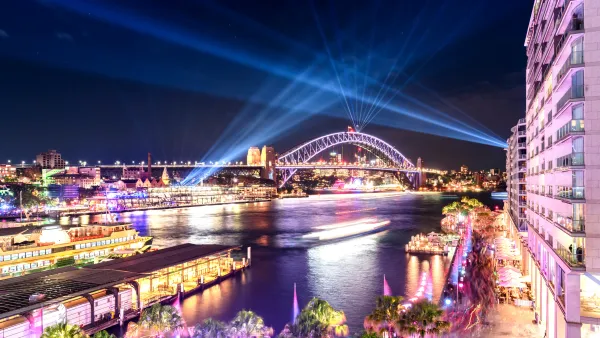
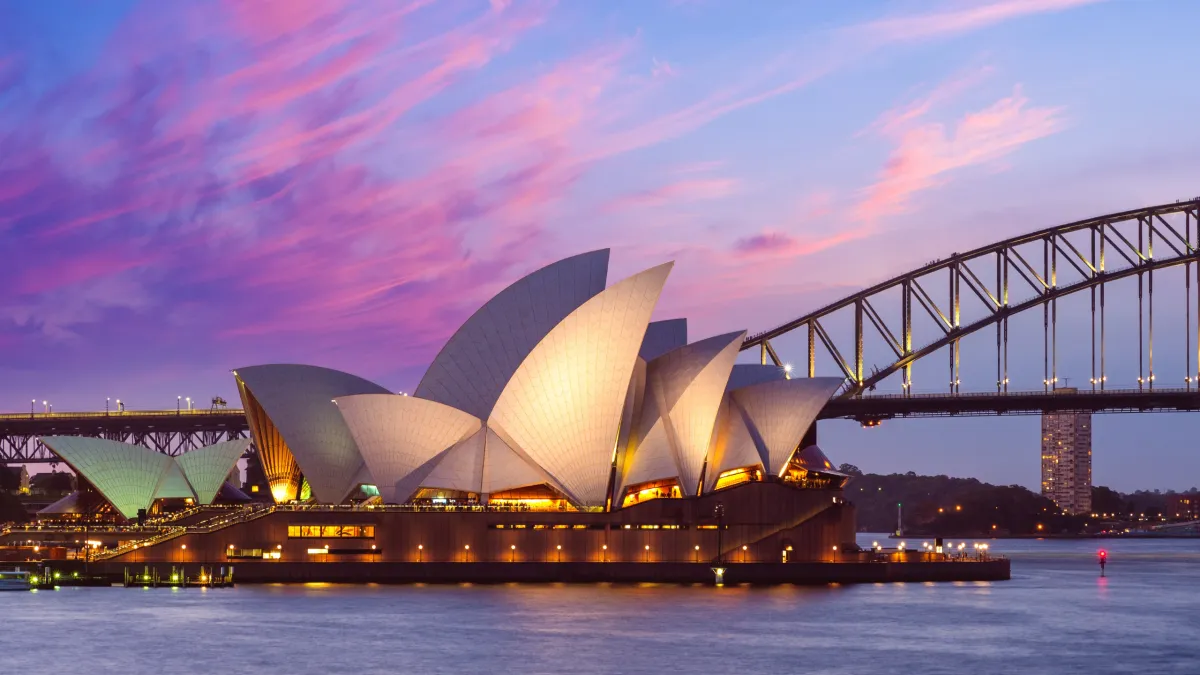
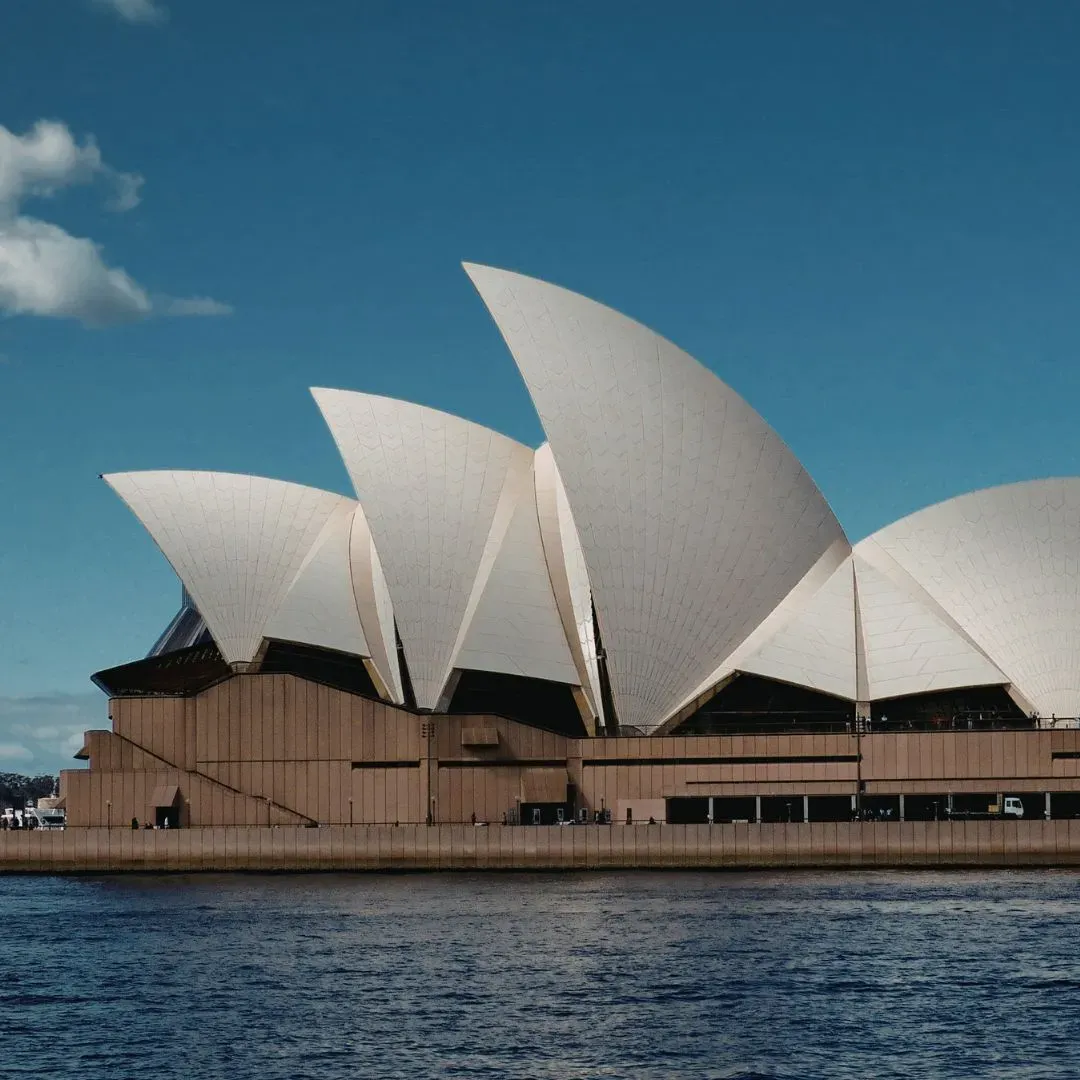
Sydney in July and August is crisp, clear, and genuinely beautiful. Average temperatures sit between 8 and 17 degrees Celsius, making it ideal for walking the harbour foreshore, climbing the Sydney Harbour Bridge, and exploring the Royal Botanic Garden without the humidity of the summer months. The Vivid Sydney festival, the largest event of lights, music, and ideas in the Southern Hemisphere, typically runs from late May into June and occasionally extends into July, transforming the Opera House and surrounding buildings into an extraordinary after-dark experience.
For travellers spending time in Sydney specifically, a dedicated eSIM for Sydney from Mobimatter ensures seamless local connectivity across the city's transport network, restaurant strip, and harbour attractions from arrival at Kingsford Smith Airport onwards.
Top Sydney experiences in July and August:
- Sydney Harbour Bridge climb for panoramic winter views
- Bondi to Coogee coastal walk with whale-watching potential from headlands
- Taronga Zoo with its harbour backdrop and winter wildlife programme
- The Rocks historic district and weekend markets
- Art Gallery of New South Wales winter exhibition programme
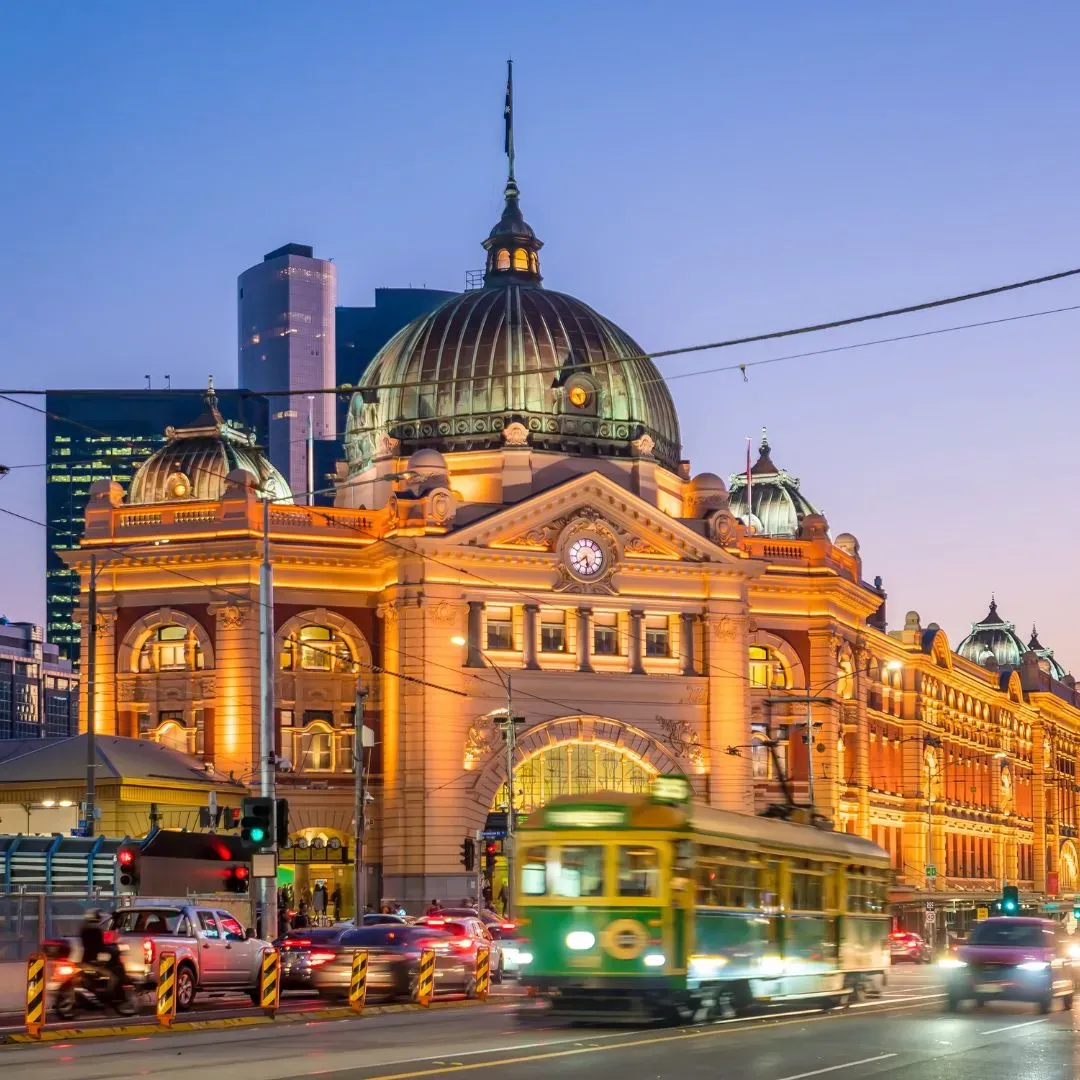
2. Melbourne, Victoria
Melbourne in winter has a character that the city genuinely owns. The café culture is at its most compelling when the weather outside is cold, the laneways feel intimate, and the city's extraordinary restaurant scene is operating at full pace. July and August bring a packed cultural calendar including the Melbourne International Film Festival, the Melbourne Winter Masterpieces exhibition series at the National Gallery of Victoria, and a food and wine scene that rivals any city in the world.
Top Melbourne experiences:
- Federation Square and the Ian Potter Centre for Australian art
- Queen Victoria Market on winter mornings
- Day trip to the Yarra Valley for cool-climate wine and rolling countryside
- The Great Ocean Road, most dramatic in winter light with fewer crowds
- Fitzroy and Collingwood for independent restaurants, bookshops, and galleries
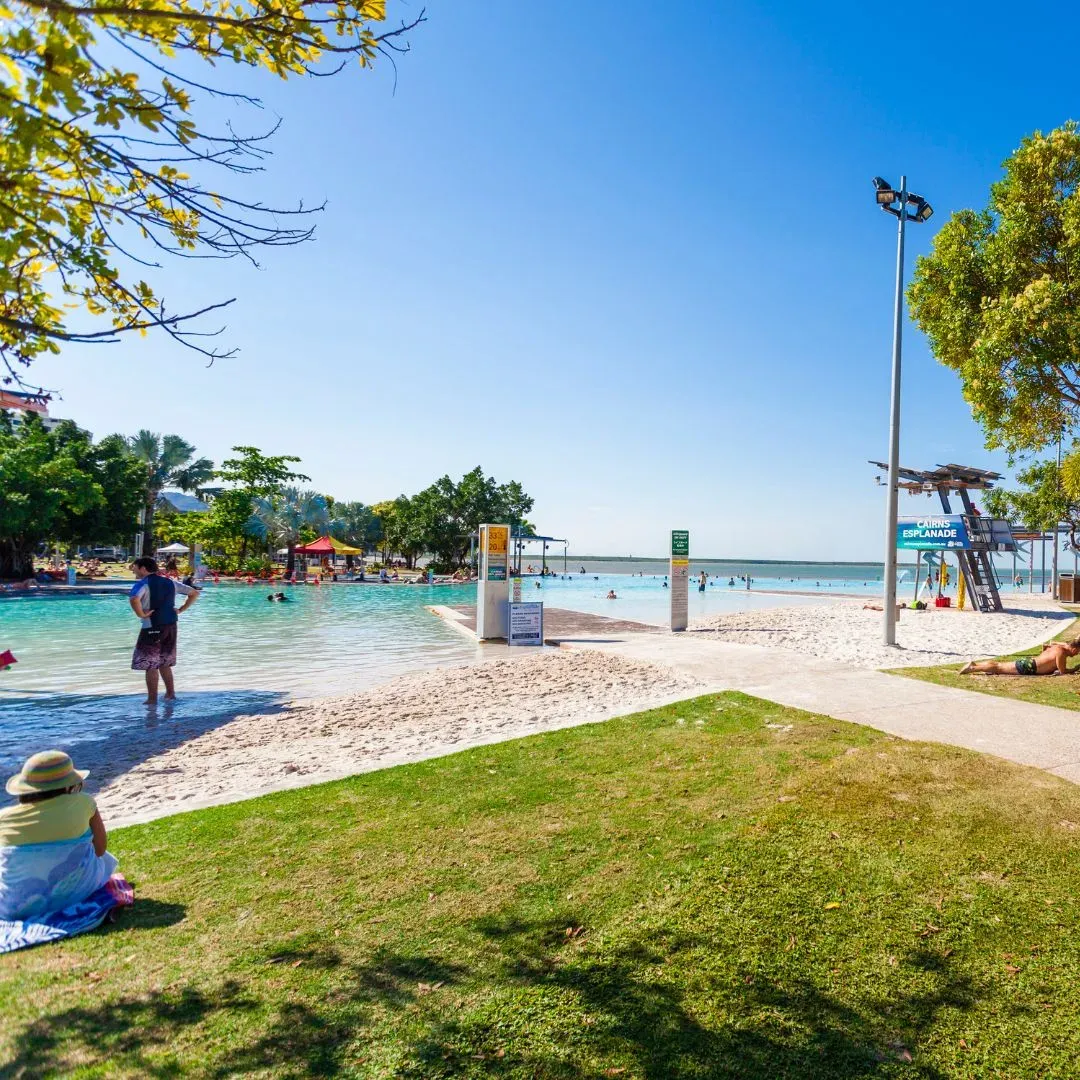
3. Cairns, Queensland
Cairns in July and August is the gateway to two of Australia's greatest natural attractions: the Great Barrier Reef and the Daintree Rainforest. Water temperatures sit around 23 degrees Celsius, visibility on the reef is excellent, and the stinger season that affects summer swimming is absent. The Daintree, the world's oldest tropical rainforest according to the Australian Tropical Rainforest Foundation, is at its accessible best during the dry season.
Top Cairns experiences:
- Liveaboard diving and day trips to the outer Great Barrier Reef
- Daintree Rainforest guided walks and Cape Tribulation
- Kuranda Scenic Railway through the rainforest canopy
- Atherton Tablelands waterfall circuit
- Night markets along the Cairns Esplanade
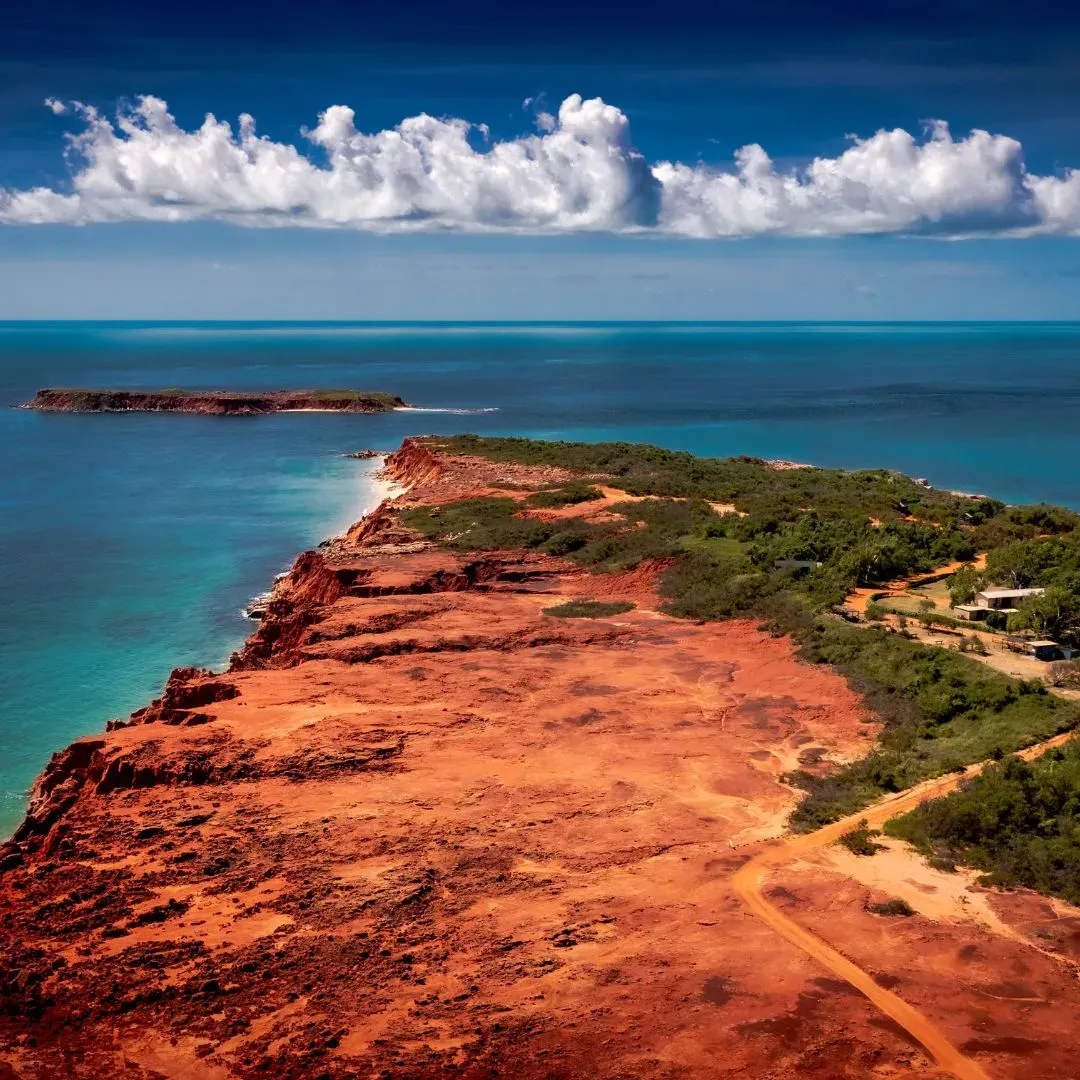
4. The Kimberley, Western Australia
The Kimberley is arguably Australia's most spectacular wilderness destination and it is accessible only during the dry season from April to October. July and August sit in the middle of this window, offering the best combination of accessible roads, wildlife activity, and comfortable temperatures. The ancient Bungle Bungle Range in Purnululu National Park, a UNESCO World Heritage site, and the dramatic gorges of El Questro and Emma Gorge are the headline attractions.
Top Kimberley experiences:
- Purnululu National Park and the Bungle Bungle beehive domes
- Mitchell Falls via helicopter or four-wheel drive
- Horizontal Falls boat tour
- El Questro Wilderness Park gorge walks
- Cable Beach at Broome for camel rides at sunset
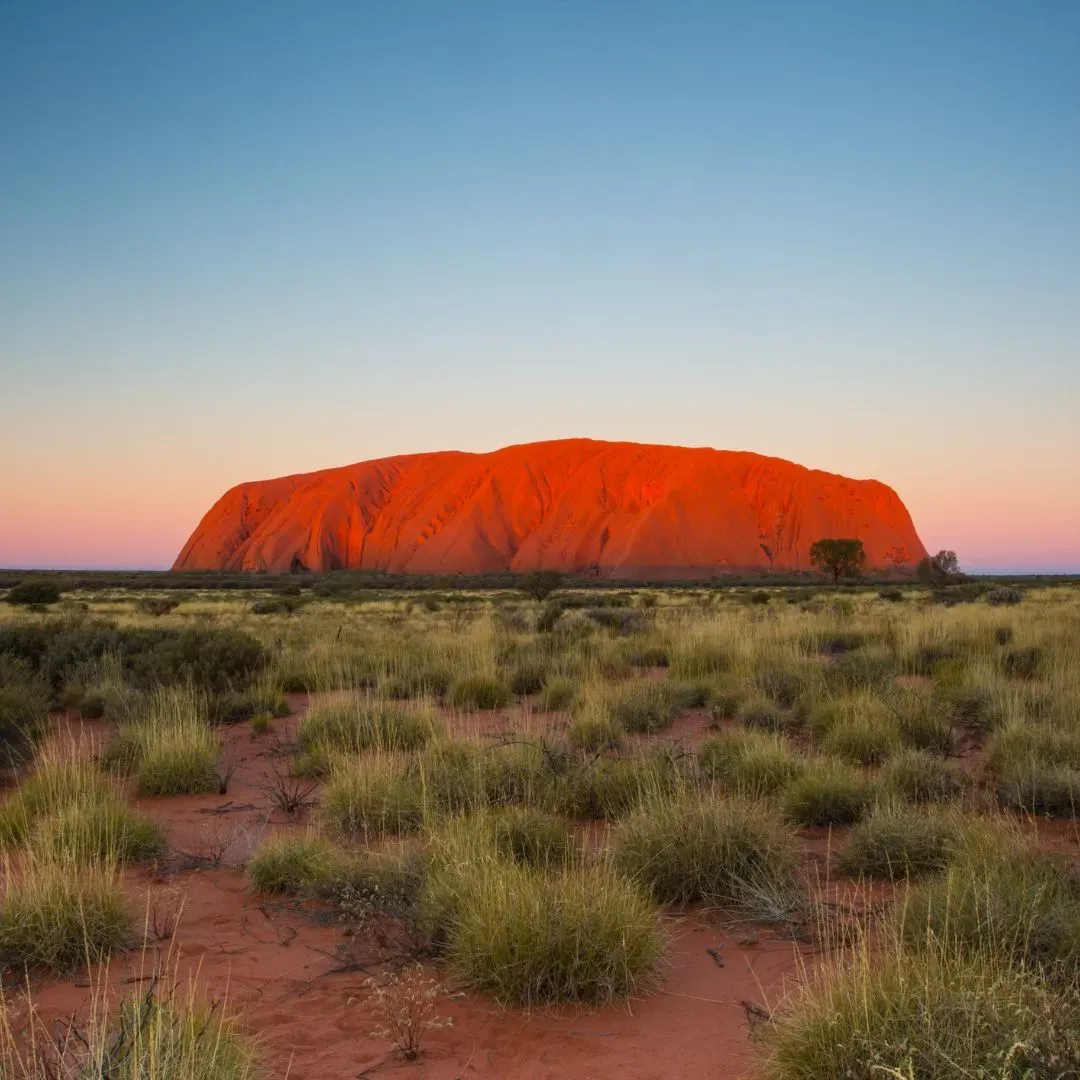
5. Uluru and the Red Centre, Northern Territory
Uluru in July and August is the Red Centre at its most accessible. Daytime temperatures average around 20 degrees Celsius, making the base walk around Uluru genuinely enjoyable rather than a test of endurance. The sunrise and sunset colour changes on Uluru's sandstone face are among the most photographed natural phenomena in Australia, and the surrounding Kata Tjuta domes offer equally dramatic walking through the Valley of the Winds.
Top Red Centre experiences:
- Uluru sunrise and sunset viewing from the designated platforms
- Kata Tjuta Valley of the Winds walk
- Kings Canyon Rim Walk, one of Australia's best day hikes
- Dot painting and cultural experiences with Anangu guides
- Stargazing in one of the world's darkest night-sky zones
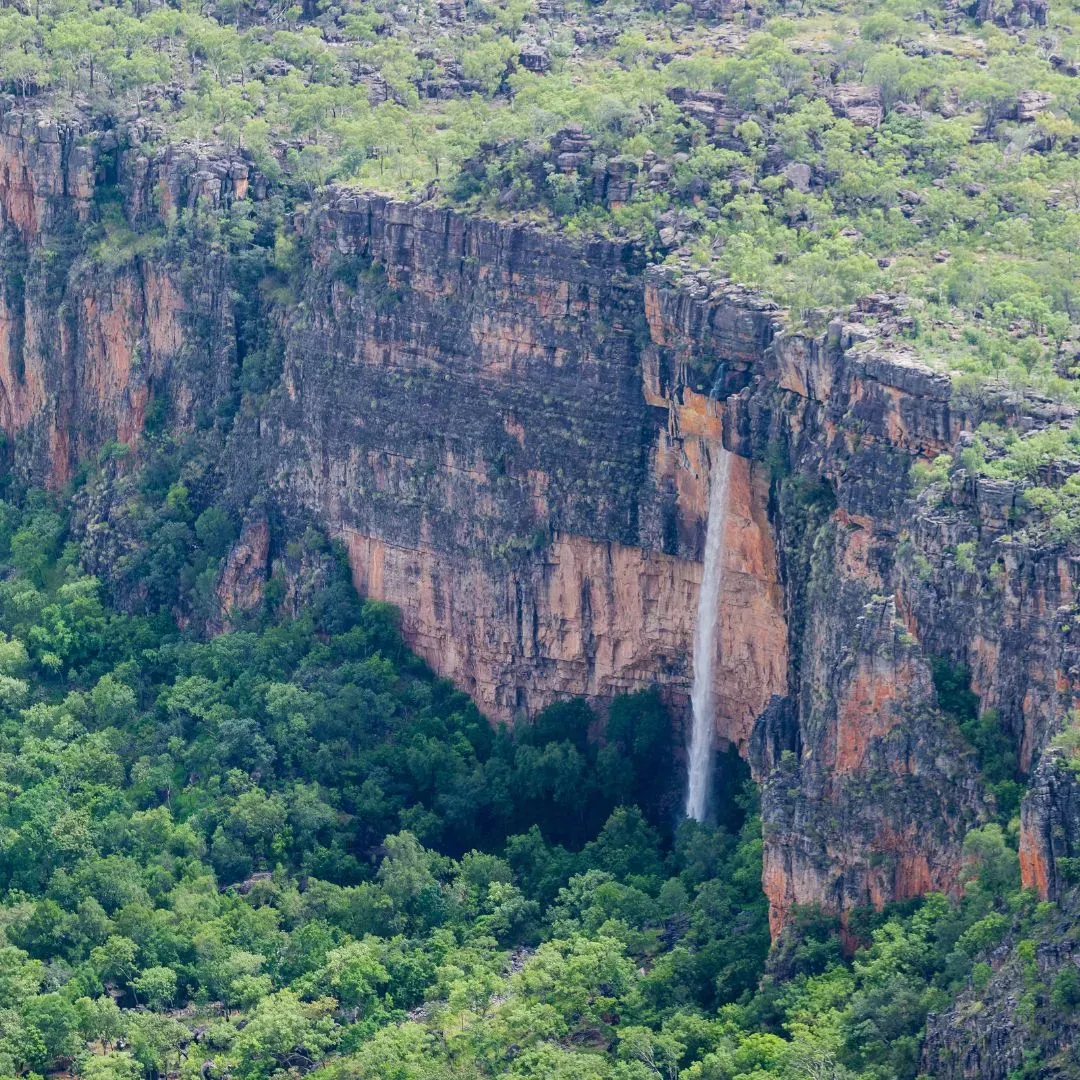
6. Kakadu National Park, Northern Territory
Kakadu in July is at its absolute peak. The floodwaters from the wet season have receded, waterfalls are still flowing with residual water, and the wildlife has concentrated around permanent water sources in numbers that make game watching exceptional. Kakadu is a dual UNESCO World Heritage site recognised for both its natural values and its Aboriginal rock art, which includes some of the oldest and most extensive collections of rock art in the world.
Top Kakadu experiences:
- Yellow Water Billabong sunset cruise for crocodiles, birds, and reflections
- Ubirr and Nourlangie rock art sites
- Twin Falls and Jim Jim Falls by four-wheel drive and short walk
- Arnhem Land border store and cultural tours
- Kakadu's extraordinary birdlife, with over 280 species recorded in the park
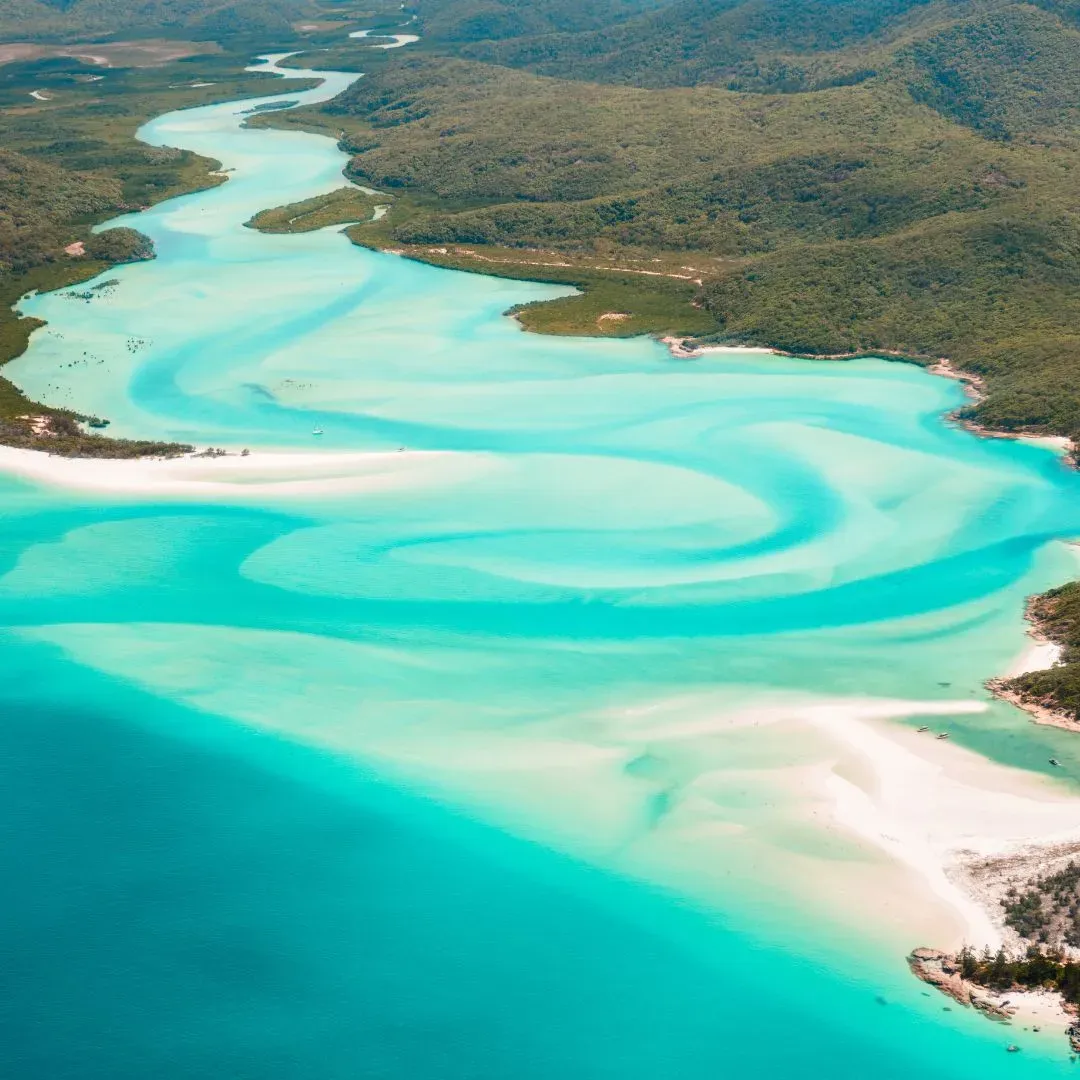
7. The Whitsundays, Queensland
The Whitsundays in July and August offer dry, clear weather, calm seas, and the kind of sailing conditions that make this archipelago of 74 islands one of the most popular destinations in the country. Whitehaven Beach, consistently rated among the world's best beaches by international travel publications, is at its most photogenic in winter light. Humpback whale sightings from charter boats and lookouts on Hamilton Island are common throughout July and August.
Top Whitsundays experiences:
- Whitehaven Beach and Hill Inlet lookout for the swirling sand patterns
- Sailing charter through the islands for two to seven days
- Heart Reef scenic flight from Hamilton Island or Airlie Beach
- Snorkelling and diving on the fringing reefs around Hook Island
- Whale watching from dedicated tours operating out of Airlie Beach
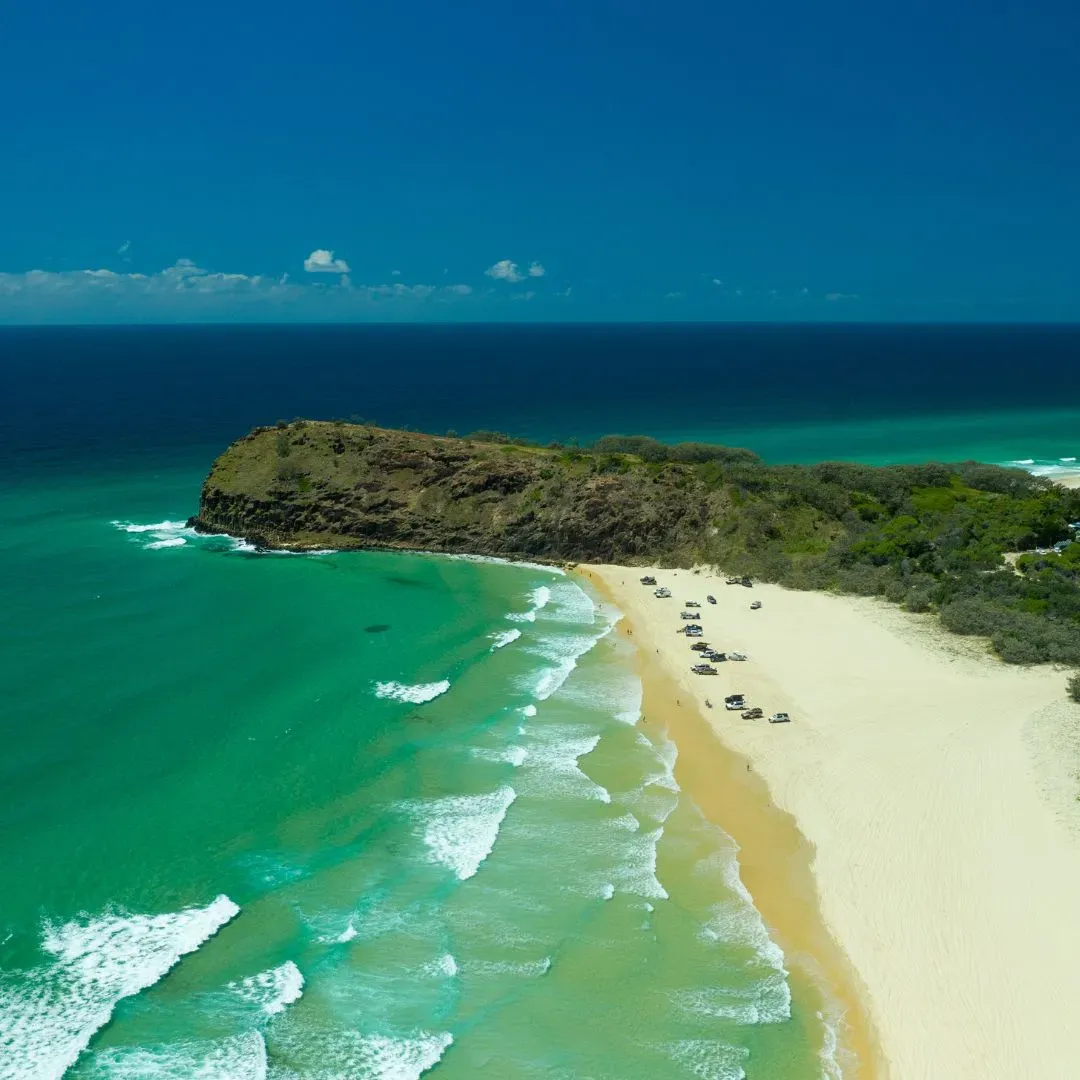
8. Fraser Island (K'gari), Queensland
K'gari, the world's largest sand island and a UNESCO World Heritage site, is best visited during the dry season when the sand tracks are firm and the dingo sightings around the island's freshwater lakes are at their most reliable. Lake McKenzie, with its impossibly clear water and white silica sand, is the centrepiece of most itineraries, but the island rewards extended exploration.
Top K'gari experiences:
- Lake McKenzie for swimming in freshwater clarity
- 75 Mile Beach four-wheel drive along the eastern shore
- Eli Creek and the natural freshwater slide
- Maheno shipwreck at low tide
- Dingo sightings at dawn and dusk around the lake circuit
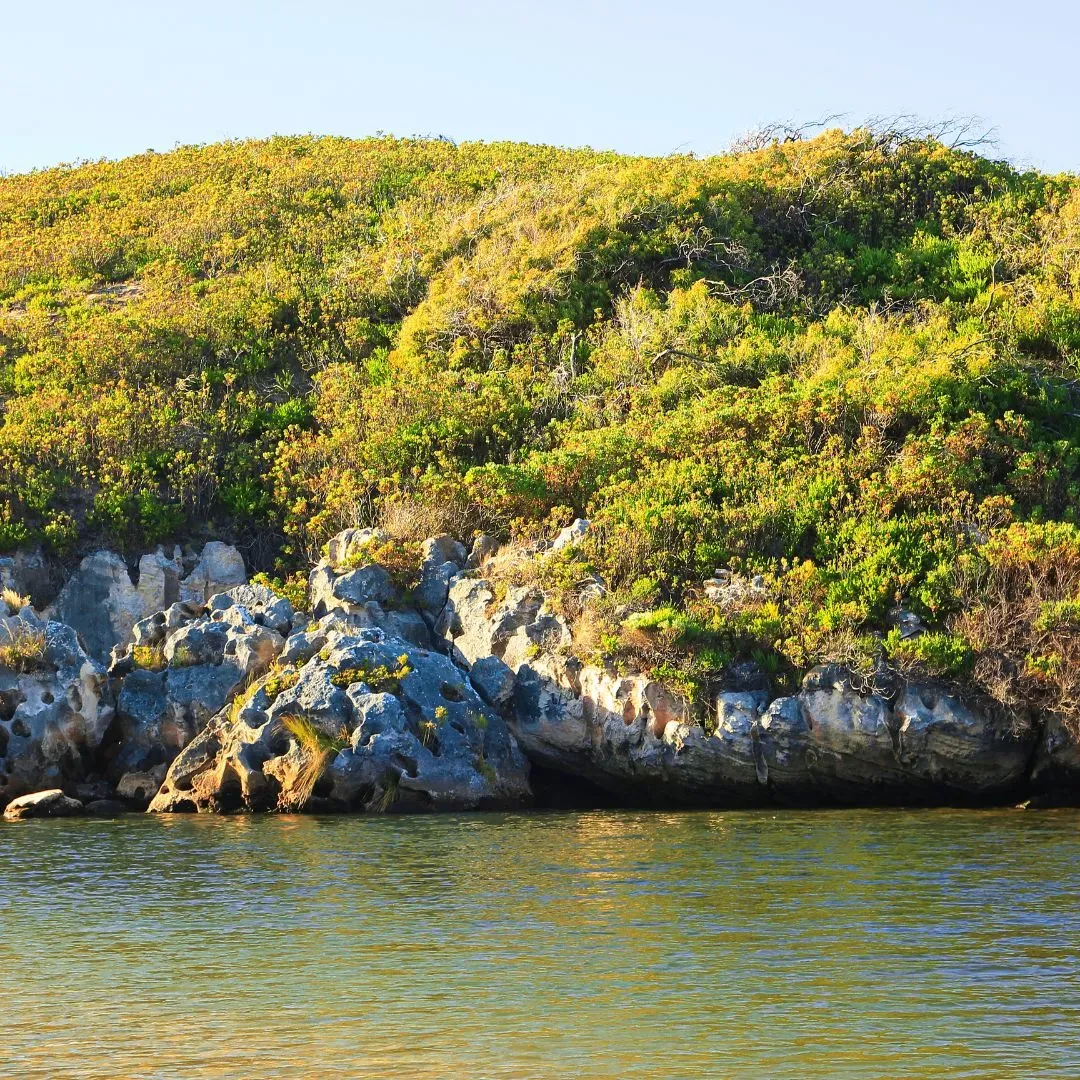
9. Margaret River, Western Australia
Margaret River in July and August is in the middle of its surf season, with the Margaret River Pro surfing competition typically held in May and June drawing international attention to a region that remains world-class for surfing throughout the winter months. The wine region around Margaret River produces some of Australia's finest Cabernet Sauvignon and Chardonnay, and the combination of cellar doors, limestone caves, old-growth karri forests, and a genuinely beautiful coastline makes this one of Western Australia's most rewarding destinations.
Top Margaret River experiences:
- Surf breaks at Surfers Point and Redgate Beach
- Cellar door tastings across the Margaret River wine region
- Jewel Cave and Lake Cave for extraordinary limestone formations
- Boranup Karri Forest drive and walk
- Cape to Cape Track coastal hiking
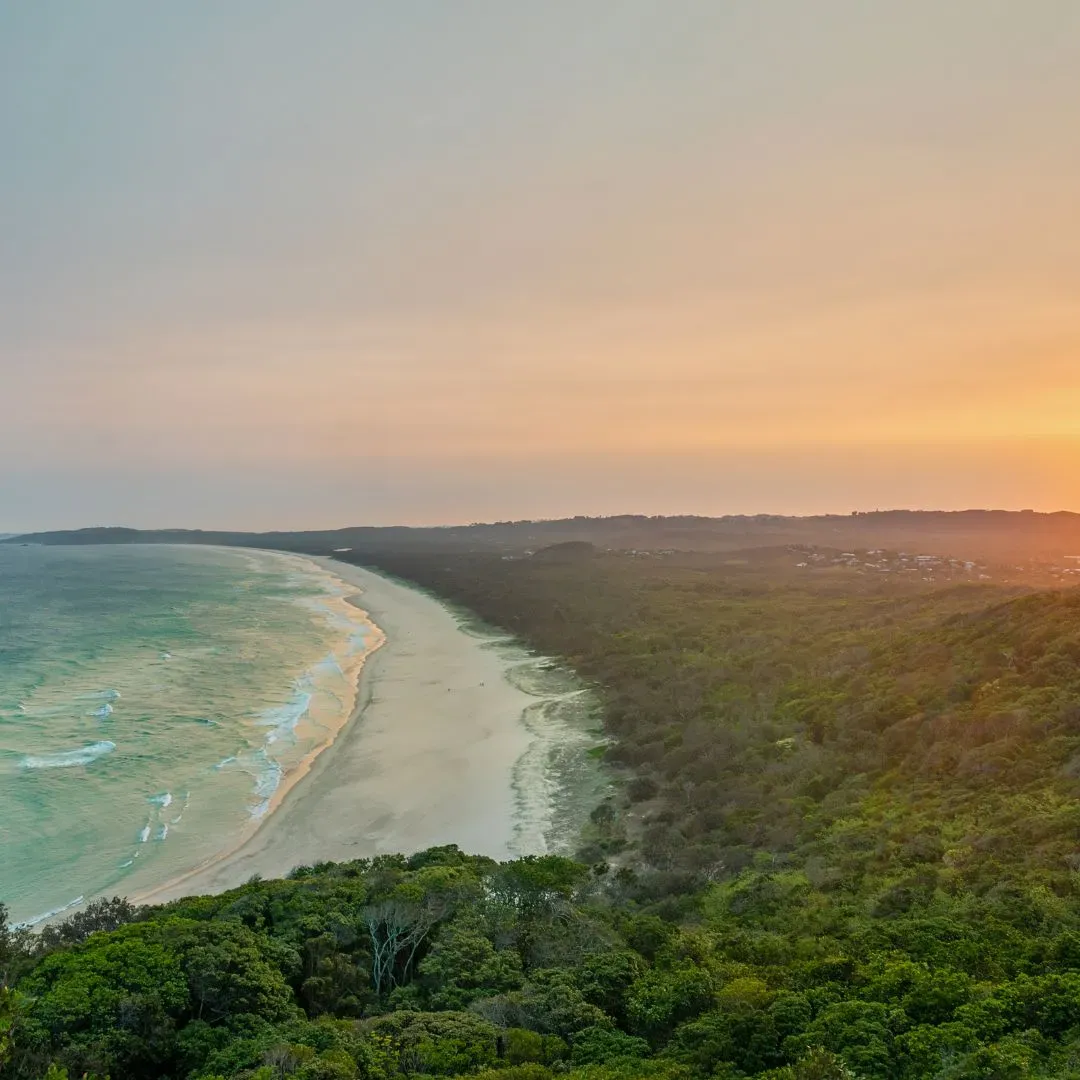
10. Byron Bay, New South Wales
Byron Bay in July is cooler and quieter than its summer incarnation, which suits many travellers far better. The humpback whale migration passes directly through Byron Bay's waters from June through October, and the Cape Byron Lighthouse walk offers some of the best shore-based whale watching in Australia. The town's food scene, yoga and wellness culture, and relaxed atmosphere are fully intact without the summer crowds.
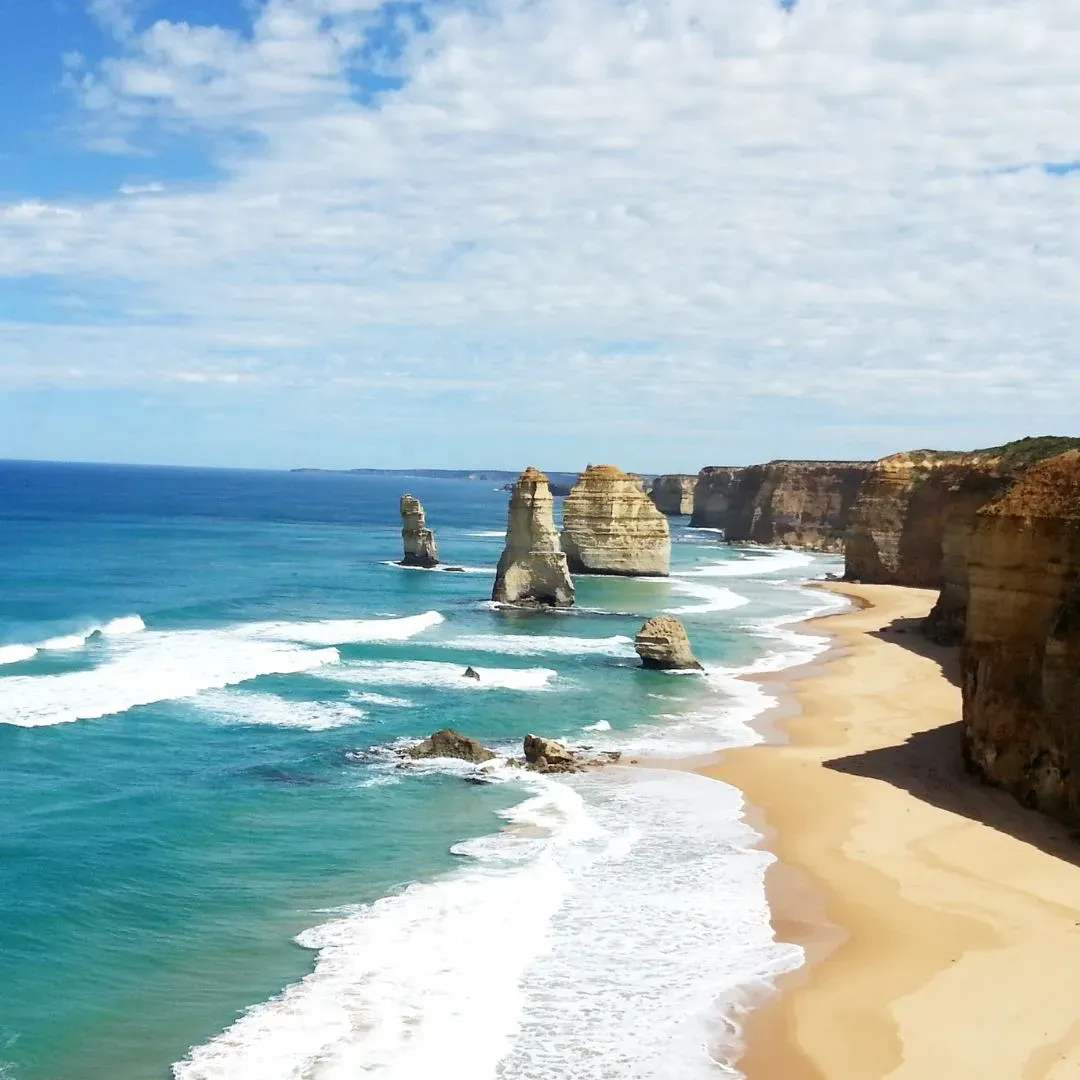
11. The Great Ocean Road, Victoria
The Great Ocean Road is most dramatic in winter. The Southern Ocean is at its most powerful, the Twelve Apostles limestone stacks emerge from morning mist, and the road itself carries a fraction of the summer traffic. The drive from Torquay to Allansford covers some of the most spectacular coastal scenery in the world according to Lonely Planet, and July and August add a moody, cinematic quality that summer simply cannot match.
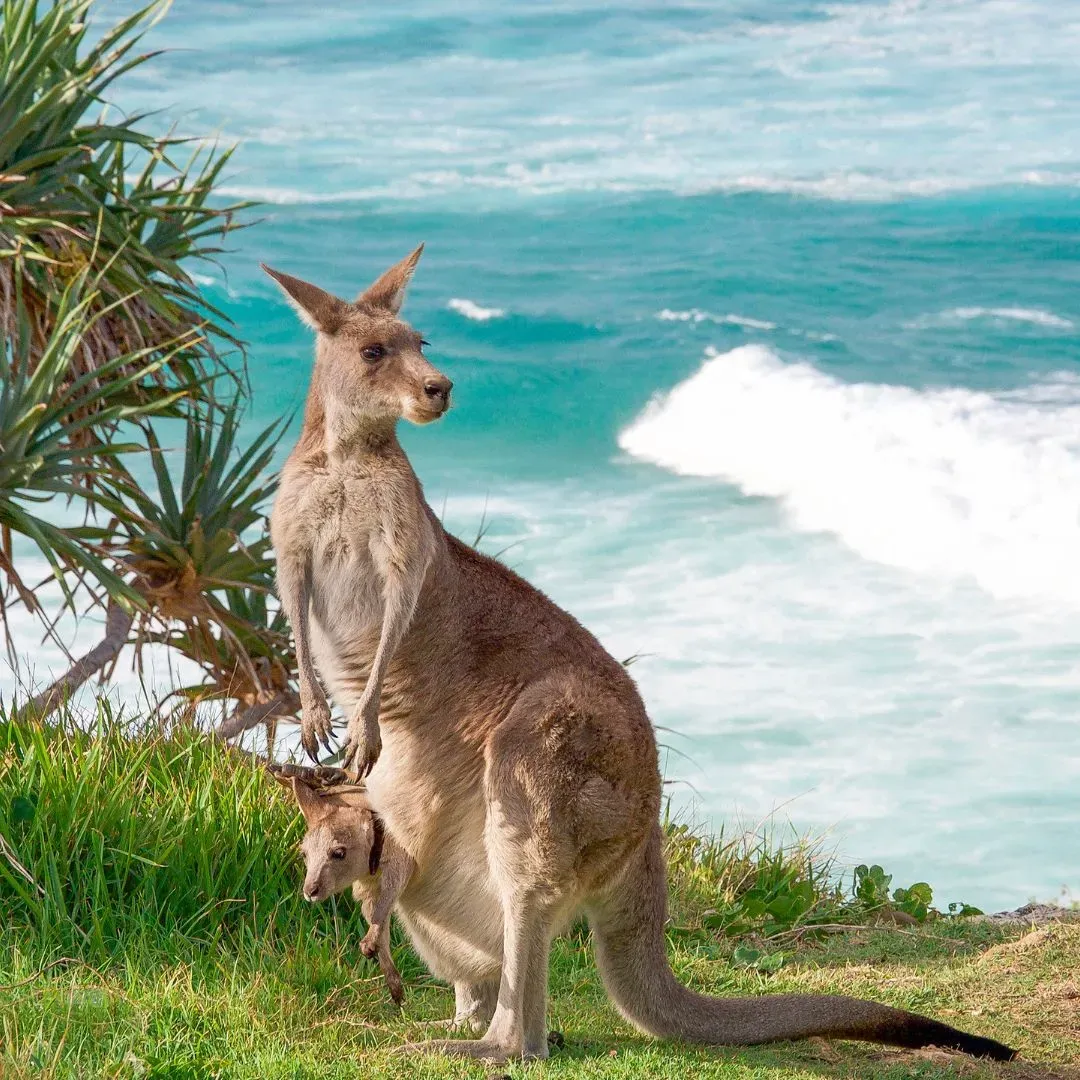
12. Kangaroo Island, South Australia
Kangaroo Island in July and August offers exceptional wildlife encounters with sea lions, koalas, echidnas, and kangaroos in genuinely wild settings. Flinders Chase National Park at the western end of the island has recovered strongly from the 2019 to 2020 bushfires, with regrowth attracting increased wildlife activity. The island's food and wine scene, built around locally produced honey, seafood, and cool-climate wines, has developed significantly in recent years.
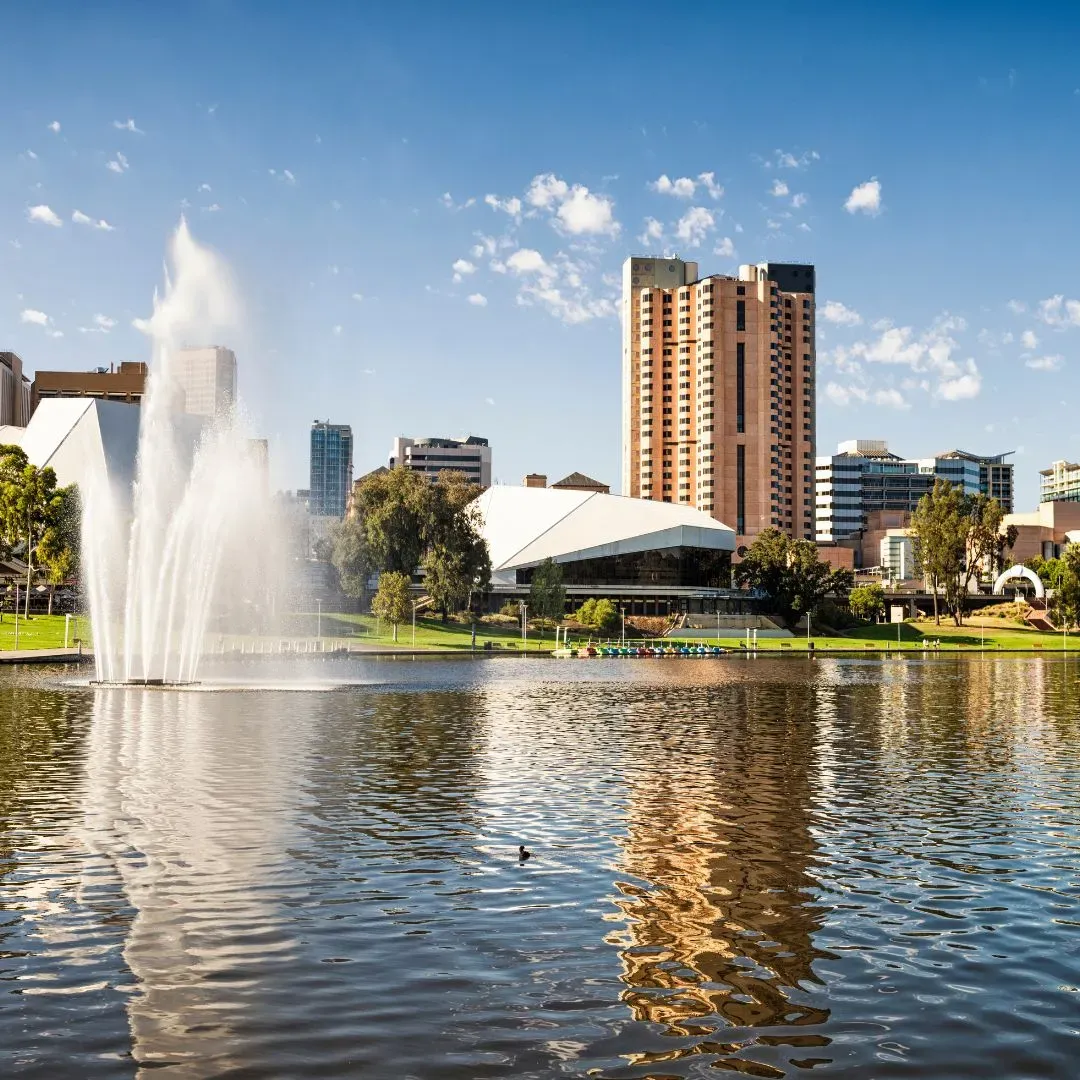
13. Adelaide, South Australia
Adelaide in winter is a food and wine city at its most rewarding. The Adelaide Central Market, one of the largest undercover fresh produce markets in the Southern Hemisphere, operates year-round and is the best single introduction to South Australian produce. The Barossa Valley and McLaren Vale wine regions are both within an hour of the city centre and offer winter cellar door experiences that combine beautifully with the city's growing restaurant culture.
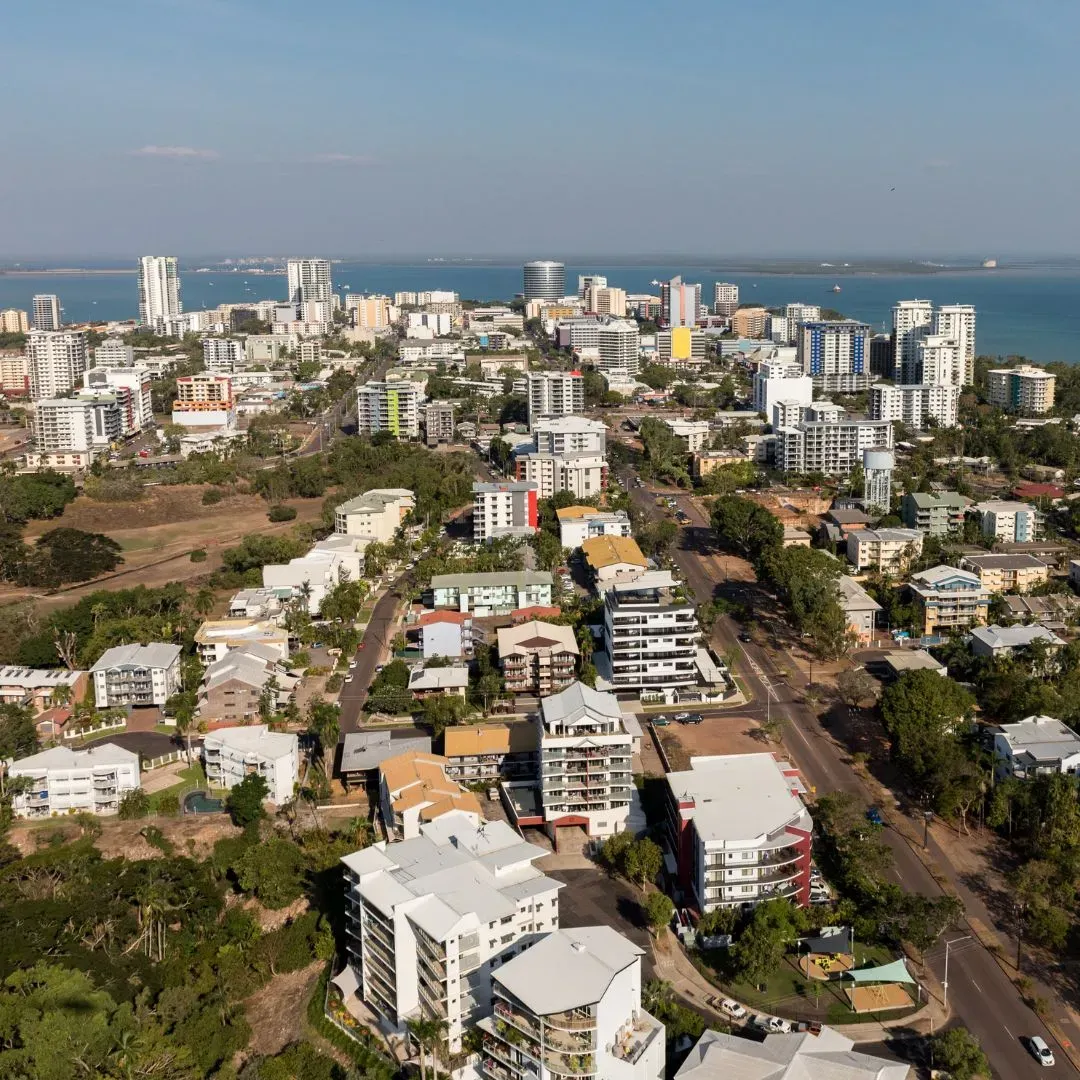
14. Darwin, Northern Territory
Darwin in July and August season Australia is the dry season at its most pleasant. Temperatures average around 30 degrees Celsius with low humidity, evenings are warm and clear, and the city's outdoor culture including the Mindil Beach Sunset Market operates at full pace. Darwin is the gateway to Kakadu and Litchfield National Parks, and the city's World War II history, reflected in the Darwin Military Museum and the oil storage tunnels, gives the destination a depth that first-time visitors often do not anticipate.
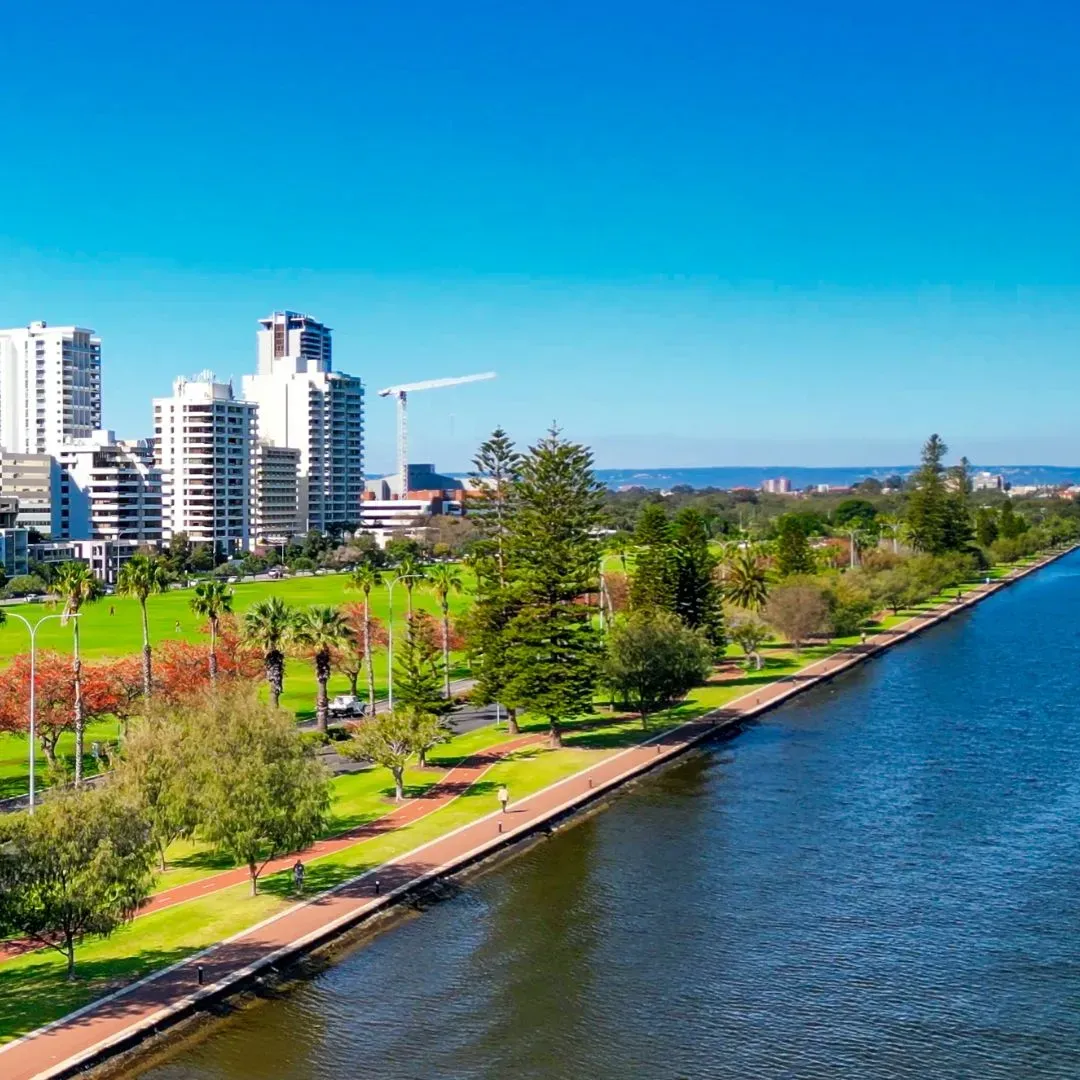
15. Perth, Western Australia
Perth in July and August offers mild winter weather averaging 18 degrees Celsius, a world-class food and café scene centred on the Northbridge and Leederville precincts, and easy access to some of Western Australia's most compelling day-trip destinations. Rottnest Island, home to the quokka and only 45 minutes by ferry from Fremantle, is best visited in the cooler months when cycling the island's 40 kilometres of roads is genuinely enjoyable rather than exhausting.
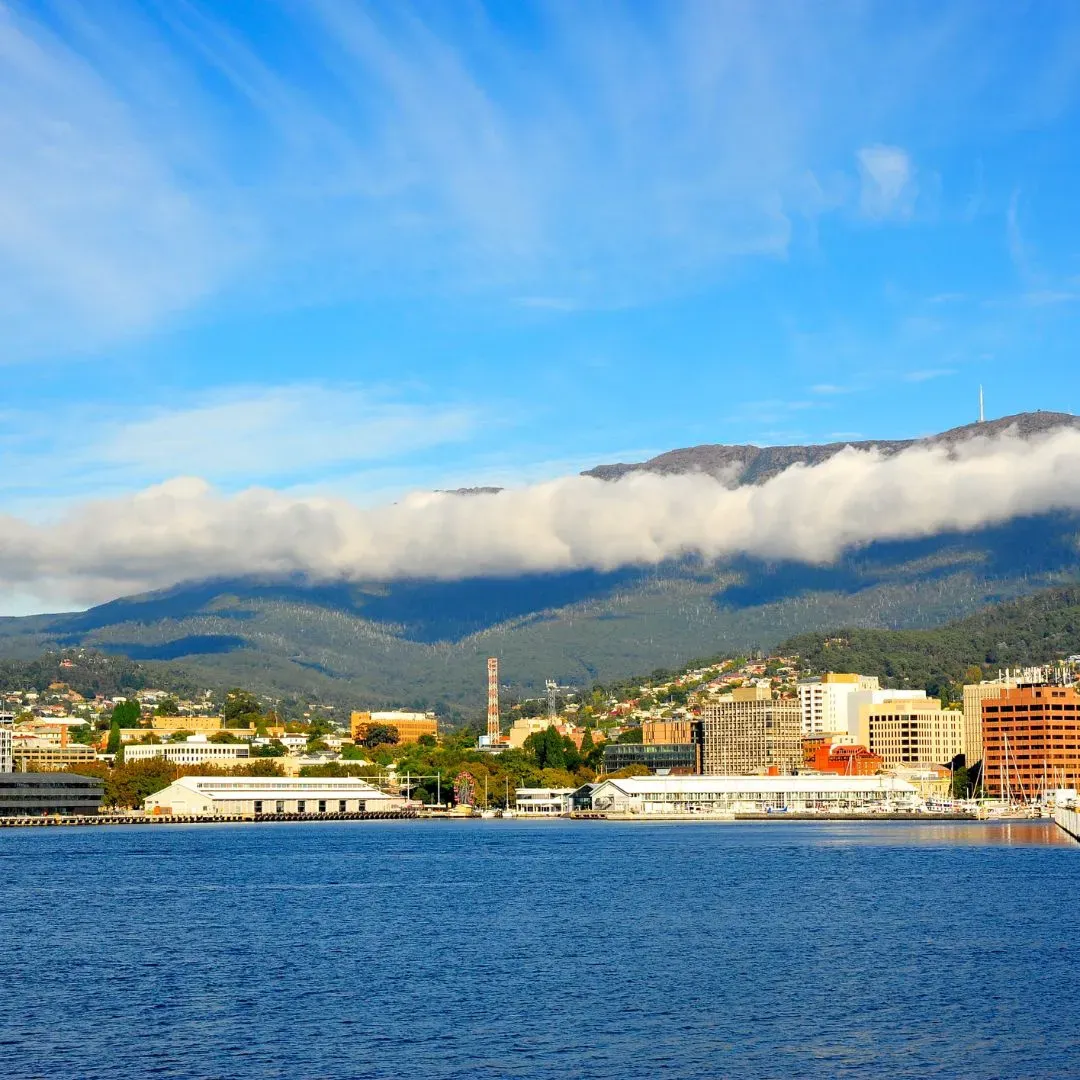
16. Hobart, Tasmania
Hobart in winter has a character that rewards travellers who seek it out. The Dark Mofo winter festival, held in June and occasionally extending into July, transforms the city with large-scale art installations, music performances, and winter feasting events that have built an international reputation in a very short time. MONA, the Museum of Old and New Art, is open year-round and remains one of the most genuinely surprising cultural experiences in Australia.
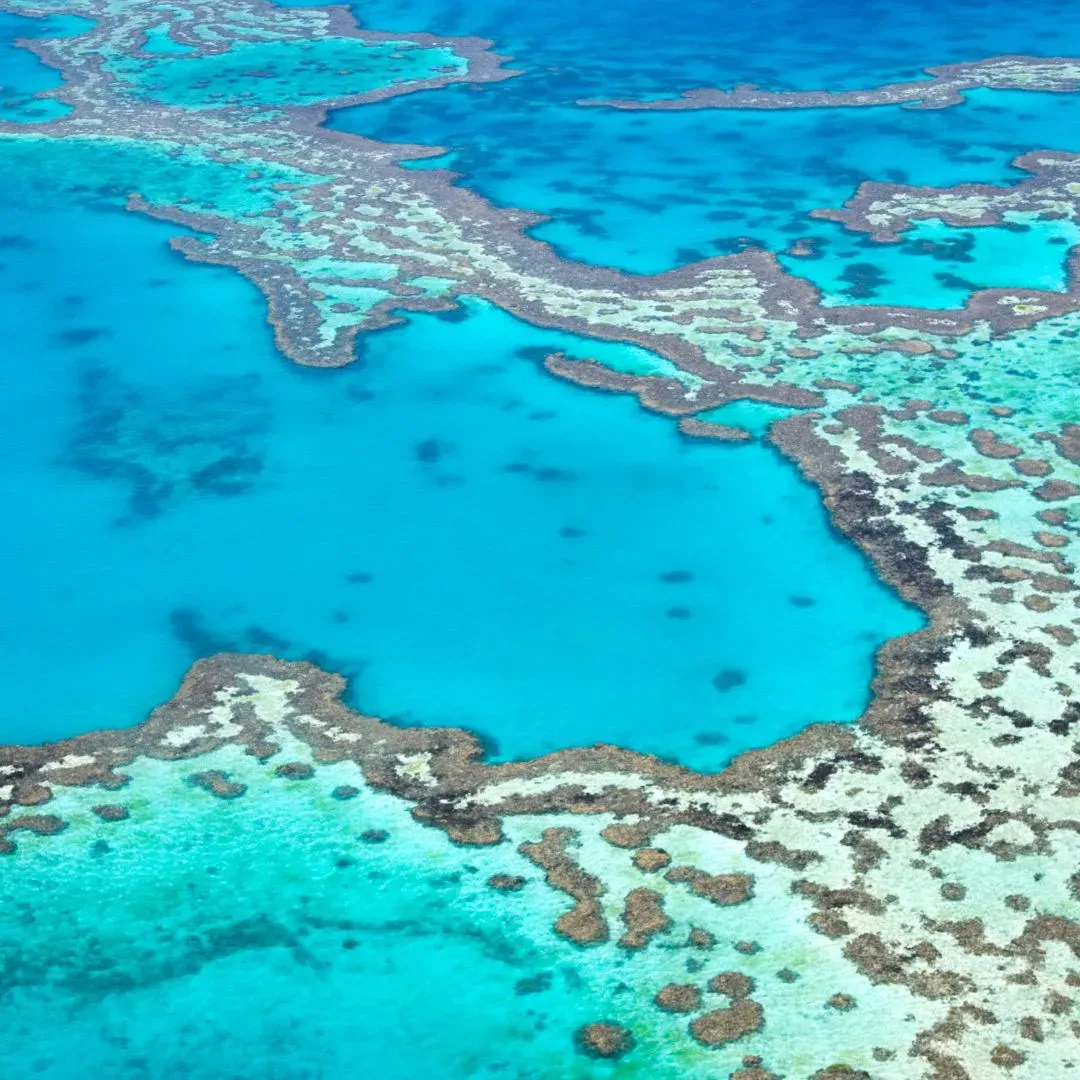
17. Ningaloo Reef, Western Australia
Ningaloo Reef offers a fringing reef experience that is more intimate and accessible than the Great Barrier Reef, with the coral beginning just metres from the beach in places. July and August bring excellent snorkelling and diving conditions, manta ray encounters at Navy Pier, and the beginning of the humpback whale season along the Ningaloo Coast. Exmouth is the main base for reef access and whale shark tours, though whale shark season typically runs from March to July.
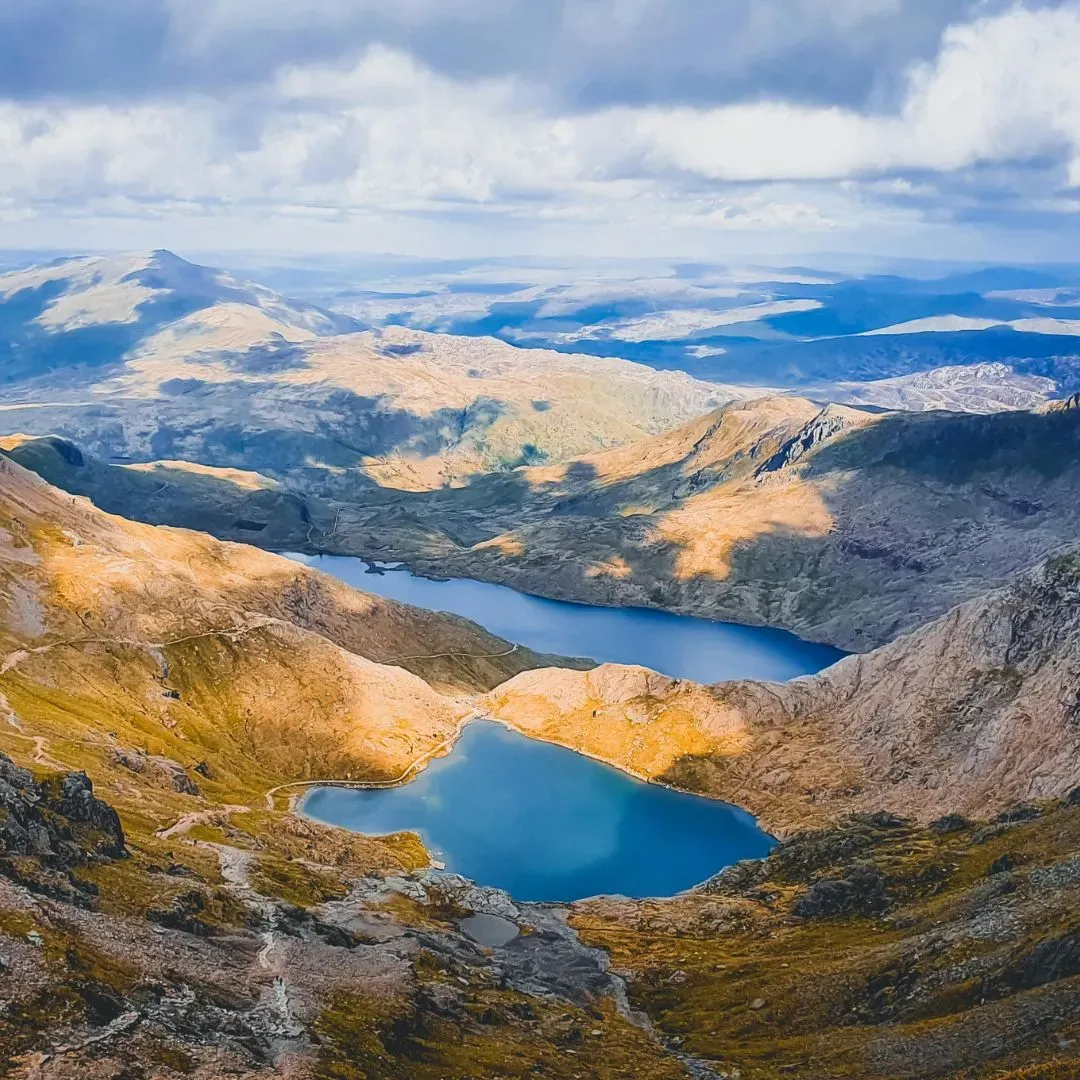
18. The Blue Mountains, New South Wales
The Blue Mountains in winter offer crisp air, dramatic gorge views from Echo Point and Govetts Leap, and a clarity of light that makes the eucalyptus-blue haze particularly vivid. The Three Sisters rock formation at Katoomba is the headline attraction, but the region rewards walking, with over 140 kilometres of trails through the Greater Blue Mountains World Heritage Area. The heritage-listed Hydro Majestic Hotel at Medlow Bath and the Carrington Hotel in Katoomba provide accommodation with genuine character.
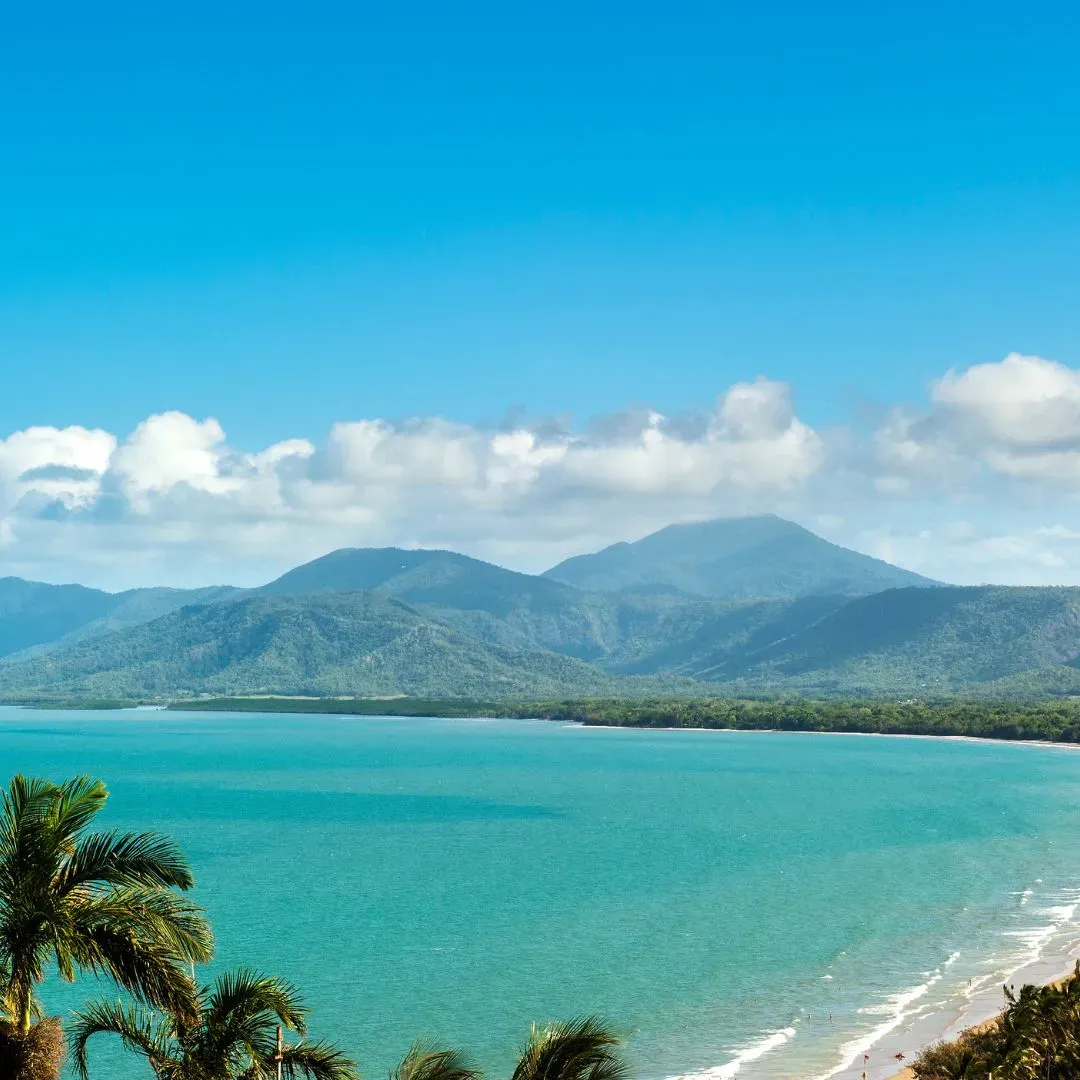
19. Port Douglas, Queensland
Port Douglas sits at the junction of two UNESCO World Heritage sites: the Great Barrier Reef and the Daintree Rainforest. In July and August, the stinger-free waters, clear skies, and dry conditions make this small town one of the most rewarding bases in tropical Queensland. The Four Mile Beach is uncrowded and genuinely beautiful, the Sunday markets are a local institution, and the Low Isles, a coral cay 15 kilometres offshore, offer snorkelling in calm, clear water.
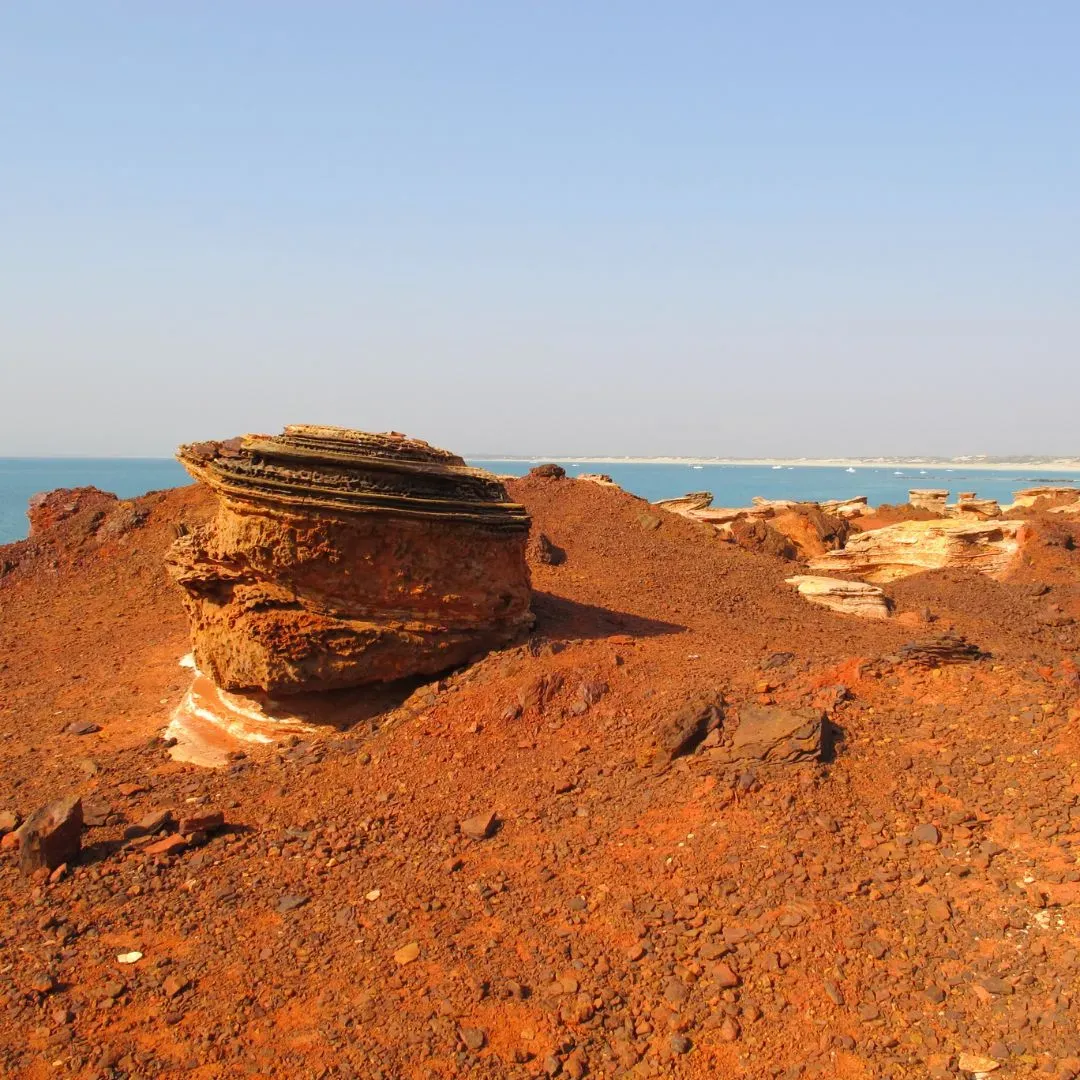
20. Broome, Western Australia
Broome in July and August is at its most visited and most vibrant. Cable Beach is the centrepiece, a 22-kilometre stretch of red pindan sand meeting the turquoise Indian Ocean, with camel rides at sunset being the town's most photographed experience. The Staircase to the Moon phenomenon, where a full moon rising over Roebuck Bay creates the optical illusion of a staircase, occurs on specific evenings between March and October and draws significant visitor numbers to the town foreshore.
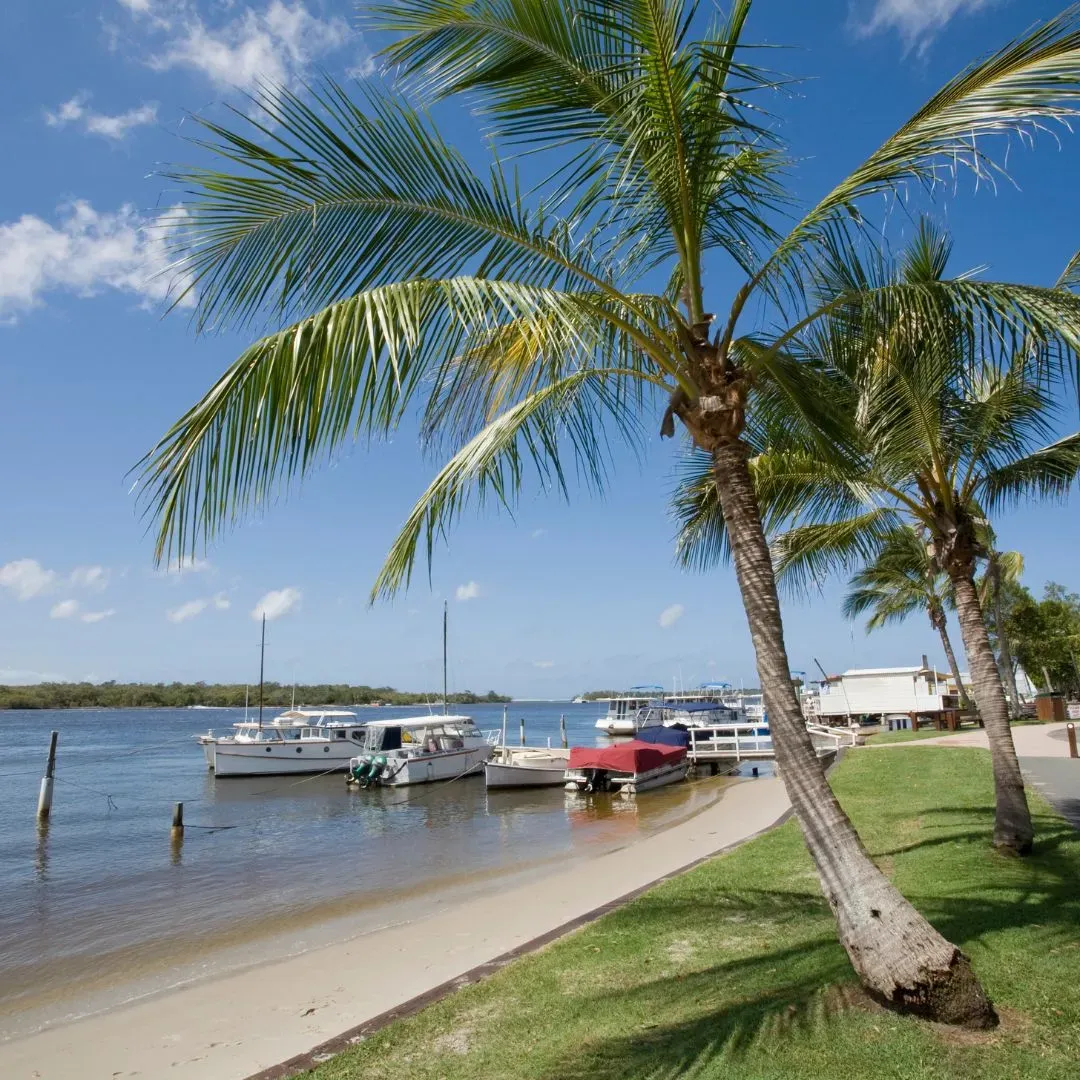
21. Noosa, Queensland
Noosa in July and August offers warm days averaging 22 degrees Celsius, a sophisticated food and café scene along Hastings Street, and the Noosa National Park coastal walk, which delivers consistent whale sightings from the headland points between July and November. The Noosa Everglades, one of only two everglade systems in the world, is best explored by kayak or canoe from the Noosa River system.
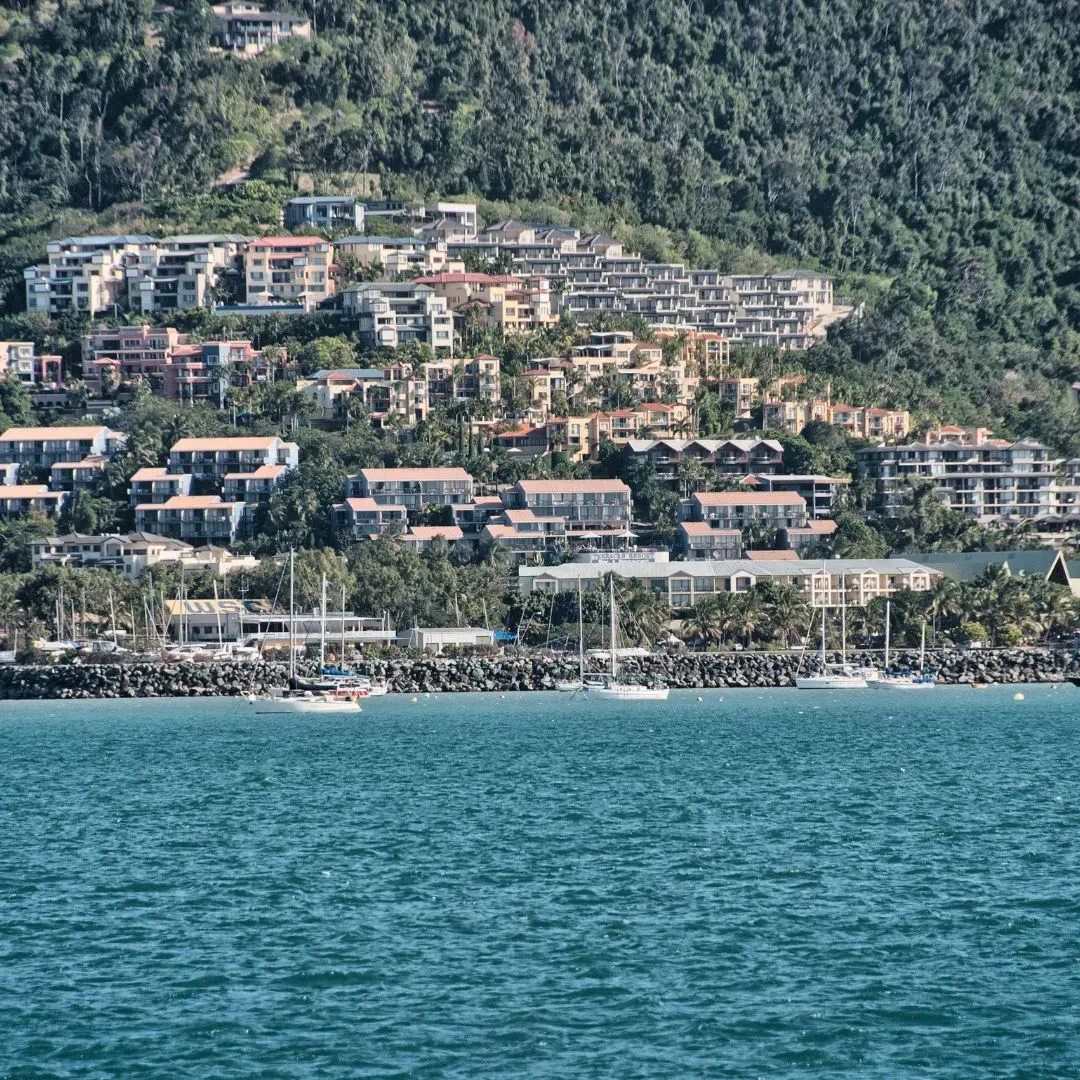
22. Airlie Beach, Queensland
Airlie Beach is the primary gateway to the Whitsunday Islands and earns its place as a standalone destination in July and August. The Airlie Beach Lagoon provides swimming in stinger-free conditions when the natural beaches require protective gear in other months. The town's sailing charter industry operates at full capacity through the winter months, with options ranging from budget backpacker boats to premium crewed yachts.
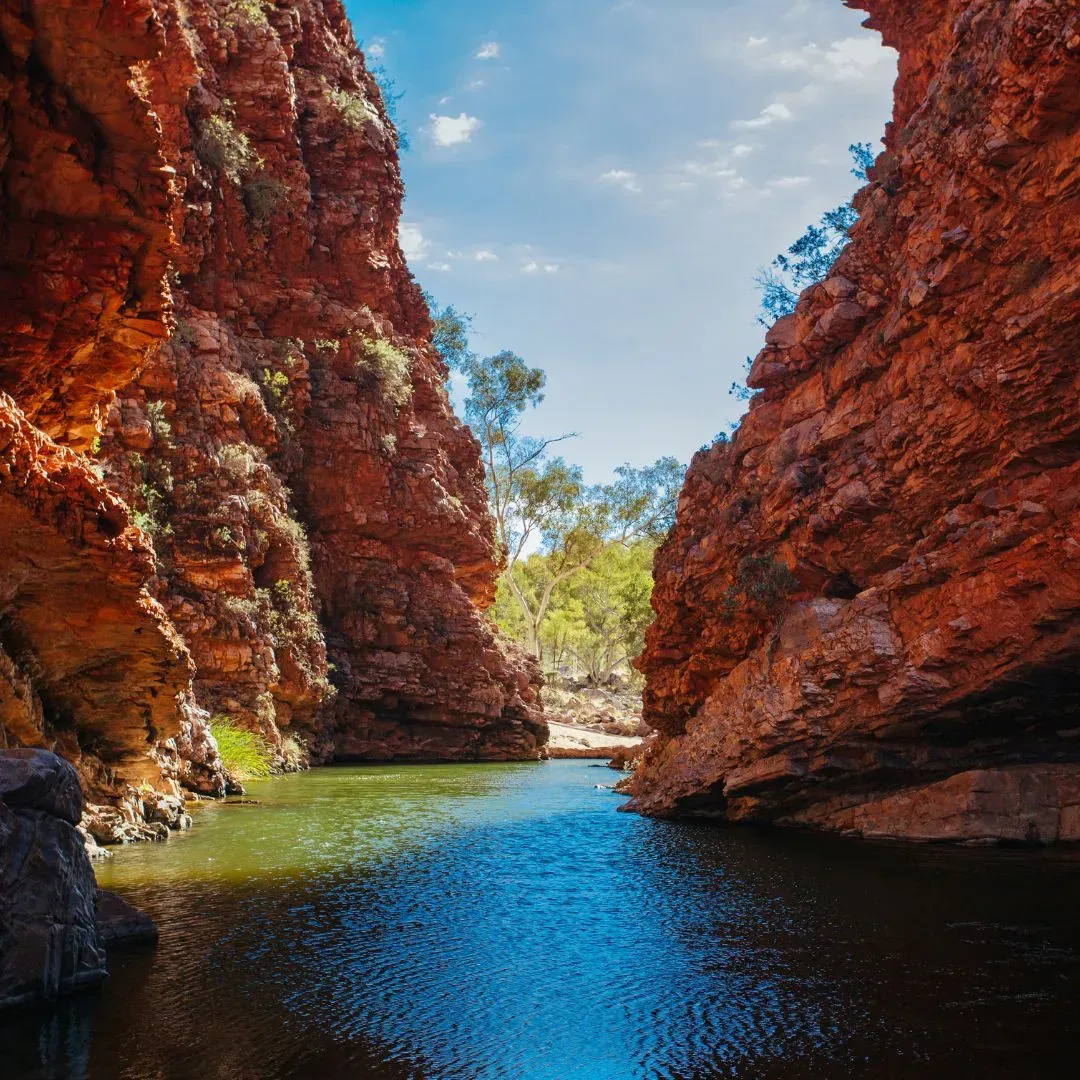
23. Alice Springs, Northern Territory
Alice Springs in July and August sits at the geographic heart of Australia, surrounded by the MacDonnell Ranges and positioned as the base for exploring Uluru, Kings Canyon, and the Western Desert. The Alice Springs Desert Park provides the best single introduction to central Australian flora and fauna, with free-range wildlife in natural desert habitats. The town's Aboriginal art galleries represent some of the most significant collections of contemporary Indigenous Australian art available for purchase outside the major cities.
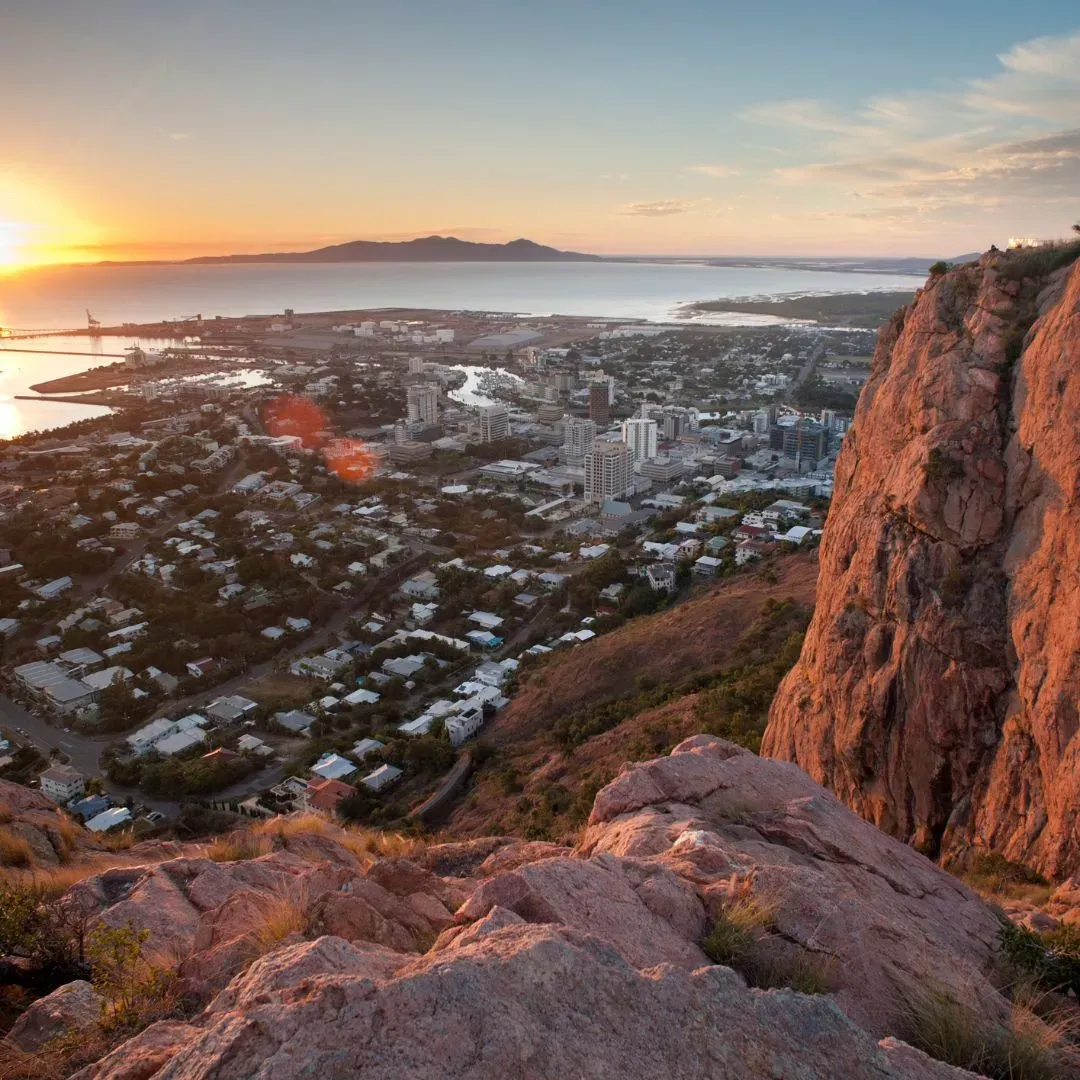
24. Townsville, Queensland
Townsville in July is the gateway to Magnetic Island and the diving destination of SS Yongala, one of Australia's most celebrated wreck dives according to Scuba Diving magazine. The Museum of Tropical Queensland houses the most significant collection of artefacts from the wreck of HMS Pandora, providing historical depth to a destination that most visitors use primarily as a transit point. Magnetic Island offers koala sightings on the Forts Walk and snorkelling at Geoffrey Bay.
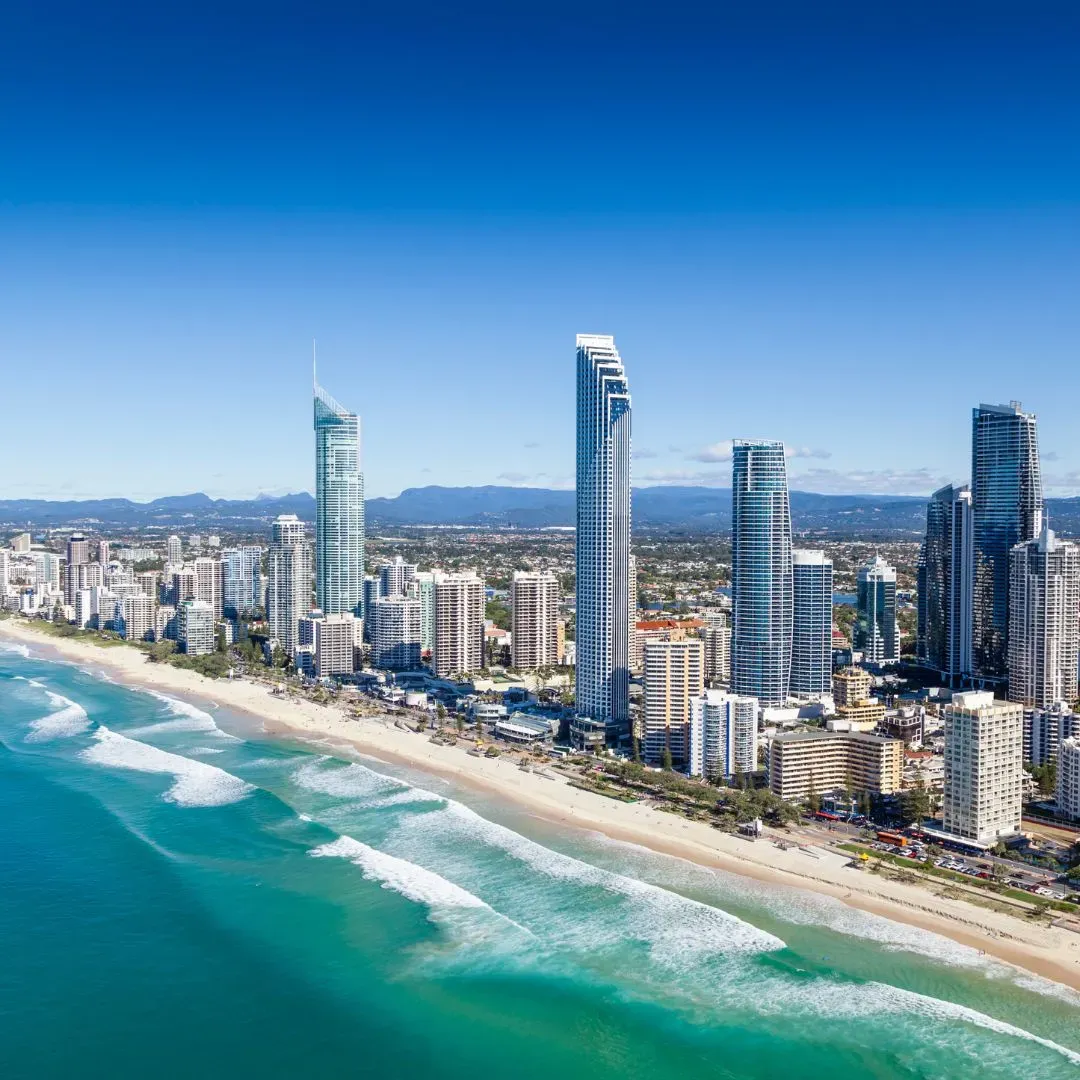
25. Gold Coast, Queensland
The Gold Coast in July and August offers warm places dry days, uncrowded beaches compared to the December and January peak, and a full complement of theme parks, surf schools, and hinterland experiences. The Lamington National Park in the Gold Coast Hinterland, accessible via the Scenic Rim road, offers subtropical rainforest walks, waterfall swimming holes, and the kind of birdlife diversity that makes it a genuine destination rather than a day trip.
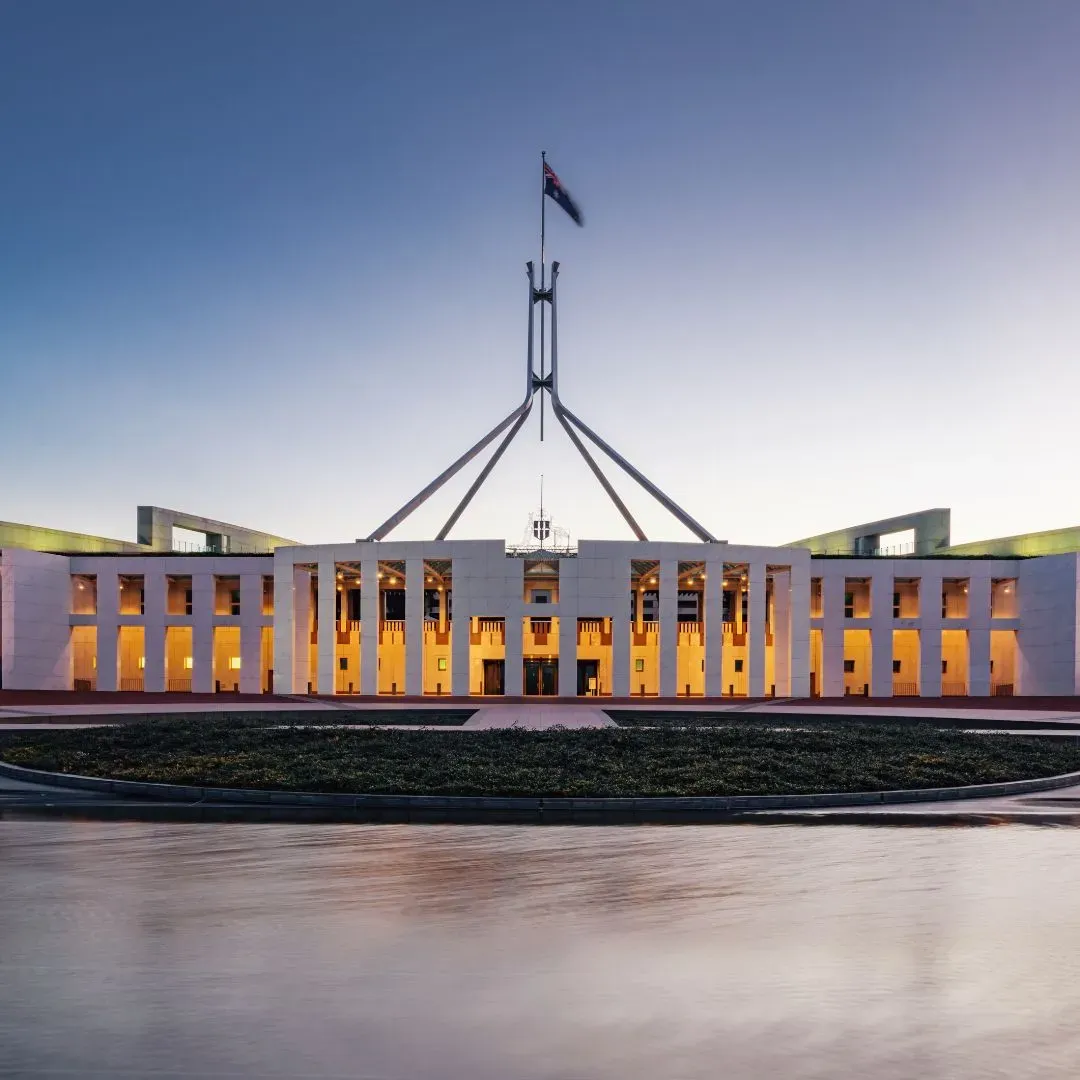
26. Canberra, Australian Capital Territory
Canberra in winter rewards visitors with clear cold days, excellent museum and gallery access, and the Canberra Balloon Spectacular held annually in March, which extends its cultural draw into the surrounding winter season. The Australian War Memorial, the National Museum of Australia, and the National Portrait Gallery are all world-class institutions that are comfortably explored in the city's compact parliamentary triangle. The surrounding Brindabella Ranges offer snowfall on the highest peaks in July and August.
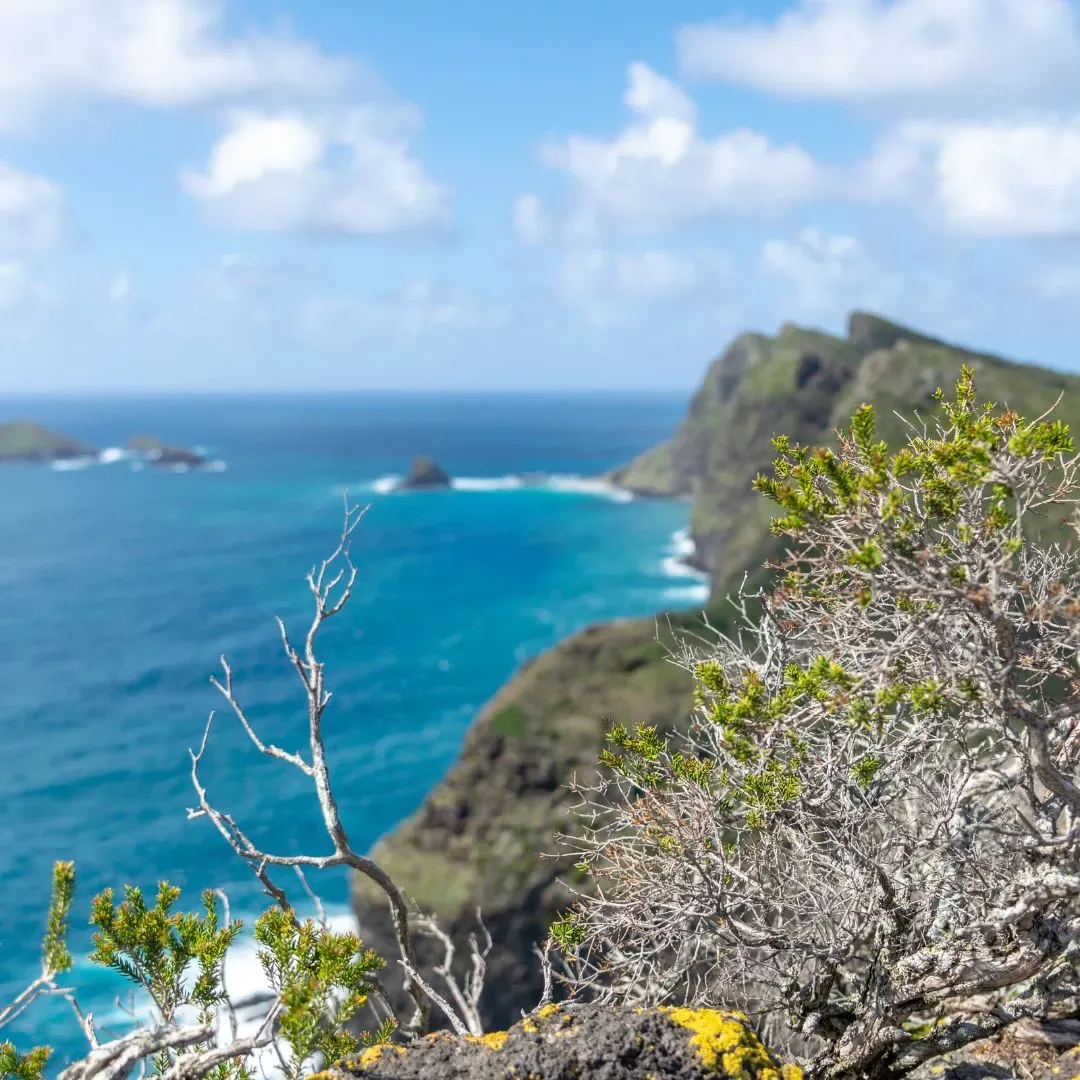
27. Lord Howe Island, New South Wales
Lord Howe Island in July and August is cool, quiet, and genuinely extraordinary. The island, a UNESCO World Heritage site, limits visitor numbers to 400 at any one time, which preserves an atmosphere of genuine remoteness despite its accessibility by a two-hour flight from Sydney. The lagoon, enclosed by the world's southernmost coral reef, offers snorkelling with incredibly diverse marine life, and the hiking trails to Mount Lidgbird and Mount Gower represent some of the most rewarding walks in Australia.

Staying Connected Across Australia
Australia is a large country and connectivity quality varies significantly between urban and remote areas. Major cities including Sydney, Melbourne, Brisbane, Perth, and Adelaide have excellent 4G and 5G coverage. Regional centres like Cairns, Darwin, and Hobart are well covered. Remote destinations including the Kimberley, Kakadu, and Uluru have limited coverage that varies by location and carrier.
For travellers moving between multiple Australian destinations, a Mobimatter Australia eSIM plan with nationwide coverage is the most practical approach. It removes the need to manage physical SIM cards across a long trip, works on any unlocked eSIM-compatible device, and can be purchased and installed before departure so connectivity is confirmed before landing.
Practical connectivity tips for Australia travel:
- Download offline Google Maps tiles for each destination before leaving urban areas
- Check coverage maps for specific remote routes before driving the Kimberley or outback roads
- Major national parks including Kakadu and Uluru have visitor centre WiFi that supplements mobile data
- Rental cars in remote areas increasingly come equipped with satellite communication devices for emergency use in coverage gaps
FAQ
What is the best time of year to visit Australia overall? July and August are among the best months for most of Australia, combining dry season access to the tropical north, comfortable temperatures in the outback, and clear winter weather in the southern cities. The exception is skiing in the Australian Alps, which also peaks in July and August, adding a further dimension to the winter travel calendar.
Is Australia expensive to travel in July and August? Australia sits in the mid to high range for international travel costs. Accommodation and dining in Sydney and Melbourne are comparable to major European cities. Regional destinations like the Kimberley and Kakadu can be expensive due to limited accommodation supply relative to demand during the dry season peak. Booking accommodation three to six months in advance for July and August travel is strongly recommended, particularly for popular destinations like the Whitsundays and Broome.
Do I need a visa to visit Australia? Most international visitors require either an Electronic Travel Authority (ETA) or a Tourist Visa (subclass 600) to enter Australia. Citizens of eligible countries can apply for an ETA through the Australian ETA app for a small processing fee. Always verify current entry requirements for your specific passport nationality through the Australian Department of Home Affairs website before booking.
Is it safe to swim at Australian beaches in July and August? Yes. July and August fall outside the box jellyfish and Irukandji stinger season that affects tropical Queensland beaches from November to May. Swimming at beaches in Queensland, New South Wales, Victoria, and Western Australia is generally safe in July and August. Always observe beach safety flags and swim between the red and yellow flags at patrolled beaches.
How do I get around Australia between destinations? Domestic flights are the most practical option for covering long distances between destinations. Qantas, Virgin Australia, Jetstar, and Rex operate extensive domestic networks. Car hire is essential for regional destinations including the Great Ocean Road, Margaret River, and the Blue Mountains. Four-wheel drive hire is required for the Kimberley and some areas of Kakadu.
Can I see the Northern Lights in Australia? Australia does not experience the Northern Lights (Aurora Borealis), but the Southern Lights (Aurora Australis) are occasionally visible from Tasmania, southern Victoria, and South Australia during periods of high solar activity. July and August can produce aurora sightings in Tasmania, and apps like SpaceWeatherLive provide real-time alerts for aurora activity.
What wildlife can I see in Australia in July and August? July and August offer exceptional wildlife viewing across multiple regions. Humpback whales are migrating along both the east and west coasts. Kakadu and the Kimberley offer extraordinary birdlife and crocodile sightings. Kangaroo Island delivers sea lions, koalas, and kangaroos. Ningaloo offers manta rays and the final weeks of whale shark season. The Red Centre provides wedge-tailed eagles, dingoes, and desert reptiles in accessible concentrations.
How many days do I need to see Australia properly? Australia rewards extended trips. A minimum of three weeks is needed to cover two or three regions meaningfully. Four to six weeks allows a genuinely comprehensive itinerary covering the east coast, the Red Centre, and Western Australia. Digital nomads and long-stay travellers frequently spend two to three months working remotely while travelling between regions, using the country's strong urban co-working infrastructure as a base between natural and regional destinations.
- Blog
- Places to Visit in Australia
- Australia Travel Guide
About the author
Travel & eSIM writer, MobiMatter
Writes MobiMatter's eSIM and destination guides since 2024, for travellers who want data from the moment they land. Before that, SEO consulting and nearly ten years in analytics at IBM.