15 Secret Beaches in Southeast Asia Worth Chasing in 2026
By Abhishek Aggarwal (Travel & eSIM writer, MobiMatter)
· · 9 min read
The world of travel is shifting. In 2026, something big is happening—travelers are finally abandoning the overcrowded, overpriced hotspots and heading toward the hidden gems that have been waiting all along.
The data doesn't lie. The Southeast Asia tourism market is projected to reach $39.52 billion in 2026, growing at an impressive CAGR of 11.27% through 2031 . But here's where it gets interesting—while tourist numbers are soaring, the crowds aren't spreading evenly. Bali, Phuket, and Bangkok have become so congested that a mass migration is underway toward what industry experts call "sleeper destinations" .
What does this mean for you? More beach for your buck, fewer selfie sticks in your frame, and the kind of authentic travel experiences that make you feel like you've discovered something special.
Let's be honest. Nobody wants to fight for a patch of sand. We've rounded up 15 secret beaches across Vietnam, Thailand, and the Philippines that are still flying under the radar in 2026. And to make sure you can share your discoveries in real-time without that dreaded "loading" wheel, we'll show you why a travel eSIM is the savvy traveler's secret weapon.
Vietnam: The Rising Star of Affordable Beach Paradise
Vietnam is having a moment. With affordable living costs, untouched coastlines, and visa policies that keep getting better, it's the destination smart travelers are eyeing. Mid-range travelers can live comfortably on $40–50 per day, making it one of the most inflation-resistant travel options in 2026.
1. Ky Co Beach, Quy Nhon – Vietnam's Answer to the Maldives
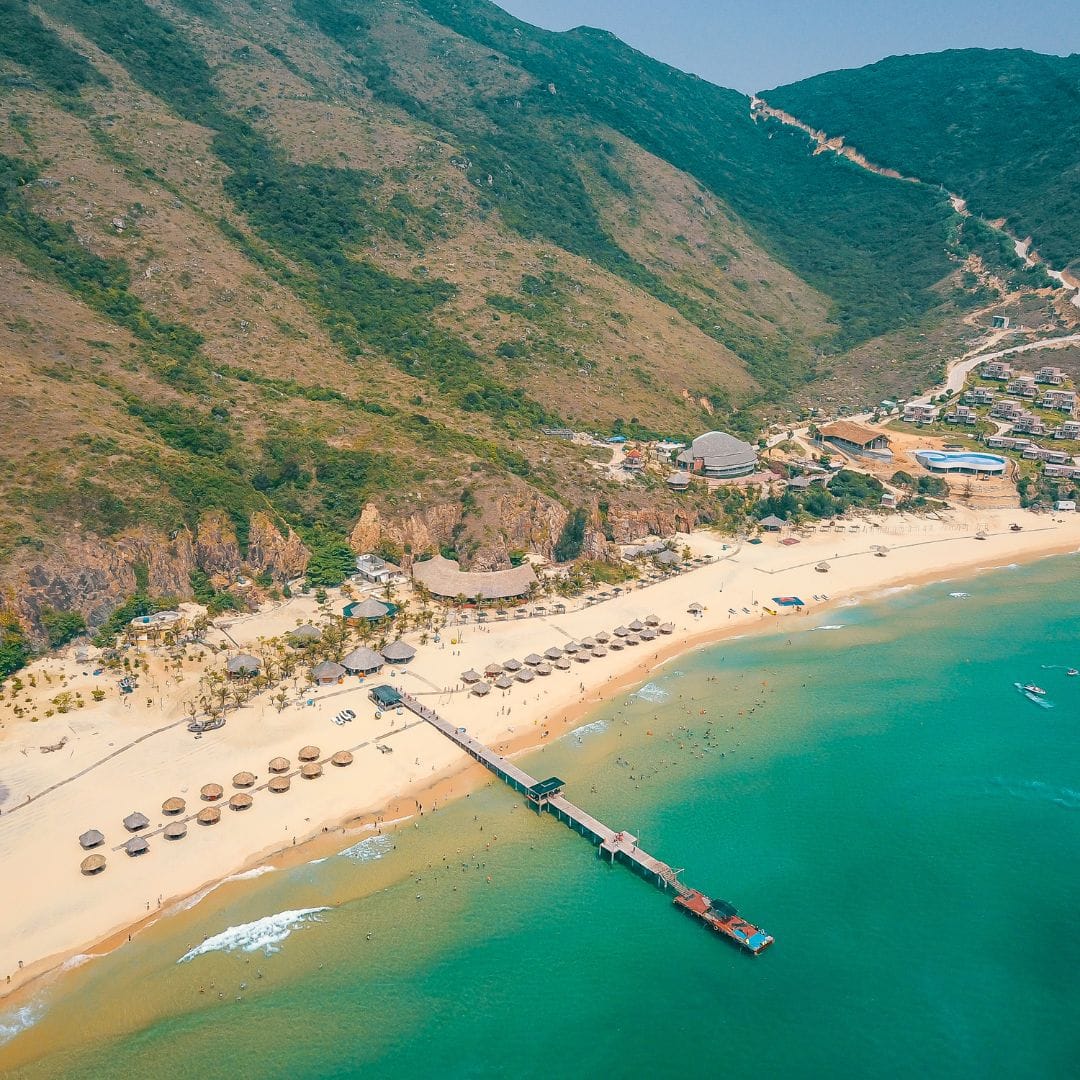
Why it's a secret: Just 25 kilometers from Quy Nhon city center lies a strip of sand so pristine it's been dubbed the "Maldives of Vietnam". The turquoise water, white sand, and dramatic limestone cliffs create a scene that belongs on postcards, not Instagram feeds clogged with tourists.
What to do: Swimming, snorkeling, and exploring hidden caves. The water is so clear you can spot marine life meters away . Take a boat from Nhon Ly port (first departures around 7:30 AM) to beat the small crowds that do show up.
Insider tip: Climb the rocks on the left side of the beach for sweeping panoramic views. The golden hour light before 9 AM is absolute magic. And get an eSIM for Vietnam from our website to stay connected.
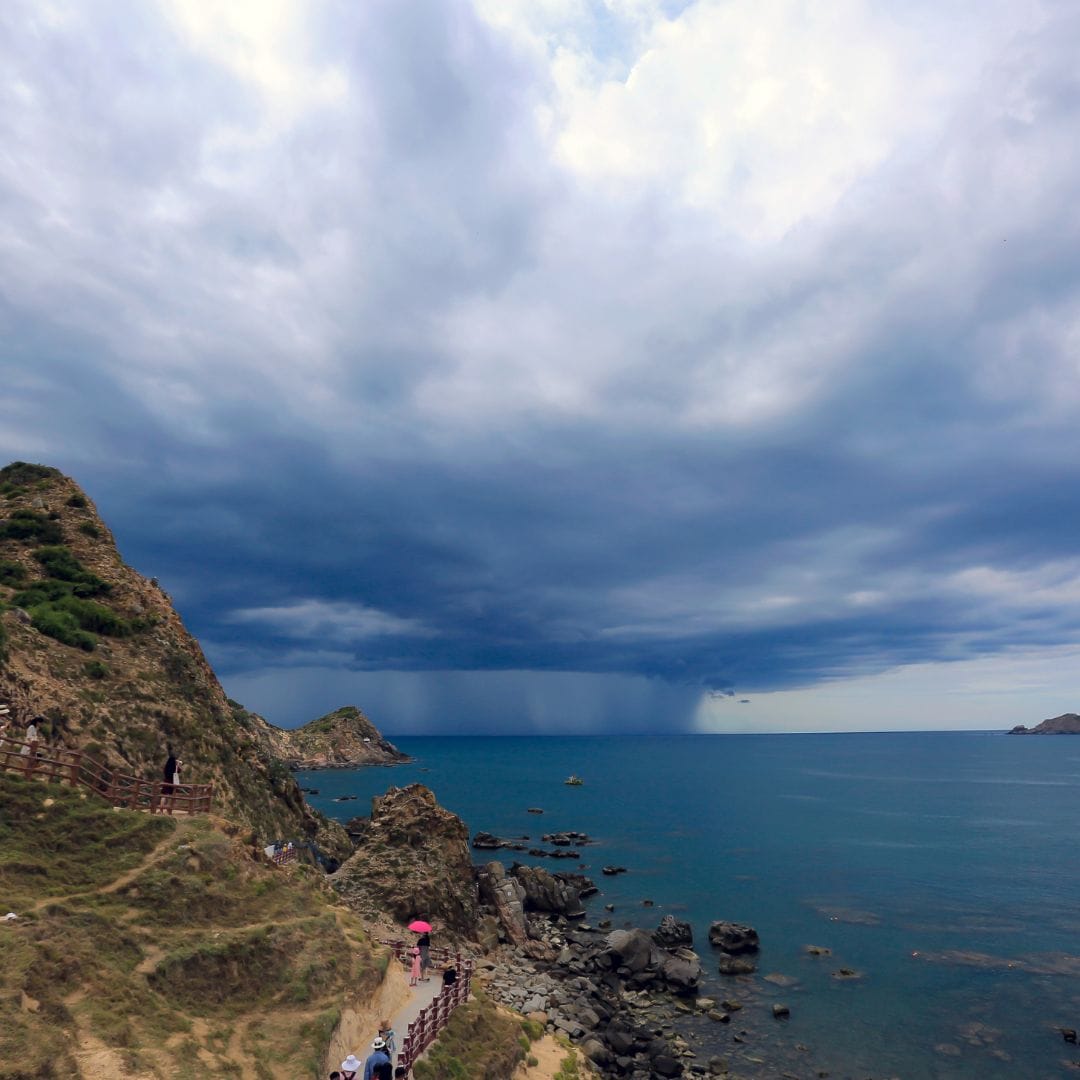
2. Eo Gio Cape and Cliffs – Dramatic Scenery Without the Drama
Why it's a secret: Connected to Ky Co by a short boat ride, this coastal wonder features towering cliffs, wind-swept rock formations, and a crescent bay where waves crash dramatically against the shore. Many consider it even more scenic than Ky Co—and it's far less visited.
What to do: Hike along cliffside trails, photograph the rugged coastline, and watch the sunset from what locals say is the best vantage point in the region.
Insider tip: The wind can be intense, so bring a light jacket. Non-slip shoes are recommended for navigating the cliff paths.
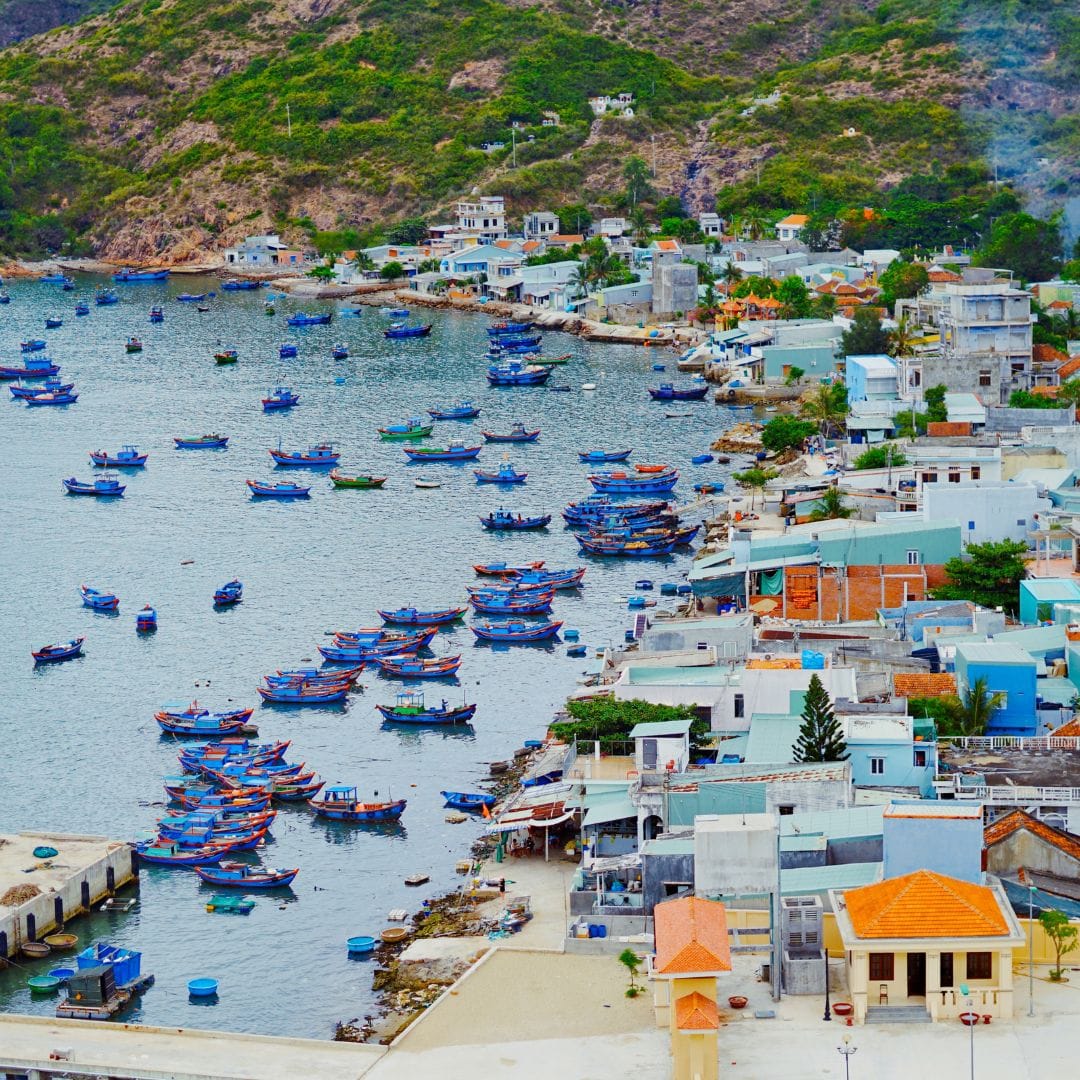
3. Quy Nhon City Beach – Local Life at Its Best
Why it's a secret: While tourists flock to Da Nang and Nha Trang, Quy Nhon's city beach remains a local hangout . It's the perfect spot to experience authentic Vietnamese coastal life without the resort chaos.
What to do: Evening walks along the palm-lined promenade, sampling street food from local vendors, and people-watching as locals exercise, skate, and relax at sunset.
Insider tip: Skip the mainstream tours and hire a scooter to explore hidden stretches between Ky Co and Eo Gio. Just make sure your eSIM Vietnam has you covered with fast data for navigation and sharing your discoveries.
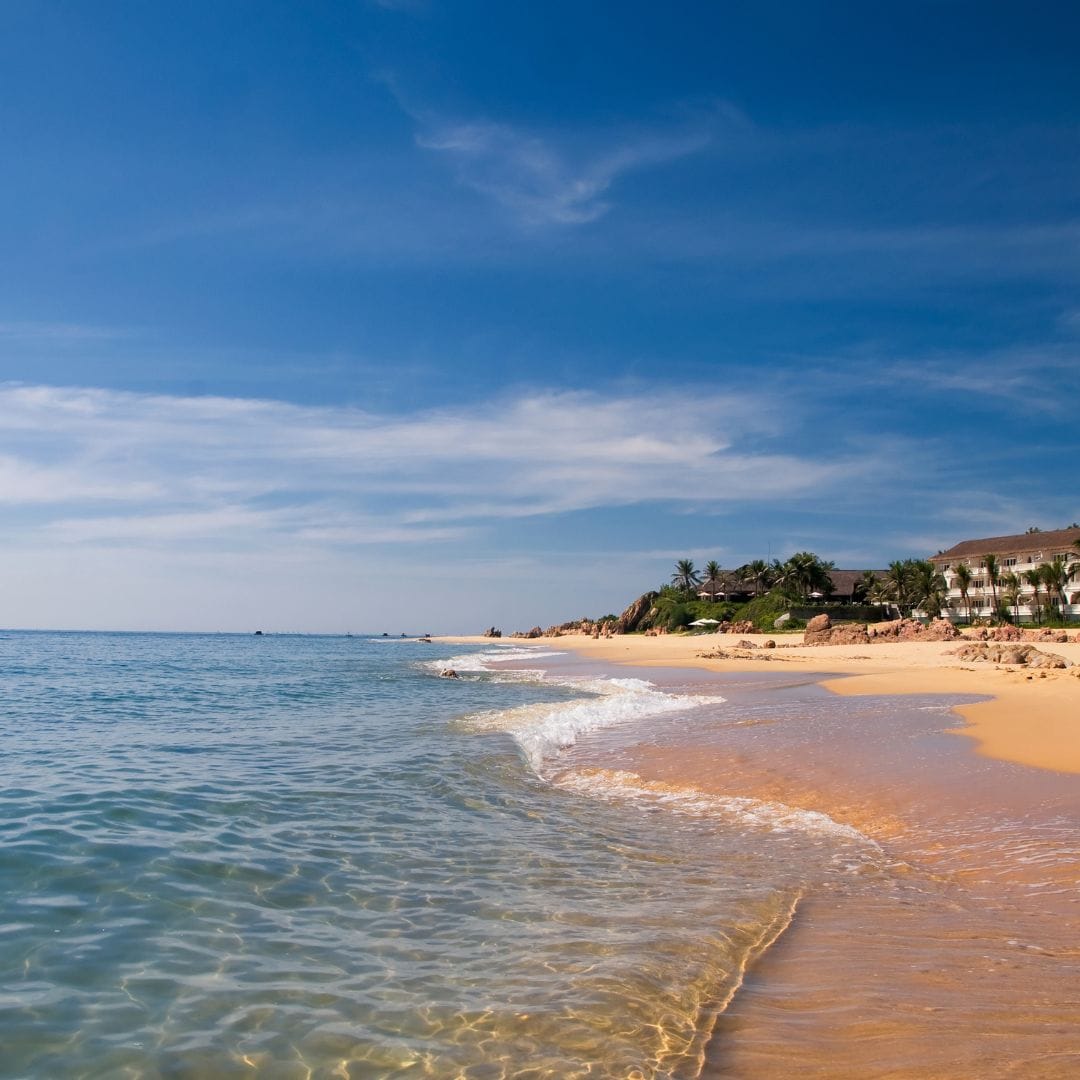
4. Bai Xep Beach – A Serene Crescent
Why it's a secret: Just 10-13 kilometers south of Quy Nhon, this golden-sand crescent sits in a lively fishing village. It's perfectly quiet during weekdays.
What to do: Swimming and exploring village life. The calm waters make it perfect for families and those seeking a relaxing day.
5. Nhon Hai Beach – Authentic and Untouched
Why it's a secret: Peaceful golden sand with calm waters. No resorts, no crowds—just local vibes and genuine Vietnamese hospitality.
What to do: Watch local fishermen bring in their daily catch and enjoy seafood so fresh it was swimming hours before.
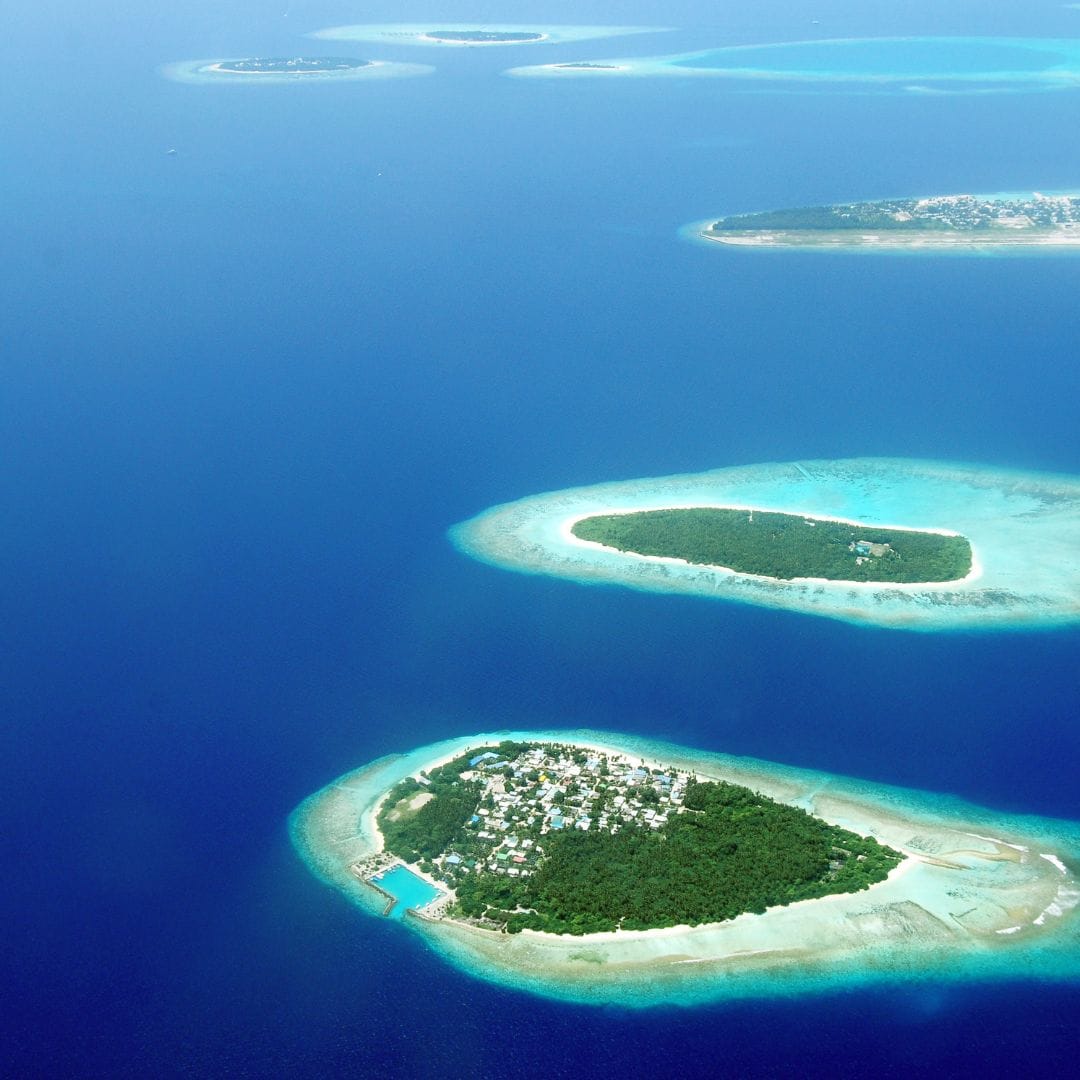
6. Con Dao Islands – Remote and Powerful
Why it's a secret: Off Vietnam's southern coast lies an archipelago that remains one of Southeast Asia's most underrated destinations. The beaches here are long, clean, and often completely empty.
What to do: Backed by forested hills and facing the open ocean, these beaches carry a quiet energy that's both peaceful and powerful . This is where you go to truly disconnect.
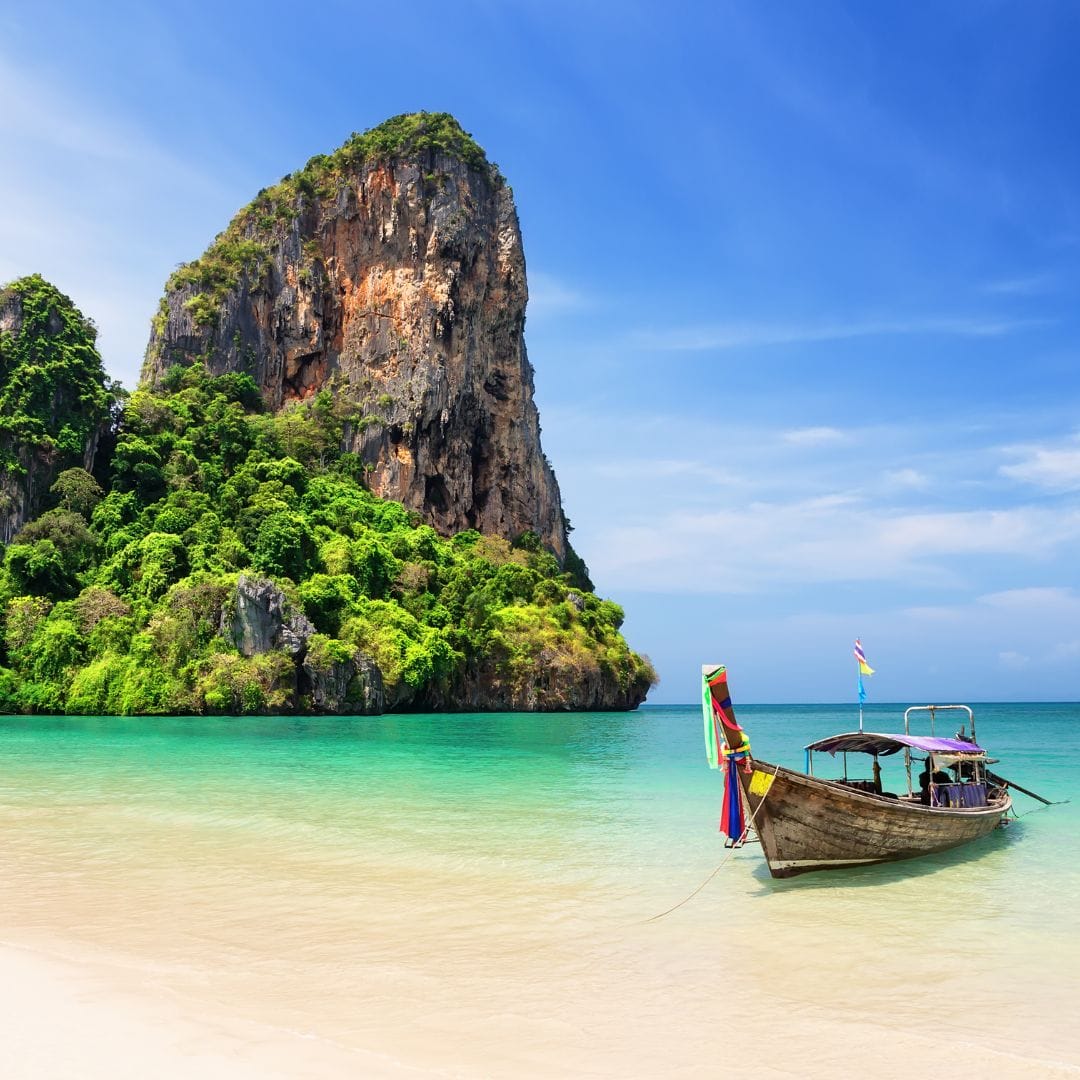
Thailand: Beyond the Full Moon and the Crowds
Thailand's beaches are legendary, but the famous ones have become a victim of their own success. The 2026 trend? Moving toward Koh Samui's hidden coves and quieter shores .
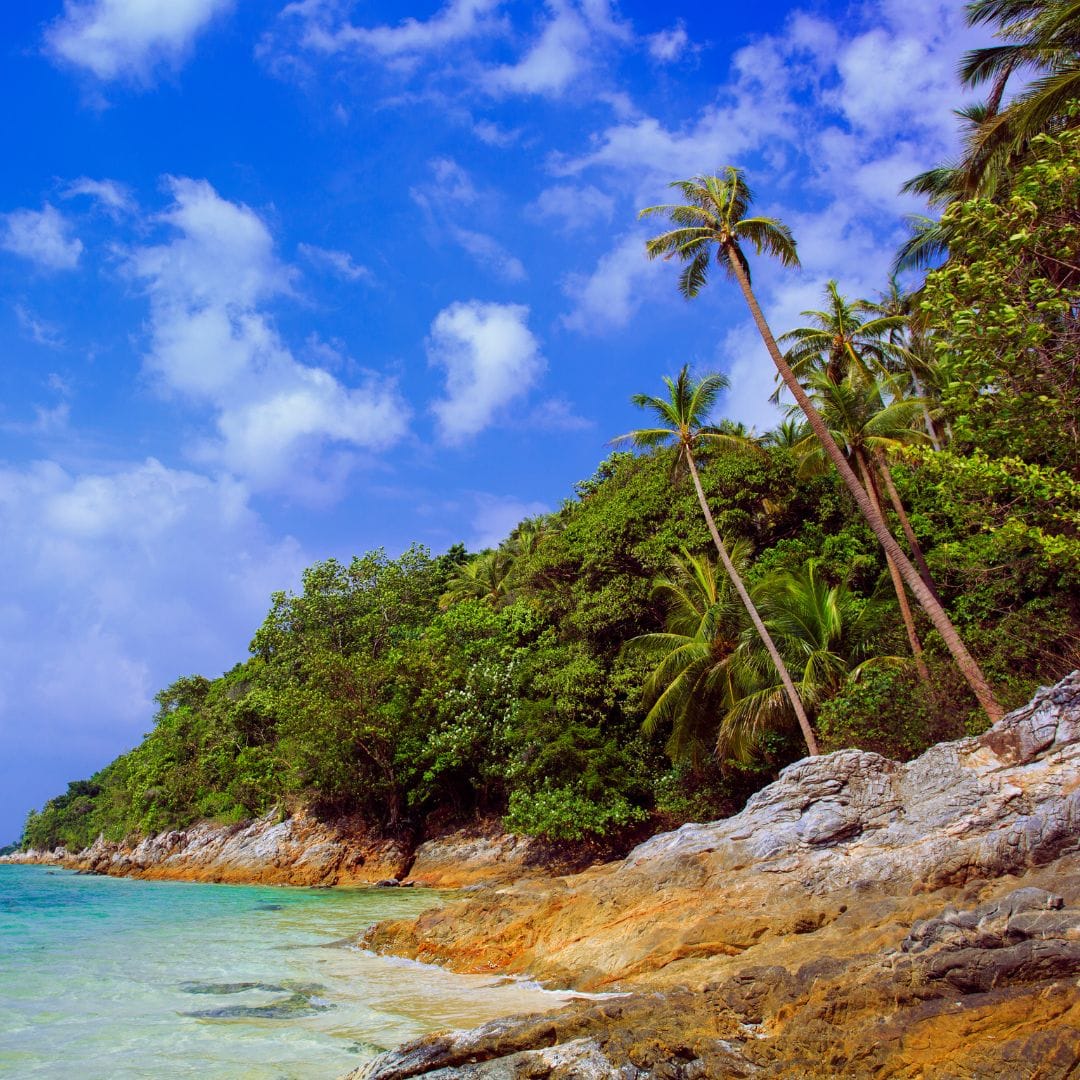
7. Taling Ngam Beach, Koh Samui – The Island's Gentlest Corner
Why it's a secret: Taling Ngam sits on Koh Samui's southwest coast, roughly 40-60 minutes from the chaos of Chaweng. No loud beach bars, no sunbed hawkers—just the sound of palm fronds whispering and waves folding in softly.
What to do: Walk barefoot, hunt for shells at low tide, and watch longtails stack colors like paint on the horizon. Local families and slow tuk-tuks set the pace.
Insider tip: Visit late afternoon when the light turns cinematic and the breeze feels friendlier. Pack a reusable water bottle and a sarong for shade—shops are limited here. To stay connected, check out our best-selling Thailand eSIM plan. You can also browse other eSIM plans and choose the one that fits your data needs.
8. Koh Rap West Beach – Your Own Private Island
Why it's a secret: About 20 minutes by longtail from Thong Krut lies Koh Rap, an uninhabited island where a crescent of white sand awaits. With no structures, no facilities, and usually no other visitors, this is as close to a private island experience as you'll find near Koh Samui.
What to do: Swimming and snorkeling in warm, shallow, turquoise water.
Insider tip: Book a private longtail charter for your group (up to 10 people) to explore multiple beaches at your own pace. Early departures before 9 AM mean maximum privacy.
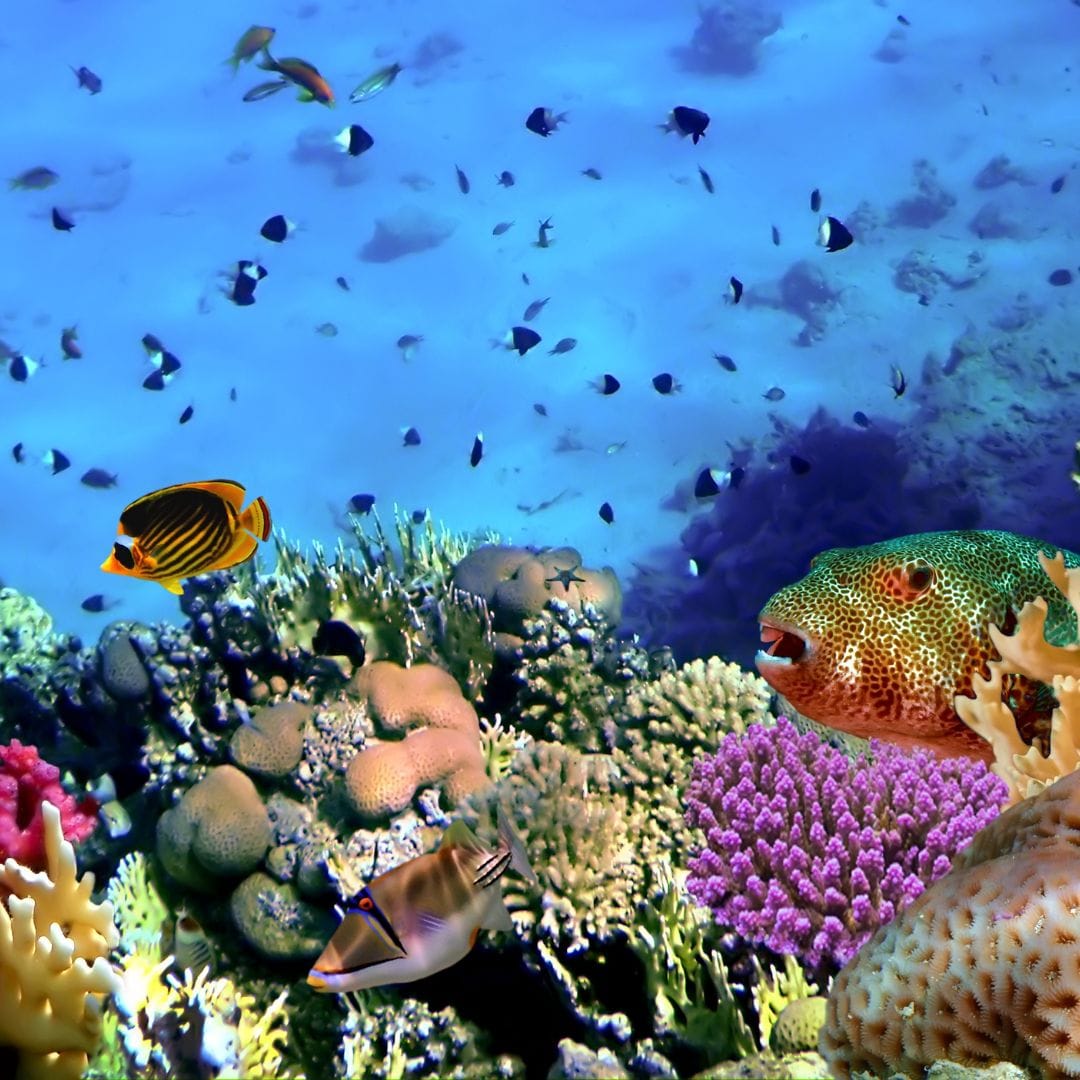
9. Koh Tan Coral Beach – World-Class Snorkeling
Why it's a secret: Just 15 minutes by longtail from Koh Samui's south coast, Koh Tan offers a narrow strip of white sand backed by coconut palms. The coral formations start just meters from the beach.
What to do: Exceptional snorkeling directly offshore. The corals are pristine and teeming with colorful fish.
Insider tip: Bring reef-safe sunscreen. These delicate marine environments depend on it—chemical sunscreens damage coral.
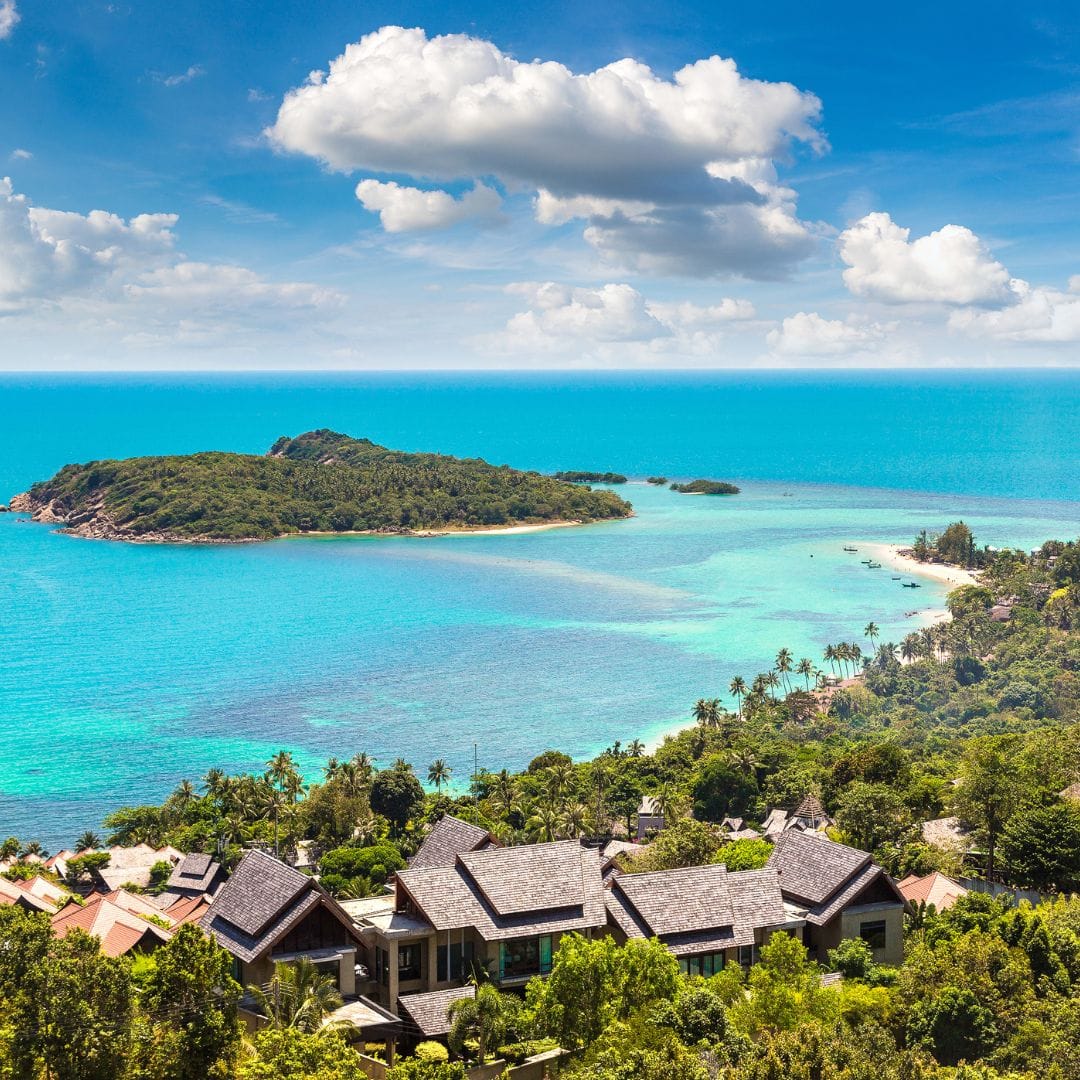
10. Koh Madsum (Pig Island) – Yes, Swimming Pigs
Why it's a secret: Made famous by its resident swimming pigs, Koh Madsum has a long, gentle beach with powder-fine sand and shallow water that stretches far out. Beyond the photogenic pigs, the beach itself is stunning.
What to do: Family-friendly swimming and pig-spotting. The calm, shallow water makes it perfect for young children.
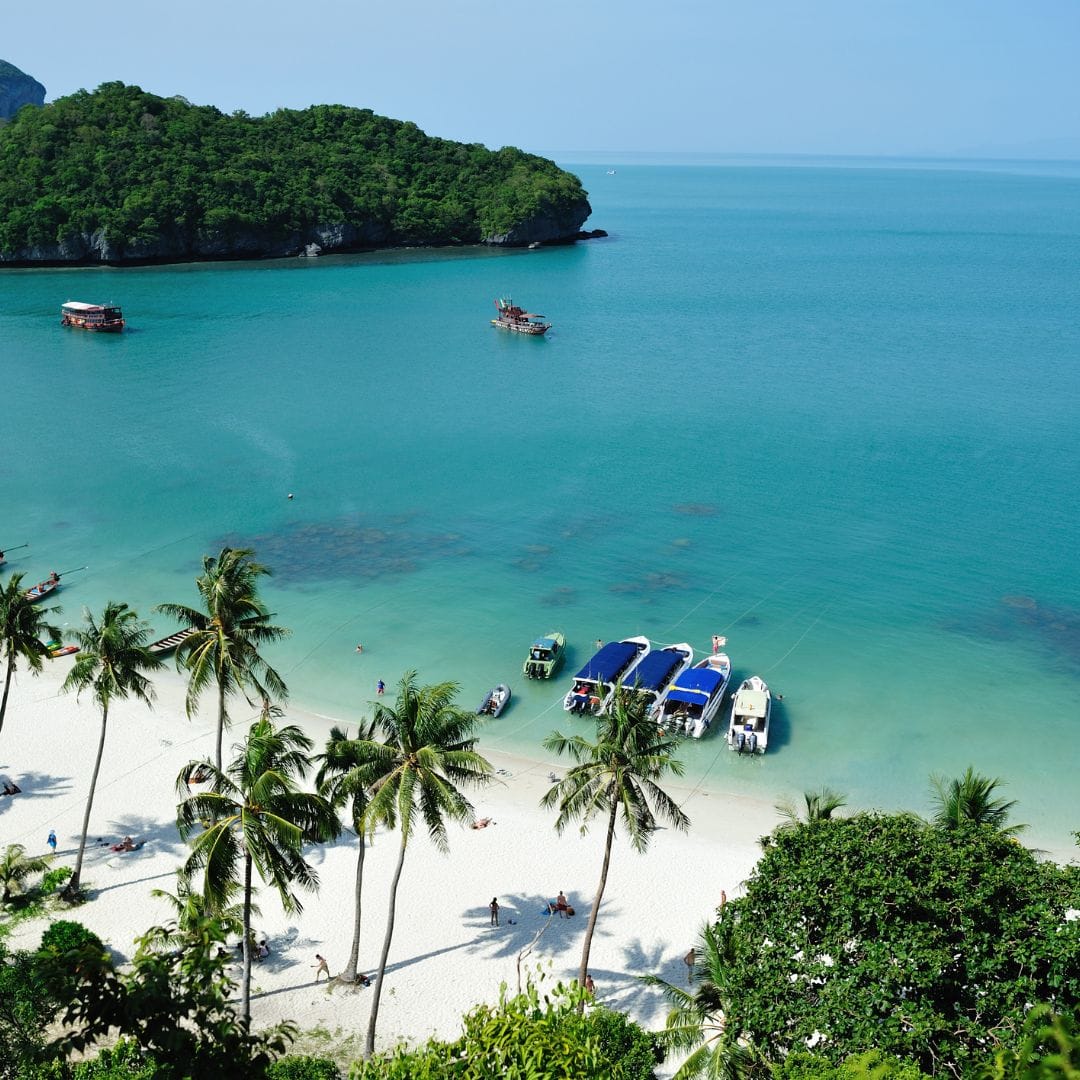
11. Ang Thong Park Beaches – Protected Paradise
Why it's a secret: The 42 islands of Ang Thong National Marine Park contain dozens of untouched beaches, most seeing only a handful of visitors daily. The blindingly white sand and crystal-clear water are backed by dramatic limestone cliffs.
What to do: Kayak to tiny crescent beaches nestled in cliff-walled coves that speedboats can't access. Some beaches are just 10 meters wide, offering a level of seclusion almost impossible to find elsewhere in Thailand.
Insider tip: Pack everything you need—no shops, no toilets, no shade structures. And take your trash with you. Leave nothing behind.
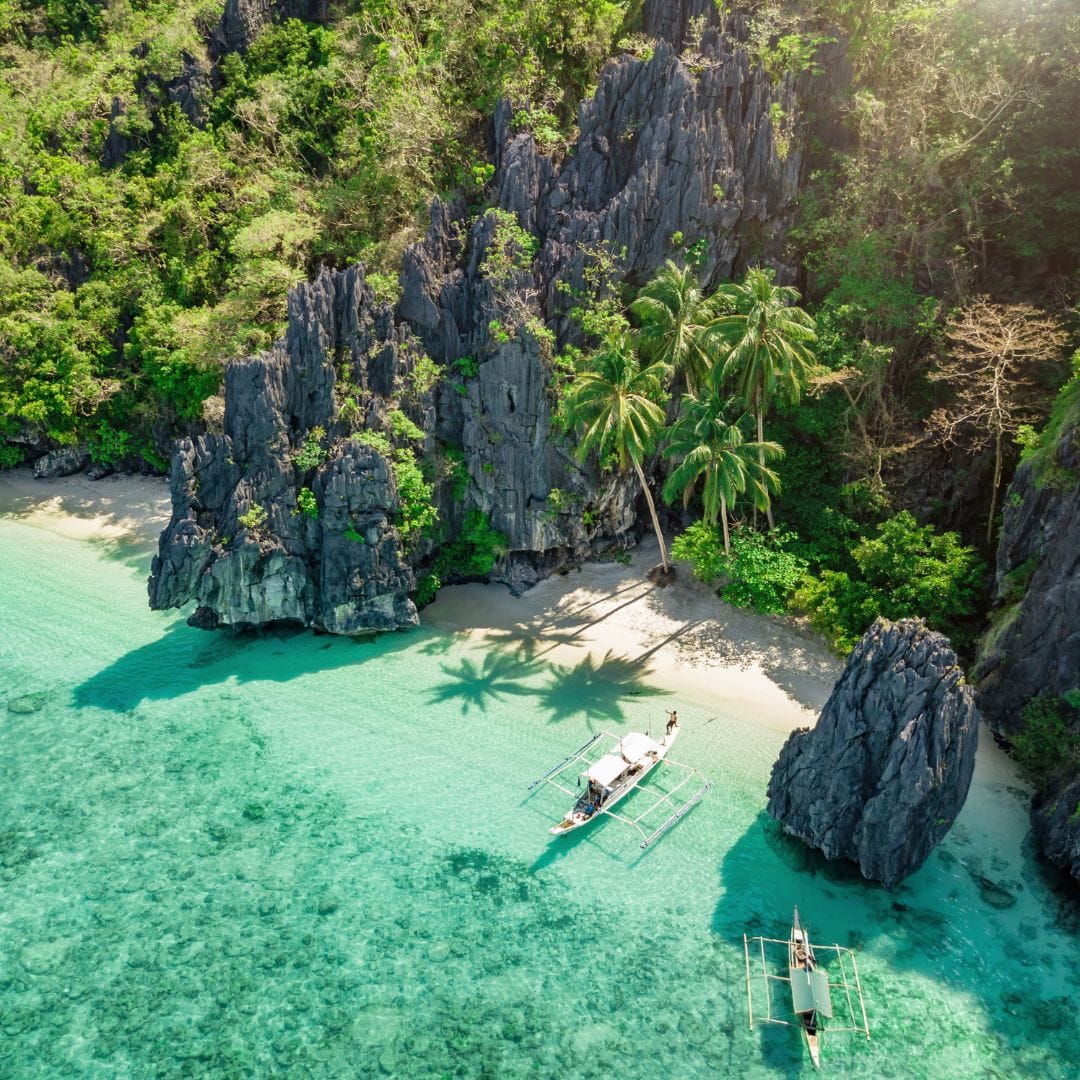
The Philippines: Cebu's Hidden Coastlines
While Palawan and Boracay dominate tourism narratives, Cebu has quietly become a hub for adventure travelers and island enthusiasts seeking raw natural beauty and affordability .
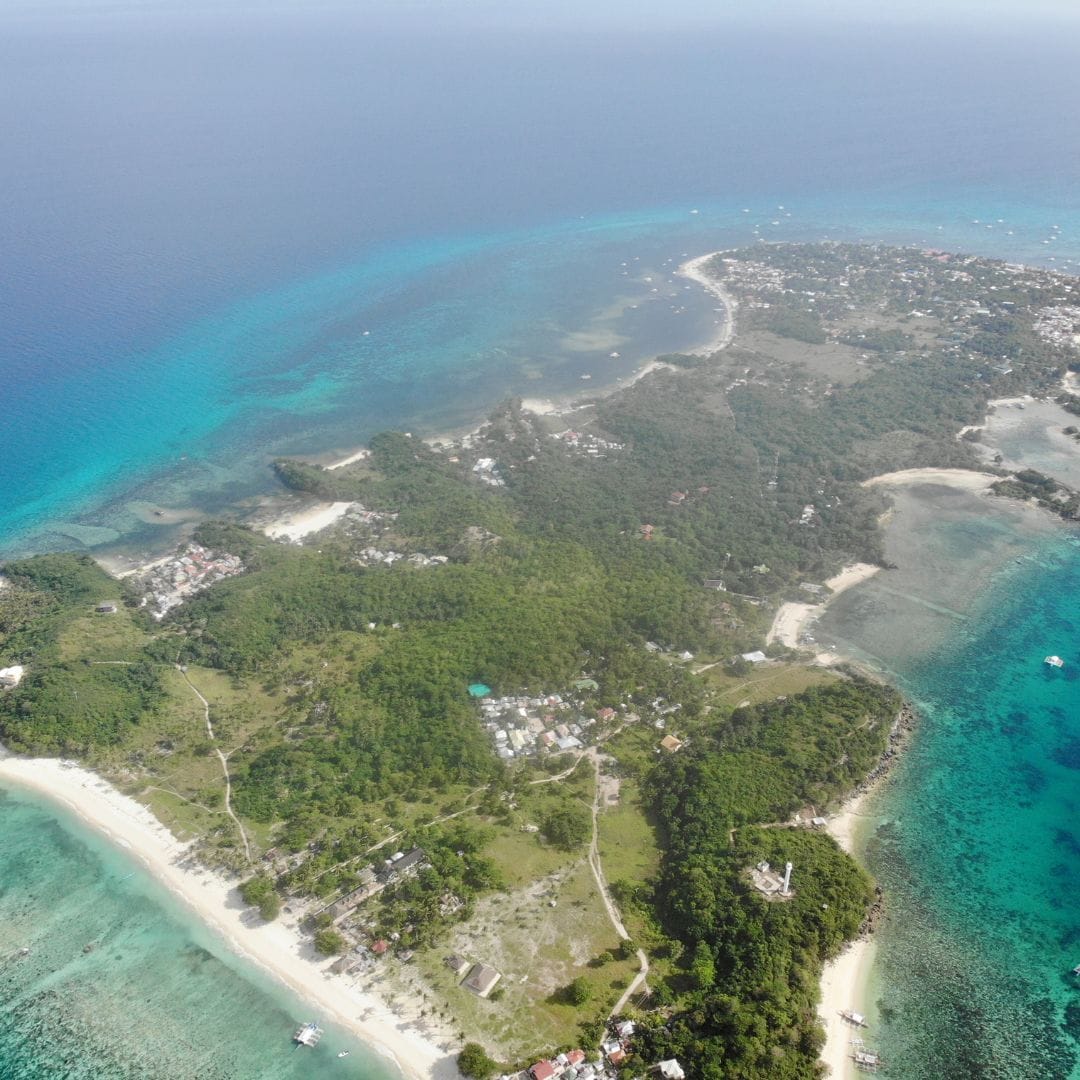
12. Malapascua Island – Quieter Than Boracay
Why it's a secret: This small, tranquil island off Cebu's northern coast is seen as a less commercially developed version of Boracay—but with the same white fine sand, mesmerizing sunsets, and friendly locals.
What to do: World-class diving to see thresher sharks in the early morning, snorkeling in crystal-clear waters, and simply unwinding at beach bars as the sun sets.
Insider tip: The island is small enough to walk around entirely. Stay for a few days and you'll never want to leave.
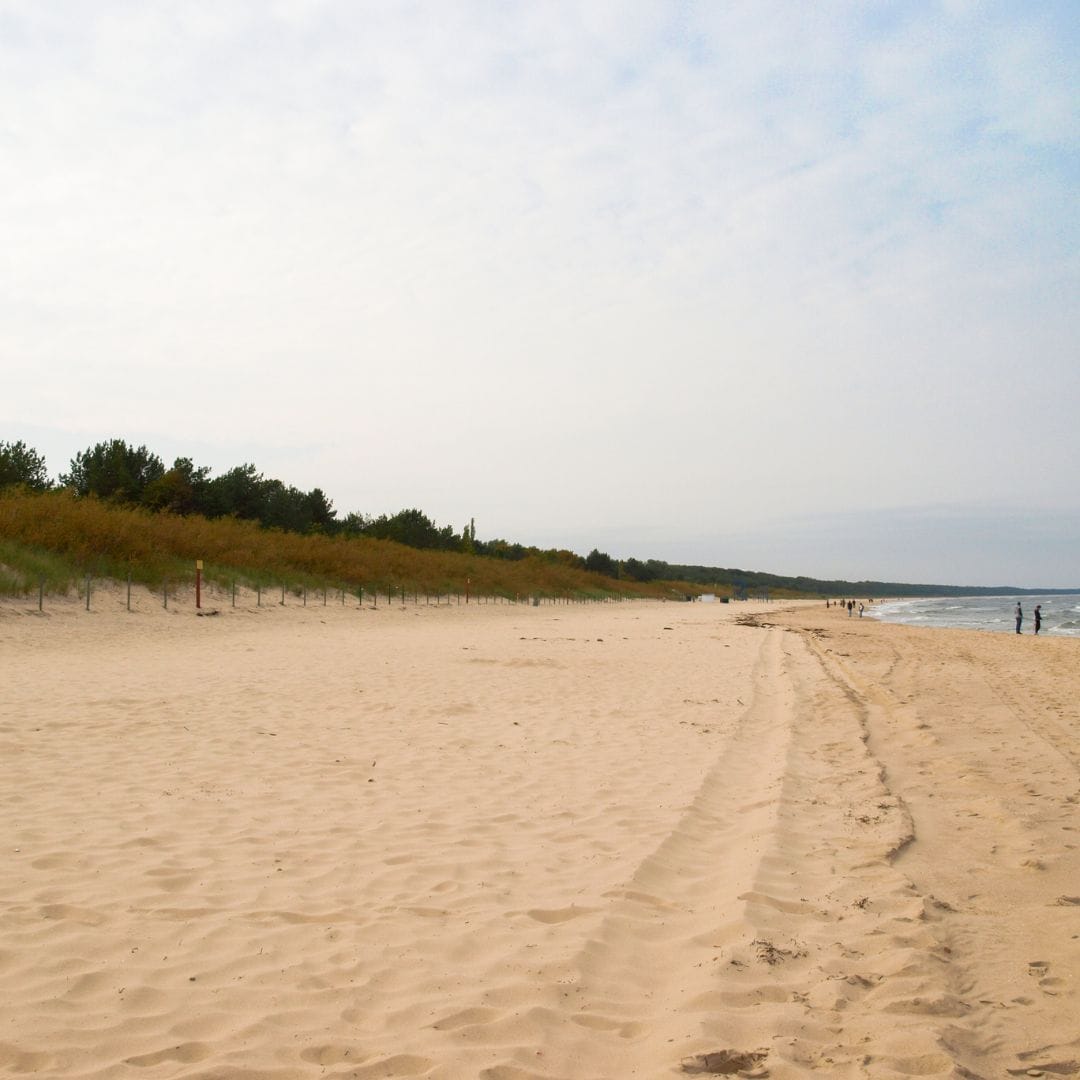
13. Tingko Beach, Alcoy – Family-Friendly Shallow Waters
Why it's a secret: Families will appreciate the shallow waters and white sands of Tingko Beach. Small cottages and local eateries line the shore, making it convenient to spend the whole day.
What to do: Snorkeling to reveal colorful fish near the shallow reefs—a hidden treat for those willing to explore off the shore.
Insider tip: Visit during the dry season, November to May, when the water is calm and crystal clear.
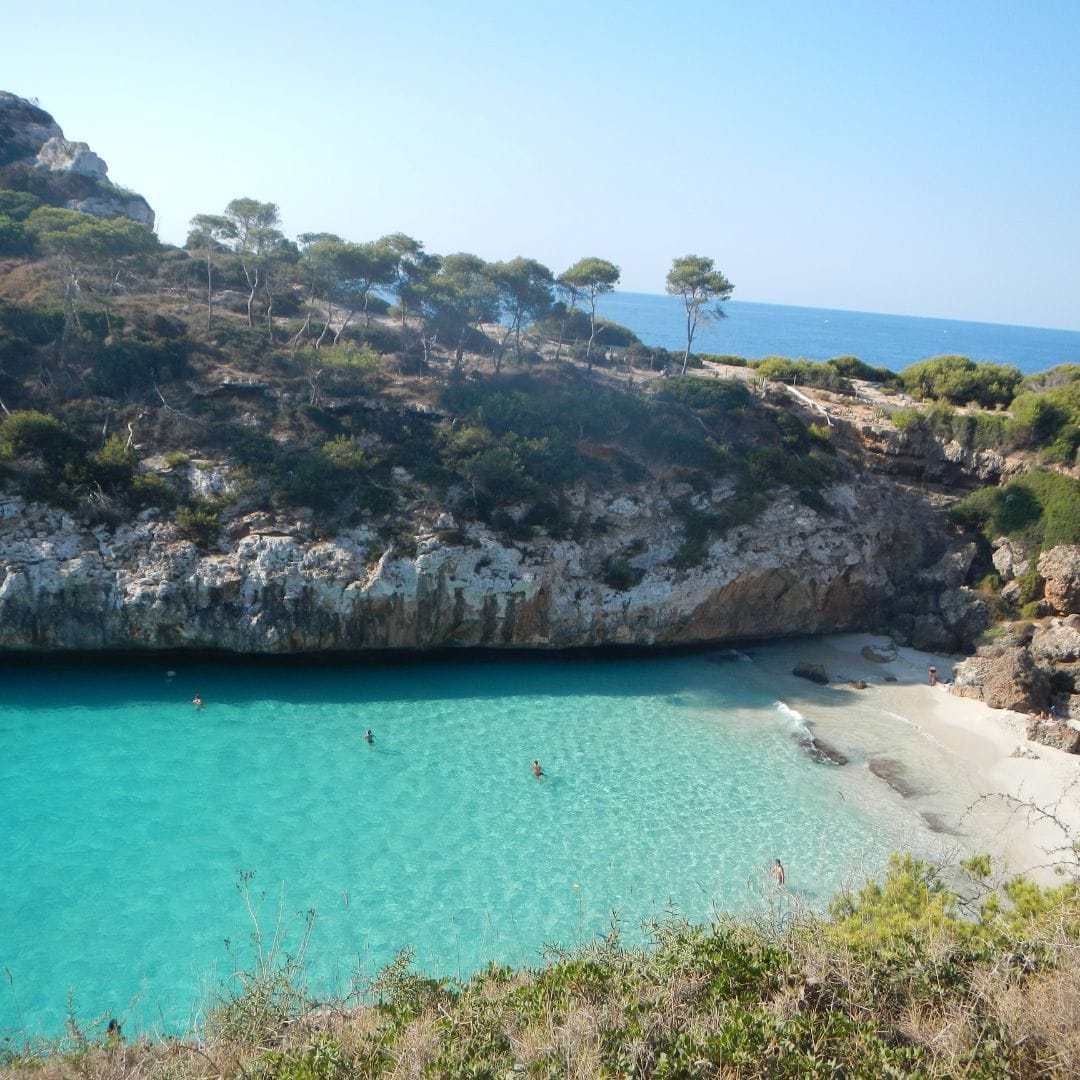
14. Mactan Hidden Coves – Off-the-Resort Beaches
Why it's a secret: Mactan Island isn't just for resorts. Small coves dot its coast, accessible by tricycle or a short boat ride.
What to do: Low-cost snorkeling, paddleboarding, and eating fresh seafood from local fishermen sold right on the beach.
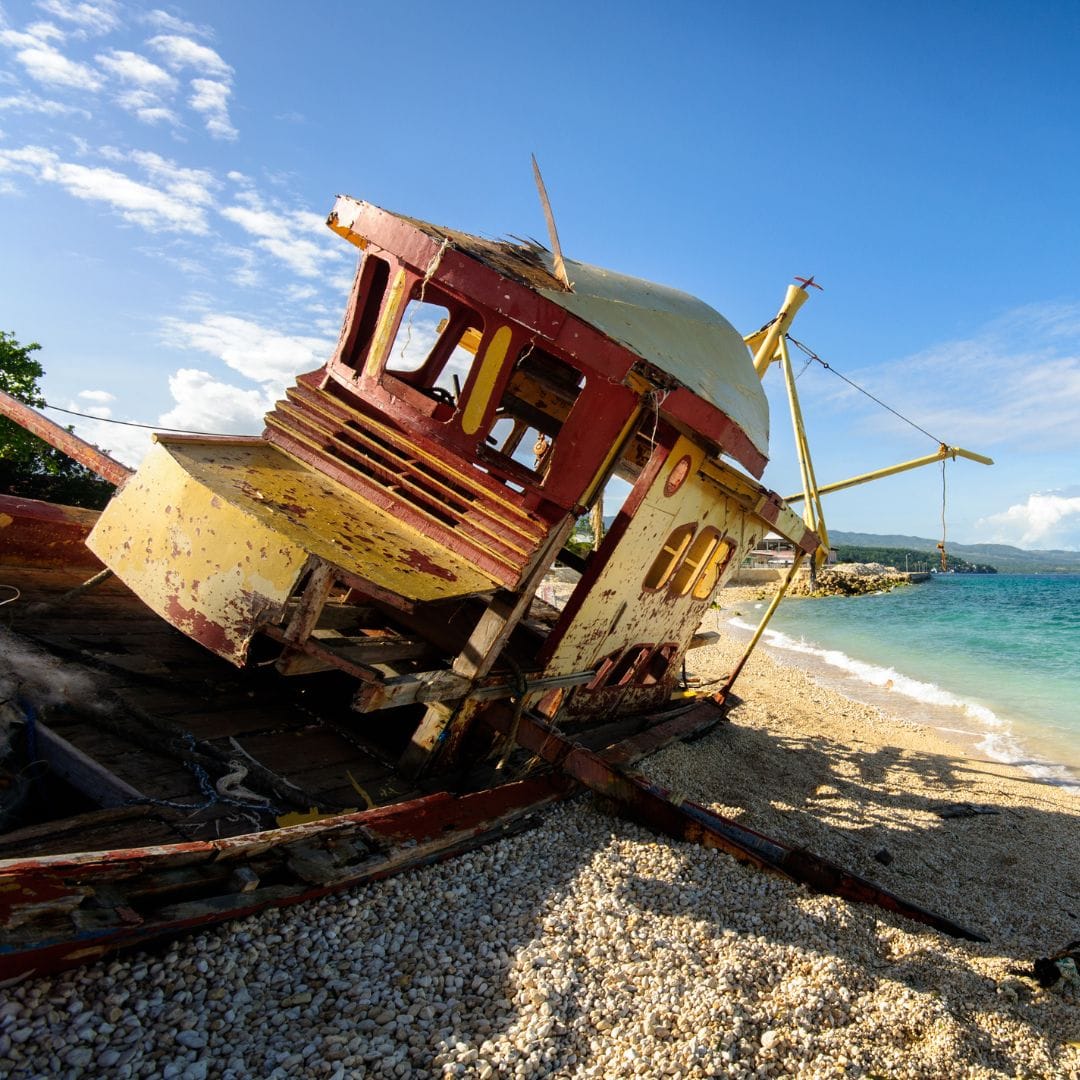
15. Matutinao Beach, Dalaguete – Remote and Serene
Why it's a secret: Matutinao offers a remote beach experience with clear waters and gentle waves—perfect for unwinding or a quiet picnic.
What to do: Combine a beach day with nearby hiking trails in Dalaguete for a full nature escape.
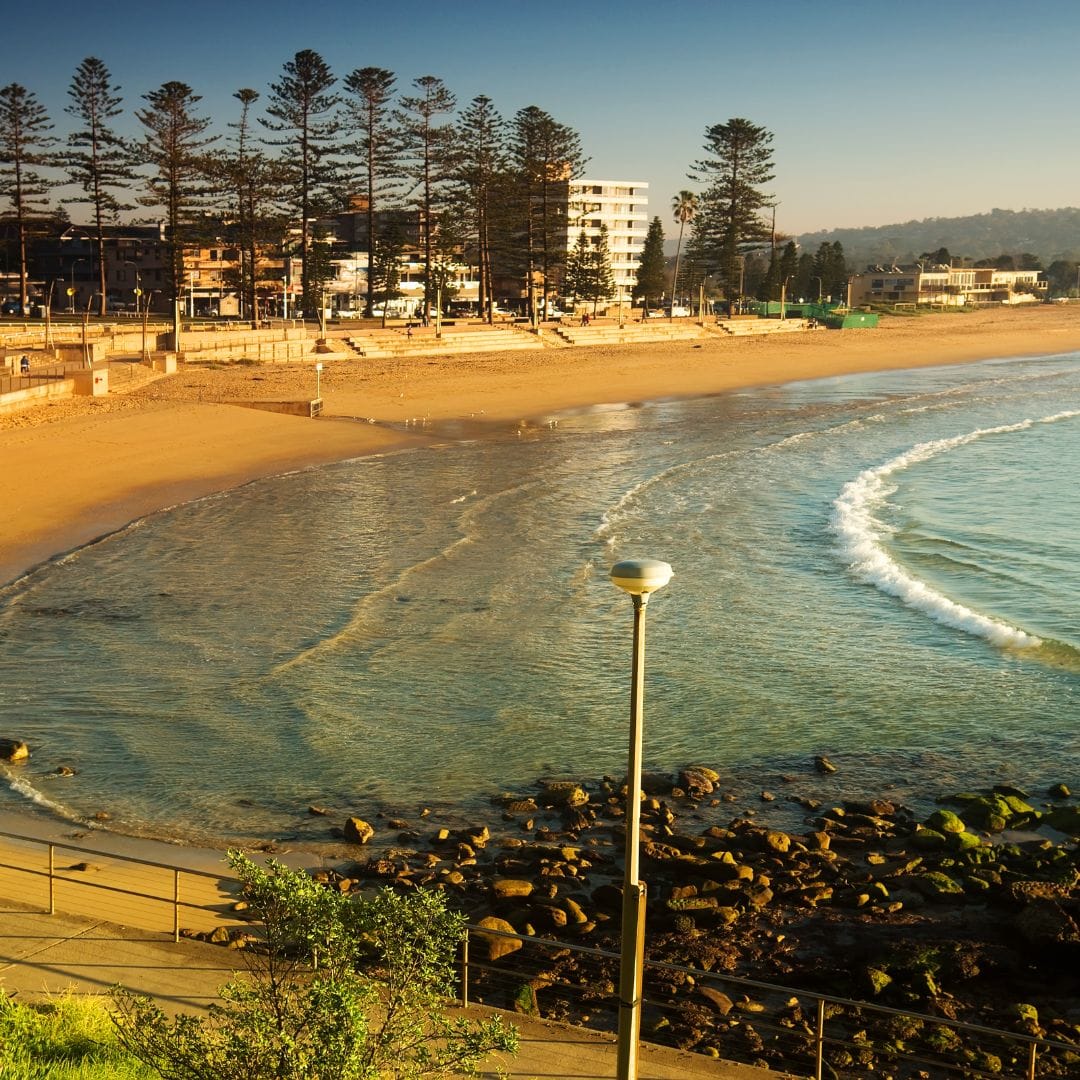
The 2026 Shift: Why These Beaches Are Calling
The Southeast Asia tourism landscape is transforming. Here's what's driving the shift:
Affordability: Traditional hotspots have become increasingly expensive. In contrast, Vietnam allows mid-range travelers to live comfortably on $40–$50 per day, while Cebu offers some of Southeast Asia's most affordable island-hopping .
Crowd-Avoidance: The migration toward "sleeper destinations" is real . Travelers are seeking the same tropical charm without the congestion.
Digital Nomad Infrastructure: Emerging destinations now offer high-quality internet, coworking spaces, and long-stay options . This is where your eSIMs come in.

Stay Connected: Your Beachside Tech Companion
Here's the thing about chasing secret beaches: the best ones often have patchy Wi-Fi. But that doesn't mean you should go offline entirely.
When you're navigating winding coastal roads, translating menus with a local fisherman, or streaming that stunning sunset to jealous friends back home, reliable connectivity is essential. A traditional SIM card is a hassle; finding a store, dealing with language barriers, swapping cards.
The smart move: A travel eSIM gives you instant, lag-free connectivity the moment you land. Need Vietnam-specific coverage? A dedicated eSIM Vietnam plan ensures crisp, fast data for GPS navigation, translation apps, and content sharing without the roaming fees.
Think of it as your digital compass; essential for finding those hidden coves and ensuring your "I found paradise" post uploads before the sun dips below the horizon. eSIM technology is changing how we travel. No physical card, no activation headaches; just seamless connectivity across borders.
Final Thoughts
Southeast Asia in 2026 is a different beast than it was five years ago. The overcrowding has reached a tipping point, and travelers are finally voting with their feet. The secret beaches listed here represent a new way to experience this incredible region—one that values authenticity over Instagram fame, connection over crowds, and genuine discovery over checklists.
The beaches are waiting. The water is warm. And the crowds? They're still fighting for towels in Bali. Pack light, download your eSIM, and go find your slice of paradise before everyone else does.
- Blog
- vietnam hidden beaches 2026
- alternative destinations to Bali
- cheap summer beach vacations Asia
About the author
Travel & eSIM writer, MobiMatter
Writes MobiMatter's eSIM and destination guides since 2024, for travellers who want data from the moment they land. Before that, SEO consulting and nearly ten years in analytics at IBM.