The Autumn Remote Work Reset: Top 15 Digital Nomad Hotspots for 2026

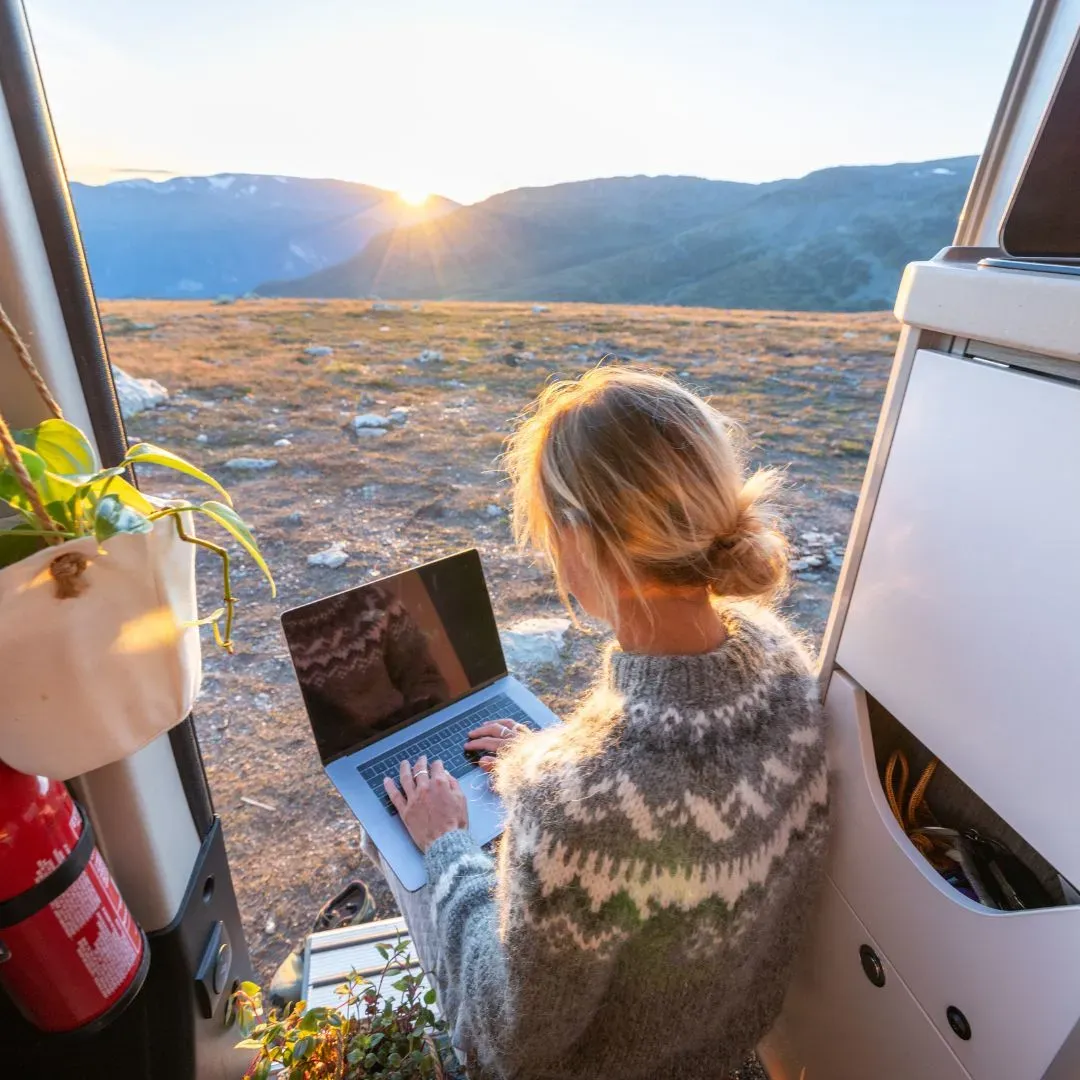
I. Why October is the Unofficial New Year for Remote Workers
September and October functions as a reset point for remote workers because summer travel, school calendars, and Q3 work deadlines all clear out at once, freeing people to commit to a new base for the final stretch of the year. Over 40 million people now identify as digital nomads worldwide, a figure compiled from aggregated 2026 industry tracking data that pulls from Nomads.com, DemandSage, MBO Partners, and Nomad List, and a large share of that group deliberately times its move for the September to November window rather than spreading relocations evenly across the year. That clustering isn't random. It reflects how deeply the digital nomad lifestyle has moved from a niche experiment into a mainstream career choice, one with its own predictable seasonal rhythm that mirrors the traditional academic and fiscal calendar most relocating workers grew up with.
Three forces converge in autumn specifically, and understanding all three helps explain why this particular month, rather than January or June, has become the de facto relocation season. First, shoulder-season pricing drops across nearly every hub on this list once the July-August tourist peak ends, so rent, flights, and coworking memberships all get cheaper at roughly the same time, which stretches a relocation budget further than moving during peak summer ever could.
Second, more than 60 countries now run a formal digital nomad or remote-work visa program, and many applicants deliberately time their move to start a fresh 12-month residency clock before the calendar year turns over, since starting in autumn means the visa's first renewal deadline lands at a calmer point in the following year rather than colliding with the busiest travel season. Third, quarter four is when most companies finalize next year's remote-work policy, so relocating workers want to settle into a stable routine, a working sleep schedule, and a reliable time zone overlap before performance reviews and annual planning season begin in earnest.
The profile of the average nomad has also shifted enough in recent years to change how this entire list should be read and applied. Industry surveys from 2026 put the typical digital nomad at around 36 years old, college educated, and earning well above the median income in their home country, which means the autumn relocation wave is no longer dominated by entry-level freelancers testing the waters with a backpack and a laptop. It's increasingly employed professionals with a company laptop, a fixed reporting schedule, direct reports of their own, and effectively zero tolerance for a connection that drops mid-call during a client presentation or a performance review. That shift is exactly why this guide weighs internet reliability as heavily as rent when ranking each destination below, rather than treating connectivity as an afterthought the way older nomad guides tended to.
Compare eSIMs for 200+ destinations and find the best data plan for your trip.
GET YOUR ESIM HERE →
II. Destination Breakdown: The 2026 Shortlist
Each of the eight destinations below made this year's shortlist for a specific, defensible reason: cost, visa access, internet infrastructure, or a fast-growing coworking scene that's attracting a critical mass of other remote workers. None of these cities is the objectively "best" one, since the right answer depends entirely on your income structure, your client time zones, and how much you're willing to trade lower cost for slower internet or a less established community. The quick-reference table below gives you the raw numbers side by side; the write-ups underneath explain who each city actually suits and where the trade-offs bite hardest.
Southeast Asia: Da Nang, Chiang Mai, Bali

Southeast Asia still offers the strongest combination of low cost and fast internet of any region covered in this guide, which is exactly why it holds three of the eight core spots on the shortlist rather than the usual one or two. Da Nang has quietly overtaken Ho Chi Minh City for nomads who want beach access, a genuinely walkable city center, and rent well under $1,000 a month, all backed by a 90-day e-visa that most applicants can renew from inside the country without a costly visa run across the border. The city has also invested heavily in fiber infrastructure over the past few years, which puts its fixed internet speeds ahead of several more expensive destinations on this list.
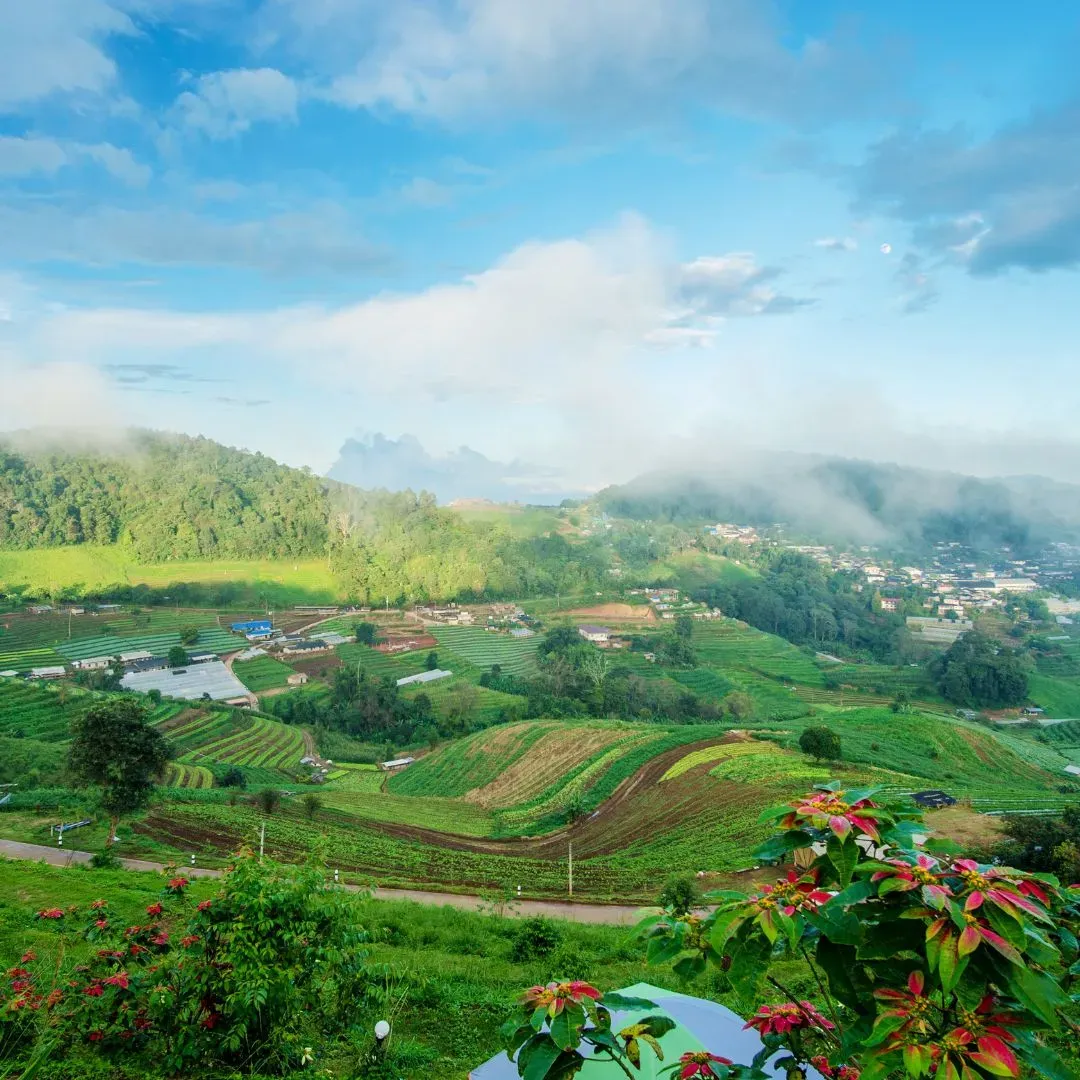
Chiang Mai remains the reigning veteran hub of the region, and its position actually got stronger heading into 2026 now that Thailand's Destination Thailand Visa gives long-stay remote workers up to 180 days per entry across a full five-year validity window, with a lump-sum bank-balance requirement instead of a monthly income floor. That structure makes it one of the more accessible visa routes on this entire list for freelancers who have savings built up but lack a fixed monthly salary a traditional visa officer would recognize, and it's a big part of why Chiang Mai's nomad population has held steady even as newer hubs have opened up around the region.

Bali still draws the largest single nomad community anywhere in the region, split roughly between Canggu's surf-and-coworking scene, which skews younger and more social, and Ubud's quieter, slower pace, which tends to attract nomads further into their careers. The trade-off worth knowing before you book anything is that Bali's E33G remote worker permit requires a formal employment contract, which shuts the door on freelancers and business owners who can't produce one, and internet speed varies noticeably by neighborhood and even by street, which is exactly the kind of gap a backup mobile data plan is built to cover.
Quick take, Southeast Asia:
- Da Nang: best for a first relocation on a tight budget; watch out for limited English-language healthcare outside the main hospitals. Check out our Vietnam data plans to stay connected.
- Chiang Mai: best for freelancers without a fixed salary who can show savings instead; watch out for burning season air quality from roughly February to April. Here are the best Thailand eSIM plans to plan your internet connection.
- Bali: best for nomads who want an established community on day one; watch out for neighborhood-dependent internet speed and a visa route that favors salaried employees. Get the best eSIM for Indonesia from MobiMatter and stay connected worry-free.
Europe: Lisbon, Bansko, Budapest

Lisbon remains Europe's flagship nomad city by a wide margin, home to an estimated 16,000-plus remote workers according to recent Portugal-focused digital nomad visa data, and its D8 visa offers one of the clearest five-year paths to full EU permanent residency of any program covered anywhere in this guide. The trade-off is cost, and it's a meaningful one: Lisbon now runs closer to Southern European capital pricing than to the budget-friendly reputation it carried just a few years ago, which means new arrivals should budget carefully rather than assume the older cost-of-living figures still hold.
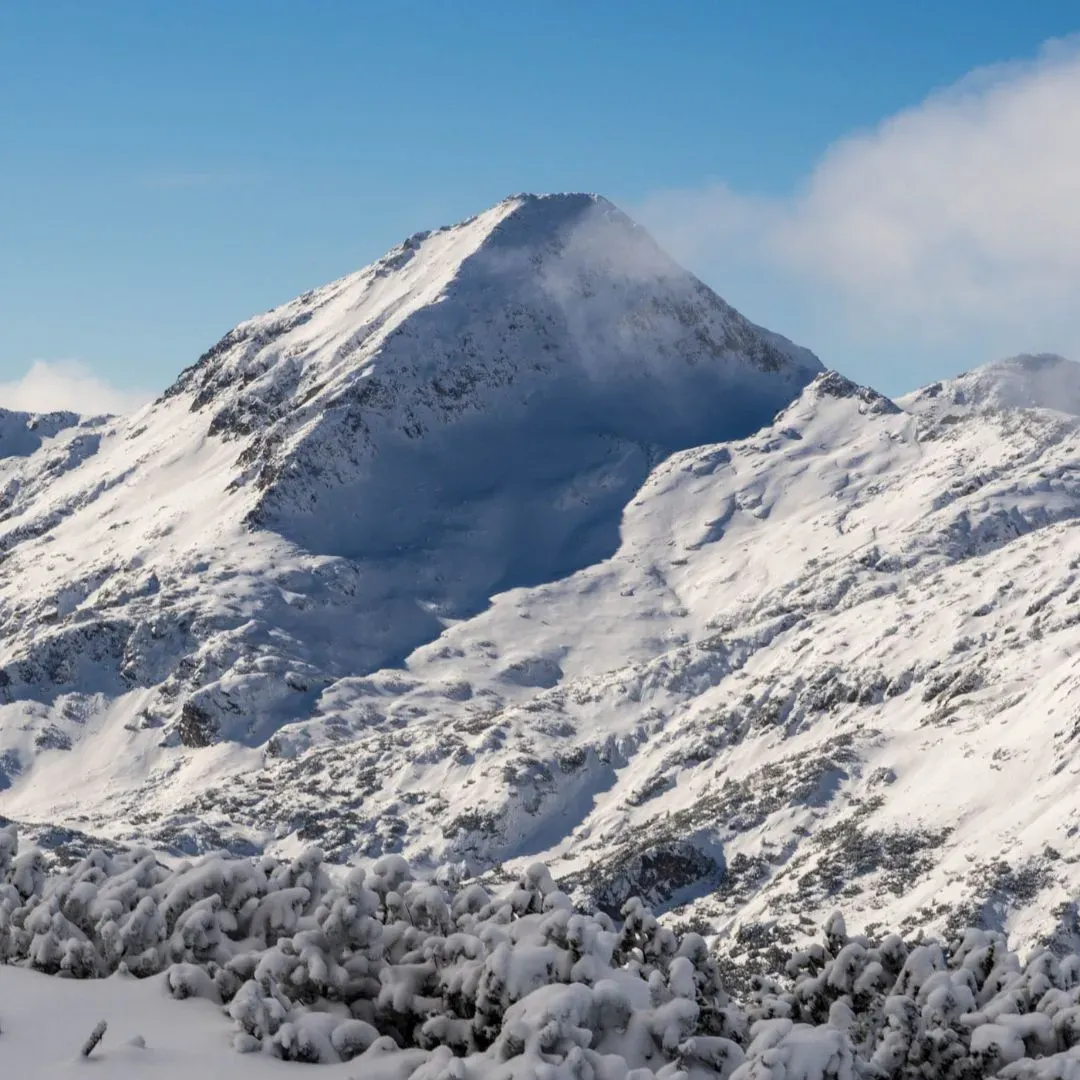
Bansko is the answer for nomads who want Lisbon's coworking culture and EU access at a fraction of the price tag. Bulgaria's ski-town-turned-nomad-hub combines sub-€1,000 monthly budgets with genuinely fast fixed broadband, largely thanks to infrastructure originally built for the winter ski season that now serves a year-round remote-work community instead, and Bulgaria's remote work visa framework has become one of the more approachable entry points into the EU's Schengen-adjacent nomad circuit for applicants who don't meet the higher income thresholds required further west.

Budapest splits the difference between the two, offering genuine big-city infrastructure, a well-established coworking and events scene that rivals cities twice its size, and Hungary's White Card remote work permit, which suits nomads who want a proper European capital base without paying Western European rent for the privilege. The city's central location also makes weekend trips across the rest of the continent unusually cheap and fast, which is a real draw for nomads who want to explore beyond their base city on weekends.
Quick take, Europe:
- Lisbon: best for nomads prioritizing a long-term EU residency path; watch out for rent that now rivals other Southern European capitals.
- Bansko: best for maximizing budget inside the EU; watch out for a small-town pace that doesn't suit everyone long-term.
- Budapest: best for a big-city base with lower costs than Western Europe; watch out for a language barrier outside tourist and coworking areas.
Latin America: Mexico City and Medellín

Mexico City has become the default landing spot for North American nomads chasing time-zone overlap with US clients, backed by a straightforward temporary resident visa route and a coworking density that genuinely rivals most European capitals despite the much lower cost of living. Roma Norte and Condesa remain the two neighborhoods driving most of that demand, and both now carry rent increases that reflect just how much interest has poured into the city over the past couple of years, so nomads on a tighter budget increasingly look to nearby neighborhoods like Escandón or Nápoles instead.
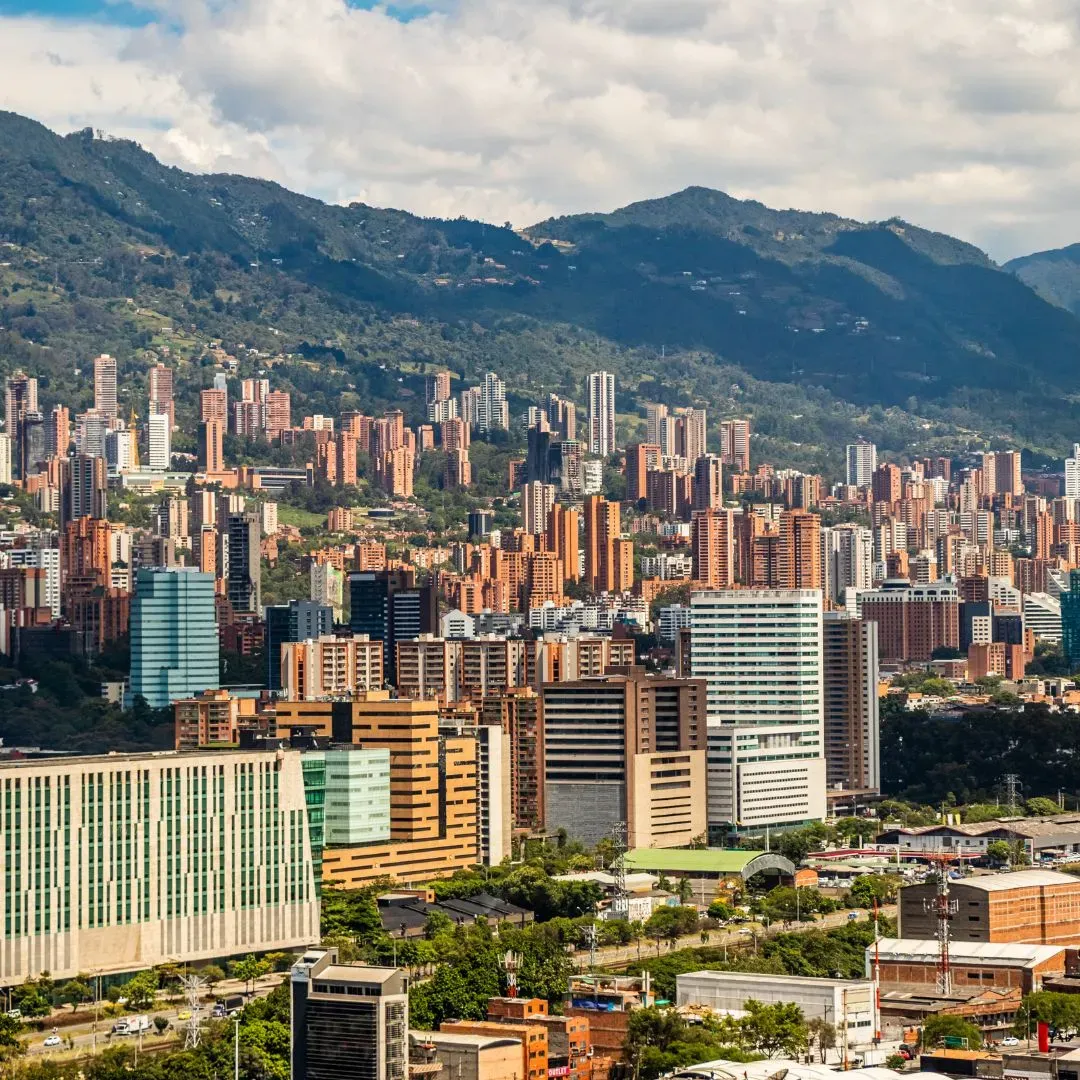
Medellín continues to offer the best cost-to-infrastructure ratio anywhere in Latin America, helped considerably by Colombia's dedicated V visa for remote workers, which carries one of the most accessible income thresholds of any program covered in this entire guide. Combined with the year-round spring-like weather the Aburrá Valley is famous for, and a metro system that makes commuting between neighborhoods genuinely painless, it's a strong pick for anyone prioritizing budget without giving up reliable fixed internet or a real sense of community.
Quick take, Latin America:
- Mexico City: best for US and Canadian workers who need daytime overlap with home clients; watch out for rising rent in the two most nomad-heavy neighborhoods.
- Medellín: best for the strongest budget-to-infrastructure ratio in the region; watch out for security-conscious neighborhood selection mattering more than in most other cities on this list.
7 More 2026 Hotspots Worth Watching
These seven destinations didn't make the core eight, generally because their nomad infrastructure or visa program is newer and less battle-tested, but each is climbing fast enough in 2026 search and relocation data to deserve a spot on any serious shortlist heading into next year.

How to Narrow the List: 4 Questions Before You Book a Flight
Picking between eight strong destinations gets considerably easier once you filter your options by what actually determines whether a relocation works day to day, rather than by which city happens to have the most attractive photos circulating online. Run each option you're seriously considering through these four questions before booking anything non-refundable, since the answers tend to eliminate two or three cities immediately and make the final decision much simpler.
- What's your realistic monthly budget, all-in? Add rent, coworking, food, and a data plan together rather than looking at rent alone. Da Nang, Bansko, and Medellín all comfortably fit under $1,500 a month even with a comfortable lifestyle; Lisbon and Budapest generally don't unless you're earning well above average.
- Do you have a formal employer, or are you self-employed? Bali's E33G permit and some European programs favor salaried applicants who can produce an employment contract from a foreign company; Thailand's DTV and Colombia's V visa are considerably more accommodating for freelancers and the self-employed who can only show bank statements or client invoices.
- Which time zone do your clients or team sit in? Mexico City and Medellín overlap heavily with US business hours, which matters enormously if you're expected to join live meetings; Budapest and Lisbon overlap with Western Europe instead; Chiang Mai and Da Nang overlap best with Asia-Pacific clients and colleagues.
- How much does connectivity reliability matter to your role? Anyone on daily video calls or managing a team remotely should weight internet speed and a backup data plan as heavily as rent when comparing cities, since a single missed call or dropped presentation tends to cost far more than a cheaper Airbnb ever saves.

III. The Wi-Fi Backup Trap: Why Café and Airbnb Wi-Fi isn't Enough
Relying on a single Wi-Fi connection during a relocation is the most common reason remote workers miss calls, and the failure point is rarely obvious until it's already too late to fix quietly. Airbnb listings advertise speeds that reflect the building's overall plan, not what's actually available to your specific unit once several other apartments share the same router during peak evening hours, and café Wi-Fi is built for casual browsing rather than for a 45-minute video call running alongside three other laptops streaming on the same shared table.
The pattern shows up the same way in almost every relocation story you'll hear from someone who's done this before. A remote worker lands in a new city, checks into short-term housing with "fast Wi-Fi" prominently listed in the description, and finds the connection effectively unusable the moment a client call, a large file upload, or a co-worker's video stream competes for the same limited bandwidth. In neighborhoods like Canggu or Bansko, where fixed infrastructure quality varies noticeably block to block depending on how recently the building was wired, the gap between the advertised speed and the actual delivered speed can be significant enough to derail an entire workday, sometimes for reasons that have nothing to do with your own internet plan at all.
The cost of getting this wrong is rarely just annoyance, and it's worth being honest about what's actually at stake. A client call that cuts out mid-sentence, a file upload that stalls right before a deadline, or a video interview that freezes at exactly the wrong moment carries a real professional cost, and it tends to happen in the first week of a relocation, precisely when a nomad has the least local knowledge and fewest backup options to fix it fast. Asking a co-working space or a neighbor for their Wi-Fi password isn't a real long-term solution either, since it puts a work laptop on a network with zero visibility into who else is using it or how much bandwidth they're consuming at any given moment.
A backup connection closes that gap entirely without adding a second router, a local contract, or a trip to a carrier store. The nomads who consistently avoid dropped calls, regardless of which city they've landed in, generally follow the same short checklist before their first work day:
- Test the primary connection before a client call, not during one, so you know exactly what you're working with.
- Keep a mobile hotspot with its own separate data allowance as the fallback, rather than a phone plan that's already shared across everything else you do.
- Choose a data allowance sized for weeks, not days, since most relocations run 30 to 90 days at minimum and a plan that runs out mid-stay defeats the purpose entirely.
- Confirm hotspot and tethering are enabled before the trip, since some budget SIM plans restrict that feature by default and it's easier to check before you land than after.

IV. MobiMatter Product Focus: eSIM Plans Built for the Autumn Relocation
The fastest way to remove the Wi-Fi backup trap from a relocation entirely is a long-term eSIM plan sized specifically for how remote workers actually use data day to day: video calls, cloud file syncing, and hotspot sharing for a second device, all sustained over weeks rather than the few days a typical tourist SIM is designed around. MobiMatter's 30-to-90-day eSIM packages are built specifically for that usage pattern, with 20GB to 50GB allowances and hotspot capability included as standard, so a laptop can tether directly to the same data plan instead of relying on a separate, unreliable router in a rental that was never really set up for remote work in the first place.
The setup itself takes minutes rather than requiring a trip to a local carrier store once you've already landed and are tired from travel. Because MobiMatter eSIMs activate by QR code sent straight to your email, there's no physical SIM card to source, no local ID requirement in most countries, and no waiting in line at an airport kiosk after a long-haul flight when you'd rather just get to your accommodation. The whole process can realistically be finished before boarding: buy the plan, scan the QR code once you land or even from the departure gate before takeoff, and the connection is live before you've cleared passport control, which matters most in cities like Bali or Bansko where fixed Wi-Fi speed at a new rental is genuinely unknown until you're actually inside the apartment testing it yourself.
Hotspot capability matters more than the headline data figure for most remote workers, since it lets one single eSIM cover a phone, a laptop, and often a second device like a tablet used for note-taking during calls, all without needing separate plans or separate bills for each device. Pairing a 90-day plan with one of the destinations covered above, particularly ones like Bali or Bansko where fixed Wi-Fi speed varies meaningfully by exact location rather than by city as a whole, turns what would otherwise be a shaky and stressful first week into a genuine non-issue from day one.
FAQs
What is the best digital nomad city for 2026? There's no single best city; it depends heavily on your budget and visa access. Chiang Mai and Da Nang lead on cost and internet speed, Lisbon leads on infrastructure and its EU residency pathway, and Medellín leads on cost-to-quality ratio anywhere in Latin America.
Is October a good time to move abroad as a digital nomad? Yes. Shoulder-season pricing drops across most nomad hubs once summer tourist season ends, and many workers deliberately use the September to November window to settle into a base before year-end reviews and planning season begin.
Do I need a local SIM card if I have an eSIM? No. An eSIM activates digitally by QR code and works alongside or instead of a physical SIM, which is exactly why it suits short-term relocations where carrying and managing a local SIM card simply isn't worth the setup time.
How much mobile data does a remote worker actually need per month? Most remote workers relying on video calls and cloud file syncing use between 15GB and 40GB a month, which is why 30-to-90-day plans in the 20GB-50GB range comfortably cover a full relocation window without running out mid-stay.
Which digital nomad visas don't require proof of monthly income? Thailand's Destination Thailand Visa asks for a lump-sum bank balance instead of monthly income, and Georgia allows visa-free stays of up to a year for many nationalities with no income requirement attached at all.